Columns

Published: 9/1/23
“Arkansas Toothpick”
How a large knife known as the "Arkansas Toothpick" earned its menacing reputation in the decades before the Civil War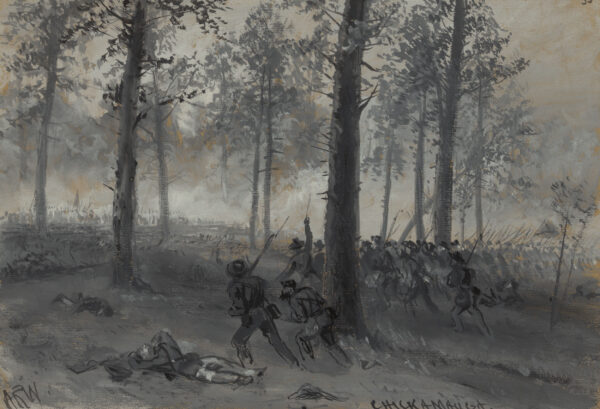
Published: 6/7/23
Teaching the Battle of Chickamauga
Historian Andrew Bledsoe on how to help students understand the complexity and experience of Civil War combat through battlefield excursions.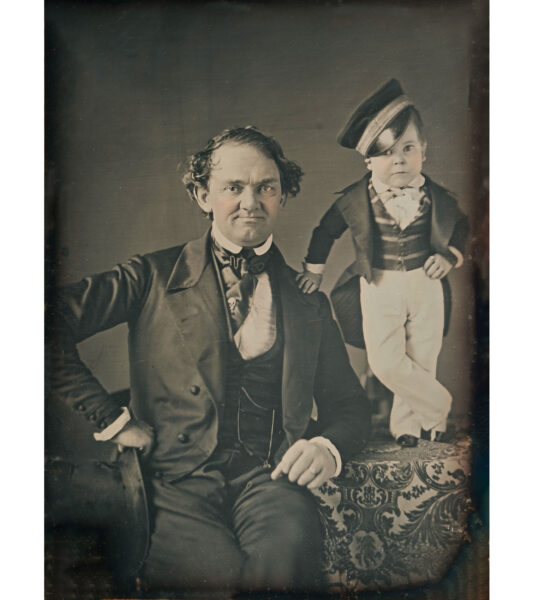
Published: 6/7/23
“Acknowledge the Corn”
A look at how an expression thought to be rooted in American politics gained widespread use as an admission of error or wrongdoing.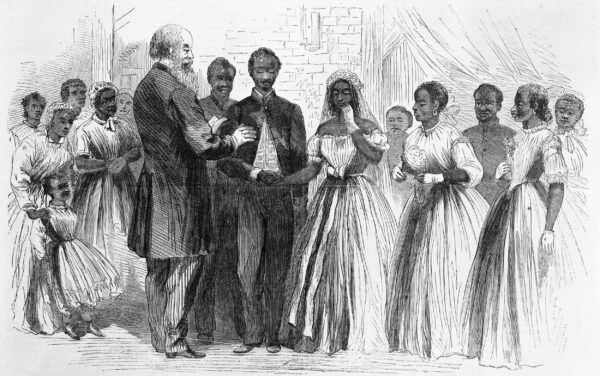
Published: 3/7/23
“To Jump the Broomstick”
An examination of the origins of the phrase "to jump the broomstick," which is often associated with the African-American community.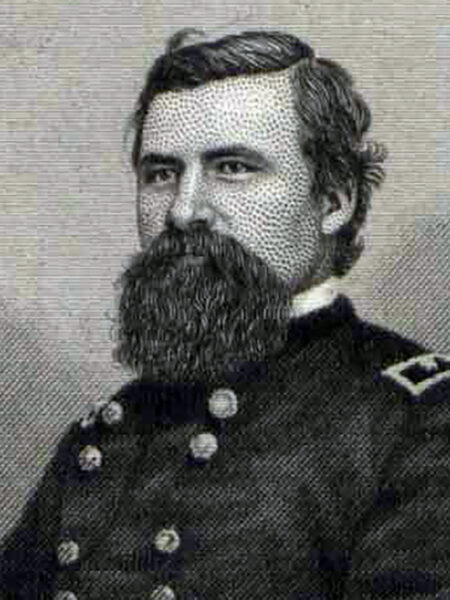
Published: 3/7/23
Eli Long and the Raid on Cleveland, Tennessee
In November 1863, Eli Long and some 1,500 Union troops executed a raid against the town of Cleveland, Tennessee.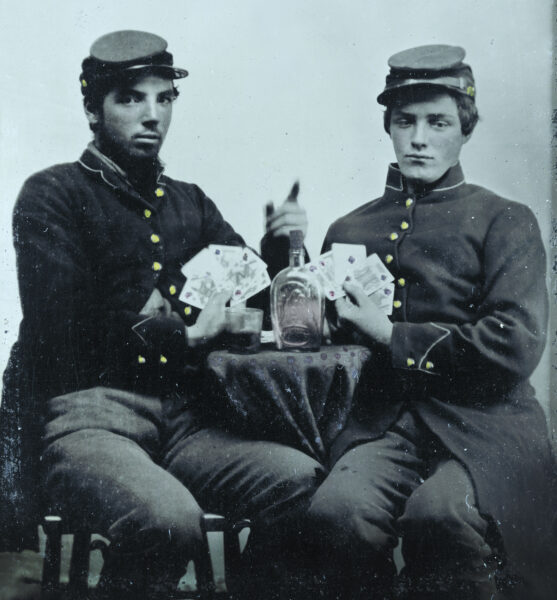
Published: 9/1/22
Forty Rod
An examination of the term "Forty Rod" whiskey used widely during the American Civil War.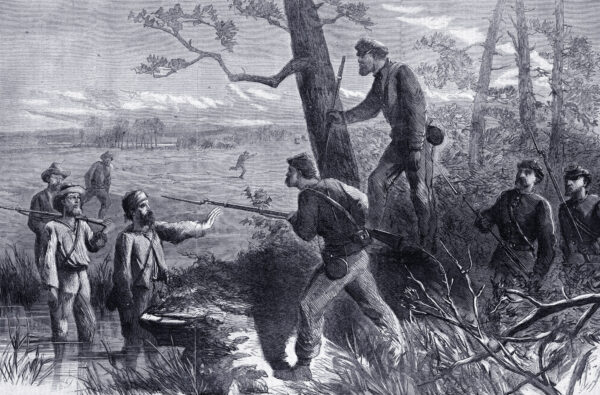
Published: 6/1/22
French Leave
The origins of a Civil War-era euphemism for desertion is rooted in an old ethnic stereotype.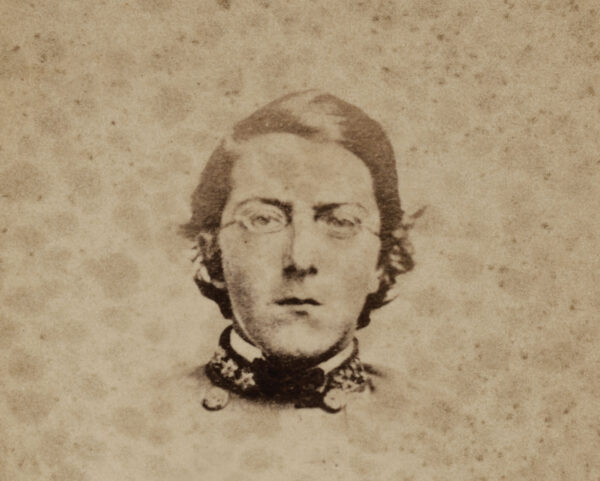
Published: 6/1/22
William R.J. Pegram and Deliberate Courage
A look at the glory—and dark side—of valorous action in battle as embodied by the Civil War career of William R.J. Pegram.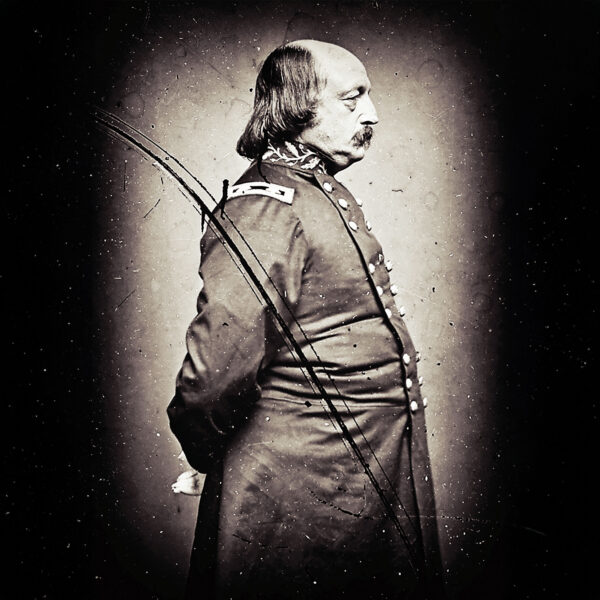
Published: 12/28/21
Benjamin F. Butler and Military Emancipation
A look at the significant role played by Major General Benjamin Butler in setting Union military policy on emancipation.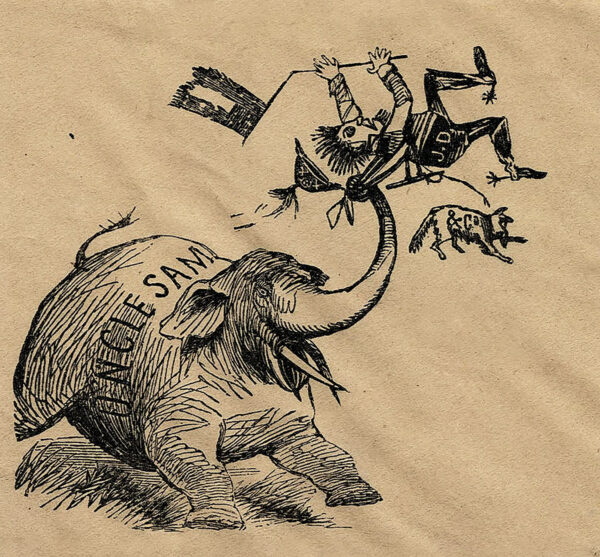
Published: 12/1/21
“Seeing the Elephant”
How Civil War soldiers came to embrace the phrase "seeing the elephant," a popular idiom with prewar origins in circus show business.
Published: 7/16/21
“Bully Boys”
bul•ly \ ‘bŭ-lē \ adjective This word has two distinct meanings: 1. A braggard, or a man who terrifies and threatens. 2. The older form, still common, applied to...