“As the officers and soldiers of the United States have been subject to repeated insults from the women (calling themselves ladies) of New Orleans, in return for the most scrupulous non-interference and courtesy on our part, it is ordered that hereafter when any female shall, by word, gesture or movement, insult or show contempt for any officer or soldier of the United States, she shall be regarded and held liable to be treated as a woman of the town plying her avocation.” So decreed Major General Benjamin Butler, commander of the Union force that occupied New Orleans, on May 15, 1862. Since the city’s occupation on May 1, Union troops had been subjected to repeated taunts and insults by local Confederate women, from being spit upon to having the contents of chamber pots dumped on them—and Butler had had enough. By declaring that women who disrespected Union soldiers would be treated as prostitutes, he was in effect saying that they’d be subject to arrest.
Butler’s proclamation, which came to be known as the “Woman Order,” sparked controversy throughout the country but particularly in the South, where Butler was quickly nicknamed “Beast” and held up as a prime example of Yankee depravity by the pro-Confederate populace and press. Four days after Butler issued the order, Confederate general P.G.T. Beauregard had it read aloud to the soldiers under his command, adding, “Shall our mothers, our wives, our daughters and our sisters, be thus outraged by the ruffianly soldiers of the North, to whom is given the right to treat, at their pleasure, the ladies of the South as common harlots? Arouse friends, and drive back from our soil, those infamous invaders of our homes and disturbers of our family ties.”
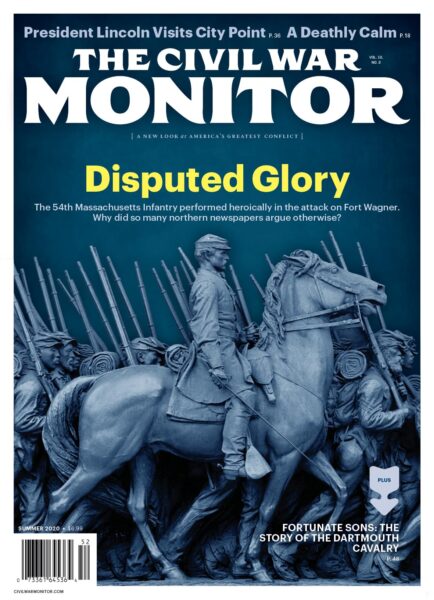
As many Civil War enthusiasts know, the cloud of ill repute that emerged during his time in New Orleans continues to hang over Butler. But should it? Was Butler really the contemptible cad that his detractors painted him to be? In this issue’s cover story, “A Man Called Beast” (page 24 in the print edition), historian Elizabeth Leonard reflects on what she learned about the general while researching and writing her recent biography of him—and makes the case that we do Butler, and the historical record, a serious disservice by giving credence to his beastly reputation.

Want to share your thoughts on this or other articles in the issue? Send your emails to [email protected].