Robert Edward Lee remains one of the most closely studied military commanders in American history. The following chronology explores the defining milestones of his consequential—and controversial—life and career.
Stratford Hall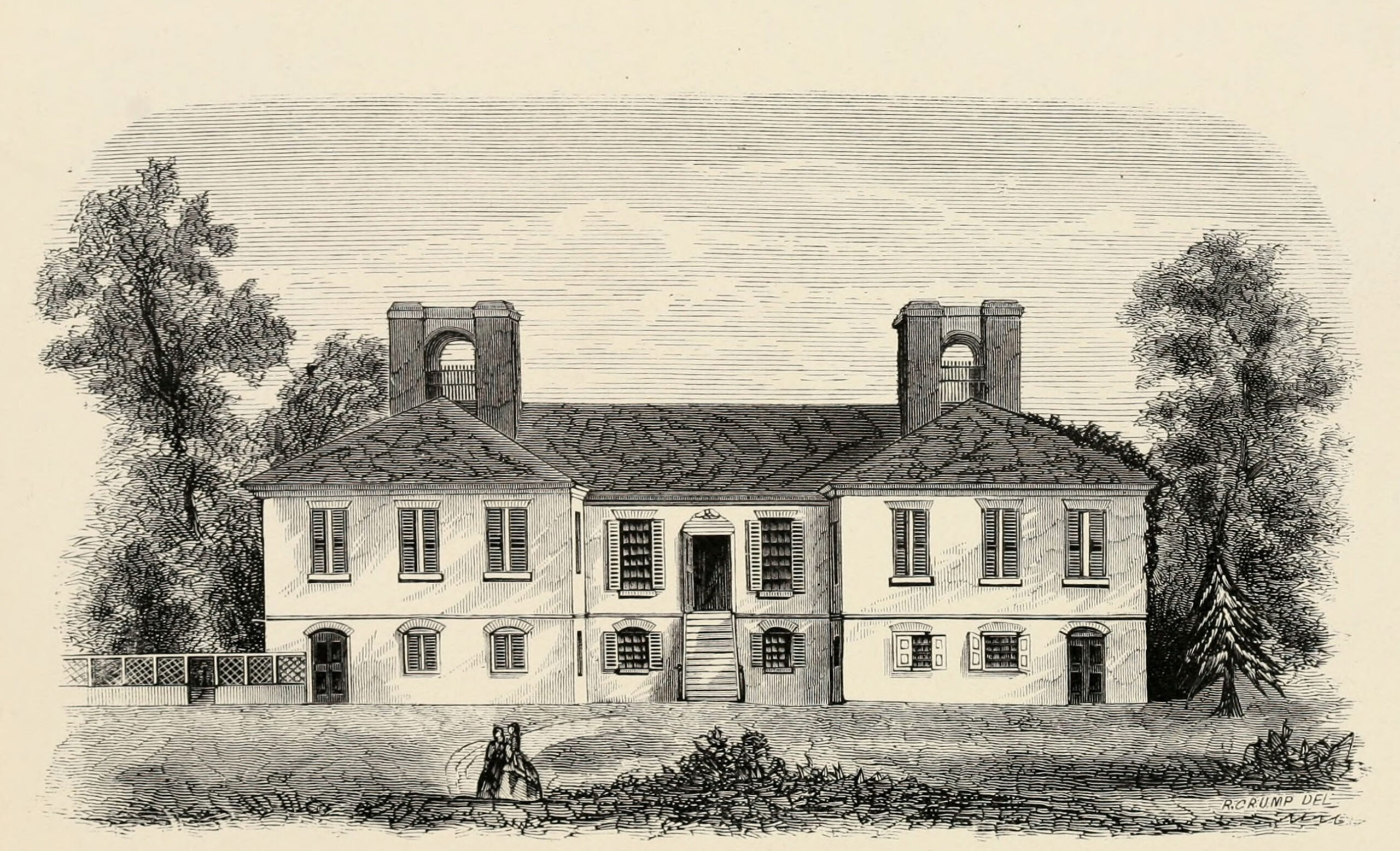 Old Churches, Ministers and Families of Virginia vol. 2 (1900)
1807
January 19
Robert Edward Lee is born at Stratford Hall, Virginia (above), the fifth child of Henry “Light-Horse Harry” Lee (1756–1818) and Anne Carter Lee (1773–1829)
1829
June
Graduates second in his class from the United States Military Academy at West Point; commissioned brevet second lieutenant in the Corps of Engineers
June 30
Mary Custis Lee portrait.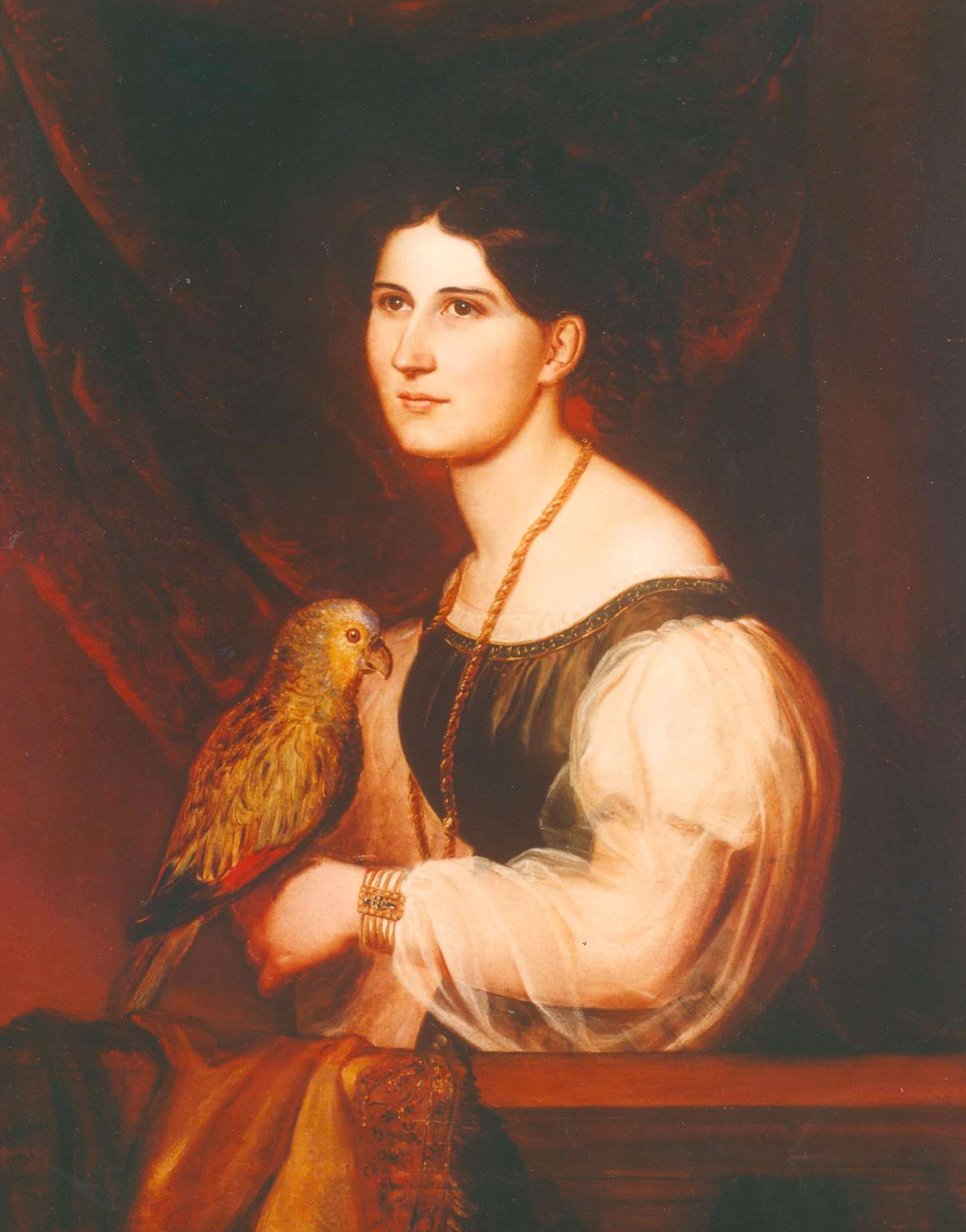 National Park Service
Marries Mary Anna Randolph Custis (1807–1873)
1834
Assigned as an assistant in the chief engineer’s office in Washington, D.C.; Lee family moves to Arlington House (November)
1838
August
Robert E. Lee as captain in the Corps of Engineers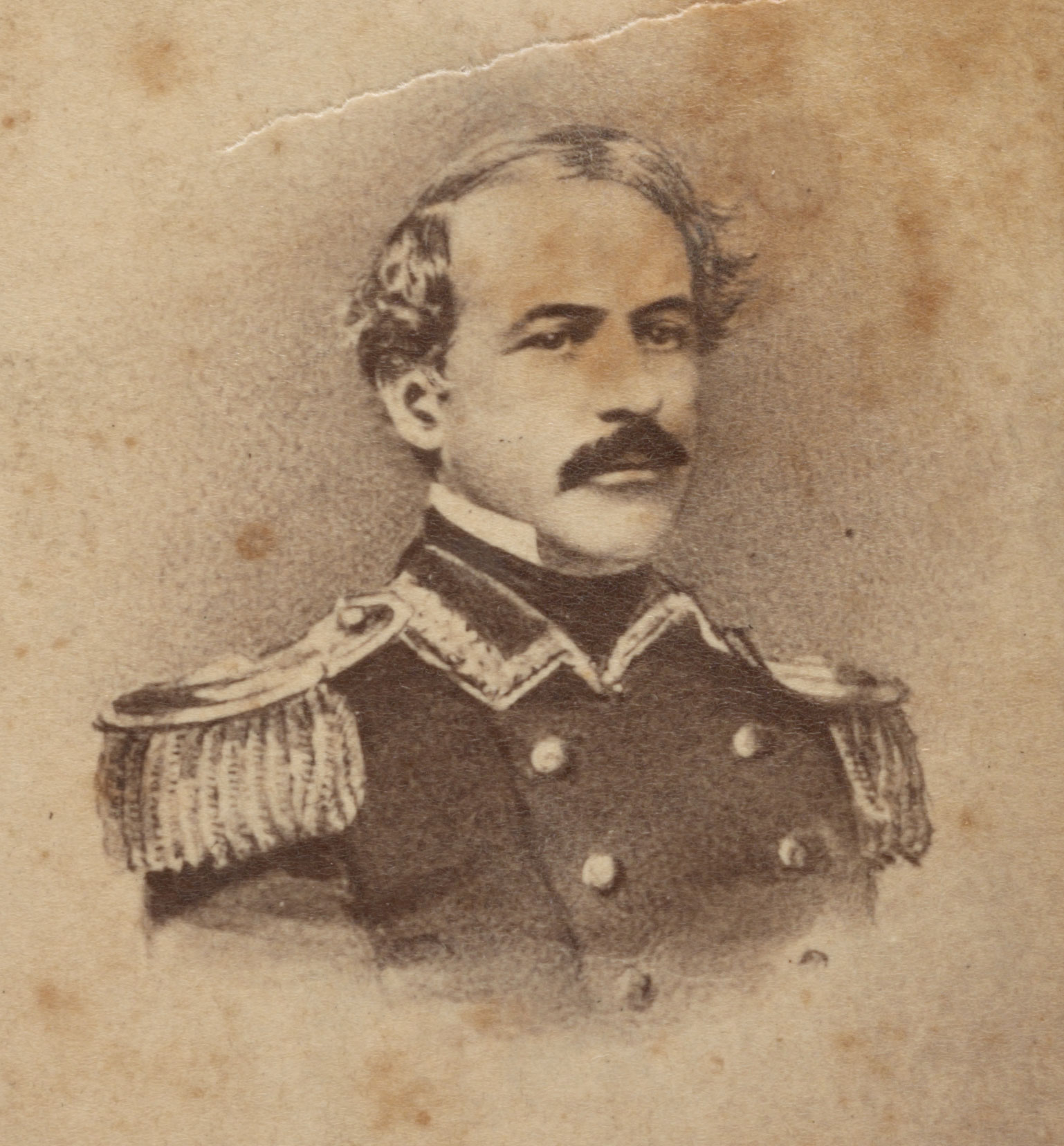 Library of Congress
Promoted to captain in the Corps of Engineers
1846–48
Serves with distinction in the Mexican War; receives three brevet promotions
1852–55
Serves as superintendent of the United States Military Academy at West Point
1855
Promoted to lieutenant colonel of the 2nd U.S. Cavalry, stationed in Texas
1859
October
Illustration of John Brown’s Harpers Ferry raid.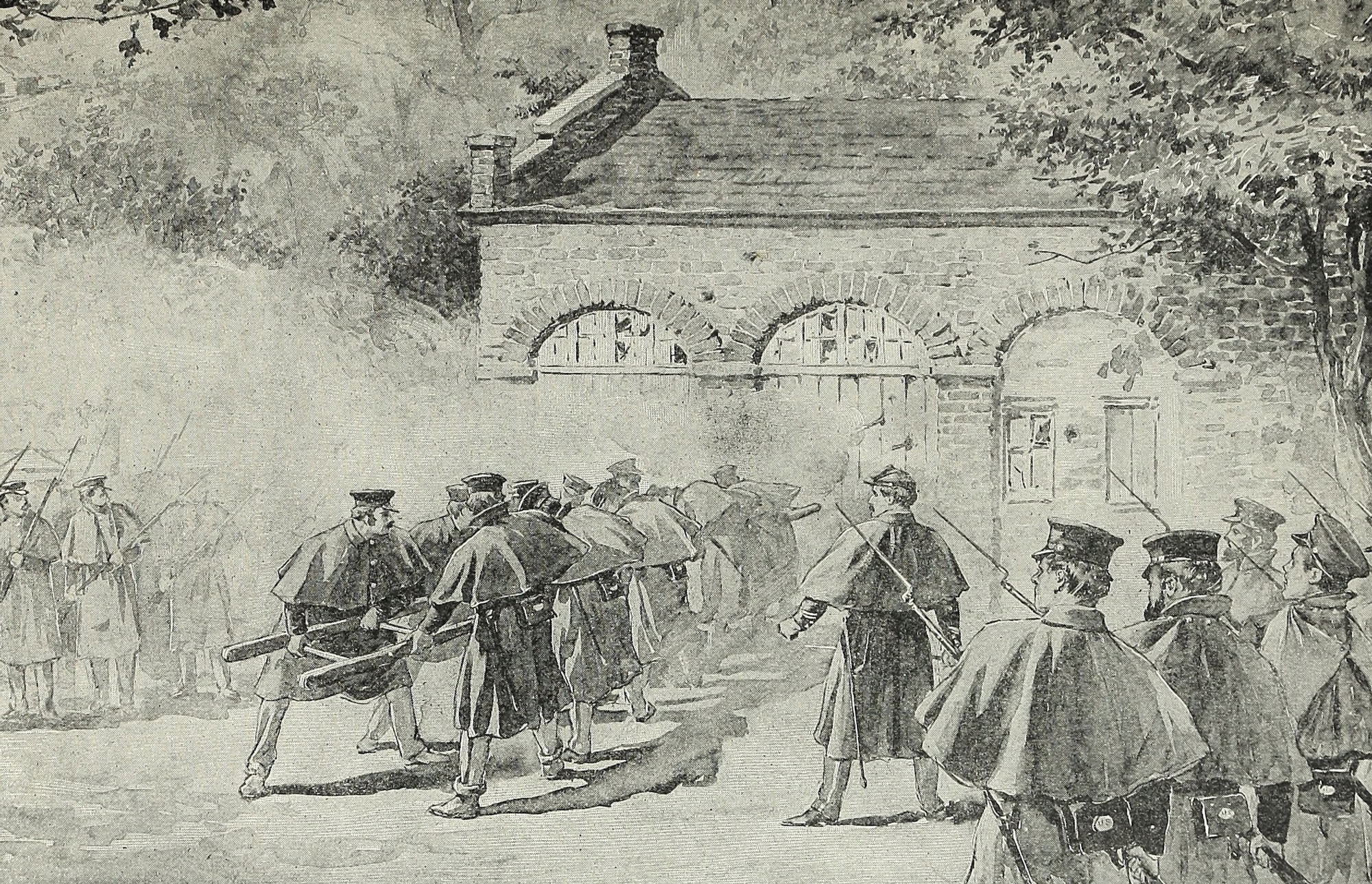 Gen. Robert E. Lee (1897)
Commands military detachment that suppresses John Brown’s Harpers Ferry raid
1860
February
Departs Arlington to rejoin the 2nd U.S. Cavalry in Texas
1861
March 1
General-in-Chief Winfield Scott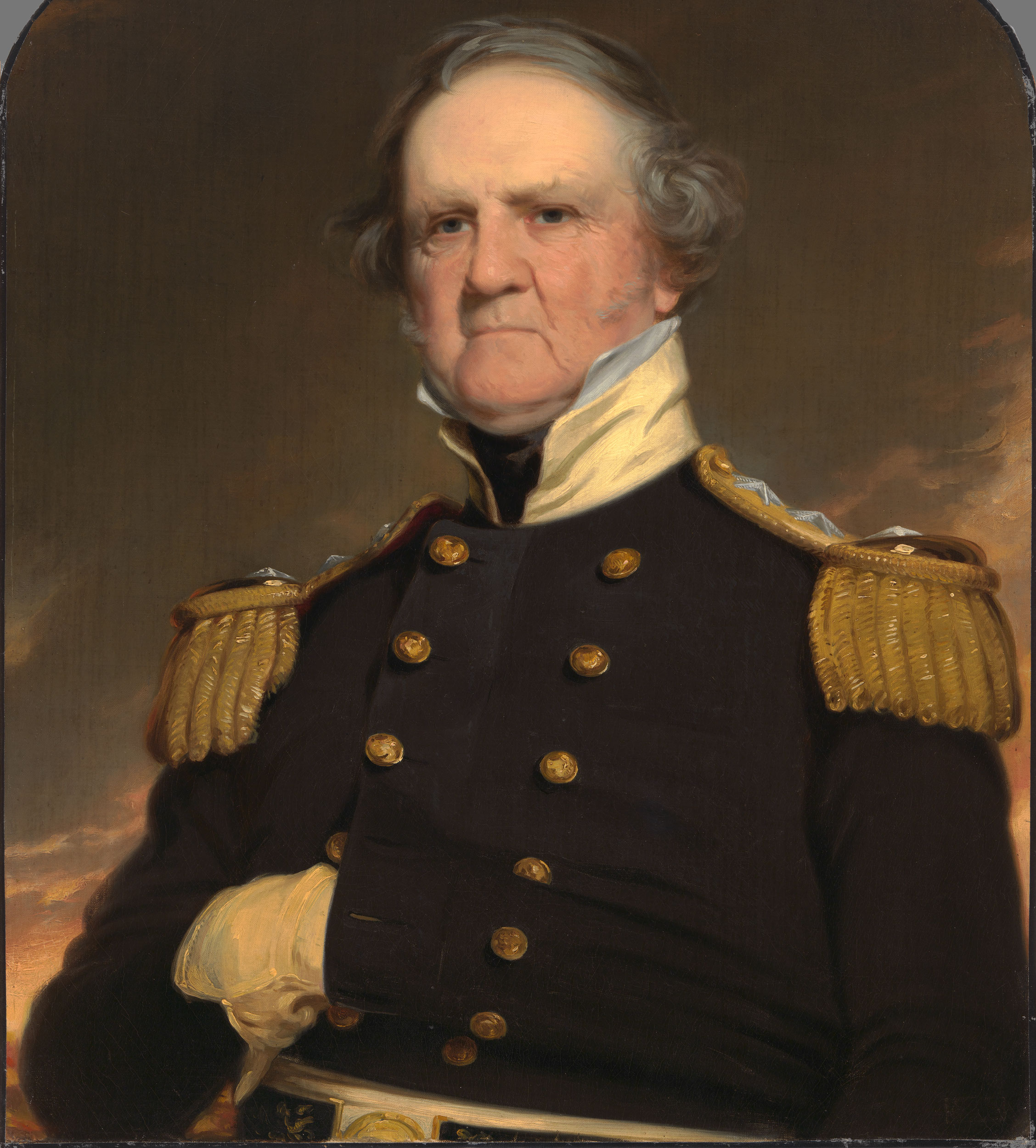 National Portrait Gallery
Recalled to Washington, D.C., by General-in-Chief Winfield Scott
April 18
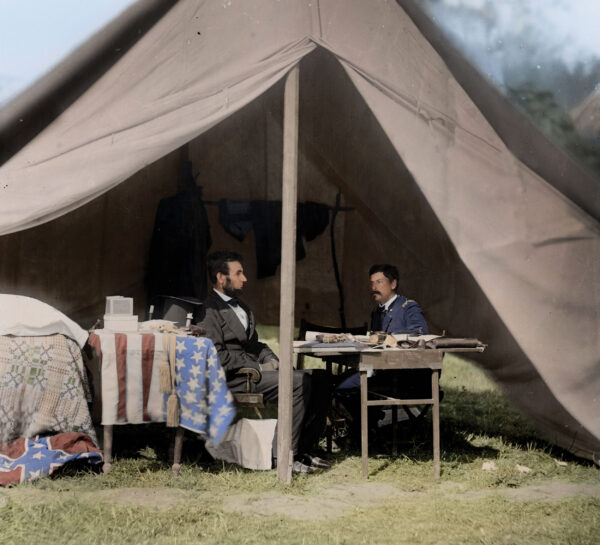
Francis Preston Blair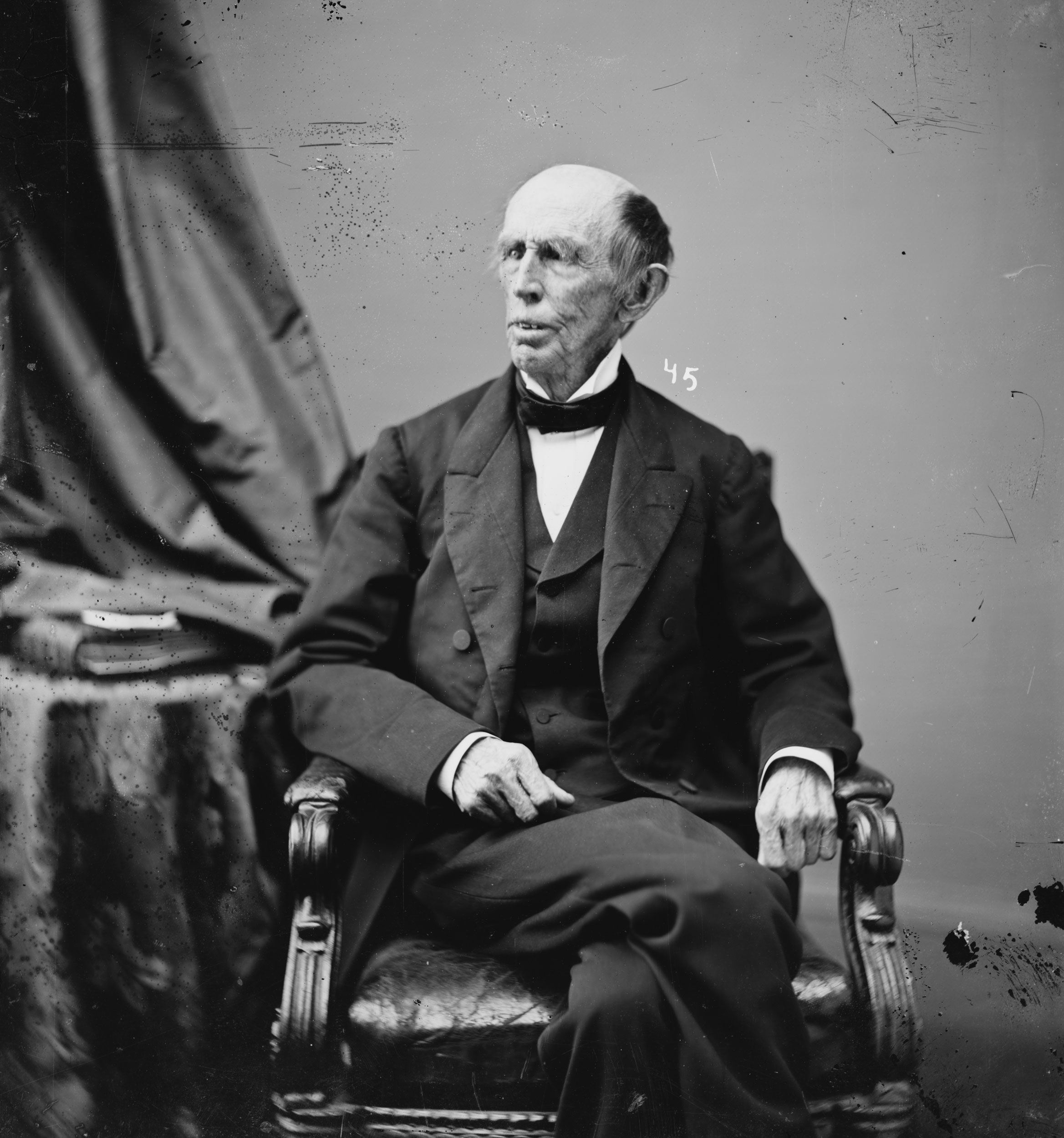 Library of Congress
Offered command of U.S. forces (on behalf of the president in a meeting with Francis Preston Blair)
April 20
Submits his resignation from the U.S. Army
April 23
Accepts command of Virginia state military and naval forces
May 14
Commissioned brigadier general in the Confederate army
July 28
Departs Richmond for western Virginia with orders to coordinate the Confederate forces in the region
August 31
Robert E. Lee as full general of the Confederate army.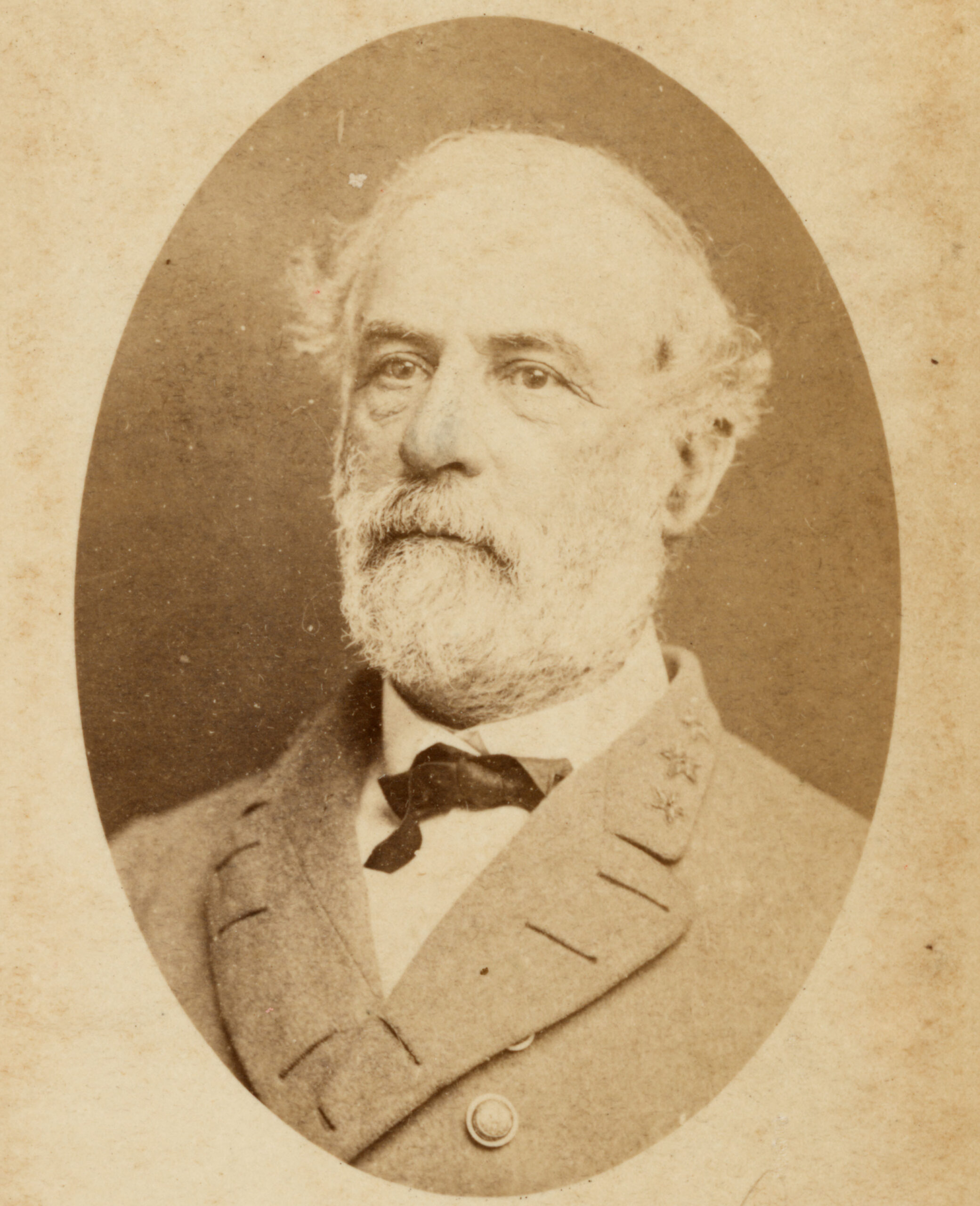
Confirmed as full general in the Confederate army
September 12–15
Defeated at Battle of Cheat Mountain in western Virginia
November 5
Appointed commander of the Department of South Carolina, Georgia, and Florida; departs for Charleston, South Carolina, the next day
1862
March 14
Appointed acting secretary of war
June 1
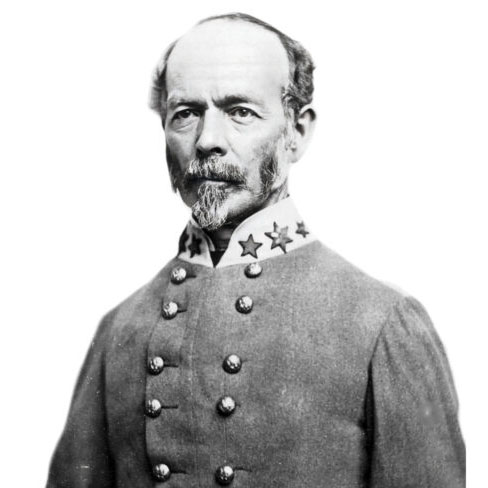
Assumes command of the Confederate army protecting Virginia after its commander, General Joseph E. Johnston, was wounded the previous day at the Battle of Seven Pines
June 25 – July 1
Pushes George B. McClellan’s Army of the Potomac away from Richmond at the Seven Days Battles
August 28 – 30
Victory at Battle of Second Bull Run
September 3
Leads Army of Northern Virginia northward into Maryland
September 14
Defeated at Battle of South Mountain
September 17
Fights tactically inconclusive Battle of Antietam
December 13
Robert E. Lee with Confederate soldiers during the Battle of Fredericksburg.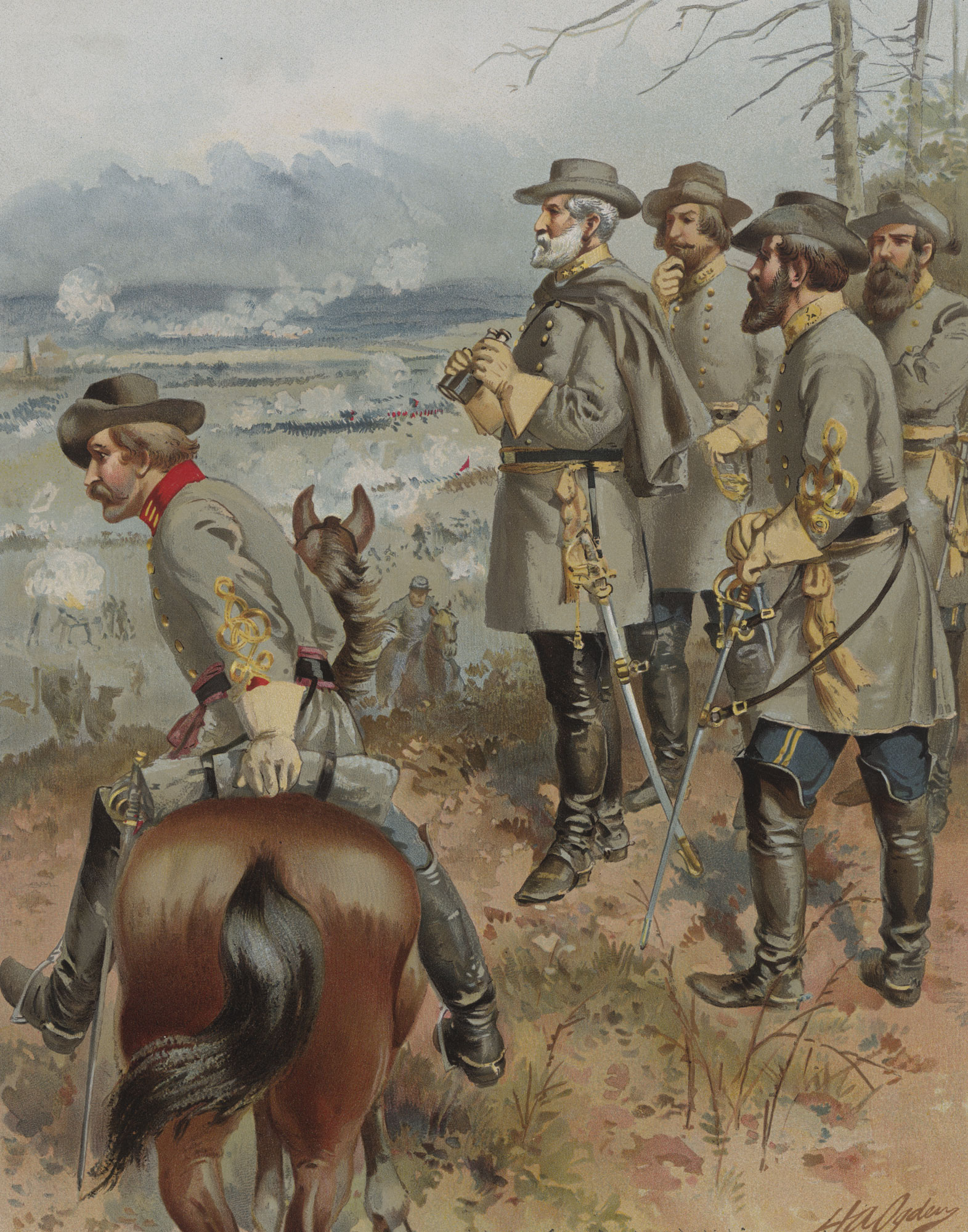 Library of Congress
Victory at Battle of Fredericksburg
1863
April 30 – May 6
Illustration of Robert E. Lee on his horse at the Battle of Chancellorsville.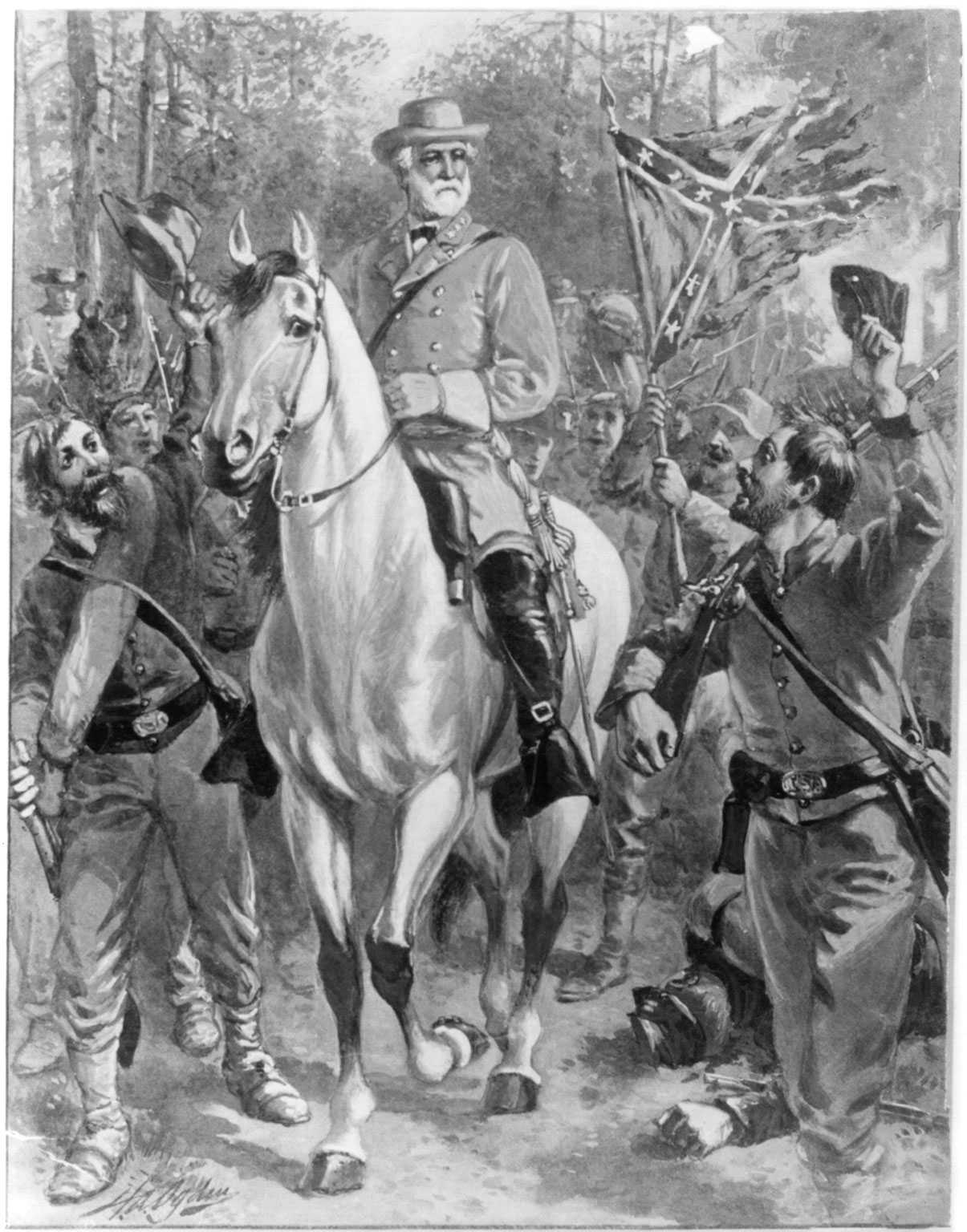 Library of Congress
Victory at Battle of Chancellorsville
June 15
Army of Northern Virginia begins to enter Maryland on second invasion of the North
July 1 – 3
Defeated at Battle of Gettysburg
August 8
Sends letter of resignation to President Jefferson Davis, who rejects it
1864
May 4 – June 12
Fights Overland Campaign against Ulysses S. Grant, a strategic Union victory
June 15 – March 25, 1865
Defeated at Siege of Petersburg
1865
April 9
Robert E. Lee surrendering the Army of Northern Virginia to Ulysses S. Grant at Appomattox Court House.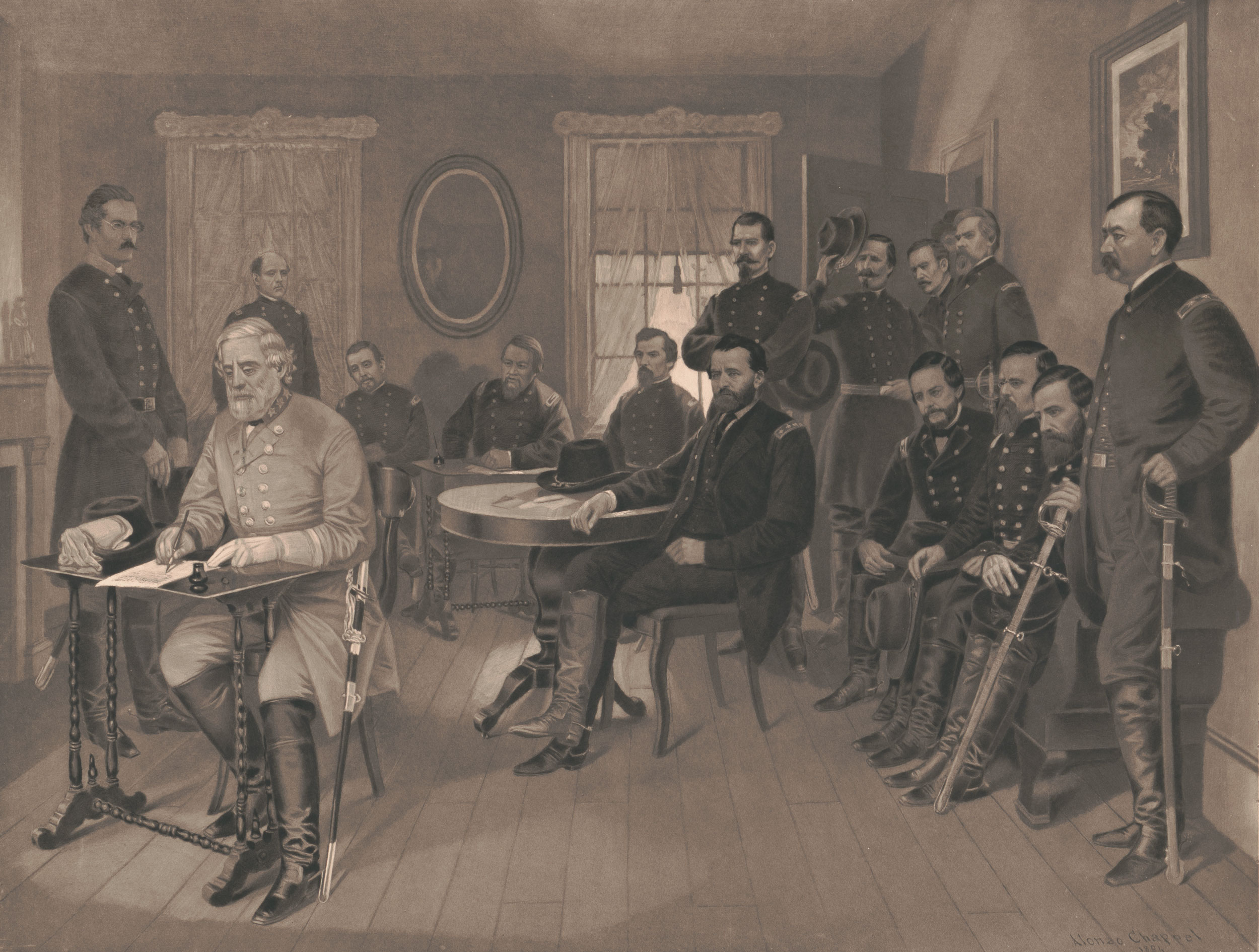 Library of Congress
Surrenders Army of Northern Virginia to Grant at Appomattox Court House
October 2
Installed as president of Washington College (now Washington and Lee University)
1870
October 12
Sculpture of Robert E. Lee on his death bed.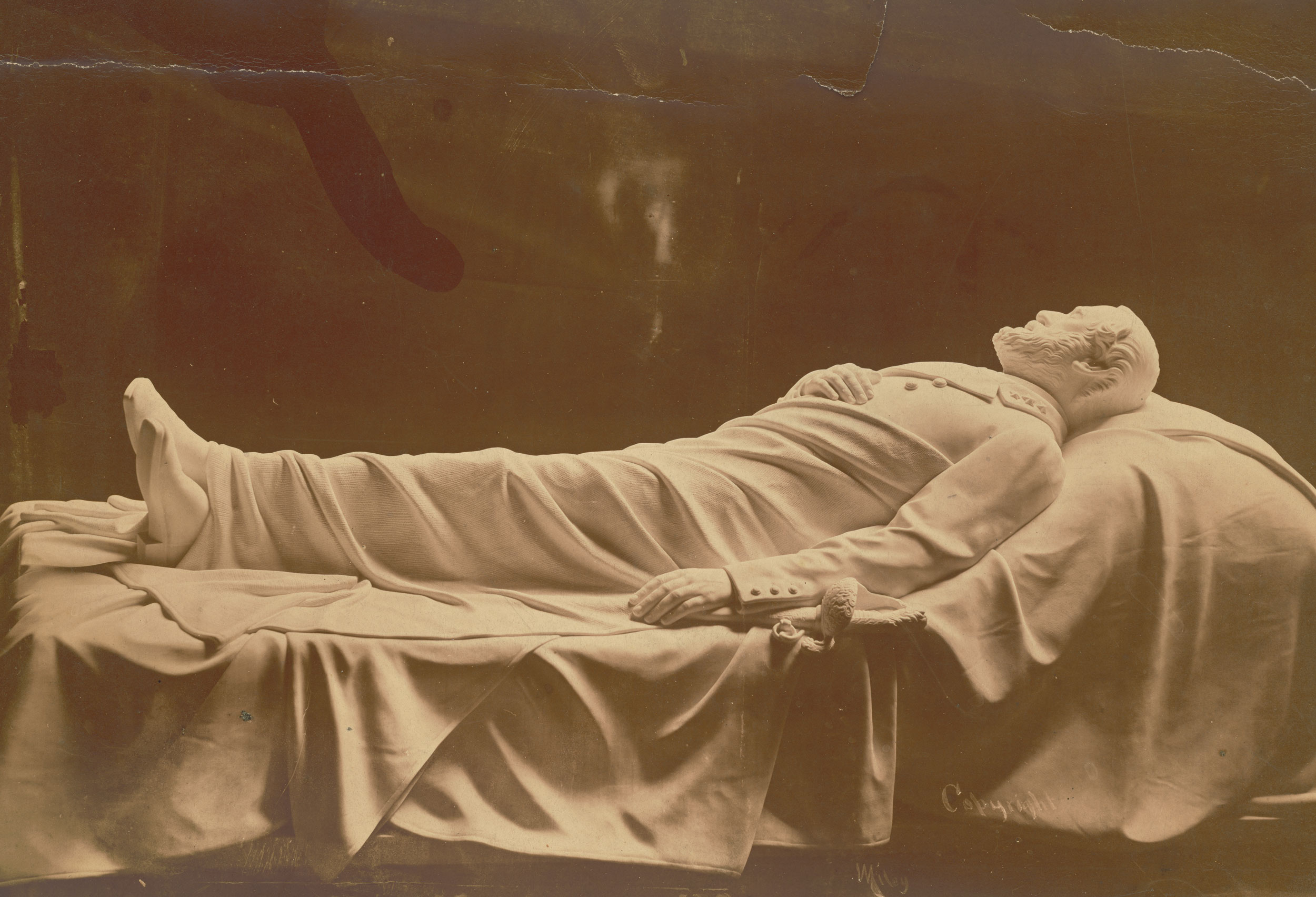 Library of Congress
Dies at 63 in Lexington, Virginia, from pneumonia, two weeks after suffering a stroke
Related topics: Robert E. Lee