On September 19, 1862, two days after the Battle of Antietam had ended, a young lieutenant in the 57th New York Infantry, Josiah Favill, was ordered to lead a fatigue party to bury the dead in front of his brigade’s lines. As Favill and his men went to work—they’d bury over 300 men that day—they were struck not only by the extent of the slaughter, but by the hordes of civilians who had descended on the battlefield in search of relics of the great contest. “The country people flocked to the battlefield like vultures,” Favill recorded in his diary, “their curiosity and inquisitiveness most astonishing…. Hundreds were scatered over the field, eagerly searching for souvenirs in the shape of cannon balls, guns,
bayonets, swords, canteens, etc.”
As illustrated by the items on the following pages—all of them from the collections of The American Civil War Museum (formerly known as the Museum of the Confederacy) in Richmond, Virginia—Union and Confederate soldiers and sailors were also not immune to the allure of artifact collecting, often securing souvenirs for themselves both on the battlefield and off.
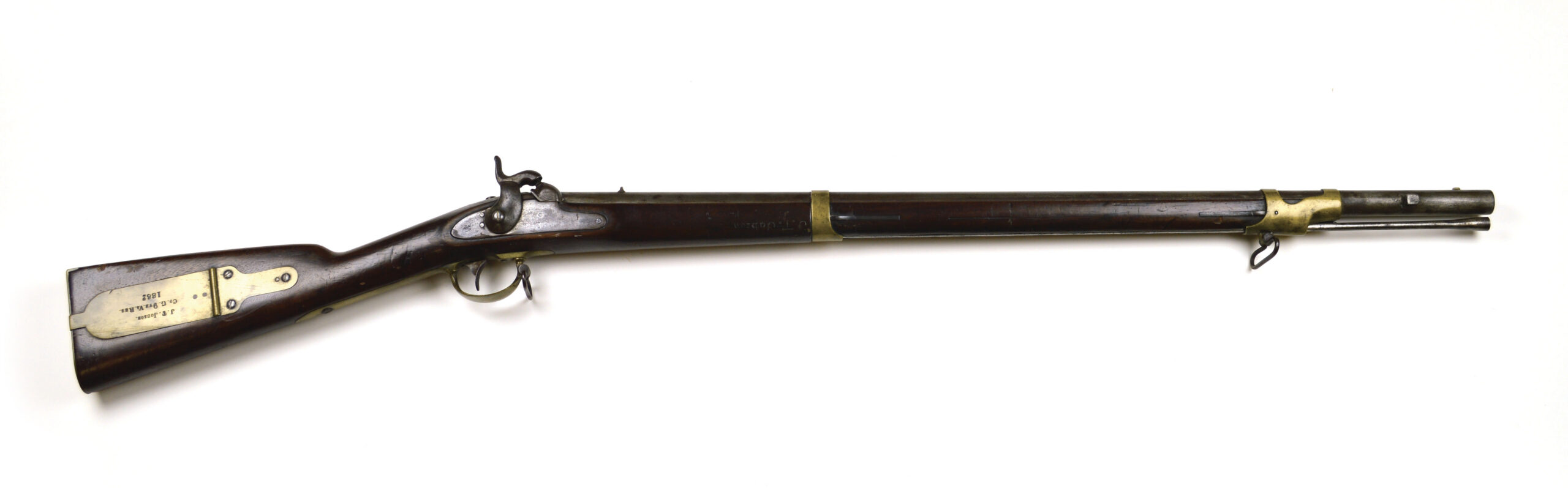
Rifle
J. Tyler Jobson, a soldier in Company G, 9th Virginia Infantry, carried this Remington Model 1841 rifle with his name and unit carved into it during the war. At the Battle of Seven Pines on May 31, 1862, Jobson was wounded and lost his weapon on the battlefield. A soldier in the 69th New York Infantry named Michael Daly later picked it up. Both Daly and Jobson would survive the war. After learning that Jobson hailed from Portsmouth, Virginia, but thinking he had died at Seven Pines, Daly in March 1886 wrote the city’s mayor for help tracking down Jobson’s family. To Daly’s surprise, the mayor informed him that Jobson was indeed alive and living in Richmond. Daly returned the rifle to his old foe not long after.
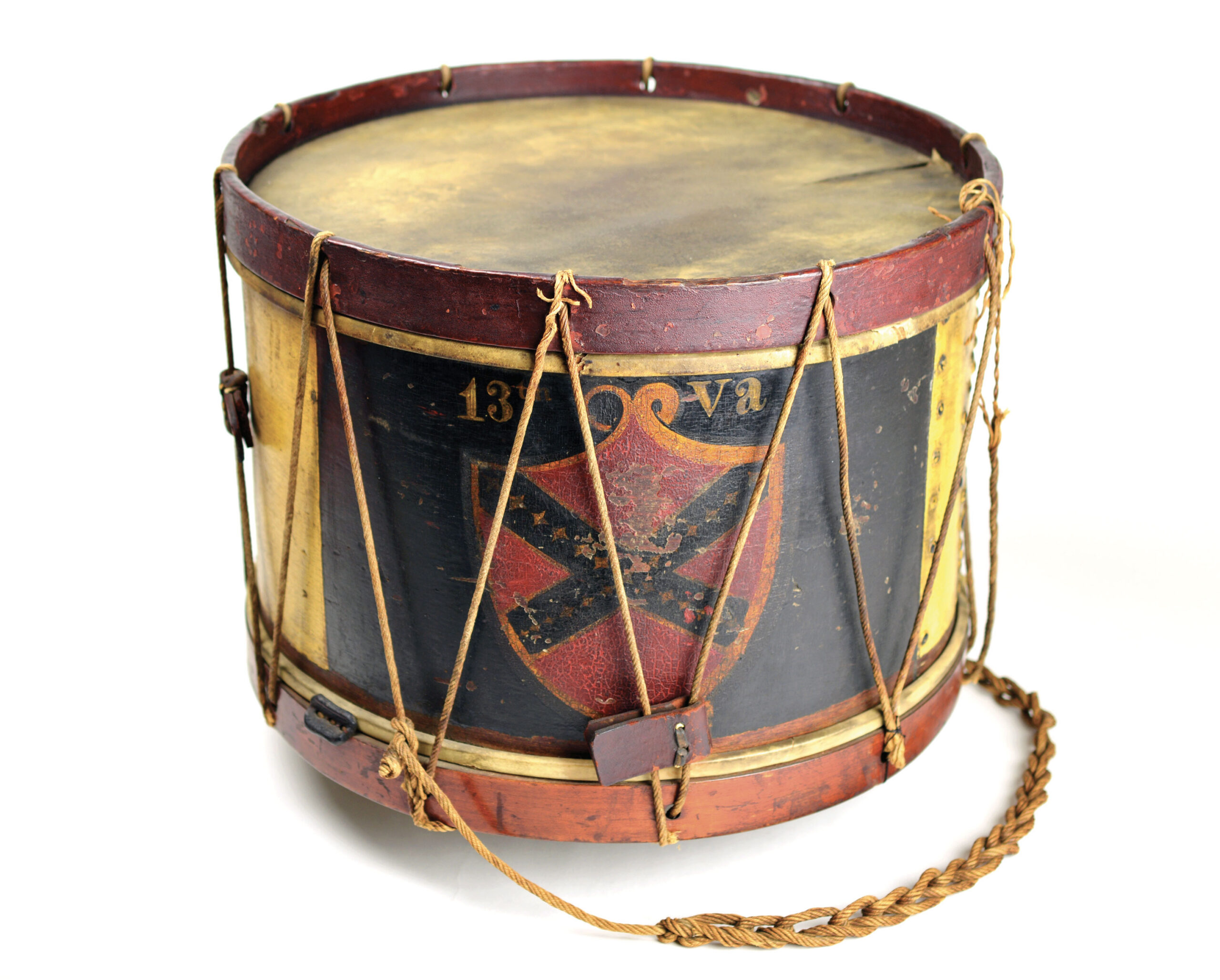
Drum
During the Third Battle of Winchester in September 1864, Union troops captured this colorful Confederate drum that was carried by a member of the 13th Virginia Infantry. It was donated to Richmond’s Museum of the Confederacy during a ceremony to mark the battle’s 52nd anniversary in 1916.
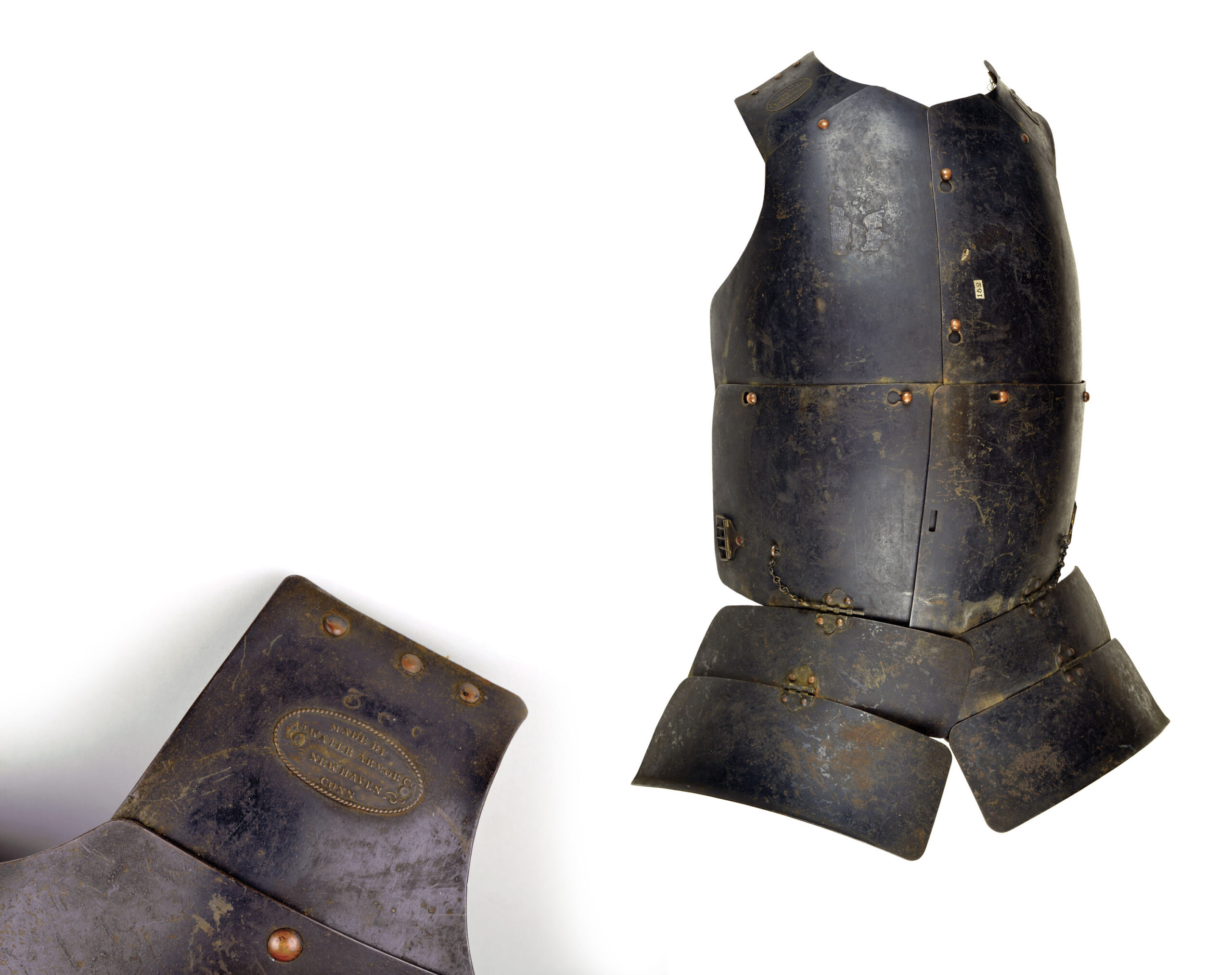
Armor Breastplate
While the practice was rare, some Civil War soldiers did use body armor, like this iron breastplate worn by a major in the 5th New York Cavalry. Such devices—which were heavy and largely ineffective at close range—were not standard issue but available for purchase from private manufacturers or army sutlers. While the specifics are unclear, this particular example was taken from its owner during the Battle of Winchester, Virginia, on May 24, 1862, and passed along to Confederate officer Bradley T. Johnson, whose son later inherited the armor and donated it to the Museum of the Confederacy in 1906. Whether Johnson wore the armor in battle is not known.
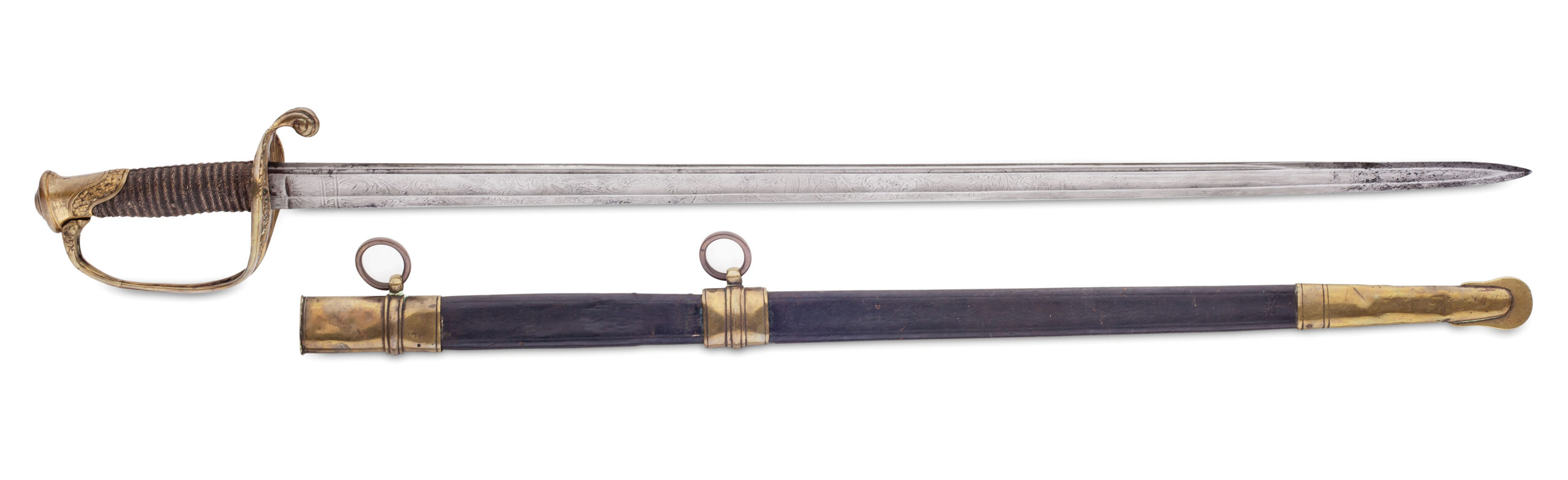
Sword and Scabbard
During the Confederate advance known as Pickett’s Charge on the third day of the Battle of Gettysburg, only a fraction of Robert E. Lee’s troops made it to the low stone wall behind which Union infantry were positioned. Among them was Brigadier General Lewis Armistead, who leapt upon the wall near the position of the 72nd Pennsylvania Infantry but soon thereafter fell mortally wounded. A sergeant in the 72nd, Michael Specht, picked up Armistead’s Model 1850 U.S. Foot Officer’s sword and scabbard, which he would keep until he and other veterans of his regiment gave them to survivors of the 56th Virginia Infantry at the “Reunion of the Blue and Gray” at Gettysburg in 1906.
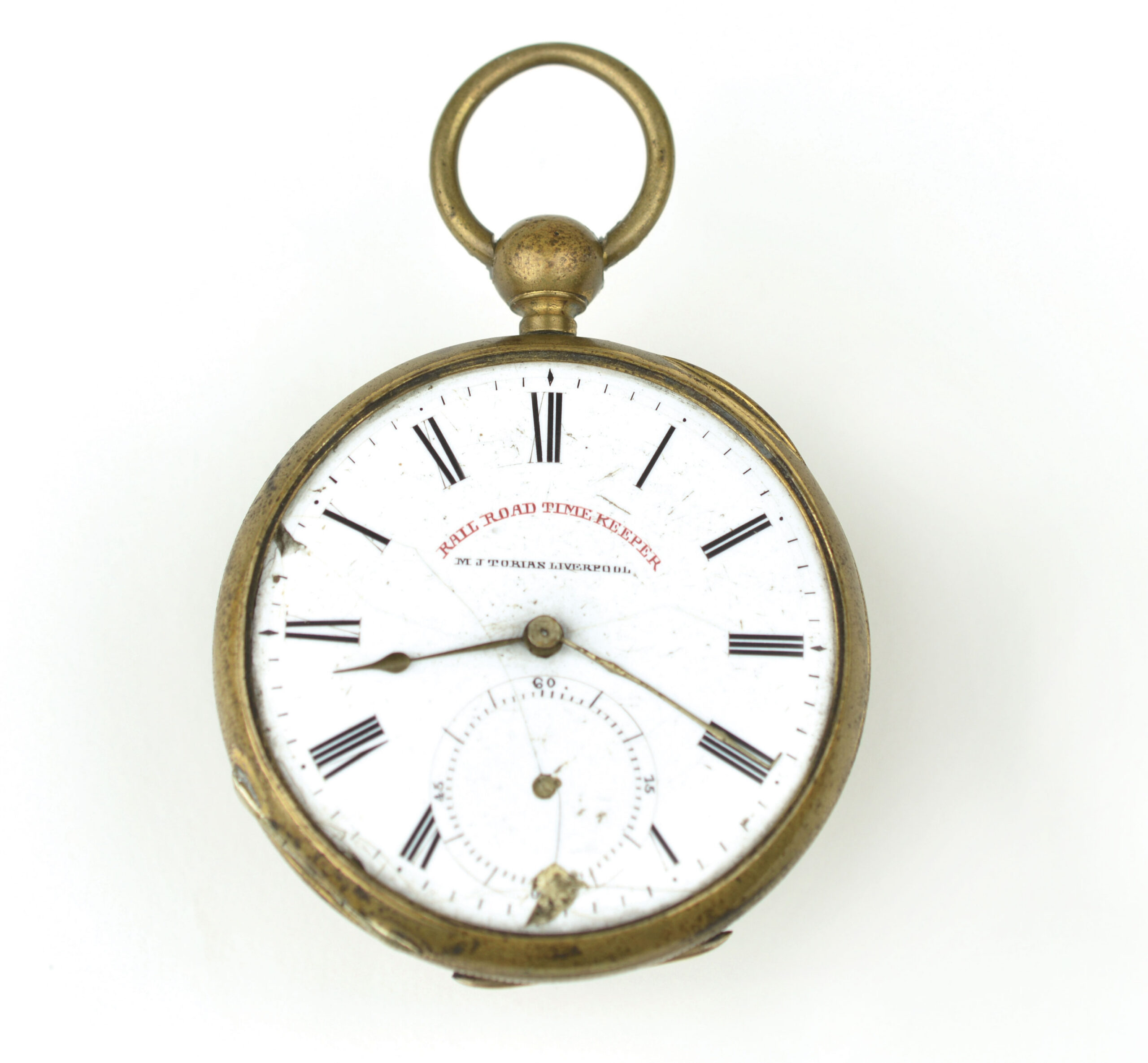
Pocket Watch
Confederate staff officer Benjamin Watkins Leigh, the son of a former U.S. senator and one of the soldiers who helped a wounded Stonewall Jackson from the field at Chancellorsville in May 1863, was carrying this London-made pocket watch with him when he was killed at Culp’s Hill during the Battle of Gettysburg. A Union soldier who was a member of the 7th Ohio Infantry took the watch off Leigh’s body, and then was himself killed in action a few months later. The timepiece then passed through several hands, eventually landing with a sergeant in the 7th Ohio named Lawrence Wilson. In 1899, Wilson returned the watch to Leigh’s family.
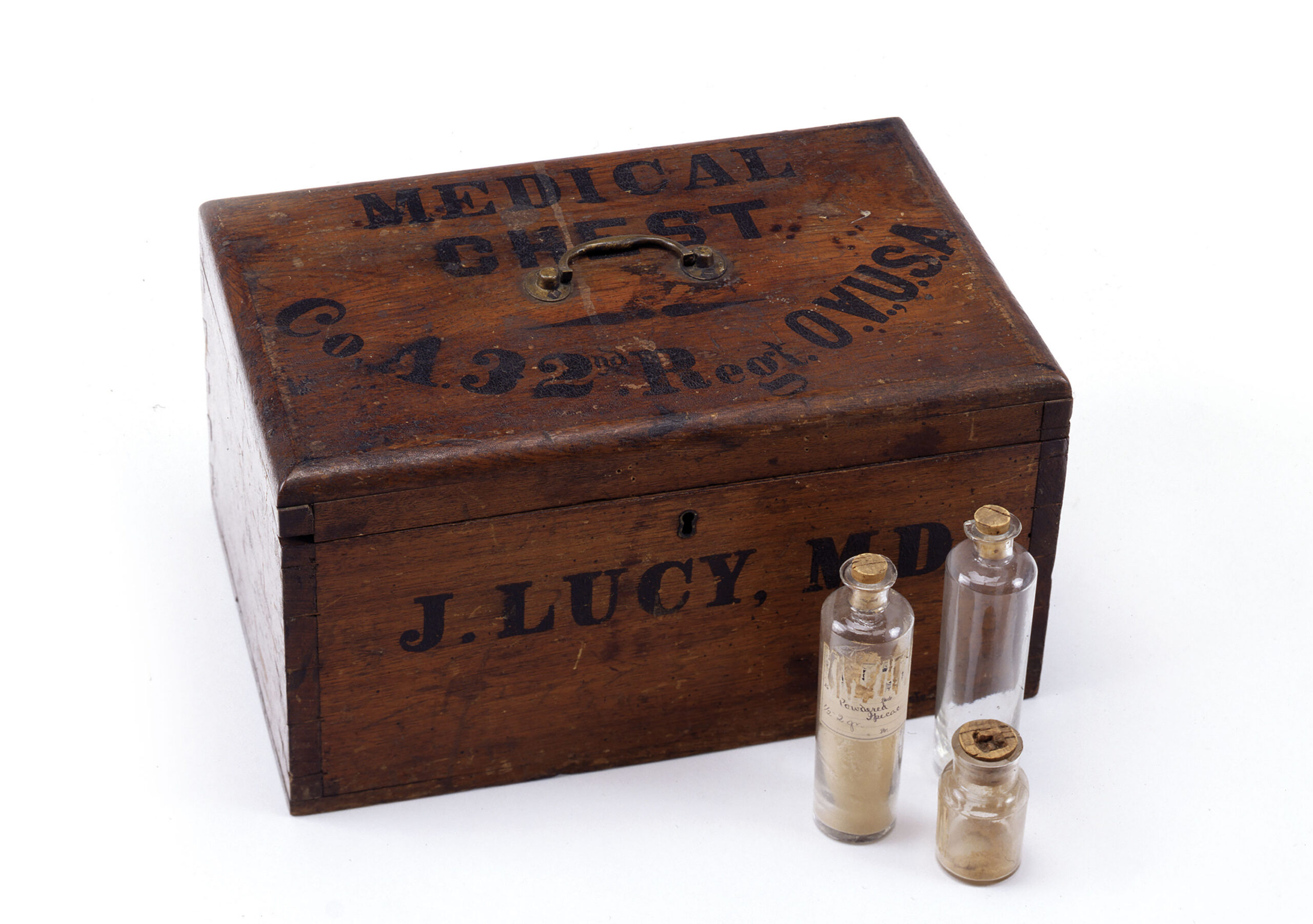
Medical Chest
Shortly after the outbreak of the Civil War, Jackson Lucy, a physician from Carrollton, Ohio, took the lead in recruiting Company A of the 32nd Ohio Infantry, of which he was appointed captain. When he resigned his commission and returned home in March 1862 Lucy was without the medical chest he had brought to the front, which was captured by Confederates during one of the battles—at Cheat Mountain or Greenbrier River—fought in the fall of 1861 in present-day West Virginia. The chest contained compartments for 24 bottles and included a jar of powdered ipecac, used during the war to treat ailments from diarrhea to the common cold. It apparently found a good home: A Confederate doctor named Watson used the chest later in the war.
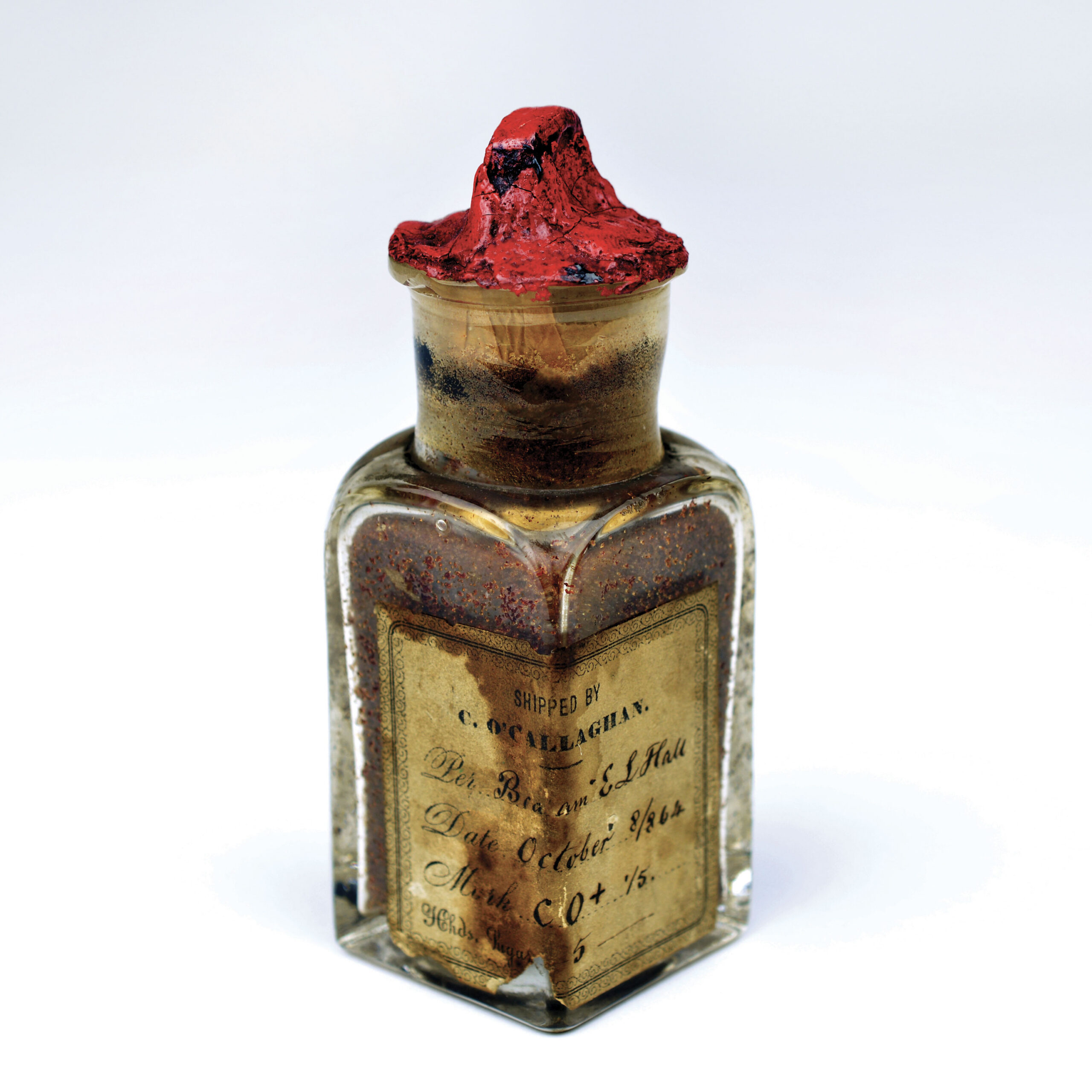
Sugar Bottle
On October 28, 1864, the Confederate steam-powered man-of-war CSS Chickamauga left port in Wilmington, North Carolina, and headed north toward Long Island Sound in search of prizes. Within five days Chickamauga had destroyed six U.S. merchant vessels before heading to Bermuda for resupply and repairs. The bounty secured by Chickamauga during its excursion included this sugar bottle, thought to be taken by crewman E. Courtney Jenkins from the merchant vessel Emily L. Hall on October 31. Jenkins apparently didn’t have much of a sweet tooth, as the bottle’s contents seem not to have been disturbed.
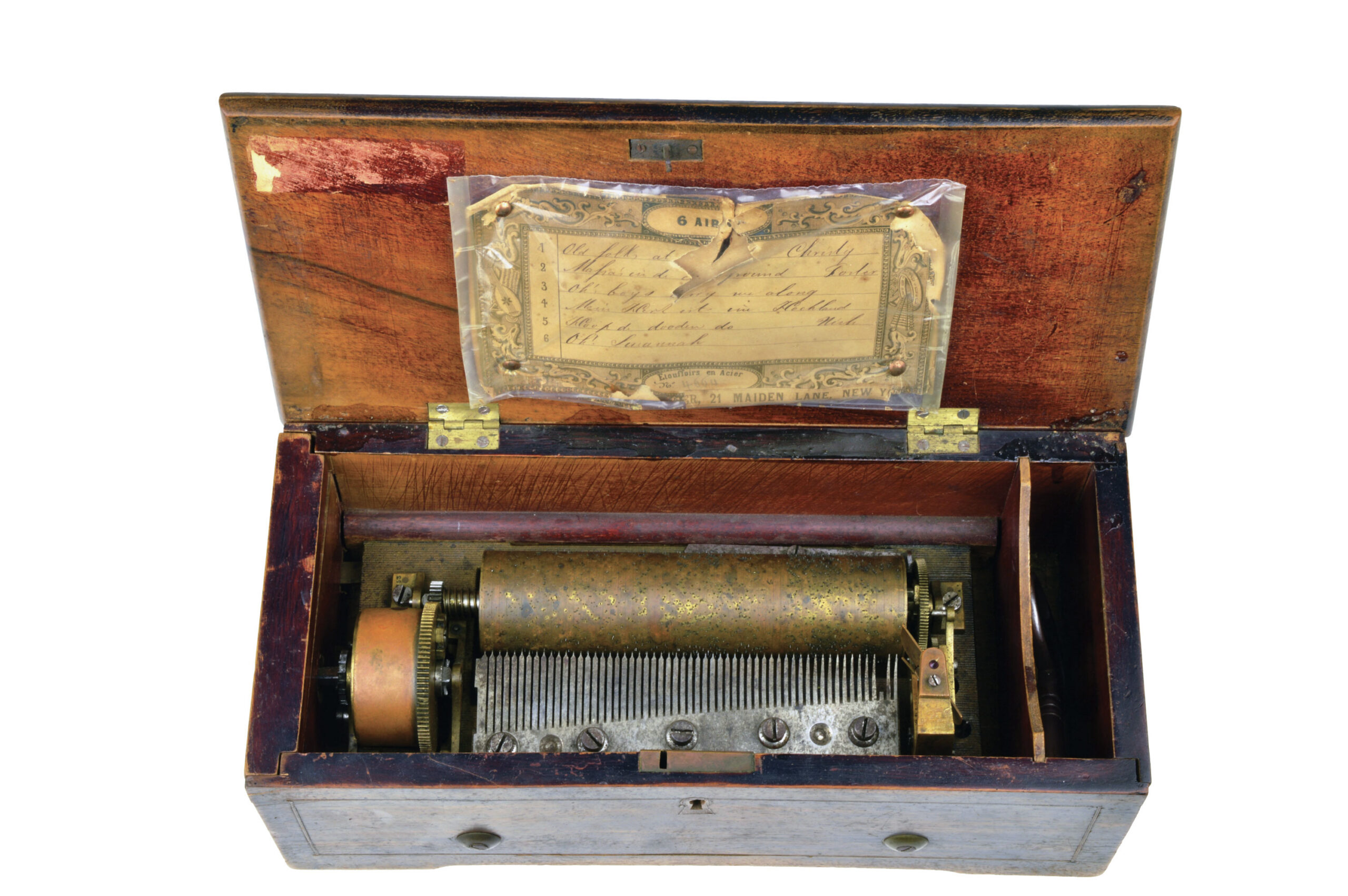
Music Box
On May 4, 1863, Confederate troops commanded by Jubal Early retook the ground they had lost the day before, when they were driven from Marye’s Heights in Fredericksburg, Virginia, by the Army of the Potomac’s VI Corps. A little more than a week later, Confederate soldier C.H. Smith, of Company C, 13th Virginia Infantry, secured this elaborate, walnut-cased music box from a Union quartermaster’s wagon abandoned near Marye’s Heights. The Swiss-made device, which operated by a key-wound, rotating brass cylinder, played six “airs,” including the popular minstrel “Oh! Susannah.”
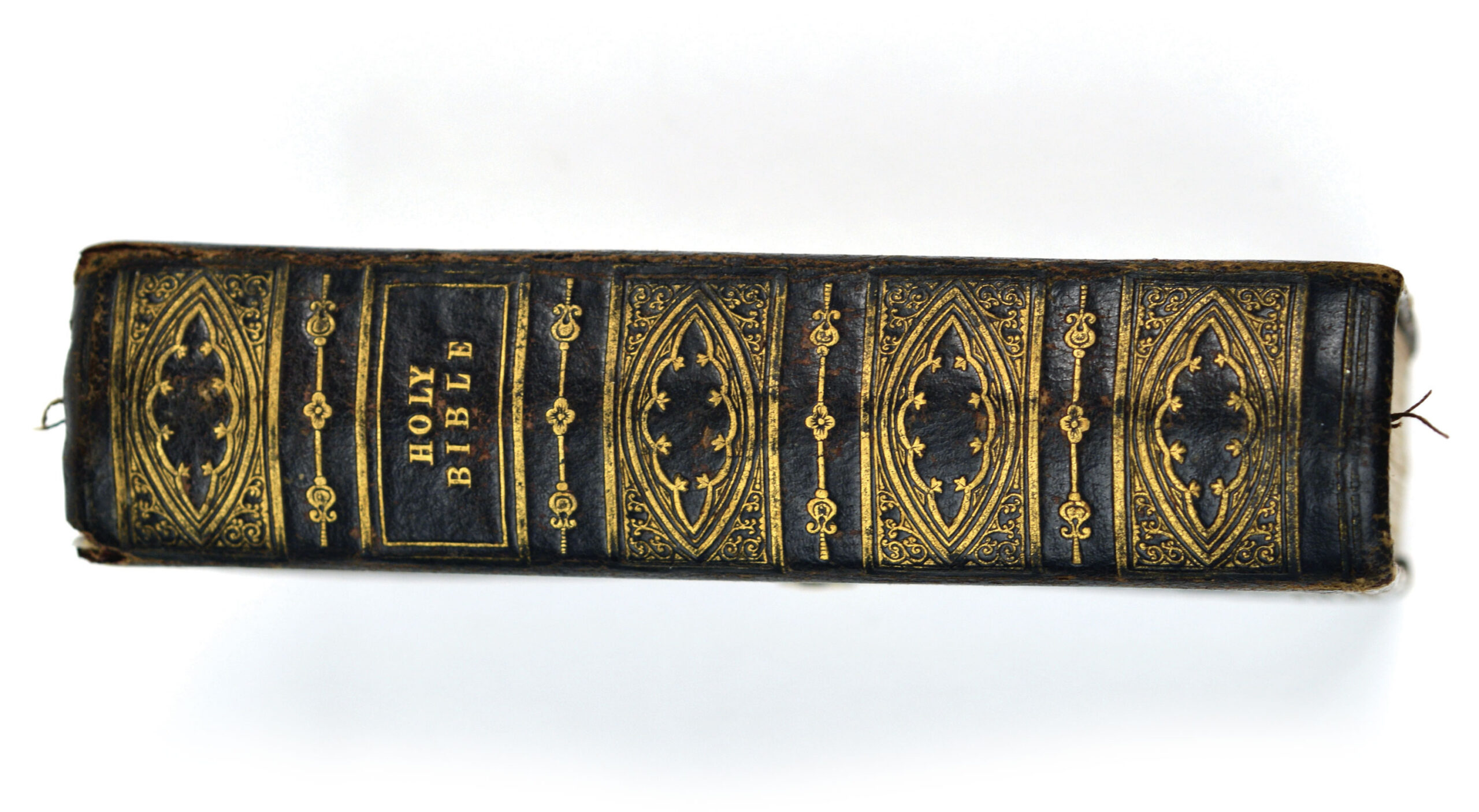
Bible
Sometime around war’s end, a Union officer came into possession of this Bible that General Robert E. Lee carried during the war. The officer may have taken it from the Lee house on Franklin Street in Richmond, or maybe from personal effects Lee had left behind to be sent by rail out of the city during the evacuation of the Confederate capital. Regardless of the circumstances, the officer eventually gave the Bible to the Rev. Thomas Street of Wethersfield Springs, New York, who returned it to Mrs. Lee in 1872, two years after the former general’s death.
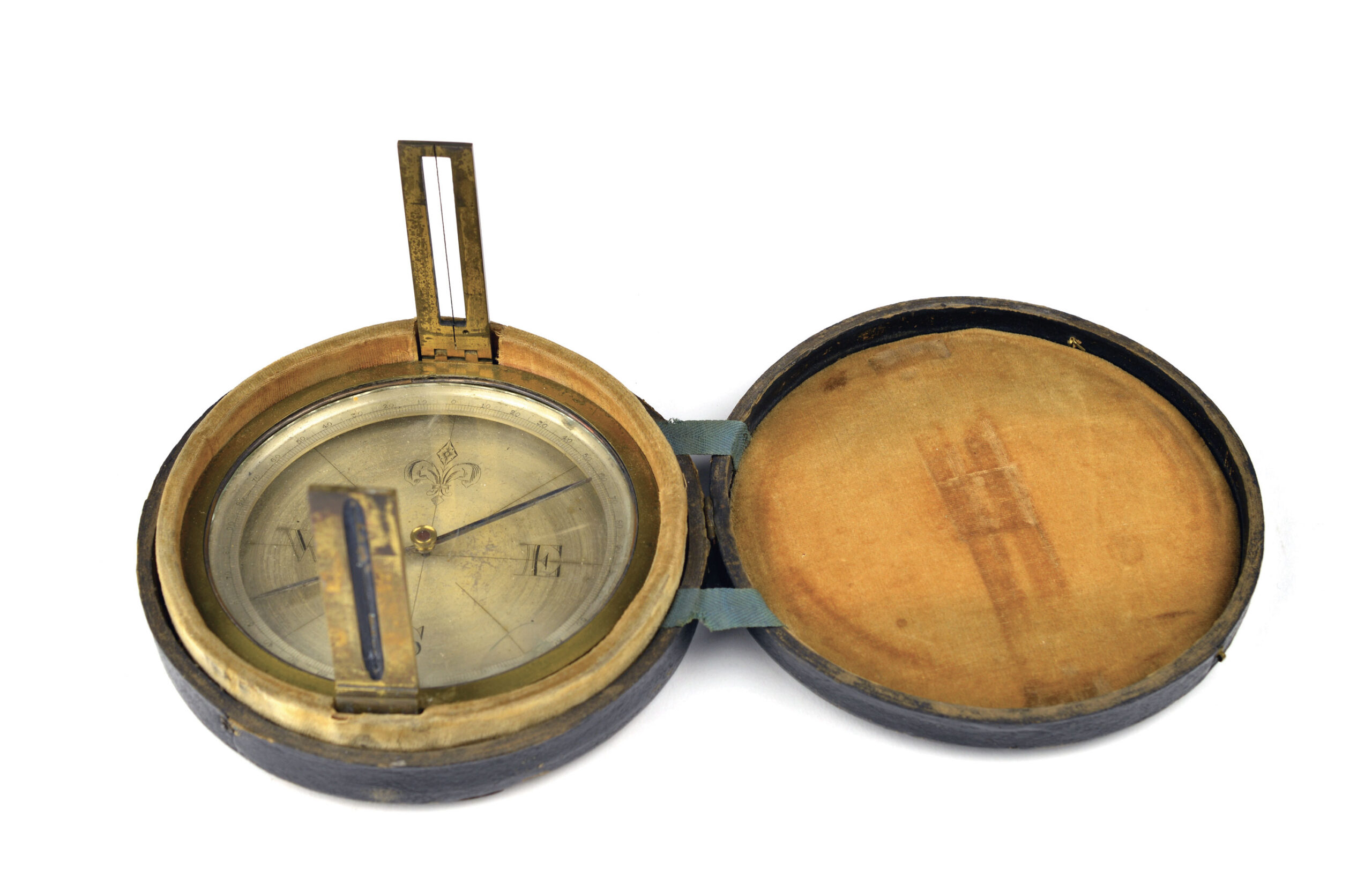
Compass
On April 2, 1865, shortly after learning that Ulysses S. Grant’s army had broken through the Confederate defenses at Petersburg, Jefferson Davis fled Richmond and headed south. On May 10, Union forces caught up with him in Georgia. Among the soldiers who captured the Confederate president was a member of the 4th Michigan Cavalry, who confiscated the brass compass Davis was carrying. While on his way home from the war a month later, the Michigander stopped at a photographic gallery in Chattanooga. The trooper produced the souvenir and showed it to the proprietor, J.B. Linn, who immediately offered to buy it. After initially being rebuffed, Linn reportedly laid two $20 bills by the soldier and said, “Now, when you go decide whether you will take these or the compass.” Thirty minutes later, the soldier took the cash and left behind a beautiful relic of the Confederacy.
Source
All images courtesy of The American Civil War Museum (acwm.org). Thanks to ACWM curator Cathy Wright for her assistance.