 Library of Congress
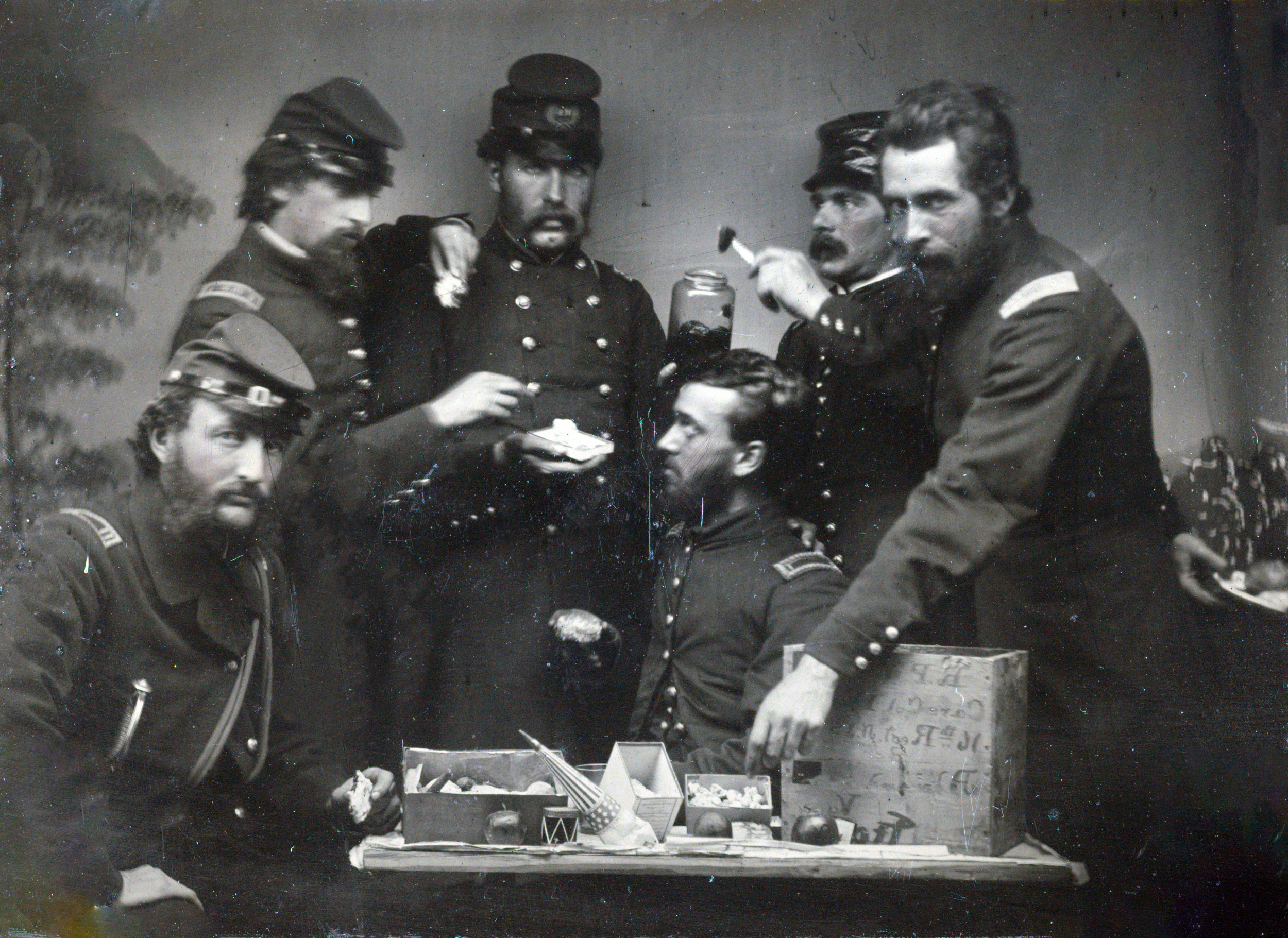
In this early war photo, Union officers examine the items in a box of gifts sent to one of them from home.
“I have just received a box of delicacies from home, and fear that I shall be very much indisposed to do duty if I indulge in eating much of it, for such a sudden transition from ‘hard tack’ and coffee to the luxuries of home will not be beneficial.”
John C. Williams, 14th Vermont Infantry, in his diary, January 19, 1863
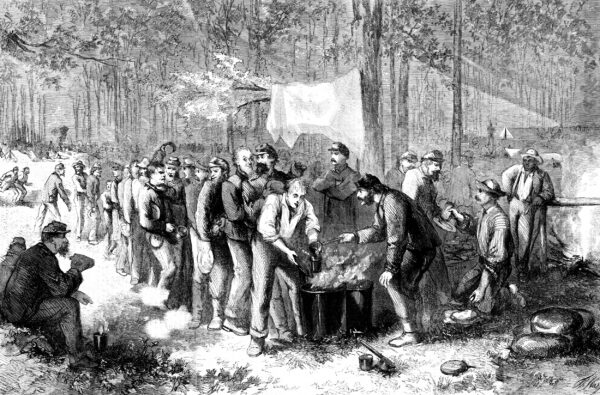
Soldiers receiving packages from home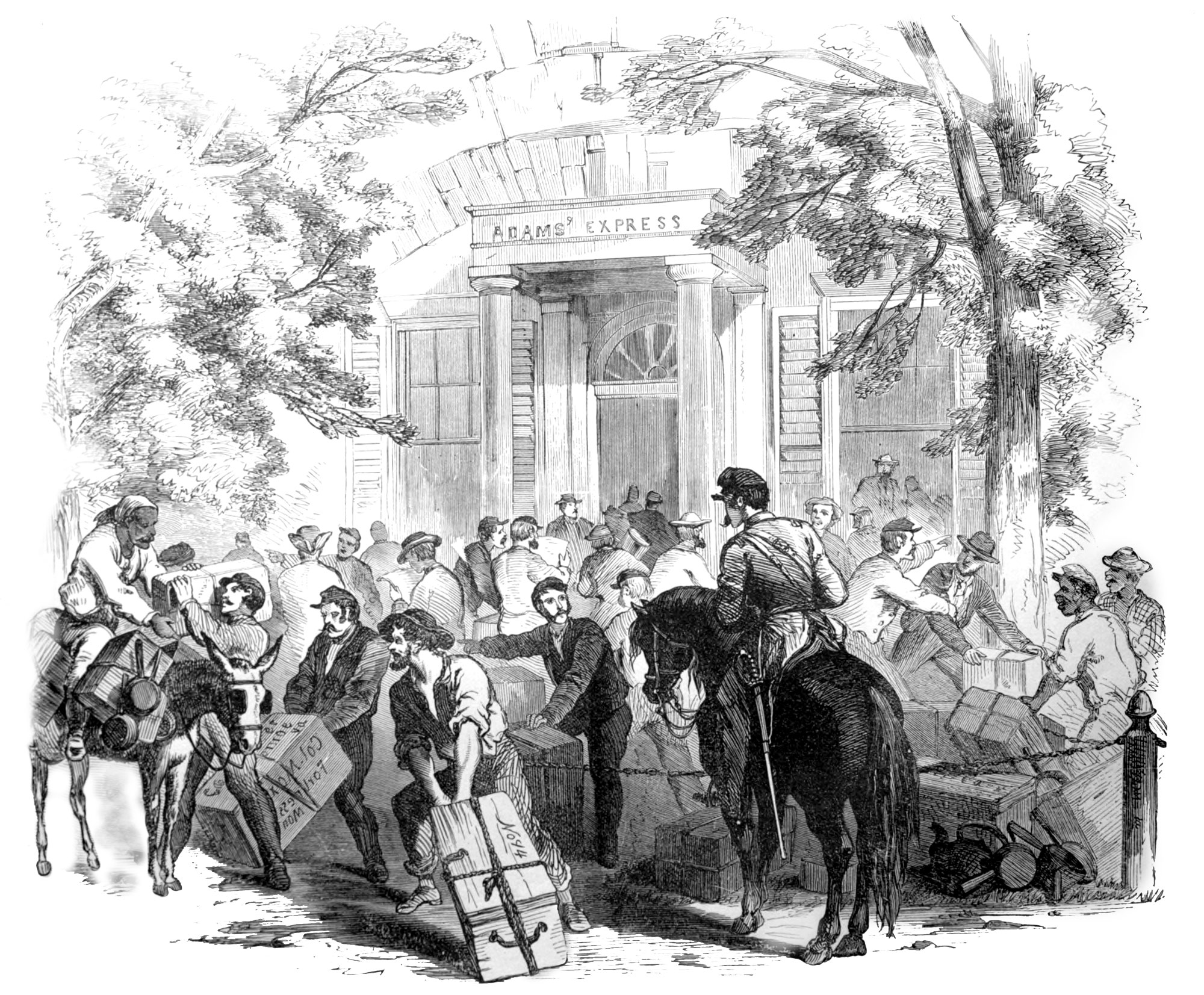 Frank Leslie’s Illustrated History of the Civil War (1895)
“This blanket was used by a soldier in the war of 1812—may it keep some soldier warm in this war against traitors!”
Note attached to one of the many packages sent for distribution to Union soldiers by the United States Sanitary Commission, as reported in The Scientific American, April 9, 1864
“You don’t know how selfish men become by soldiering two or three years. Two years ago when one received a box from home he was expected to ask the whole company up and tell them to help themselves, but that custom has played out. Now when a fellow buys anything or has anything sent him from home, the rest of the company don’t expect to be asked to help themselves.”
Walter Lee, 4th North Carolina Infantry, in a letter to his parents, January 26, 1864
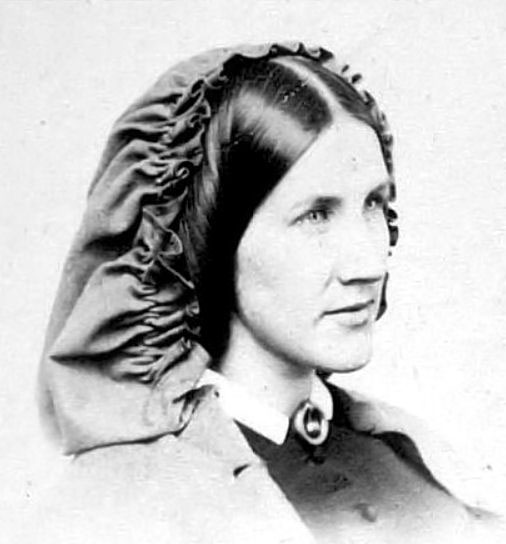
Henry Ward Camp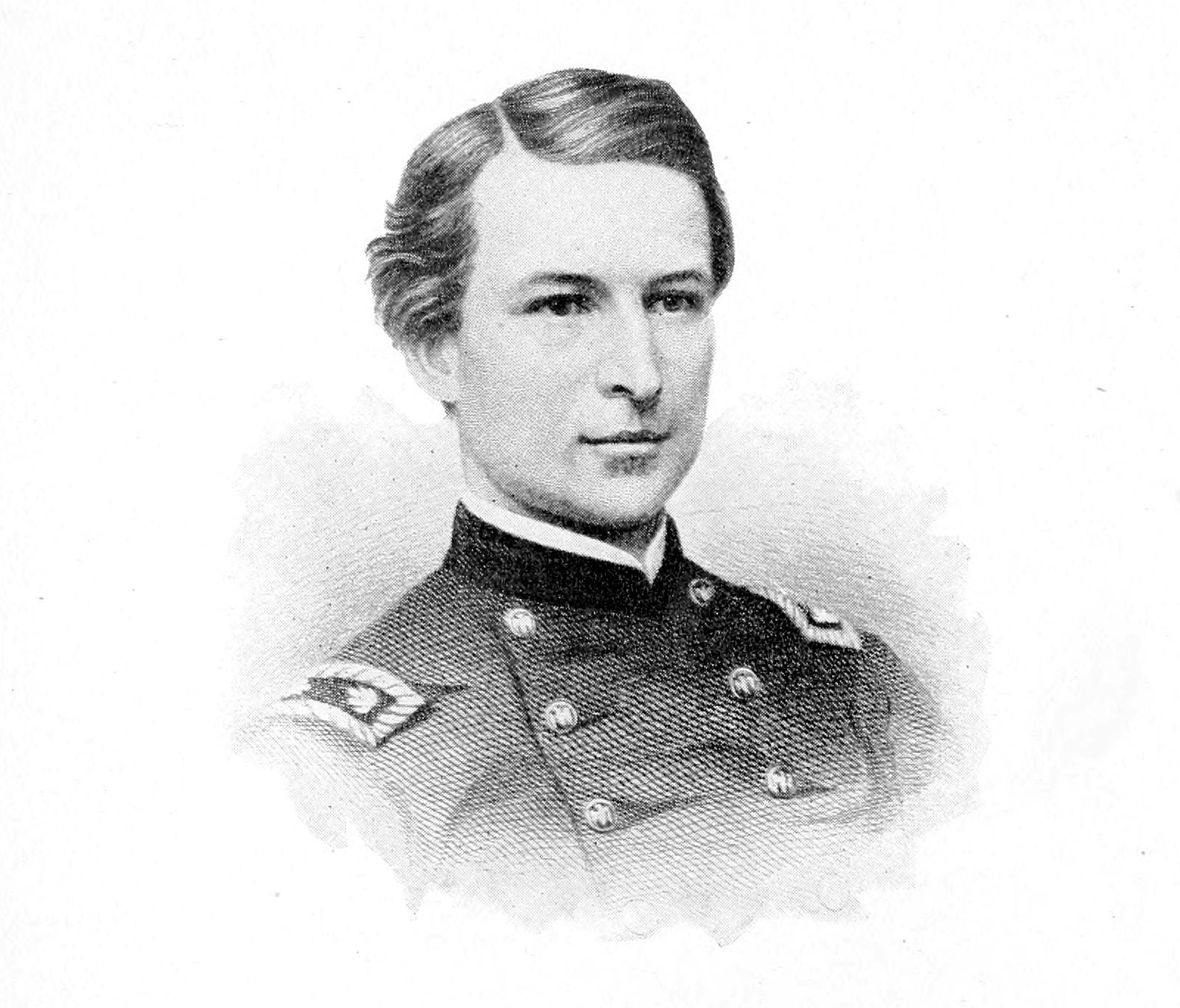 The Knightly Soldier (1865)
“I fussed over it and what it contained for two entire days, attending to hardly anything else, and only began yesterday to settle down again into routine.”
Henry Ward Camp (above), 10th Connecticut Infantry, on the excitement he felt after receiving a box from home while a prisoner in Richmond, in a postwar account of his military service
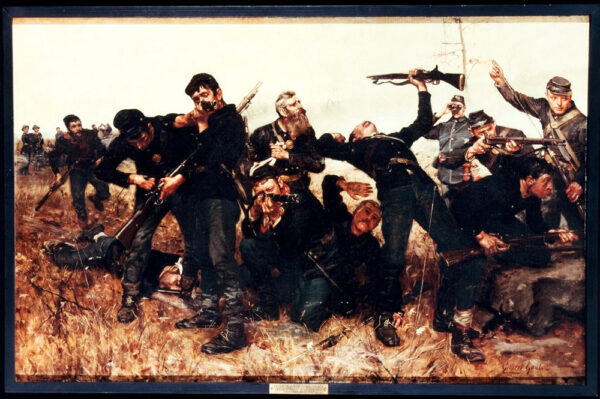
Soldiers opening packages from home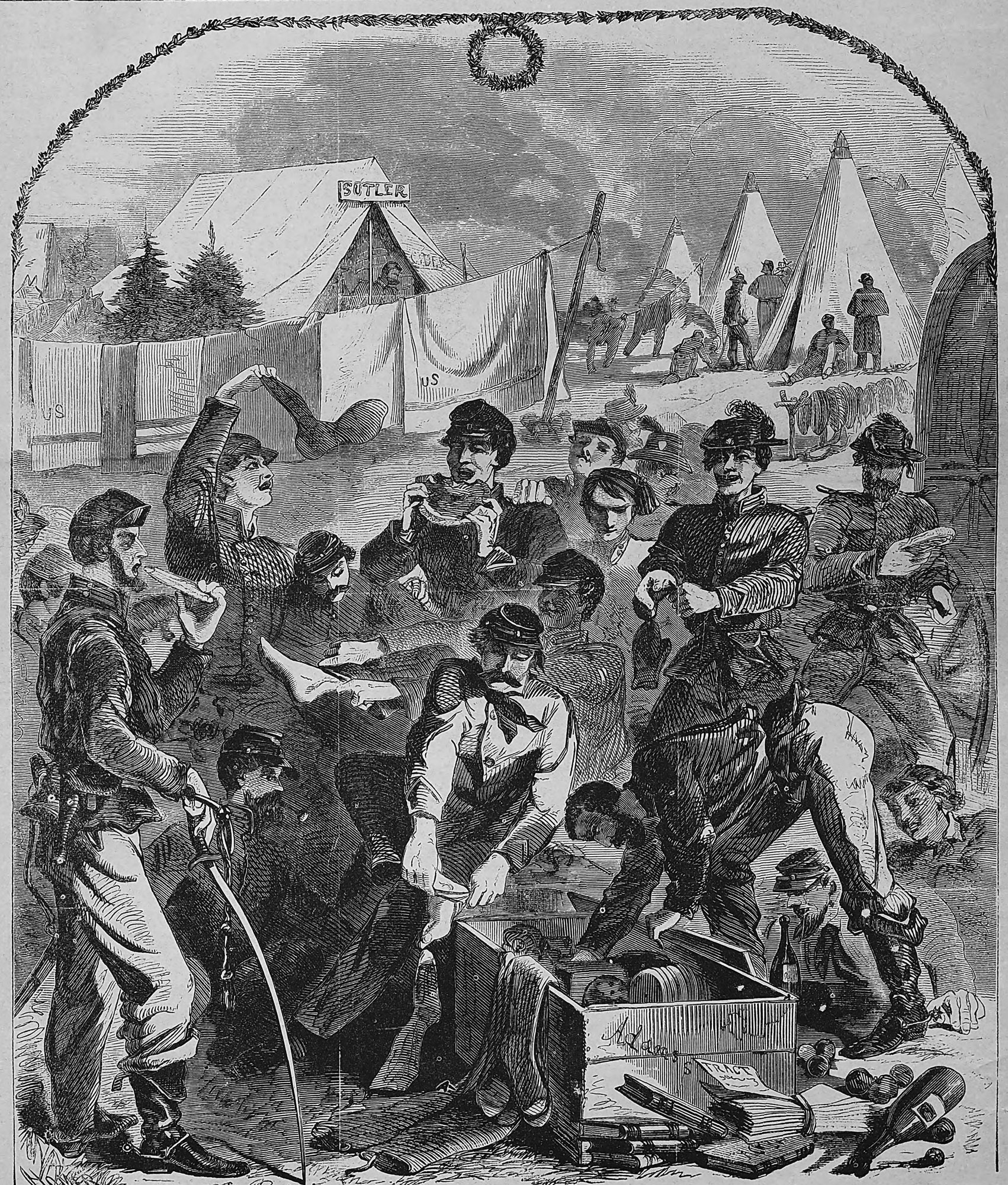 Harper’s Weekly
“The lemons were so decayed that you could scarcely tell what they were. The can of raspberry smelt like a bottle of ammonia…. The little crackers were all musty, but the cake was still nice, and the sugar, but probably the tea is infected…. The ginger wine was terrible stuff…! I had a man attacked with colic just as I opened it, and I administered a dose of it with beneficial effect.”
Richard Derby, an officer in the 15th Massachusetts Infantry, in a letter to his family about the box he had just received from them, September 13, 1862. Four days later, Derby was mortally wounded at the Battle of Antietam.
Sources
Life in Camp (1864); Soldiers’ Letters, from Camp, Battlefield and Prison (1865); The Scientific American, April 9, 1864; Forget-me-nots of the Civil War (1909); The Knightly Soldier (1892).
Related topics: food and drink