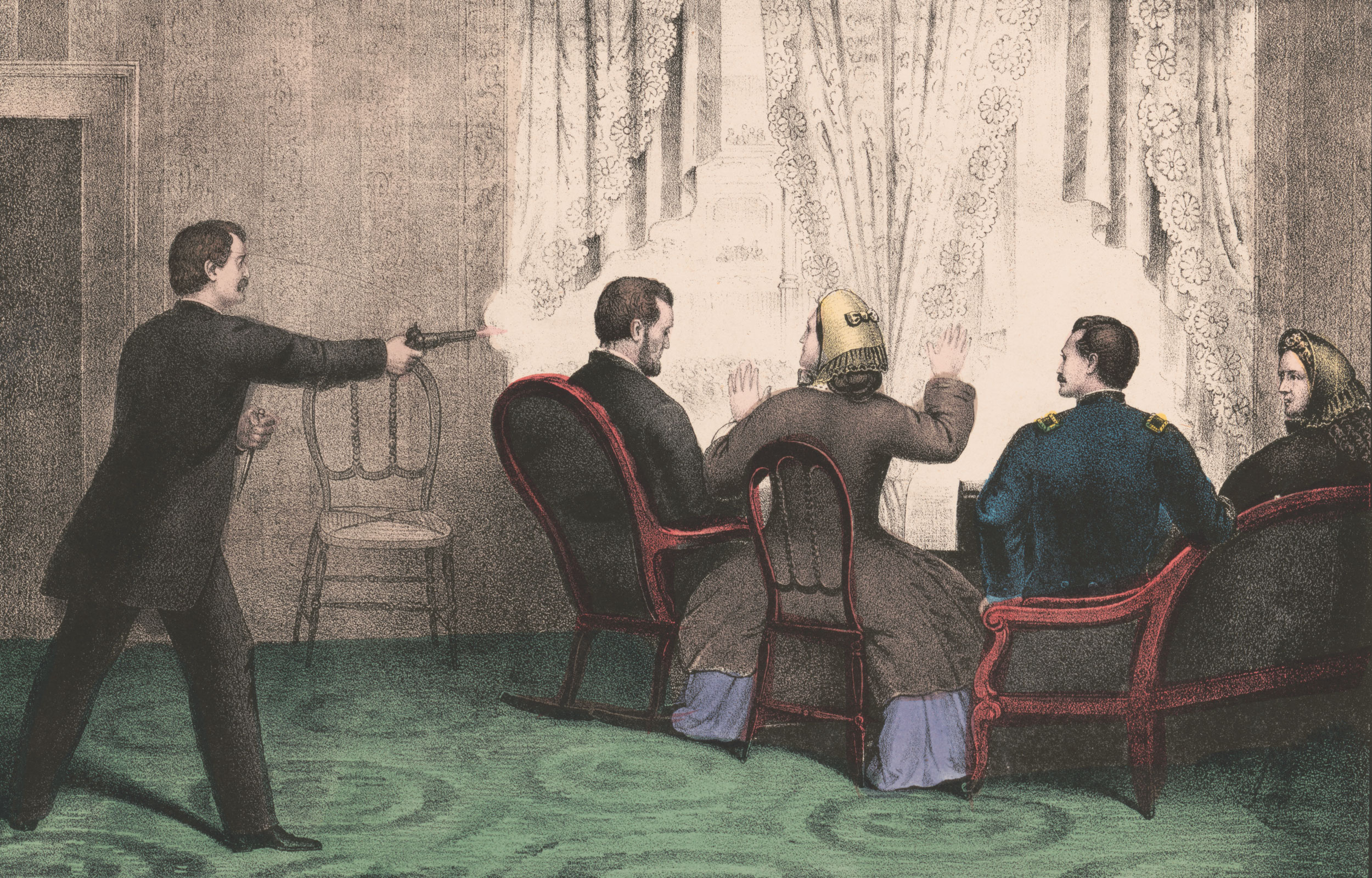
 Library of Congress
In this undated print, John Wilkes Booth shoots Abraham Lincoln at Ford’s Theatre on the night of April 14, 1865. After mortally wounding the president, Booth bolted from the building, mounted a horse he had waiting outside, and headed for Maryland, hoping ultimately to reach the safety of Virginia.
On the evening of April 14, 1865, the 26-year-old Maryland-born actor and Confederate sympathizer, John Wilkes Booth, shot and mortally wounded President Abraham Lincoln at Ford’s Theatre in Washington, D.C. Within minutes, the assassin mounted a horse he had waiting for him outside and began his escape from the city. Over the next 12 days, Booth and one of his accomplices made their way through Maryland’s southern peninsula—a region known as a hotbed of Confederate sentiment and that Booth knew well—before crossing the Potomac River into Virginia, where Union troopers caught up with them.
In the century and a half since these events, much of the peninsula’s isolated rural stretches have vanished under multilane highways and rampant suburbanization. Still, by retracing Booth’s escape route and sticking to country highways and byroads, travelers can step back in time and experience the landscape’s brooding remoteness, much as Booth must have experienced it on his desperate flight down unmarked farm lanes and through swamps and thickets. A surprising number of the residences where Booth sought shelter are still standing and are little changed from their 1865 appearance.
Booth’s attempted getaway began with the events at Ford’s Theatre, so we will start there.
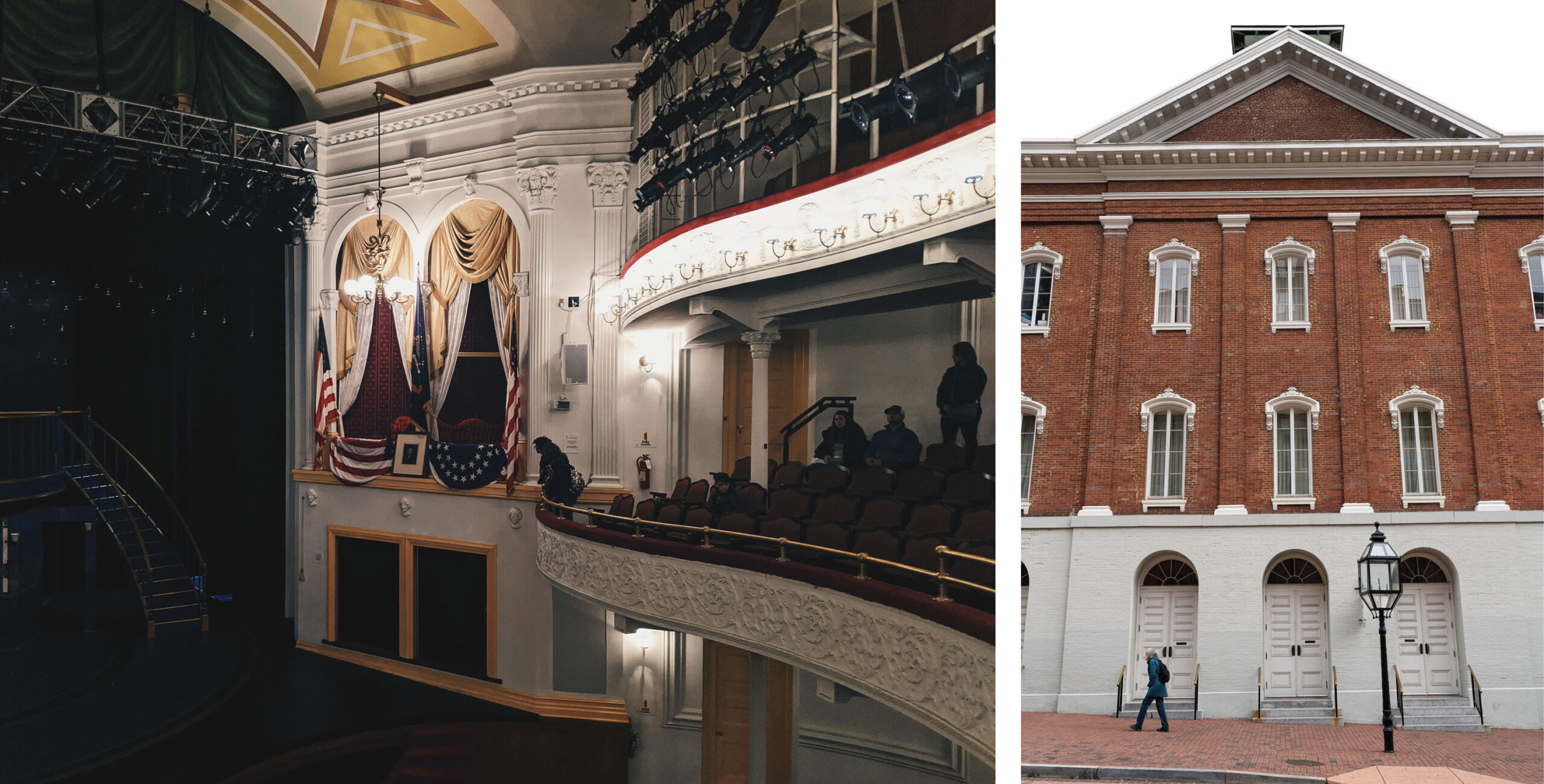 Jimell Greene
Ford’s Theatre
Stop 1: Ford’s Theatre
Booth shot Lincoln at around 10 p.m. on Good Friday as the president was watching a performance of the play Our American Cousin at Ford’s Theatre (511 10th St. NW; 202-347-4833). It was at Ford’s that Booth gave his last starring stage performance, and it’s where Lincoln, a frequent theatergoer, had seen Booth’s lead performance in the play The Marble Heart in 1863. Nearly a half-century ago, Ford’s was restored to its 1865 appearance and it is again an active theater. Its basement houses an extensive museum devoted to telling the story of the assassination, of Washington during the Civil War, and of Lincoln’s life and political career.
Ford’s is easily accessible from Washington, D.C., Metro stations at Metro Center and Gallery Place/Chinatown. Buying advance tickets at the Ford’s Theatre website is strongly advised.
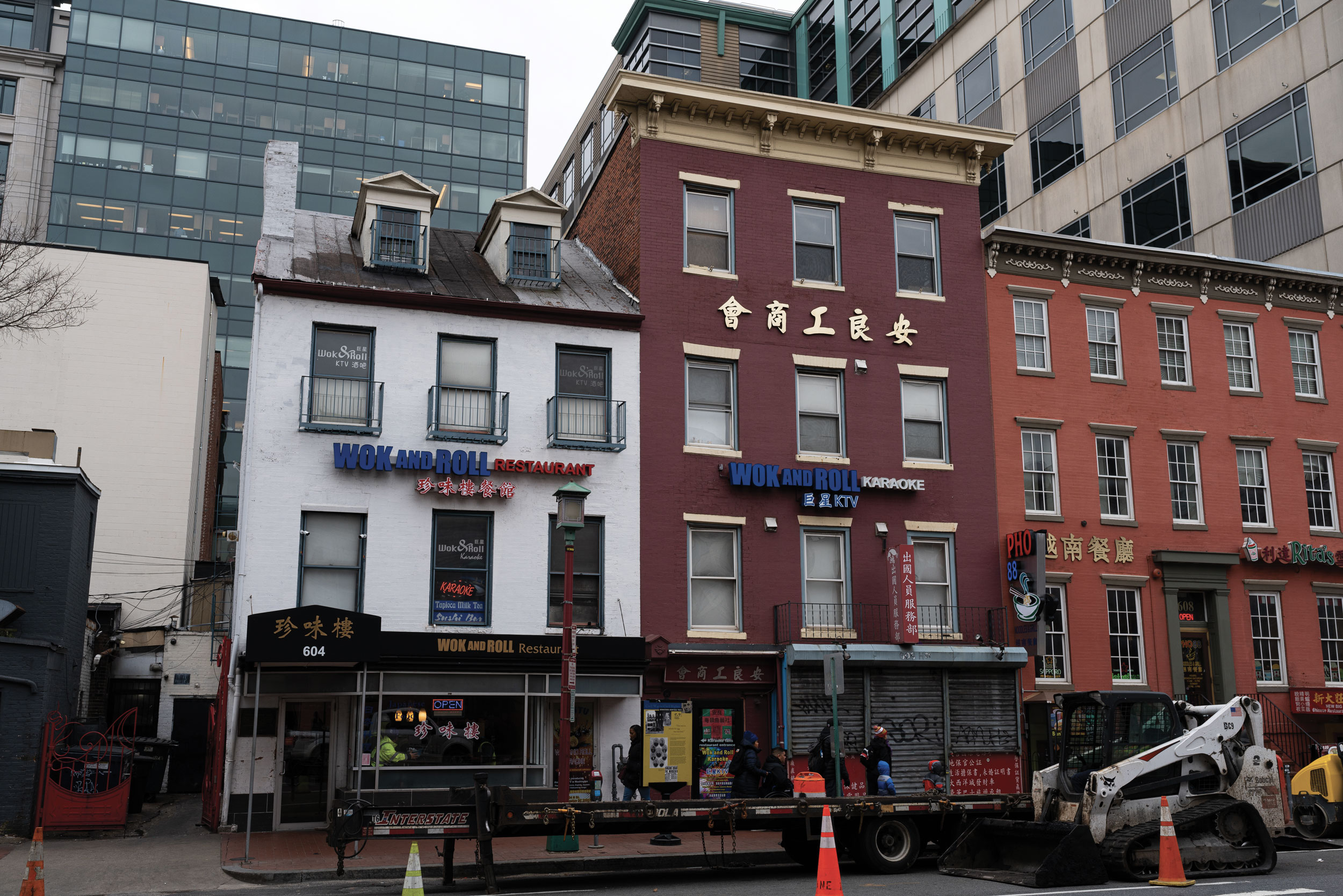 Jimell Greene
Surratt Boarding House, now occupied by Wok and Roll restaurant
Stop 2: Surratt Boarding House
Less than a mile from Ford’s Theatre is the site of the boarding house (604 H St. NW) that was owned and operated in 1864 and 1865 by Mary Surratt. On July 7, 1865, Surratt became the first woman ever hanged by the federal government, even though the nature of her complicity and the extent of her conspiracy in Booth’s plots to kidnap and, after abandoning that scheme, to kill Lincoln remain shrouded in mystery. The building was also a Confederate safe house, where southern spies and operatives frequently found sanctuary. Nearly all the conspirators, including Booth, either boarded here or visited frequently. The building’s exterior is largely unchanged from the war years; its current occupant is an Asian restaurant called Wok and Roll.
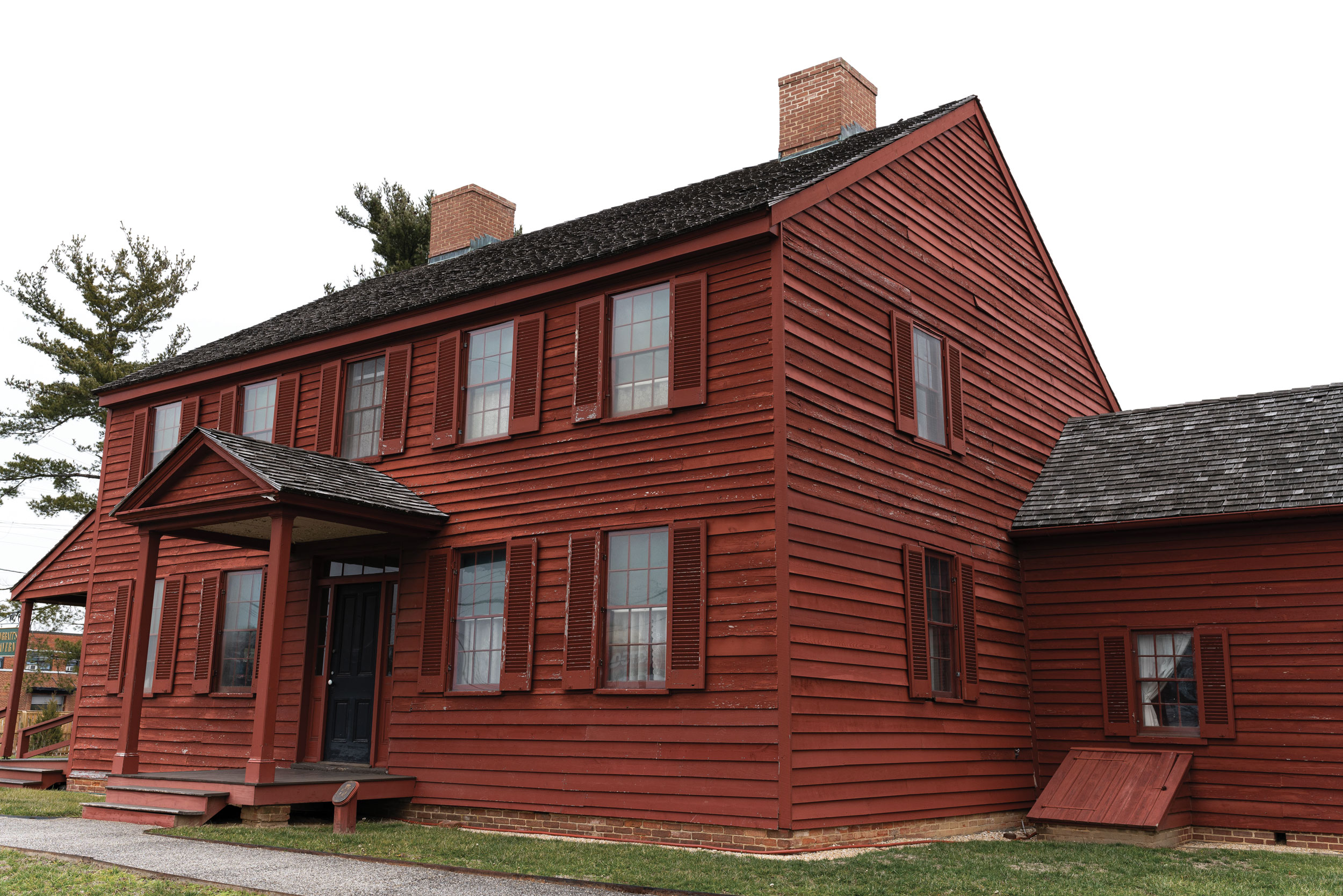 Jimell Greene
Surratt House Museum
Stop 3: Surratt House Museum
About 20 miles south of the city (via I-495, U.S. Route 5, Route 223/Woodyard Road, and Brandywine Road) is Clinton, Maryland, and the Surratt House (9118 Brandywine Road; 301-868-1121). This is where Mary Surratt and her son and assassination conspirator, John Surratt Jr., lived during the war’s early years. In their flight after the assassination, Booth and co-conspirator David Herold (who was part of a failed attempt to kill Secretary of State William Seward that same evening—and the only one of Booth’s partners who succeeded in rendezvousing with him afterward in rural Prince George’s County) stopped here just long enough to pick up weapons and supplies hidden in the tavern before continuing their escape.
The tavern, like the Surratt boarding house in the city, was also a Confederate safe house where spies and operatives found safe harbor while traveling along the clandestine line between Washington and Richmond, Virginia, that was maintained by the Confederate Signal Corps. The tavern has been restored to depict rural life during the Civil War era. Next door at the visitors center is a small but fascinating museum and a research library. The gift shop offers an extensive collection of books and other material relating to the assassination.
 Jimell Greene
Dr. Samuel A. Mudd House
Stop 4: Dr. Samuel A. Mudd House
About 14 miles south (via Route 5, Horse-head Road, Poplar Hill Road, and Dr. Samuel Mudd Road) is the restored Dr. Samuel A. Mudd House (3725 Dr. Samuel Mudd Road, Waldorf, MD; 301-645-6870), the residence of the country doctor who, in the early morning hours of April 15, set the leg Booth had broken while escaping Ford’s Theatre. Mudd was tried and convicted of aiding and conspiring in the assassination, but escaped the gallows by one vote of the nine-member military tribunal. The house, situated in a pristine stretch of Charles County farmland once devoted to tobacco production, is adjacent to Zekiah Swamp, where Booth and Herold briefly got lost after leaving Mudd’s house in the late afternoon of April 15. Visiting here is like a step back in time. It’s easy to forget you’re only a few miles from the modern-day sprawl and congestion of U.S. Route 301 and Maryland Route 5.
 Jimell Greene
Bryantown Tavern
Stop 5: Bryantown Tavern
Drive about 5 miles farther south (via Dr. Samuel Mudd Road and Bryantown Road) to Bryantown. At the intersection of Bryantown Road and Route 5 is the Bryantown Tavern—now a stately private residence marked with historical signage—where Booth, in late 1864, met with Thomas Harbin, a ranking Confederate agent, and secured the support of the Confederate Signal Corps clandestine line in his intrigues. After the assassination, the tavern served as field headquarters for the Booth manhunt. Dr. Mudd and other suspects were brought here for interrogation.
 Jimell Greene
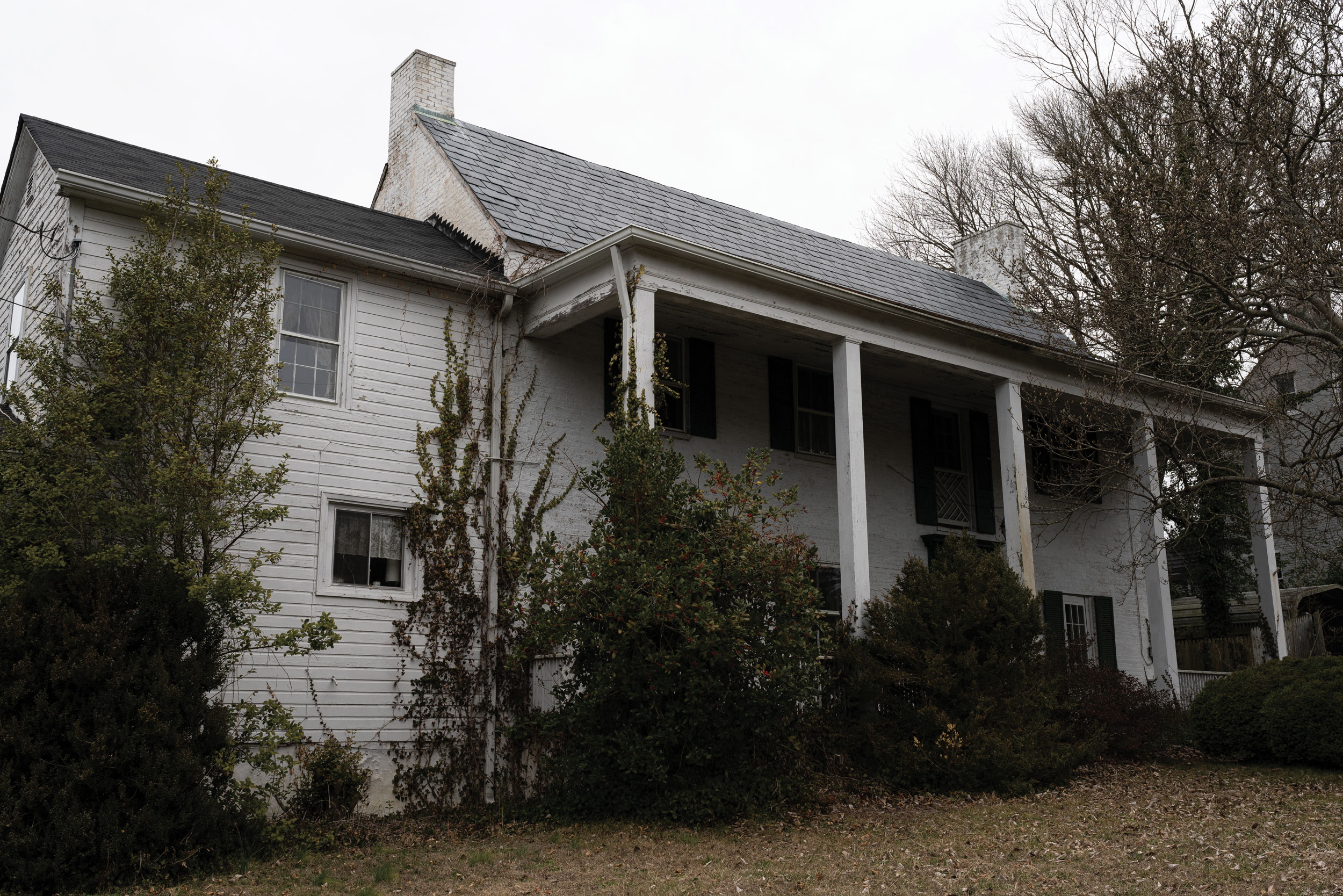
Rich Hill
Stop 6: Rich Hill
Continue south for about 12 miles (via Olivers Shop Road, Route 6, and Bel Alton Newtown Road) until you approach the intersection of Rich Hill Farm Road and Bel Alton Newtown Road. This was the home of Dr. Samuel Cox, where Booth and Herold stopped around midnight on April 16 after leaving Mudd’s and making their way through Zekiah Swamp under cover of darkness. Cox, a prominent landowner and ardent Confederate partisan, offered Booth and Herold a meal before having his overseer lead them to a nearby pine thicket, where the fugitives would hide out for the next five days. Their bleak, anxious sojourn in the thicket ended when Thomas Jones, Cox’s foster brother and an active member of the Confederate Signal Corps, was able to convey them in the middle of the night to the Potomac River. There, at a creek mouth near Dent’s Meadow, he pushed them off in a small boat toward the Virginia shore.
Cox’s house, an 18th-century structure known as Rich Hill, was recently donated to Charles County and is currently undergoing renovation. It is open only for special events, but there is a historical marker at the traffic pullover in front of the property.
If you continue southwest on Bel Alton Newtown Road for about a mile, you will reach a railroad crossing, which is near the site of the notorious pine thicket where Booth and Herold hid from the massive search parties scouring southern Maryland. The thicket itself is long gone, but there is a roadside marker denoting the spot. The actual site lies about 100 yards to the south along the rail tracks (laid later in the 19th century), where a farmhouse now stands.
 Jimell Greene
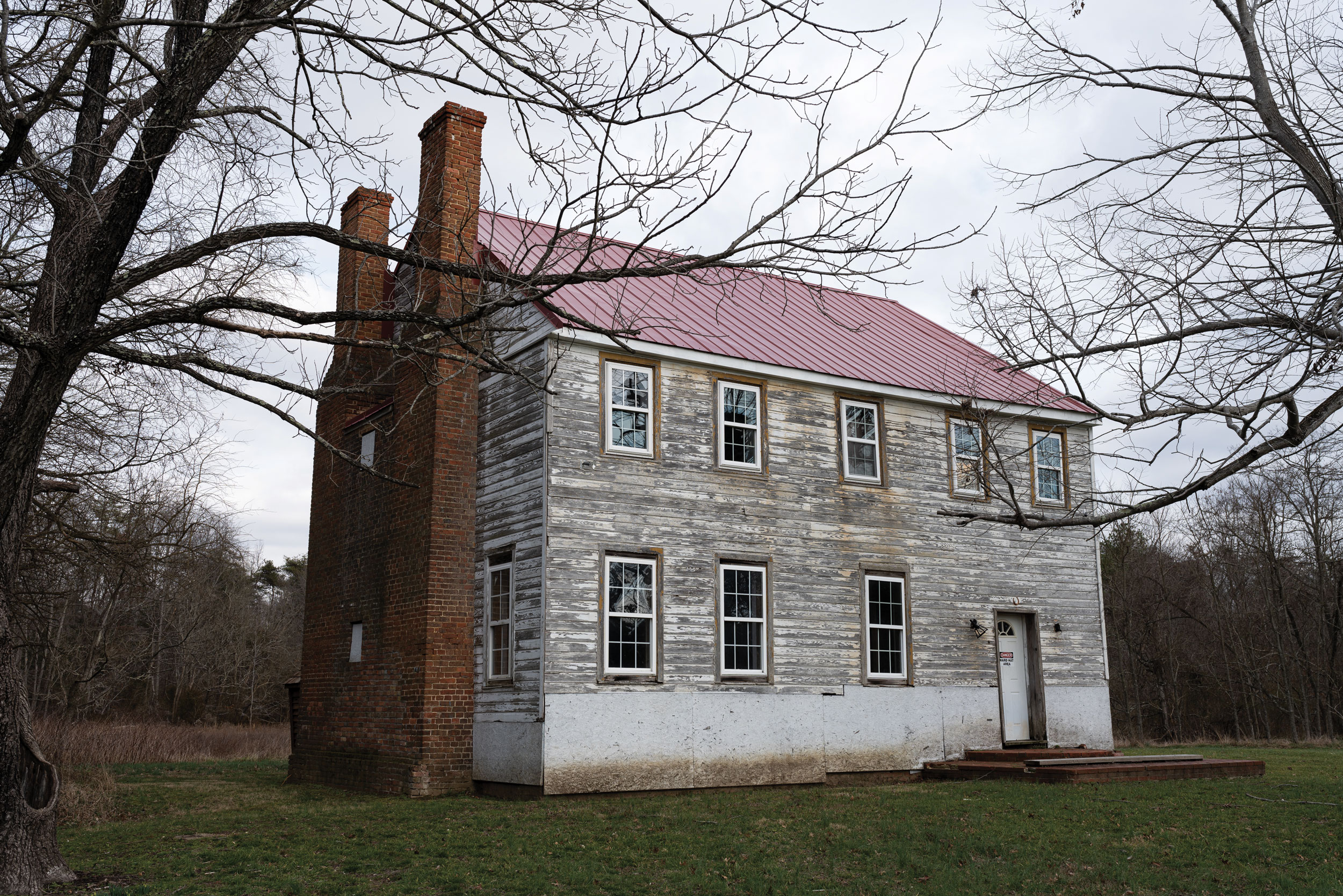
Huckleberry
Stop 7: Huckleberry
Continue about 10 miles (via Bel Alton Newtown Road, U.S. Route 301, and Popes Creek Road) until you reach the intersection of Popes Creek and Loyola Retreat roads, the location of Huckleberry (9270 Loyola Retreat Road, Faulkner, MD), the home of the aforementioned Thomas Jones. Booth and Herold made their river crossing in a boat that Jones had hidden to avoid federal confiscation. The fugitives eventually came ashore on Virginia’s Northern Neck, the region bordered by the Potomac and Rappahannock rivers. Huckleberry is a private residence and not open to the public.
 Jimell Greene
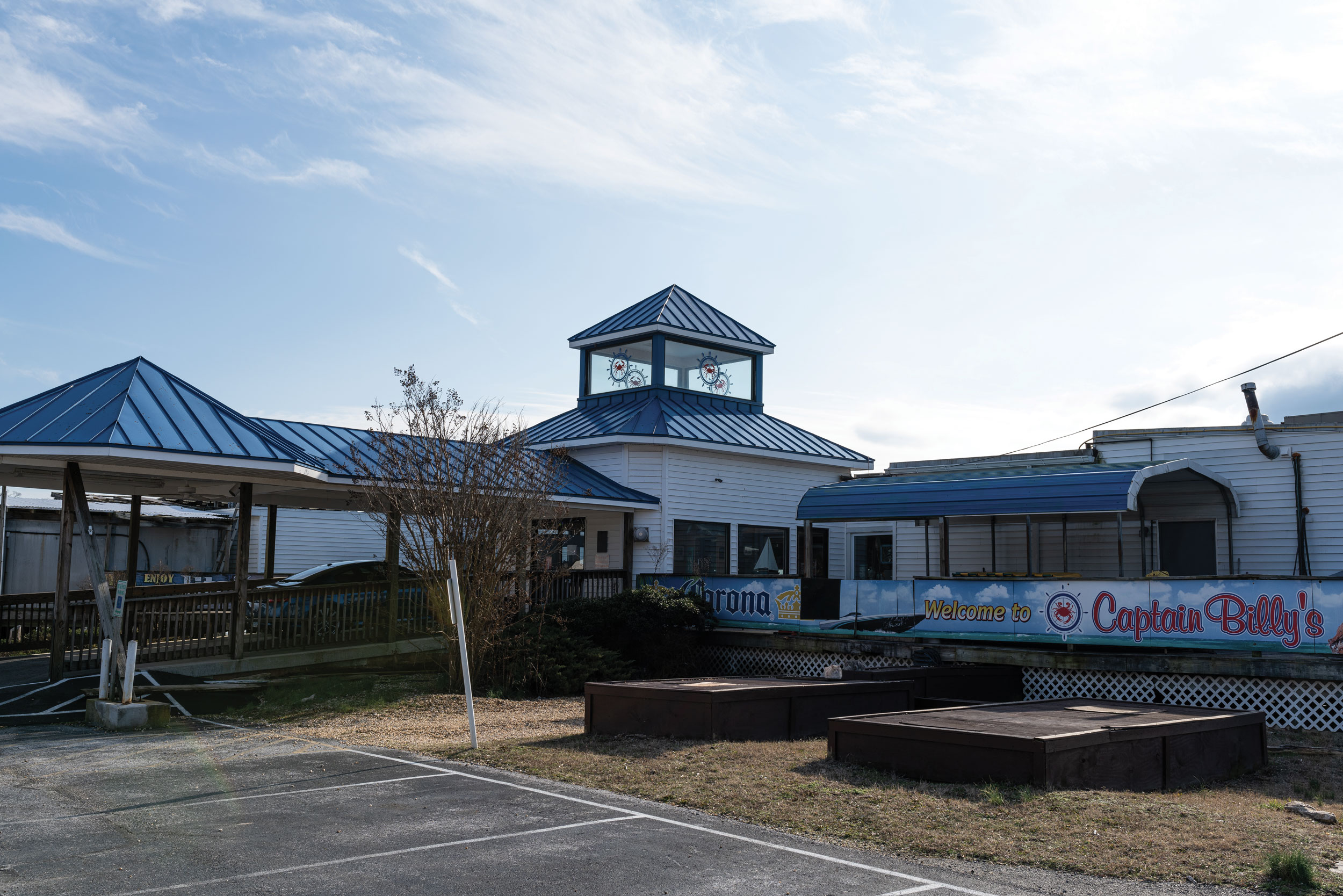
Captain Billy’s Crab House
Stop 8: Jesuit retreat house
About a mile farther along Loyola Retreat Road is a Jesuit retreat house (9270 Loyola Retreat Road, Faulkner, MD; 301-392-0800), where the rolling grounds behind the main building—which sits atop tall bluffs on the Potomac River—afford a magnificent panoramic view of where Booth and Herold crossed into Virginia. Loyola is not officially open to the public; it’s advisable to call ahead and ask permission to visit.
A few more miles down Popes Creek Road, on the banks of the Potomac, is Captain Billy’s Crab House (11495 Popes Creek Road, Newburg, MD; 301-932-4323). This is a great spot for those in need of nourishment. It’s known regionally for its excellent Maryland steamed crabs (in season), seafood, and country fare. You can’t beat it for a late lunch or early dinner stop.
 Jimell Greene
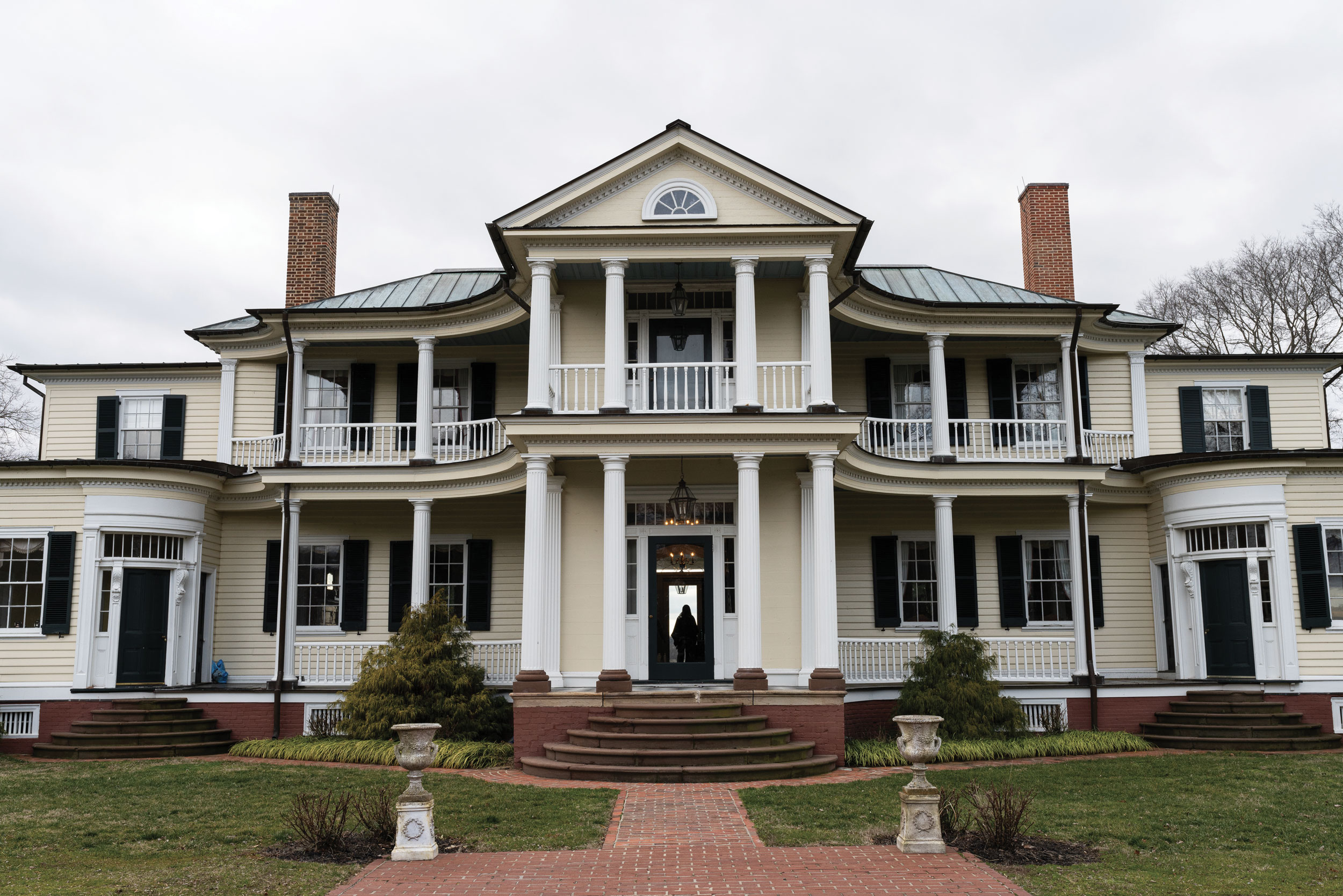
Belle Grove Plantation
Stop 9: Belle Grove Plantation
After crossing the Potomac (via the U.S. Route 301 Bridge), another 33 miles on Route 301 brings you to Belle Grove Plantation (9221 Belle Grove Drive, King George, VA; 540-621-7340), an elegant bed & breakfast located just outside historic Port Royal on the banks of the Rappahannock River. The site served as a bivouac for the Union cavalrymen who pursued Booth. The grounds offer a view of the points where Booth crossed the Rappahannock on a ferry on Monday, April 24, two days before Union horsemen caught up to him at the nearby Garrett Farm.
For those who didn’t stop at Captain Billy’s, try Randolph’s on the River (136 Main St., Port Royal, VA; 804-742-5050), located just across the Rappahannock River by way of the Route 301 Bridge, a popular chef-owned seafood restaurant across from Belle Grove.
If you’ve come this far, you may as well continue south on U.S. Route 301 for a couple of miles for an anticlimactic drive-by of the Booth death site. All vestiges of the Garrett tobacco barn—where 12 days after the assassination Herold surrendered and Booth was shot by Corporal Boston Corbett, a member of the 16th New York Cavalry—along with the Garrett house and the porch where the assassin breathed his last, are long gone. The site is now in the middle of the nondescript wooded median of busy U.S. Route 301 and is part of the Fort A.P. Hill U.S. Army installation. There is a historical marker along the northbound lane of the highway. A few years ago, authorities at the military base cordoned off the median strip and right-of-way and declared the site off limits to the public.
Bob Allen is a freelance writer and author. For the past 25 years he has been narrating 12-hour John Wilkes Booth escape route tours for the Surratt Society in Clinton, Maryland.