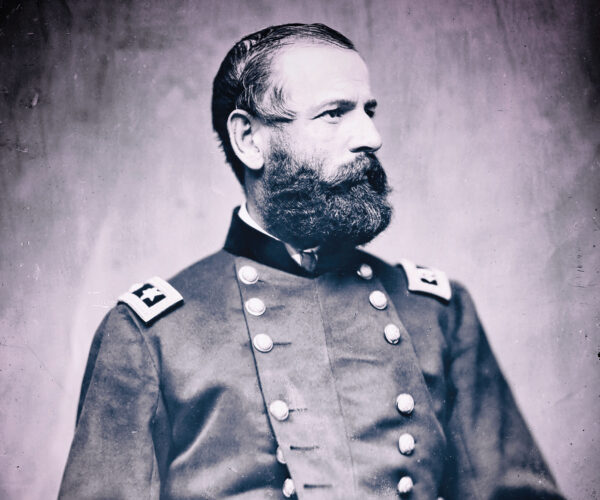
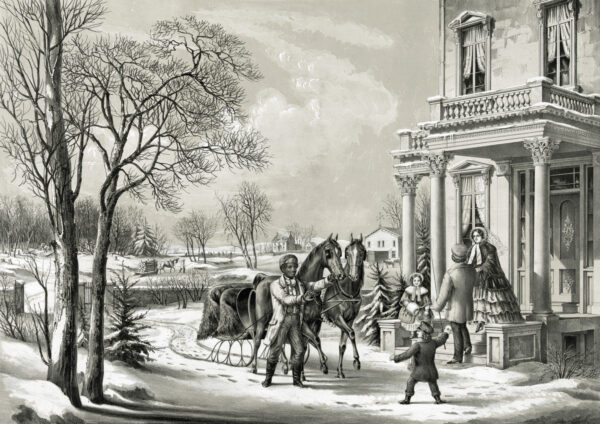
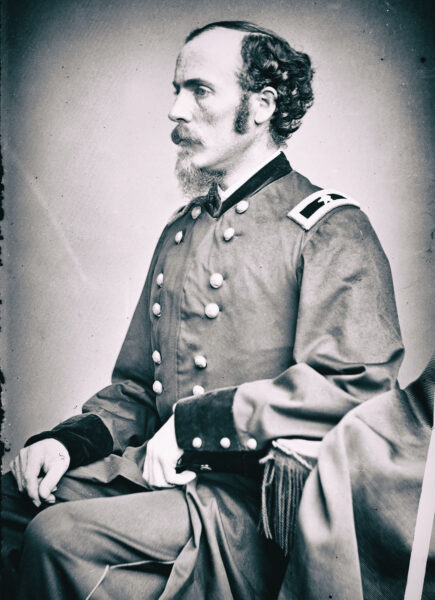
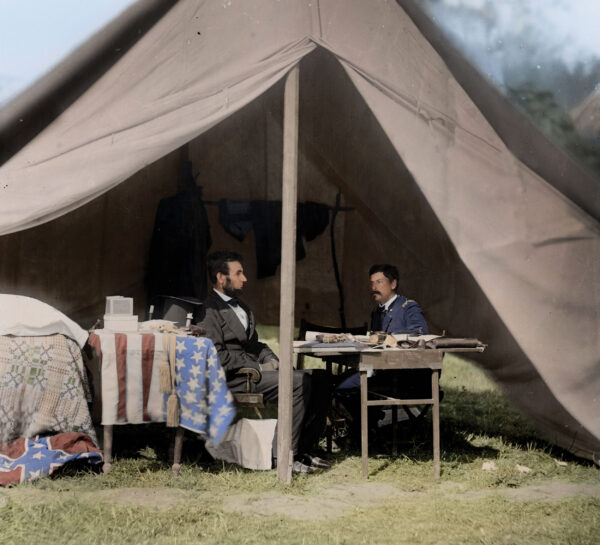
In 1862, upon learning that his wounded soldier-brother had been sent to a Washington, D.C., hospital, Walt Whitman raced from New York to the capital to locate and care for him. Afterward, the famed poet remained so affected by the scenes of suffering he had witnessed that he volunteered as a nurse. In time, Whitman began to worry that the actual story of the war—not the romanticized tales of battlefield glory or heroics, but those of the conflict’s vast human cost and consequences—would not be told. “The real war,” he wrote cynically, “will never get in the books.” Whitman was correct in more ways than one. Many authors papered over the conflict’s controversial or less savory elements, opting instead to tell simplified, sanitized, or sentimental tales of a chivalrous contest fought by strictly honorable men. Others have created or perpetuated misleading or false tales about the war’s participants, conduct, and outcome—myths that have penetrated the popular memory of the Civil War. On the following pages, a panel of top historians attempts to correct the record on five of the biggest of these enduring misconceptions. We hope doing so will help us move closer to acknowledging, as Whitman once hoped, the “real” Civil War.
 Library of Congress
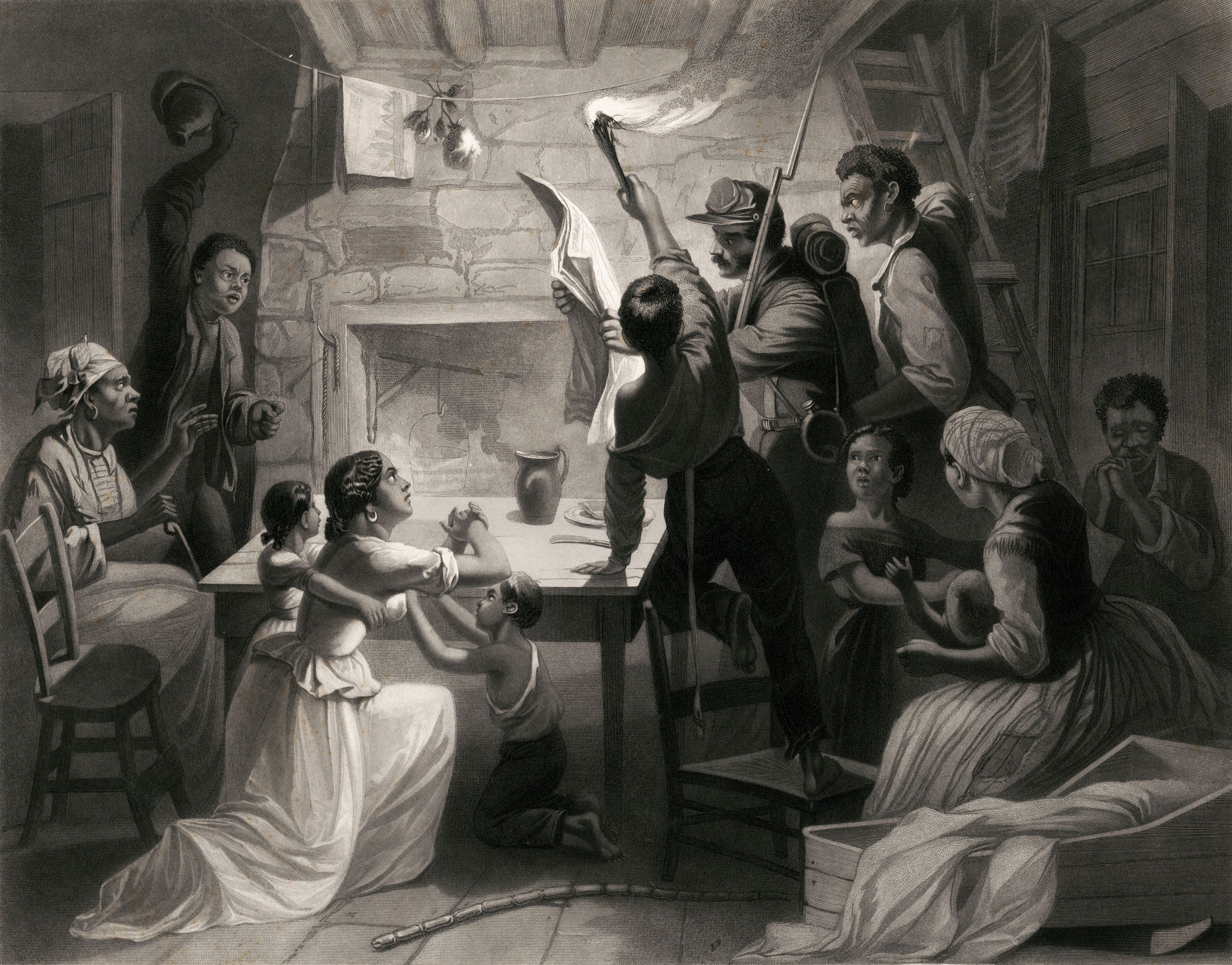
In this engraving published in 1864, three generations of an enslaved family listen intently as a Union soldier reads the recently enacted Emancipation Proclamation aloud to them in their cabin. From the moment it was issued, the proclamation provoked wildly different reactions across the divided country.
The Ineffectual Emancipation Proclamation
The Emancipation Proclamation is a complex document that provoked extremes of reaction from the moment it was issued. “We shout for joy that we live to record this righteous decree,” wrote Frederick Douglass, who up to that time had been a stern critic of Abraham Lincoln’s gradual approach to emancipation, while Jefferson Davis called it “the most execrable measure recorded in the history of guilty man.” In the heat of the moment, neither one took time to analyze the subtleties of the document. Rather, they and most Americans responded as though Lincoln had declared the immediate and universal end of American slavery. For generations to follow, that oversimplification would become embedded in the public mind as the belief that “Lincoln freed the slaves.”
For at least the past 50 years, historians have challenged that belief, in two ways. Some have pointed out that it was not Lincoln alone who freed the slaves. The agency of the enslaved population was critical in pushing the federal government toward an emancipation policy, and brute force, in the form of Union military strength, was necessary to enforce Lincoln’s words. Recognizing the vital role of the armies and the enslaved has obviously contributed to a richer and more nuanced understanding of the process of emancipation.
 Library of Congress
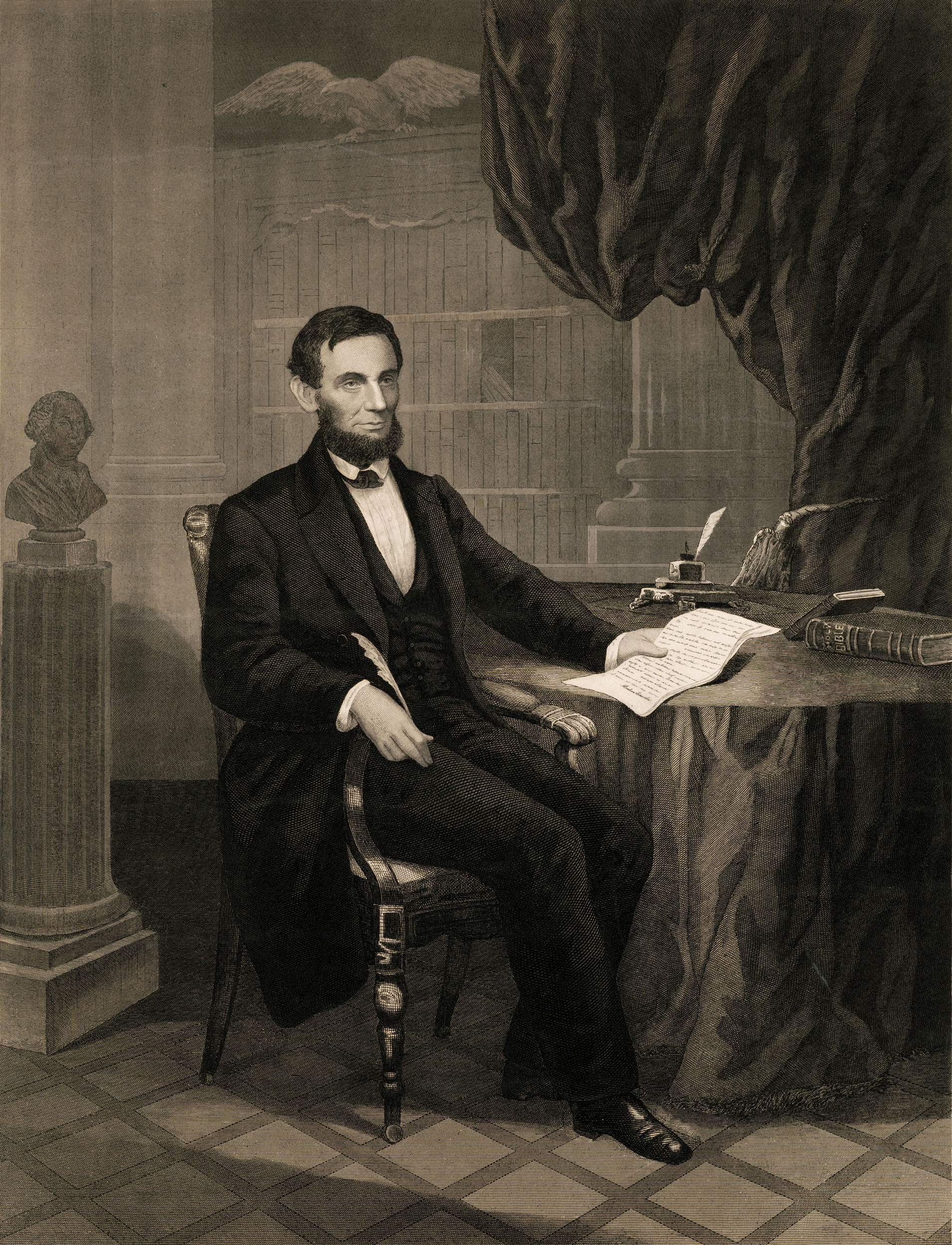
While it’s true that the emancipation proclamation did not bring universal freedom to the enslaved, the moment Lincoln signed the final document (a moment depicted above in a wartime engraving), every enslaved person in the states it covered was immediately and permanently a free person.
Other historians have argued with the verb instead of the noun: They write that Lincoln didn’t actually free anyone with his proclamation. On its face, there is enough to this claim that the newer myth that “the Proclamation didn’t free anyone” has largely supplanted the old myth that “Lincoln freed the slaves.” It is certainly true that the preliminary Emancipation Proclamation, issued on September 22, 1862, had no immediate legal effect. In that document, Lincoln promised that unless certain conditions were met, the proclamation would take effect on January 1, 1863. Those conditions were not met, and Lincoln signed the final Emancipation Proclamation on New Year’s Day, but even then it did not bring universal freedom. The document was an act of war, constitutionally justified by Lincoln’s powers as commander in chief, so its application was limited to places where the end of slavery would contribute to Confederate defeat, specifically “any State or designated part of a State, the people whereof shall then be in rebellion against the United States.” The final version of the proclamation named 10 of the 11 Confederate states as being in rebellion, excepting Tennessee and specific parishes and counties in Louisiana and Virginia where United States military forces had reasserted control. The argument behind the “no effect” myth is that the Proclamation applied only to places where Lincoln had no working authority, and thus it did not free anyone at all.
In fact, it certainly did. The fact that citizens of South Carolina (for example) were not inclined to obey the proclamation had no effect on its legal authority, any more than the tendency of motorists to drive past my office building on the edge of campus at 60 miles per hour invalidates the 35-mph speed limit posted there. From the moment Lincoln signed the final proclamation, every person in the states it covered was immediately and permanently a free person. To the extent that people who were formerly masters of slaves continued to coerce their labor, they were now kidnappers or worse. It might have been weeks, months, or even years before federal troops were able to enforce the proclamation, but this does not mean that the proclamation failed to change their legal status from enslaved to free. It often takes time for laws that make revolutionary changes to have their full effect. Ratification of the Thirteenth Amendment in 1865 did not cause all remaining slaveholders to immediately relinquish their human “property,” and the spirit of the amendment remained unenforced long into the 20th century in some parts of the country, yet no one argues that the Thirteenth Amendment failed to free anyone.
The myth that the proclamation freed no one is based on the distinction between de jure and de facto freedom, asserting that it may have changed the legal status of the enslaved without making any difference in their day-to-day lives. The myth is wrong here as well, however, because the proclamation had an immediate practical effect on many people, specifically those who had already escaped from their enslavers and were now refugees living in one of the states named in the document. Before the proclamation, their legal status was ambiguous. The Fugitive Slave Act remained on the books until 1864, so until then they were liable to be returned to their former owners. The Confiscation Acts and Benjamin Butler’s “contraband” policy gave United States military forces authority to seize fugitive slaves and prohibited their return, but did that mean that refugees from slavery were now the property of the federal government? If not, who owned them? If they were “contraband of war,” what would happen when the war ended? The proclamation resolved these ambiguities, clearly and definitively: As of January 1, 1863, these people were free.
This in turn led more people to freedom. Owners may have been slow to tell their slaves about the proclamation, but word spread anyway. A northern businessman had thousands of miniature copies of the proclamation printed and distributed to soldiers, so that they could be passed along from plantation to plantation as easily concealed tokens of freedom. (The type was almost too small to read, and of course few of the enslaved could read at all, but the tiny pamphlet’s mere existence was enough to convey its powerful message of emancipation.) Knowledge that the president had declared them free surely changed the calculus for many who were trying to decide whether it was worth the risk to try to escape to the nearest Union army camp. Enslaved people might not have believed the tales of horror and abuse that awaited them at the hands of the Yankees, rumors spread by masters anxious to keep hold of their “property,” but word must have gotten back to many of them about the marginal conditions of the refugee camps and the oppressive behavior of some Union soldiers. Once the proclamation was out and the law was clear, an important obstacle was removed from the path of those who sought to gain their own freedom.
The myth that the Emancipation Proclamation did not free anyone tends to be repeated by those who resent Lincoln’s lofty reputation. It can be heard from all points of the political compass, from progressives who see him as insufficiently abolitionist, from conservatives who believe it reveals his duplicity, or from libertarians who abhor his use of government power. The proclamation was controversial in its time, and it is still controversial a century and a half after the country accepted Lincoln’s underlying premise that slavery was wrong. It remains the most revolutionary act of any American president, and it set the pendulum of popular opinion swinging widely, from “Lincoln freed the slaves” to “the Proclamation freed no one.” As long as Abraham Lincoln continues to be a lightning rod for the political currents of the day, it seems unlikely that this pendulum will ever settle into a position of equilibrium, but with increased historical understanding, perhaps the extremes can at least be dampened.
Gerald J. Prokopowicz is the author of Did Lincoln Own Slaves? (2008) and All for the Regiment: The Army of the Ohio, 1861–1862 (2001). Since 2004 he has hosted the podcast “Civil War Talk Radio” (impedimentsofwar.org). He served for nine years as the resident Lincoln Scholar at The Lincoln Museum in Fort Wayne, Indiana, and is currently a professor of history at East Carolina University in Greenville, North Carolina.
The War’s Outcome Was Inevitable
Millions of Americans who watched Ken Burns’ documentary The Civil War heard Shelby Foote pronounce United States victory inevitable. As the principal talking head in that remarkably successful and influential series, Foote reinforced one of the most persistent myths about the conflict. “I think that the North fought that war with one hand behind its back,” observed Foote in his soothing Mississippi drawl. “I think that if there had been more southern victories, and a lot more, the North simply would have brought that other arm out from behind its back. I don’t think the South ever had a chance to win that war.”1
Disparate influences have nourished this misleading tendency to frame the Confederate experiment in nation-building as a hopeless struggle against impossible odds. Former Confederates adopted the argument as a crucial tenet of Lost Cause orthodoxy. For example, Jubal A. Early, a significant figure in debates about the memory of the conflict, characterized the campaign Robert E. Lee and Ulysses S. Grant waged in 1864 as “a contest between mechanical power and physical strength, on the one hand, and the gradually diminishing nerve and sinew of Confederate soldiers, on the other, until the unlimited resources of our enemies must finally prevail over all the genius and chivalric daring, which had so long baffled their mighty efforts in the field.”2
 Library of Congress
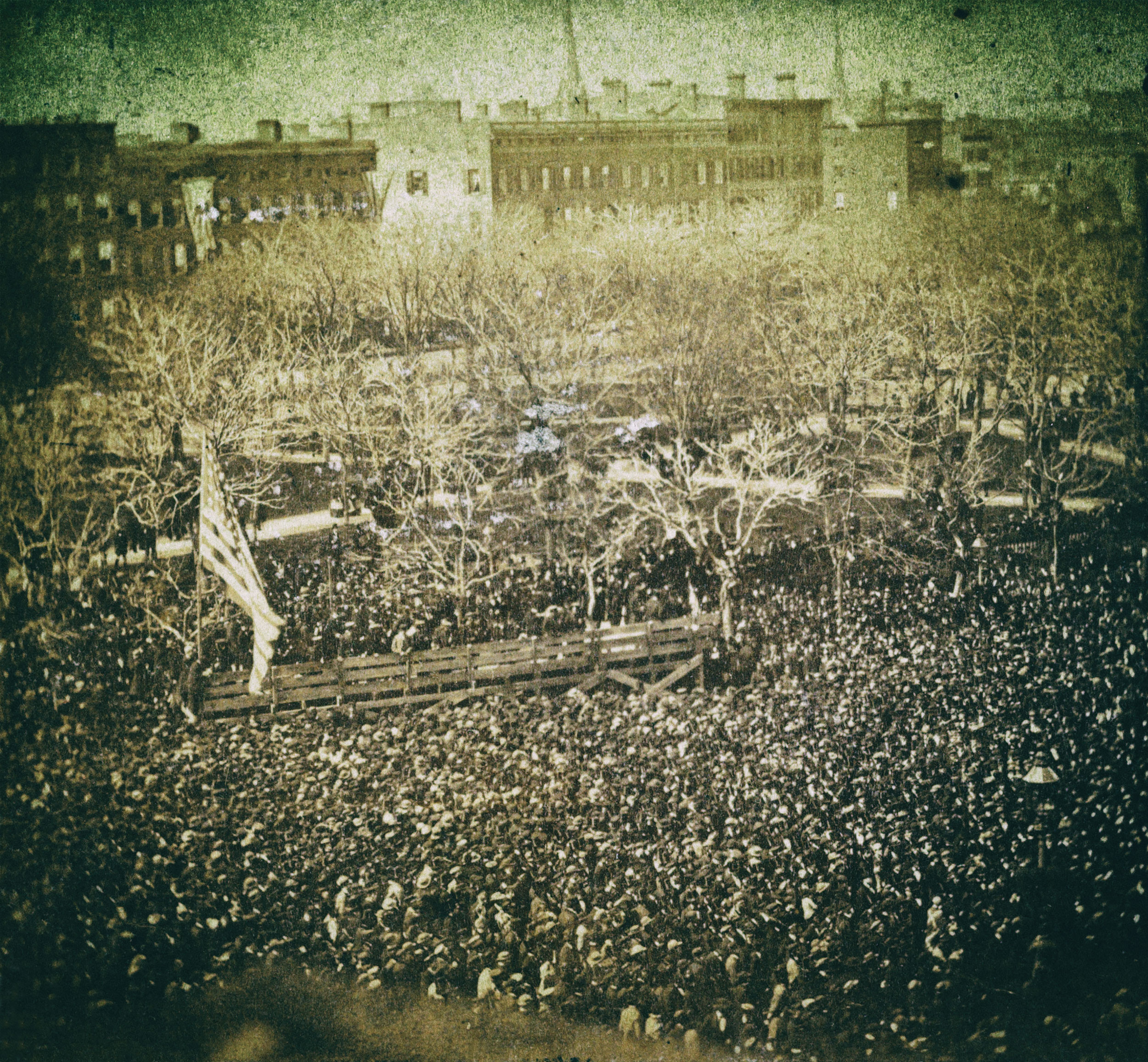
The North’s considerable advantages in population and industrial capacity are often used as evidence that the Confederacy faced impossible odds during the Civil War. Above: A massive crowd gathers in New York’s Union Square for a patriotic rally shortly after Fort Sumter’s fall.
Similarly, an imposing monument on the capitol grounds in Austin, Texas, erected in 1903, offered a text that reads in part: “The South, Against Overwhelming Numbers and Resources, Fought Until Exhausted…. Number Of Men Enlisted: Confederate Armies, 600,000; Federal Armies, 2,859,132.” Although underestimating Confederate strength by about 300,000 and overestimating that of United States forces by more than 600,000, the Texas memorial left no doubt about why the Yankees prevailed (the exactness of the Union figure lends verisimilitude to the invention).3 This claim of inevitable United States victory constituted a neat and clever way for ex-Confederates to absolve themselves of responsibility for their catastrophic failure to establish a new slaveholding republic. Their self-serving explanation can be distilled into a single sentence: “Well, we lost, but of course we lost, because we never could have won!”
Historians who embraced economic determinism also buttressed the idea of certain Union triumph. For them, a backward-looking agrarian South had no chance against a capitalist powerhouse in the North. Few historians have proved more influential in this regard than Charles A. Beard, whose The Rise of American Civilization, co-authored with his wife Mary R. Beard, reached a wide audience. “The South was fighting against the census returns—census returns that told of accumulating industrial capital, multiplying captains of industry, expanding railway systems, widening acres tilled by free farmers,” stated the Beards. The free states held sway in terms of population, manufacturing, munitions, and control of foreign commerce. “In fact,” continued the Beards, “the real revolution—the silent shift of social and material power—had occurred before the southern states declared their independence and precipitated the revolution of violence. As [William H.] Seward had warned the planters, they could accept the inescapable either in peace or in battle.”4
Scholarship that emphasizes conflict on the Confederate home front similarly undercuts the idea that the Confederacy might have prevailed. This literature, with roots in the 1920s and 1930s, re-emerged in the 1970s and continues to grow. Fault lines of race, gender, and especially class dominate this scholarship, which suggests that slaveholders who pushed for secession and then presided over an all-consuming military effort alienated huge numbers of white citizens. Quoting a Georgia newspaper editor who wrote that by 1863 Confederates were “fighting each other harder than we ever fought the enemy,” one historian concluded: “That inner civil war made it increasingly difficult, and ultimately impossible, for the Confederacy to survive.”5
 National Archives
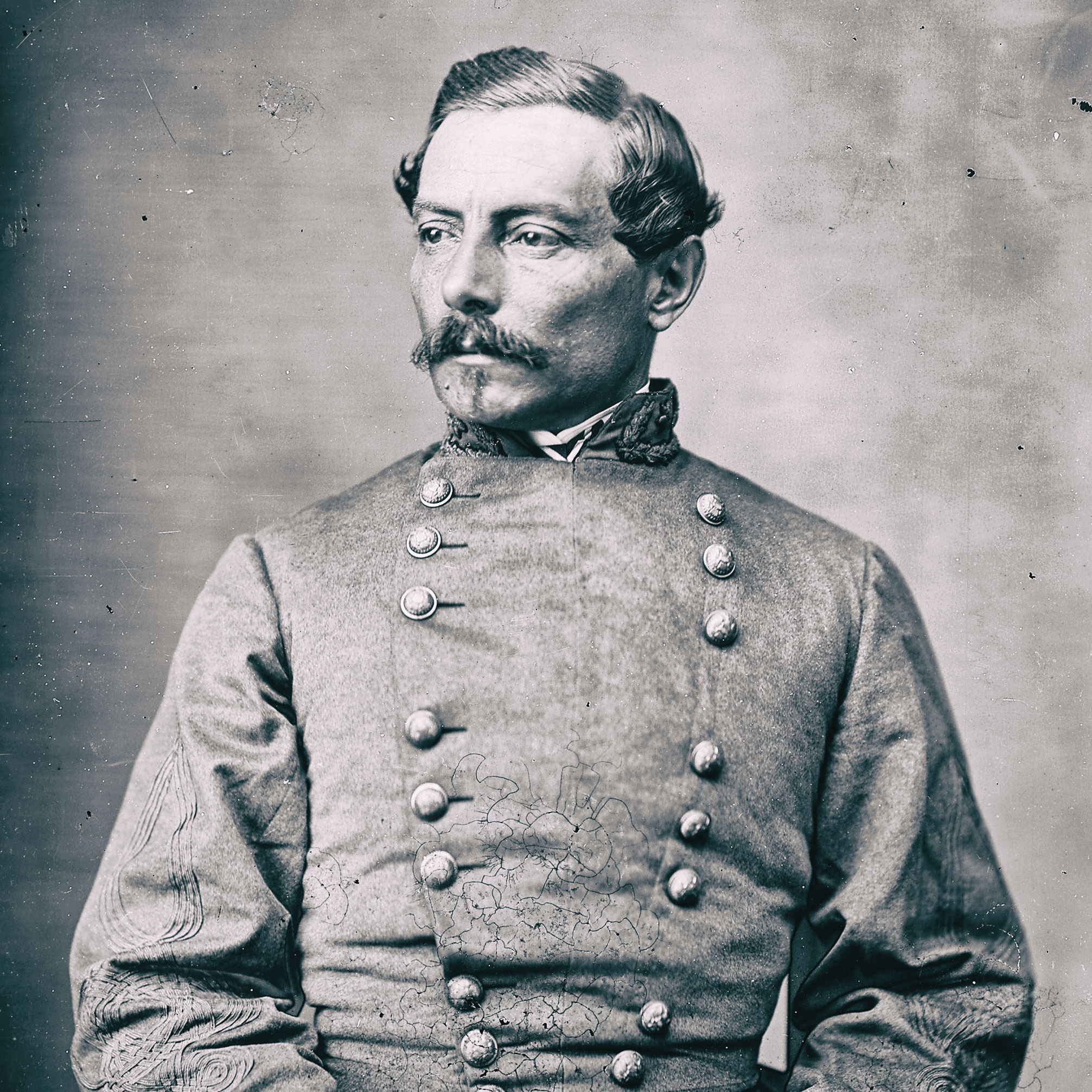
P.G.T. Beauregard
Most people who embrace the “hopeless fight against the odds” narrative deploy stark numbers that favored the United States. The loyal states contained nearly 22.3 million people compared to the Confederacy’s 9.1 million (which included 3.5 million enslaved and more than 132,500 free black people). Manufacturing in the loyal states dwarfed that in the Confederacy, and the United States began the war with an army and navy (both admittedly small). But the Confederacy also had important advantages. Most obviously, conditions for victory favored the Confederacy. It need only convince the loyal citizenry that subduing the rebellion would cost too much in lives and money. A tie was thus as good as a win and required no projection of Rebel military power into the loyal hinterlands, no occupation of U.S. territory. Geography also favored the Confederacy. Its sprawling 750,000 square miles, intercut with imposing mountain ranges and served by a substandard network of all-weather roads and railroads, posed massive logistical obstacles to invading Federal forces. Fighting for home ground gave Confederates a further edge. Soldiers defending hearth and family typically display greater resolve than those seeking to conquer and occupy an opponent’s territory.
In reality, the chances for Confederate success much exceeded those of the colonies against mighty Great Britain during the Revolution—something well understood by people on both sides. As George Wythe Randolph, Thomas Jefferson’s grandson and the Confederate secretary of war in 1862, put it in October 1861, “They may overrun our frontier States and plunder our coast but, as for conquering us, the thing is an impossibility. There is no instance in history of a people as numerous as we are inhabiting a country so extensive as ours being subjected if true to themselves.” Former Confederate general Pierre Gustave Toutant Beauregard, writing after the war, echoed Randolph in claiming that “No people ever warred for independence with more relative advantages than the Confederates; and if, as a military question, they must have failed, then no country must aim at freedom by means of war.”6
In this struggle between two democratic republics, the commitment of civilians would be the key—something Abraham Lincoln, Jefferson Davis, Ulysses S. Grant, Robert E. Lee, and other perceptive political and military leaders realized. When one side’s citizenry reached a breaking point, whatever the real condition of the armies in the field, the war would end. This meant the Confederacy, which lacked the resources to defeat the United States in an absolute sense, could still win its independence.
Quotations from Lincoln and Lee highlight the importance of civilian morale in the United States. In mid-April 1863, with northern newspapers detailing Copperhead activities and no evidence of significant Union military progress in any theater, Lee expressed cautious optimism in a letter to his wife. “I do not think our enemies are so confident of success as they used to be,” he remarked in a passage that touched on the Confederate and Union civilian populaces. “If we can baffle them in their various designs this year & our people are true to our cause & not so devoted to themselves & their own aggrandisement, I think our success will be certain.” Additional fighting and suffering lay ahead, but Lee believed the Army of Northern Virginia could influence the northern home front. “If successful this year, next fall there will be a great change in public opinion at the North,” he predicted regarding the 1864 elections. “The Republicans will be destroyed & I think the friends of peace will become so strong as that the next administration will go in on that basis. We have only therefore to resist manfully.”7
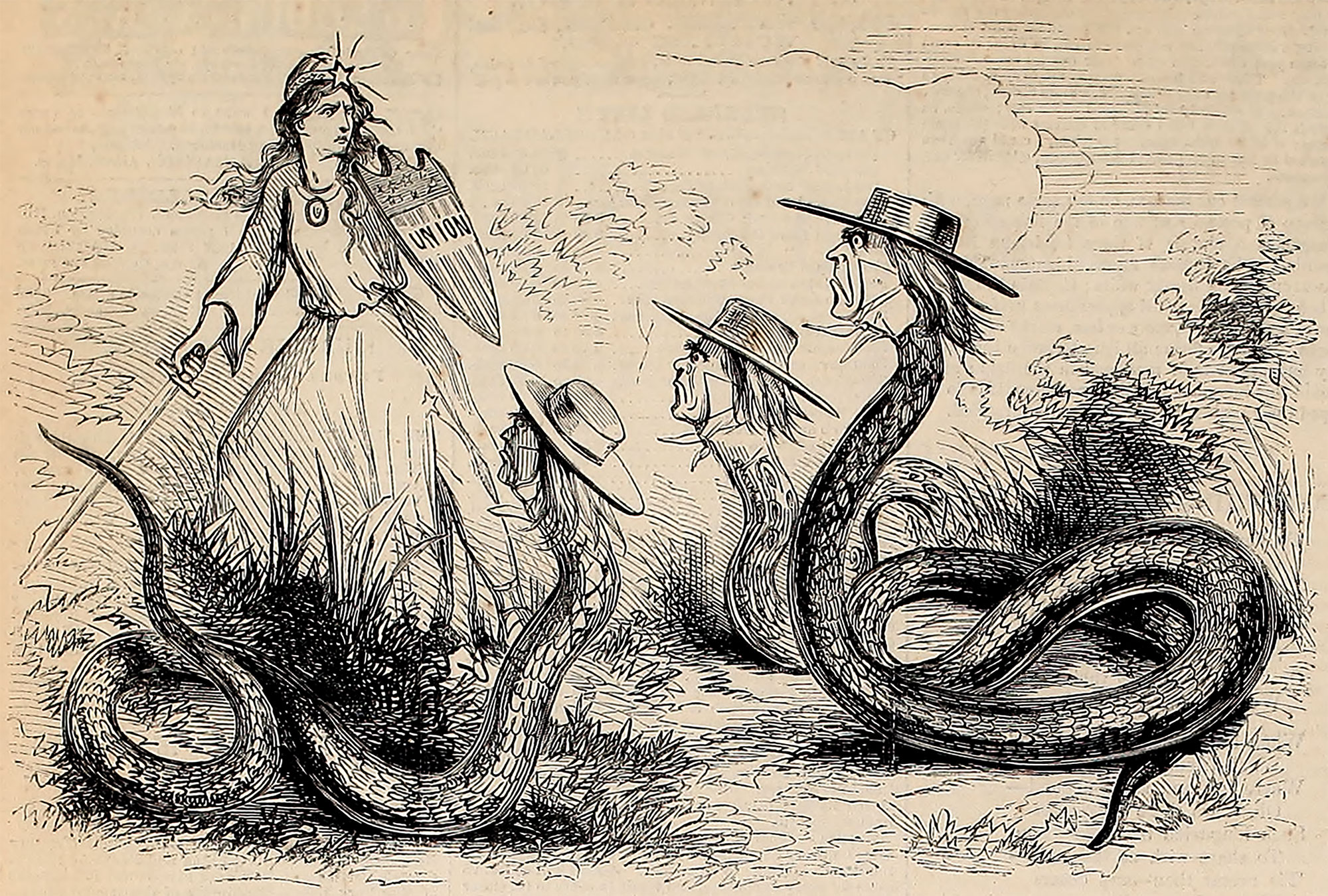 Harper's Weekly
During the conflict’s first years, southern successes on the battlefield, plus divisions and dipping morale on the northern home front, pointed to the possibility of ultimate confederate victory. Above: Anti-war copperheads threaten Columbia—and, by extension, the union war effort—in this cartoon published in Harper’s Weekly in February 1863.
The following year, with Union armies pressing against Richmond and Atlanta, Lincoln nonetheless feared defeat. His famous blind memorandum to his cabinet on August 23, 1864, suggested loyal citizens had lost their stomach for a protracted war. “This morning, as for some days past,” Lincoln observed, “it seems exceedingly probable that this Administration will not be re-elected. Then it will be my duty to so co-operate with the President-elect, as to save the Union between the election and the inauguration; as he will have secured his election on such ground that he cannot possibly save it afterwards.”8 William Tecumseh Sherman and Philip H. Sheridan, triumphant at Atlanta and in the Shenandoah Valley, brought a radical change in morale across the loyal states that saved the Republicans in November, ensured emancipation, and guaranteed survival of a new, and improved, American nation.
In summary, the Confederacy by no means faced a hopeless struggle. Other nations had overcome more daunting obstacles, and no one should fall prey to what might be called “Appomattox syndrome.” That common way of looking at the conflict begins with knowledge of U.S. victory, assumes that was the only possible outcome, and ranges backward to identify evidence for why the Confederacy failed. This can lead to a linear understanding of Union victory built on a model of declining Confederate morale undercut by internal tensions and inexorable Federal power sternly applied. Stronger popular will in the United States did win out, but only after Confederate military successes and political strife in northern states brought moments of despair that almost settled the issue in favor of the Rebels.
Gary W. Gallagher is the John L. Nau III Professor of History Emeritus at the University of Virginia. His recent books include Civil War Places: Seeing the Conflict through the Eyes of Its Leading Historians (2019; co-edited with J, Matthew Gallman) and the revised edition of The American War: A History of the Civil War Era (2019; co-authored with Joan Waugh).
The Civil War Was the World’s First Modern War
The Civil War has long been considered the world’s first modern war by popular historians and buffs. Academic historians, myself included, tend not to agree and argue that it is dangerous to use the term “modern war” too loosely. As they note, most conflicts that have occurred since the beginning of the early modern period (about the 1600s), when scientific, technological, and social change began to occur in Western society, are neither wholly modern nor wholly old fashioned. They contain elements and characteristics of both the future and the past, coexisting side by side. Armed conflict changes slowly over time (along with society itself) in a never-ending continuum. Wars are among the most complicated topics historians study, and they naturally confound our judgment with nuances and contradictions.
The Civil War was no different. It did contain some characteristics that we can identify with modern wars, but it also had many elements that classify it as an old-fashioned conflict. Rather than arguing whether the Civil War was a modern conflict, we should be wondering to what degree it displayed modern traits versus traditional aspects of warfare. The best way to do that is to focus on a few key categories of war making and see how the Civil War measures up compared to the more thoroughly modern conflicts of the 20th century.
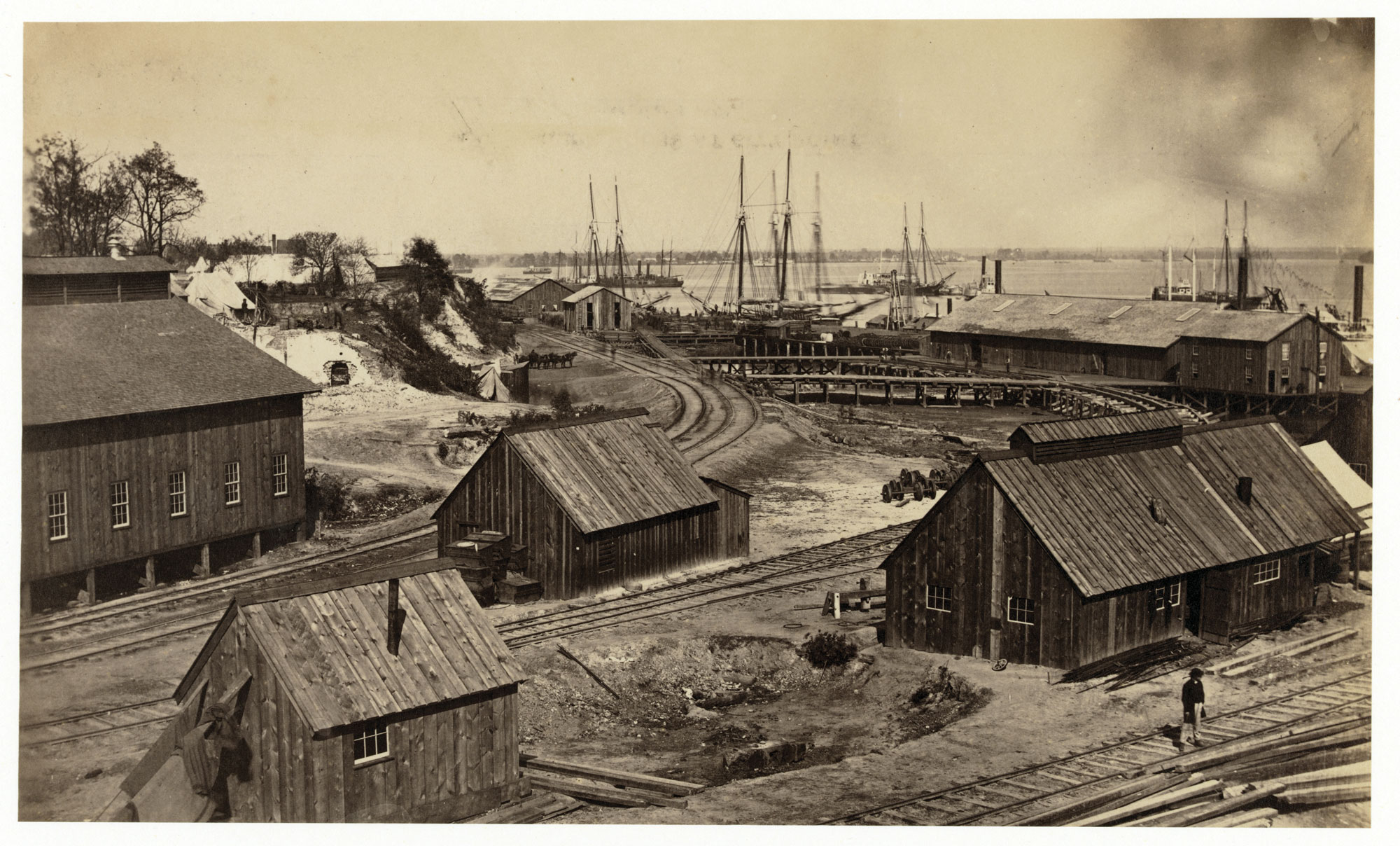 Library of Congress
While the Civil War contained some characteristics that we can identify with modern wars—including military transportation—other elements point to an old-fashioned conflict. Above: Rail lines carried supplies inland from the wharf at the Union depot at City Point, Virginia, shown here in 1864.
The most modern aspect of the Civil War lay in logistics, or military transportation. For the first time in history there was full utilization of steam power for the movement of troops and supplies, making the Civil War the first true railroad war. The Federals succeeded far better in this than the Confederates, utilizing some 400 Mississippi River steamboats, dozens of railroad companies, and 400 coastal vessels to support an army of over 1 million men during four years of conflict. Union quartermasters solved many problems involved in loading, moving, and unloading mountains of material, thousands of animals, and hundreds of thousands of men over huge expanses of territory. They learned how to conquer space and time in providing support to field armies that deeply penetrated enemy territory and meant to stay there.
In the area of manpower mobilization, however, the Civil War was an old-fashioned conflict. Both the Union and the Confederacy relied primarily on volunteers raised by the state governments, a key part of American military history since the Revolution of 1776. While both sides created a national draft for the first time in American history, those conscript systems were very different from the selective service system the American government would institute in 1917 and 1940. There was widespread opposition to the draft in both the North and South. With many loopholes and a great deal of draft evasion, Civil War conscription provided no more than about 10 percent of the men needed to fight the conflict. Neither government was able to mobilize manpower for military service as a truly modern state would do in the 20th century.
Similarly, Civil War weapons did not represent a significant step toward modern war, despite what many people assume. The conflict did see the advent of rifling in both small arms and field artillery, but this failed to drastically change the nature of combat. There is no evidence that rifle muskets were faster to load, easier to load, or (except in the hands of men who had a natural aptitude for them) more accurate than smoothbores. What rifling did do was increase the range of the musket from 100 to 500 yards. Even though Civil War soldiers very much wanted to use the new rifle musket, they also wanted to fire it at short range, believing that would be more effective. And they were right. Several studies have confirmed that the average range of Civil War small-arms fire did not exceed 100 yards. For instance, at the Battle of Franklin, which took place on a largely open field, Union infantry opened fire when the advancing Confederates were 400 yards away, and continued until the Rebels closed on the Federal works. Yet Confederate general Benjamin F. Cheatham later testified that the overwhelming majority of his men had been hit within 50 yards of the Union position. Casualty statistics also confirm that the rifle musket failed to make the Civil War unusually bloody. Smoothbore battles of the 1700s produced loss ratios at the same level as, and even higher than, the Civil War.
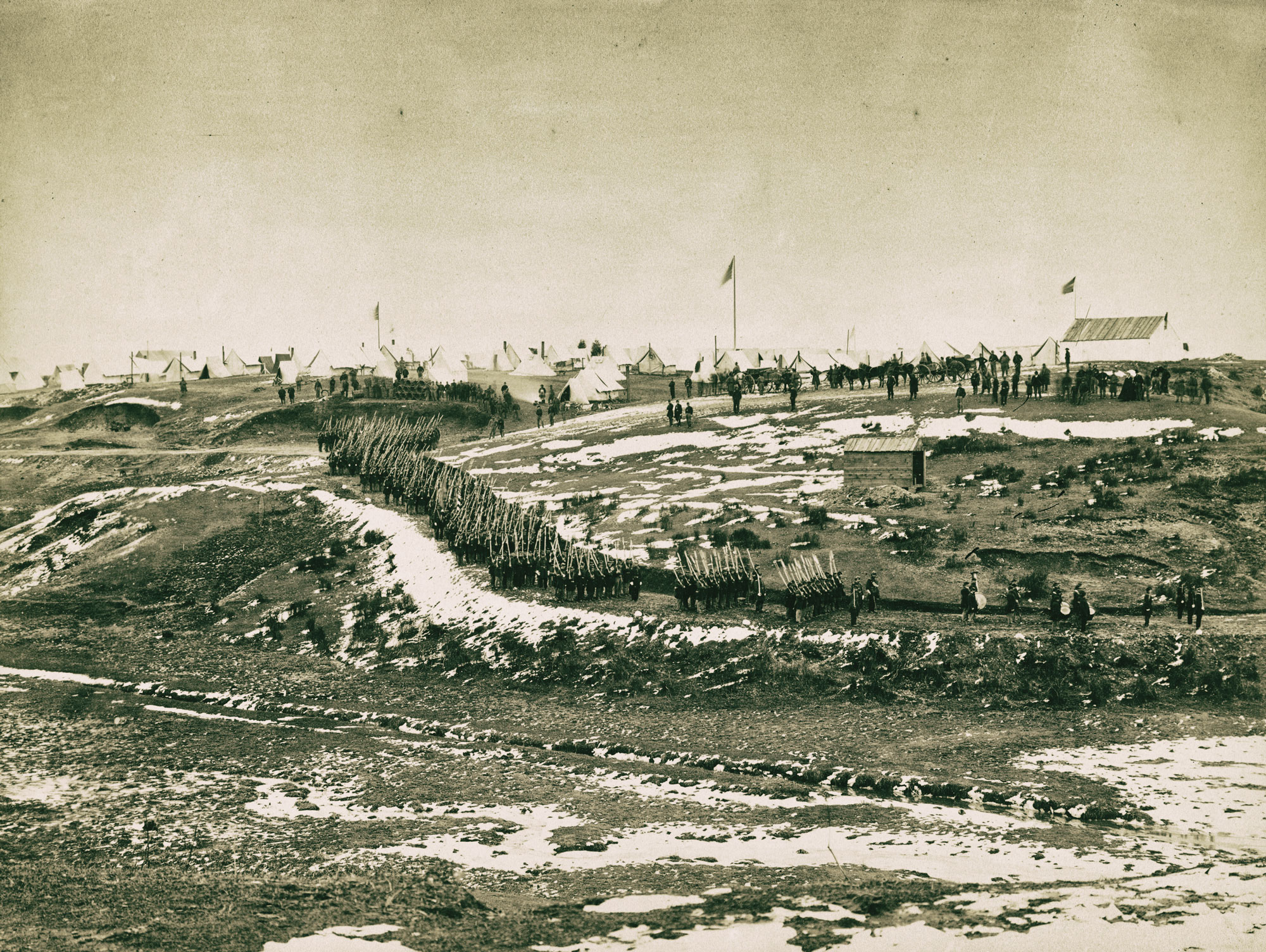 Library of Congress
Little changed during the civil war in the area of infantry tactics—both sides continued to use the traditional, complicated formations and maneuvers utilized during earlier conflicts. Above: Union soldiers drill near Washington, D.C.
Only with the development of magazine-fed weapons by the turn of the 20th century, which increased the rate of fire rather than the range of fire, did we see truly significant changes in the nature of infantry combat. Volume of fire delivered by infantrymen became more important during World War I, even though most infantry fighting in 20th-century conflicts remained at short range rather than long.
In the area of infantry tactics, little changed during the Civil War. Both Union and Confederate armies used the traditional, complicated formations and maneuvers that worked well for the masses of manpower on the battlefield and the weapons they employed. Units that trained well in those tactics survived and succeeded on the battlefield, and those that did not faltered. Infantry tactics truly began to change in World War I, an evolution that continued through World War II and into the post-1945 era, when the fire team concept—with its emphasis on groups of four soldiers supporting each other with their fire, unlike the should-to-shoulder lines of troops utilized during the Civil War—was fully developed.
Attitudes toward warfare also remained largely unchanged during the Civil War. Ever since the American Revolution, mainstream American culture held up war as a noble and just endeavor and sacrifice, and suffering for one’s country was largely valued. The North and the South could not have relied on a volunteer army without those values.
Civil War armies certainly targeted civilians, but such actions were not new in global military history. And it has to be pointed out that burning farms and public facilities as Union forces did was a far cry from the deliberate bombardment of residential areas that occurred during World War II. Even the worst that William T. Sherman’s men did during the March to the Sea and through the Carolinas pales in comparison with truly modern wars in terms of exerting military power directly on unarmed civilians. There probably were no more than a few dozen civilians who died as a direct result of enemy action during the Civil War, in comparison to an estimated 1 million Germans and 1 million Japanese who perished under a hail of Allied bombing raids in the 1940s.
The last argument for the Civil War as a modern war is that it was a “total war”—with the opposing governments fully mobilizing their resources. Even if total war is indeed a modern strategy, then the Civil War was only in part a modern conflict. Neither government utilized its complete resources as fully as governments in the two world wars did to fight a long, bitter conflict. But there is another definition of total war that is highly applicable to the Civil War. While the Confederates simply needed to fight the Union to a standstill and then negotiate peace in order to win, the Federals needed to destroy the Confederate government and its armed forces. Perhaps that is another reason for Union victory; it is easier to fight when one knows there is a complete victory to be gained rather than a negotiated settlement.
Earl J. Hess is the author of more than 20 books, including The Rifle Musket in Civil War Combat: Reality and Myth (2008), Civil War Infantry Tactics: Training, Combat, and Small-Unit Effectiveness (2015), and Civil War Logistics: A Study of Military Transportation (2017).
Ulysses S. Grant Had Free Rein
William T. Sherman once said of Ulysses S. Grant, “to me he is a mystery, and I believe he is a mystery to himself.” Mysteries in turn beget myths, and until recently Grant’s reputation suffered from tales of his alcoholism, political incompetence, butchery on the battlefield, and lack of intelligence. All of these ideas have been challenged by a series of Grant biographers and scholars stretching back to Louis A. Coolidge, A.L. Conger, and J.F.C. Fuller, to say nothing of Lloyd Lewis and Bruce Catton, as well as other balanced studies dating back to 1991. Yet despite this revival in Grant’s reputation, some myths die hard. One of the more notable concerns whether President Abraham Lincoln gave his new general-in-chief a free hand as Grant took charge of the armies of the United States in March 1864.
To some extent, Grant himself is responsible for the origins of the myth. As Grant later recalled, Lincoln told him that it was only due to the failures of Grant’s predecessors that the president had meddled in military affairs: “All he wanted or had ever wanted was some one who would take the responsibility and act, and call on him for all the assistance needed, pledging himself to use all the power of the government in rendering such assistance.” Indeed, in wishing Grant well in the spring of 1864, Lincoln assured him of his “entire satisfaction with what you have done up to this time, so far as I understand it. The particulars of your plans I neither know, or seek to know.”
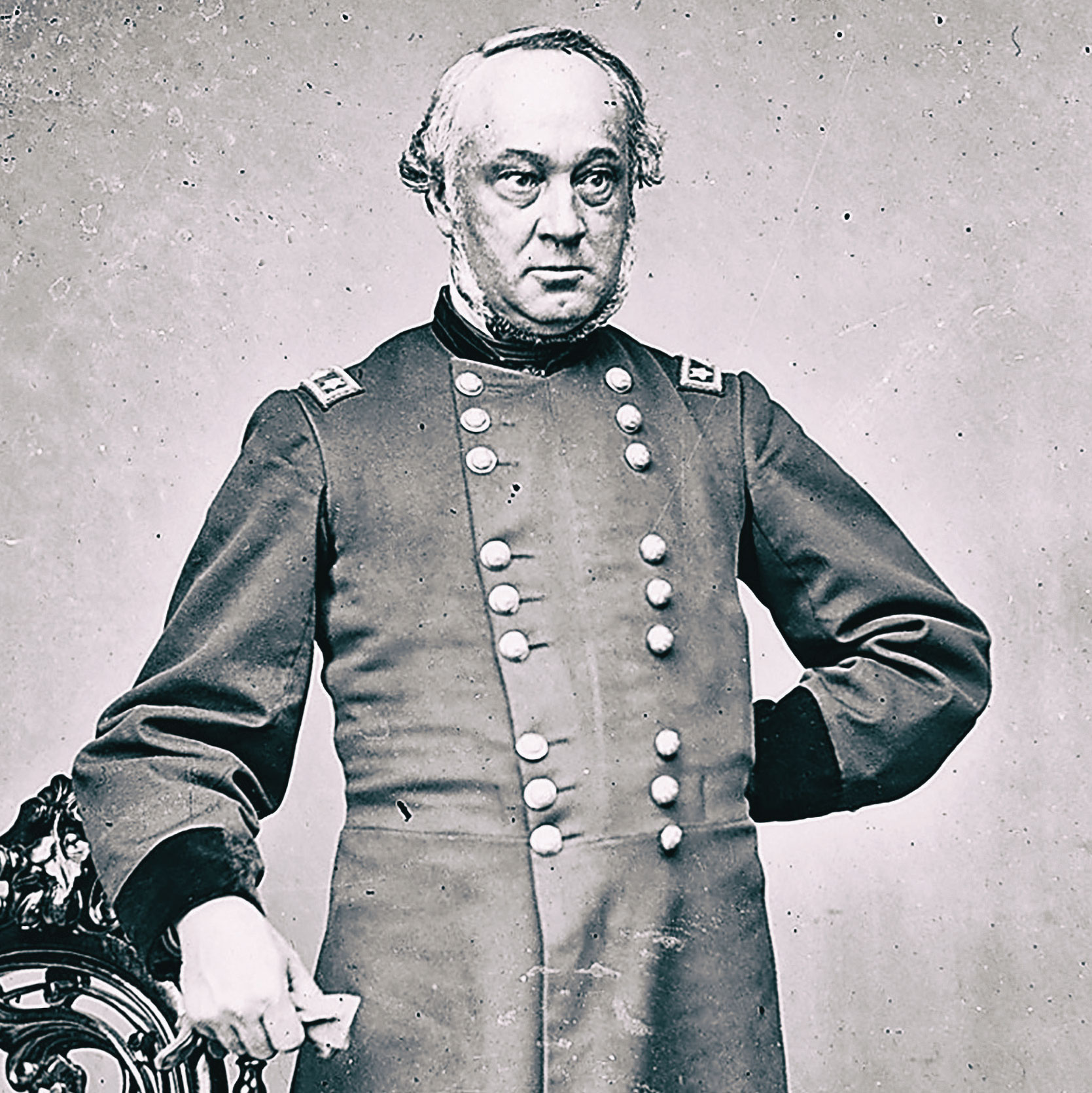 National Archives
Henry Halleck
Yet the plan of campaign that Grant eventually devised in 1864, as well as the generals who would be in charge of executing important parts of that plan, show that the newly minted lieutenant general all too often found his hands tied by his civilian superiors, including Lincoln. Nowhere was this more evident than when Grant advanced his plan for the eastern theater in 1864. In response to an invitation by then general-in-chief Henry Halleck, Grant set forth an entirely new approach to addressing the problems posed by Robert E. Lee’s Army of Northern Virginia operating in its namesake state. He argued for a reduction to Union forces confronting Lee’s army in north central Virginia, reasoning that numerical parity would be sufficient to shield Washington. Meanwhile, a second army would strike through southeast Virginia and into North Carolina, threatening Richmond’s supply lines southward, encouraging the growing alienation that many white North Carolinians had toward the Confederacy due to disgust with Jefferson Davis’ administration, and liberating thousands of enslaved African Americans.
Grant’s innovative plan broke with previous proposals that sought a direct confrontation with Lee in Virginia. He set aside the Confederate capital at Richmond as a prime objective, although his proposed strike southward, if successful, would have severed it from the Confederate heartland. Targeting Confederate civilian morale and shattering slavery in the Tar Heel State demonstrated the breadth of Grant’s strategic vision. Lee would have had to choose between mounting an offensive against Federal forces in Virginia, leaving Richmond and points south vulnerable to the Yankee invaders, or abandoning his beloved Virginia altogether to counter the Union thrust, which in turn would have allowed Union forces in Virginia to march southward and threaten Richmond.
Halleck quickly threw cold water upon Grant’s idea, claiming that there was not nearly enough Union military strength to carry out such an ambitious plan. (Grant’s plan would have required between 120,000 and 130,000 men, about the size of the Army of the Potomac, the Army of the James, and Ambrose Burnside’s IX Corps in the spring of 1864.) Although Halleck conceded that Grant might reverse Halleck’s verdict in the near future (an implicit reference to Grant’s impending elevation to overall command), Grant took the hint. The authorities at Washington were not ready for a radical departure from previous efforts, especially in an election year when Lincoln’s probable opponent, George B. McClellan, was best known for his rejection of an overland approach in favor of an operation not all that different from Grant’s proposal.
One sees traces of Grant’s North Carolina proposal in his spring 1864 approach to the eastern theater. Multiple Union thrusts would threaten Confederate logistics, force Lee to choose to fight or fall back, and employ Union control of the coastal waters in Virginia and North Carolina. However, as Grant modified his plan, he encountered two more challenges that forced him to accommodate political reality.
 Library of Congress
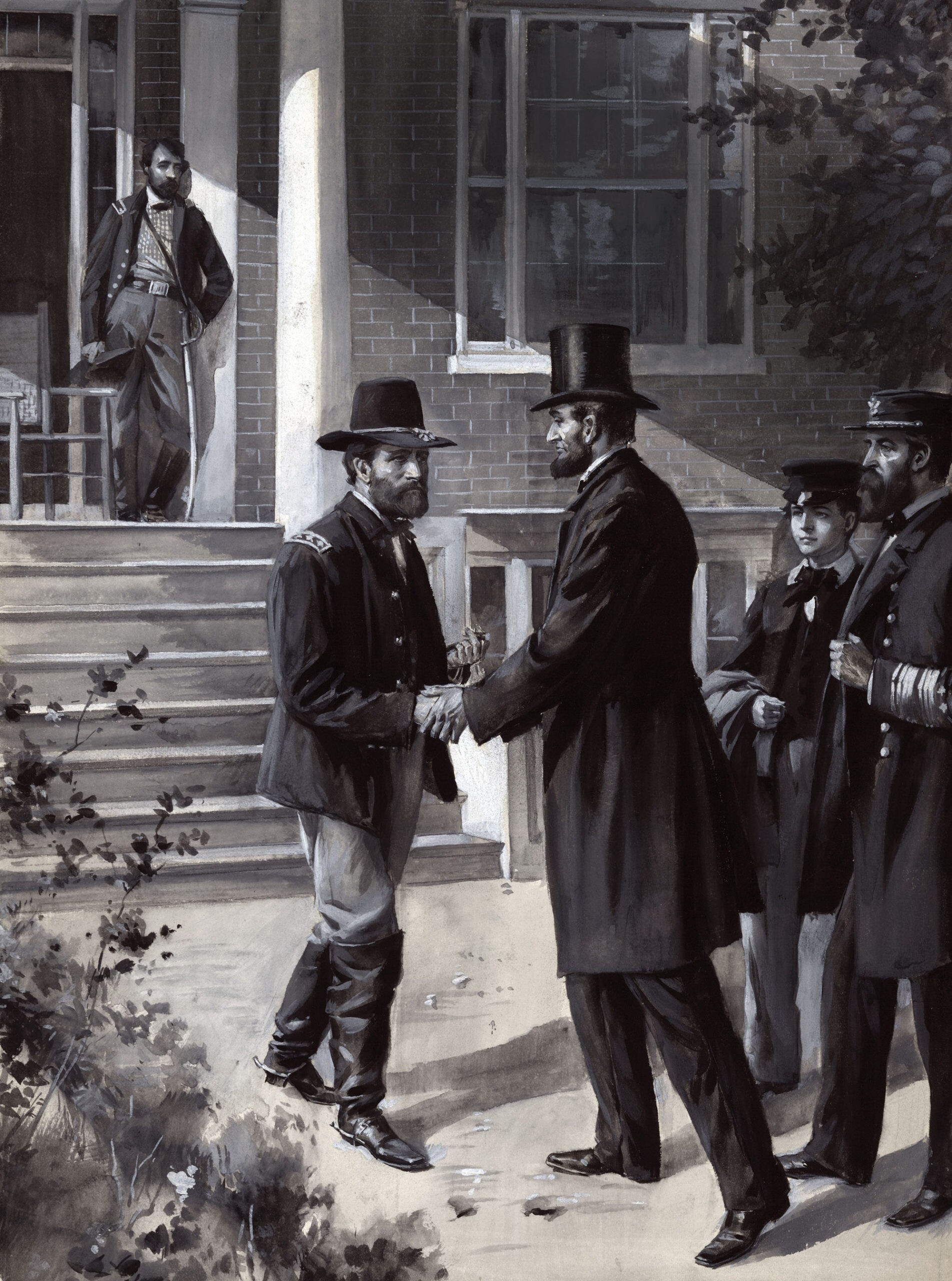
Ulysses S. Grant (left) greets Abraham Lincoln outside the Wallace House in Petersburg, Virginia, on the morning of April 3, 1865—the day the city fell to Union forces. While Grant’s plan to win the war was ultimately successful, he needed to modify it along the way to accommodate political reality.
Grant’s trip to Washington in March 1864 to accept his commission as lieutenant general exercising supreme command over the armies of the United States opened his eyes to Washington politics. To be sure, Grant was no novice when it came to the politics of civil-military relations, but he saw firsthand just how much Union generals in Virginia had to deal with interference and inquiries from both the executive branch and Congress. Much is made of Grant’s initial meeting with George G. Meade at the headquarters of the Army of the Potomac, but at least as important was that the two men traveled together back to Washington, where Meade had to face the Joint Committee on the Conduct of the War to answer for his supposed shortcomings at Gettysburg. That Meade counted among his chief critics Joseph Hooker, who had made a poor impression on Grant during the Chattanooga Campaign, only made the new lieutenant general a supporter of the beleaguered hero of Gettysburg. After all, hadn’t Grant had to put up with the same sort of nonsense during his campaigns in the West?
Two decades later, Grant recalled in his memoirs, “It had been my intention … to remain in the West … but when I got to Washington and saw the situation it was plain that here was the point for the commanding general to be. No one else could, probably, resist the pressure that would be brought to bear upon him to desist from his own plans and pursue others.” That meant that he would use Meade, who was familiar with the officers and men under his command, to direct the campaign against Lee. It would be left to Sherman to oversee operations in the West, where Grant would otherwise have been.
Washington politics also played havoc with Grant’s planning. Although he had long favored an offensive against Mobile, Alabama, the Lincoln administration preferred that the army that would have undertaken that operation, headed by Massachusetts politician Nathaniel P. Banks, advance in the opposite direction toward Texas to secure that area against possible French intrusion from Mexico. Grant wanted a Union offensive to drive south through the Shenandoah Valley, damaging Confederate logistics and forcing Lee to keep an eye on his westward flank, only to be told that the German-American leader Franz Sigel would command that column, regardless of his mixed military record. After all, retaining Sigel in command might persuade some of his naturalized fellow countrymen to vote for Abraham Lincoln.
Much the same reasoning pointed to having Massachusetts Democrat-turned-Republican Benjamin F. Butler take charge of the Army of the James, which was to threaten Richmond from the east in a move that echoed Grant’s North Carolina plan. Whatever his administrative abilities and political importance, Butler was not skilled at directing military operations. Grant’s decision to assign him two West Point graduates as corps commanders to mitigate Butler’s inexperience backfired when none of them could work together. Ironically, Banks, Sigel, and Butler—three men who owed their positions to their supposed political clout—failed in their missions, damaging Grant’s chances for success and thus Lincoln’s prospects for reelection.
For no one, least of all Lincoln and Grant, forgot that 1864 was a presidential election year. Grant was under pressure to reassure northern voters that ultimate victory was not far off. However, with the failure of Sigel and Butler to execute their parts of the overall plan in Virginia, Grant found himself facing Lee in what soon evolved into a bloody slugfest, with the Confederate commander able to concentrate on the foe before him. As the body count rose and the hopes for a quick victory faded, Lincoln expressed his hope that Grant would be more mindful of his losses—and exhaled in relief when Jubal Early’s strike against lightly defended Washington in July 1864 did no more than throw a scare into northern hearts and minds.
In the end, Grant’s overall plan reaped its victories elsewhere, while he rested content with nullifying Lee’s ability to launch a telling counterpunch. Yet even then Grant had to humor Lincoln’s reluctance to allow Sherman to cut loose from Atlanta and plunge into the Confederate interior, and did so by delaying the operation until after Election Day. It would not be until later that the commanding general could pluck the thorns of politically useful generals from his hide, although eventually Banks, Sigel, and Butler found their way to the sidelines. Try as he might in later years to protect Lincoln from charges of meddling and interfering, Grant would never quite erase the evidence that in 1864 he did not always get to do what he wanted to do with the people he trusted. That Lincoln trusted Grant more than he did Grant’s predecessors, and thus allowed him opportunities he denied to others, is true—but that he offered Grant a free hand to do as the general wished is simply not supported by the record, even if Grant, always the loyal subordinate, contributed to that myth.
Brooks D. Simpson is ASU Foundation Professor of History at Arizona State University. At present he is engaged in preparing the concluding volume of a biography of Ulysses S. Grant, covering the last two decades of his life.
The Storybook Ending at Appomattox
The surrender of Confederate forces at Appomattox Court House in April 1865 inspired a host of myths, many of which encapsulated a couple of decades of history to symbolize the protracted reunification of a divided nation in convenient vignettes. Two of them are apparently too appealing to abandon, despite abundant evidence that they were deliberately cultivated after the fact.
As the story goes, Robert E. Lee’s army arrived at the last ditch in a starving condition. After the surrender, Union soldiers swarmed into the Confederate camps and shared their rations with their hungry enemies. Not satisfied merely to befriend their errant erstwhile brethren, the Yankees also saluted them as they marched in for the formal surrender of arms and flags, transforming that humiliating ritual into something of an honor.
 National Archives
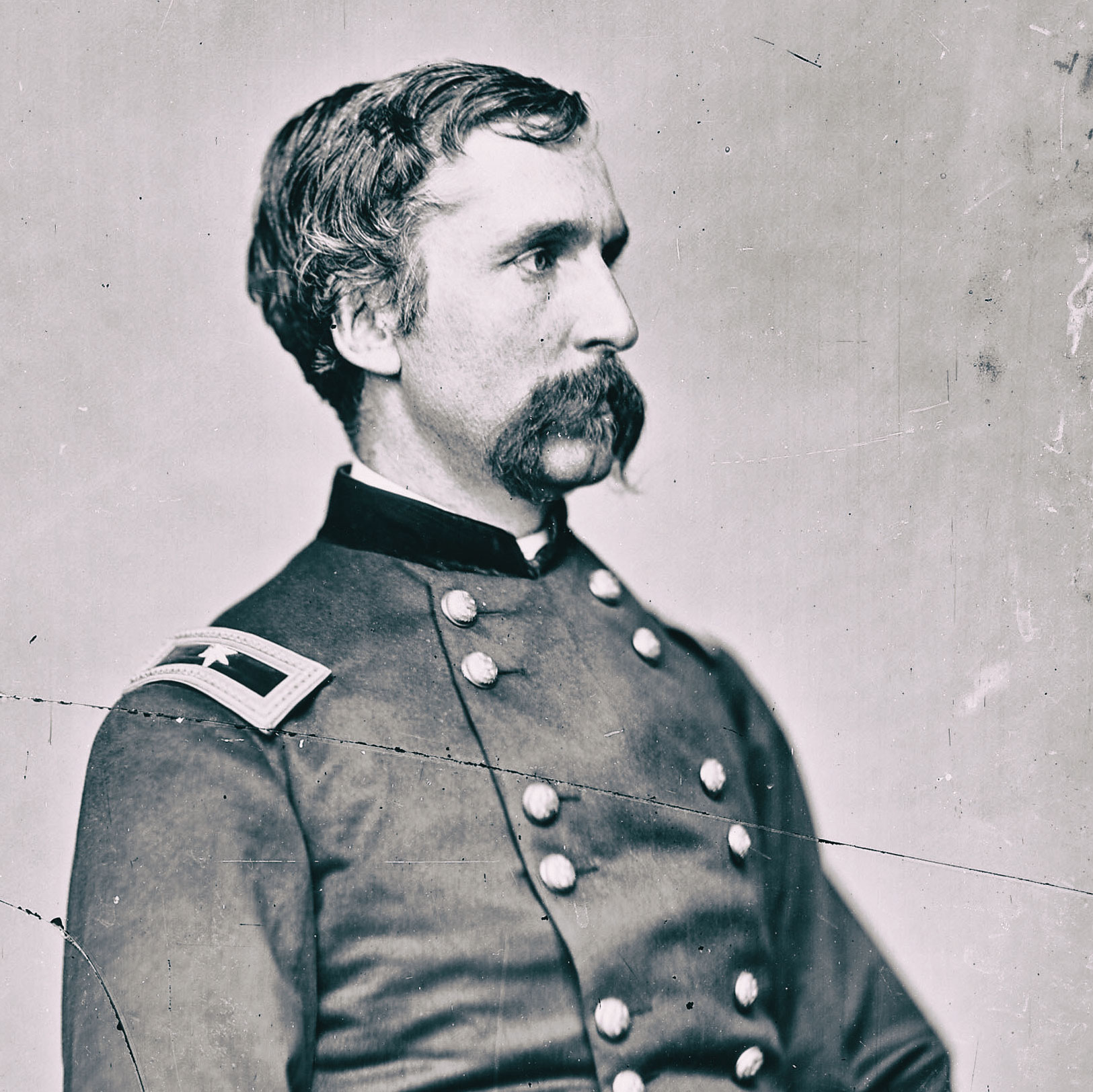
Joshua Chamberlain
For decades those two scenes have been as integral to the story of Appomattox as the conference in Wilmer McLean’s parlor. Like the apocryphal tale of Lee offering his sword and Ulysses S. Grant returning it, they artificially truncate a long and unpleasant period of political tension, simplifying the tedious journey from fratricide to fraternity.
The fatal problem with both accounts is the complete absence of reliably original contemporary documentation. Thousands of men on either side would have seen Yankees digging into their own haversacks to feed the Rebels, and at least a couple of thousand Union soldiers should have noticed that they were asked to salute their enemies. Such an unexpected tribute would have been equally evident to Confederates at the head of the column as they marched in to surrender, but no surviving diary or letter from that time specifically describes either incident. Both stories surfaced and proliferated 15 years afterward, amid the rapturous mythologizing of the reconciliation era.
These touching details emanated from the Union army’s V Corps, and primarily from Joseph Bartlett’s division, first appearing in Frank Parker’s history of the 32nd Massachusetts Infantry late in April 1880. Parker, who left the regiment in 1862, had to rely on comrades for Appomattox stories, including one of Union soldiers agreeing to “divide the contents of their haversacks” with the Rebels on April 10. Misdating the surrender ceremony of Lee’s infantry as April 11 (it was actually April 12), he also described the Confederates “appreciating the compliment implied” by the Union troops standing at shouldered arms as they passed.9
Some men from the V Corps did wander into Confederate lines after the surrender, in curiosity and in the common picket-line pursuit of trade. A few may have shared or traded food, but most had none to exchange, and orders from V Corps headquarters soon stopped such fraternizing. Army of the Potomac commander George G. Meade and three staff officers entered Confederate lines the next morning, finding the pickets there maintaining strict segregation between the armies. They rode to the far end of Lee’s camp, but mentioned no visiting Union soldiers in the accounts they left.10
Like most of the Yankees who confronted the head of Lee’s column on April 9, Bartlett’s troops had marched far beyond their supply trains and went without food all that day, drawing only one day’s ration late on the morning of April 10. By then, 25,000 rations of beef, hardtack, sugar, and coffee were being distributed to Lee’s army on Grant’s orders. That official issue planted the seed for the legend of individual generosity when some Confederates mentioned the delivery of that food, although they usually noted that it came from the “yankee Govt.” or “Federal Army.” Most of those provisions were, however, probably taken from a trainload of Confederate commissary stores captured at Appomattox Station the night of April 8, which were the nearest at hand and may have fed both armies that morning.11
 west point museum, united states military academy
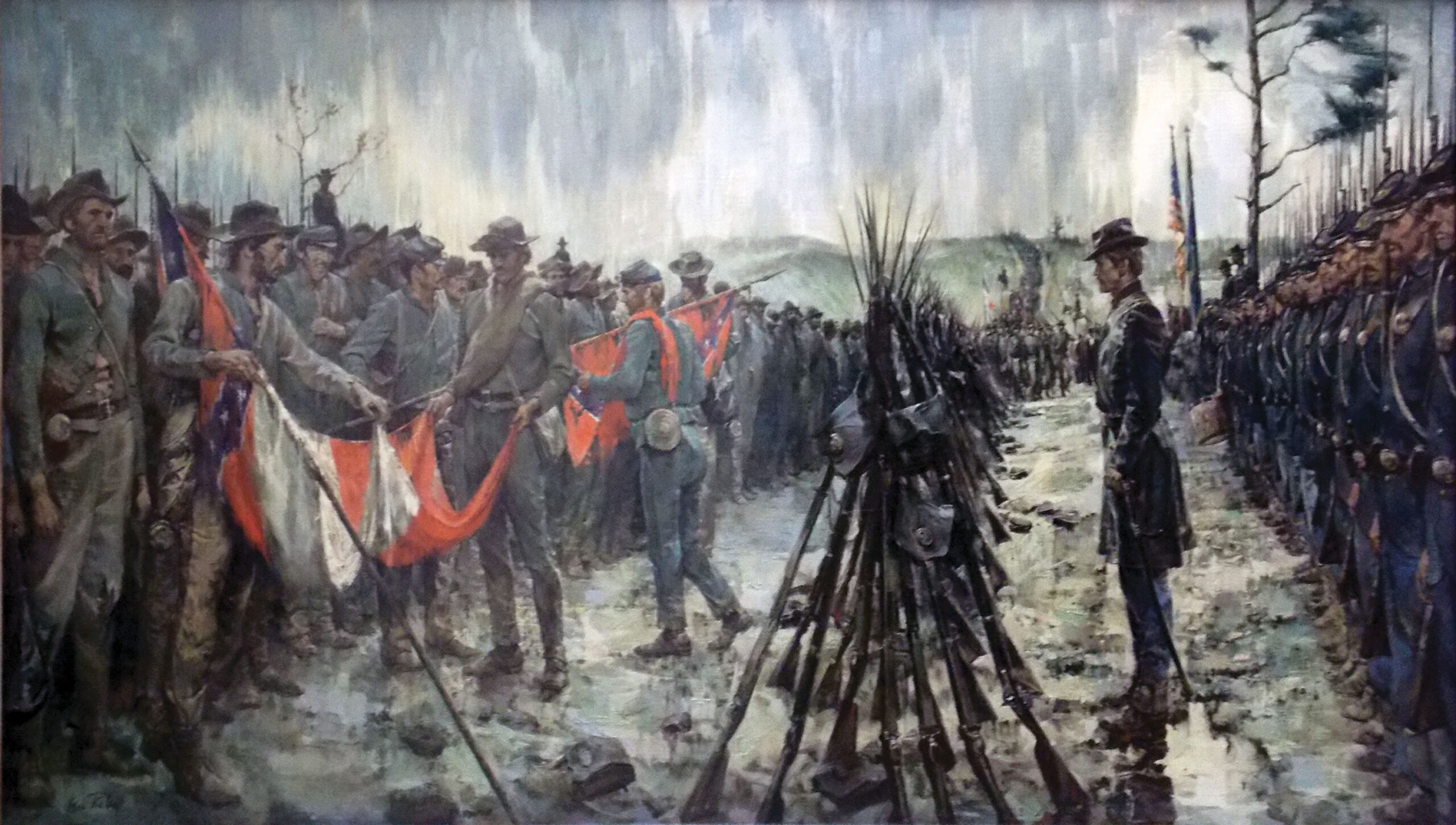
Above: Artist Ken Riley’s 1965 painting reflects the modern-day—but inaccurate—understanding of the surrender of the Army of Northern Virginia at Appomattox: Union soldiers standing at attention as a sign of respect as Confederate troops surrender their arms.
Nor had the Confederates any cause to feel complimented by the Federals standing with their arms at a shoulder. That position did not constitute a salute, as was later alleged, but merely reflected the 1865 equivalent of “attention,” at which the soldier remained stationary and silent. Generals on both sides strove to avoid unpleasant confrontations that might mar the peace of that last meeting of the opposing armies, and pickets had been posted to keep them apart during the four-day encampment.12 Bringing the parallel ranks of Union troops to “shoulder arms” as the Confederates marched between them prevented muttered exchanges that might have led to trouble. Confederates certainly did appreciate the quiet and respectful attitude of their opponents, but none of them mentioned anything like a salute until decades later.
The officers who provided Parker’s Appomattox material were well acquainted with Joshua Chamberlain, who commanded their brigade at the surrender and participated prominently in their V Corps veterans’ association. The tale of the vague “compliment” to the defeated enemy came from Chamberlain, who had been publicly narrating a romantic story of the surrender since 1867, and Parker’s peculiarly passive phrasing echoed his. Yet on the day after the surrender Chamberlain saw nothing complimentary in holding his men “at a shoulder,” and in his early lectures he specifically denied having ordered a salute. Incidentally, neither did he mention any sharing of rations.13
Theodore Gerrish, who had served under Chamberlain in the 20th Maine Infantry, would have been familiar with his Appomattox lectures. By the 1881 Army of the Potomac reunion in Portland, Maine, Gerrish was writing a memoir of life in the regiment, and his old commander corresponded with him about details in the book, which was published in the autumn of 1882. In his chapter on Appomattox, Gerrish contradicted contemporary diary accounts by insisting that his comrades retrieved three days’ rations from their regimental baggage wagons to share with the Confederates, implicitly on April 9. Gerrish’s book, far more than Parker’s, sparked the legend of the victorious Yankees feeding the vanquished Rebels.14
Memoirs and regimental histories from the V Corps published between 1865 and 1878 make no allusion to sharing rations (or saluting the Confederates), but those published after the mid-1880s usually do. Sometimes that generosity is attributed to the entire Union army. Century Magazine published a recollection of the surrender in 1887 that failed to describe the sharing of rations, so the editors ran an illustration of it by their staff artist, Alfred Waud—ostensibly from a sketch he made at the time. That scene remains central to the condensed reconciliation theme emphasized at Appomattox.15
Gerrish’s depiction of the surrender, meanwhile, garbled Chamberlain’s anecdote, for he described the Union troops already standing at “shoulder arms” as the Confederates marched into the village. Then, once their line halted and faced to the left, he claimed that Chamberlain redundantly “gave the command ‘shoulder arms,’ and we thus saluted our fallen enemies.” The Rebels, he added, returned this “salute.”16
 National Archives
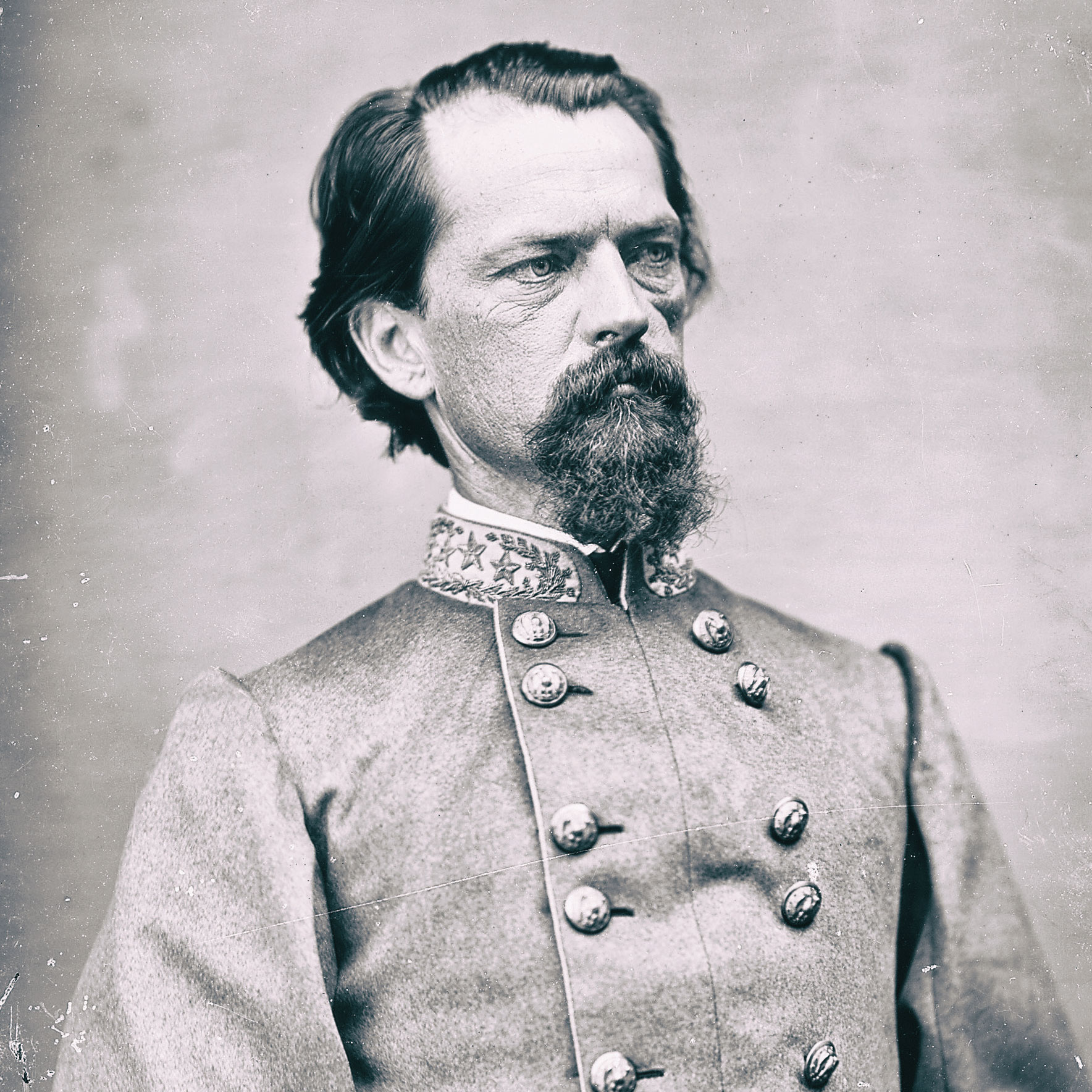
John B. Gordon
With a new series of lectures late in 1882, Chamberlain quickly offered an explanation to salvage the surrender narrative from Gerrish’s discrediting muddle: Union soldiers came to “carry arms” at a bugle signal as the Confederates approached, he said, and that “little courtesy” caught the attention of Major General John B. Gordon, who purportedly offered a reciprocal gesture. A sudden thirst for reconciliation stories prompted both northern and southern newspapers to reprint Chamberlain’s discourse for months thereafter, making it a staple of the Appomattox saga.17 Gordon’s own aide-de-camp described the surrender with no such honor as late as 1885, but Gordon—a U.S. senator who knew the political value of such sentimentality—started acknowledging Chamberlain’s “tribute” at least by 1893.18
By use of the passive voice, Chamberlain still did not overtly claim to have ordered the movement that passed for a salute—or to have commanded Union troops at the surrender ceremony. In 1867 he said in local lectures that he was “selected” for that duty, but with a broader audience in 1882 he backed away from that assertion: Bartlett’s entire division had been present, after all, and Bartlett was on the field, in command.
After Bartlett died, Chamberlain worked those details back into a more elaborate story with a cumbersome, unconvincing explanation of how he assumed command of the whole division. In a 1901 interview he maintained that Grant personally selected him to oversee the ceremony, and that it was his own idea to have his men salute—although the motion he described was not a salute. In a 1903 address he changed the wording of his command slightly and called it “the marching salute,” but that conveyed no salute, either, because his men were not marching. Gordon nevertheless responded with a flourish of his sword, Chamberlain said, and he chose this histrionic version for his eloquent memoir on the closing scenes of the war.19 That heavily embellished rendition of an imagined exchange is now the signature tableau of the entire Appomattox idyll.20
William Marvel is the author of 18 books, including two about Appomattox. His most recent book was Lincoln’s Mercenaries: Economic Motivation Among Union Soldiers During the Civil War, and he has just completed a biography of Fitz John Porter.
Notes
1. Geoffrey C. Ward, The Civil War: An Illustrated History (New York, 1990), 272.
2. Jubal A. Early, “The Campaigns of Gen. Robert E. Lee. An Address by Lieut. General Jubal A. Early, before Washington and Lee University, January 19th, 1872,” in Gary W. Gallagher, ed., Lee the Soldier (Lincoln, NE, 1996), 65.
3. For similar texts on other Confederate monuments, see Timothy S. Sedore, An Illustrated Guide to Virginia’s Confederate Monuments (Carbondale, 2011) and Gould B. Hagler Jr., Georgia’s Confederate Monuments (Macon, GA, 2014).
4. Charles A. and Mary R. Beard, The Rise of American Civilization, 1-vol. ed. (New York, 1930), 54–55.
5. David Williams, Bitterly Divided: The South’s Inner Civil War (New York, 2008), 8.
6. Randolph quoted in Herman Hattaway and Archer Jones, How the North Won: A Military History of the Civil War (Urbana, 1983), 18; P.G.T. Beauregard, “The First Battle of Bull Run,” in Robert Underwood Johnson and Clarence Clough Buel, eds., Battles and Leaders of the Civil War, 4 vols. (New York, 1887-88), 1:222. Beauregard blamed Jefferson Davis for Confederate defeat.
7. Lee to Mary Anna Custis Lee, April 19, 1863, in Robert E. Lee, The Wartime Letters of R. E. Lee, ed. by Clifford Dowdey and Louis H. Manarin (Boston, 1961), 437–438.
8. Abraham Lincoln, The Collected Works of Abraham Lincoln, ed. by Roy P. Basler, 9 vols. (New Brunswick, NJ, 1953), 7:514–515.
9. Francis J. Parker, The Story of the Thirty-second Massachusetts Infantry (Boston, 1880), 254–255.
10. Phillip R. Woodcock Diary, April 10, 1865, U.S. Army Heritage and Education Center; United States War Department, The War of the Rebellion: A Compilation of the Official Records 129 vols. (Washington, 1880–1901), 46(3):674; David W. Lowe, ed., Meade’s Army: The Private Notebooks of Lt. Col. Theodore Lyman (Kent, OH, 2007), 370–372; George Meade, The Life and Letters of George Gordon Meade, 2 vols. (New York, 1913), 2:270.
11. William L. Livermore Diary, April 9, 10, 1865, Virginia Museum of History and Culture; Ulysses S. Grant, Personal Memoirs (New York, 1886), 2:494–495; James Eldred Phillips and John Bell Vincent Diaries, Virginia Museum of History and Culture. See also J.W. Warr Diary, Appomattox Court House National Historical Park; William D. Alexander and J.E. Whitehorne Diaries, Southern Historical Collection, Wilson Library, University of North Carolina; Channing Smith and George Griggs Diaries, Confederate Memorial Literary Society Collection, Virginia Museum of History and Culture (all entries April 10, 1865).
12. Lowe, Meade’s Army, 370.
13. Chamberlain to Sarah B. Chamberlain, April 13, 1865, Box 1, Chamberlain Papers, Bowdoin College Library; Portland (ME) Daily Press, December 9, 11, 12, 13, 1867; Daily Journal (Augusta, ME), January 6, 1868. Parker’s primary informants for the Appomattox episode, Colonel James Cunningham and Isaac Kingsbury, both attended veteran gatherings with Chamberlain, whom they accompanied when he called on Confederate generals: see, for instance, Memorial of the Society of the Fifth Army Corps, May 1, 1874, Reel 4, Fitz John Porter Papers, Library of Congress; Parker, The Story of the Thirty-second Massachusetts, 254.
14. Theodore Gerrish, Army Life: A Private’s Reminiscences Of The Civil War (1882), 259–260.
15. Horace Porter, “Grant’s Last Campaign,” Century, Vol. 35, no. 1 (November 1887): 147. Even if Waud did draw the sketch at the time, the caption reflected an 1887 interpretation of what may have been a picket-line meeting during the truce.
16. Portland Daily Press, August 24, 25, 1881; Gerrish, Army Life, 261.
17. Brunswick (ME) Telegraph, quoted in the Morning Journal and Courier (New Haven, CT), December 30, 1882; Oxford Democrat (Paris, ME), December 26, 1882, and January 9, 1883; National Tribune (Washington, D.C.), January 11, 1883; Wheeling (WV) Sunday Register, January 14, 1883; Clarksville (TN) Weekly Chronicle, January 20, 1883; Wichita (KS) City Eagle, February 22, 1883; Orleans County Monitor (Barton, VT), March 5, 1883.
18. Richmond (VA) Dispatch, November 18, 1893; Memphis (TN) Daily Appeal, April 11, 1885.
19. “The First Complete Detailed Story of the Surrender,” Boston Sunday Journal, April 28, 1901; “Appomattox,” Personal Recollections of the War of the Rebellion: Addresses delivered before the Commandery of the State of New York, Military Order of the Loyal Legion of the United States, 4 vols. (New York, 1891–1912), 3:275; Chamberlain, The Passing of the Armies (New York, 1915), 260–261.
20. In Belligerent Muse (Chapel Hill, 2014), 157–158, Stephen Cushman somehow reasoned that Chamberlain’s inconsistencies, contradictions, and backtracking might actually reflect an attempt at authenticity; apparently even such obviously imaginative additions as his supposed selection by Grant do not “negate the reliability” of Chamberlain’s claims. Untroubled by the lack of contemporary eyewitness testimony, and unaware of the sudden proliferation of Chamberlain’s story in 1882–1883, Cushman missed the obvious reconciliation-era genesis of the tale.