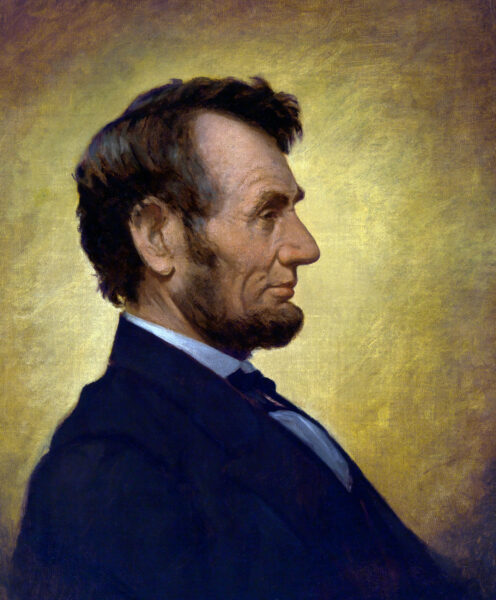
Portrait of Abraham Lincoln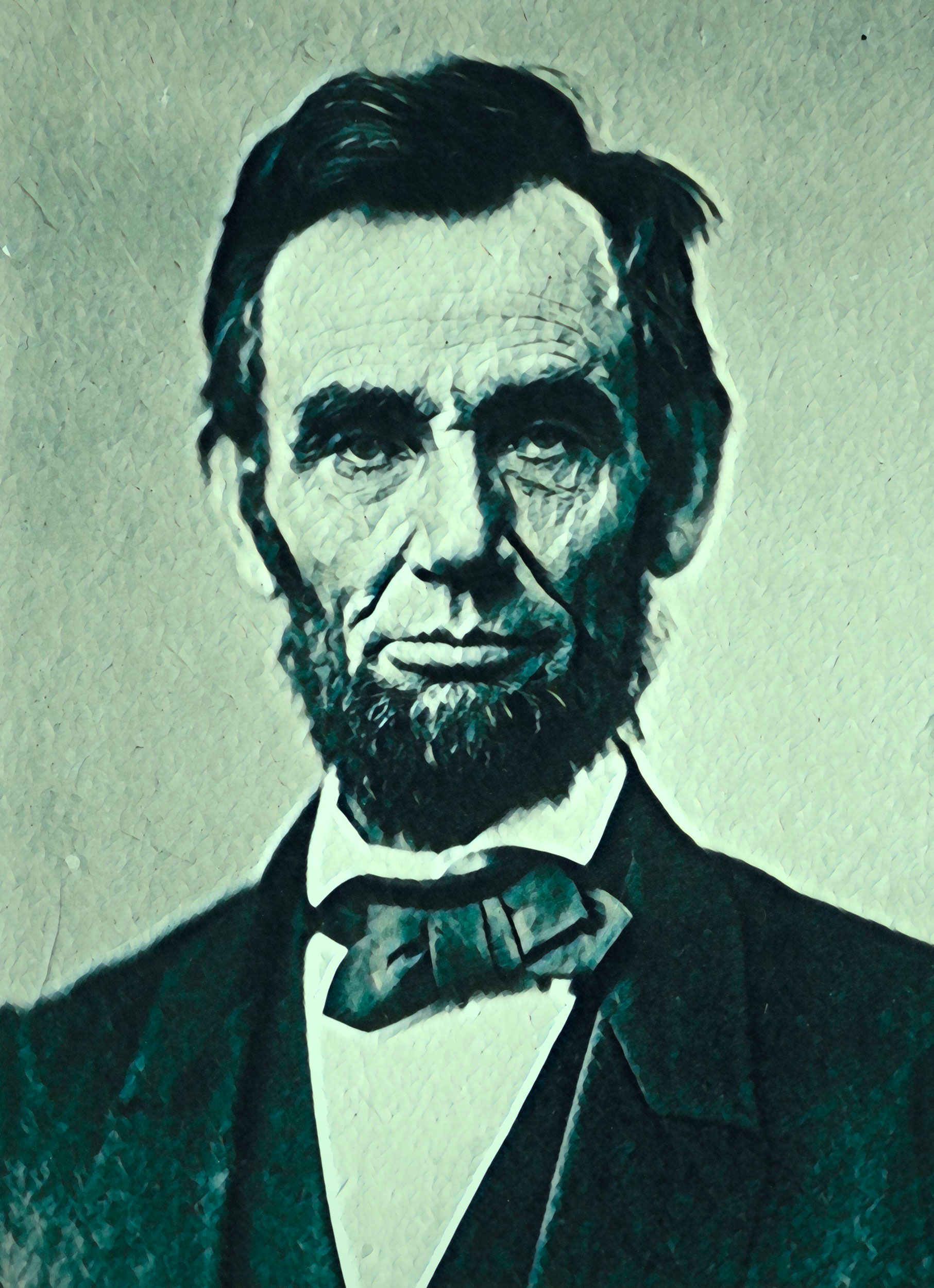 Library of Congress
It’s been estimated that well over 60,000 books have been written about the Civil War—a testament to Americans’ continued fascination with the conflict and its participants. Of these titles, more than 15,000 have focused on a single person: Abraham Lincoln. With so many studies of Lincoln already written, one might wonder what new information can be revealed about the country’s 16th president. We recently talked to the authors of two new Lincoln books, both of which show that there’s still much to be learned about “Honest Abe.” First up: Veteran historian William W. Freehling—author of a number of groundbreaking books, including the two-volume The Road to Disunion (1990, 2007) and The South versus The South (2001)—discusses his latest work, just published by the University of Virginia Press, Becoming Lincoln, which emphasizes Lincoln’s life in the years before the Civil War.
When and why did you decide to write a biography of Abraham Lincoln?
In 2007, having published my sixth Old South book, it was past time to turn to the Old North. But what Yankee project would best round out a lifetime of Civil War writing?
I sought a shorter format than deployed in my massive, southern-focused Road to Disunion. I wished for a less packed, faster-moving narrative that dramatically conveyed the Yankee side of the history. With a fresh take on the colossus who usually epitomized the northern centrist antislavery movement and presided over the national climax, I thought I might be able to slip my southern work into a better understood national drama.
But a fresh Abraham Lincoln, others warned, would be elusive. The Lincoln story had been allegedly repeated too often, leaving too little to discover. I would supposedly end up not with a helpfully revised Yankee epic, better connected with my southern saga, but with a tired northern tale, dragging slaveholders along familiar national ruts.
I still commenced investigating Mr. Lincoln. I indeed spotted little novel to report about his wartime course. But I increasingly found that his prewar adventures, encompassing over 90 percent of his life, offered very promising unexplored angles.
As often occurs in historical inquiry, early events conditioned final upheavals. After reporting my discoveries about Lincoln’s tortuous struggle toward prewar maturity, my three final chapters could freshly relate the matured statesman’s impact on the secession crisis. Then a 5,000-word epilogue could analyze how a passionate prewar Unionist and guarded antislavery trimmer slowly morphed into the Great Emancipator that the war-torn Union required.
How would you describe your research process?
To portray the Fire-Eaters in Road to Disunion, I had spent many months in some three dozen southern repositories, studying unpublished private correspondence not seen for decades, if at all. To locate a new Lincoln, in contrast, I mostly researched at home. Unused Lincoln letters barely existed. The few extant private letters, while valuable, were either published (mostly in Lincoln’s Collected Works) or on the internet (mostly from the Library of Congress’ Lincoln Papers). Contemporaries’ memories of Lincoln abounded, but they too were almost all in print or on the internet, and memories can be suspect. How could I breathe new life into well-known public documents?
Largely, I found, by reading published speeches (especially in Lincoln’s Collected Works), with sharpened eyes for what had been missed. I discerned little new in the president’s wartime orations. But the prewar published documents yielded a treasure trove for explaining how Lincoln’s past wreckage prepared him for future heroism, while he staggered for three decades down a non-glory road.
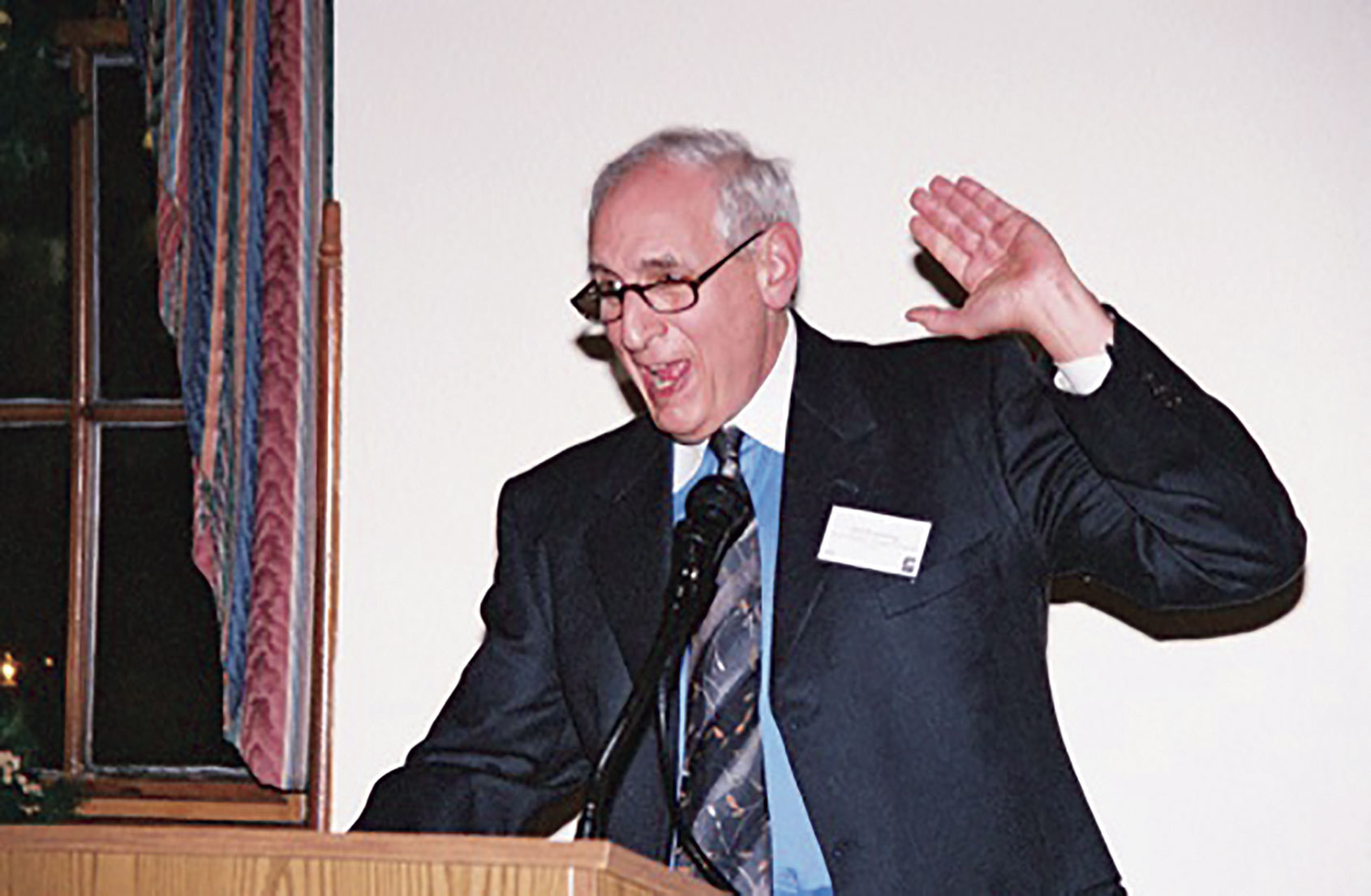 Courtesy of William W. Freehling
William W. Freehling
How does your take on Lincoln differ from previous portraits?
My Lincoln was only partially the purported “self-made man.” True, he taught himself enough law to start as a primitive lawyer and proceed as a crude surveyor. But attending frontier “blab” schools—where pupils recited their lessons out loud—had helped him to a “primitive” style of reading, always perfect for a natural orator. Other boosters subsequently helped him surpass primitiveness, including to become a cultivated state Supreme Court lawyer and then to become a presidential nominee while sitting at home. His lieutenants surrounded a lonely, melancholic man with colorful characters, contributing occasionally hilarious jokes—perfect for his sanity and my tales. His talent for directing collective advance came to climax at Fort Sumter, in ways never fully understood, when he led his team (and they led him) to a dramatic end of the prewar period.
His prewar striving more often aborted his dramas. Perhaps his rarest talent was to blame only himself for epic spills and to correct his errors immediately (sometimes even while still orating). His humility after falls and recoveries for the next travail make his comeback adventures relevant far beyond Civil War specialists, to all who must overcome crushing disappointments (almost all of us).
His early extravagant attempts at securing internal improvements for Illinois especially failed. He understood that his state’s impoverished transportation system stymied economic progress, including poor men’s attempts to rise toward equality. Yet the nationalist crashed out of the state legislature and managed to lose Illinois’ only “safe” Whig congressional seat, while his great enemy, the state’s righter Stephen A. Douglas, secured Illinois’ rescue by the U.S. government, with land grants to build an Illinois Central Railroad.
Except for the infuriating fact that Douglas received all the credit for the nationalistic triumph, Lincoln came away from Illinois’ turning point with a fanatical conviction that “all men are created equal” required far-flung republican Union, with a central government helping the impoverished in stagnant provinces to rise. The lesson both made him loathe slavery more and shrink from antislavery action repeatedly, lest the South smash the Union. We have never fully understood how continually the future Great Emancipator fudged on prewar attempts at preliminary federal antislavery action. The details of how this eloquent critic of slavery inched toward only slightly more antislavery action—toward becoming the racist North’s dominant cautious mainstreamer—comprise one of America’s most fuzzily understood and most widely revealing stories.
On the eve of Civil War, Lincoln’s most forgotten incremental forward step epitomized how widely his antislavery tiptoes illuminate his era. The new president appointed highly moderate Republicans to local posts in the most northern, least enslaved part of the South, urging that democracy required election winners to receive the spoils. South Carolinians, heading for the national exits, called that hardly radical idea the beginning of the terrible end. Slaveholders’ dominion, these despots believed, requires that dissenters be shut out of homeland offices and agitation, not least in shaky hinterlands.
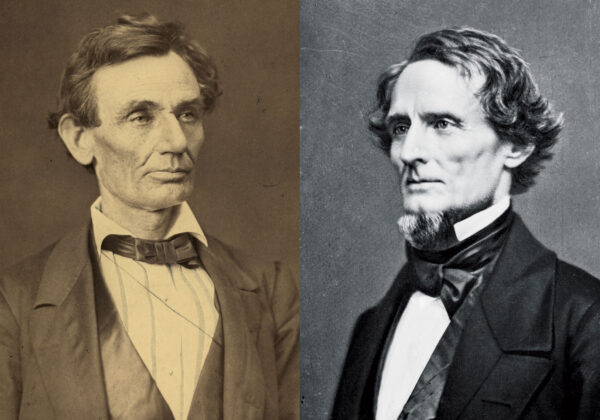
This climactic collision between the political needs of despotic and democratic social systems, often evident earlier in the Lincoln story, here displayed the Yankee’s moderation and the Slave South’s extremism at ominous loggerheads. I illustrate my point with two glorious photographs. On the one hand, a famous image depicts Lincoln, strikingly uncombed and off to rally fellow commoners toward the voting boxes. On the other hand, a usually neglected photograph depicts an important Carolina Fire-Eater, meticulously coiffed and off to rally fellow sneering patriarchs beyond supposedly perilous mobocracy. In history books as in lectures, pictures do help non-abstractionists see the power of abstractions.
Have you learned anything about Lincoln that surprised you?
At this early 21st-century U.S. moment, with politicians shunning mainstream compromise, Lincoln can teach much about why republican progress requires some give and take. I do not see how the Yankees’ wretched Civil War could have come off as well as it shabbily did, in such a racist nation, without a cautious moderate at the helm. Still, I think Lincoln sometimes drew back disappointingly—further than necessary. I do not think the prototype moderate had to become the only president who sent a boatload of blacks back to Africa or the only antislavery American who said he would settle for abolition in a hundred years. Nor do I think Lincoln’s paranoid fear that Douglas conspired to spread slavery to the North was necessary, to dominate the Yankee dead center.
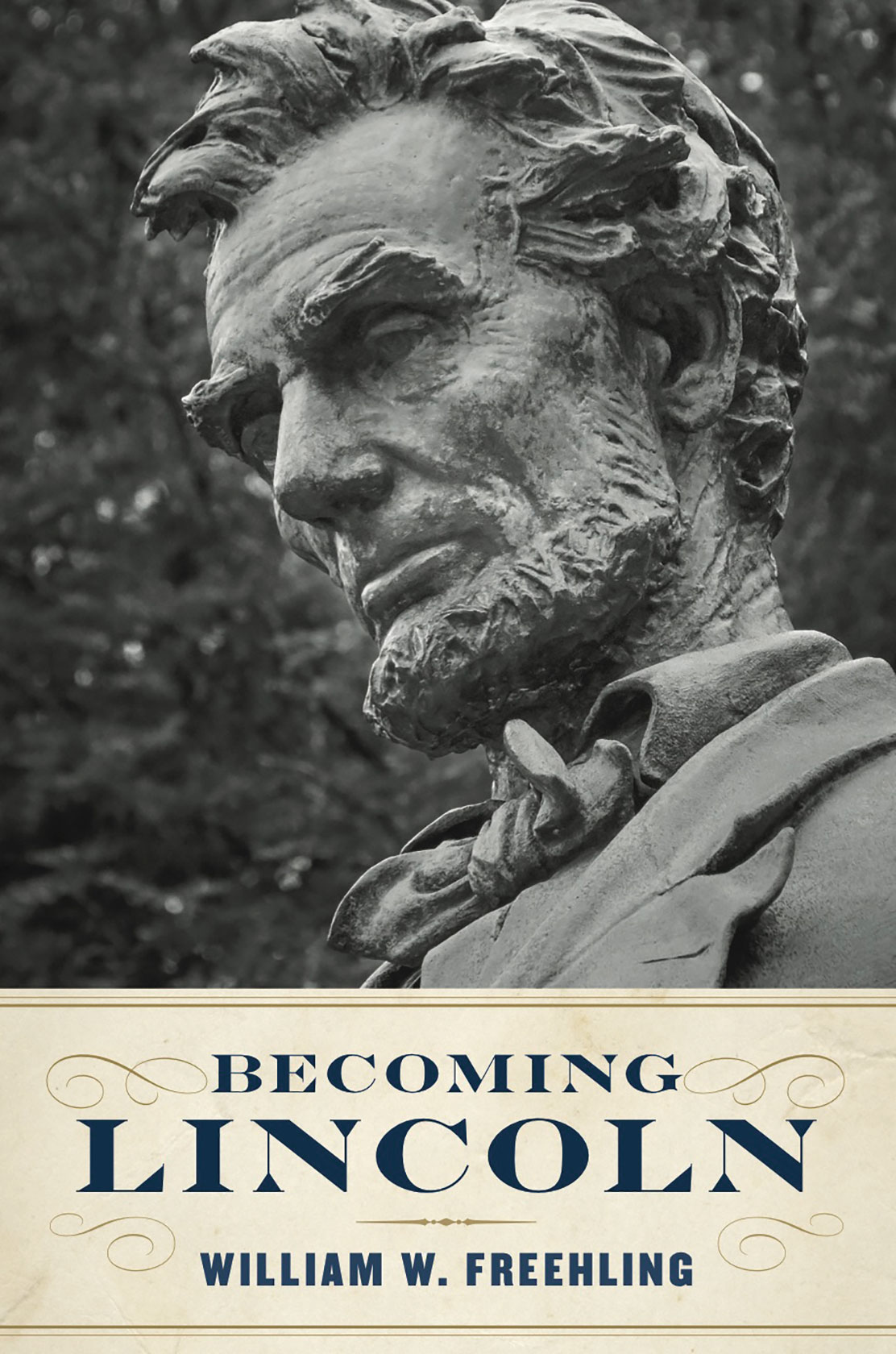
I more admire Lincoln’s humility about his final partial success, the perfect parallel to blaming himself for early plunges. He knew that his ultimate glory, saving the Union and emancipating the slaves, had not been achieved in the manner his prewar shade had incessantly preached—peacefully, without northern imposition, with eventual southern consent, and without murderous civil war. His grief at the failing helped turn his second inaugural address into his greatest—America’s greatest—speech. So too, the bereaved head in Augustus Saint-Gaudens’ magnificent Chicago statue, Standing Lincoln, is one of our greatest—and hitherto too little-known—artistic masterpieces. I rejoice that I commissioned Frank Dina’s exquisite photograph of that mourning head and that it dominates my cover, giving the statue wider recognition and my abstractions deeper thrust.
Related topics: Abraham Lincoln