 Matthew Hartwig for American Battlefield Trust
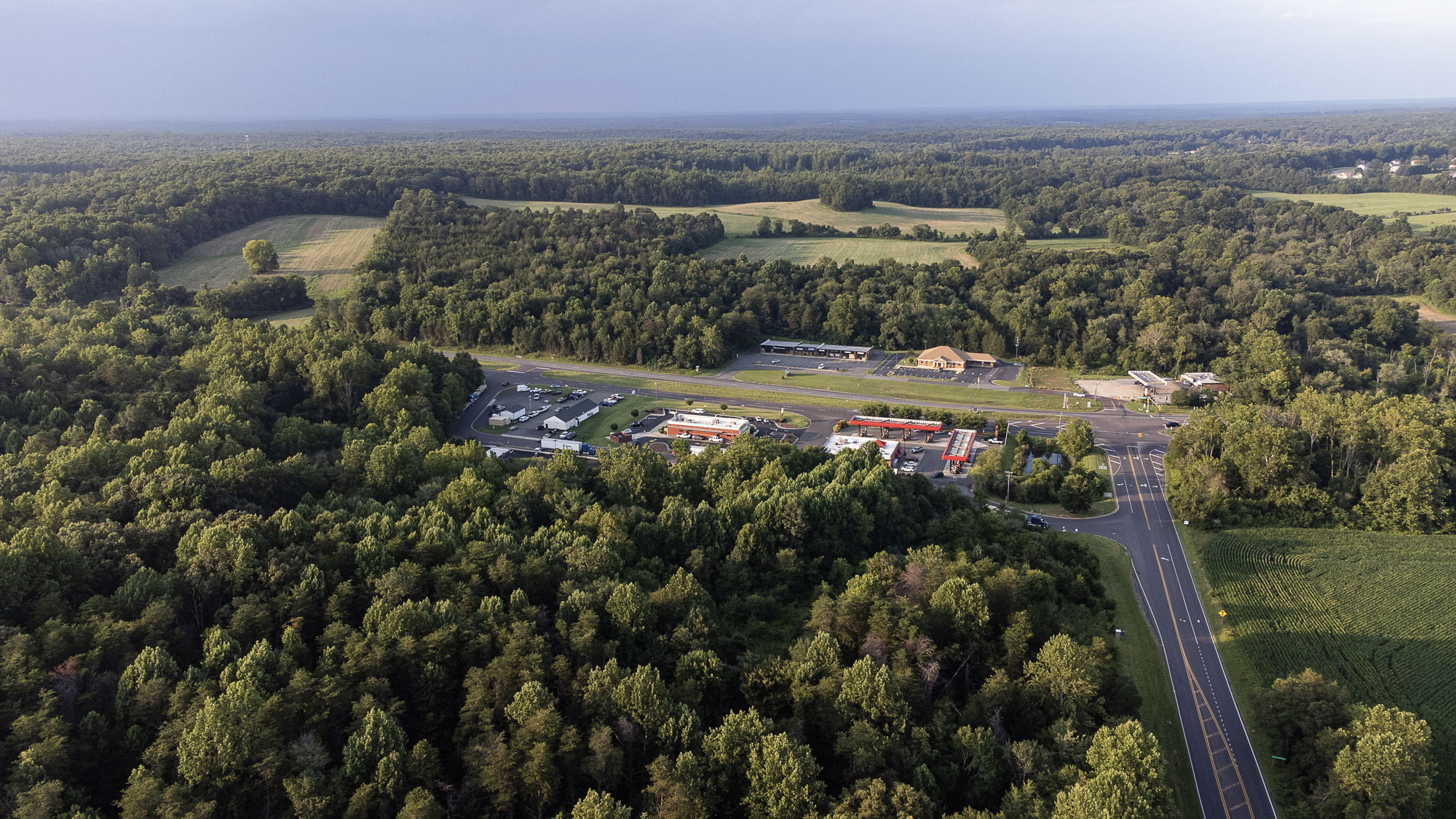
About 750 acres (some of it visible in the distance in this photo) adjacent to the Wilderness Battlefield are under threat of dense residential and commercial development.
This spring, Orange County, Virginia, approved the largest land-use alteration in its history: the rezoning of 2,600 acres at the gateway to the Wilderness Battlefield. In this same area some 16 years ago, Walmart wanted to build a supercenter before it was encouraged and agreed to find a suitable location nearby. In the aftermath, the Trust and its allies worked with the county to craft an overall vision allowing for both preservation of open space in the historically sensitive area and some types of commercial and residential development.
But this new proposal is far worse than that original big-box plan. In the face of overwhelming public opposition, officials approved the building of 5,000 homes and as many data centers and distribution warehouses as can fit inside 750 acres. Originally, that type of hulking, windowless development had been capped at 5 million square feet, but any semblance of a limit was lifted within hours of the vote, creating a material difference in the proposal from what had been evaluated by professional planning staff.
Data centers are necessary components of our digital world, supporting the internet and cloud computing. Given a confluence of policy decisions and geographic convenience, Northern Virginia has become the data center of the world: 70% of global internet traffic flows through Loudoun County alone. Despite their concerns over environmental impacts and required upgrades to power lines and the power grid, Loudoun’s neighbors are clamoring to tap into what they see as easy tax revenue.
The Trust and its allies are tracking many such proposals, but most pale in comparison to the threat posed by the Wilderness Crossing development. The sheer scale of it threatens not only the Wilderness Battlefield, but also Chancellorsville. If ever there was a time to fight, it is now. And so, we, alongside the Central Virginia Battlefields Trust and Friends of the Wilderness Battlefield, have filed suit seeking to overturn the rezoning and block the project.
We believe in the merits of our case, but such legal action is costly, and diverting much-needed monies from our land preservation mission cannot be the answer. Purchasing historic landscapes in this region outright is the most ironclad way to ensure they don’t fall victim to the damaging development proposals always on the horizon.
As I write this, Trust staff is rallying the troops in opposition to a special-use permit application in neighboring Spotsylvania County that would allow a 10-acre gas station, convenience store, and professional center within 1,500 feet of the intersection where the Chancellor House stood in May 1863, in a wooded area largely surrounded by preserved battlefield landscapes.
With so much at stake, the Trust is asking you to help. Please consider making a gift to our targeted grassroots efforts, and help us hold the line at the Wilderness and elsewhere. Visit battlefields.org/StopTheThreats.
David Duncan is president of the nonprofit, nonpartisan American Battlefield Trust, which is dedicated to preserving America’s hallowed battlegrounds—Revolutionary War, War of 1812, and Civil War—and educating the public about their significance.