 Library of Congress
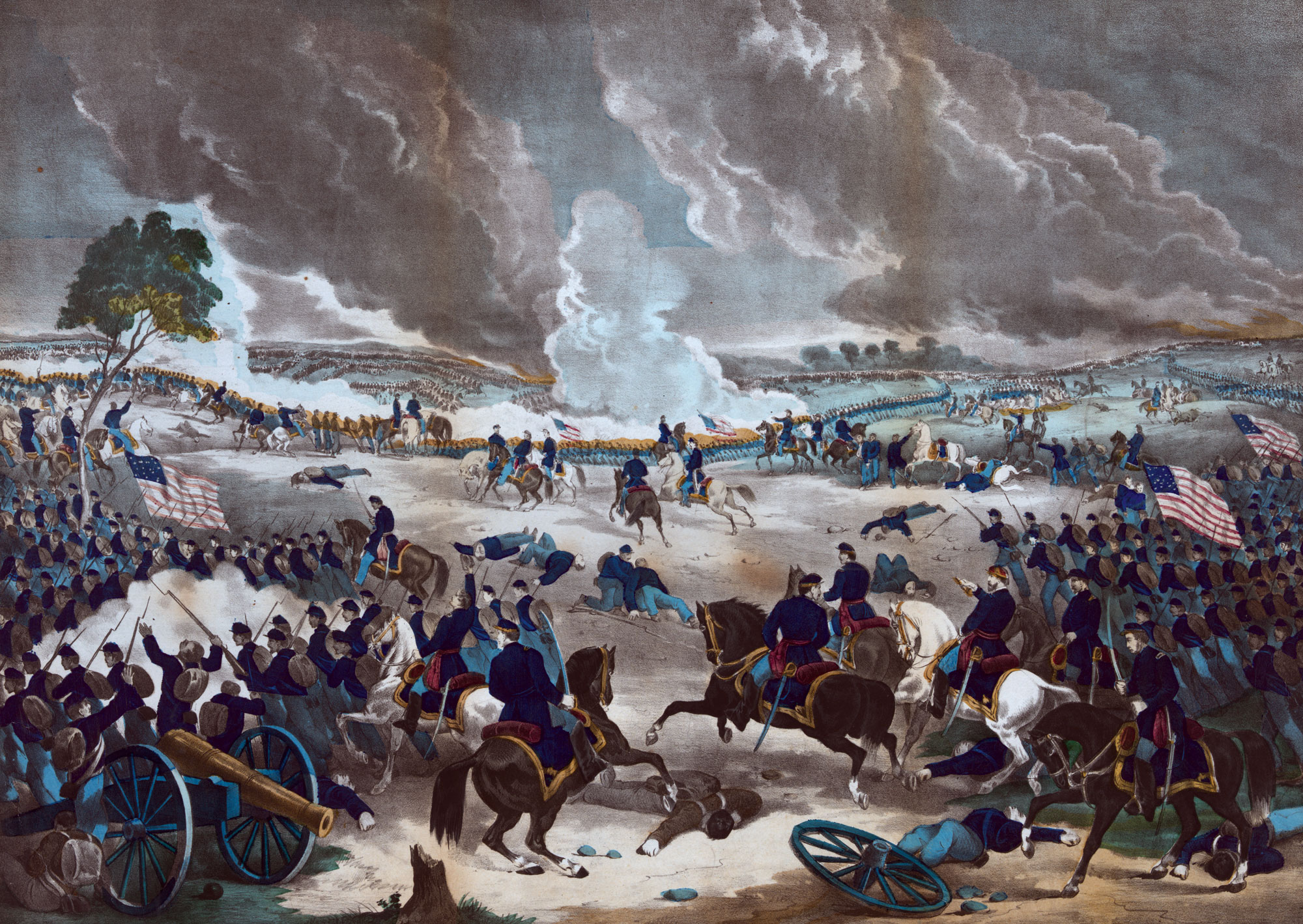
Waves of Union soldiers advance during the Battle at Gettysburg in this 1867 lithograph.
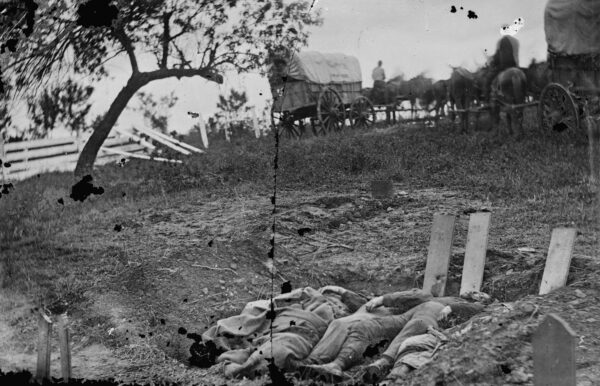
The Battle at Gettysburg overwhelmed the small Pennsylvania town and surrounding area with its massive size. More than 160,000 men from the opposing armies enveloped the city, which had a population of just 2,400. By the time the fighting ended, there were more than 46,000 Union and Confederate casualties. On this page are a variety of figures associated with the battle that go beyond the standard strengths and losses, and hint further at the scope—and impact—of the epic fight.
Battle of Gettysburg Statistics
 Library of Congress
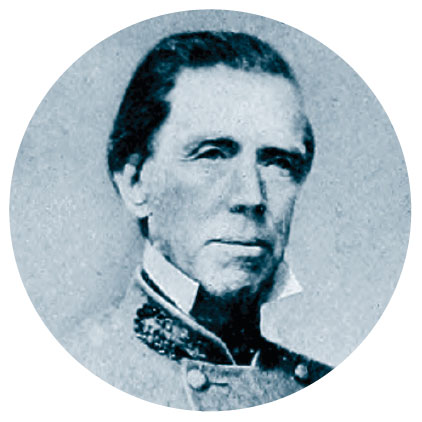
Brigadier General William “Extra Billy” Smith
Oldest General Officer at Gettysburg:
Brigadier General William “Extra Billy” Smith: 65
 Library of Congress
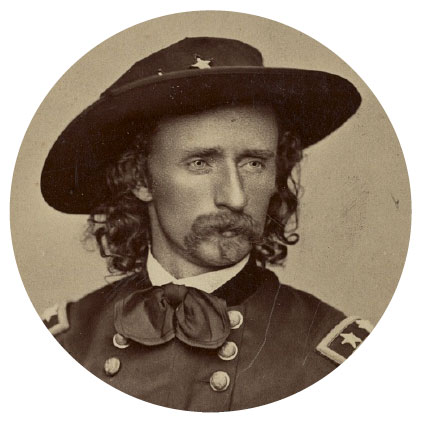
Brigadier General George Armstrong Custer
Youngest General Officer at Gettysburg:
Brigadier General George Armstrong Custer: 23
Highest Temperature During The Battle of Gettysburg:
87° F (July 3)
Number of Horses and Mules Used by Both Armies During the Campaign:
67,000
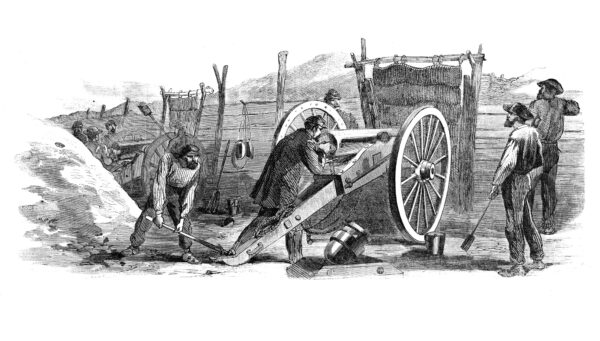
Number of Artillery Pieces in Action at the Battle:
641
Number of Abandoned Weapons Picked Up From the Battlefield After the Fighting:
24,863
Percentage of Those Weapons Still Loaded:
85
Number of Children Killed by Playing With Those Weapons After the Battle:
4
Number of Medals of Honor Awarded for Action at Gettysburg:
65
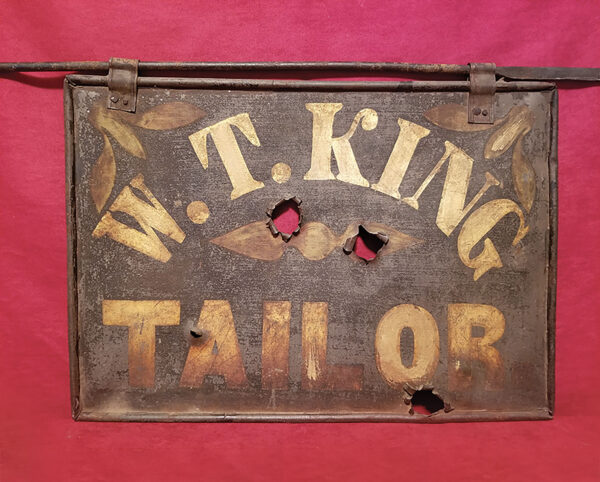
Number of Gettysburg Civilians Killed or Wounded During the Battle:
8 (2 Women, 6 Men)
States With the Largest Number of Soldiers at Gettysburg:
- Pennsylvania: 23,424
- Virginia: 19,115
States With the Largest Number of Casualties at Gettysburg:
- New York: 6,700
- North Carolina: 6,127
Sources
Charles Teague, Gettysburg by the Numbers (Gettysburg, 2006); William A. Frassanito, Early Photography at Gettysburg (Gettysburg, 1996), Rea A. Redd, The Gettysburg Campaign Study Guide, Vol. 1 (CreateSpace, 2012), and John M. Rudy.