 Library of Congress
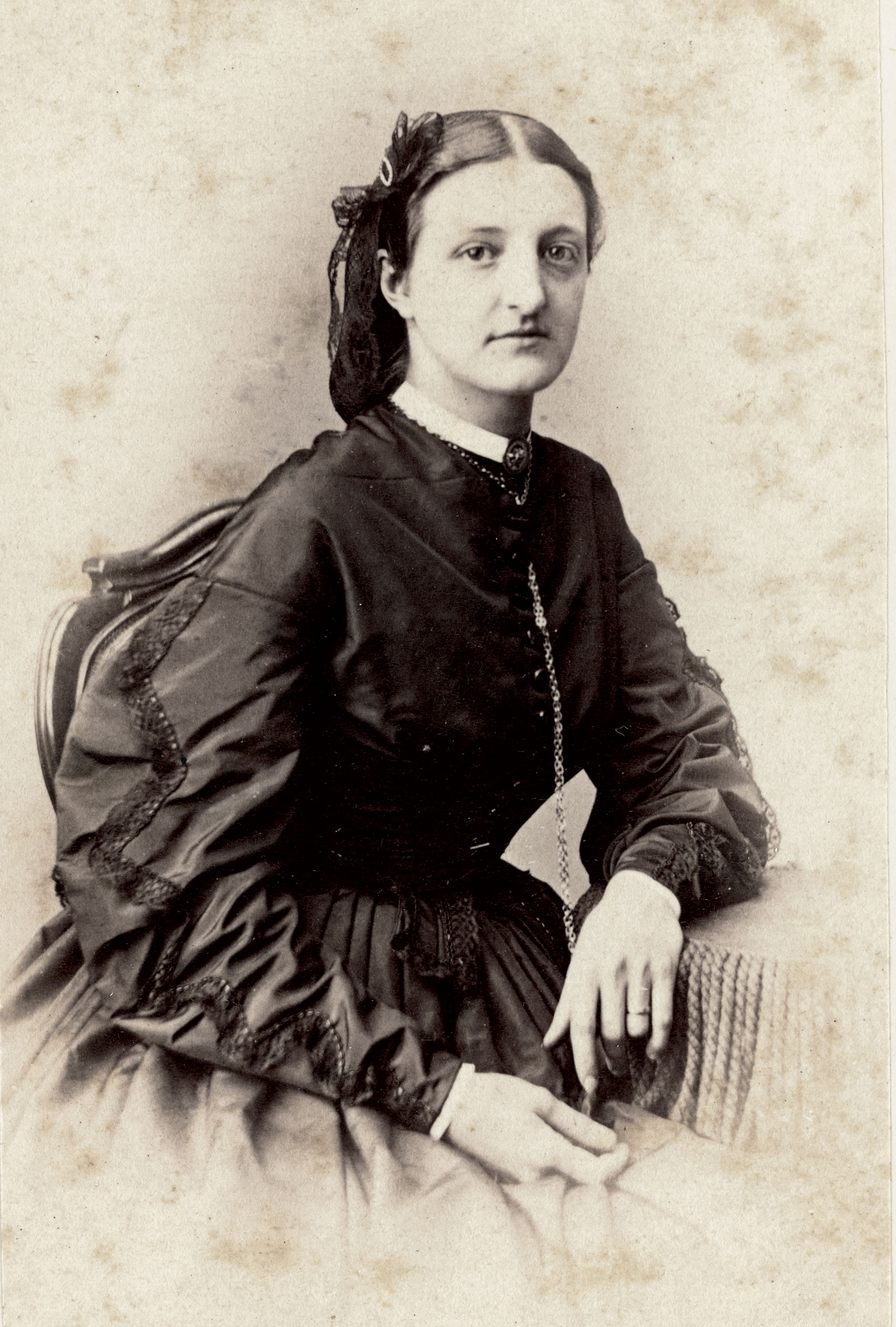
Georgiana “Georgie” Willets
A pall of gloom and uncertainty darkened Washington, D.C., in early May 1864 as accounts of horrific fighting in Virginia trickled into the city. As citizens across the capital braced for the arrival of mass casualties, one newcomer, Georgiana “Georgie” Willets, wrangled a pass to go south and aid the wounded closer to the scene of battle.
The daughter of a Rochester, New York, railroad conductor and his wife, Willets had arrived in Washington the previous November to teach freed slaves at the city’s Camp Barker refugee camp.
When Ulysses S. Grant launched the Overland Campaign six months later, Willets followed. Thus began a half-year stint as a nurse in Virginia. She worked her way from caring for soldiers in a Fredericksburg church to matron in charge of the hospital for the Army of the Potomac’s Second Division, II Corps, at City Point.
Willets left the army in December 1864 due to poor health. Her friend, Cornelia Hancock, praised her efforts: “The character of her service was of high grade. It was not spasmodic or sensational but steady and persistent.” Another female acquaintance wrote that “Georgie was not merely handsome. She was grand, queenly…. [N]one was more pure, more noble, than that of this beautiful, refined, strong, gentle girl.”
Willets returned to teaching ex-slaves and, in 1869, married James M. Stradling, a fellow teacher who had served in the 1st New Jersey Cavalry. She died in 1912 at age 71, survived by her husband and two daughters.
Ronald S. Coddington is publisher of Military Images, a magazine dedicated to showcasing and preserving photos of Civil War soldiers and sailors.
Related topics: women