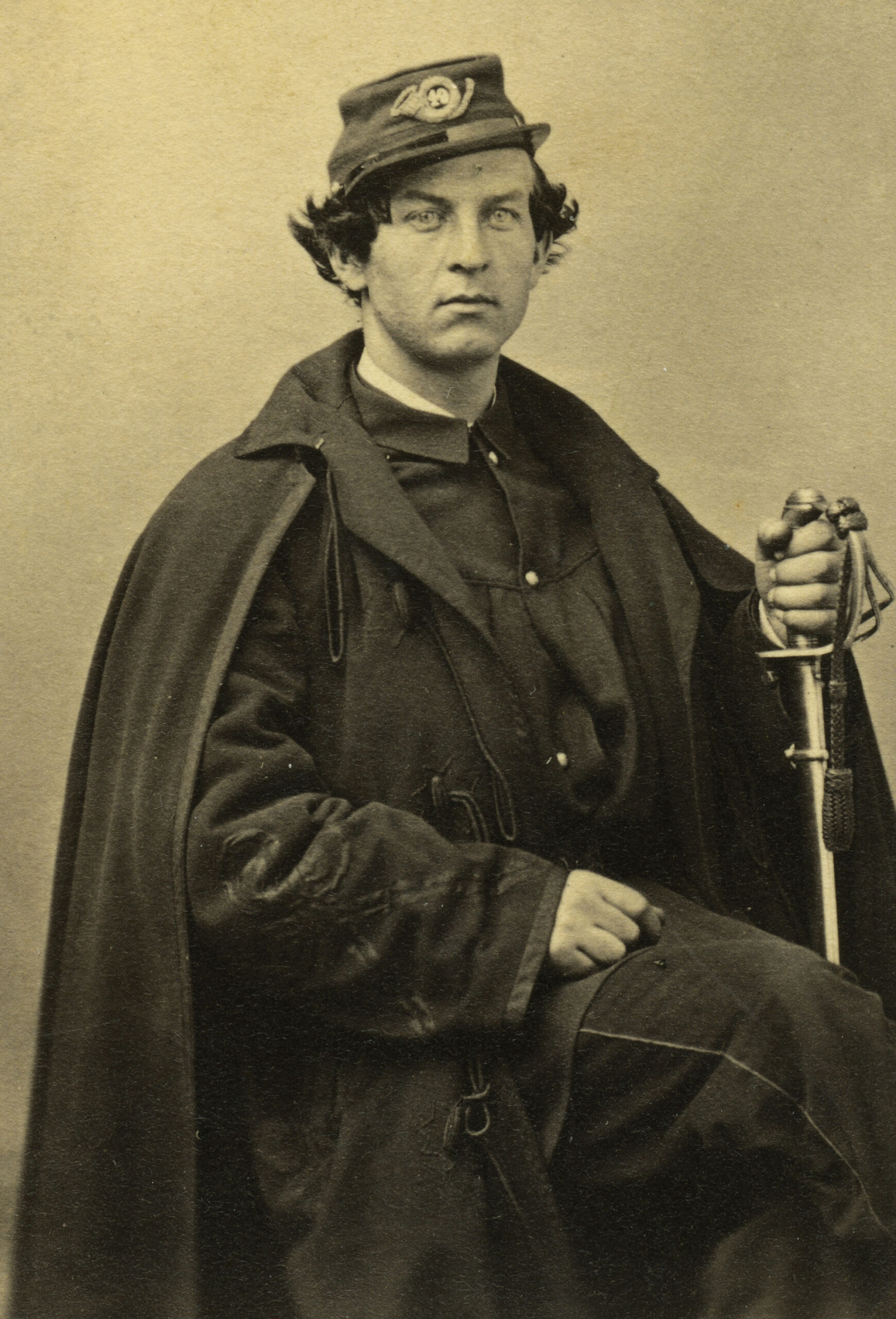
John C. White
2nd Lieut. ★
49th New York Infantry
After the battle, White was among those who pursued the Army of Northern Virginia on its retreat, clashing with the Rebels’ rear guard at Fairfield, Pennsylvania, and generally harassing the enemy all the way back to Virginia. The following year, White was captured in action; the last record of him is as a prisoner of war in Macon, Georgia, in October 1864.
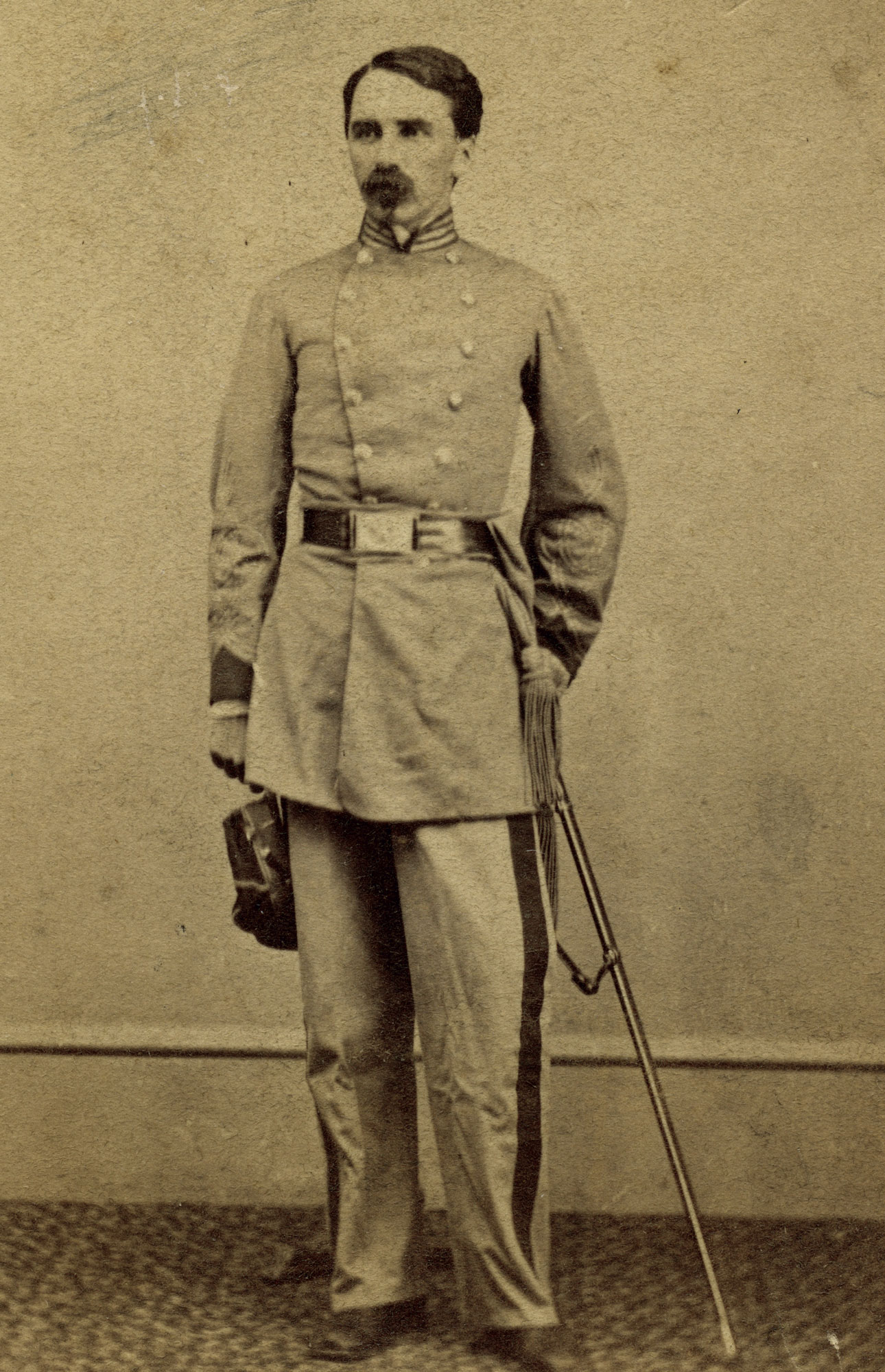
Frederick Waugh Smith
1st Lieut. ★
Confederate States Army
Smith served as an aide-de-camp to his father, Confederate general William “Extra Billy” Smith, a former Virginia governor who was re-elected to the commonwealth’s highest office in May 1863. Gettysburg was the last campaign in which they served together. The younger Smith would flee America after the war and settle in South Africa, where he died in 1928.
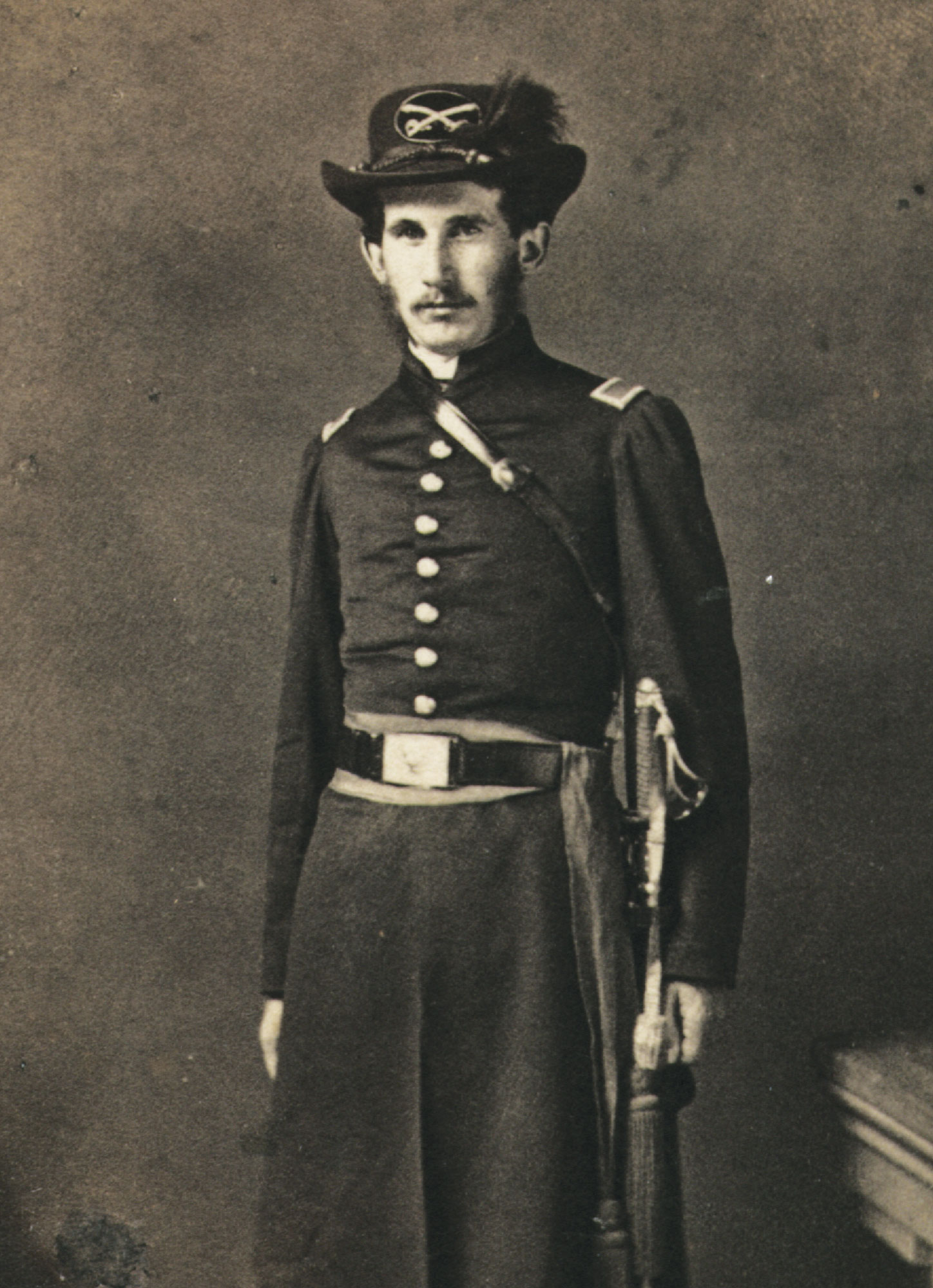
John G. Pierce
Captain ★
10th New York Cavalry
On July 2, Pierce and 50 of his comrades in the 10th New York Cavalry volunteered to reconnoiter a wooded area near Brinkerhoff’s Ridge to determine the position and strength of Confederates known to be there. They found the Rebels just as they were about to advance and helped drive them back. Pierce would die in 1868 from tuberculosis, which he contracted shortly after the Gettysburg Campaign.
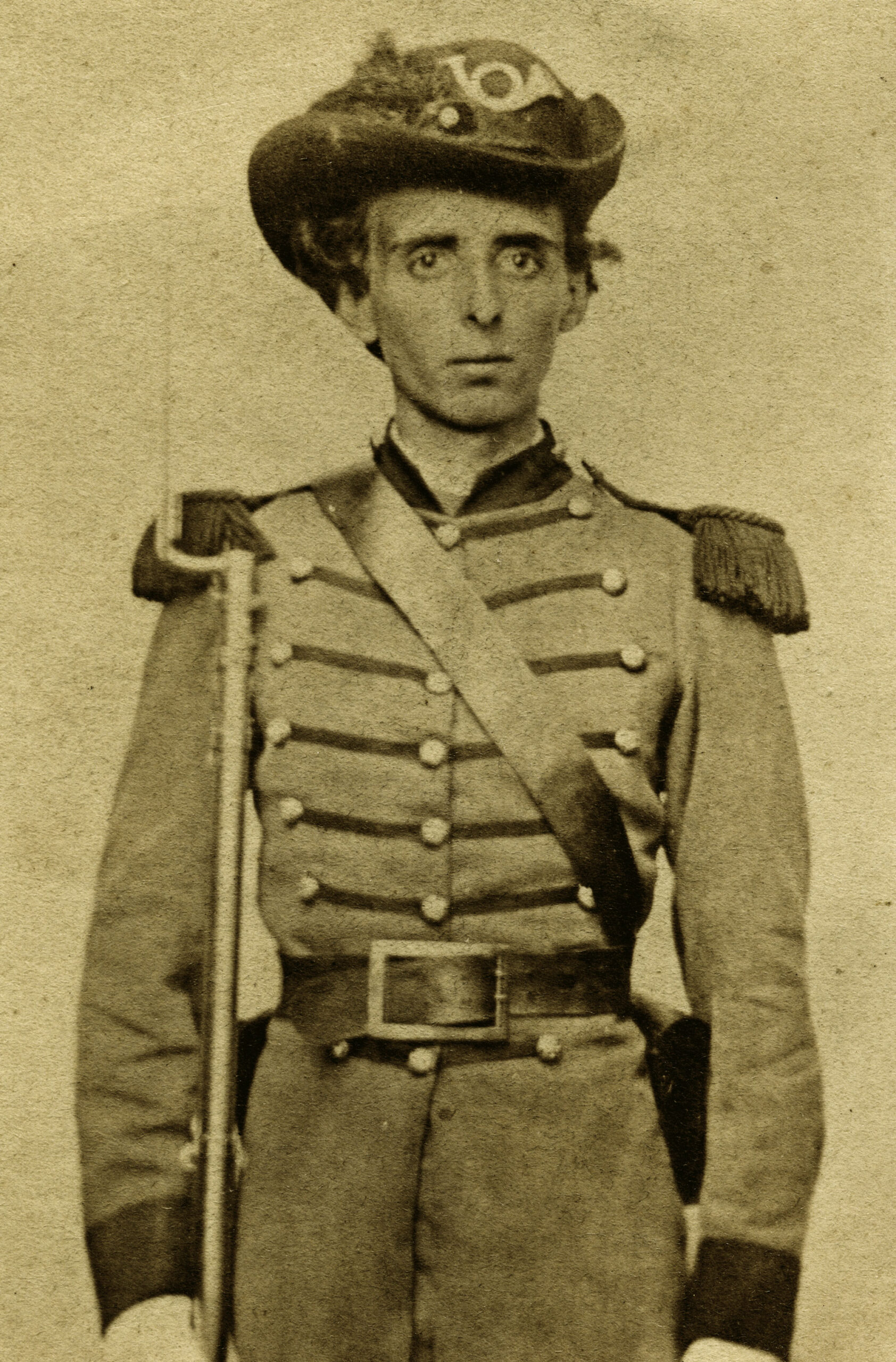
Thomas Dwight Witherspoon
Chaplain ★
42nd Mississippi Infantry
Witherspoon was captured on July 5 as he celebrated Mass with wounded soldiers who remained on the battlefield. He endured several months in confinement before being exchanged. Witherspoon survived the war and lived until 1898.
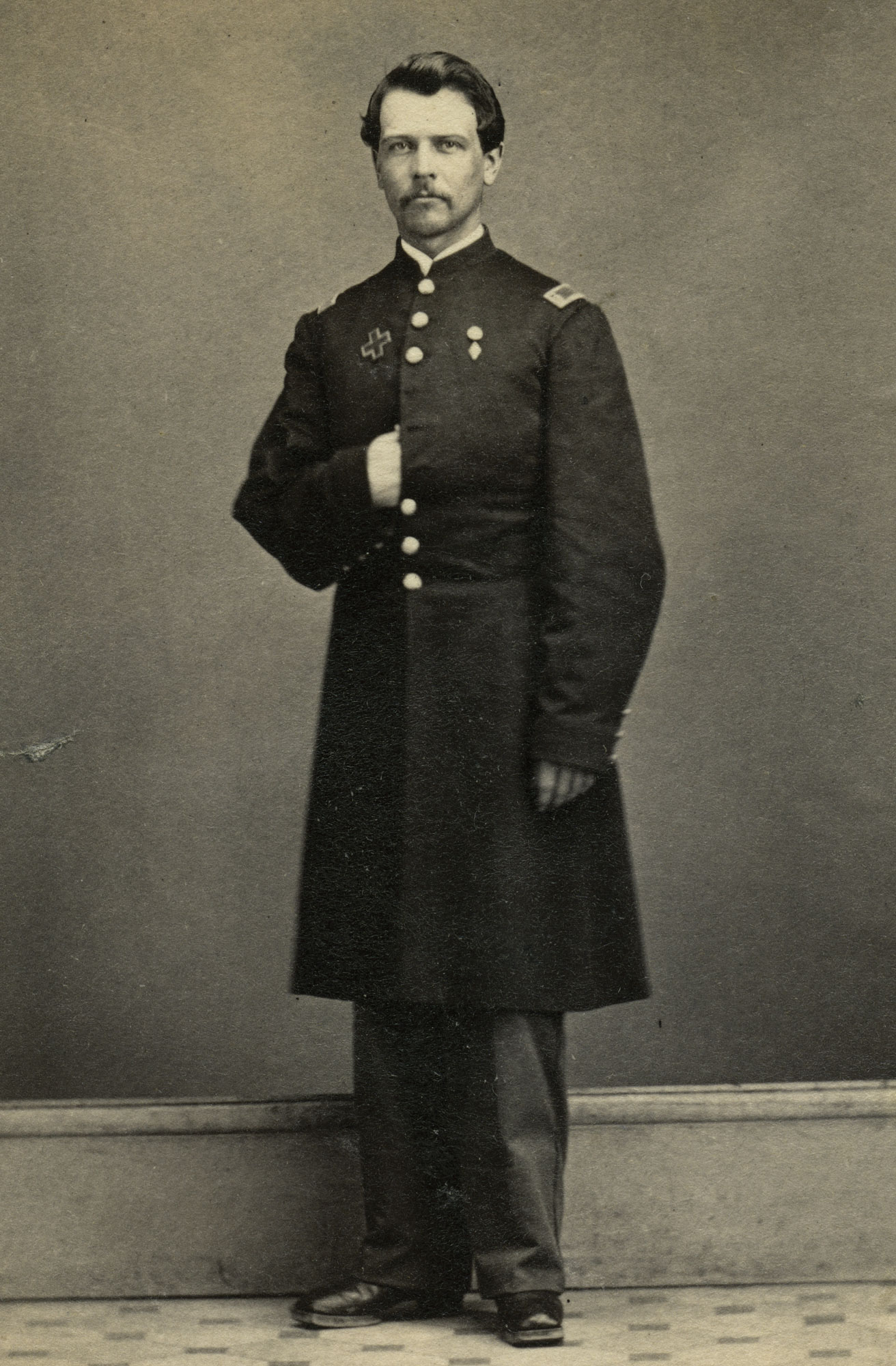
Charles A. Butts
1st Lieut. ★
121st New York Infantry
Butts and his comrades manned defensive positions on Little Round Top from the evening of July 2 through the rest of the battle. The following year, Butts lost his life during the fighting for the “Mule Shoe” salient at Spotsylvania.
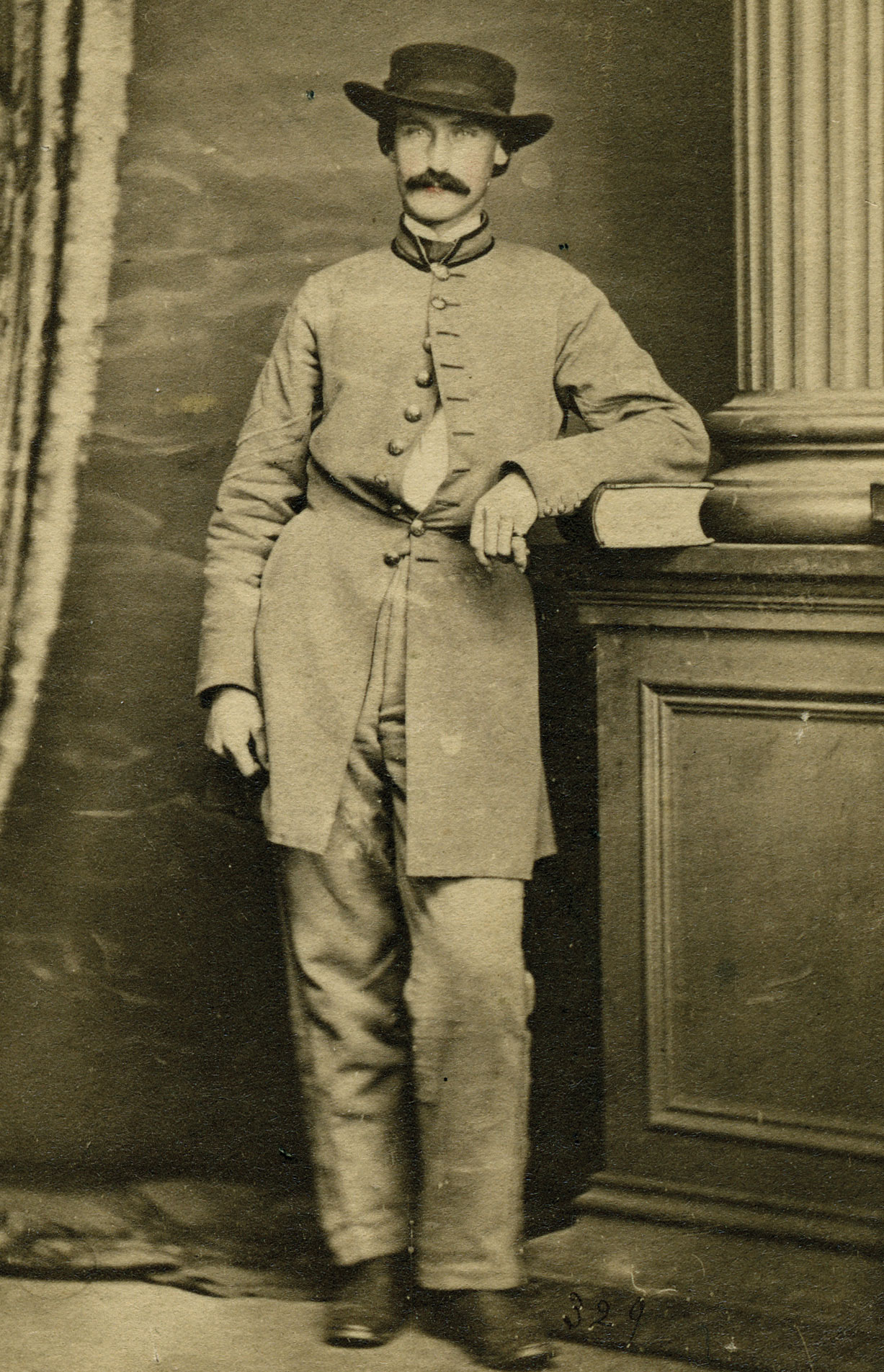
Kirkbride Taylor
1st Sgt. ★
8th Virginia Infantry
Taylor was shot in the head during Pickett’s Charge and forced to fall back. He survived the wound, which left an indentation that remained until his death in 1913.
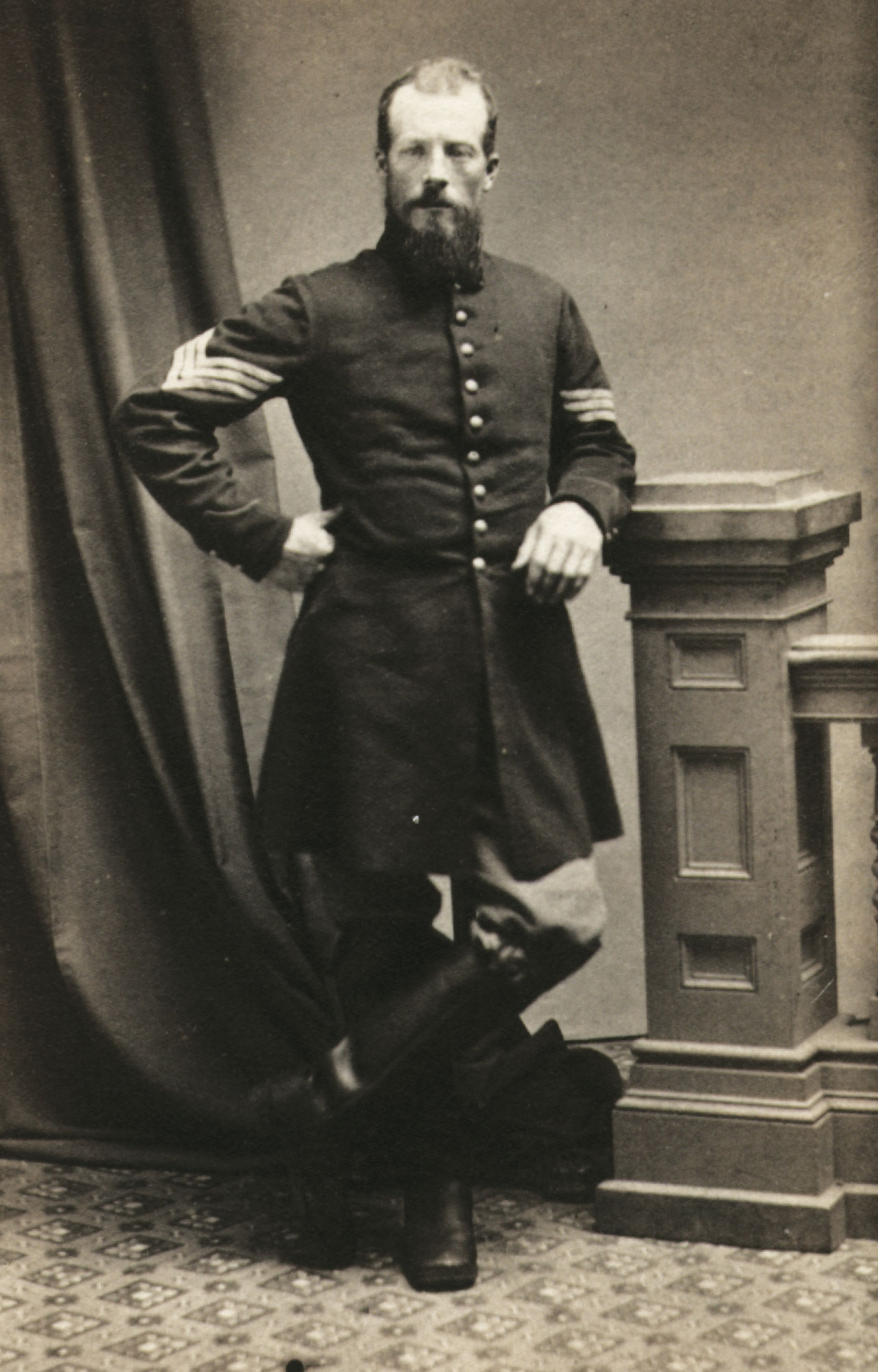
Cyrus Bachelder
Sergeant ★
17th Connecticut Infantry
At Barlow’s Knoll on July 1, Bachelder was knocked unconscious and fell into enemy hands when a fence rail, sent flying by an artillery shell, slammed into his chest. He was held in the Lutheran Theological Seminary with other Union prisoners for two days, then granted a battlefield parole when the engagement turned in favor of Federal forces.
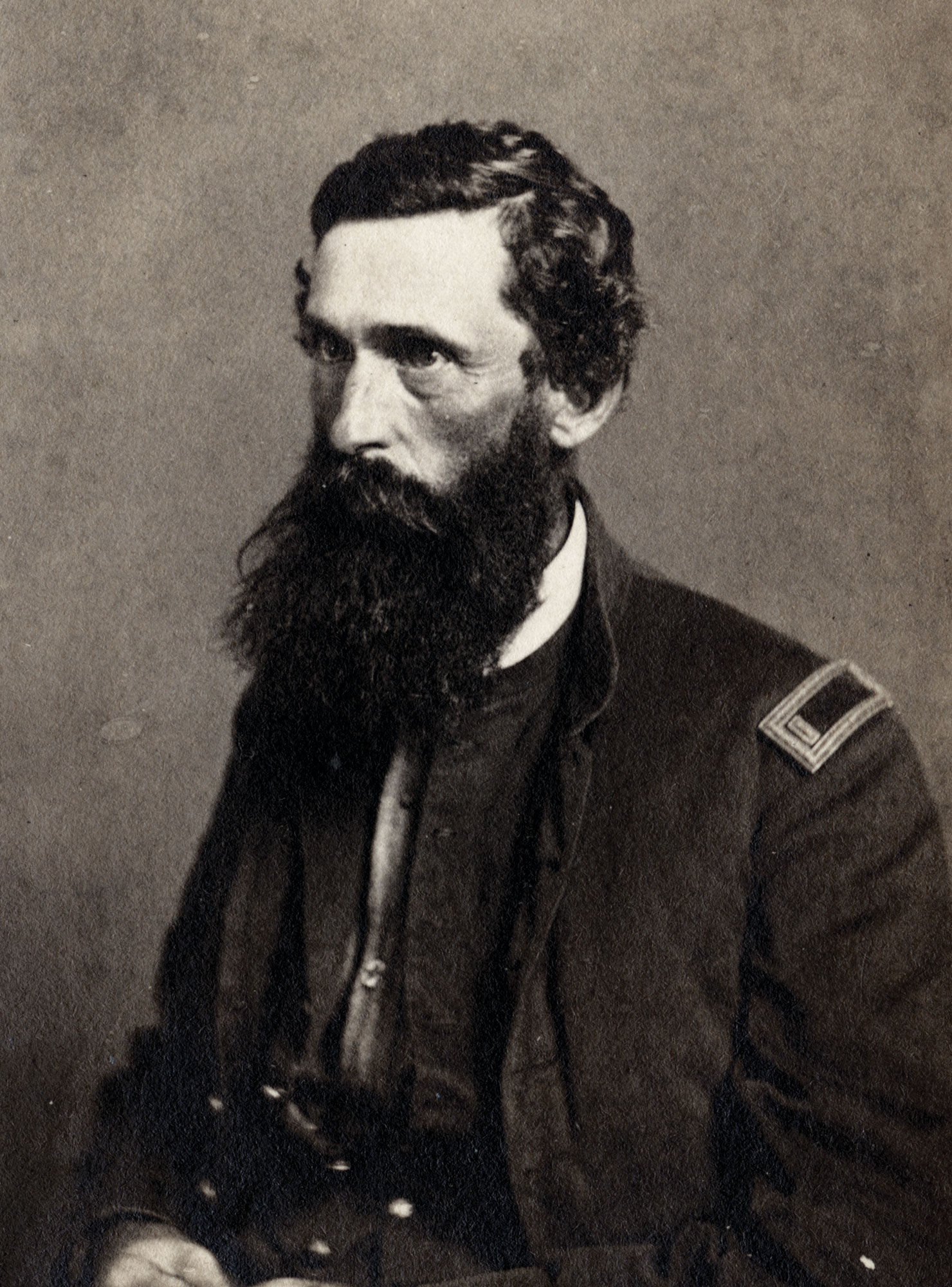
Thomas Clark
Captain ★
U.S. Signal Corps
On July 1, Clark observed approaching Confederates from the steeple of the two-story Adams County Courthouse in downtown Gettysburg. He sent off a quick message about the enemy advance to XI Corps commander Oliver Howard before leaving for safer ground. Clark would remain in the Signal Corps for the remainder of the war; he died in 1868.
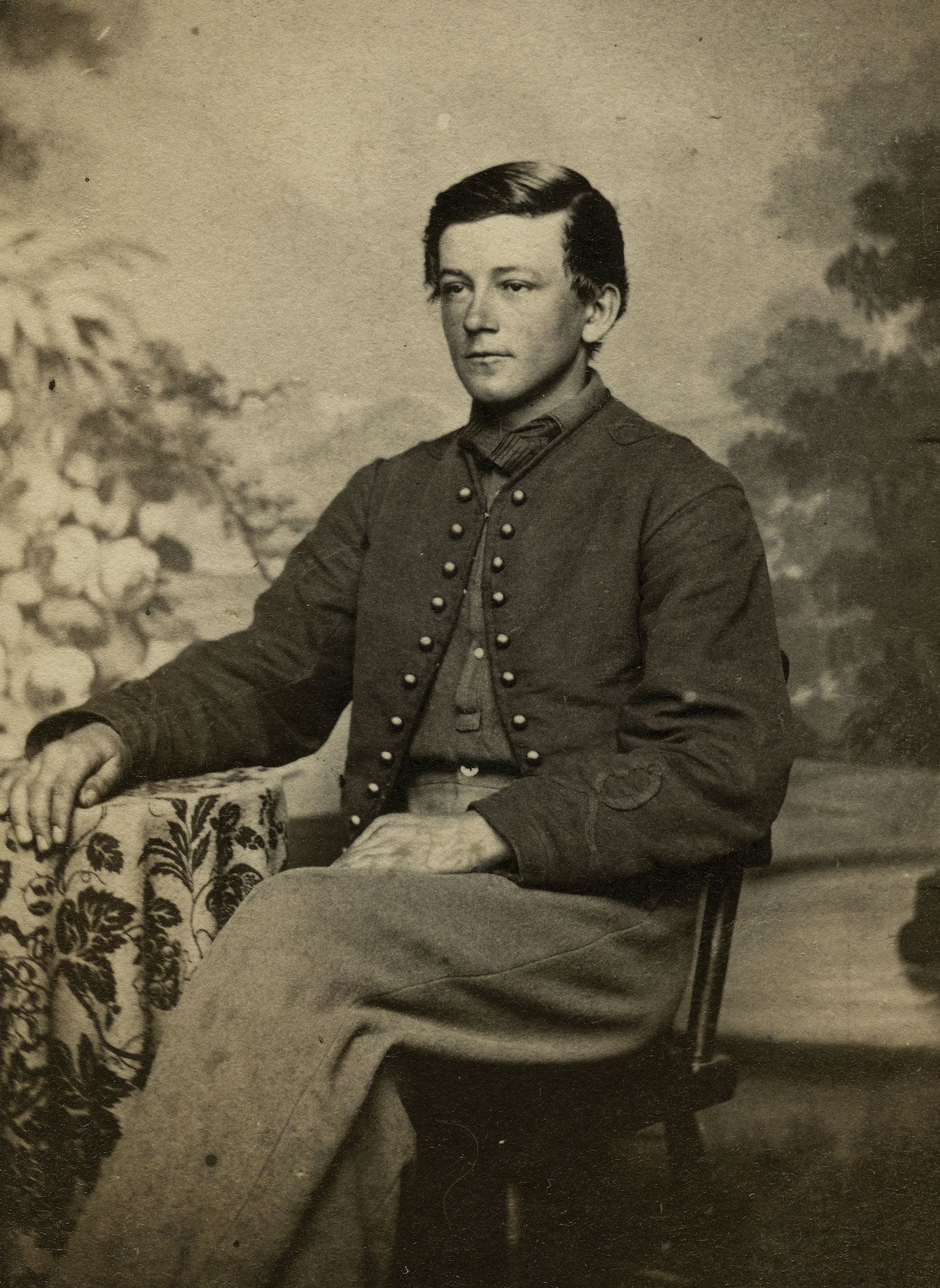
James H. Krake
Corporal ★
44th New York Infantry
Krake and the 44th participated in the fight for Little Round Top. He escaped without injury only to be killed in action the following year at the Battle of the Wilderness.
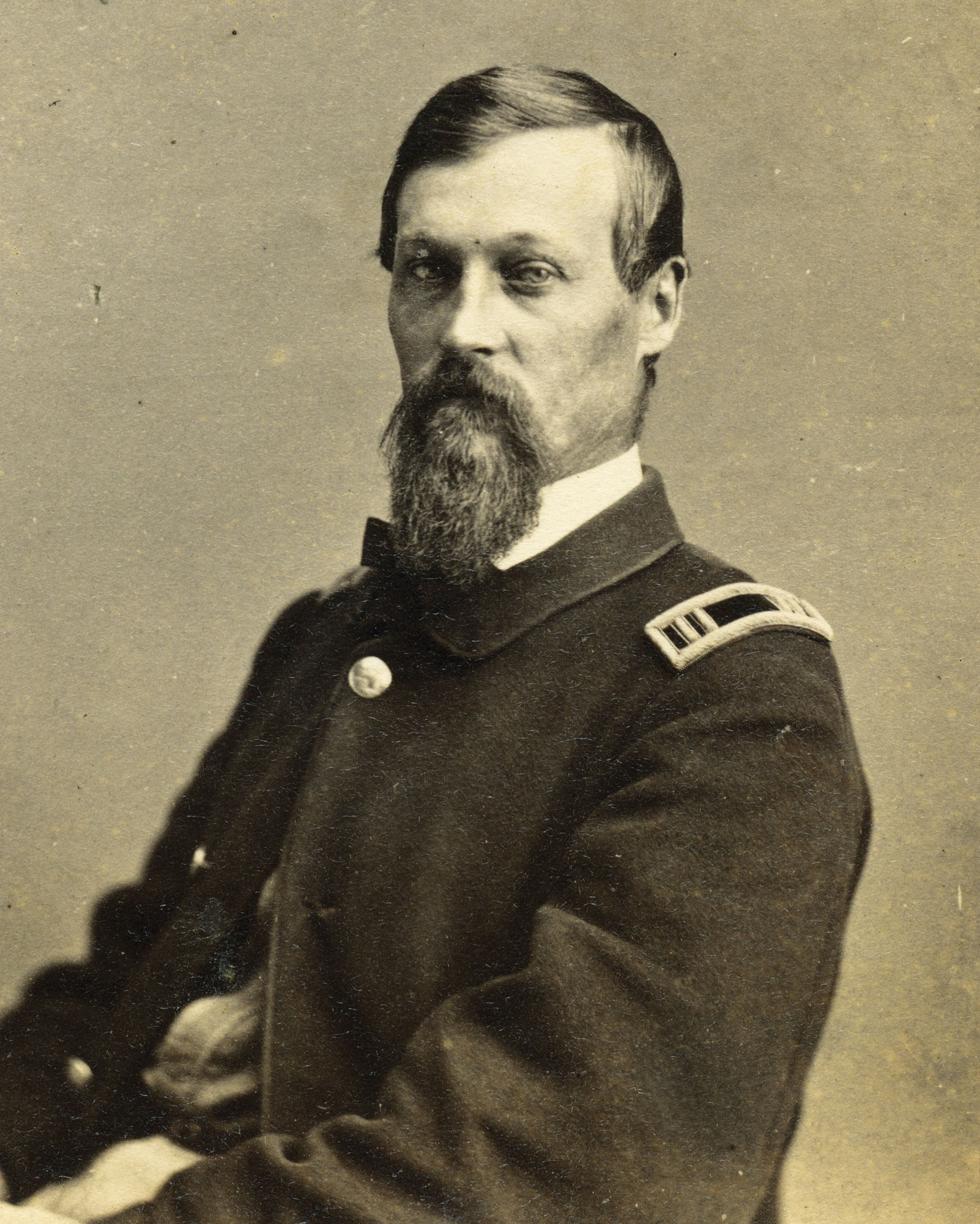
Chauncey Barnes Reese
Captain ★
U.S. Corps of Engineers
On July 2, Reese and two other officers accompanied Major General Gouverneur K. Warren to Little Round Top, where they discovered a large mass of Confederates advancing on the exposed hill. The four men scrambled successfully to find Union troops to hold the position. Reese ended the war as a brevet brigadier general. He went on to join the regular army, and died on duty in 1870 from yellow fever.
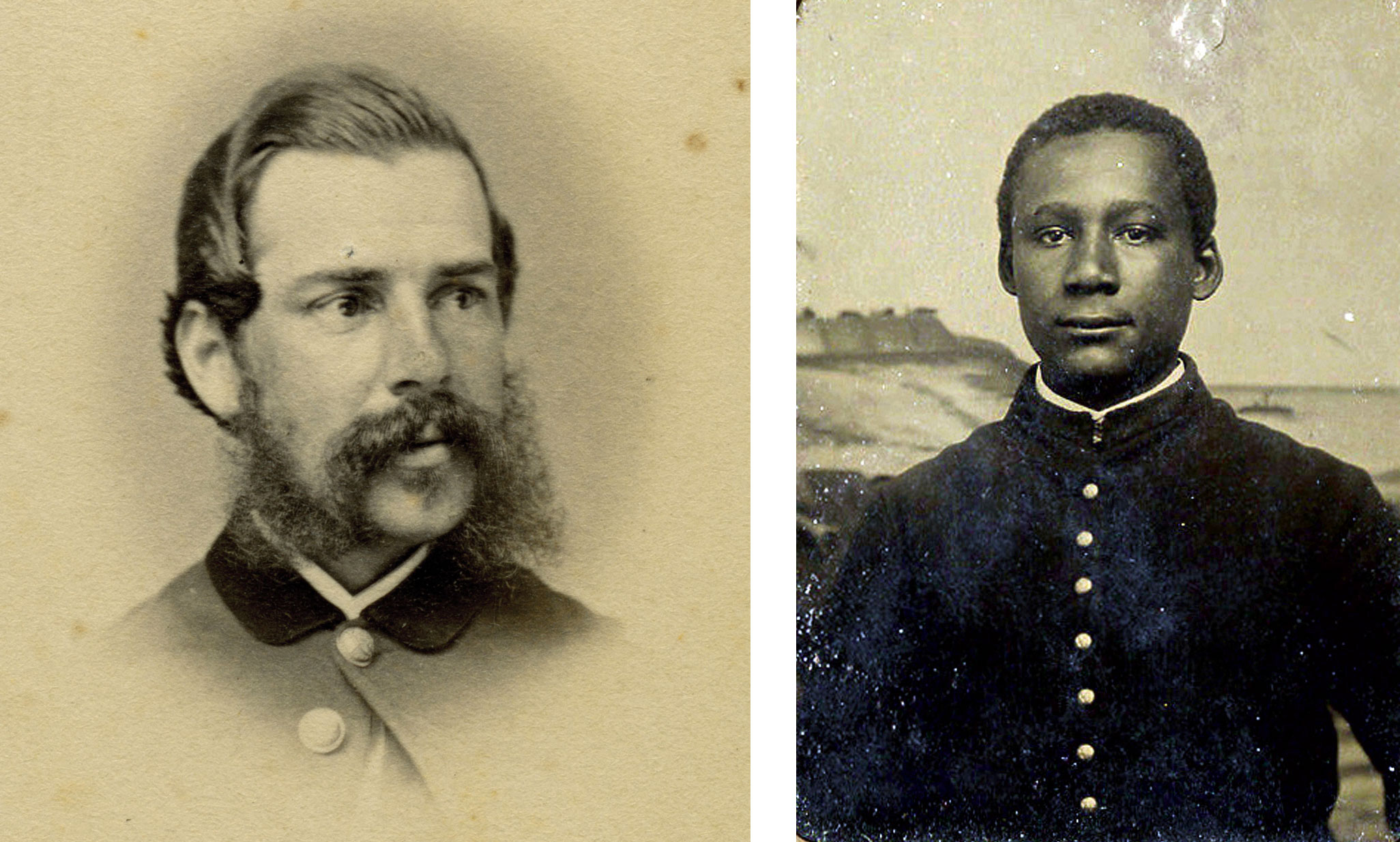
Loring Muzzey & William Henry Scott
1st Lieut., Contraband Slave ★
12th Massachusetts Infantry
Thirteen-year-old contraband slave William Henry Scott (above, right) witnessed the battle with the Union officer he served, Loring Muzzey of the 12th Massachusetts Infantry, which suffered heavy casualties during the first day’s fighting near Oak Hill. Both survived the war, and remained friends afterward. Muzzey passed away in 1909, and Scott died seven months later.
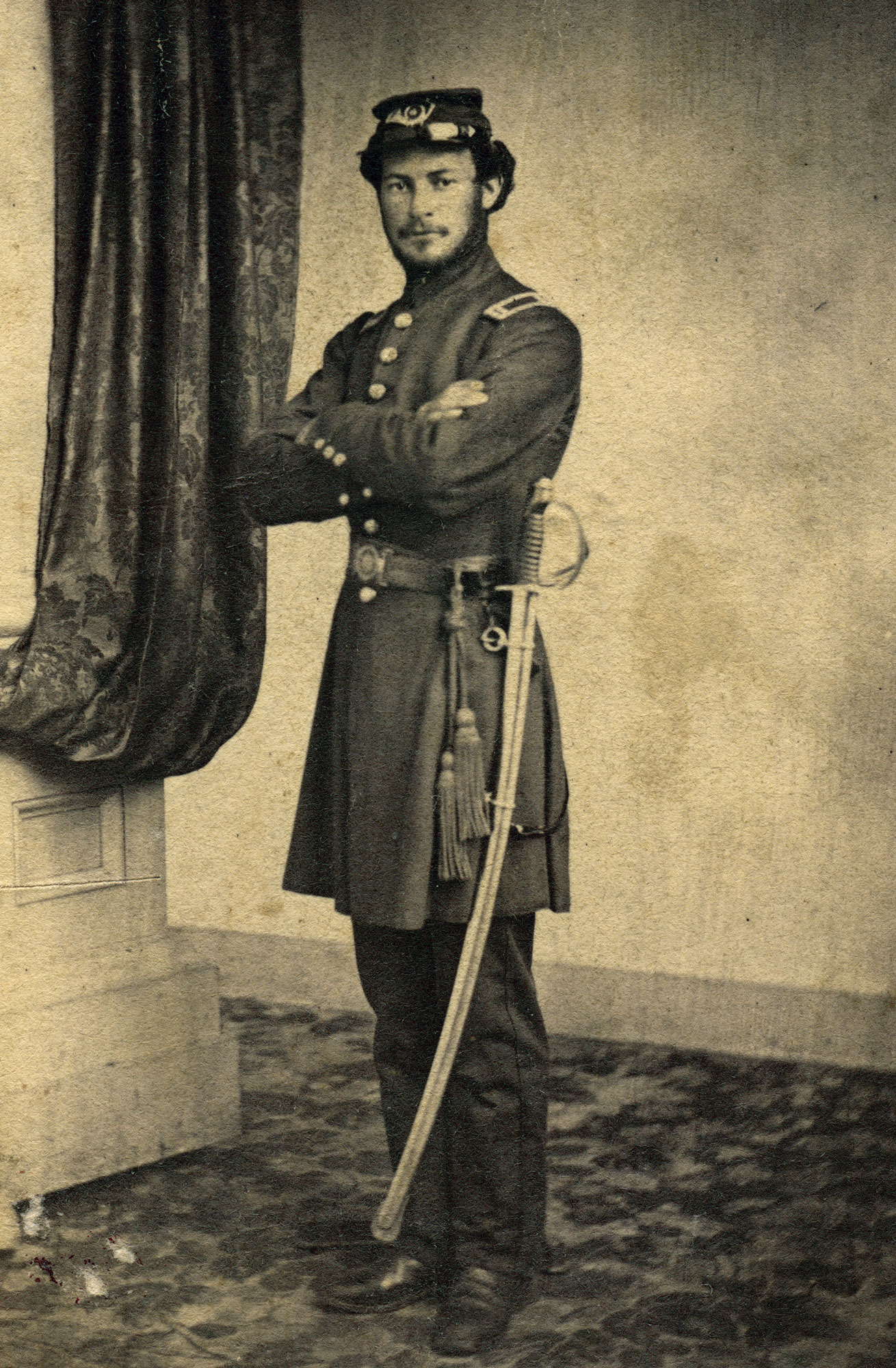
Henry Chew
Captain ★
12th New Jersey Infantry
Chew fought with his men to keep the Bliss barn out of enemy hands during a seesaw struggle throughout the second day’s fighting. The following day, Chew and his comrades helped repulse Pickett’s Charge. Chew, who ended the war as lieutenant colonel of the 12th, died in 1907.
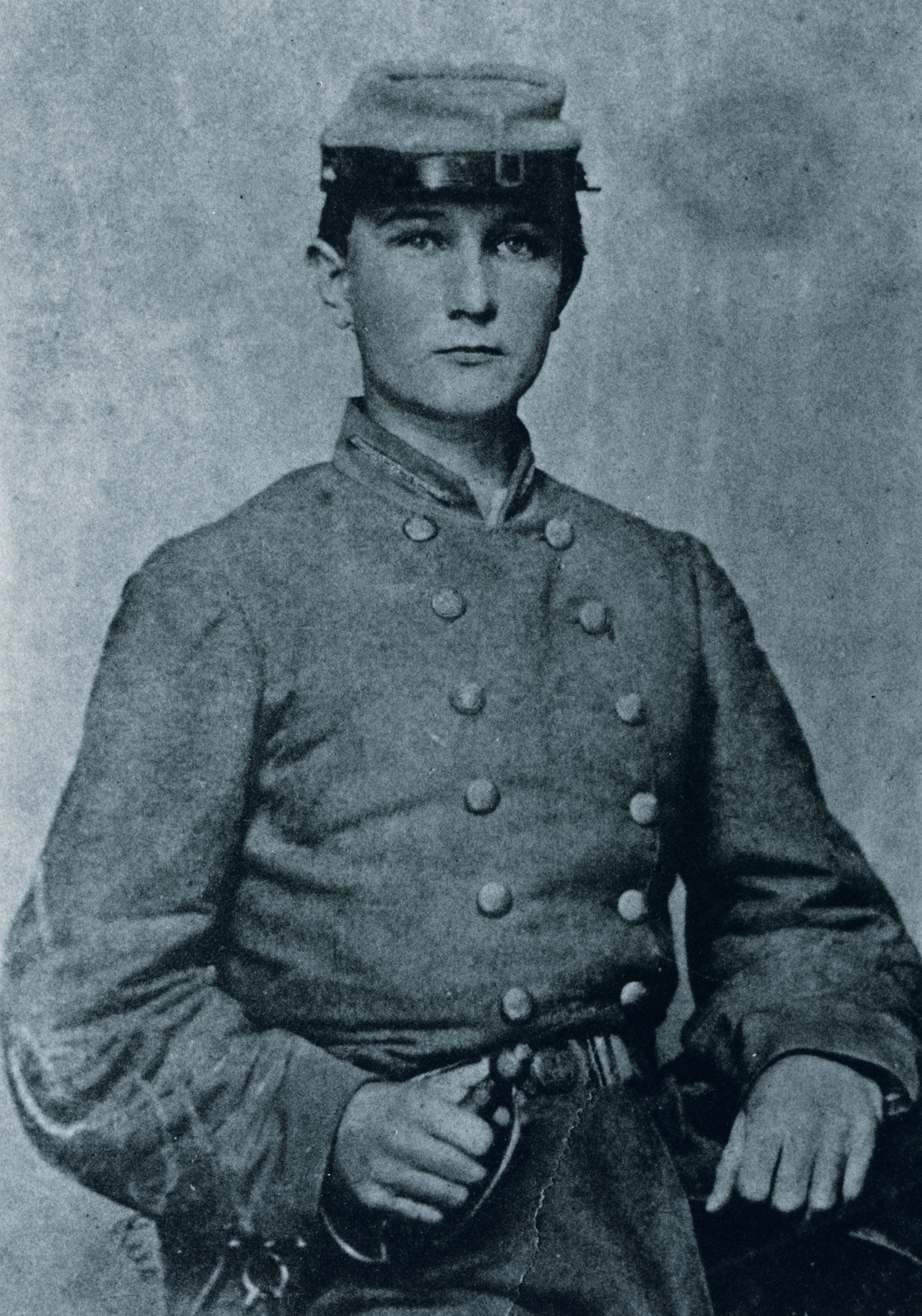
George David Raysor
2nd Lieut. ★
5th Florida Infantry
Raysor and his 5th Florida Infantry saw heavy fighting at Gettysburg. On July 2, the regiment battled Union forces along the Emmitsburg road, during which Raysor’s captain was wounded. Raysor led his company the following day during Pickett’s Charge. In two days, the brigade in which the 5th served suffered 455 casualties, out of 700 men engaged. Raysor was not among them; he survived the war and lived until 1909.
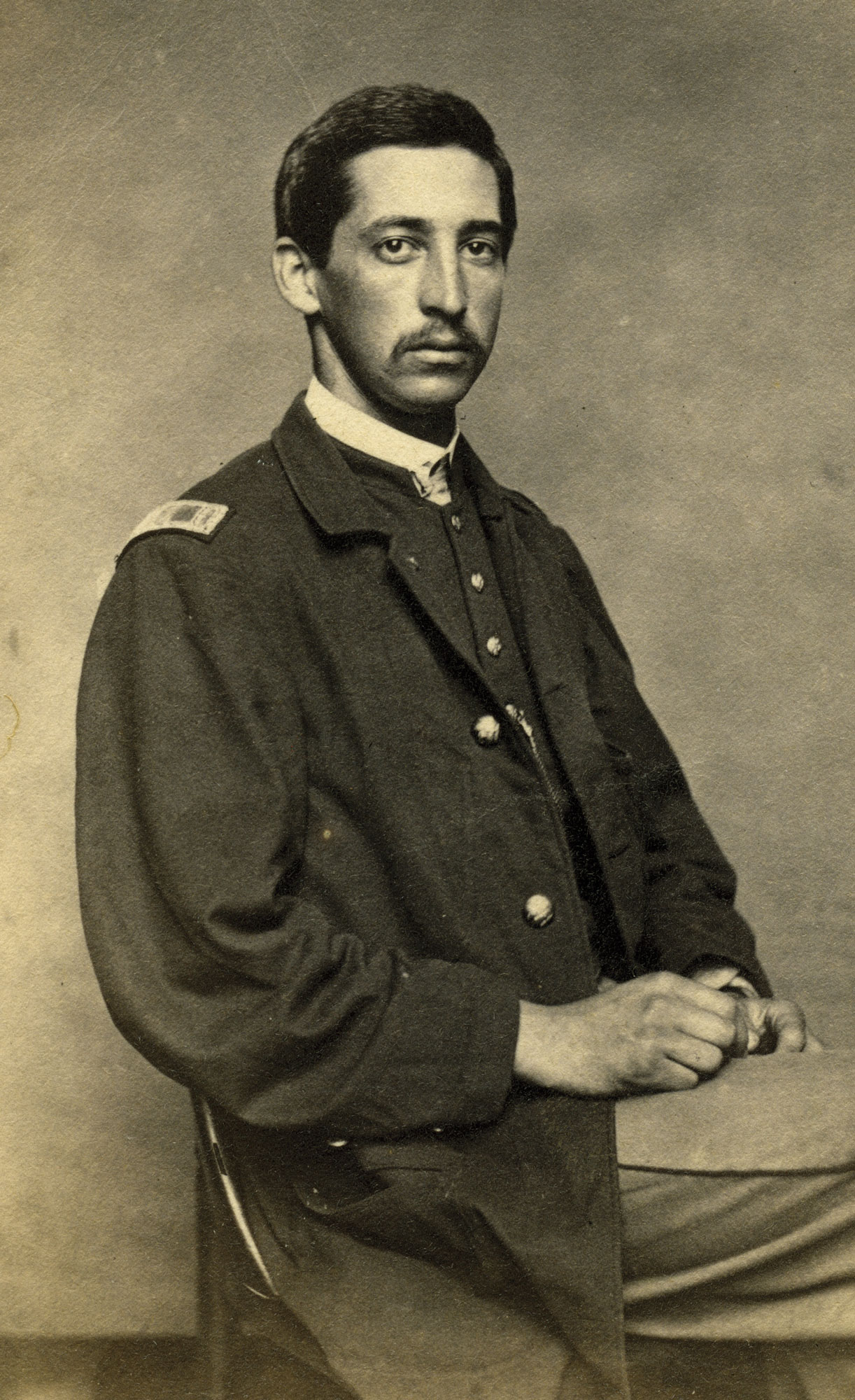
Henry Newton Comey
Sergeant ★
2nd Massachusetts Infantry
Comey and his comrades participated in a suicidal charge against a well-protected Confederate position near Spangler’s Spring on July 3. More than one-third of the regiment’s men were casualties, including Comey, who suffered a serious gunshot wound to the left arm. Comey would recover and return to the regiment, mustering out with his comrades as a captain in 1865. He died in 1932.
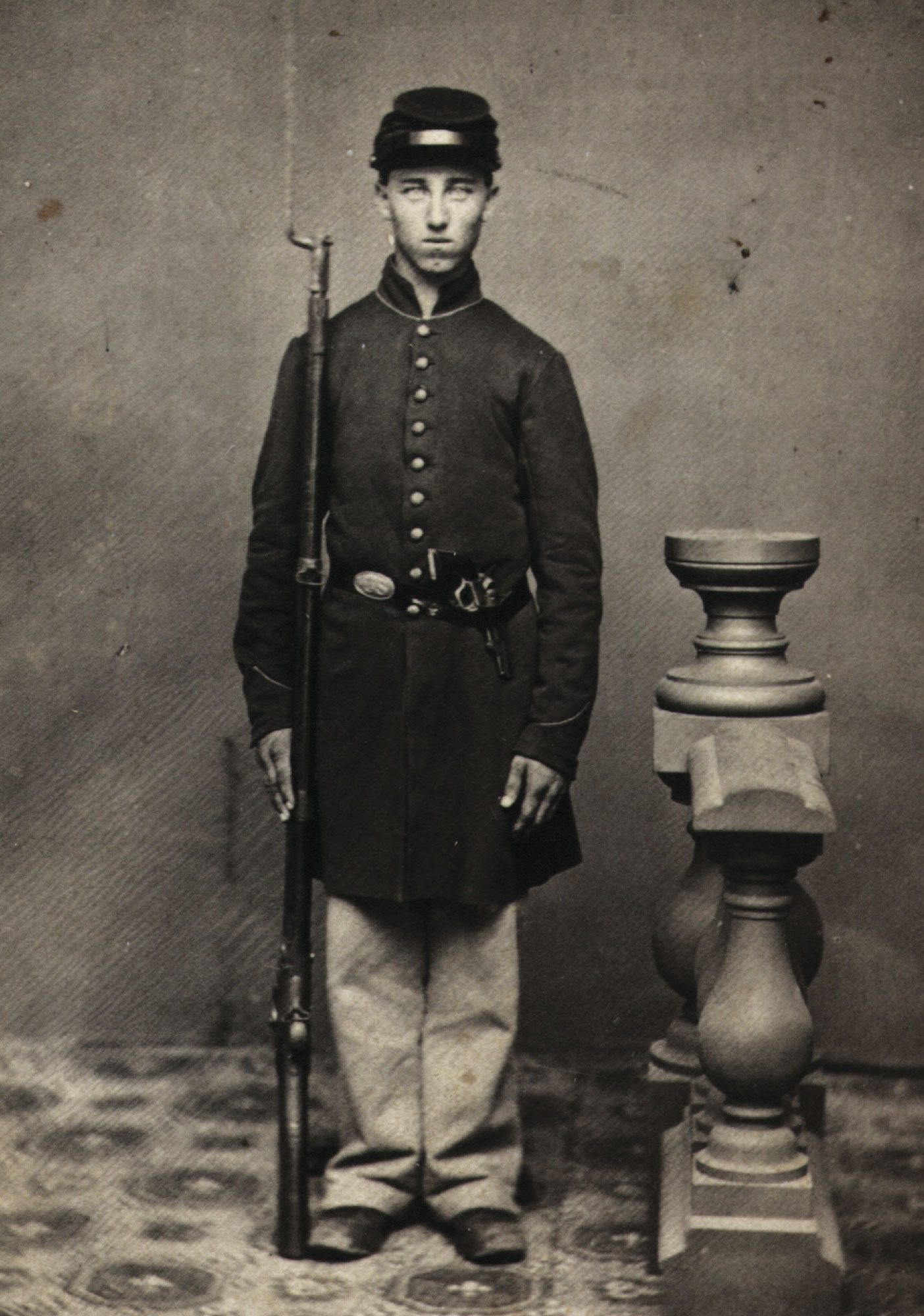
Hiram H. Davis
Private ★
10th Vermont Infantry
After the battle, Davis and his comrades escorted more than 1,000 captured Rebels to a prisoner-of-war camp in Baltimore. He suffered sunstroke along the way and spent most of the rest of the war in and out of hospitals. He would recover fully from his ailments and live until 1930.
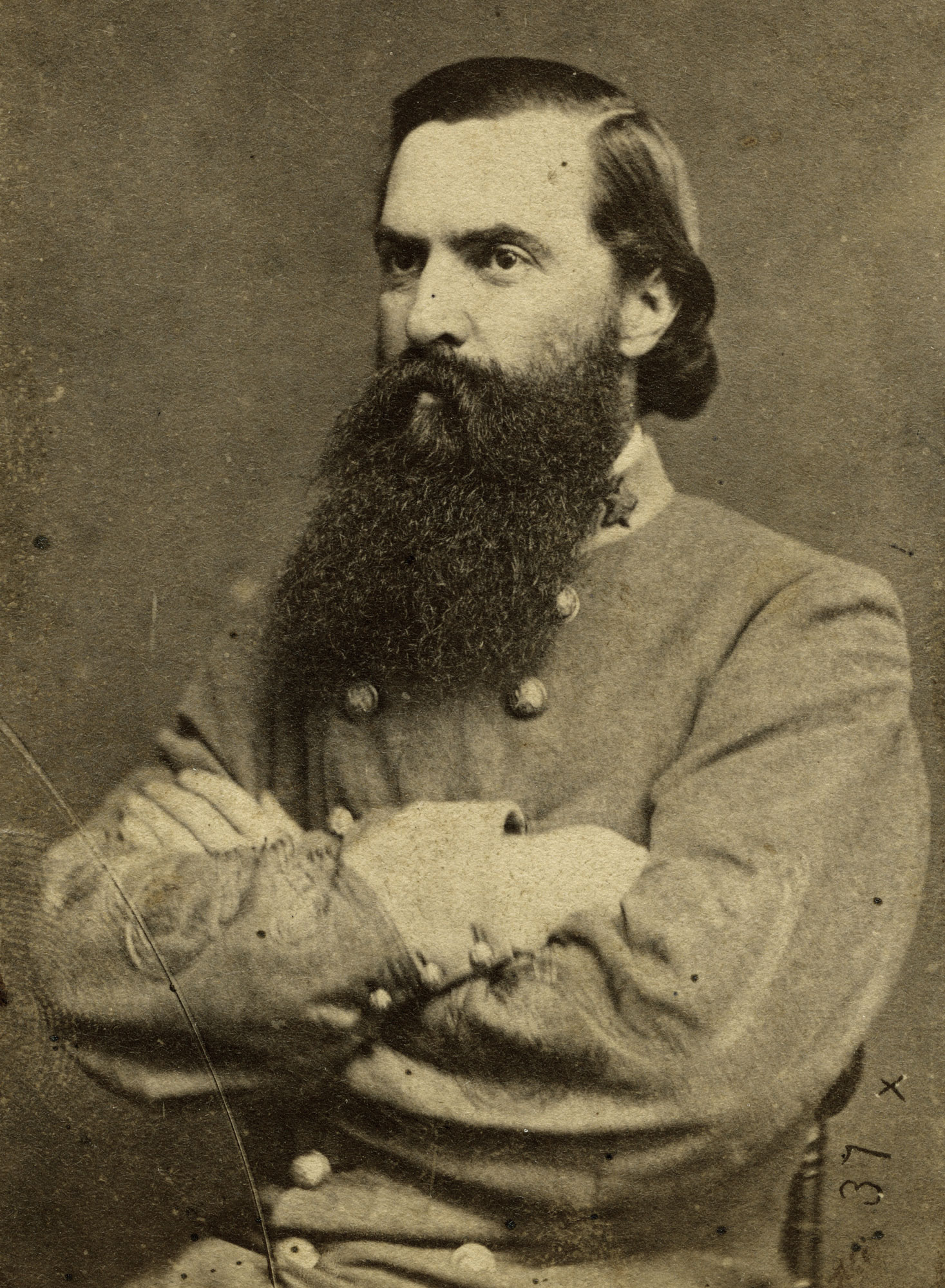
William Gaston Delony
Lieutenant Colonel ★
Cobb’s Legion Cavalry
A few miles north of Gettysburg, near Hunterstown, Delony led Confederate cavalry in a July 2 charge that blunted a Union attack commanded by newly minted brigadier general George Armstrong Custer. Delony had his horse shot from under him and narrowly escaped capture by three Federal troopers, whom he fought off with the help of two comrades. He was not as lucky a few months later, when he was shot in the thigh and fell into enemy hands. He died the following month in a Washington, D.C., hospital.
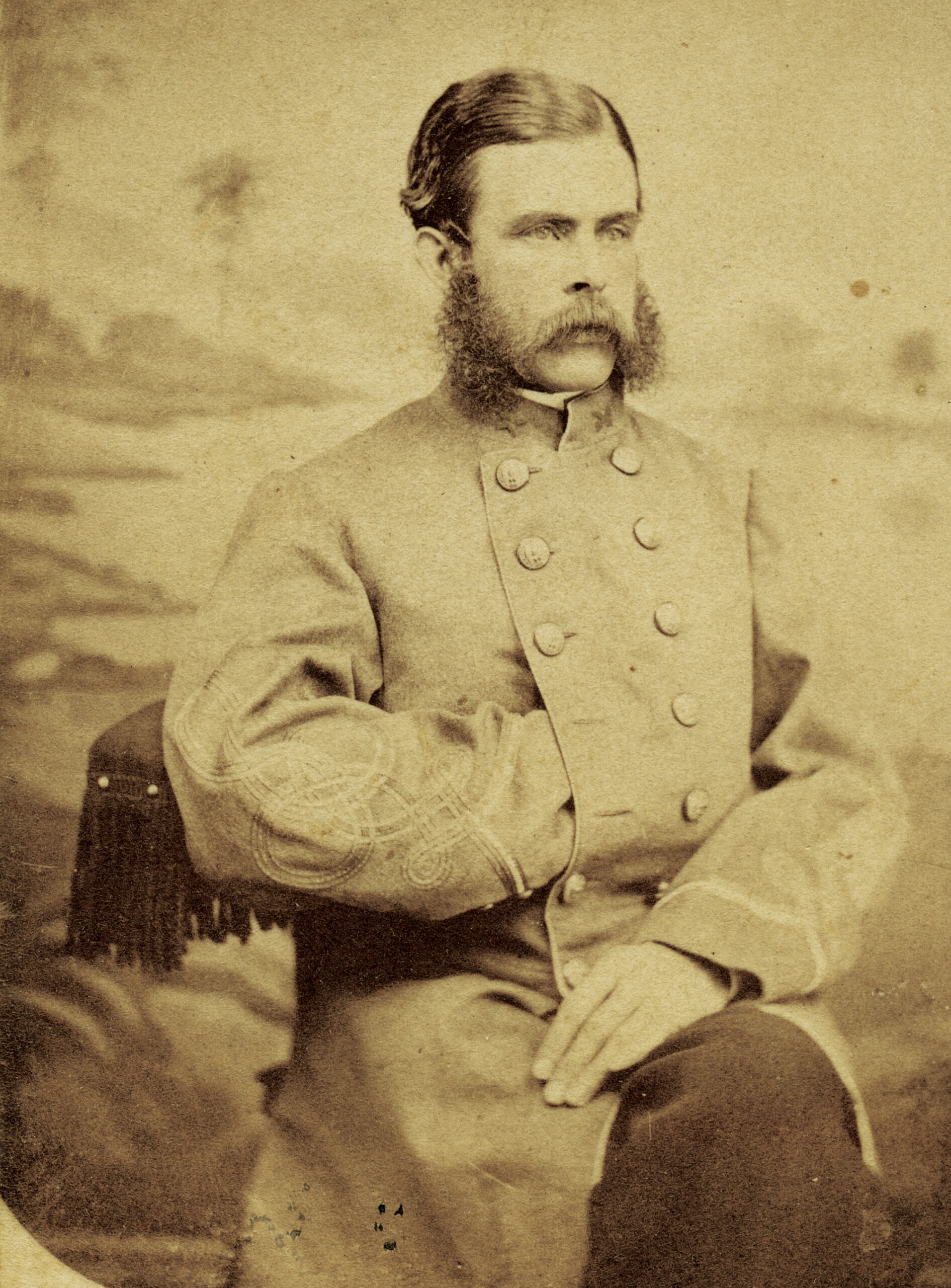
William Proby Young Jr.
Surgeon ★
4th Georgia Infantry
Dr. Young tended to the desperately wounded men from his regiment and their brigade throughout the battle. He survived the war and settled in Washington, D.C., where he lived until his death in 1912.
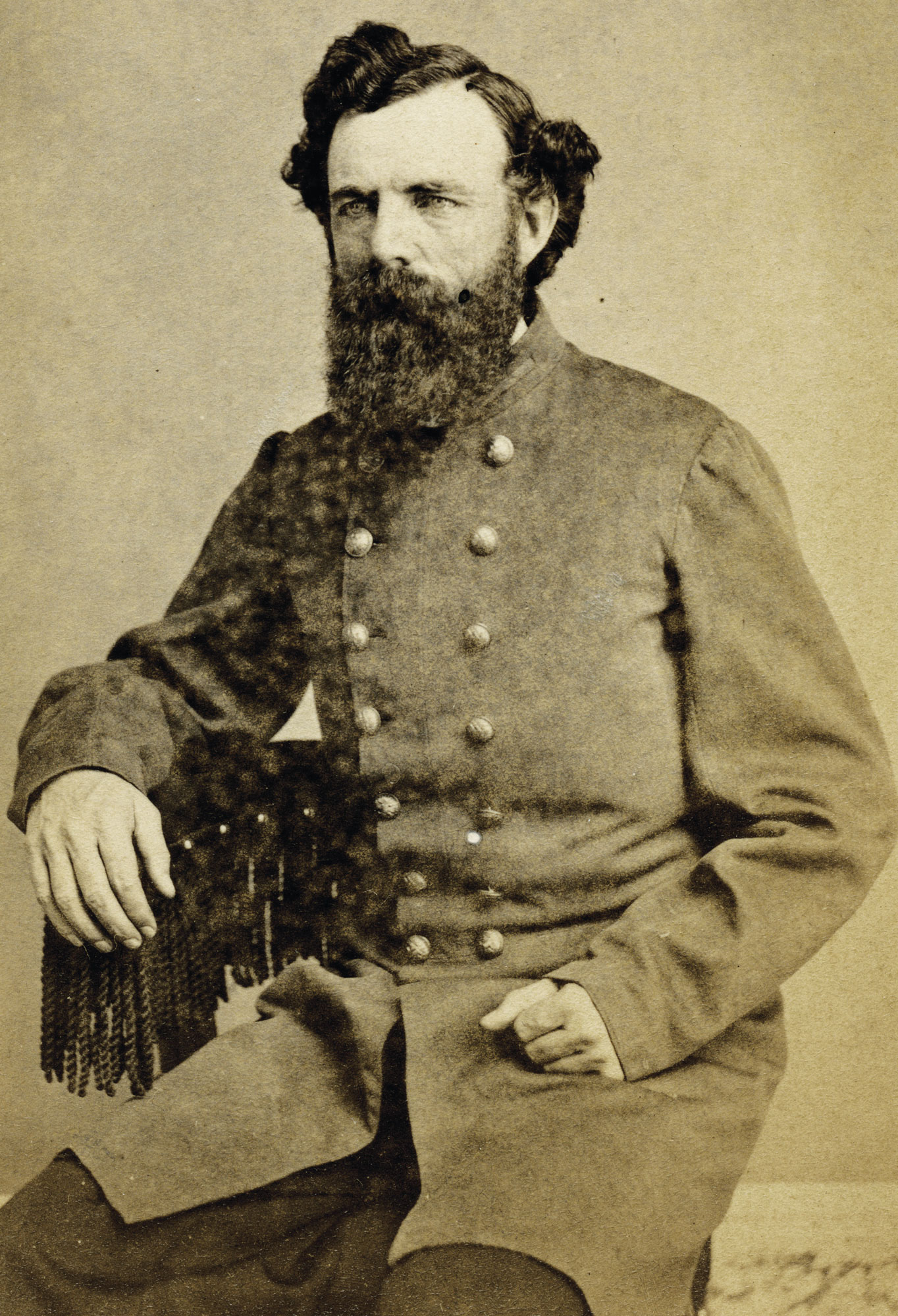
John Ells
2nd Lieut. ★
3rd Georgia Infantry
On July 2, Ells and his comrades charged Union forces posted along the Emmitsburg road and captured cannon manned by two Union batteries, only to lose them during a counterattack. Ells would be shot in the right hip two weeks later, ending his combat service. He left the army in 1864 and lived until 1889.
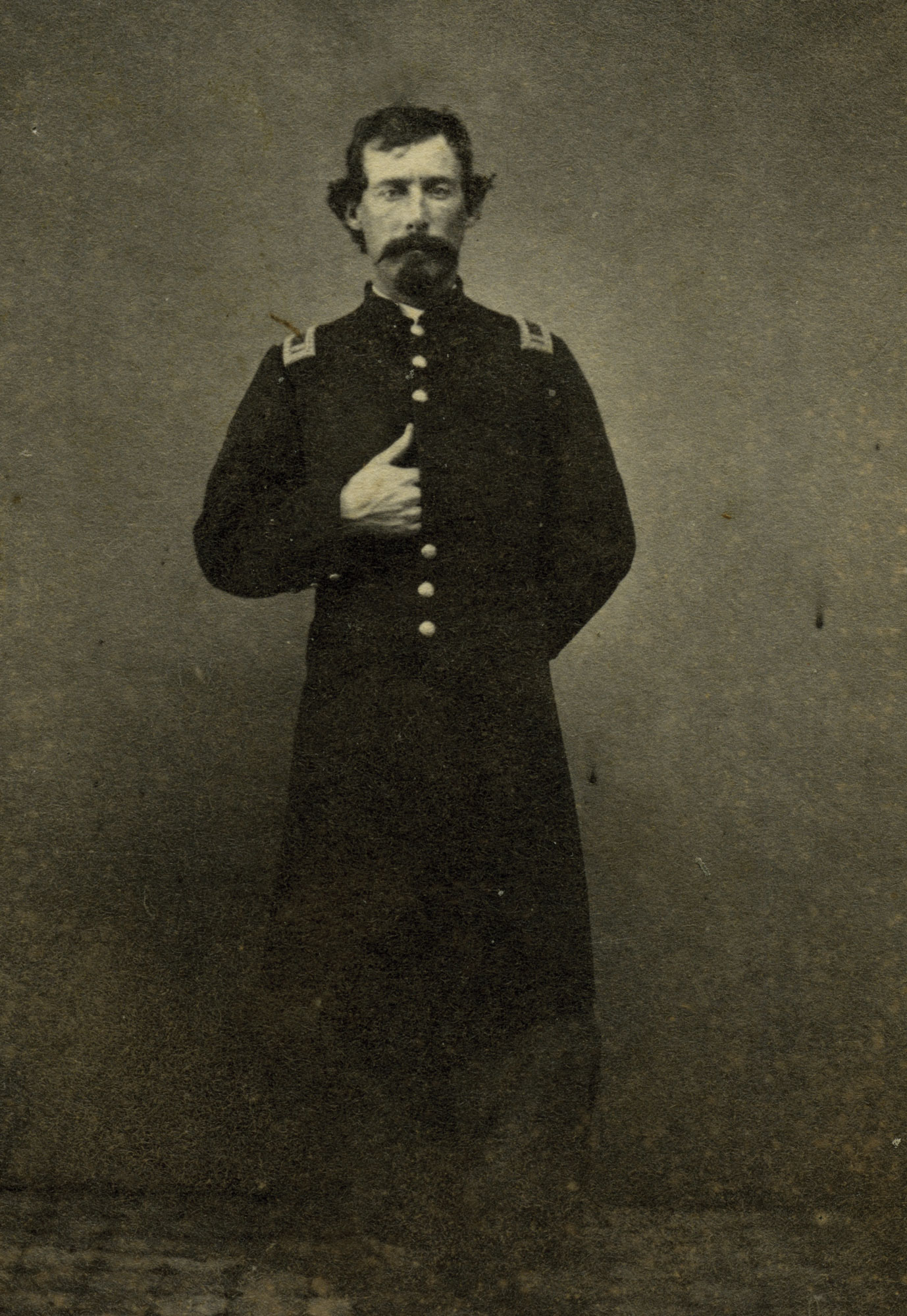
Michael Clancy
1st Lieut. ★
5th New Jersey Infantry
Clancy commanded a company of the 5th New Jersey during the intense fighting along the Emmitsburg road between the Rogers and Klingel farmhouses on July 2. Caught in a hail of enemy infantry and artillery fire, the Jerseymen were eventually overwhelmed and withdrew. Clancy survived the war, living until 1899.
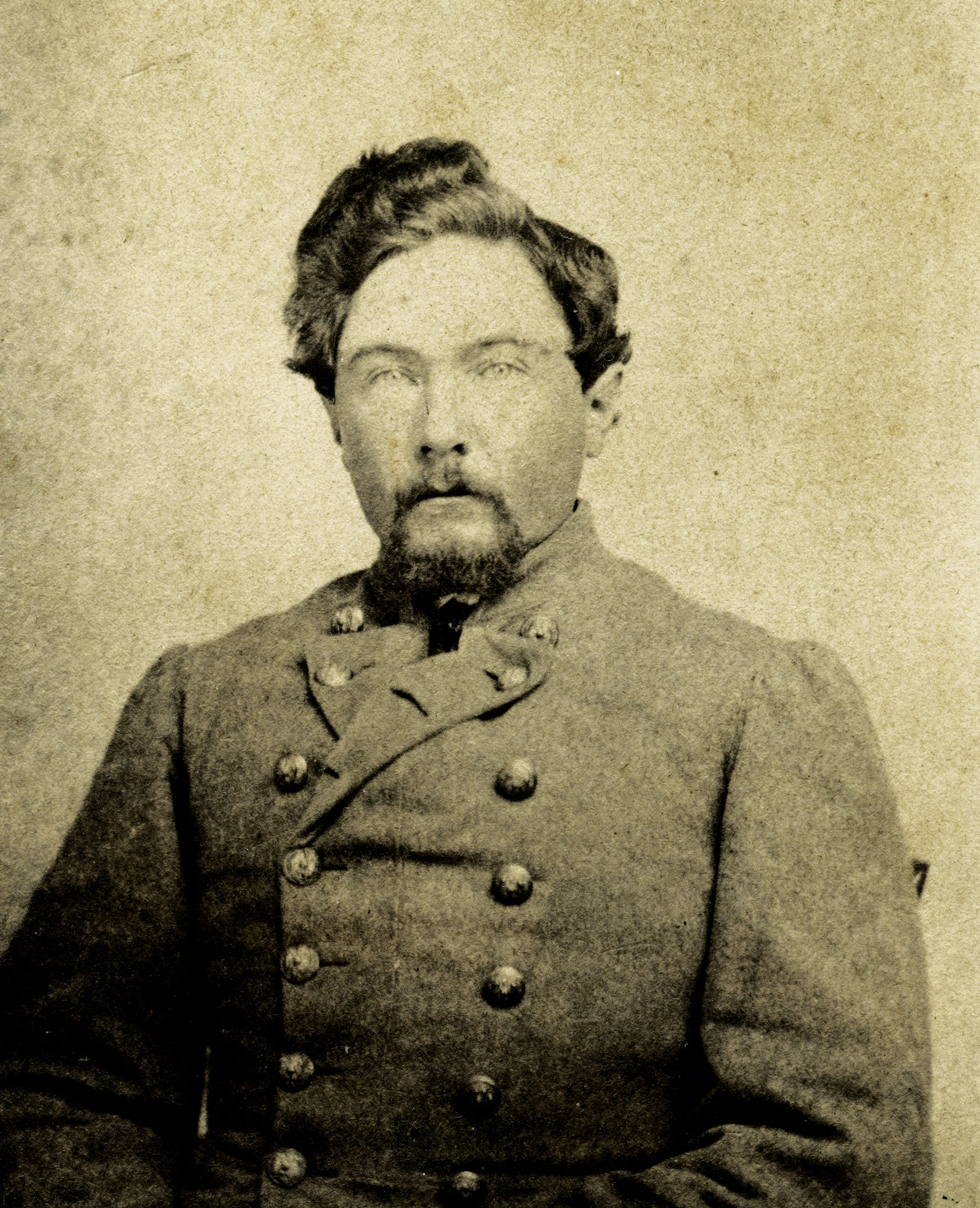
Bryan Whitfield Cobb
Captain ★
2nd North Carolina Infantry
A musket ball ripped into Cobb’s thigh while he and the 2nd North Carolina drove Union forces out of Gettysburg during the first day’s fighting. Cobb, who would return to duty several months later, suffered six more battlefield injuries before war’s end. He survived them all, and died in 1906.
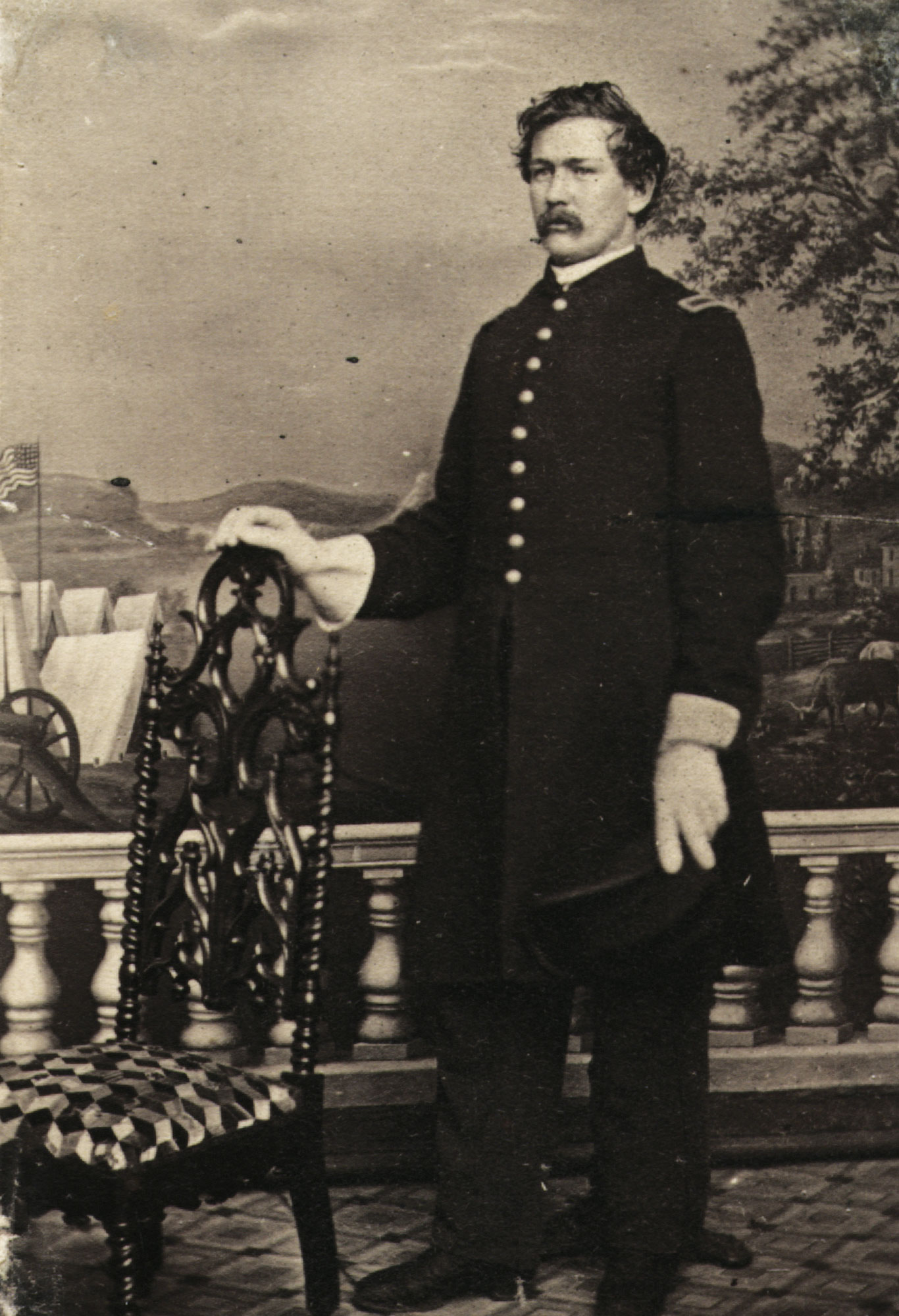
Joseph H. Baxter
Captain ★
22nd Massachusetts Infantry
Baxter and the rest of the Union V Corps arrived in Gettysburg about dawn on July 2 after an all-night march. Later that day the regiment was in the thick of the action near Devil’s Den, where it suffered high casualties. Baxter was not among them. He would receive a mortal wound less than a year later during fighting at Bethesda Church, Virginia.
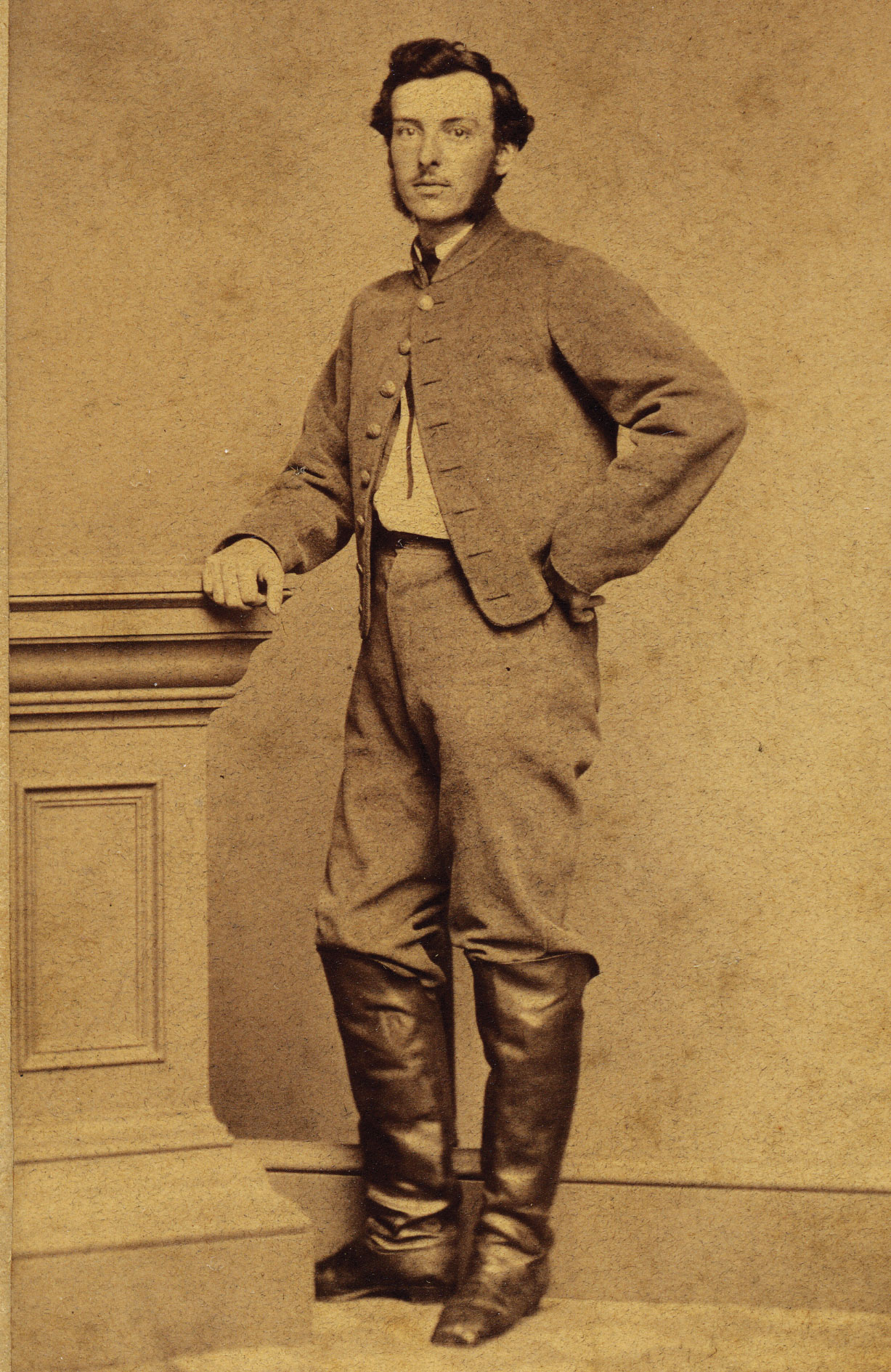
Oscar Vincent Smith
Private ★
1st Virginia Artillery
Smith participated in the furious artillery bombardment that preceded Pickett’s Charge. He received his corporal’s stripes after the battle and would fight with the Army of Northern Virginia until war’s end. Smith lived until 1894.
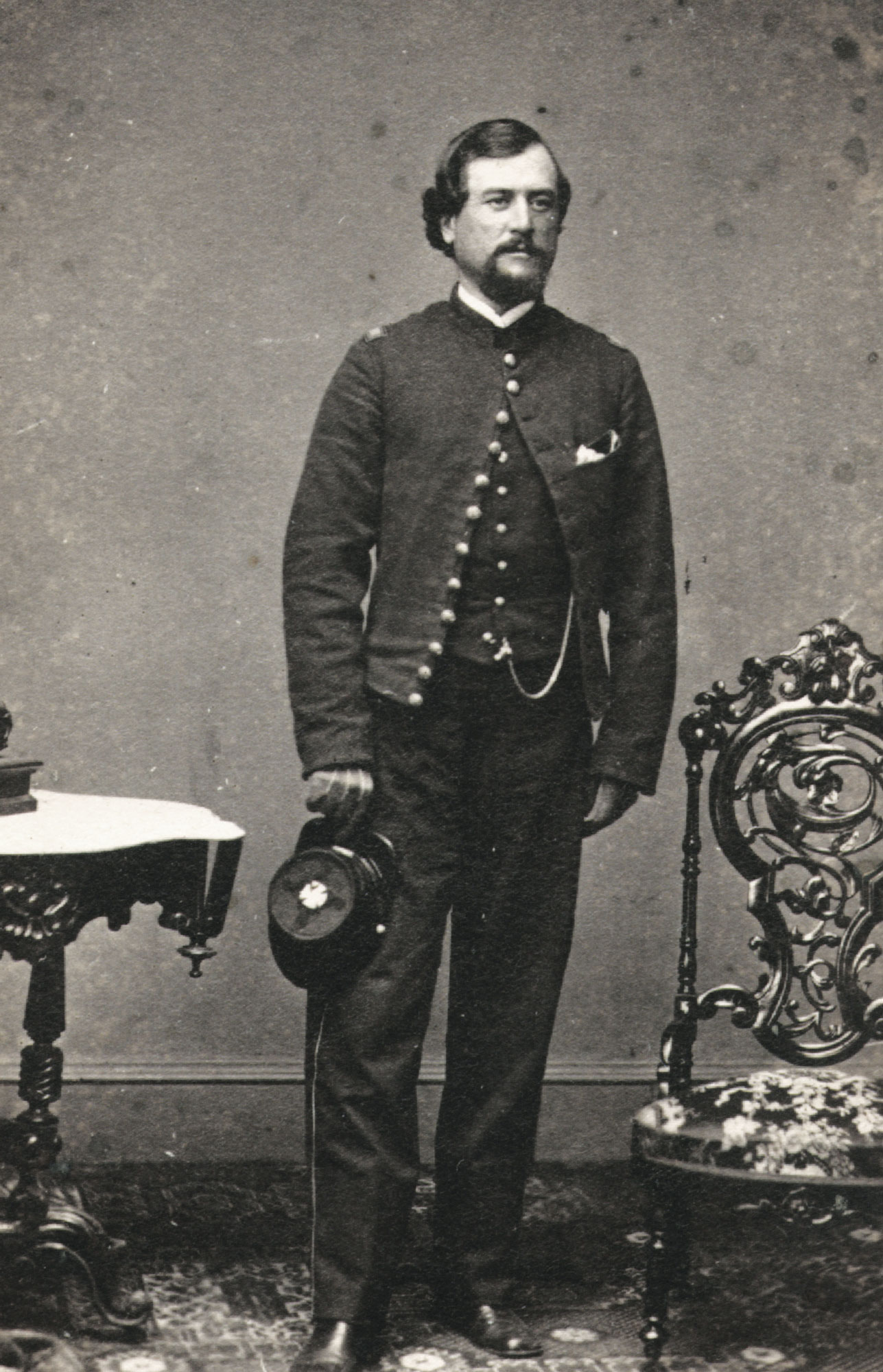
Sullivan W. Burbank
Captain ★
14th U.S. Infantry
Burbank and the 14th were engaged heavily during the battle’s second day, battling Confederate infantry near Little Round Top. Burbank managed to avoid injury. In 1864, he was shot and taken prisoner at the Wilderness. He died in captivity.
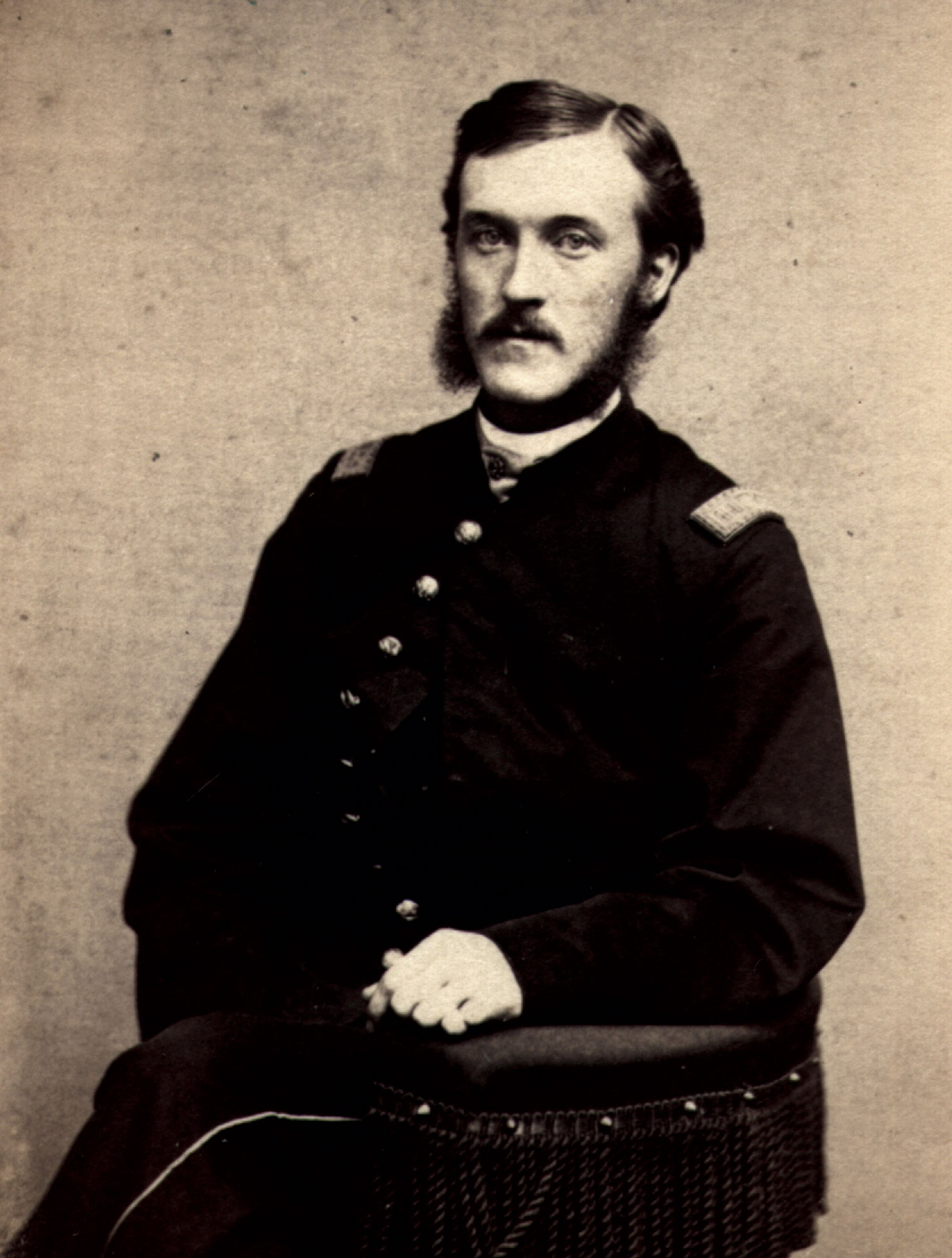
Samuel Bean Noyes
Corporal ★
12th New Hampshire Infantry
When Confederate forces launched a savage attack on July 2 to exploit the gap created after General Daniel Sickles advanced his III Corps a half-mile ahead of its assigned position, the 12th New Hampshire found itself in the middle of the fray. Among those wounded was Noyes, who suffered a severe shoulder injury. He would recover and become an officer in the 1st U.S. Volunteer Infantry, a regiment recruited from the ranks of Confederate prisoners of war (so-called “Galvanized Yankees”) that was sent to guard against Indian uprisings out West. Noyes died in 1870.
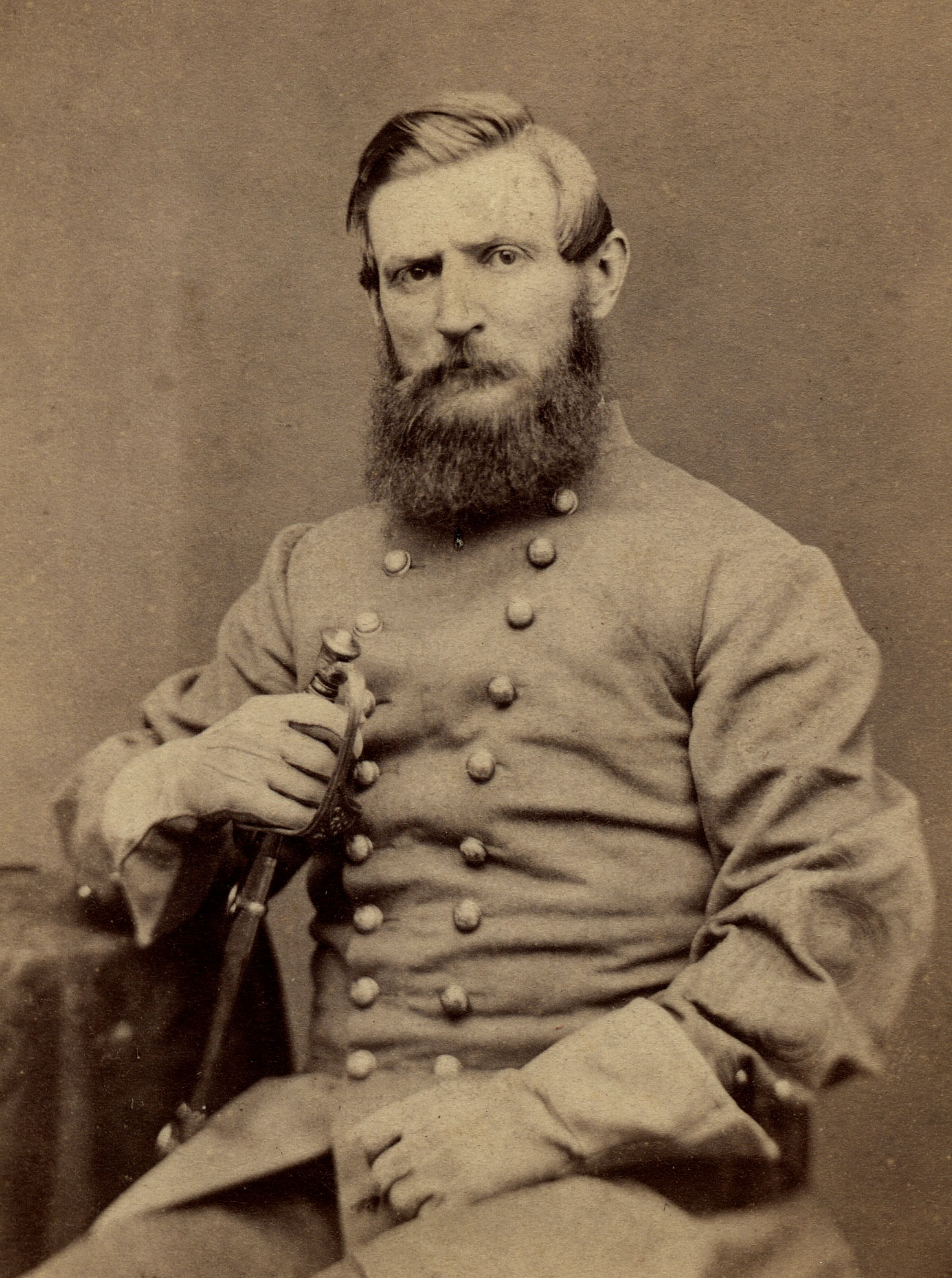
William Worthington Goldsborough
Major ★
2nd Maryland Infantry
Goldsborough took command of the 2nd Maryland on July 2 after its colonel was wounded at Culp’s Hill. During renewed fighting to take the position the next day, a bullet tore through Goldsborough’s left lung and exited his back. He was captured by Union forces on the battlefield and would spend the next nine months recovering in hospitals in Gettysburg and Baltimore. He spent the remainder of the war in Union prisons and lived until 1901.
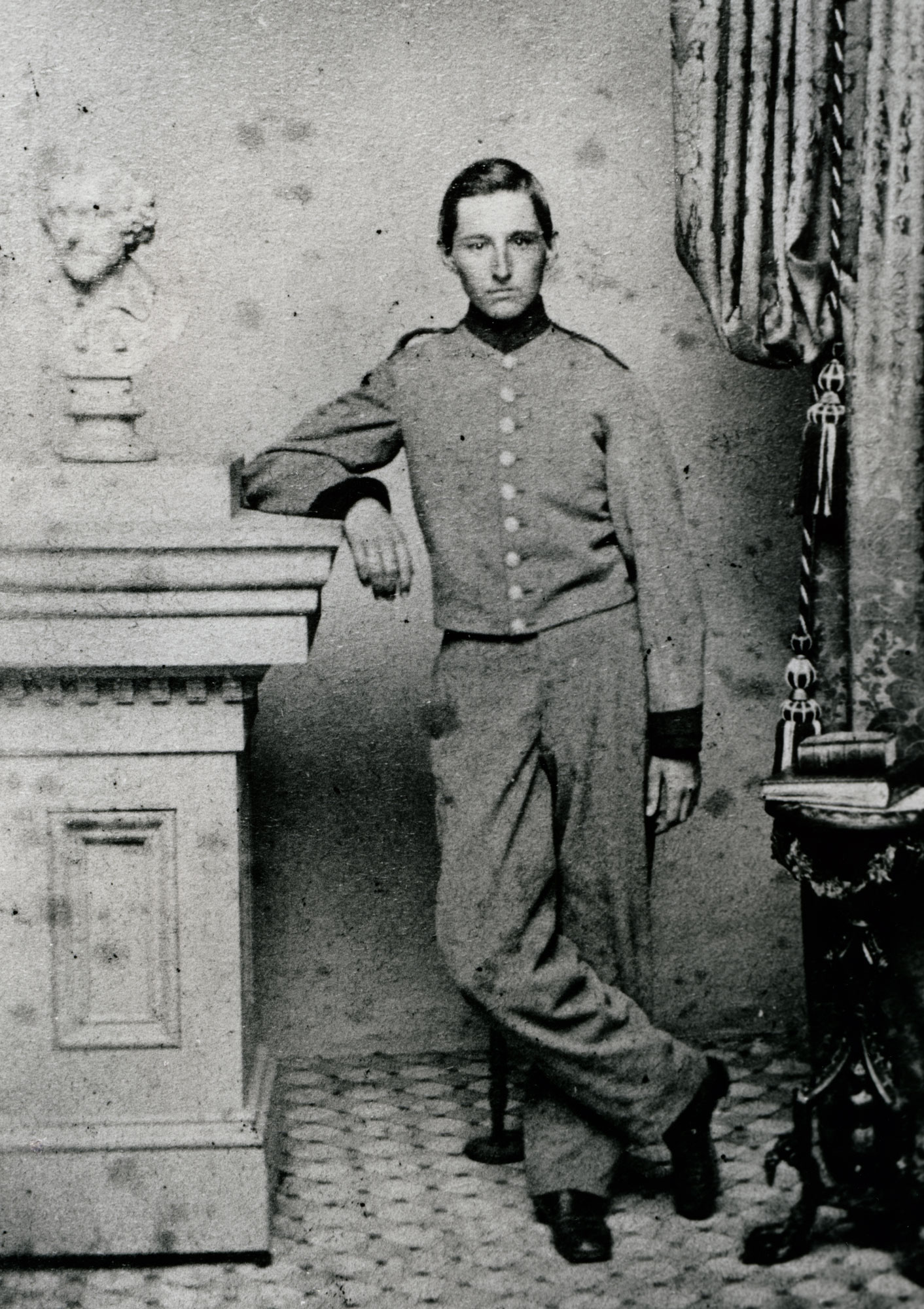
David Barnum
Private ★
5th Alabama Infantry
Barnum stuffed his haversack with candy, lemons, and other goodies confiscated from townspeople in Gettysburg and distributed them to his comrades in the 5th Alabama Infantry, which had fought its way through the town early in the action. Barnum survived the battle and died shortly after the war.
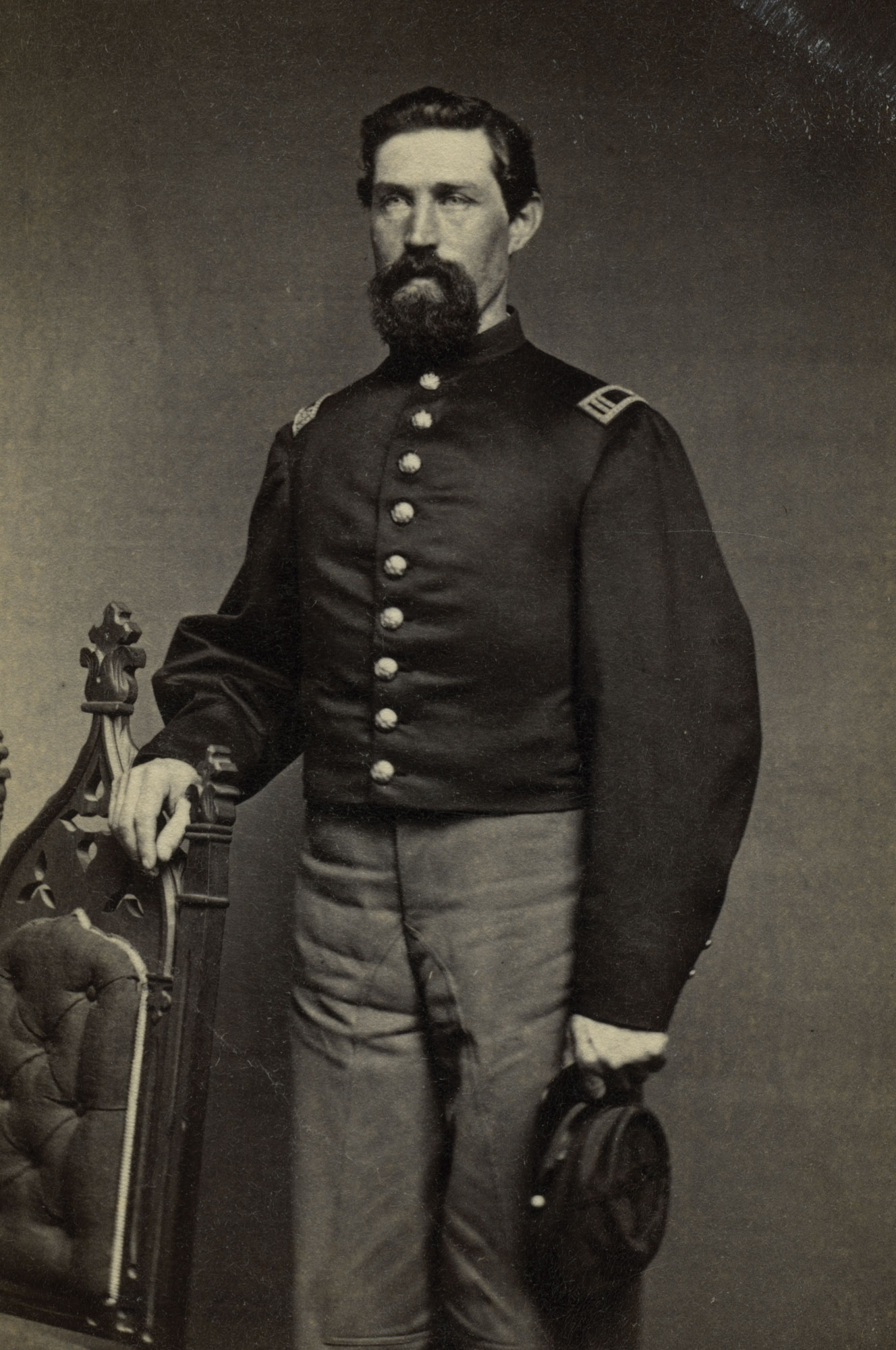
James Bryant
Captain ★
5th New York Cavalry
Bryant and his comrades were among the Union horsemen who clashed with General J.E.B. Stuart’s cavalry at Hunterstown. Bryant, who survived the battle without injury, would be wounded and captured near Spotsylvania in May 1864.
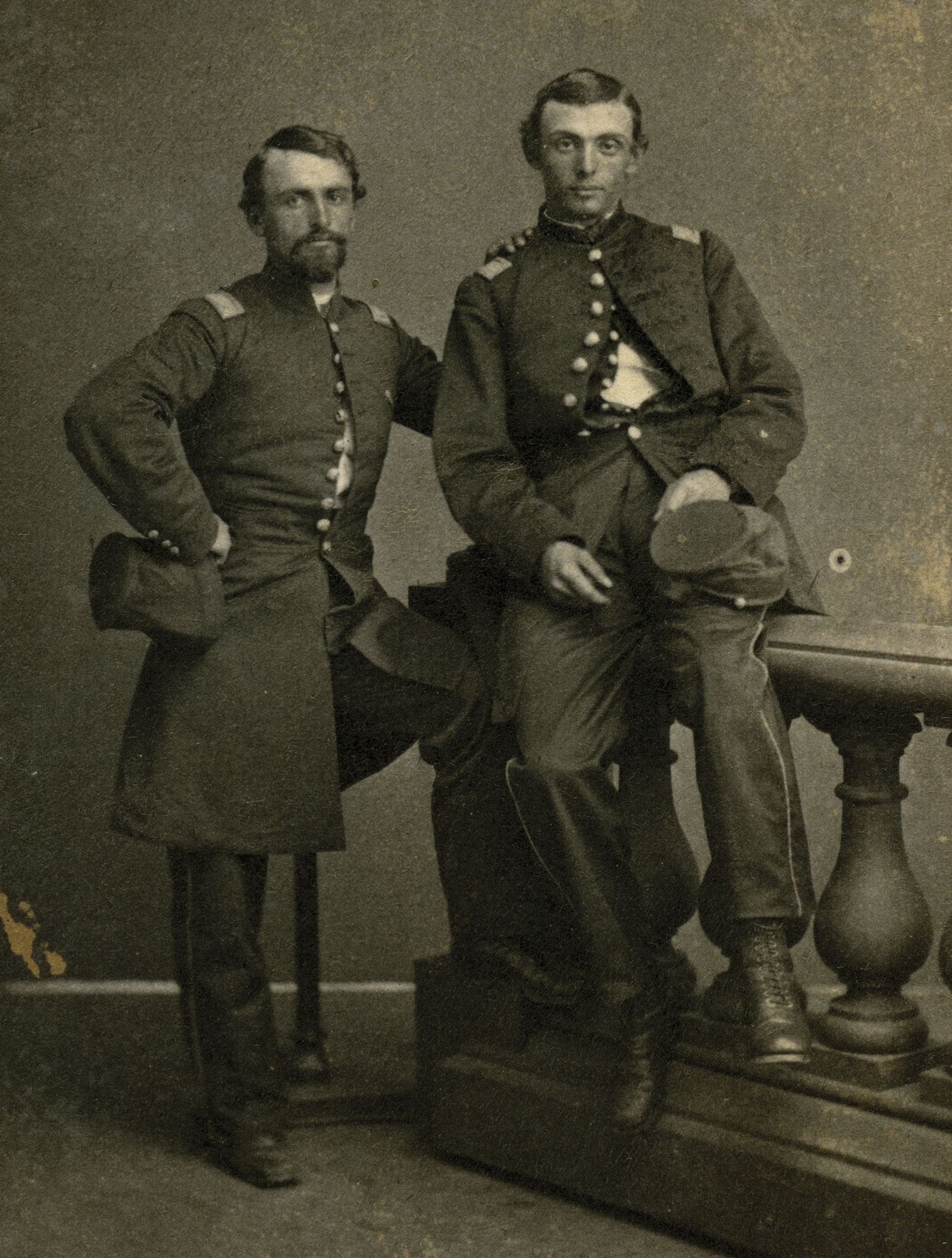
Edward Burgin Knox
Major ★
44th New York Infantry
Knox (left) received a brevet promotion for gallant conduct for his role in the successful defense of Little Round Top on July 2. Knox survived the battle and the war. He continued a military career after the conflict and died in 1890.
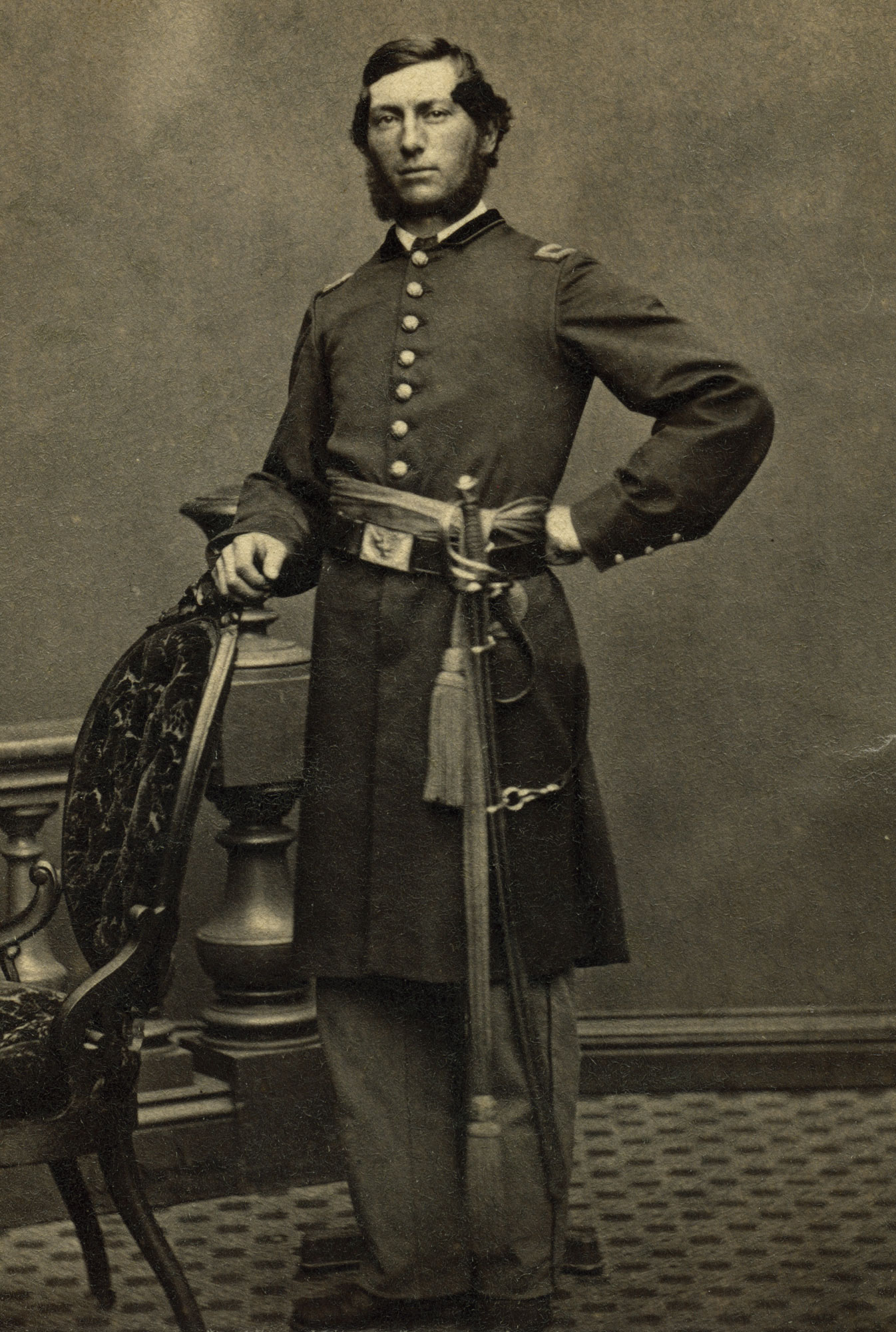
William H. Rogers
2nd Lieut. ★
6th Maine Light Artillery
Rogers fought with dogged determination along the Wheatfield with his battery of the 6th Maine Light Artillery on July 2. He later led a detachment under fire from enemy sharpshooters to recover four abandoned Union cannon on the field. After the battle, he was promoted to captain and command of his battery.
Photographs
Bryan Whitfield Cobb, John Ells, William Gaston Delony, and Thomas Dwight Witherspoon courtesy David Wynn Vaughan; William Proby Young Jr. and Frederick Waugh Smith courtesy William A. Turner; William Henry Scott courtesy Robert W. Woodruff Library, Emory University; David Barnum and George David Raysor courtesy U.S. Army Military History Institute; William Worthington Goldsborough, Oscar Vincent Smith and Kirkbride Taylor courtesy the Museum of the Confederacy. All other images courtesy Ronald S. Coddington.