 USAMHI
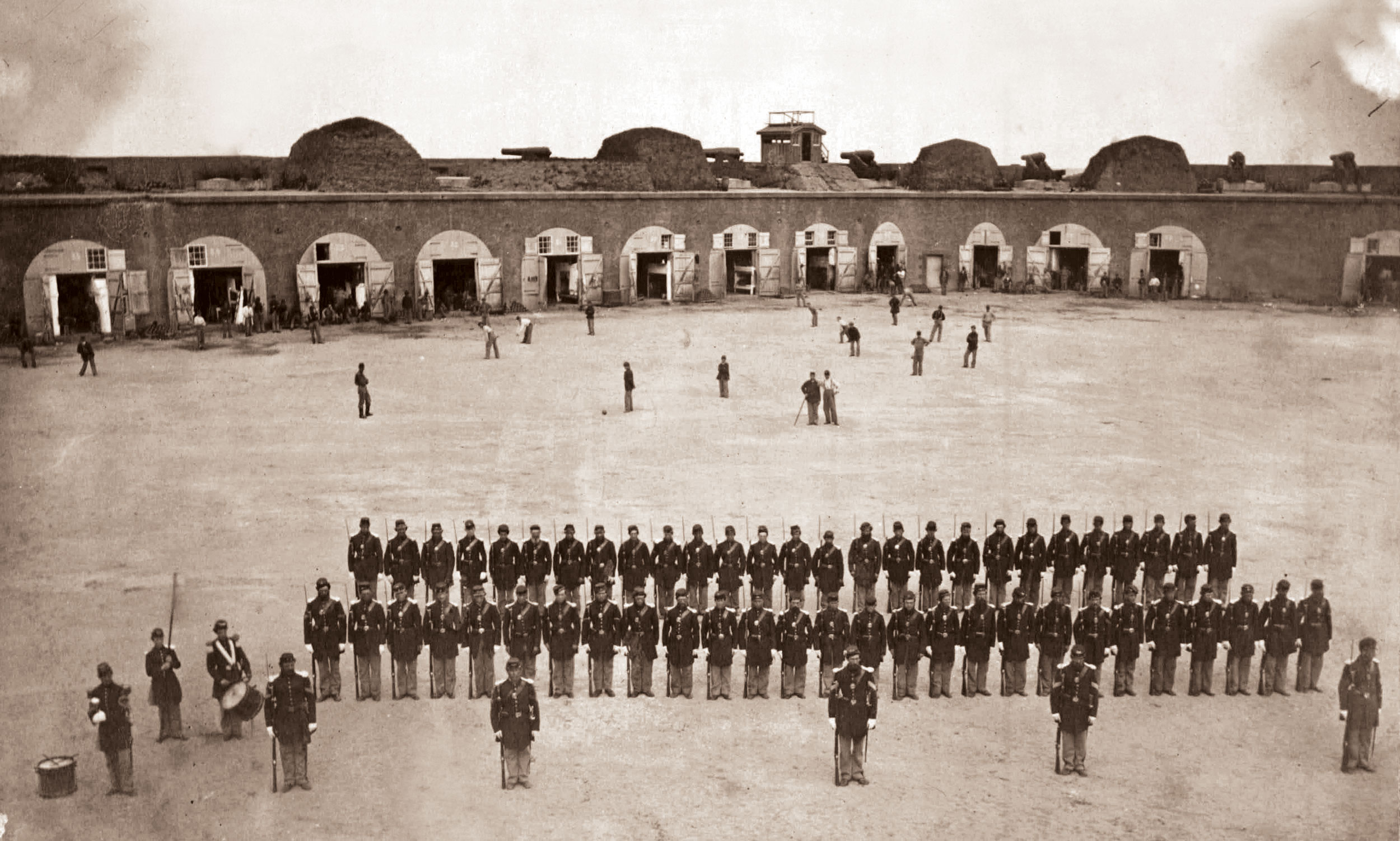
In this photo from 1862, Union soldiers participate in a game of baseball at Fort Pulaski, Georgia, while their comrades post for the camera.
“In the afternoons, after battalion drill, the game of base-ball daily occupied the attention of the boys. On one of these occasions, General Hartsuff riding by, got off his horse and requested permission to catch behind the bat, informing us there was nothing he enjoyed so much. He gave it up after a few minutes and rode away, having made a very pleasant impression….”
—Charles E. Davis Jr., 13th Massachusetts Infantry, on an incident in camp involving Brigadier General George L. Hartsuff, in his diary, May 6, 1862
Baseball game at a Union camp.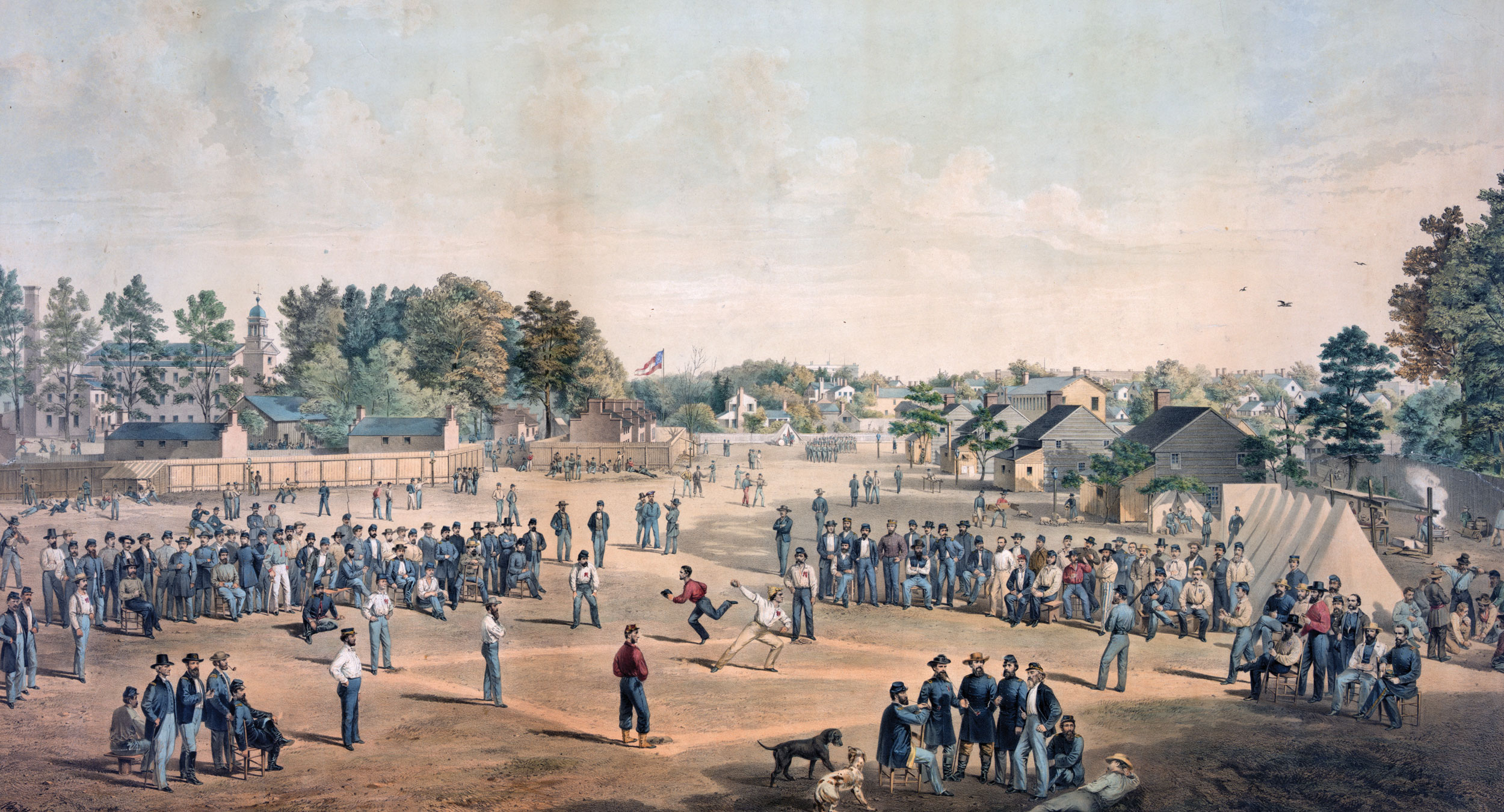 Library of Congress
“The excitement was wild; the men threw up their hats, yelled, and made the woods and fields echo with their shouts…. This was the first horse race I ever saw, and it was worth more than all I have seen since because of picturesque and unique surroundings. These soldiers entered into the spirit of the occasion and forgot for the time the hardships and cares of war.”
—Virginia civilian Thomas Almond Ashby, on a horse race between two officers in the 12th Virginia Cavalry that took place outside his town in the winter of 1863, in his memoirs.
Union soldiers boxing.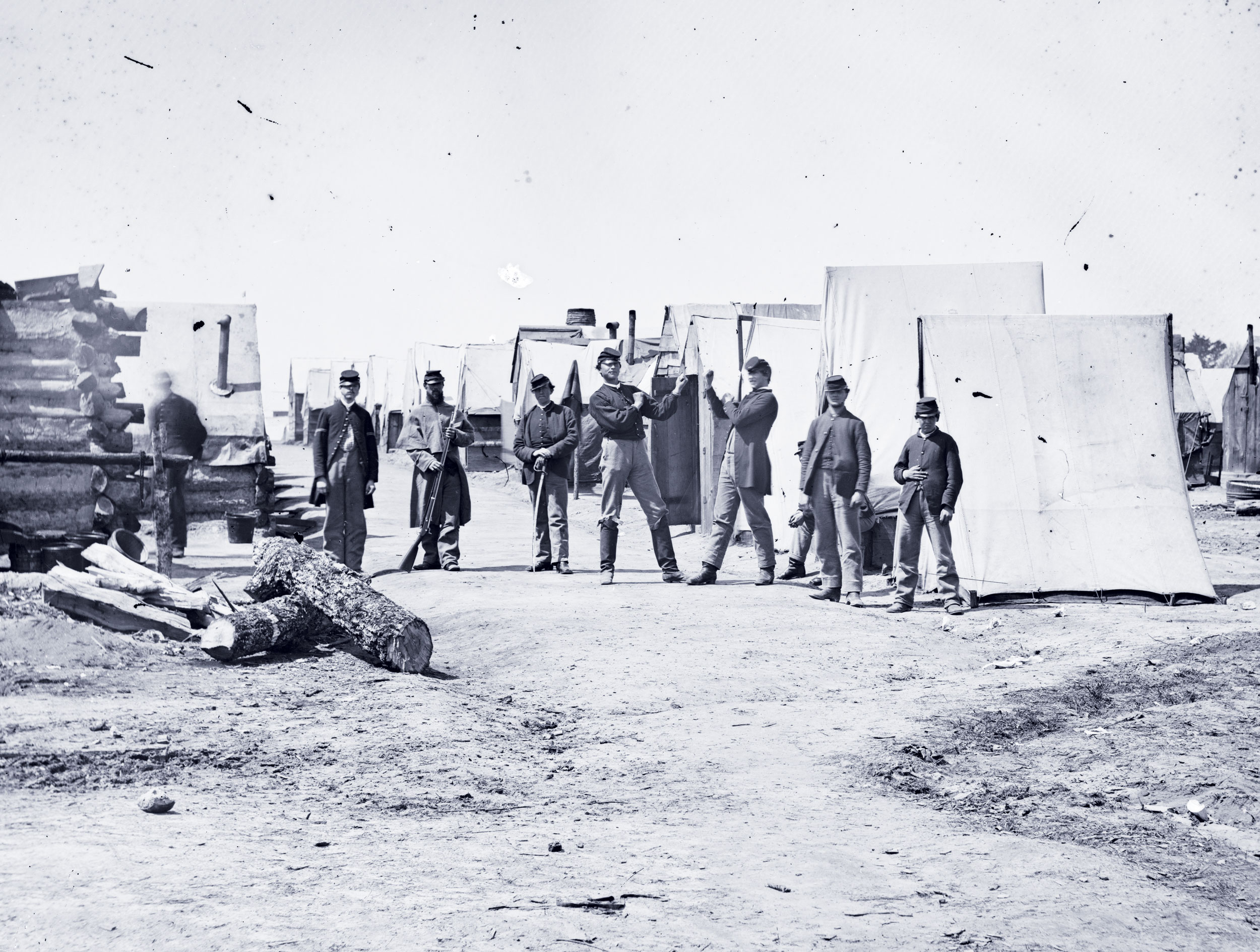 Library of Congress
“Our camp was lively during the day, the boys having bought a pair of boxing gloves, and they were continuously in use.”
—Jenkin L. Jones, 6th Wisconsin Light Artillery, in his diary, October 28, 1863
Civil War soldiers watch a cockfighting match.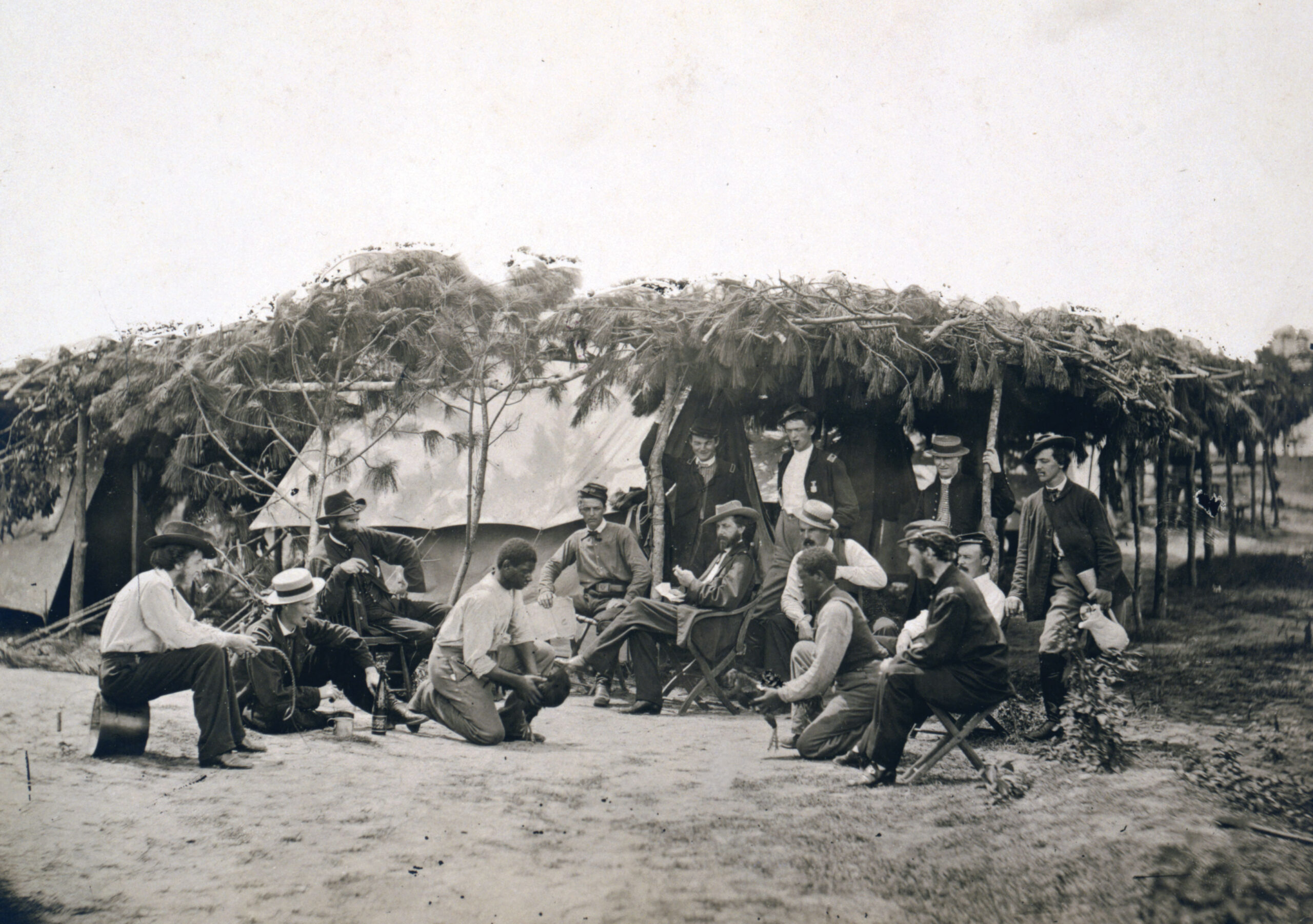 Library of Congress
“Hardly has the army gone into camp before these feathery combats begin. The cocks … [that] come out of repeated conflicts victorious are honored with such names as ‘Bill Sherman,’ ‘Johnny Logan,’ etc.; while the defeated … [are] saluted with derisive appellations, such as ‘Jeff Davis,’ ‘Beauregard,’ or ‘Bob Lee.’”
—Union staff officer George Ward Nichols, on the prevalence of cockfighting in camp, in his diary, November 30, 1864
Sources
An Artilleryman’s Diary (1914); Army Life in Virginia (1895); The Valley Campaigns, Being the Reminiscences of a Non-Combatant … (1914); The Story of the Great March, From the Diary of a Staff Officer (1865).