 Library of Congress
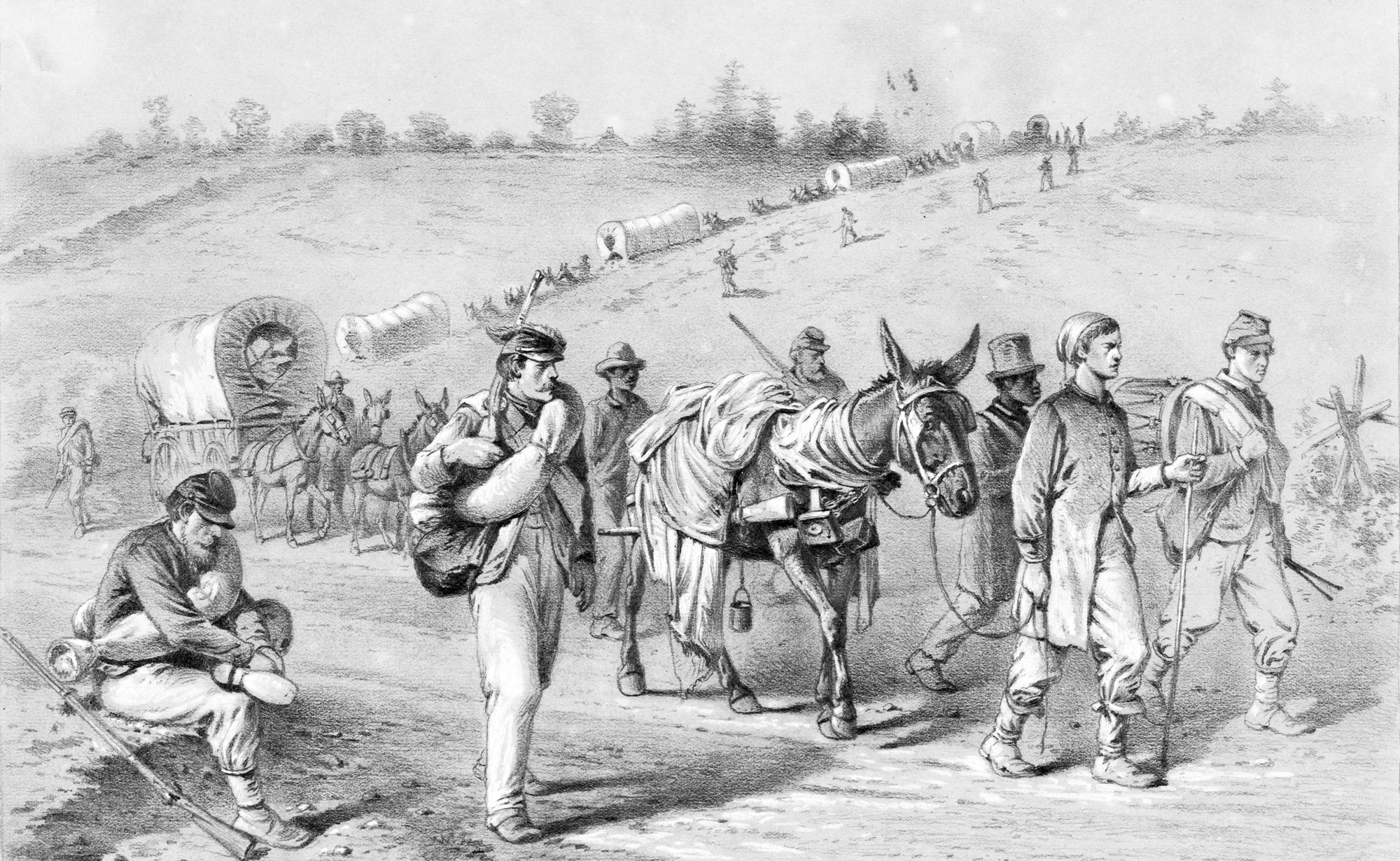
In this wartime sketch by Edwin Forbes titled “The Rear of the Column,” Union soldiers struggle to keep up with an army on the march.
“There are two or three distinct kinds of straggling. One is involuntary—the result of sickness or exhaustion. Another comes from laziness or the want of a spirited determination to bear up; and another from cowardice.”
Zenas T. Haines, 44th Massachusetts Volunteer Militia, in his diary, December 22, 1862
Army Stragglers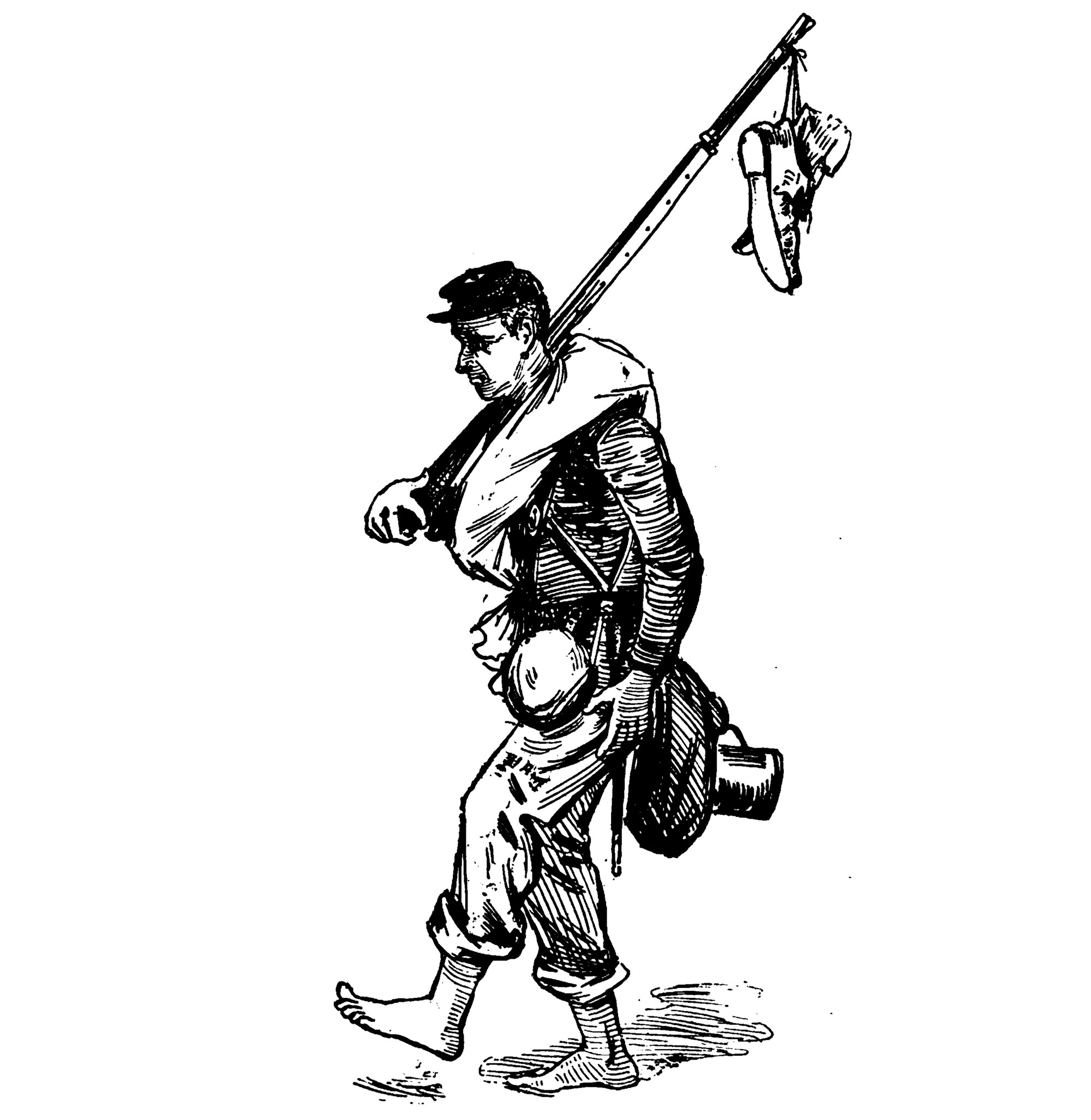 Battles and Leaders of the Civil War
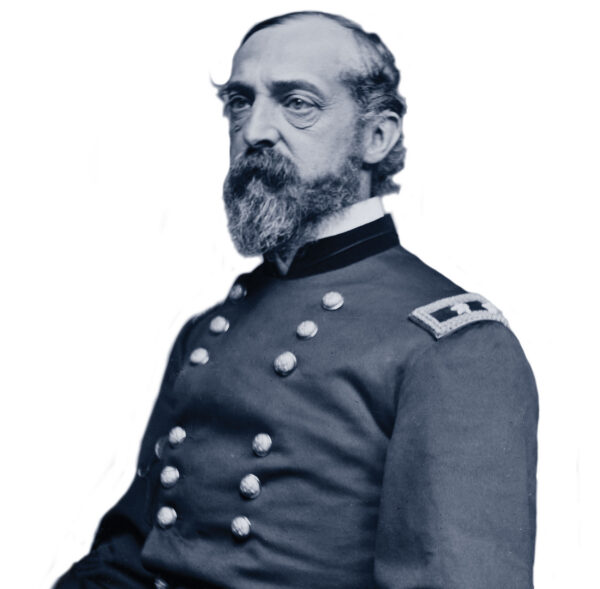
“Under the ruined porch was Barlow, in his costume d’ete—checked shirt and old blue trousers, with a huge sabre, which he says he likes, because when he hits a straggler he wants to hurt him.”
Union staff officer Theodore Lyman, on Brigadier General Francis Barlow, in a letter to his wife, July 10, 1864
“Straggling was … the vice of Southern armies. The climate of the South was not favorable to pedestrian exercise, and … its inhabitants … passed their lives on horseback…. When brought into the field, the men were as ignorant of the art of marching as babes, and required for their instruction the same patient, unwearied attention.”
Confederate general Richard Taylor, in his memoir of the conflict
Army Stragglers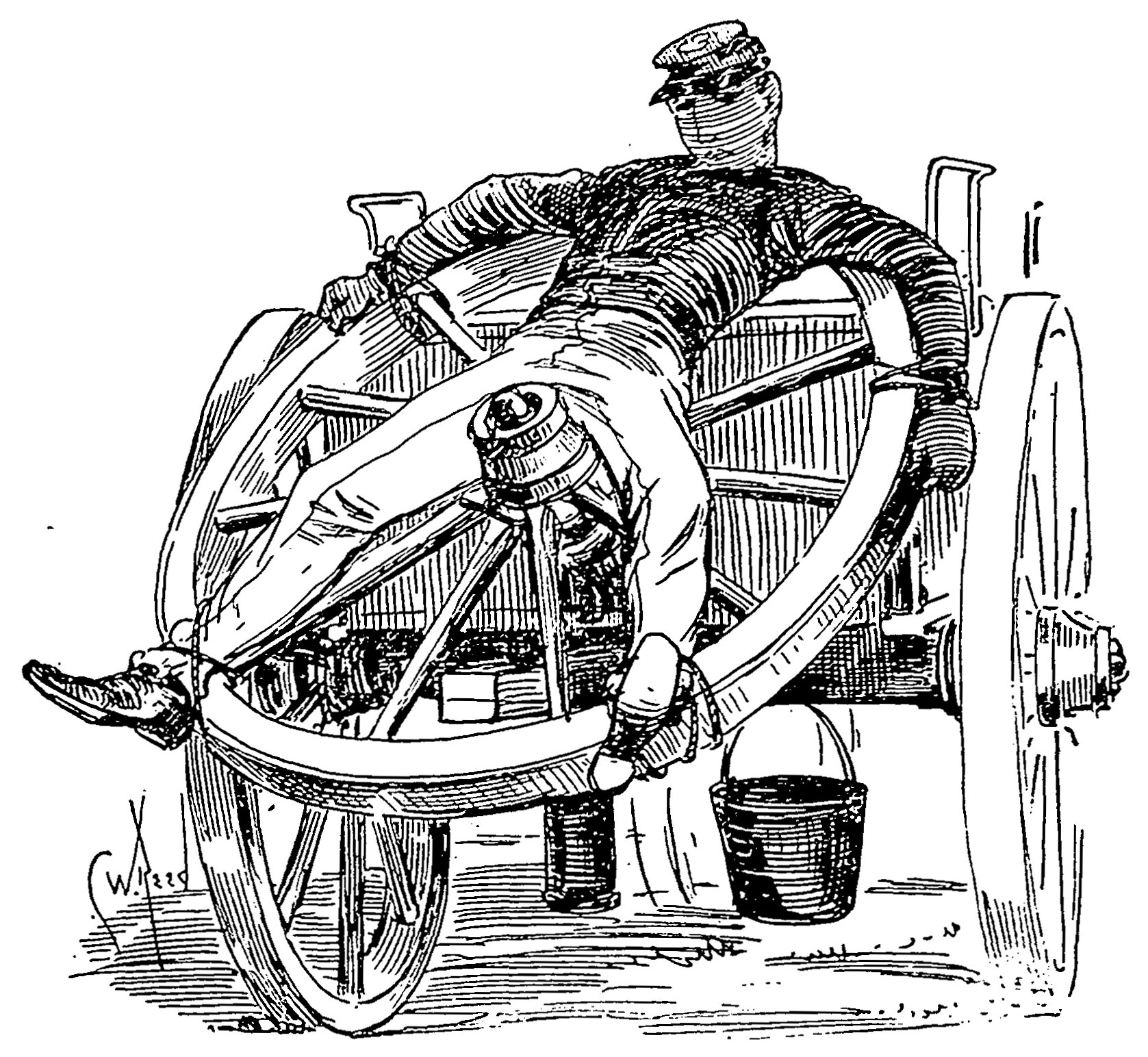 Battles and Leaders of the Civil War
“Five of our boys … [were] tied to the wheels all day to-day for straggling. ‘The way of the transgressor is hard.’”
Jenkin Lloyd Jones, 6th Wisconsin Battery, on the punishment meted out to his comrades for straggling, in his diary, June 27, 1864. The men were lashed to the extra wheel carried on the rear portion of every caisson in an artillery battery.
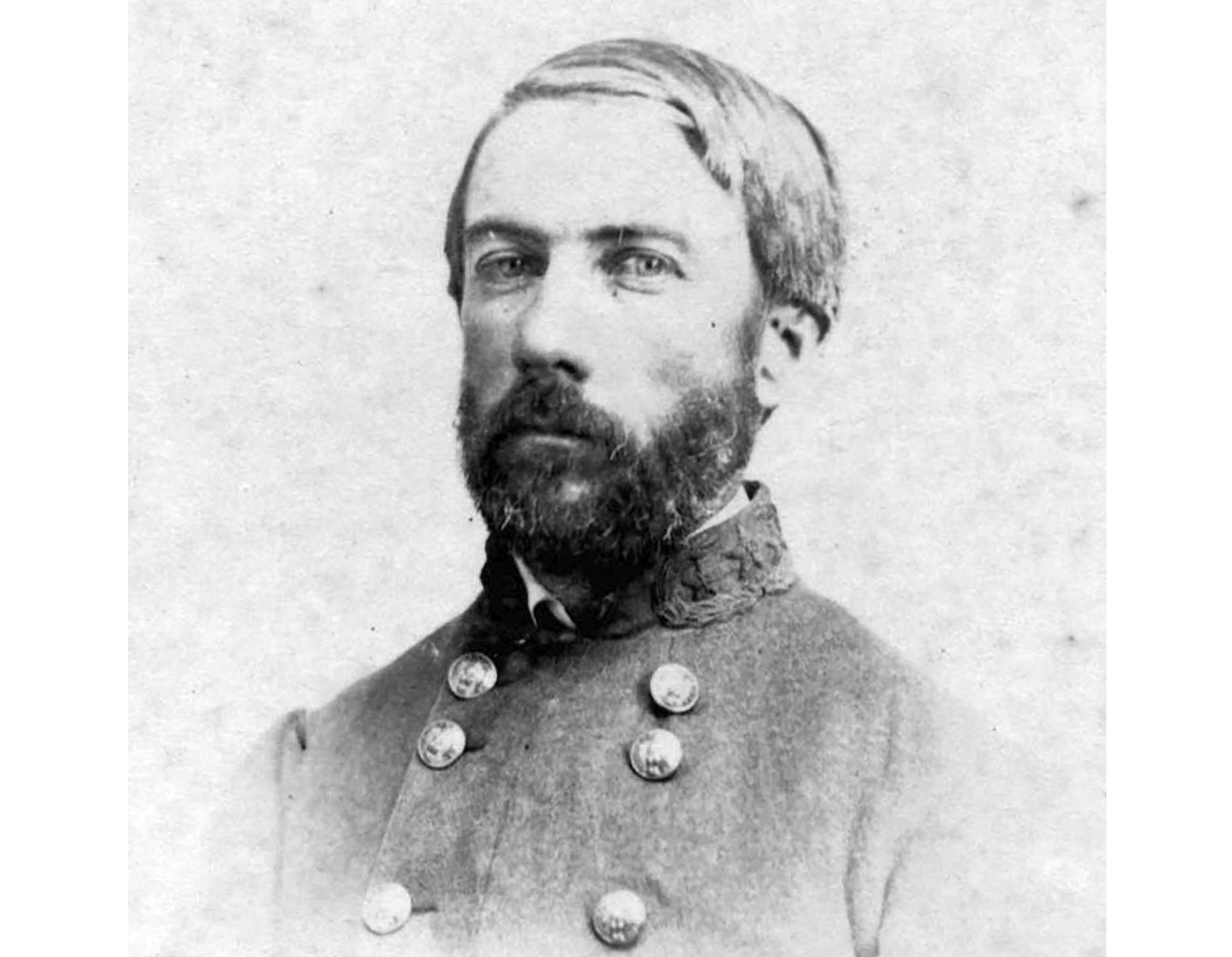 South Caroliniana Library
Confederate general D.H. Hill
“Doubtless, the want of shoes, want of food, and physical exhaustion had kept many brave men from being with the army. But thousands of thieving poltroons had kept away from sheer cowardice. The straggler is generally a thief and always a coward, lost to all sense of shame; he can only be kept in ranks by a strict and sanguinary discipline.”
Confederate general D.H. Hill, in his official report on the Battle of Antietam. “Had all our stragglers been up, McClellan’s army would have been completely crushed,” he added.
Sources
Letters from the Forty-fourth Regiment M.V.M. (1863); Destruction and Reconstruction: Personal Experiences of the Late War (1879); Meade’s Headquarters, 1863–1865 (1922); The Rebellion Record vol. 9 (1866); An Artilleryman’s Diary (1914).