 Claudio Vazquez
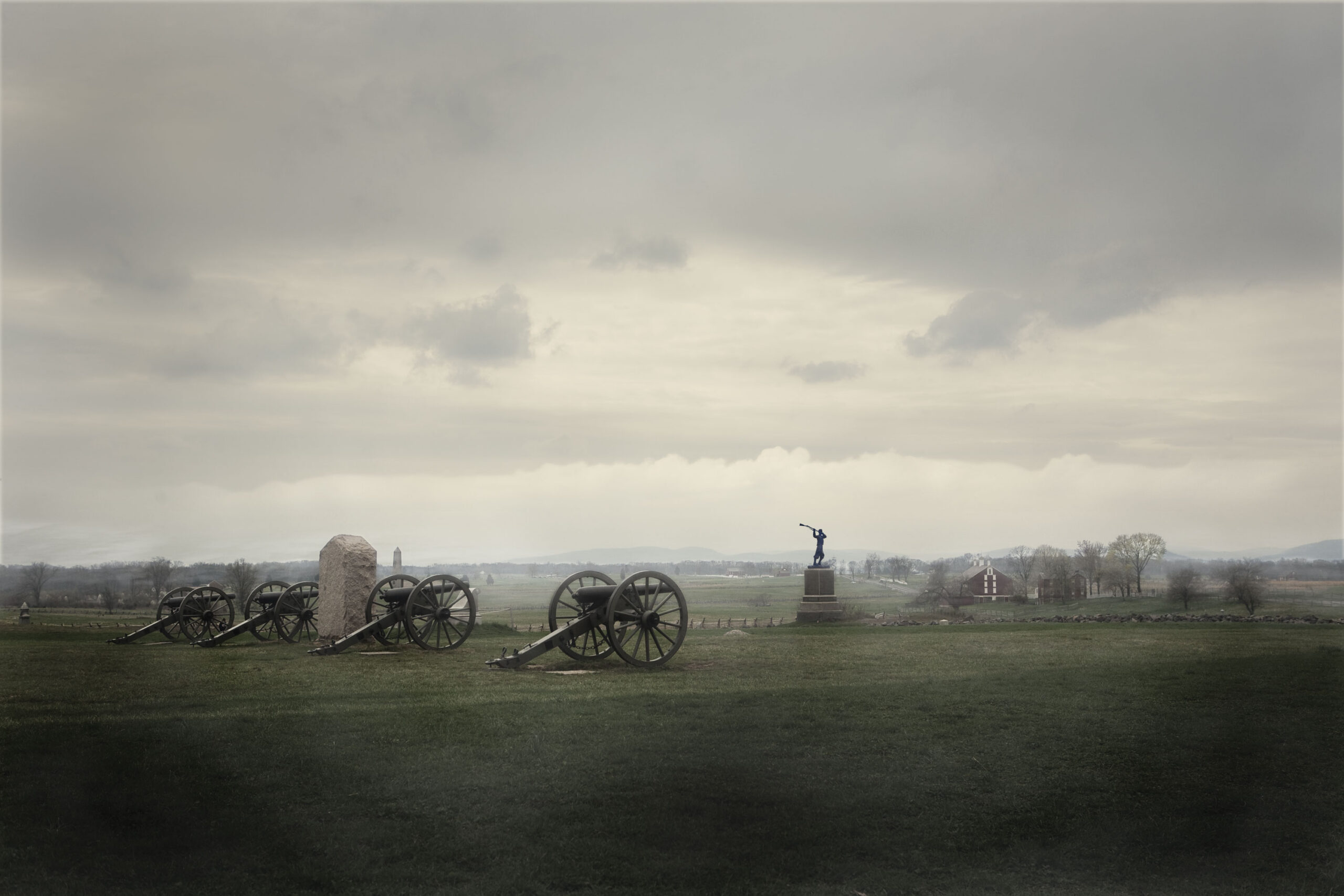
Monuments and cannon cover a portion of the Gettysburg National Military Park, one of the country’s most popular and best preserved battlefields.
Assembling a list of the 10 best Civil War anything is inherently painful—10 is never enough. In whittling down my list, I focused on parks that are essential to the Civil War story, have enough preserved land to tell that story, include interpretation that tells the story well, and contain something particularly interesting or iconic.
From my initial list of 33, I had to cut out parks that absolutely meet the criteria—how, for example, can Appomattox be absent? What about Perryville, Pea Ridge, Wilson’s Creek, Bentonville, Fort Donelson, or Kennesaw Mountain? Alas, many had to be cut (but it does ease my struggles to at least name some of the exclusions here).
I know that not everyone will agree with my choices. Happily, you need not abide by my list, which happens to only include national park sites. You can have a meaningful and personal experience at most any battlefield (including numerous state, local, and private sites)—and I hope this list inspires you to do just that.
 Civil War Trust
Fort Sumter
Fort Sumter National Monument
Charleston, South Carolina
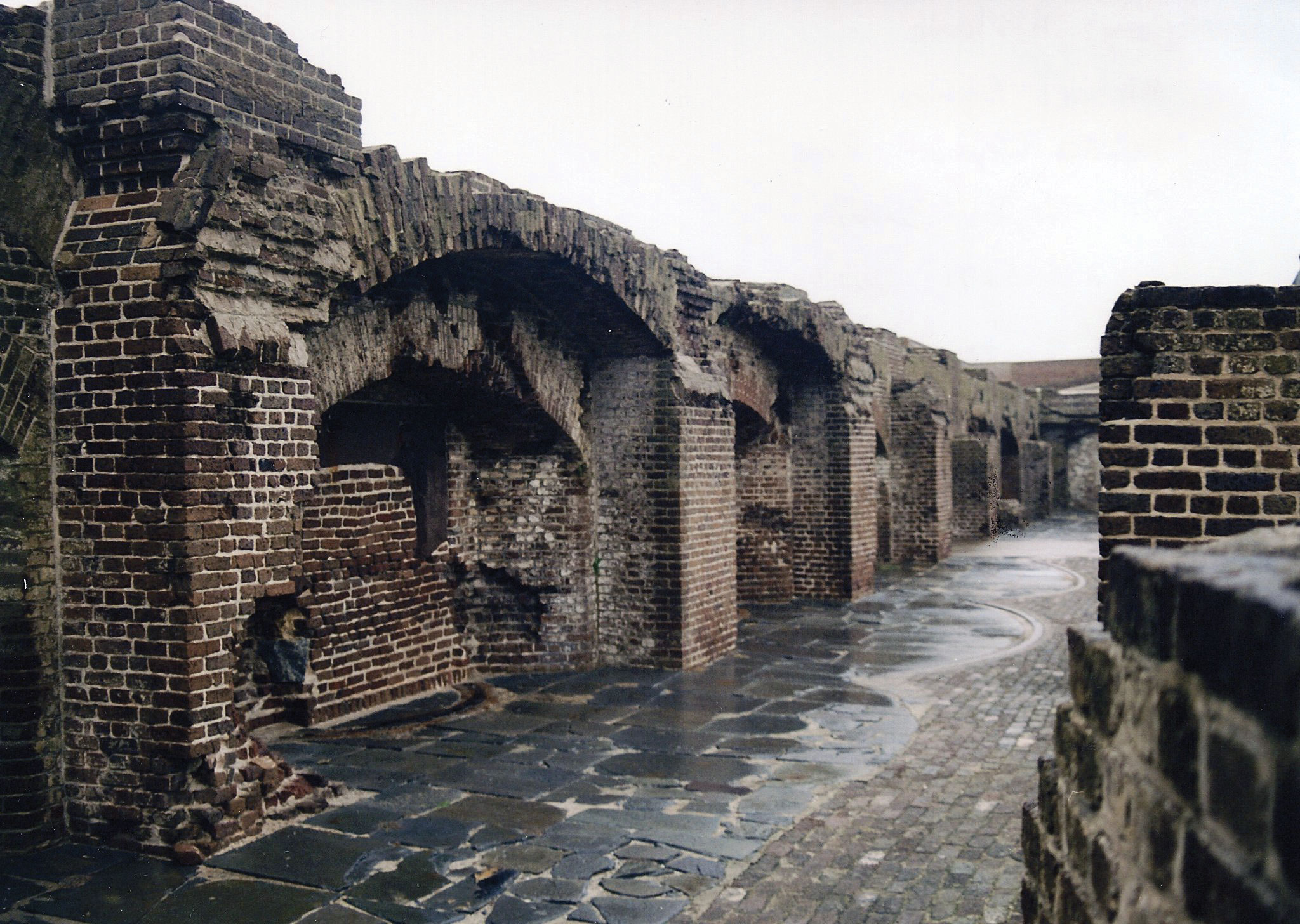
The site of the war’s first true engagement, Fort Sumter is a must-see for Civil War fans, and not only for its role in the war’s opening. It was occupied by Confederates for most of the war and was part of the devastating siege of Charleston from 1863 to 1865, which saw the structure reduced to a fraction of its original size. The fort was repaired during and after the war, and later upgraded to meet the postwar needs of the U.S. military.
Start your visit at the Fort Sumter Visitor Education Center, then check out the exhibits, ride the ferry to the fort, and get ready to explore. Its isolated position places the challenges of both attacker and defender in stark relief, as do the artillery projectiles lodged in the old walls.
While you’re in Charleston, make sure to tour the historic part of the city and pop down to Savannah, Georgia, to see the incredible Fort Pulaski, which fell to Union forces in 1862, and Fort McAllister, which William T. Sherman’s men captured during the March to the Sea.
 Civil War Trust
Manassas National Battlefield Park
Manassas National Battlefield Park
Manassas, Virginia
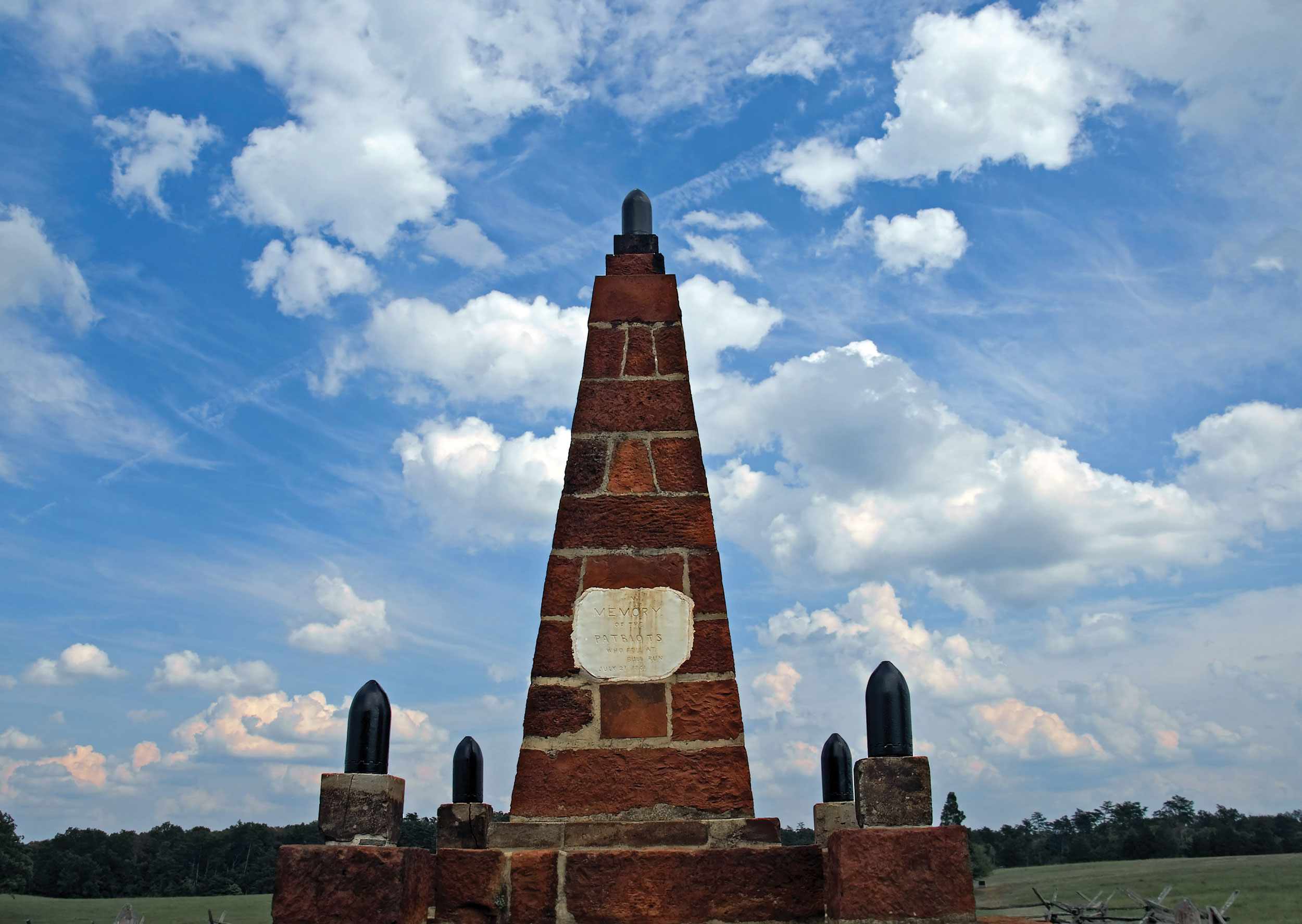
The twin Confederate victories at Manassas in July 1861 and August 1862 on adjacent and overlapping ground provide an excellent opportunity to grasp the war’s early years. The 13 months between them, which spanned the time of the war’s first great land battle to the rise of General Robert E. Lee, saw a much costlier war, grander assaults, more soldierly soldiers, and ever-greater unit attrition.
Visitors center facilities on both battlefields serve up more than 40 miles of walking trails on a very well preserved landscape. From the Henry Hill walking trail, most of the first battle is graspable. Understanding the complexities of Second Manassas requires more effort. Visiting Sudley Ford, the Deep Cut, Matthews Hill, the Stone Bridge, Chinn Ridge, and other key sites brings the participants and movements of both battles into sharp relief.
If you go, drive out to Cedar Mountain and Ball’s Bluff, both sites of battles that occurred in between the two engagements at Manassas.
 Civil War Trust
Shiloh National Military Park
Shiloh National Military Park
Shiloh, Tennessee
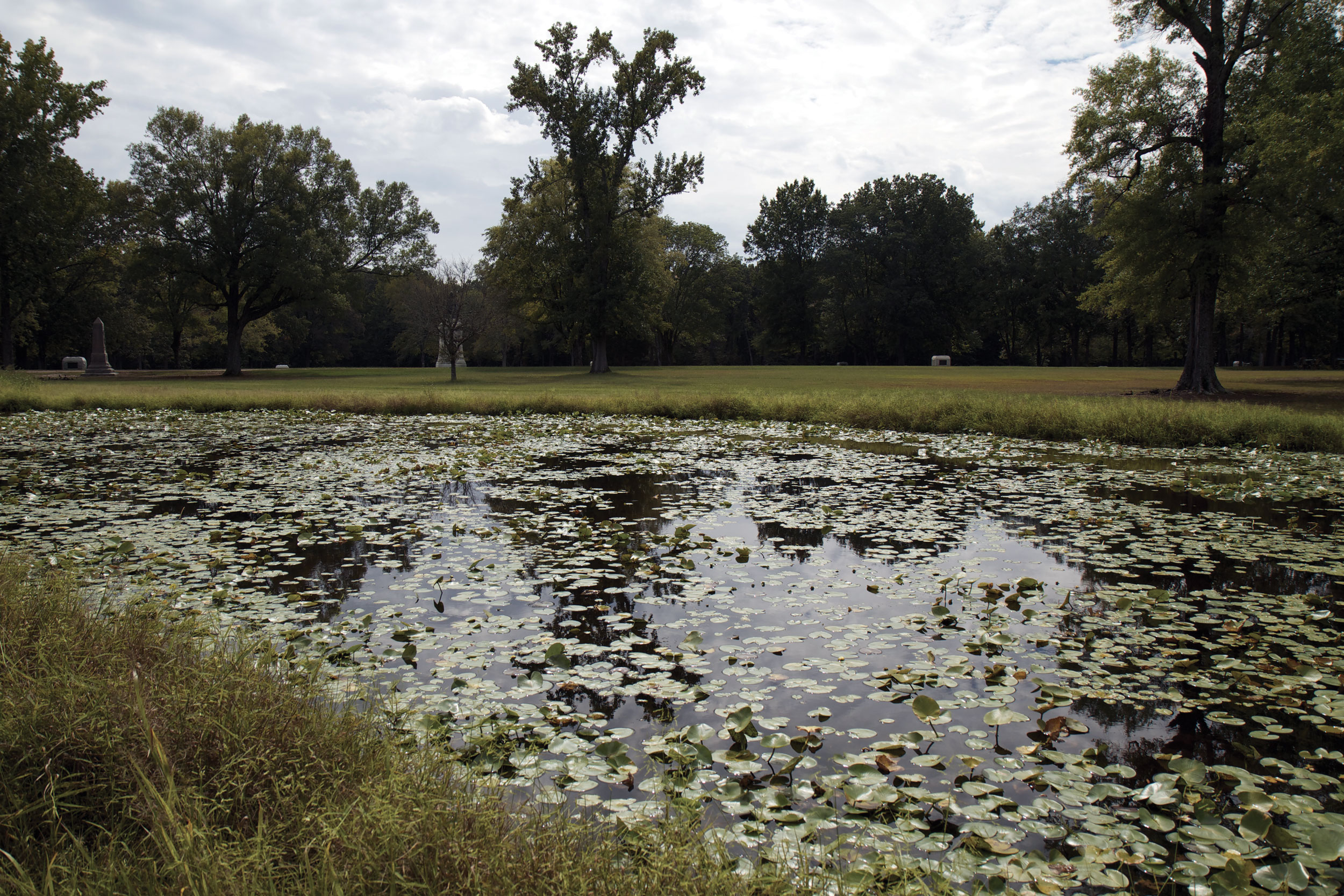
With more than 23,000 casualties, the Battle of Shiloh in April 1862 was at that point the costliest battle in American history. That new level of warfare, combined with what is today an almost entirely preserved and undisturbed landscape, makes visiting this battlefield an experience unlike any other. You could visit 50 times and still not see the many out-of-the-way places, topographic perspectives, and hidden markers placed long ago.
Don’t miss Fraley Field, where the fighting began, or the site where Confederate general Albert Sidney Johnston’s death is marked (and then go down the hill a bit to see where it actually happened). Make sure you see the line General Ulysses S. Grant held near Pittsburg Landing and stroll through one of the most beautiful of all national cemeteries. Make sure you also visit the park’s nearby Corinth Battlefield Unit, the scene of 1862 actions that boasts the best-for-its-size National Park Service visitors center.
As a side trip, Nathan Bedford Forrest fans should pop down to the almost entirely preserved Brices Cross Roads National Battlefield Site, where Forrest defeated a much larger Union force in 1864, or up to Parker’s Cross Roads, site of a minor, Forrest-led Confederate victory in 1862, and Fort Donelson, where Forrest commanded the garrison’s cavalry before its surrender to Grant in February 1862.
 Civil War Trust
Antietam National Battlefield
Antietam National Battlefield
Sharpsburg, Maryland
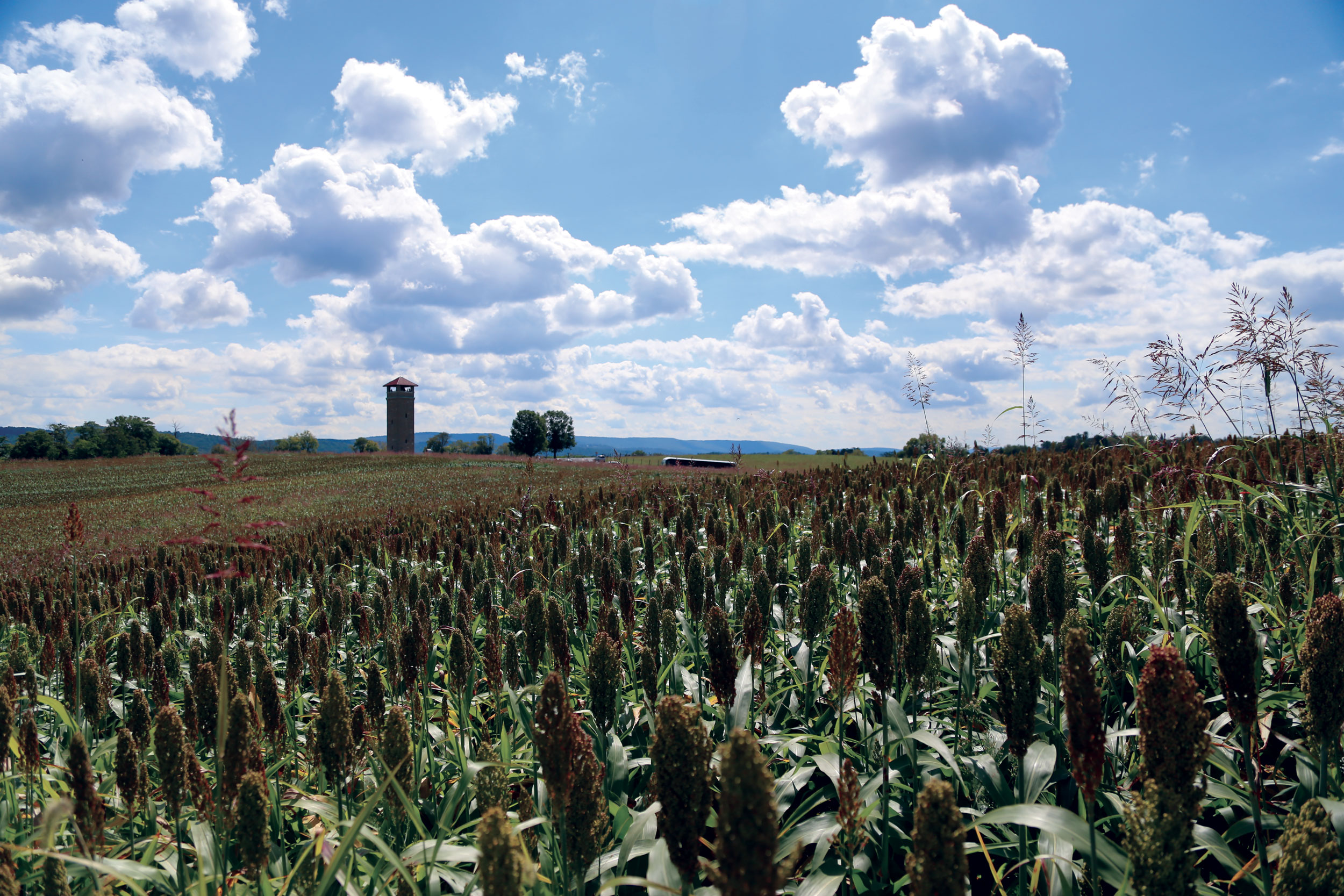
Antietam truly has it all. It’s beautifully preserved—the most pristine of all the major eastern battlefields—has two of the Civil War’s most iconic structures (the Dunker Church and Burnside Bridge), claims the dubious honor of being the site of America’s bloodiest day of combat, and was directly responsible for the timing of Abraham Lincoln’s issuance of the Emancipation Proclamation.
Bring historic photos with you if you can, so you can plainly see how little things have changed since September 17, 1862, and immerse yourself in the battle’s major phases—through the Cornfield, into the West Woods, toward the Sunken Road, and across Burnside Bridge. The Pry House Field Hospital Museum, located in nearby Keedysville and maintained by the National Museum of Civil War Medicine, demonstrates the changing face of battlefield medical care. And as battleground, hallowed ground, and burial ground, the lovely Antietam National Cemetery is a great place for reflection.
While you’re there, you might visit Harpers Ferry, West Virginia, which is an unforgettable place. And if you have time, stop at Monocacy, South Mountain, or Shepherdstown, sites of a few of the many battles fought in the Shenandoah Valley.
 Civil War Trust
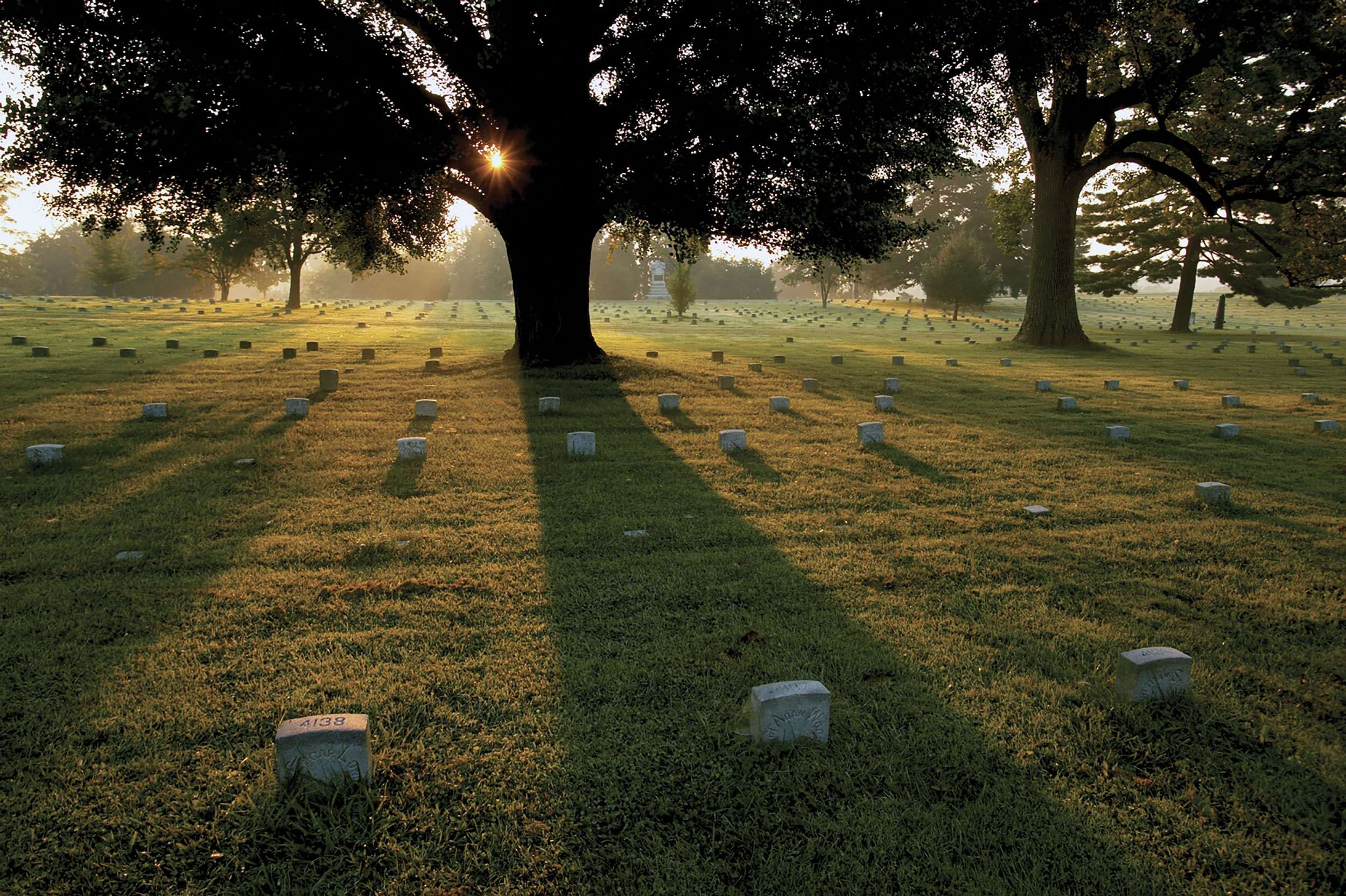
Fredericksburg National Cemetery
Fredericksburg and Spotsylvania National Military Park
Fredericksburg, Virginia
The site of four big battles (Fredericksburg, Chancellorsville, the Wilderness, and Spotsylvania) over three years, urban combat, three of the largest attacks of the war, the zenith of Robert E. Lee’s military career, the death of his key lieutenant Stonewall Jackson, and innumerable scraps, stories, and statistics, this one park has nearly unlimited potential for learning and connecting.
Spend at least a weekend there. Visit Chatham Manor, the Sunken Road, and the Slaughter Pen Farm at the Fredericksburg Battlefield; stop by the Chancellor House ruins before touring the Chancellorsville Battlefield and the Stonewall Jackson Shrine; and get into the woods with Generals Winfield Hancock, Gouverneur Warren, and John Brown Gordon at the Wilderness. Stand where beloved Union general John Sedgwick mocked nearby soldiers for imploring him to take cover moments before he was shot and killed by a Confederate sharpshooter, and try, just try, to grasp the tactics, the movements, and the horror of the fighting at the Bloody Angle at Spotsylvania.
While you’re there, drive a short distance to the Civil War Trust’s Mine Run/Payne’s Farm Battlefield, where Union and Confederate forces clashed in November 1863.
 Civil War Trust
Vicksburg National Military Park
Vicksburg National Military Park
Vicksburg, Mississippi
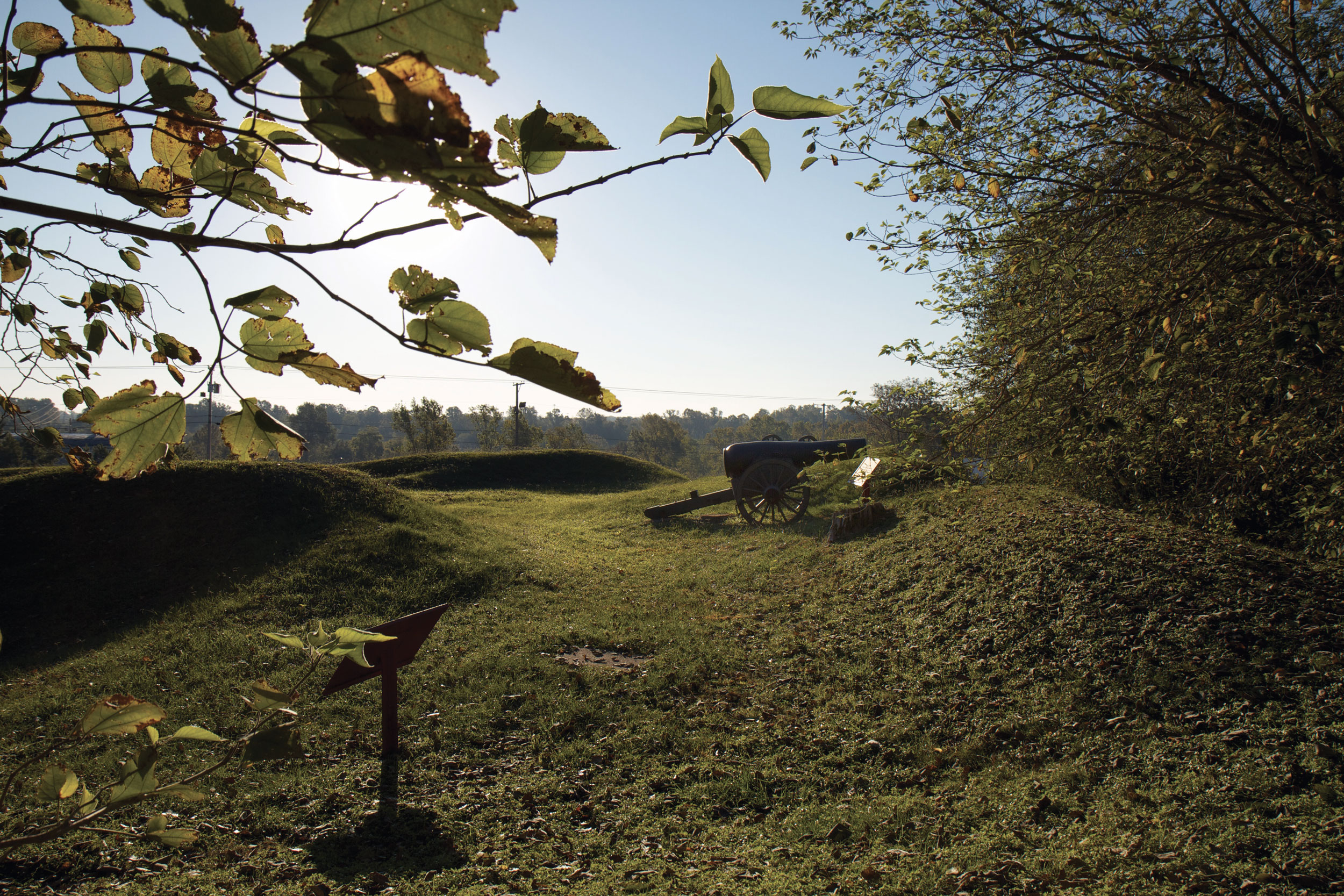
After months of failed attempts, General Grant’s masterful campaign for Vicksburg resulted in the fall of the mighty Citadel City, constituting one of the war’s greatest upheavals. It gave the Union complete control of the Mississippi River, destroyed a major Confederate supply line that ran west through the city, and effectively cut the Confederacy in two. The associated drama played out against Vicksburg’s fantastic scenery, which is, fortunately, well preserved today.
With more monuments and markers than any battlefield save Gettysburg, 20 miles of original earthworks, miles of walking trails, two antebellum homes (including the historic Shirley House), and the restored and remarkable Union ironclad USS Cairo, Vicksburg is a feast for the eyes, mind, and body. If you have time, make sure to see the site of Grant’s Canal (the general’s failed attempt to alter the course of the Mississippi River) and the Old Warren County Courthouse Museum as well.
While you’re there, head down to Port Hudson, which fell to Union forces soon after Vicksburg, to get the full context of the campaign.
 Claudio Vazquez
Gettysburg National Military Park
Gettysburg National Military Park
Gettysburg, Pennsylvania
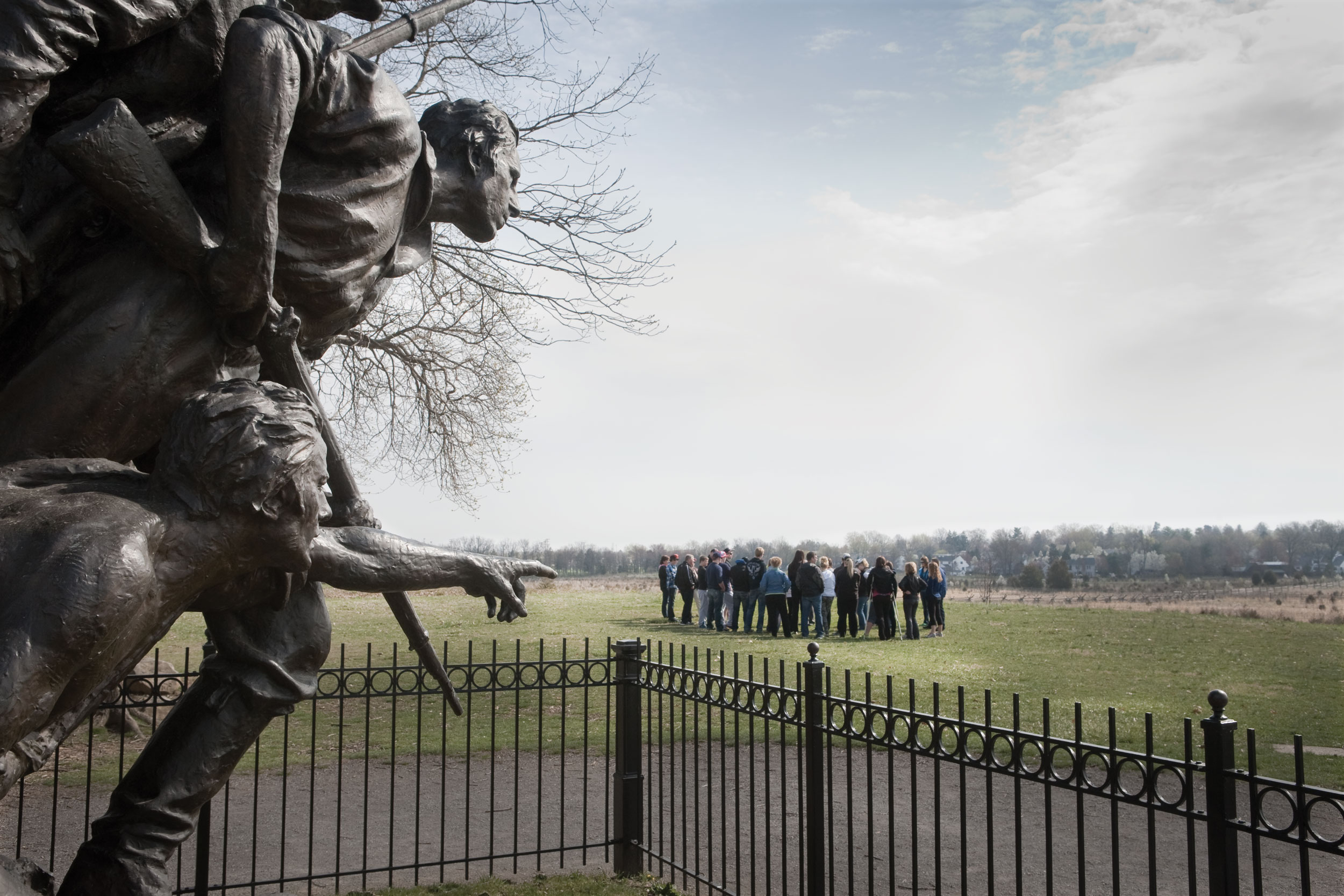
Although some fans of western battlefields cast aspersions upon Gettysburg, there is no question that Gettysburg is the king of Civil War battlefields. It is the site of what was by far the costliest Civil War engagement, the first battlefield preserved as a park (starting in 1863), the location of the first true battlefield national cemetery, the spot where Lincoln delivered the legendary Gettysburg Address, and enjoyed unparalleled newspaper and photographic coverage.
With iconic sites galore, including that of the most famous charge of the Civil War, visitors never run out of meaningful experiences. Stroll the first day’s field, charge Little Round Top, marvel at Devil’s Den’s scenery, walk from the Peach Orchard to the Wheatfield and pop over to Culp’s Hill and Cemetery Hill before seeing the massive Cyclorama painting and marching the route of Pickett’s Charge.
While you’re there, consider heading up to Harrisburg to see the amazing artifact collection at the National Civil War Museum.
 Michael Melford
Chickamauga & Chattanooga National Military Park
Chickamauga & Chattanooga National Military Park
Fort Oglethorpe, Georgia
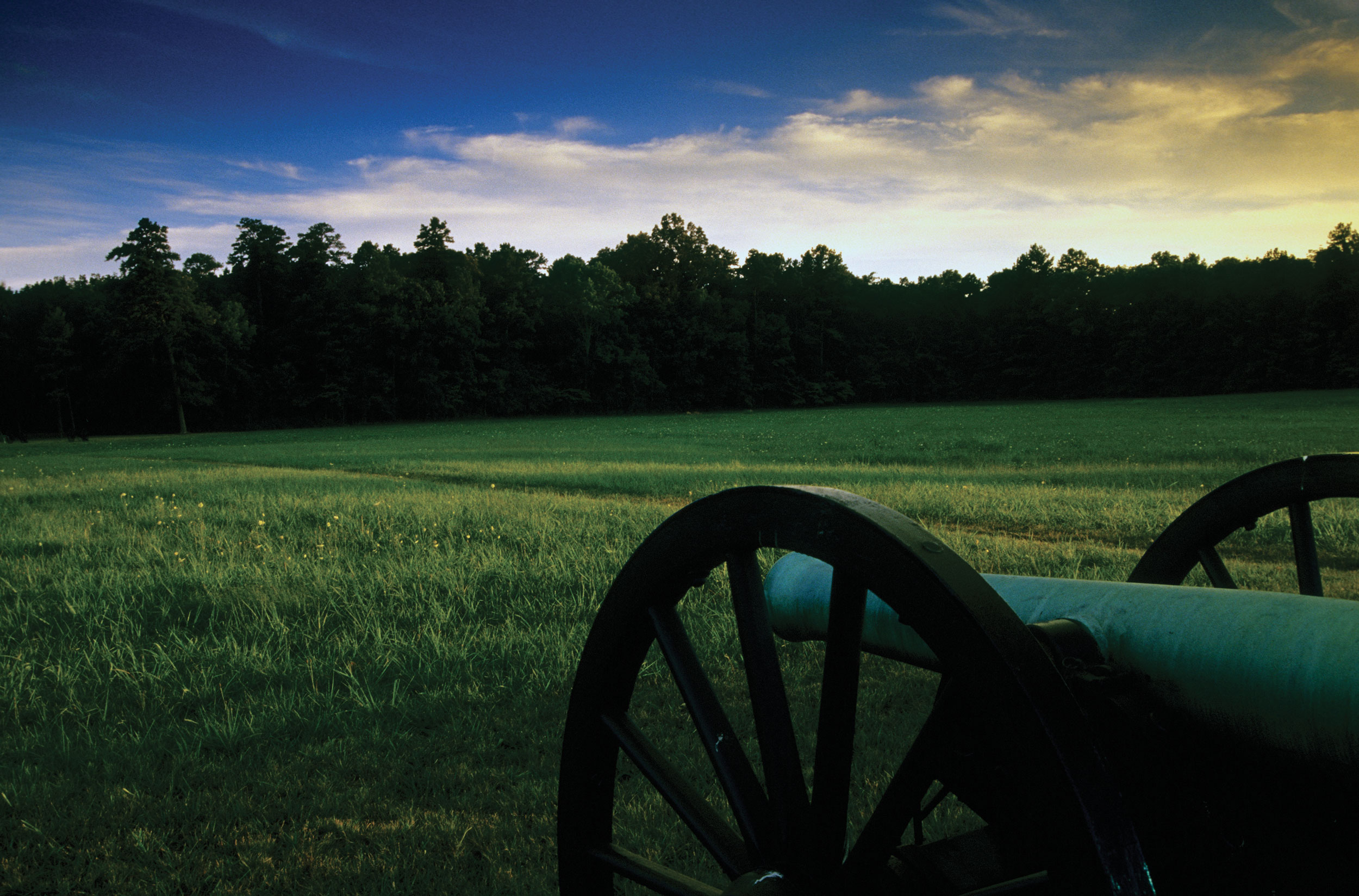
Created in 1890 as the first national military park, “Chick-Chatt” (as it’s called by many Civil War nerds) provides a unique glimpse into midwar western theater actions amid an unforgettable topography. Seesaw battles, contrasting personalities, challenging communications, and an abundance of successes and failures resulted in a general capturing the wrong hill, a division filling a nonexistent gap, soldiers seizing an impregnable position without orders, a soldier openly threatening an army commander, and eastern troops from both armies confronting new adversaries in the West.
From Chickamauga’s Snodgrass Hill (where Union general George Thomas earned the nickname “the Rock”) to Chattanooga’s Lookout Mountain, Missionary Ridge, and incredible national cemetery, you can at once feel for Union general William S. Rosecrans, marvel at Confederate general Braxton Bragg’s actions, and reassess your opinions of Grant. Make sure to see the incredible collection of small arms at the Chickamauga Battlefield Visitors Center, and go to Chattanooga’s Point Park, Craven House, and Orchard Knob.
While you’re there, consider hitting Atlanta Campaign sites en route to Kennesaw Mountain, or head north to the battlefields at Stones River, Franklin, and Nashville (and if you really have time, Perryville, Kentucky).
Richmond National Battlefield Park
Richmond, Virginia
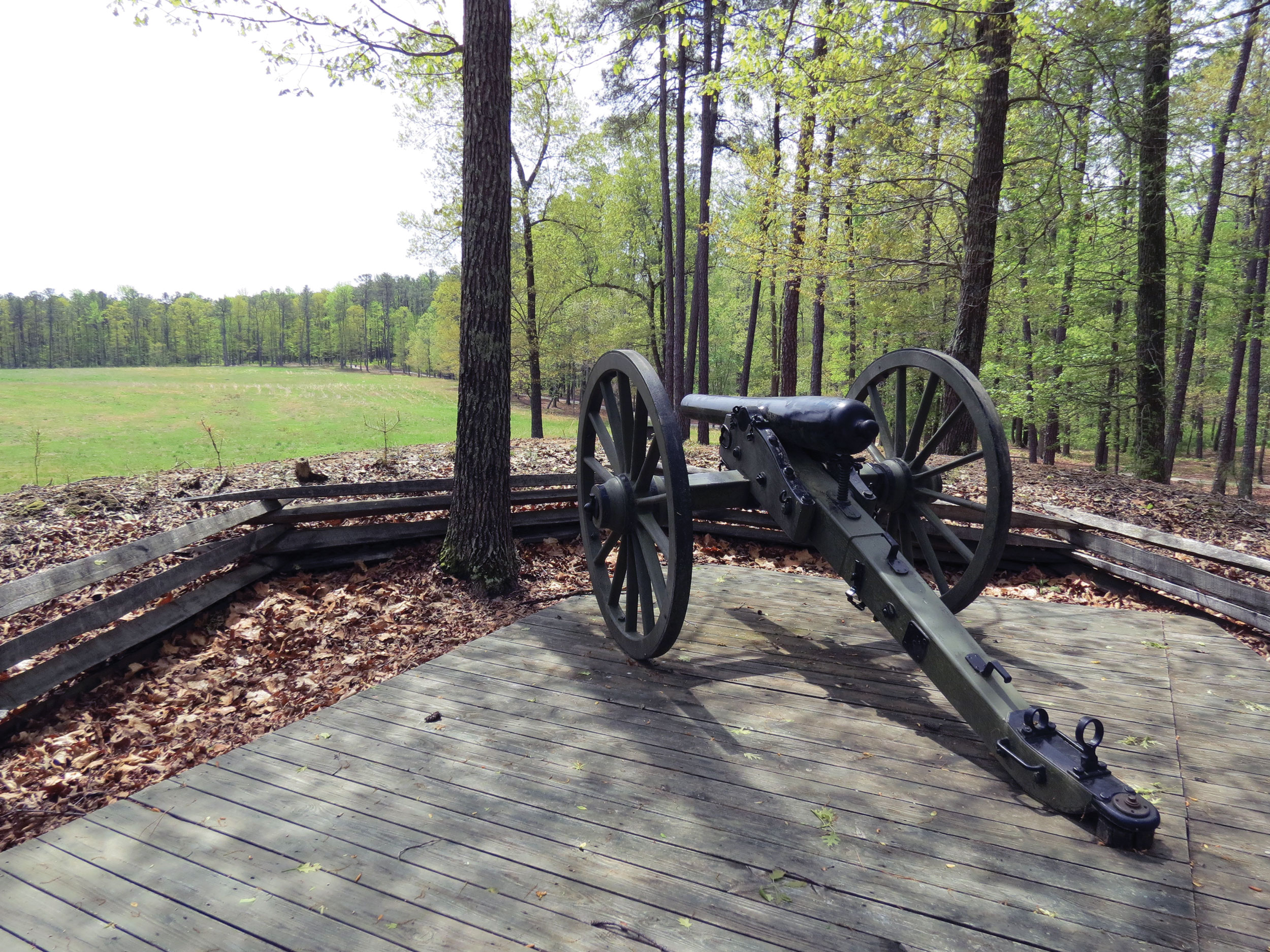
“On to Richmond!” was the frequent early war call of northerners. All Americans should heed that call, for no Confederate city was so cherished or sought after during the war, and no place offers a broader or more meaningful educational opportunity today. Visitors to Richmond can follow the rise and fall of the Confederacy by learning about the fate of the important industrial center and Confederate capital.
Richmond’s battlefields are not just a few open fields to the east of the city—the park spans from the North Anna River to Malvern Hill and to the city of Richmond. The trenches of Cold Harbor, the Watt House plateau at Gaines’ Mill, the earthworks of Fort Harrison and New Market Heights, the unpassable Drewry’s Bluff, and 10 other battlefields await you.
While you’re there, see Richmond’s Hollywood Cemetery, the White House and Museum of the Confederacy, and The American Civil War Center at Historic Tredegar.
 Civil War Trust
Petersburg National Battlefield
Petersburg National Battlefield
Petersburg, Virginia
With scores of engagements, the longest siege of the Civil War, massive bases of supply, and a series of offensives that resulted in Richmond’s fall and the effective end of the Civil War, Petersburg is absolutely essential to Civil War travelers.
Petersburg is far more than the site the famous Battle of the Crater. Often overlooked late-war battlefields span the park, including Reams’ Station, Hatcher’s Run, White Oak Road, Five Forks, the Confederate Alamo at Fort Gregg, and several sites from the May 1864 Bermuda Hundred Campaign. Confederate general A.P. Hill’s death site, Blandford Church, and the incredible Pamplin Historical Park are all located along the park’s driving tour route.
While you’re there, head west to Sailor’s Creek and Appomattox to learn about the final days of the Army of Northern Virginia or to the deceptively close Bentonville Battlefield and Bennett Place in North Carolina, scene of the surrender of General Joseph E. Johnston’s Confederate army to William T. Sherman.
Author and historian Garry Adelman is a longtime battlefield guide, vice president of the Center for Civil War Photography, and director of history and education at the Civil War Trust, which has helped to preserve more than 22,000 acres of hallowed ground at the sites named in this article.