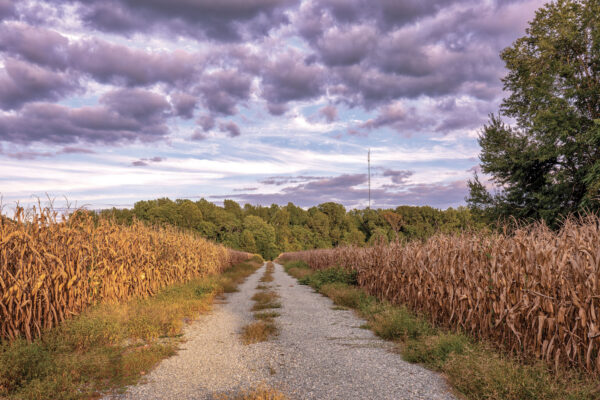
A portion of the Old Standard tract next to Harpers Ferry National Historical Park, 200 acres of which has been preserved by the Civil War Trust and its partners.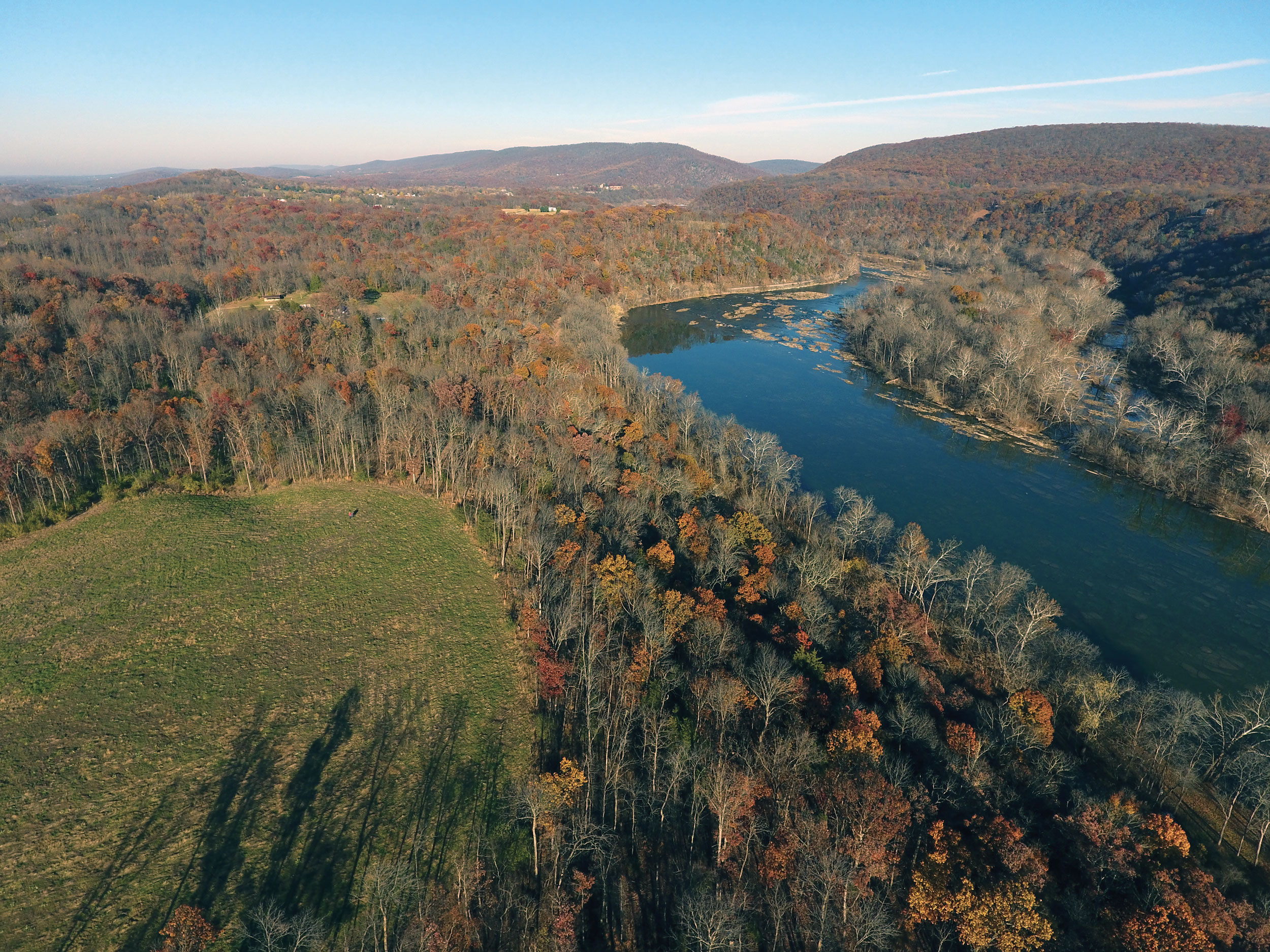 Civil War Trust
“We are surrounded by enemy batteries,” a Union officer at Harpers Ferry wrote on September 15, 1862. He’d woken to realize that Major General A.P. Hill’s Confederates had used the cover of darkness and riverside ravines to sneak atop Bolivar Heights, position artillery, and put them in mortal danger.
“We [were] helpless as rats in a cage,” one Vermonter noted.
Within hours, Confederate commander Thomas J. “Stonewall” Jackson’s flanking column would capture Harpers Ferry’s 12,500-man Federal garrison, forcing the largest surrender of U.S. troops until World War II.
That’s just one of the fascinating bits of history embodied in this scenic stretch of the Shenandoah River next to Harpers Ferry National Historical Park. Called the Old Standard tract for the quarry formerly located there, these 200 acres have now been preserved by the Civil War Trust and its partners.
The West Virginia Division of Culture and History holds the easement conserving this battlefield acreage south of Bolivar Heights, which proved pivotal to Robert E. Lee’s Maryland Campaign. After the garrison fell, Jackson’s men marched north to join Lee’s forces near Sharpsburg, arriving in time to save Lee’s flank from annihilation during the Battle of Antietam. Lee’s men escaped across the Potomac River to fight again; the war would last another two and a half years.
The Old Standard easement preserves park visitors’ views of the Shenandoah River and protects a Chesapeake Bay tributary. The Trust hopes Congress will eventually add the site to the 3,670-acre park.
U.S. Senator Shelley Moore Capito and Commissioner Randall Reid-Smith, head of the Division of Culture and History, each played vital roles in conserving the property.
Jefferson County Landmarks Commission Chair Martin Burke is excited that the easement will preserve open space, the battlefield, and the watershed.
“Besides the historical value of this battlefield property, we’re interested in its conservation values for protecting water quality, preventing development and opening possibilities for construction of walking and bike paths on its riverside,” Burke said. “This Old Standard acreage represents the best of all those things.”
In 2007, after a developer proposed a massive commercial project for the site, the Civil War Trust named Harpers Ferry one of the nation’s most endangered battlefields. In time, that builder and other developers declared bankruptcy.
A few years ago, the Historic Landmarks Commission and the Trust preserved the 13-acre Allstadt’s Ordinary tract in Harpers Ferry. The Trust acquired the property, which includes a house where John Brown seized captives during his 1859 raid on the U.S. armory, and gave it to the park.
And now, Old Standard is saved—a result that shows what can be done when people find a common cause, work together, and refuse to give up.
O. James Lighthizer is president emeritus of the nonprofit, nonpartisan American Battlefield Trust, which is dedicated to preserving America’s hallowed battlegrounds—Revolutionary War, War of 1812, and Civil War—and educating the public about their significance.