 Buddy Secor / American Battlefield Trust
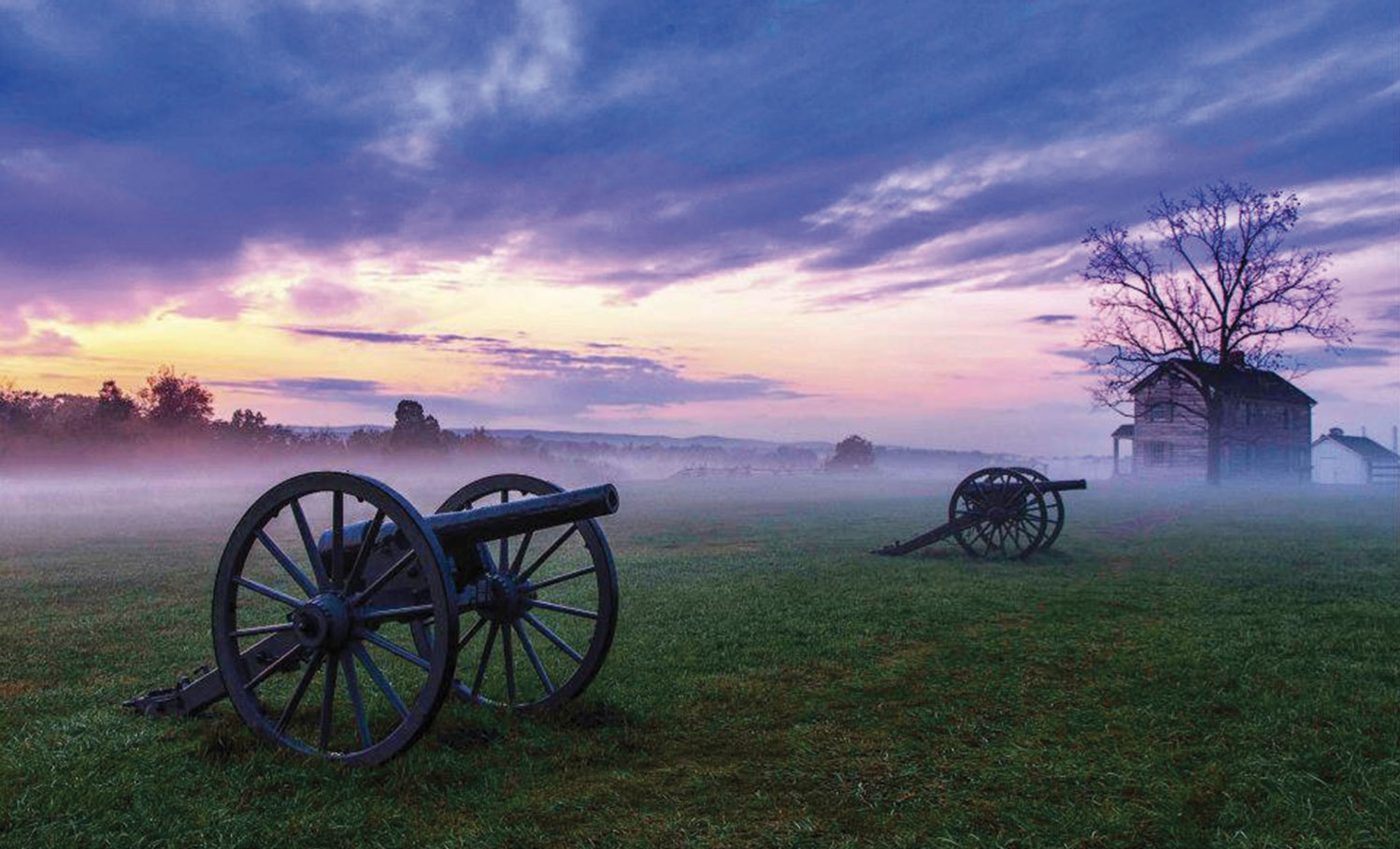
The fight against a data center complex controversially approved for land alongside Manassas National Battlefield Park (shown here) might be headed to Virginia’s supreme court.
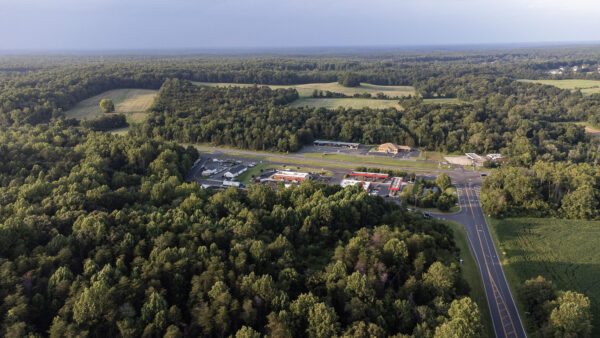
For a brief time, it looked like the five-year fight to prevent a massive data center complex controversially approved for land alongside Manassas National Battlefield Park might be successful. Instead, preservationists are gearing up to possibly argue before the highest court in the Commonwealth of Virginia.
The American Battlefield Trust, the Oak Valley Homeowners Association, and local landowners had challenged the fast-tracked rezonings because the board and the center’s developers violated state code and local ordinances when they failed to properly advertise the hearing and make the full and final proposal text available to the public.
In late March, the Virginia Court of Appeals unanimously upheld our position, invalidating the rezonings. This was followed by a unanimous vote by the Prince William County Board of Supervisors to end its proactive defense of the illegal 2023 votes and cooperate with court orders. As the 30-day appeal window drew to a close, one of the two developers chose likewise. But at the 11th hour, the other company, QTS, filed its petition to have the case heard by the commonwealth’s supreme court.
The massive Prince William Digital Gateway was hastily pushed through by a lame-duck board, against the recommendation of county planning staff, on a 4-to-3 vote (with one abstention); since then, voters have elected supervisors who have expressed concerns about the impropriety of the process. A recent poll conducted by The Washington Post and George Mason University found the percentage of Virginians who would support a data center in their community has fallen from 69 to 33 percent across the same time period.
Meanwhile, on March 27, a hearing was held in the Trust’s case against the 2,600-acre Wilderness Crossing residential and data center mega-development. In its latest legal maneuver, the developer is seeking to leapfrog a trial at the circuit court level and go straight to appeal, despite a ruling against a similar request last fall. It is part of a pattern damaging to the developer’s credibility with the bench and it strongly suggests the developer knows it holds a losing hand. The developer has requested a settlement meeting with the Trust this spring. Should the case proceed to trial, it would be expected at the end of the calendar year.
We remain confident in our legal arguments in both cases and increasingly optimistic that we may win both. But because the suits focused on the process by which the projects were approved and not on the fundamental suitability of building such facilities on battlefields, any courtroom triumph may be temporary, should the developers retool and resubmit their plans to be considered anew.
Stay abreast of these evolving situations by visiting battlefields.org/speak-out. Please continue to support the Trust’s advocacy work, which enables us to lead these fights without diverting money from our critical land preservation mission.
David Duncan is president of the nonprofit, nonpartisan American Battlefield Trust, which is dedicated to preserving America’s hallowed battlegrounds—Revolutionary War, War of 1812, and Civil War—and educating the public about their significance.