By the outbreak of the Civil War, the tradition of the rifle-bearing American marksman was well established. After the firing on Fort Sumter, both sides recruited talented shots for sharpshooting units, groups of specialists whose skills they believed would provide an advantage on the battlefield. These men usually employed the tactics of skirmishers: Operating in loose formations in forward positions, they used the concealment offered by surrounding terrain to establish favorable firing spots and target the enemy, often with deadly accuracy. Approving tales of sharpshooters’ exploits were widely reported in the northern and southern press, especially during the war’s early months. As the conflict progressed, however, many rank-and-file Union and Confederate soldiers increasingly viewed the marksmen’s stealthy methods with distaste. Shown below are a variety of images that highlight the presence of sharpshooters in the armies of both sides.
This Harper’s Weekly illustration depicts a demonstration of sharpshooting skill put on by Colonel Hiram Berdan at Weehawken, New Jersey, in August 1861. A reporter from the New York Evening Post described the scene: “The ‘main target,’ christened Jeff Davis, was set up at a distance of a little more than two hundred yards. Colonel Berdan inaugurated the firing. In an easy, business-like way he loaded his rifle, an ordinary target piece, with a telescopic sight, and approached the ‘rest.’ The visitors crowded around him in every direction, excepting, of course, that occupied by the muzzle of the rifle. A sense of personal danger preserved a small opening there. The wind blew quite heavily. It will be conceded that these circumstances were not particularly conducive to careful and unerring aim. But Colonel Berdan is a man of wonderful nerve. The crowd did not at all disturb him. He proceeded in the work with the utmost steadiness. Balancing his rifle for a moment, he fired at the head of the figure. When the smoke cleared away, the hold made by the bullet was observed by the aid of the telescope—the cheek, near the nose.”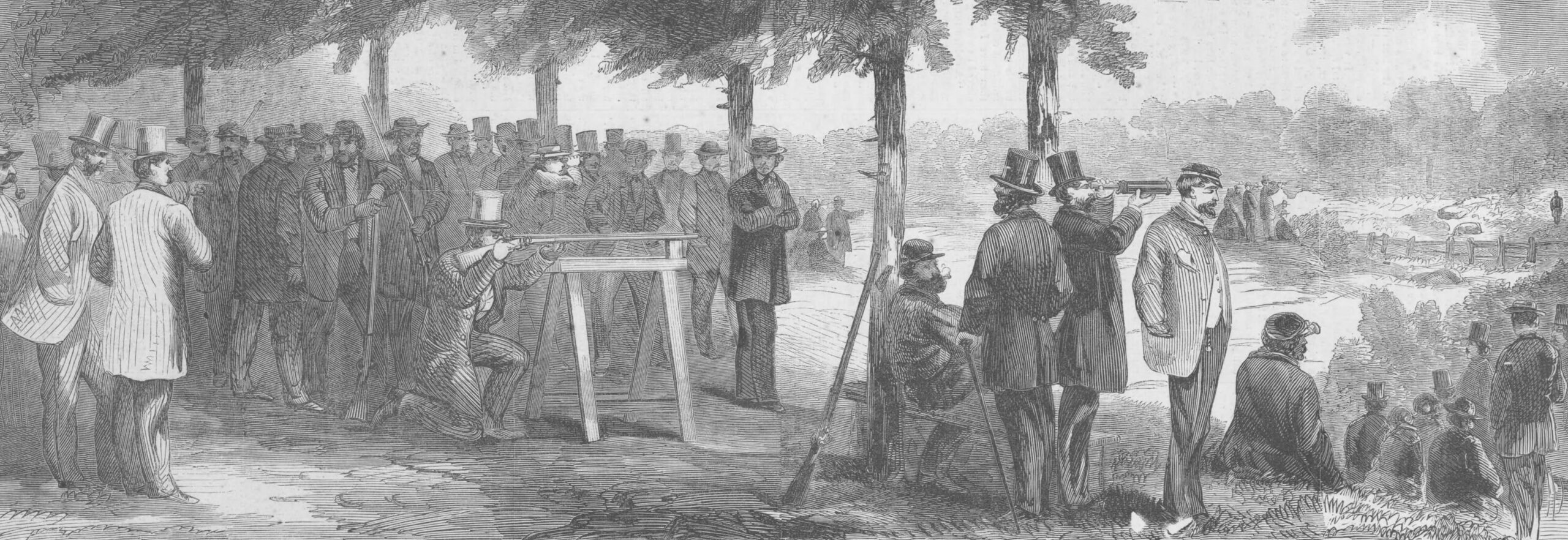 Harper's Weekly
This Harper’s Weekly illustration depicts a demonstration of sharpshooting skill put on by renowned marksman Hiram Berdan at Weehawken, New Jersey, in August 1861. A reporter from the New York Evening Post described the scene: “The ‘main target,’ christened Jeff Davis, was set up at a distance of a little more than two hundred yards. Colonel Berdan inaugurated the firing. In an easy, business-like way he loaded his rifle, an ordinary target piece, with a telescopic sight, and approached the ‘rest.’ The visitors crowded around him in every direction, excepting, of course, that occupied by the muzzle of the rifle. A sense of personal danger preserved a small opening there. The wind blew quite heavily. It will be conceded that these circumstances were not particularly conducive to careful and unerring aim. But Colonel Berdan is a man of wonderful nerve. The crowd did not at all disturb him. He proceeded in the work with the utmost steadiness. Balancing his rifle for a moment, he fired at the head of the figure. When the smoke cleared away, the hole made by the bullet was observed by the aid of the telescope—the cheek, near the nose.”
Accompanying the above illustration were these sketches of Berdan’s rifle (left) and a depiction of the damage Berdan did to the Jeff Davis–inspired target “after Half an Hours Firing.”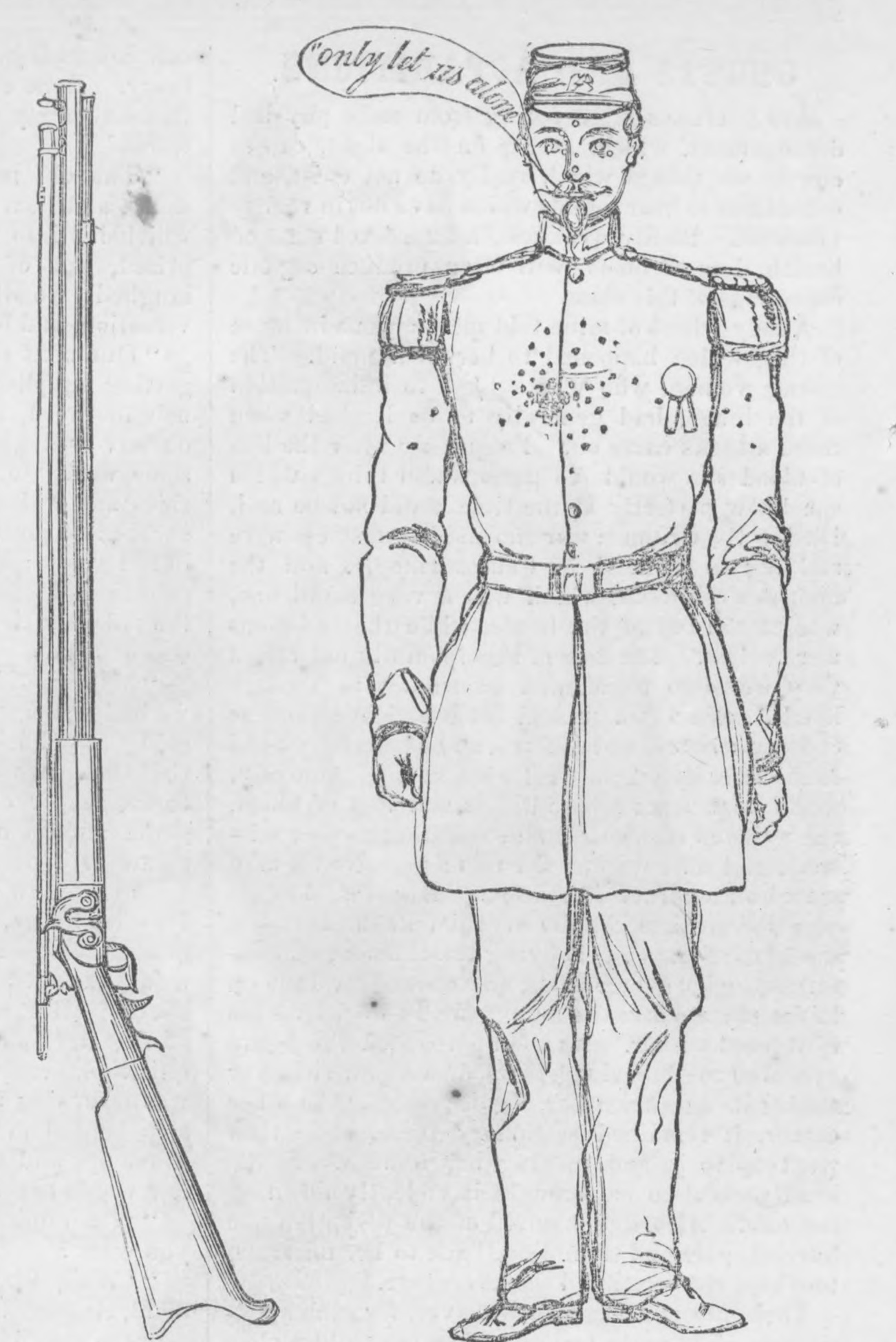 Harper's Weekly
In the same Harper’s Weekly account of Berdan’s exhibition were these sketches of Berdan’s rifle (left) and a depiction of the damage Berdan did to the Jeff Davis–inspired target at which he shot “after Half an Hours Firing.”
The 1st and 2nd U.S. Sharpshooter regiment formed by Berdan (pictured above) in 1861 donned distinctive green uniforms and carried Sharps beech-loading rifles. Though frequently used as skirmishers, Berdan’s men did see action in several major engagements, including at Gettysburg. Berdan resigned his army commission in early 1864 and returned to his prewar life as an engineer and inventor.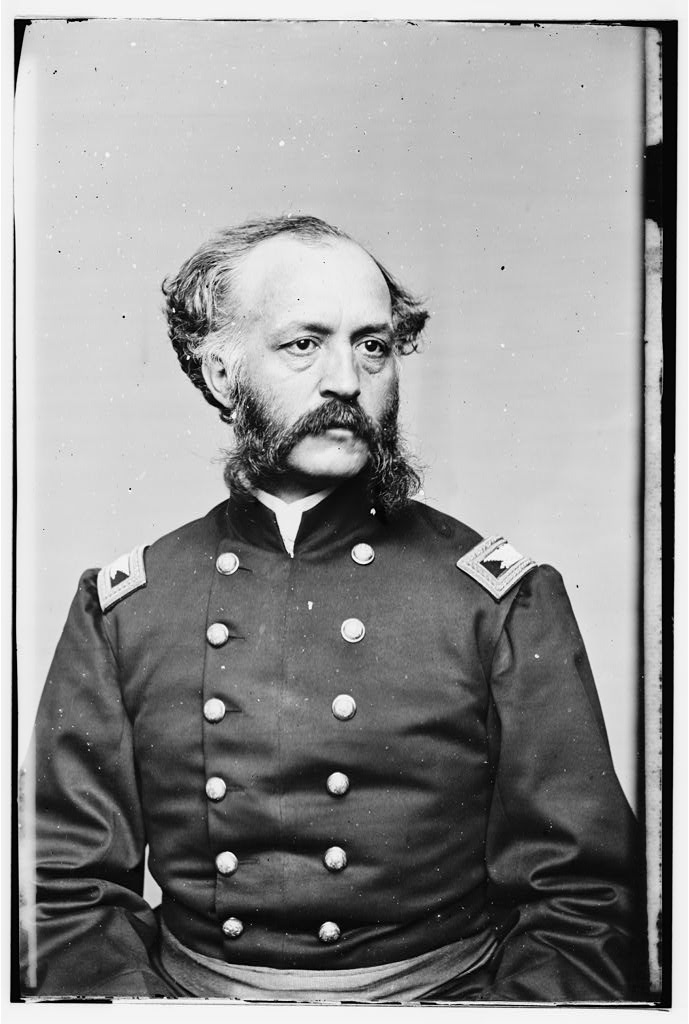 Library of Congress
The most prominent units of marksmen formed during the war were the 1st and 2nd United States Sharpshooters regiments raised by Berdan (pictured above). Members donned distinctive green uniforms and carried Sharps beech-loading rifles. Though frequently used as skirmishers, Berdan’s men did see action in several major engagements, including at Gettysburg. Berdan resigned his army commission in early 1864 and returned to his prewar life as an engineer and inventor.
Harper’s Weekly devoted the cover of its October 5, 1861, issue to a company of New Hampshire marksmen who were joining one of Berdan’s regiments. An accompanying article noted: “These New Hampshire marksmen are all men of excellent moral character, more than ordinary intelligence, and of good social position. Quite one-third are farmers, the remainder being composed of mechanics and artisans who earn their $2 a day the year round. They are led by Captain A.B. Jones, a stalwart, handsome young man, who was offered the commission by the Governor on his graduation-day at college, and who sprang with alacrity from the study of Euclid and Herodotus to that of Hardee and Scott.”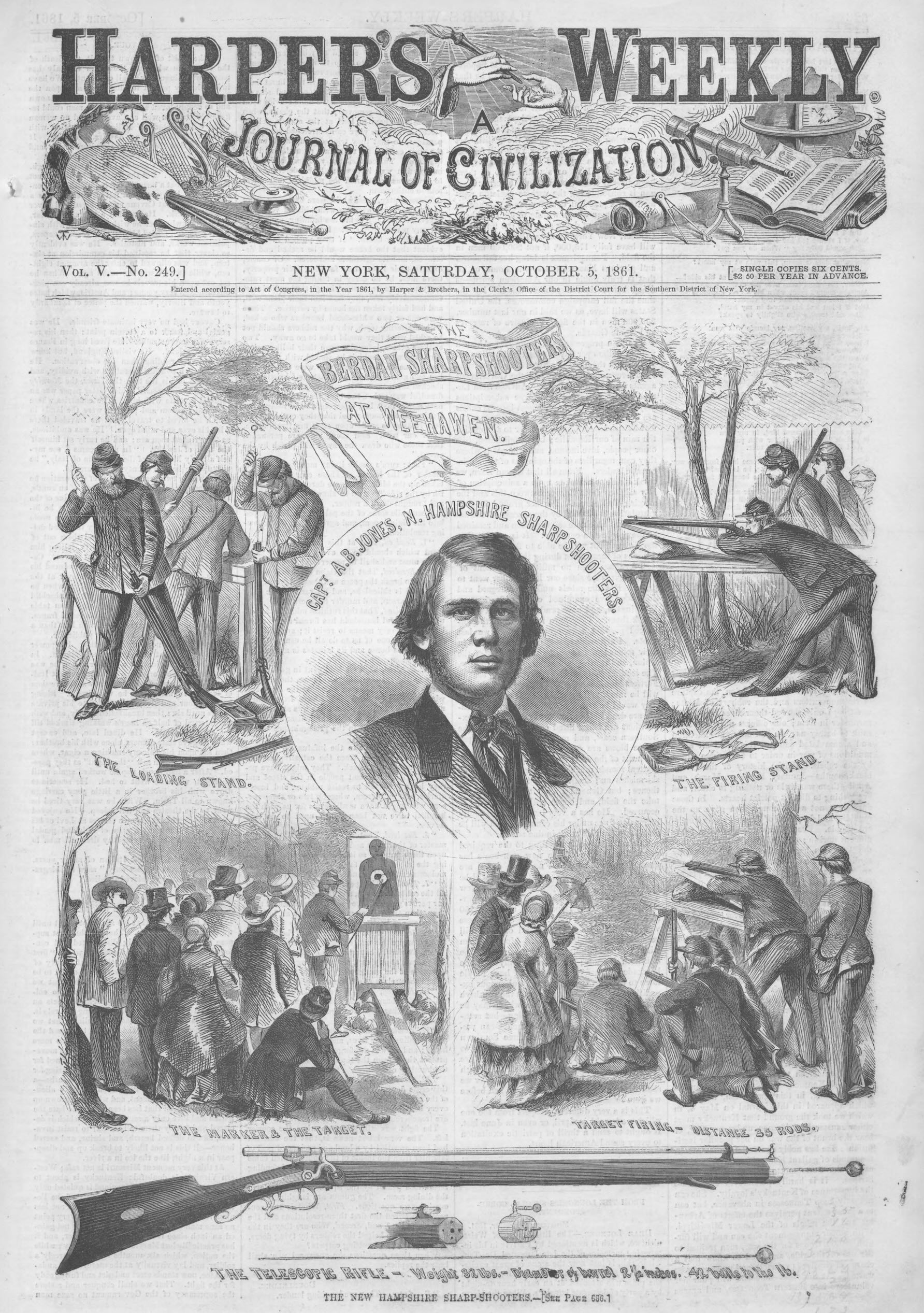 Harper's Weekly
Harper’s Weekly devoted the cover of its October 5, 1861, issue to a company of New Hampshire marksmen who were joining one of Berdan’s regiments. An accompanying article noted: “These New Hampshire marksmen are all men of excellent moral character, more than ordinary intelligence, and of good social position. Quite one-third are farmers, the remainder being composed of mechanics and artisans who earn their $2 a day the year round. They are led by Captain A.B. Jones, a stalwart, handsome young man, who was offered the commission by the Governor on his graduation-day at college, and who sprang with alacrity from the study of Euclid and Herodotus to that of Hardee and Scott.”
This postwar illustration depicts members of Berdan’s Sharpshooters engaging the enemy at the Battle of Malvern Hill in 1862.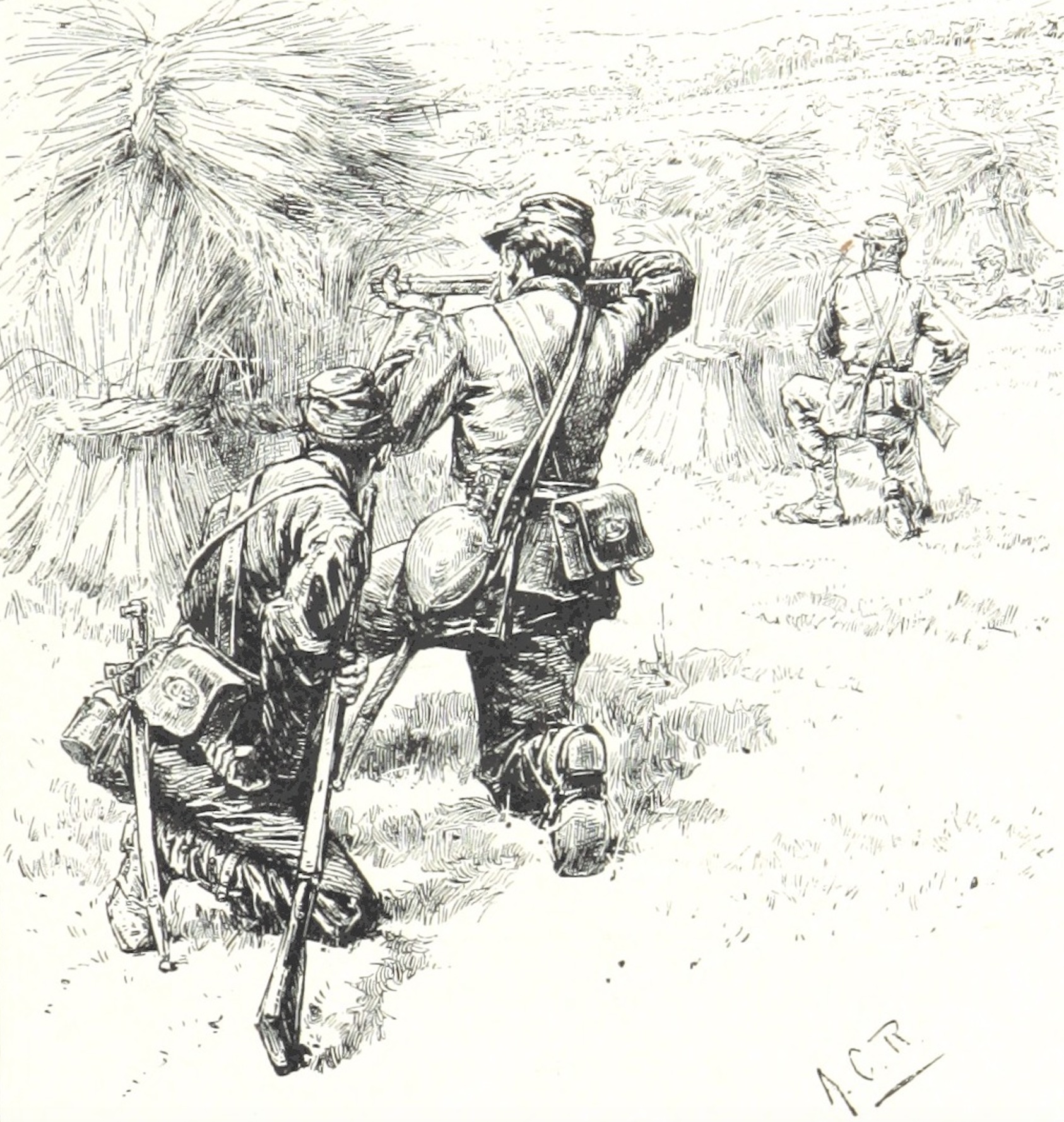 Battles and Leaders of the Civil War
This postwar illustration depicts members of Berdan’s Sharpshooters engaging the enemy at the Battle of Malvern Hill in 1862.
This unidentified soldier of Berdan’s 2nd United States Sharpshooters is photographed with his sniper’s target rifle, bowie knife, and Colt pocket revolver.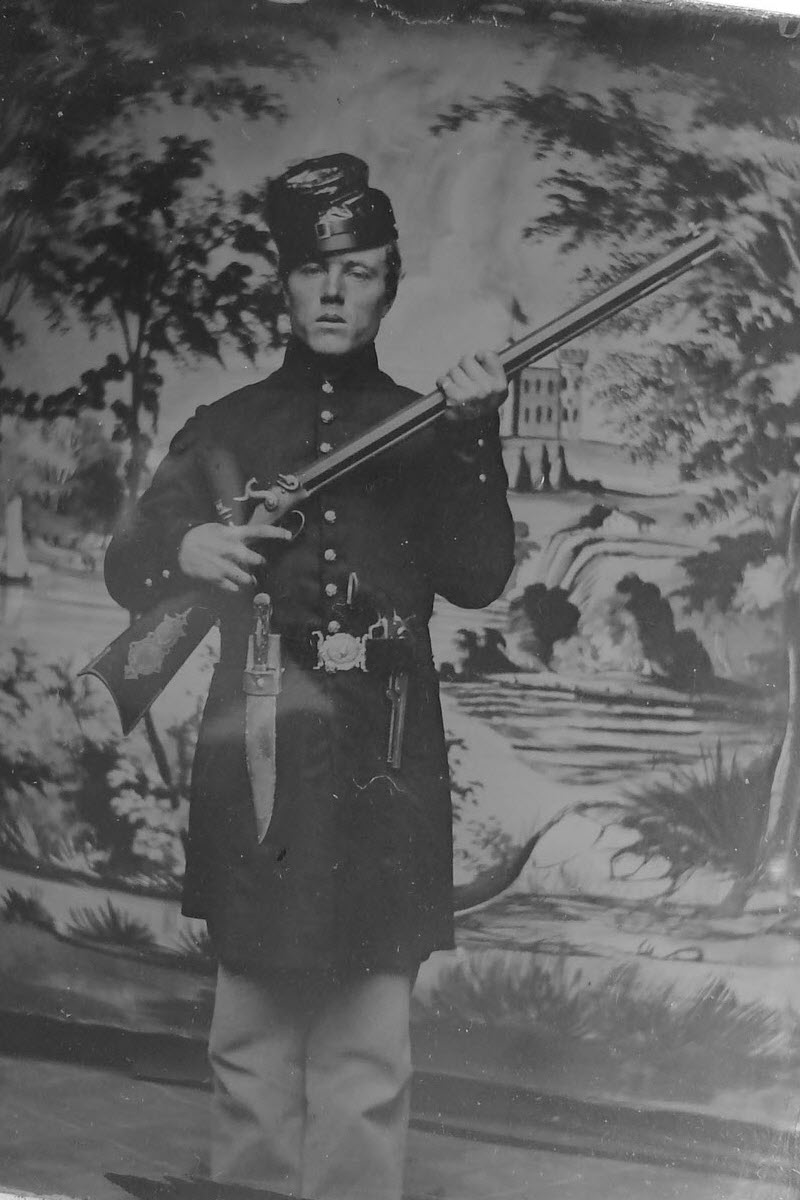 Library of Congress
This unidentified soldier of Berdan’s 2nd United States Sharpshooters is photographed with his sniper’s target rifle, bowie knife, and Colt pocket revolver.
This postwar illustration depicts a Confederate sharpshooter taking careful aim at a distant target.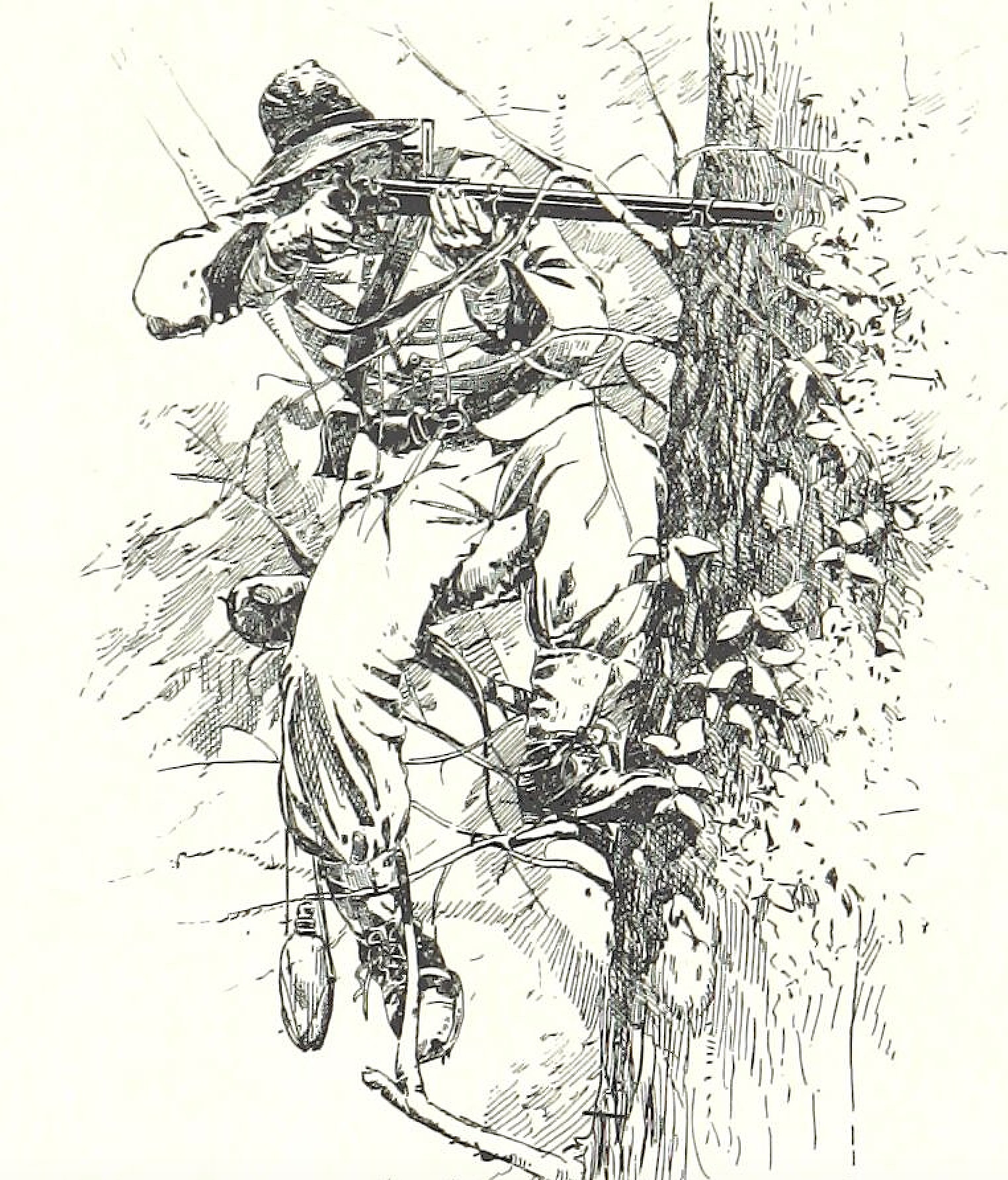 Battles and Leaders of the Civil War
This postwar illustration depicts a Confederate sharpshooter taking careful aim at a distant target.
In August 1862, Harper’s Weekly published this illustration of one of Berdan’s men, the “famous sharp-shooter” known as “California Joe.” An accompanying profile by a correspondent noted: “I spent an hour yesterday in his tent. He is a character. I was surprised at his age. He is past fifty, but looks a score years younger. He stands as straight as an arrow, has an eye as keen as a hawk, nerves as steady as can be, and an endowment of hair and whiskers Reubens would have liked for a patriarchal portrait. He has spent years of his life shooting grizzly bears in the forests and fastnesses of California, and carries a telescopic rifle that in his hand will carry a long ways and with terrific accuracy. For several days past he has occupied as a shooting-place a hole dug in the ground just big enough for himself. His unerring rifle has made many a rebel bite the dust. He says he likes the sport, and he means to keep it up.”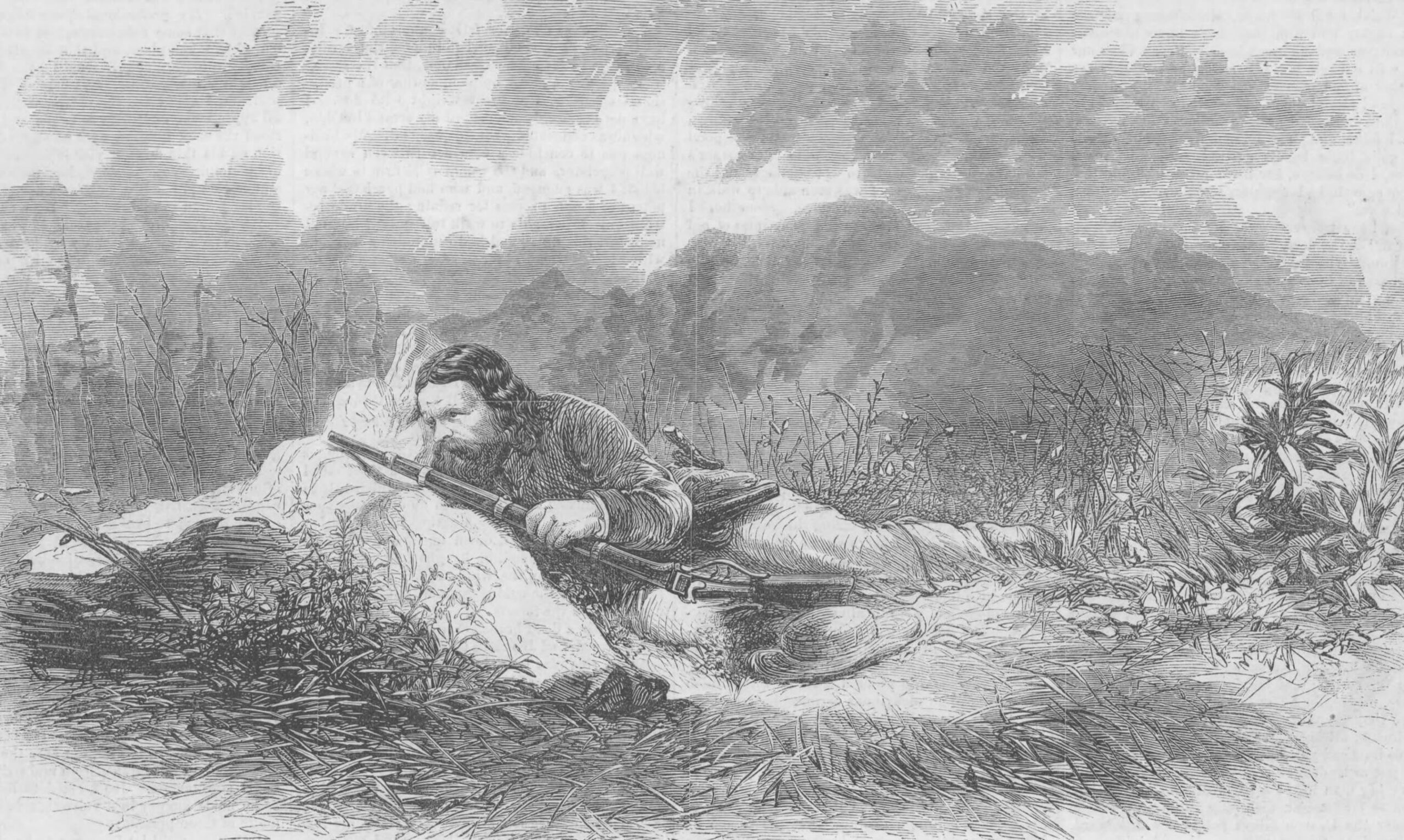 Harper's Weekly
In August 1862, Harper’s Weekly published this illustration of one of Berdan’s men, the “famous sharp-shooter” known as “California Joe.” An accompanying profile by a correspondent noted: “I spent an hour yesterday in his tent. He is a character. I was surprised at his age. He is past fifty, but looks a score years younger. He stands as straight as an arrow, has an eye as keen as a hawk, nerves as steady as can be, and an endowment of hair and whiskers Reubens would have liked for a patriarchal portrait. He has spent years of his life shooting grizzly bears in the forests and fastnesses of California, and carries a telescopic rifle that in his hand will carry a long ways and with terrific accuracy. For several days past he has occupied as a shooting-place a hole dug in the ground just big enough for himself. His unerring rifle has made many a rebel bite the dust. He says he likes the sport, and he means to keep it up.”
Charles Schwartz, an officer in the 39th New York Infantry, known as the “Garibaldi Guard,” was identified as a “sharpshooter” in the photographer’s note on this image.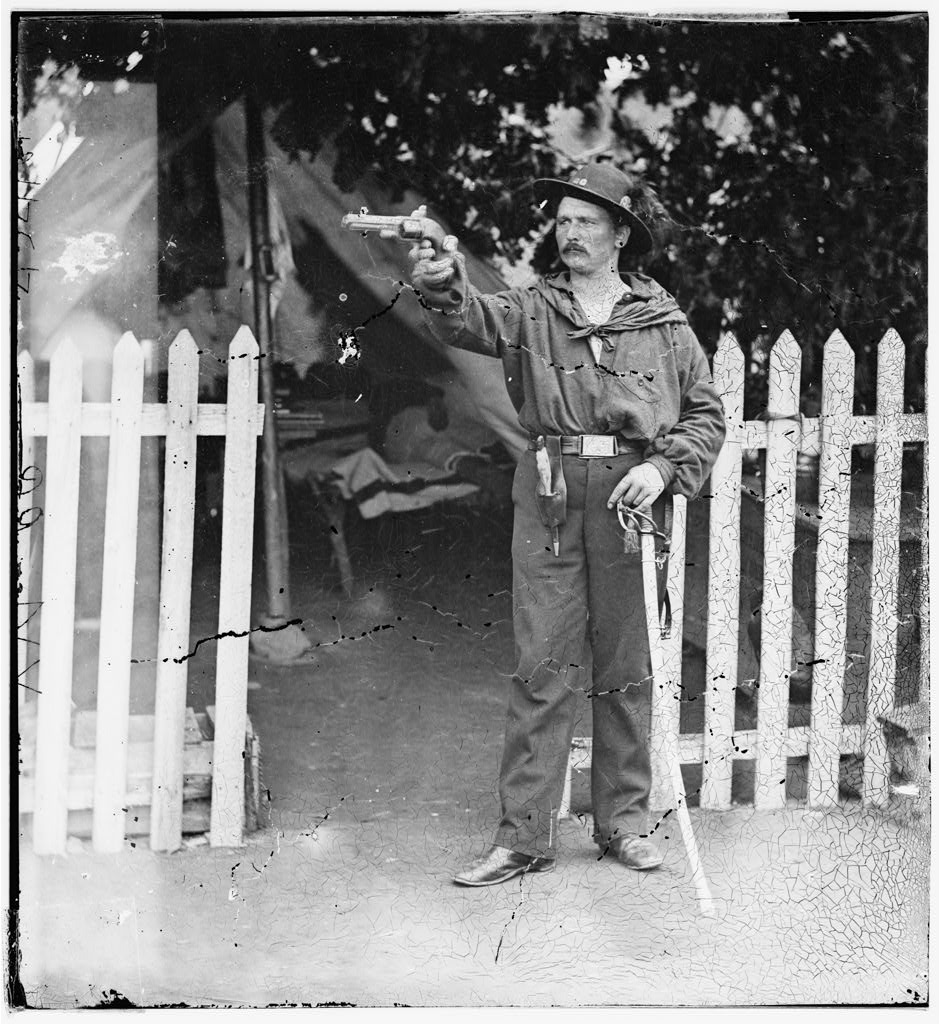 Library of Congress
Charles Schwartz, an officer in the 39th New York Infantry (“Garibaldi Guard”), identified as a “sharpshooter” in an accompanying photographer’s note, takes careful aim with his pistol in this early war image.
Union sharpshooters ply their trade during the Siege of Vicksburg in this postwar illustration.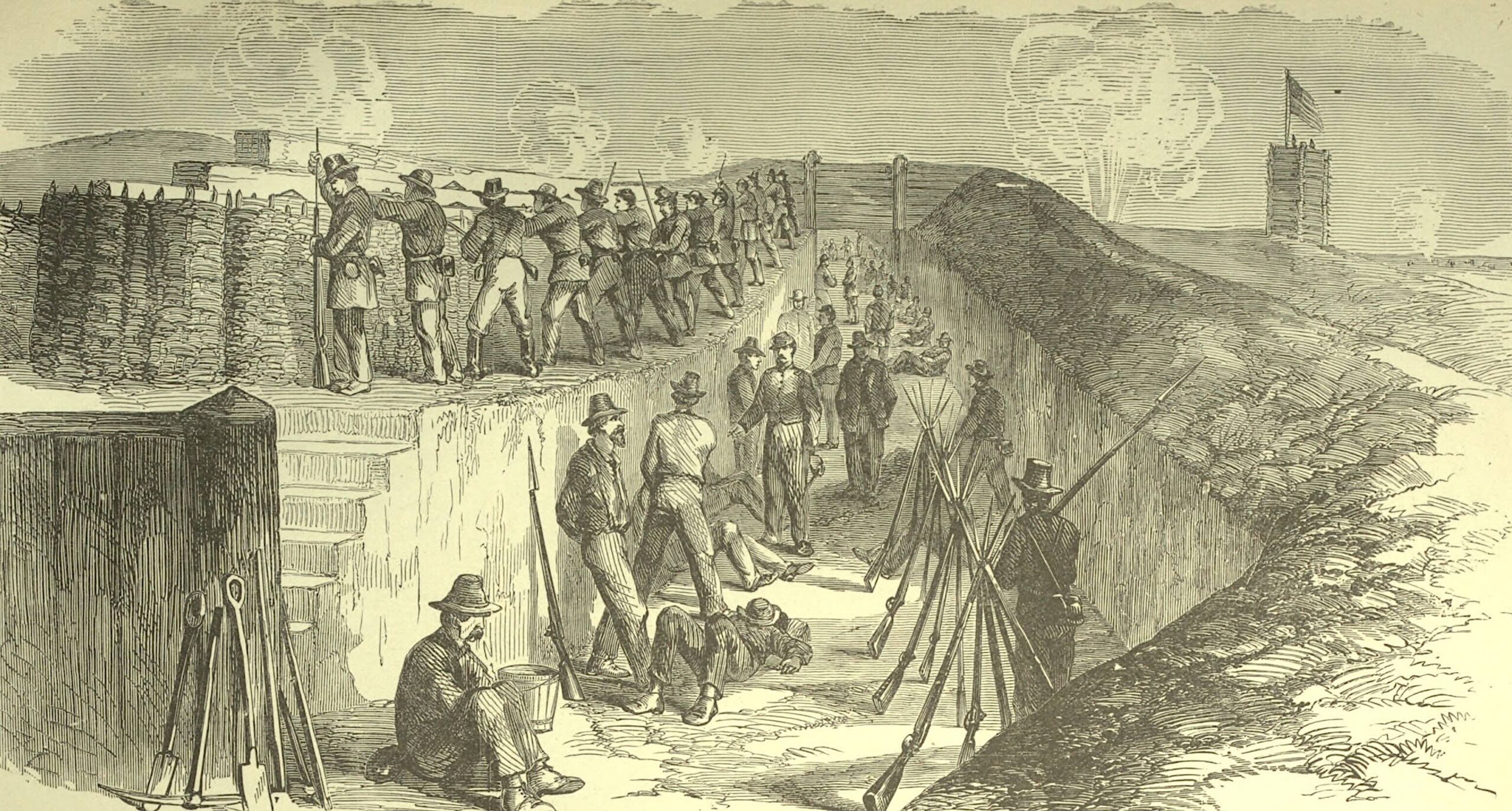 Frank Leslie's Illustrated History of the Civil War (1895)
Union sharpshooters ply their trade in the trenches outside Vicksburg, Mississippi, during Ulysses S. Grant’s siege of the city in this postwar illustration.
A line of Union sharpshooters carefully approaches Confederate-held Battery Wagner on Morris Island, South Carolina, during operations in 1863.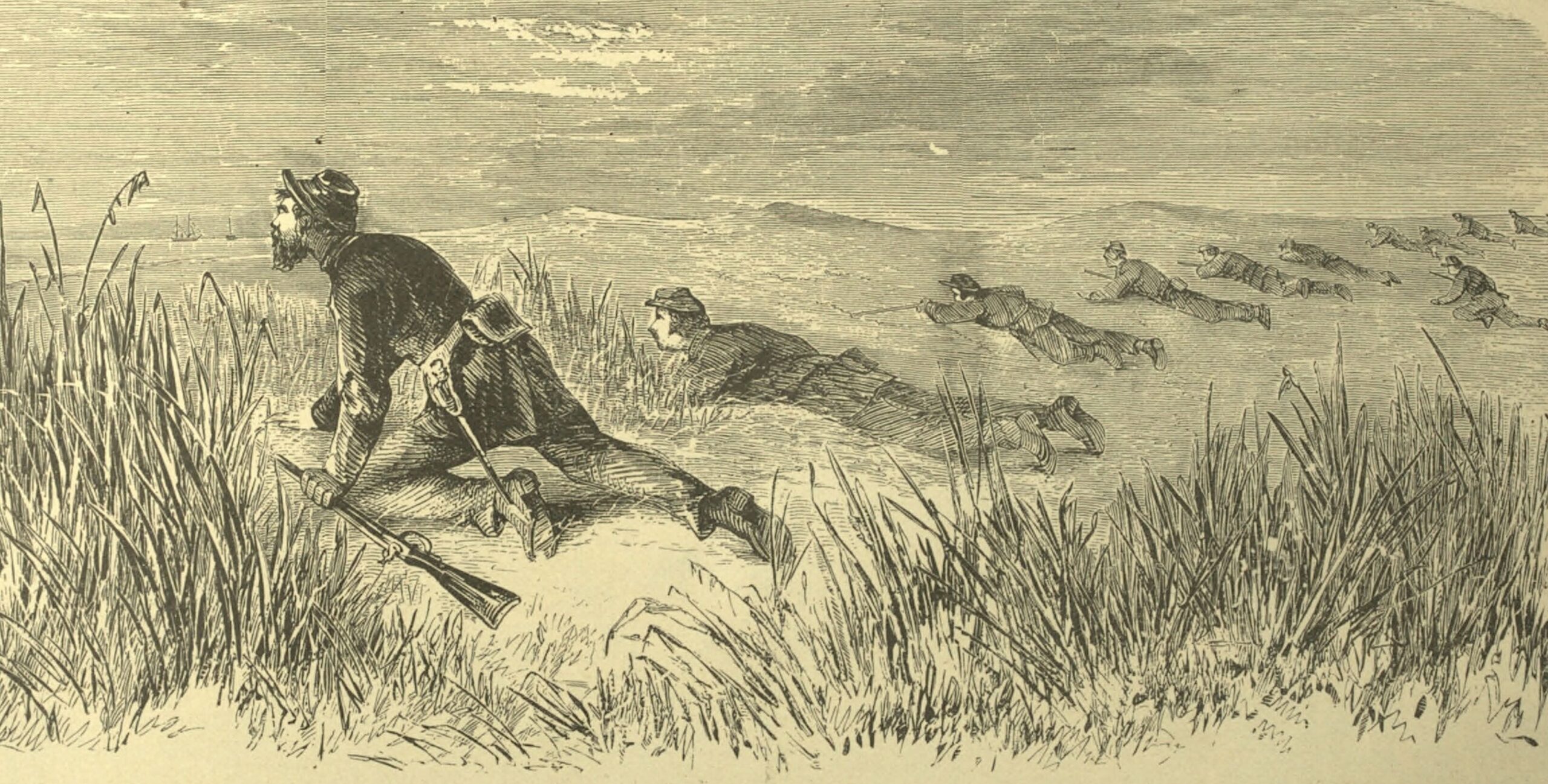 Frank Leslie's Illustrated History of the Civil War (1895)
A line of Union sharpshooters carefully approaches Confederate-held Battery Wagner on Morris Island, South Carolina, during operations in 1863.
In August 1862, Harper’s Weekly published its own depiction of sharpshooters outside Battery Wagner.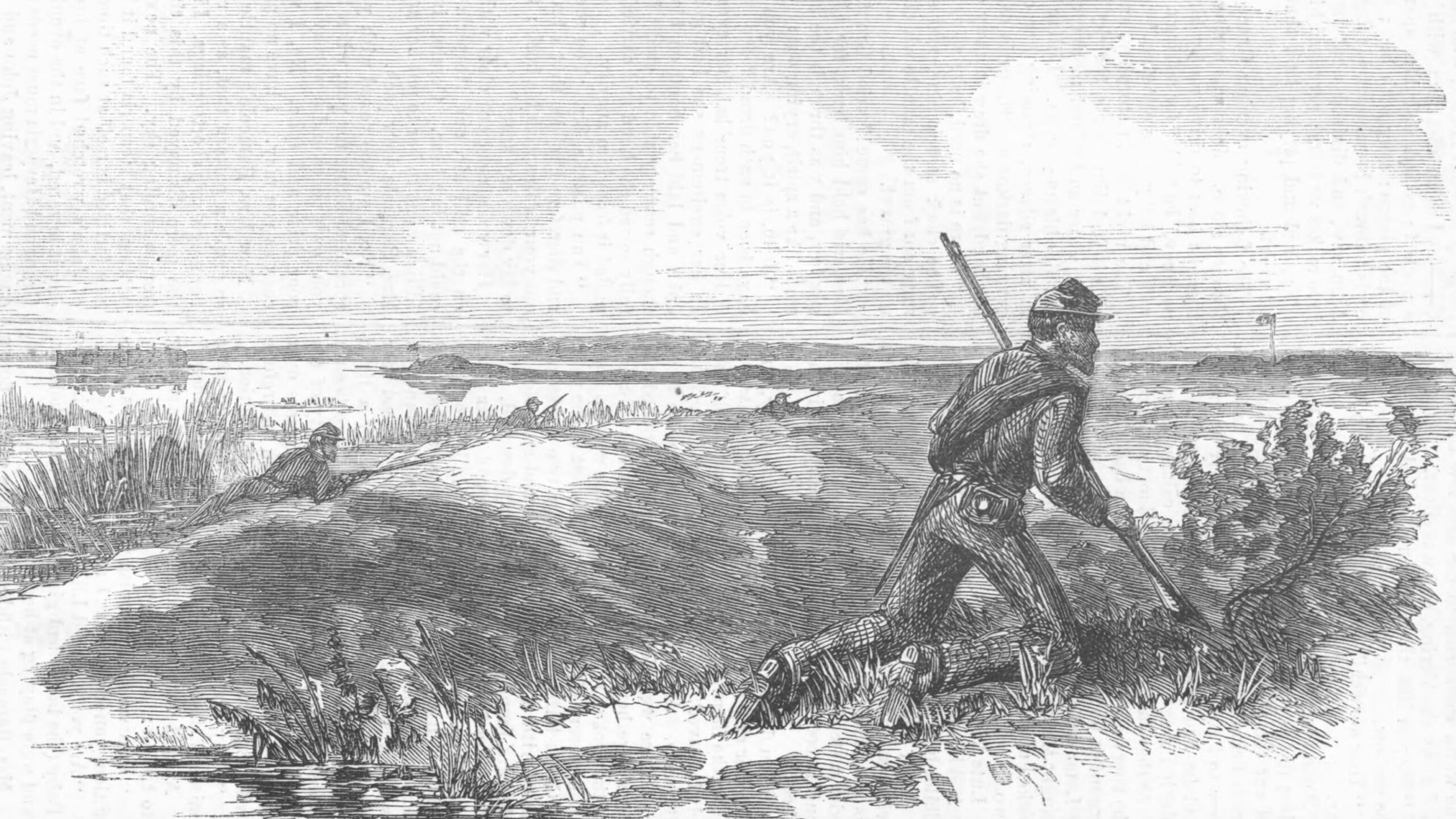 Harper's Weekly
In August 1862, Harper’s Weekly published its own depiction of sharpshooters outside Battery Wagner.
This illustration from December 1864 depicts sharpshooters of the Army of the Potomac heading out on picket duty.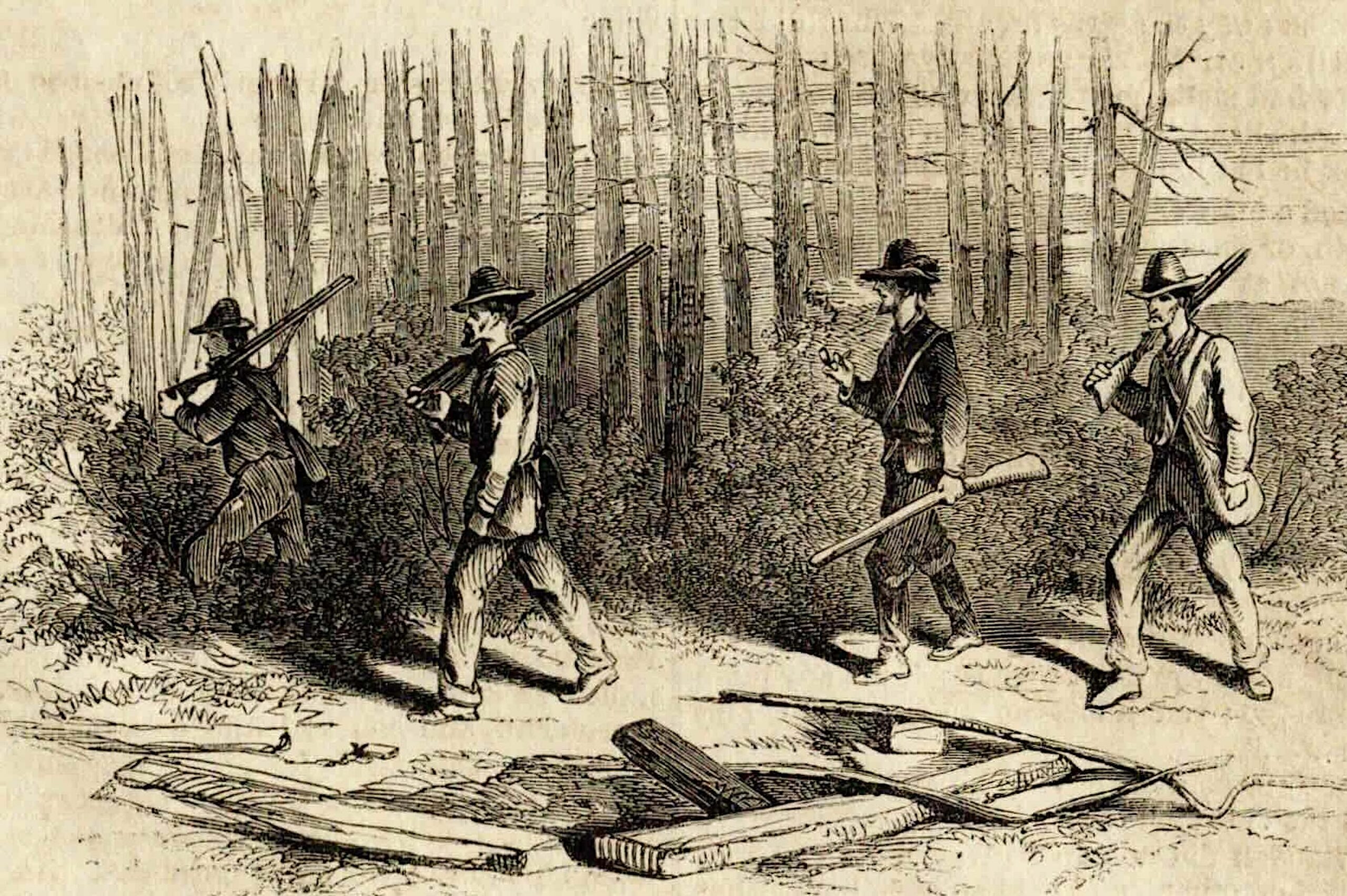 Frank Leslie's Illustrated Newspaper
This illustration from December 1864 depicts sharpshooters from the Army of the Potomac heading out on picket duty.
This Alfred Waud Sketch, published in Harper’s Weekly in 1863, depicts a Union sharpshooter using the dead body of a horse as a rest for his weapon.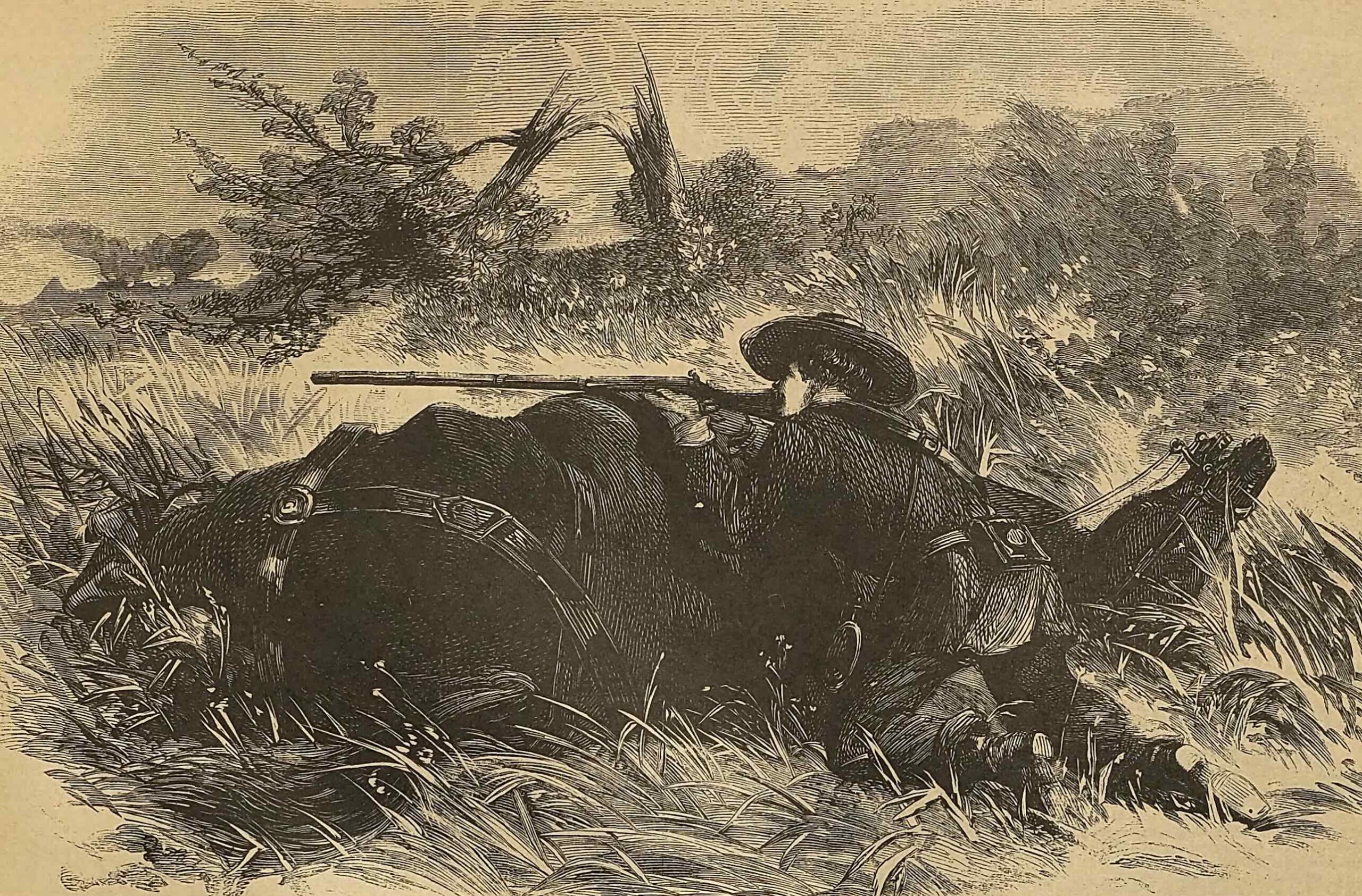 Harper's Weekly
This Alfred Waud Sketch, published in Harper’s Weekly in October 1863, depicts a Union sharpshooter using the body of a dead horse as a rest for his weapon.
Confederate sharpshooters fire on a distant Union supply train in Tennessee in an illustration from 1863.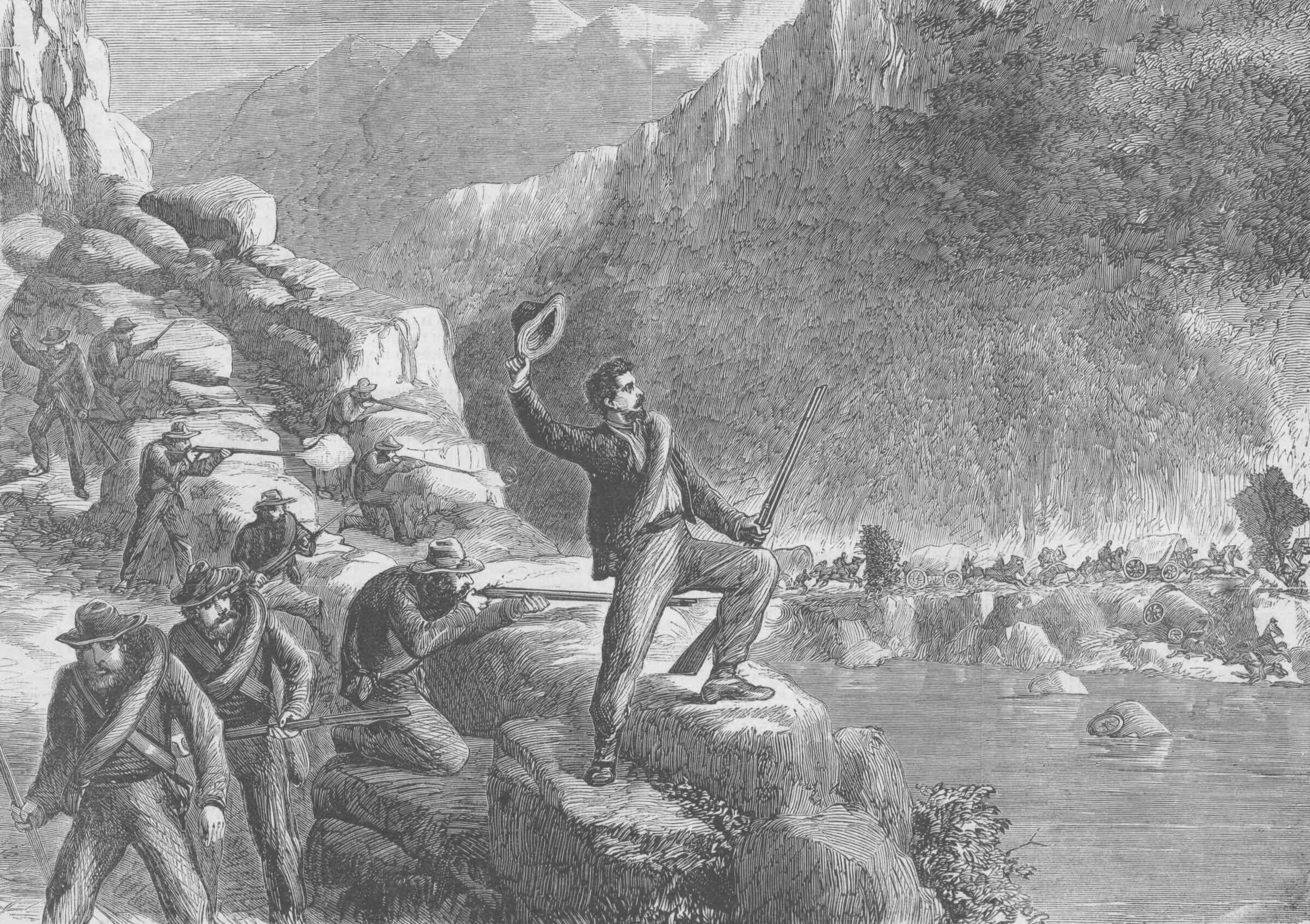 Harper's Weekly
Confederate sharpshooters fire on a distant Union supply train in Tennessee in an illustration from 1863.
This Alfred Waud sketch depicts Union sharpshooters in the trenches at Petersburg taking aim at the enemy.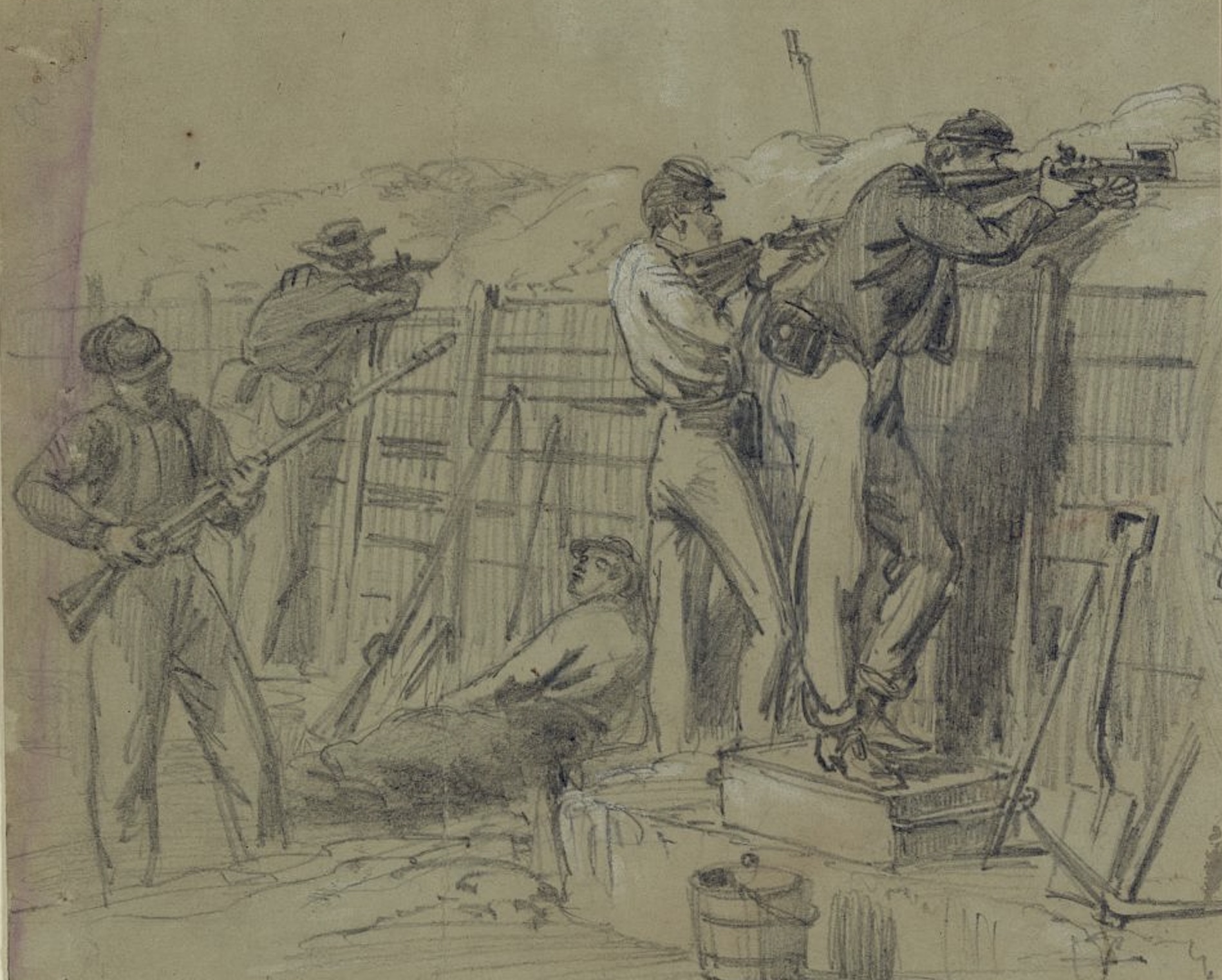 Library of Congress
This Alfred Waud sketch depicts Union sharpshooters in the trenches at Petersburg, Virginia, taking aim at the distant enemy.
Harper’s Weekly published this illustration based on Winslow Homer’s iconic painting “The Army of the Potomac—A Sharp-Shooter on Picket Duty” in its November 15, 1862, issue.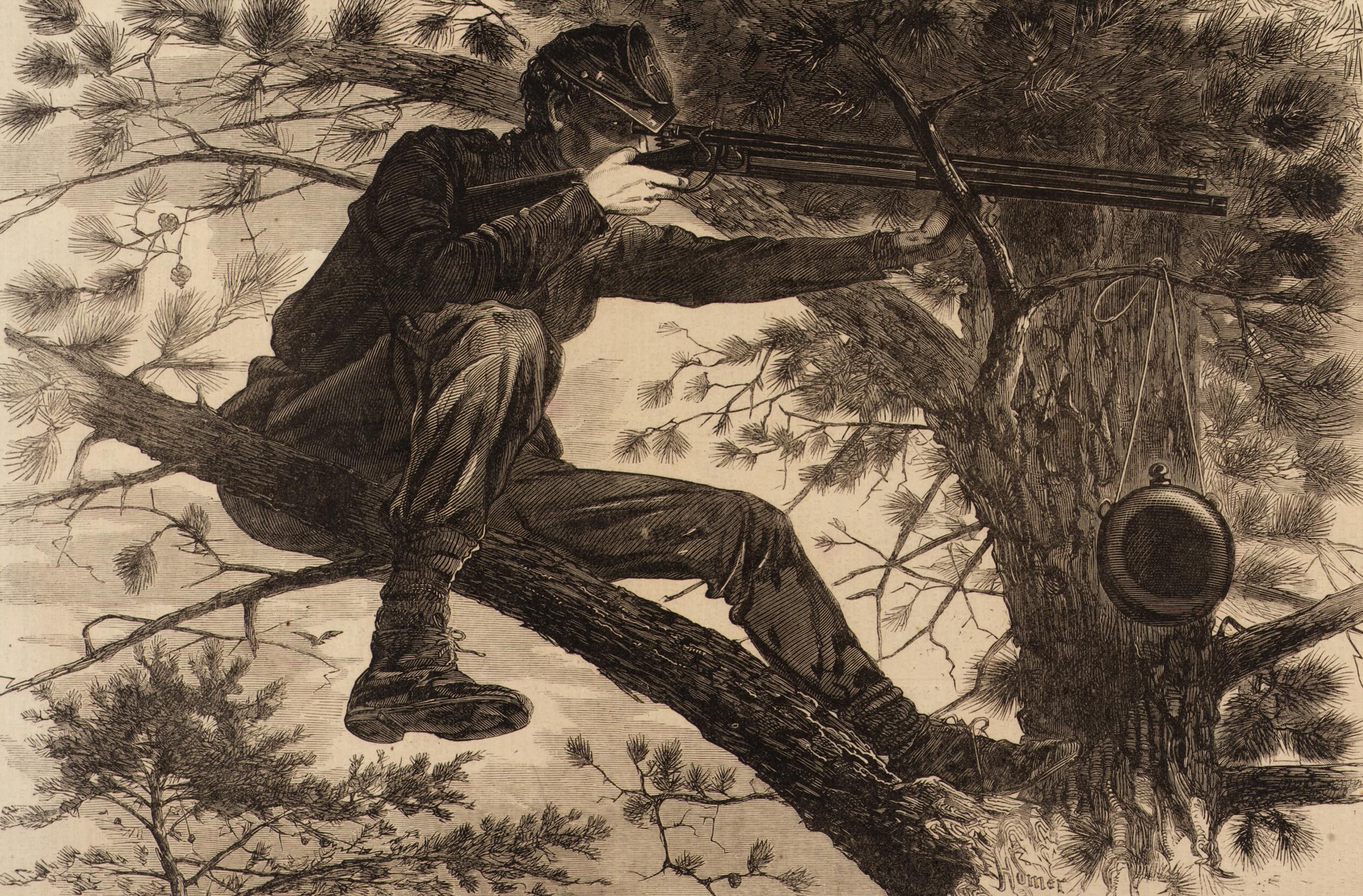 Harper's Weekly
Harper’s Weekly published this illustration based on Winslow Homer’s iconic painting “The Army of the Potomac—A Sharp-Shooter on Picket Duty” in its November 15, 1862, issue.
Great Post!!!!!!