At the outbreak of the Civil War, 9-year-old John Lincoln Clem of Newark, Ohio, tried to enlist in the Union army as a drummer boy. After the first regiment he approached refused to take him, he tried the 22nd Michigan Infantry, which also turned him down. Undeterred, Clem tagged along with the men of the 22nd, who eventually adopted him as a mascot and drummer boy. The 22nd’s officers chipped in to pay the boy the soldier’s wage of $13 a month and, two years later, allowed him to enlist in the regiment. In September 1863, Clem earned promotion to sergeant (making him the youngest person ever to be a noncommissioned officer in the U.S. Army) and the nickname “Drummer Boy of Chickamauga” for an incident at that battle: When his regiment found itself surrounded during its defense of Horseshoe Ridge, Clem used the sawed-down musket he carried to shoot a Confederate colonel who demanded his surrender. The story of the boy’s bravery quickly circulated in the press, and Clem catapulted to national fame.
Clem served another year in the army (during which he was briefly captured and twice wounded), receiving his discharge at 13 in September 1864. Clem continued his military career after the war. Though he tried and failed several times to pass the entrance exam for West Point (to which he had been nominated by President Ulysses S. Grant), Clem received an appointment to second lieutenant of the 24th U.S. Infantry in 1871 at Grant’s request. Promotions to colonel and assistant quartermaster general followed over the subsequent decades; in 1916, he secured the rank of major general on the retired list. Clem, who married twice and had three children, died in 1937 at 85 and was buried at Arlington National Cemetery. The following photographs show him as he appeared throughout the years.
Johnny Clem at Shiloh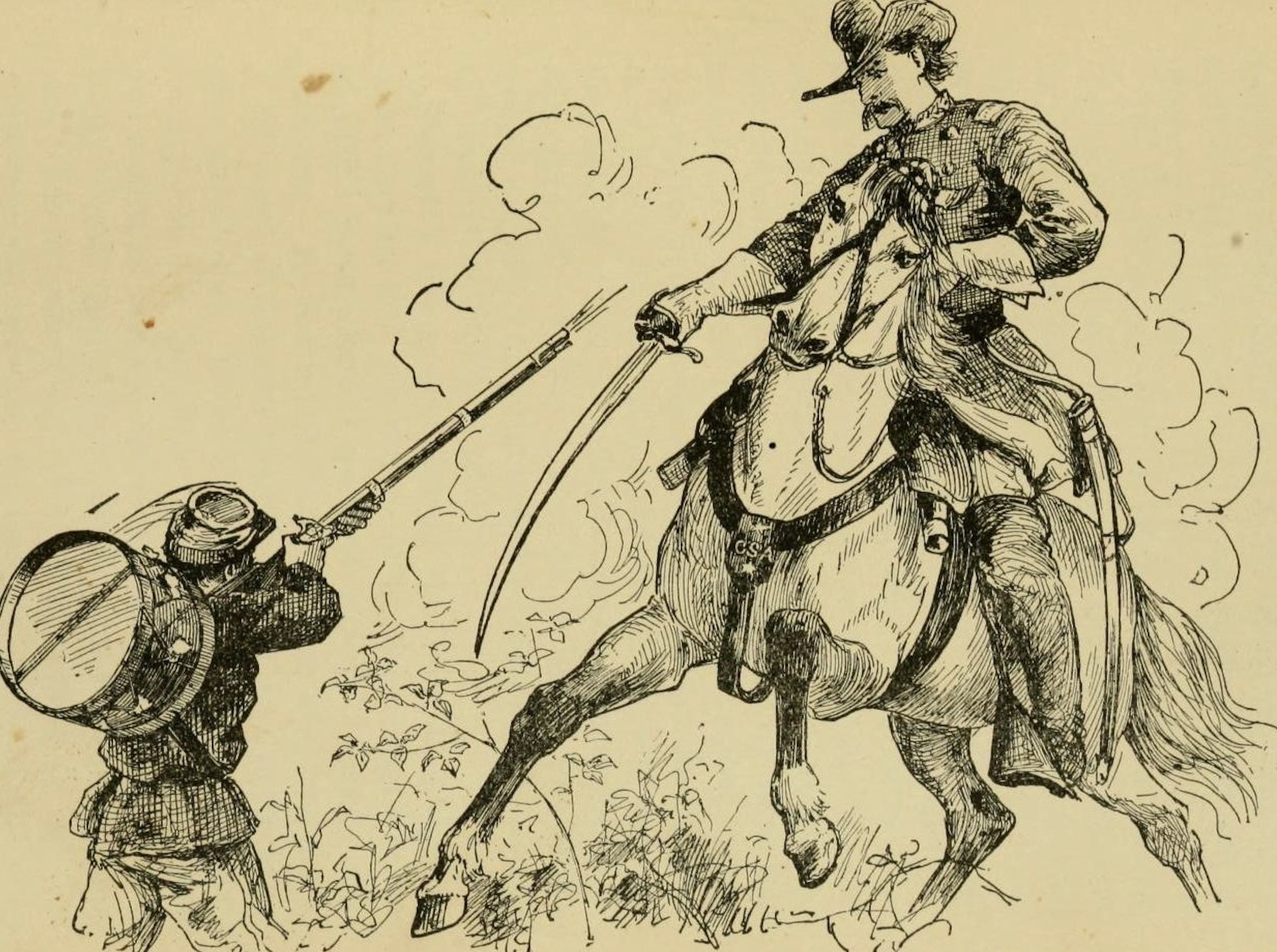 Young Folks' History of the Civil War (1884)
This postwar illustration depicts a young Johnny Clem aiming his rifle at an approaching Confederate colonel at the Battle of Chickamauga. The incident was relayed by Harper’s Weekly in February 1864: “He [Clem] had gone through the battle of Chickamauga, where he had three bullets through his hat. Here he killed a rebel Colonel. The officer, mounted on horseback, encountered the young hero, and called out, ‘Stop, you little Yankee devil!’ By way of answer the boy halted, brought his piece to ‘order,’ thus throwing the Colonel off his guard. In another moment the piece was cocked, brought to aim, fired, and the officer fell dead from his horse. For this achievement Clem was promoted to the rank of Sergeant….”
As word of his exploits at Chickamauga spread, Clem found his popularity soar. He sat for a number of photos in the following year, including this one made in 1863.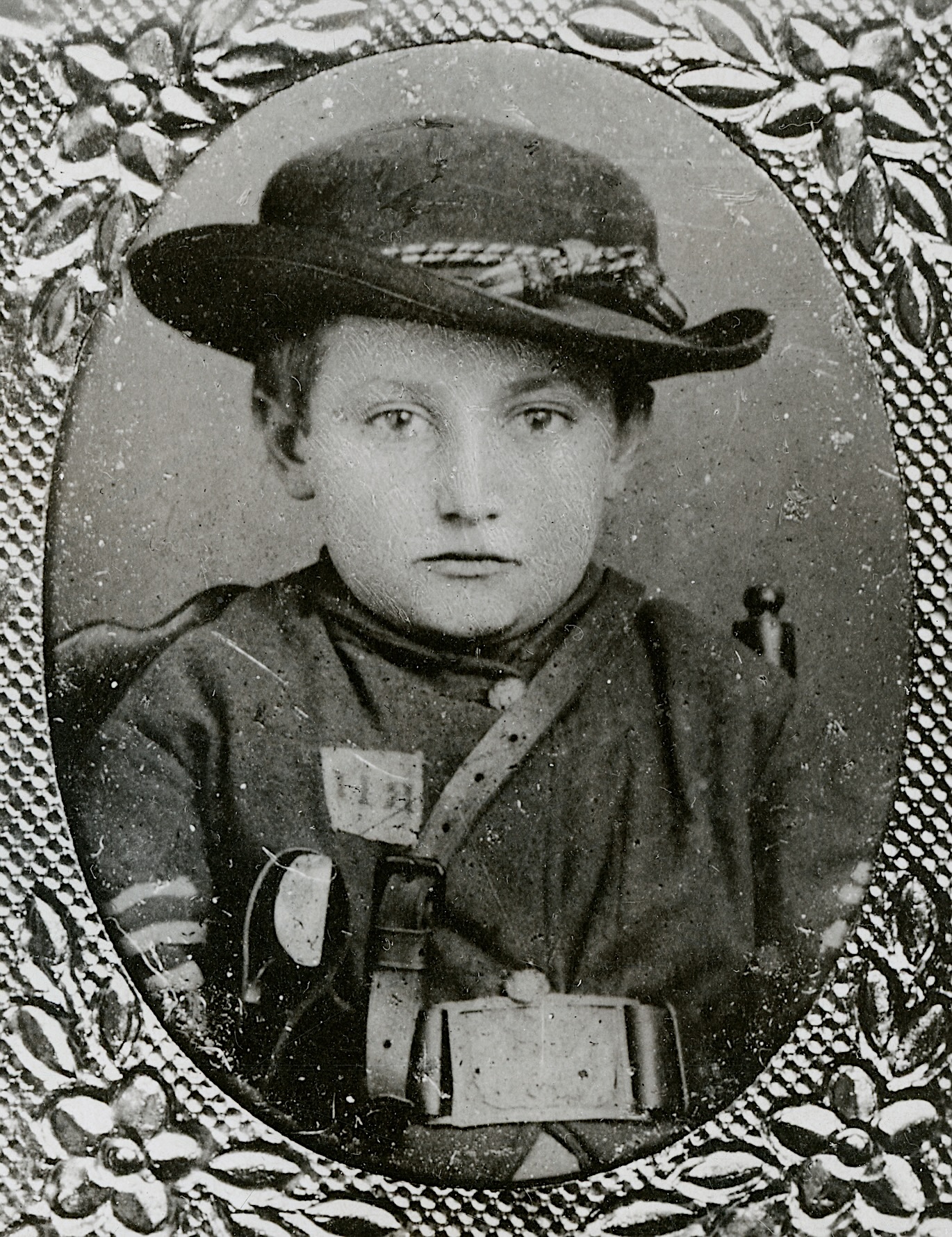 National Archives
As word of his exploits at Chickamauga spread, Clem found his popularity soar. He sat for a number of photos in the following year, including this one made in 1863.
Another photo of 12-year-old Clem in 1863.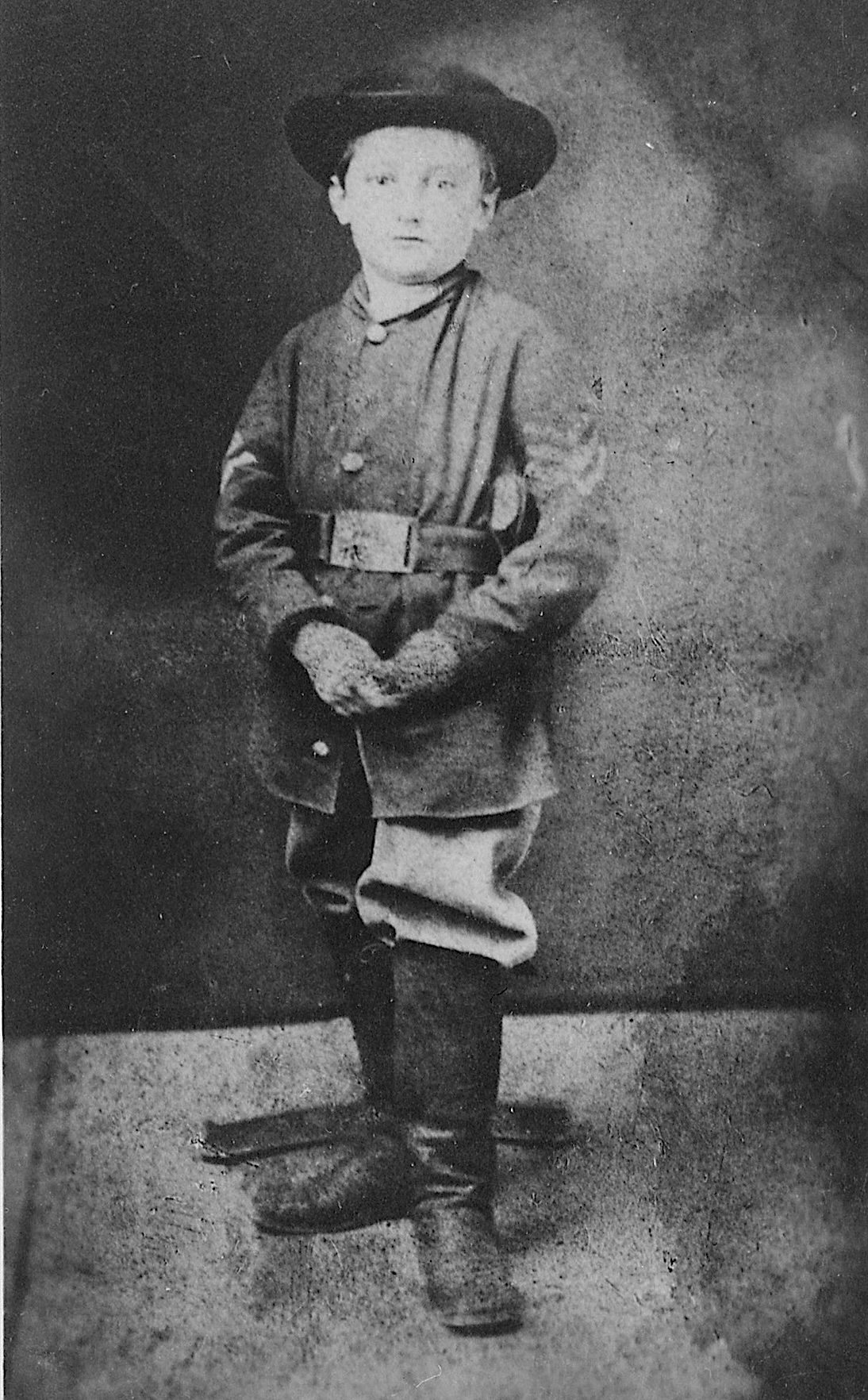 National Archives
Another photo of 12-year-old Clem in 1863.
Clem strikes a confident pose in this photo thought to be made in 1864.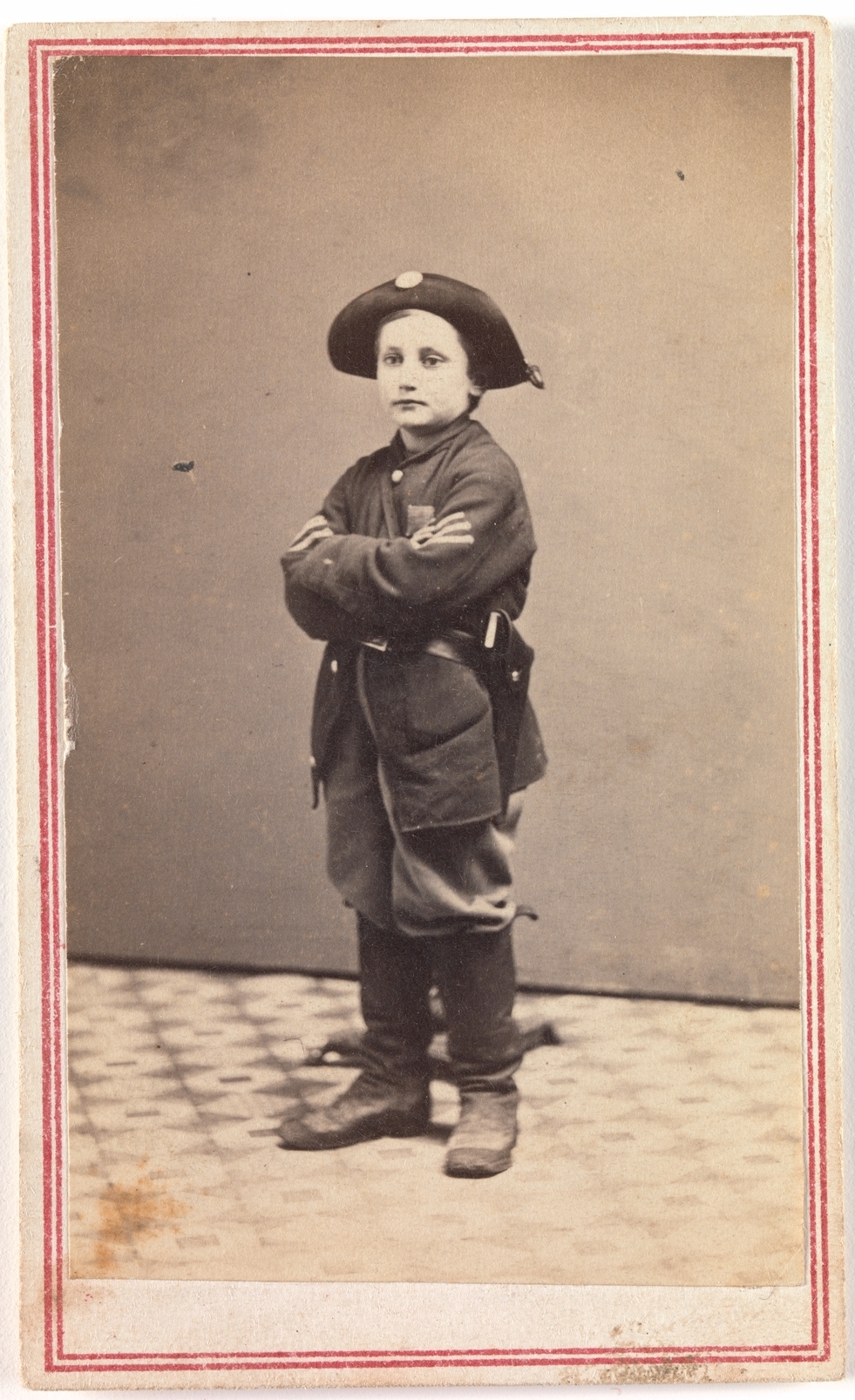 Metropolitan Museum of Art
Clem strikes a confident pose in this photo thought to be made in 1864.
Another post-Chickamauga image of Clem.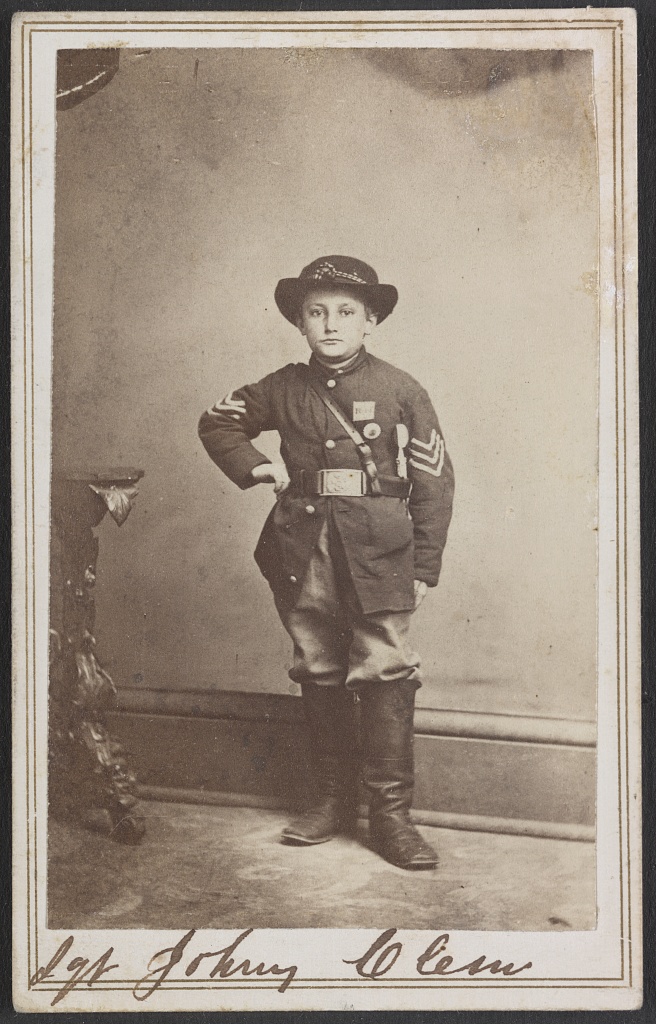 Library of Congress
Another post-Chickamauga image of Clem.
Clem strikes a “Napoleonic,” or hidden hand, pose in this wartime image.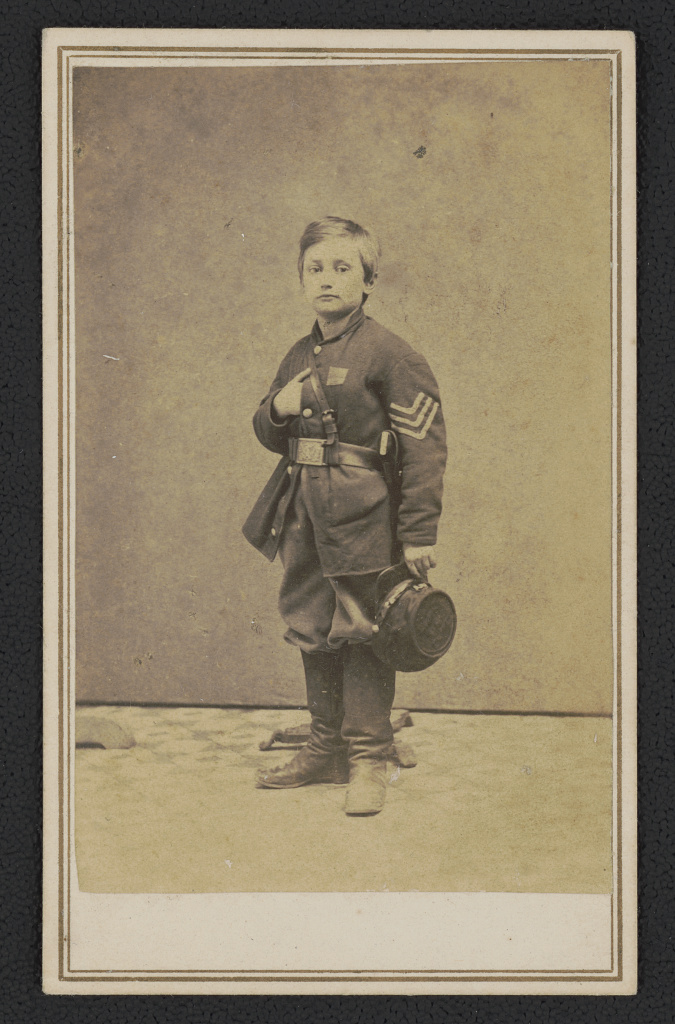 Library of Congress
Clem strikes a “Napoleonic,” or hidden hand, pose in this wartime image.
Clem’s youth is highlighted in this image of him next to a standard rifle musket, which is tall than him.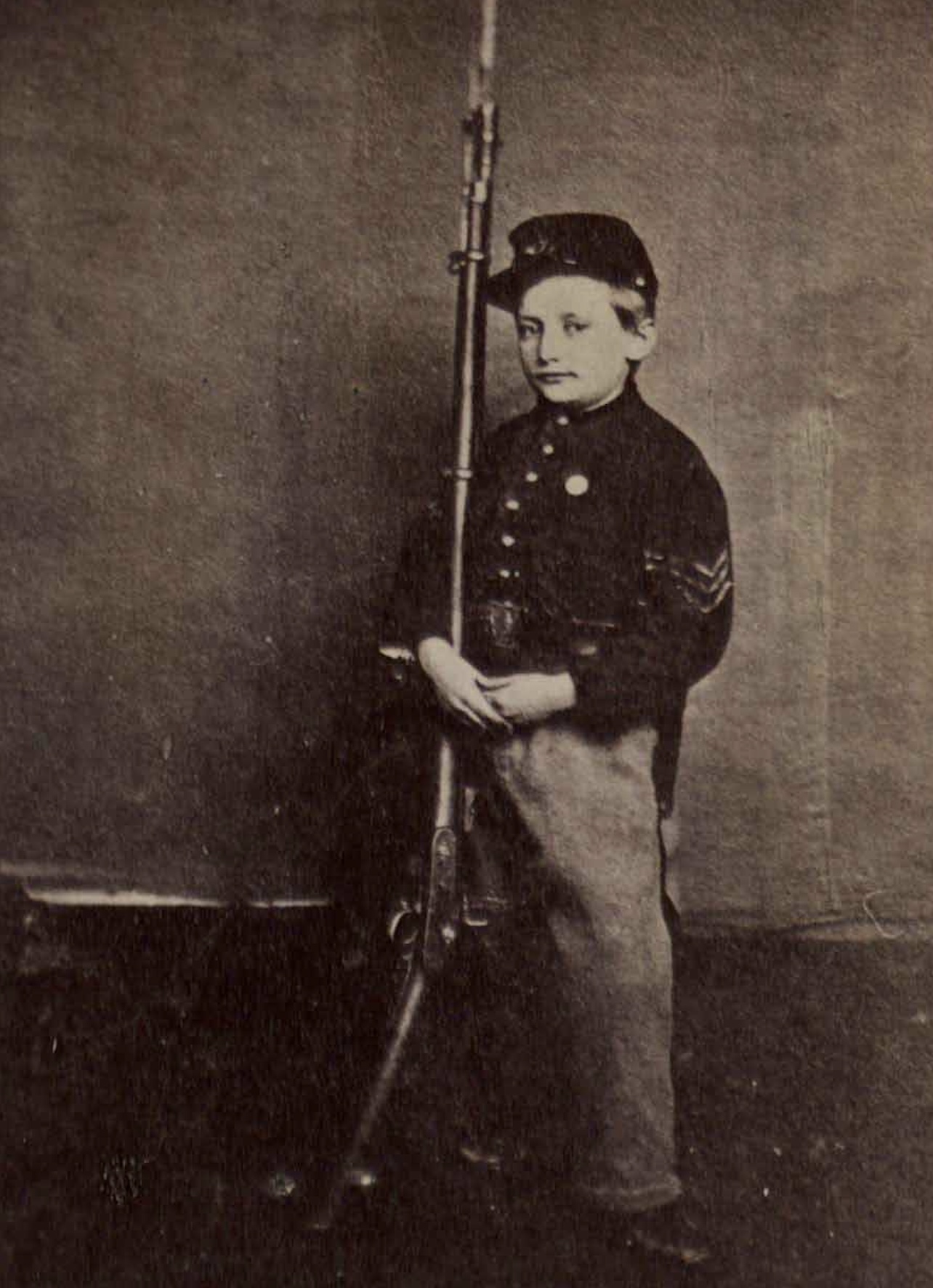 USAHEC
Clem’s youth is highlighted in this image of him next to a standard rifle musket, which is taller than him.
Clem strikes a menacing pose with a rifle in this wartime image.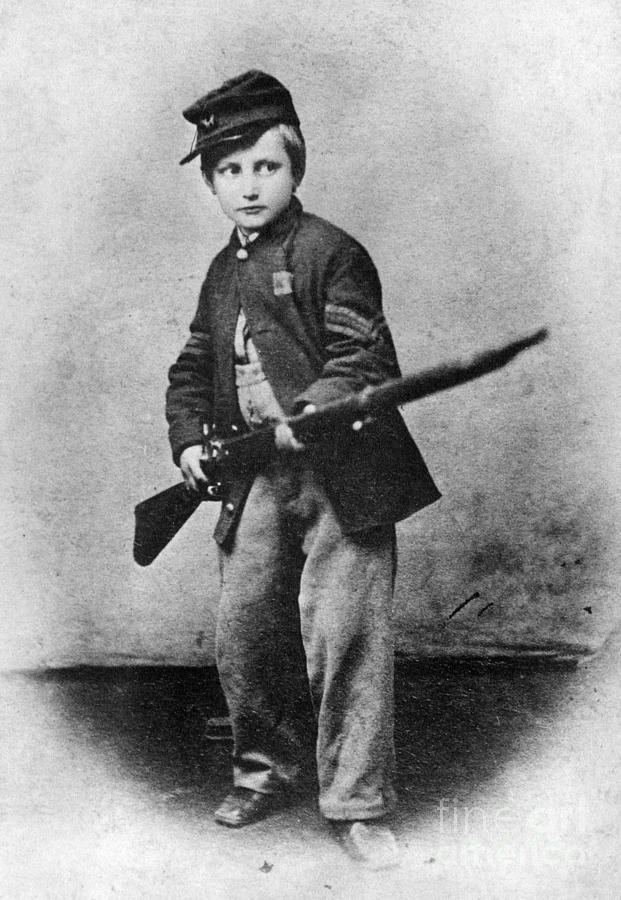 Library of Congress
Clem strikes a menacing pose with a rifle in this wartime image.
Clem is dressed in civilian clothes in a photo taken sometime after the war.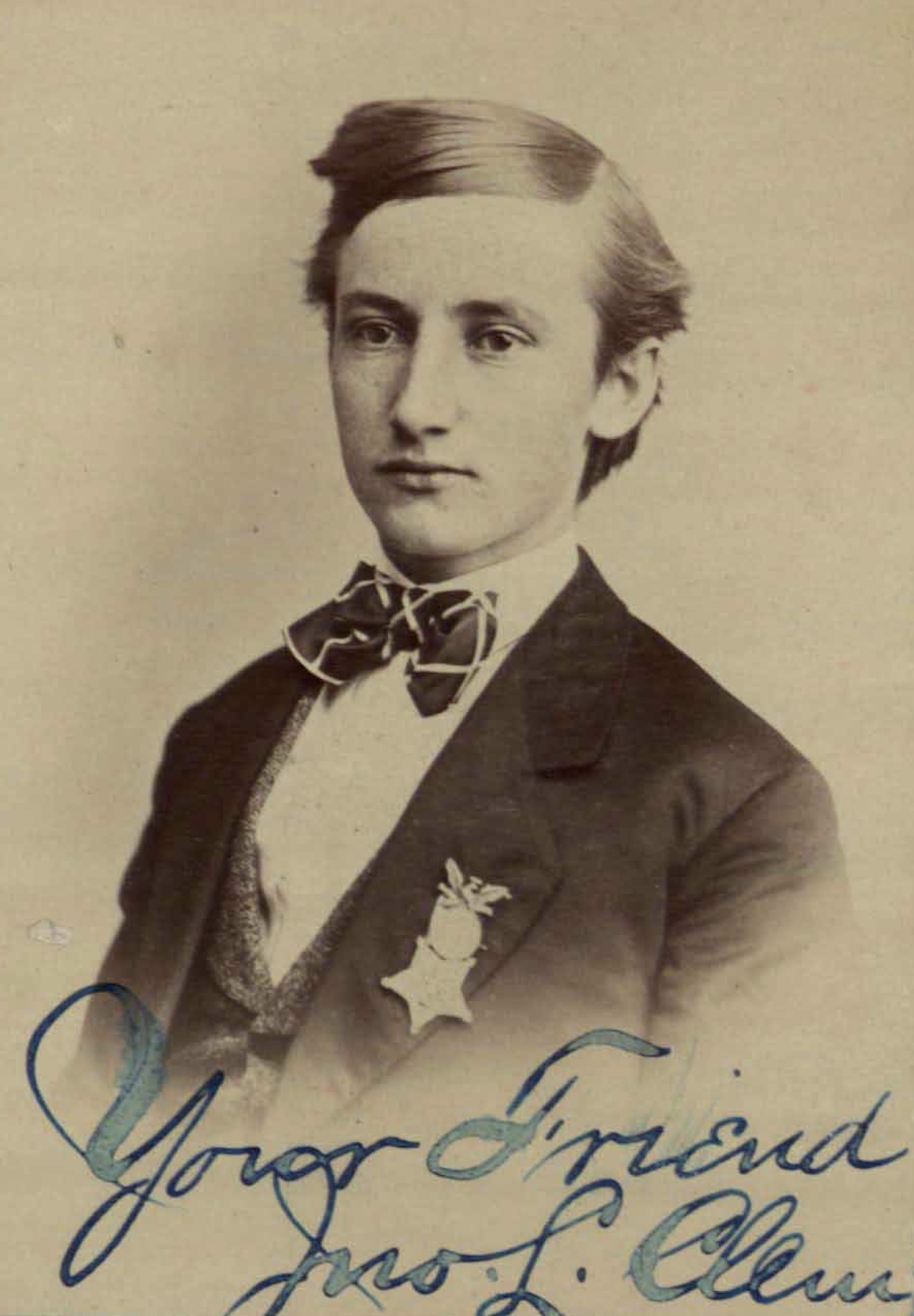 USAHEC
Clem is dressed in civilian clothes in a photo presumably taken shortly after the war.
Clem, in a standing pose from the same photo shoot, shows off the growth spurt that occurred since his Civil War service.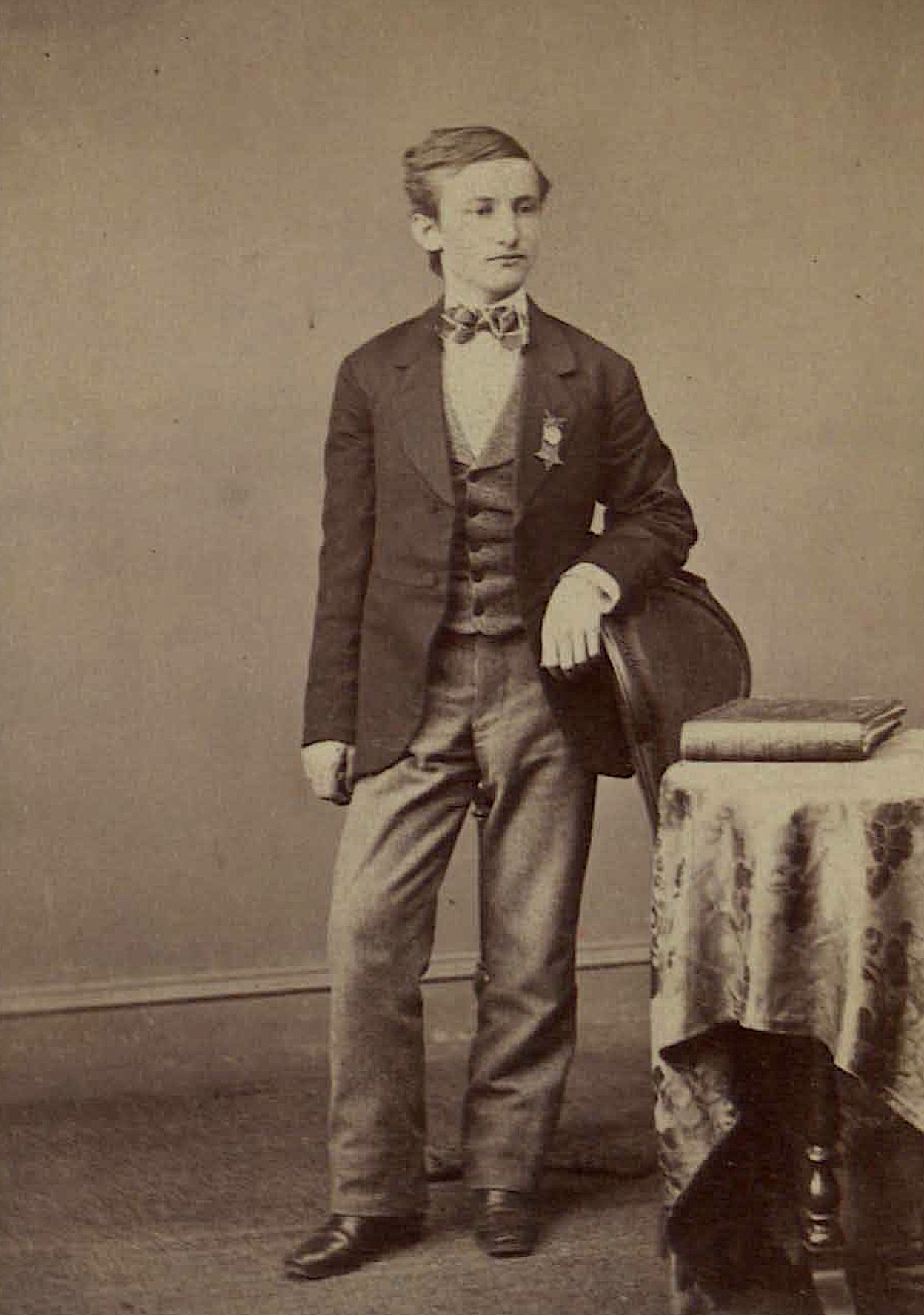 USAHEC
Clem, in a standing pose from the same photo shoot, shows off the growth spurt that he had experienced since his Civil War service.
Clem in 1871, the year he was elected captain-commander of the “Washington Rifles”, a District of Columbia militia unit.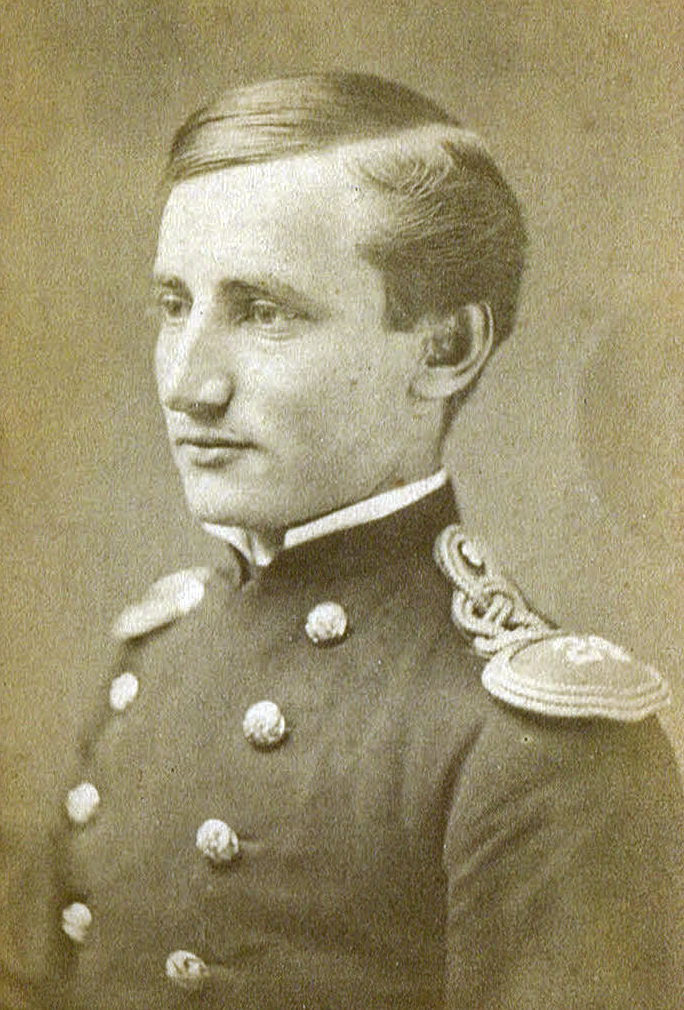 Wikimedia
Clem in 1871, the year he was elected captain-commander of the “Washington Rifles,” a District of Columbia militia unit.
Clem, dressed in the uniform of a second lieutenant in the U.S. Army.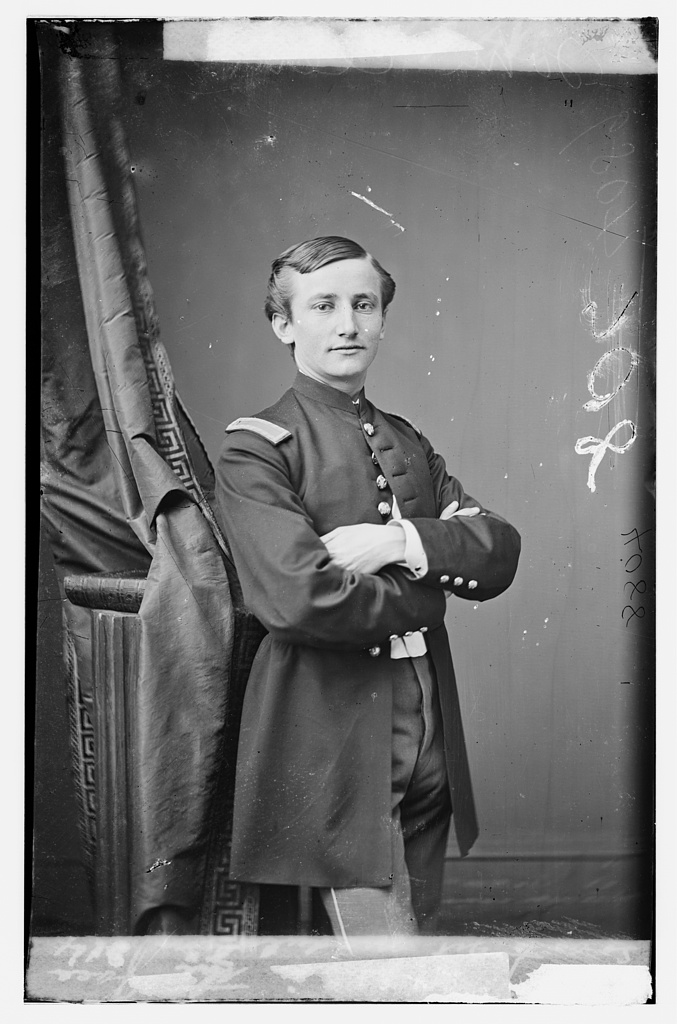 Library of Congress
Clem, dressed in the uniform of a second lieutenant in the U.S. Army.
In a photo made at the same time, Clem stands alongside a man, presumably his father.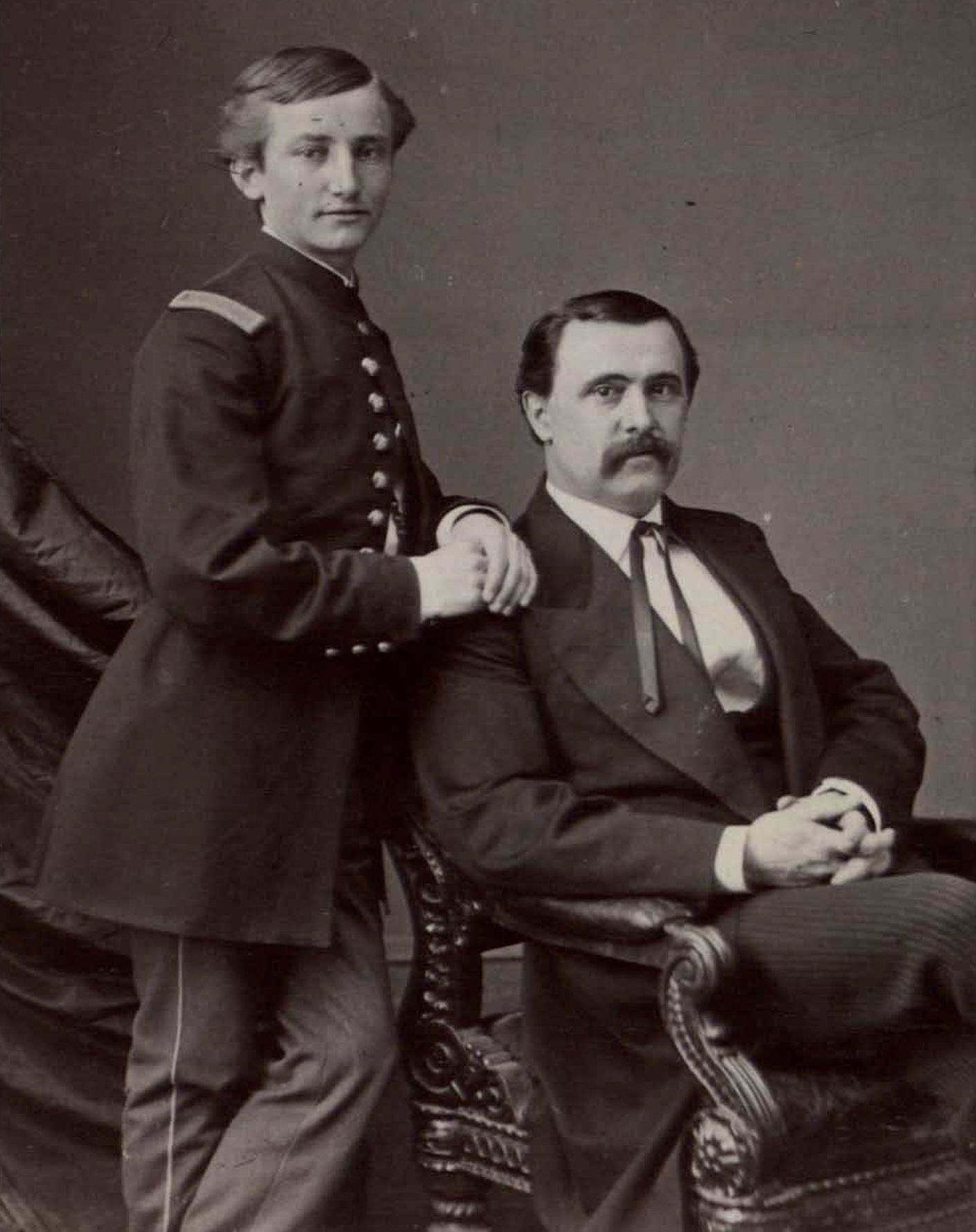 USAHEC
In a photo made at the same time, Clem stands alongside a man, presumably his father.
Clem, in the uniform of a U.S. Army colonel, a rank he obtained in 1903 when in his early fifties.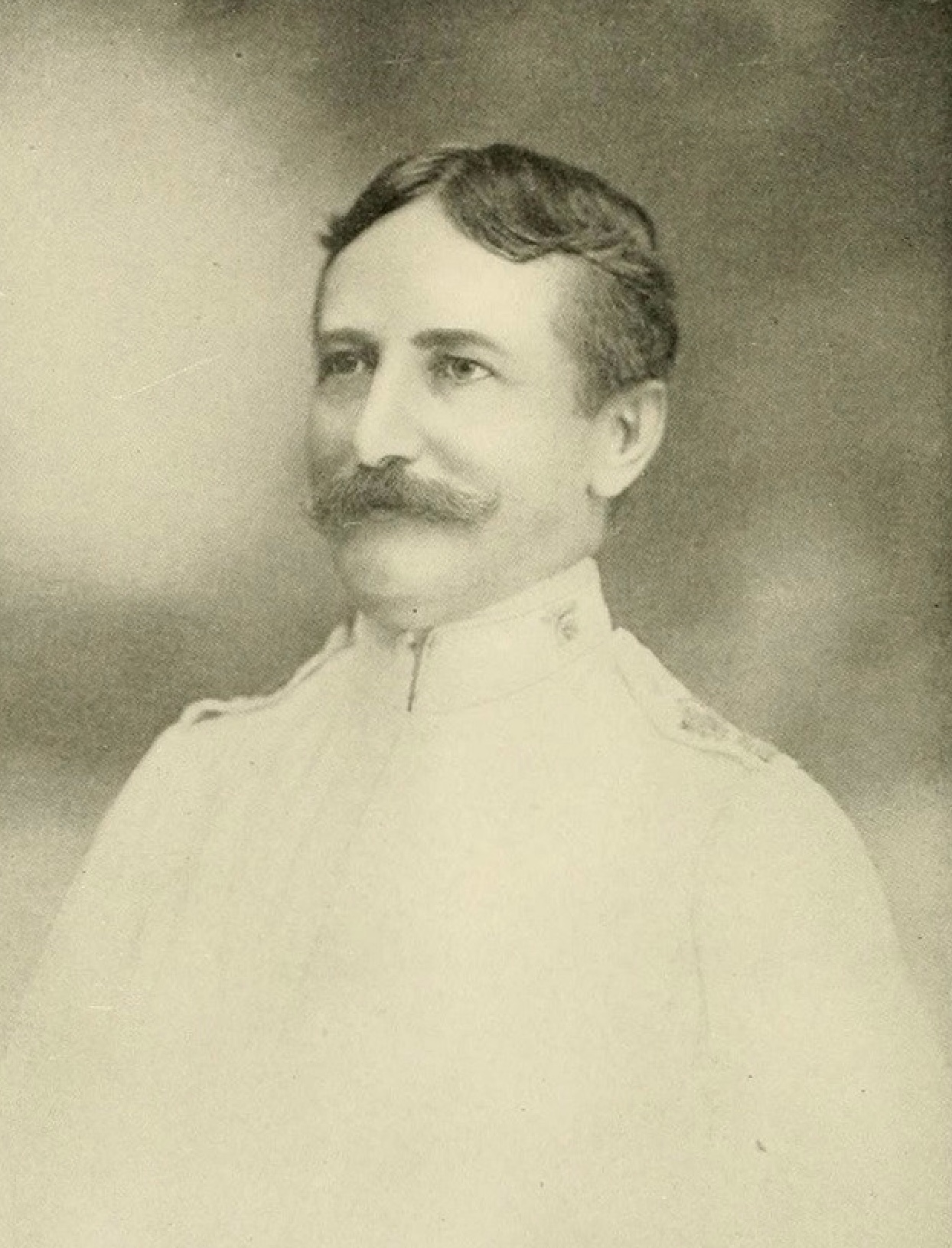 USAHEC
Clem, in the uniform of a U.S. Army colonel, a rank he obtained in 1903 when in his early fifties.
Clem (right) poses next to a fellow Civil War veteran at the Battle of Gettysburg 50th reunion in July 1913.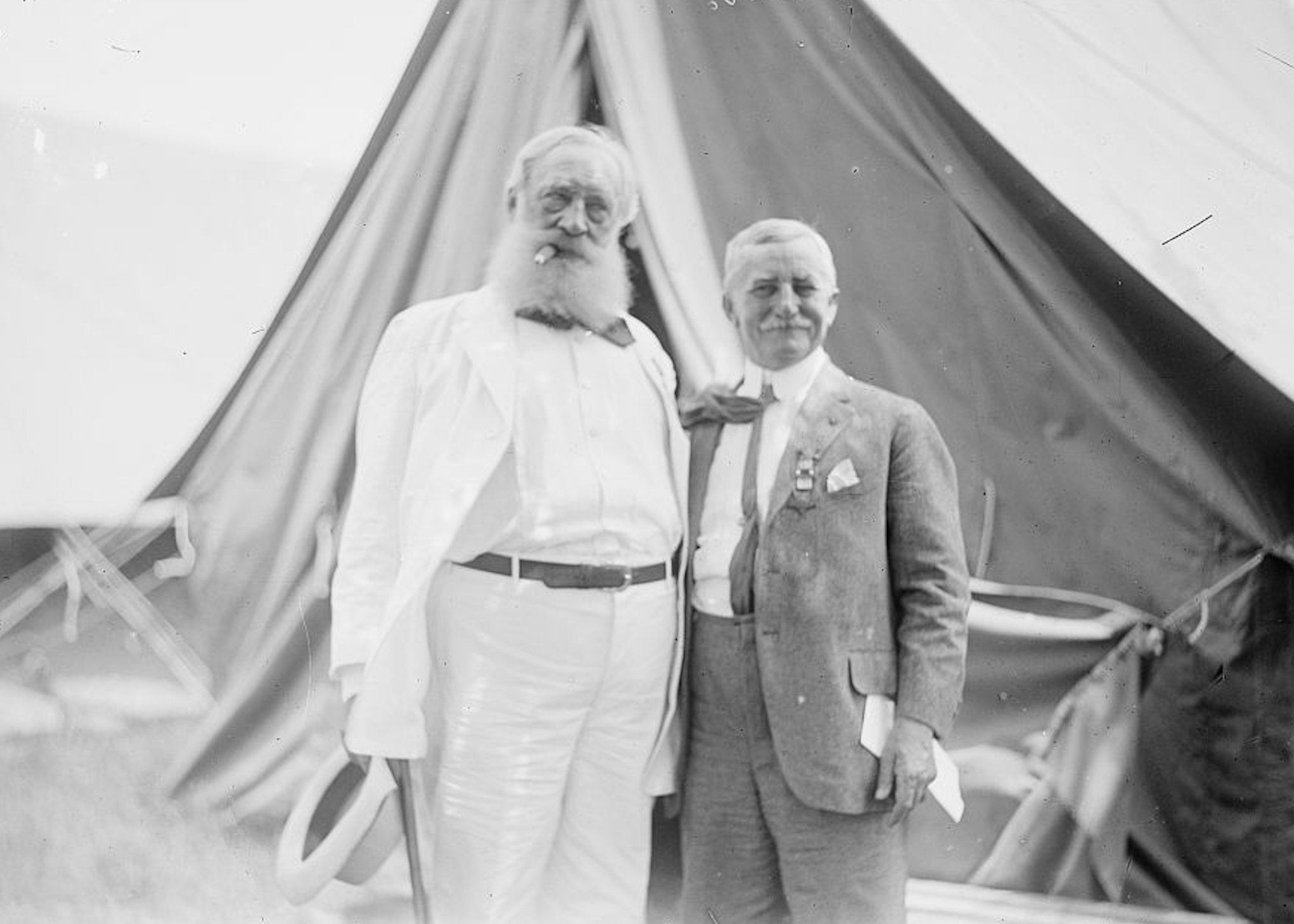 Library of Congress
Clem (right) poses next to a fellow Civil War veteran at the Battle of Gettysburg 50th reunion in July 1913.
Clem in 1922, the year he turned 71.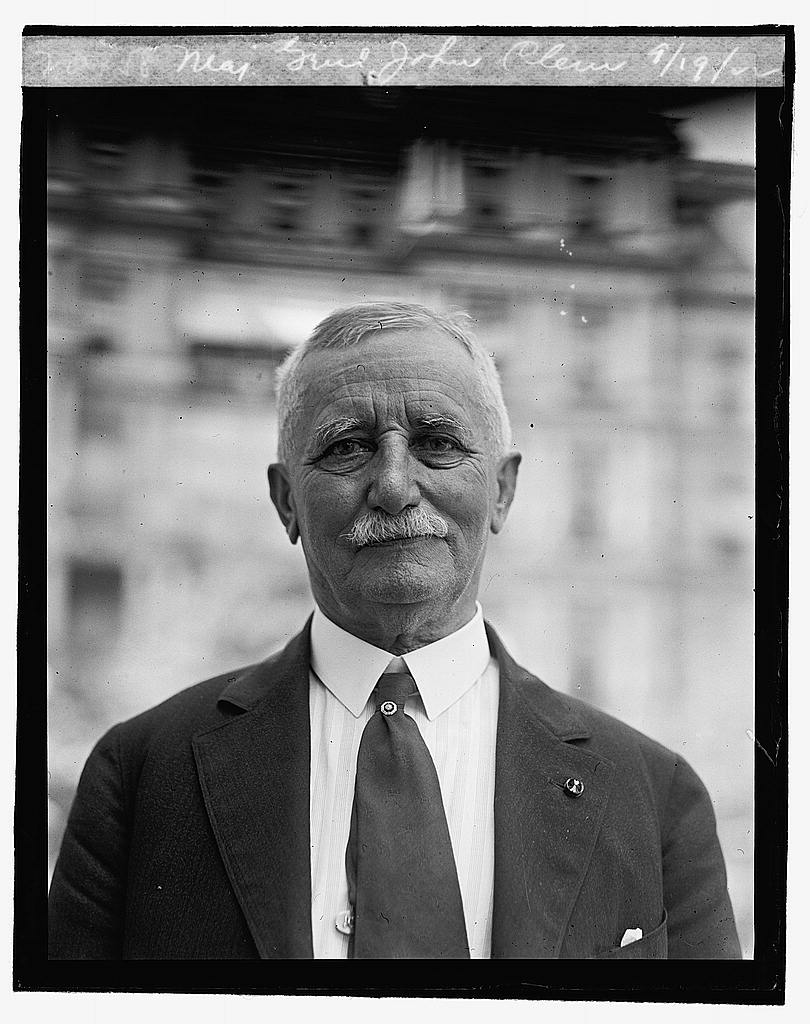 Library of Congress
Clem in 1922, the year he turned 71.
Major General John L. Clem (Ret.), in a photo from the 1930s.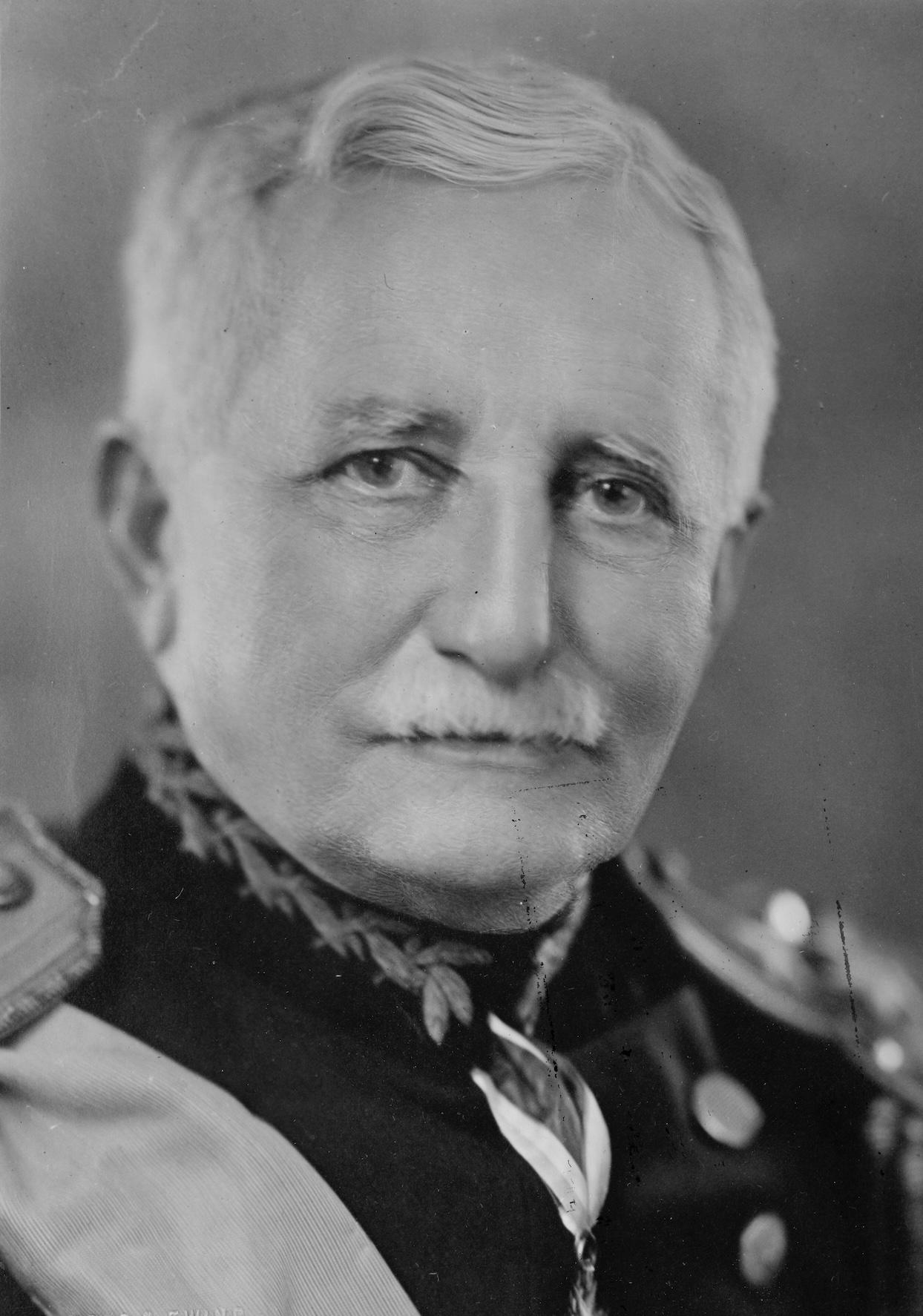 National Archives
Major General John L. Clem (Ret.), in a photo from the 1930s.