Blog
Published: 2/27/13
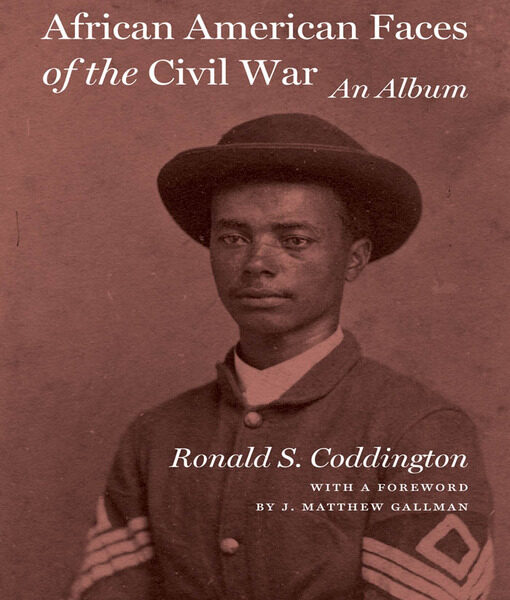
African American Faces of the Civil War (2012)
When the movie Glory debut in 1989 it was not commonly recognized that African Americans had fought in the Civil War. Although many of the details were fictionalized, the film’s depiction...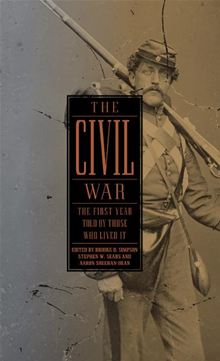
Published: 2/27/13
The Civil War: The First Year (2011)
In his incisive 2005 anthology What Caused the Civil War?, Edward L. Ayers called on his fellow historians to challenge the simplicity and triumphalism of Americans’ “common sense” Civil War...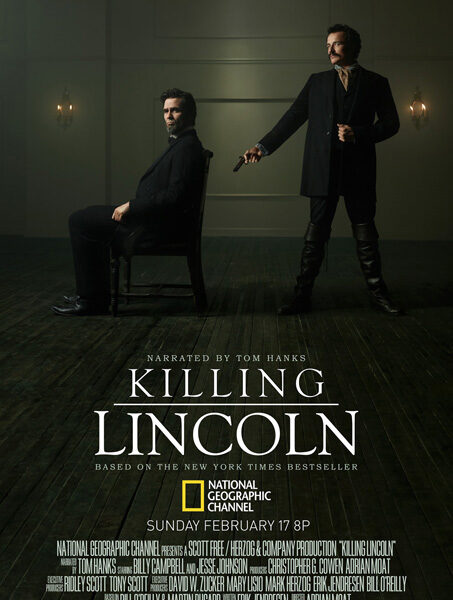
Published: 2/20/13
Killing Lincoln (2013)
The reviewer sits down on the couch. She picks up the remote control. It is 7:57 p.m. The docudrama is entitled Killing Lincoln, like the book upon which it is based....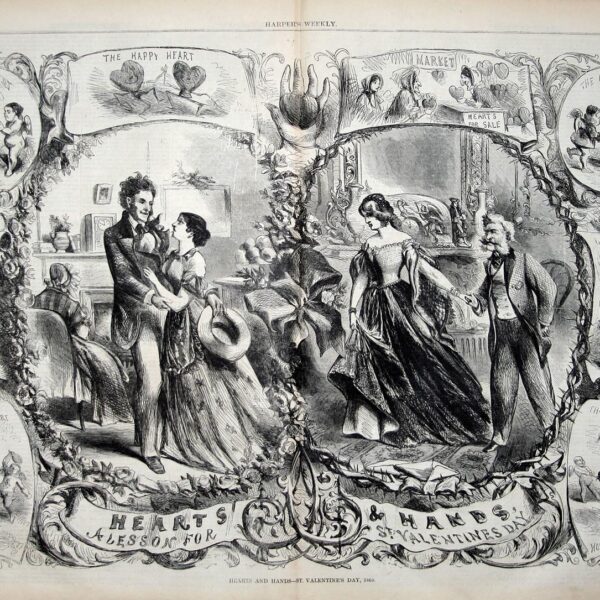
Published: 2/14/13
An 1863 Valentine
Letter from Alexander Hays to Annie Adams McFadden Hays, February 14, 1863 Union Mills, Va., February 14th, 1863. Dear Wife: It has this minute struck me that this is St....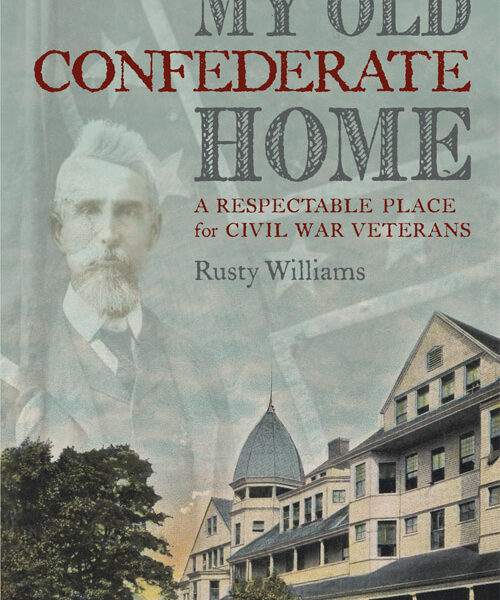
Published: 2/13/13
My Old Confederate Home (2010)
Since Bell Irvin Wiley published The Life of Johnny Reb in 1943, historians have worked tirelessly to shed light on the lives of ordinary Civil War soldiers. However, because many studies...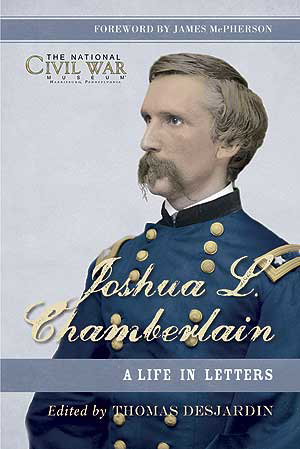
Published: 2/6/13
Joshua L. Chamberlain: The Life in Letters (2012)
This collection of documents relating to the life and career of famed Union general Joshua Lawrence Chamberlain is both richly rewarding as well as enormously disappointing. First, the deep problems...
Published: 2/1/13
An Interview with Jill Titus
Our interview with Jill Titus, associate director of the Civil War Institute at Gettysburg College. Dr. Titus discusses the upcoming Future of Civil War History Conference taking place in...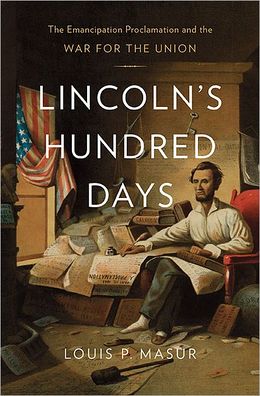
Published: 1/30/13
Lincoln’s Hundred Days (2012)
“The Halls of Congress are like a dirty privy,” William Porcher Miles noted in 1858—“a man will carry off some of the stink even in his clothes.”1 As depicted in Louis...
Published: 1/25/13
An Interview with Scott Hartwig
Our interview with Scott Hartwig, Supervisory Historian at Gettysburg National Military Park and author of To Antietam Creek: The Maryland Campaign of September 1862 (The Johns Hopkins University Press,...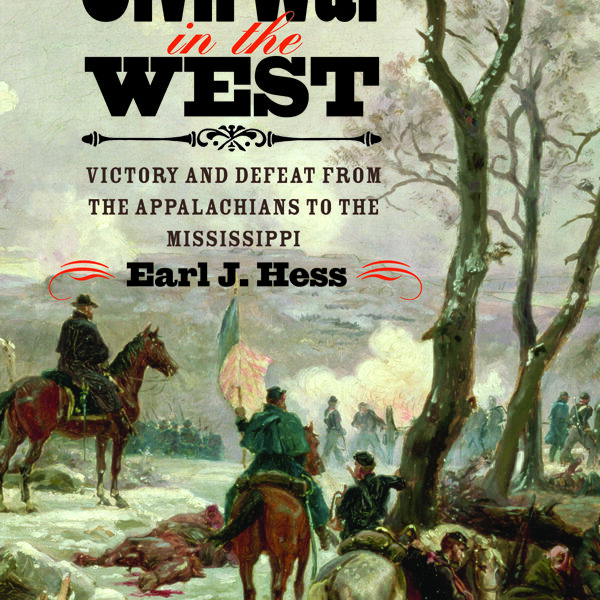
Published: 1/23/13
The Civil War in the West (2012)
The Civil War West is quickly becoming all the rage, emerging as the theme of conferences, the focus of panels dedicated to new directions in the field, and even appearing...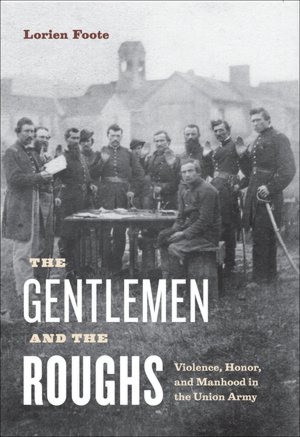
Published: 1/23/13
The Gentlemen and the Roughs (2010)
Positing the Union army as northern society in microcosm, Lorien Foote argues for a vibrant culture of honor in the Union ranks. This northern honor operated along a sliding scale—from...
Published: 1/22/13
2012 | The Year in Review
Another year has come and gone and The Civil War Monitor editorial staff is thankful for a very productive 2012. As we begin to make plans for another exciting year,...
Published: 1/18/13
An Interview with Brian Craig Miller
Our conversation with Brian Craig Miller, Assistant Professor of History and Associate Chair of History at Emporia State University and editor of A Punishment on the Nation: An Iowa...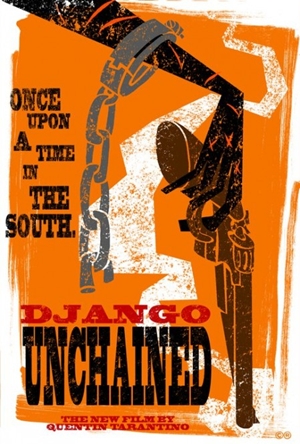
Published: 1/16/13
How We Need to Learn to Stop Worrying and Love “Lincoln” and “Django Unchained”
Alright . . . historians, history buffs, and anyone who cares about history—take a deep breath and repeat after me: “It’s OK to love Lincoln and Django Unchained.” Why? Because they’re excellent—and I...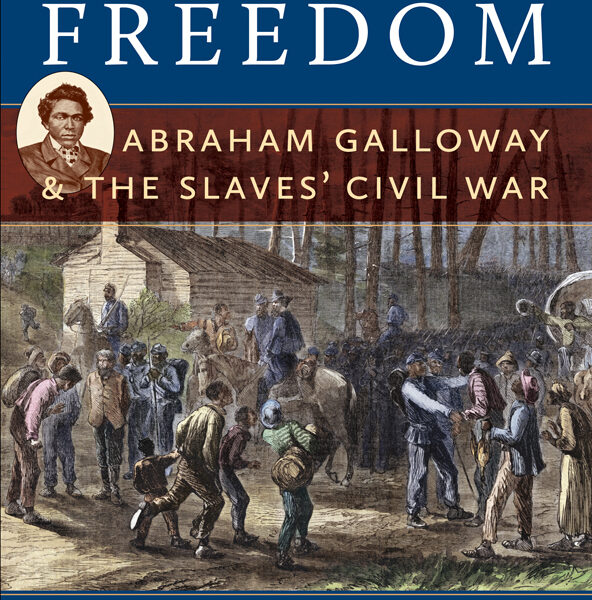
Published: 1/9/13
The Fire of Freedom (2012)
A difficult scholarly challenge is rescuing from the dustbin of the past persons of historical importance, who for whatever reason have fallen into obscurity. This task is ably handled by...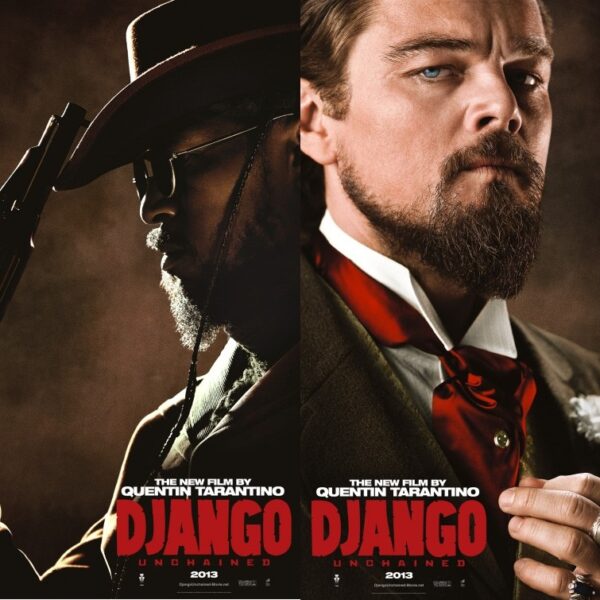
Published: 1/2/13
Django Unchained (2012)
That Quentin Tarantino’s “Django Unchained” is the most effective depiction of American slavery in the recent history of feature films is somewhat surprising and deeply disturbing. The first scenes and...
Published: 12/26/12
A Taste For War (2011)
Historians have long tried to capture the experience of the common soldier ever since Bell Wiley wrote Johnny Reb (1943) and Billy Yank (1952). Since then they have described everything from their views...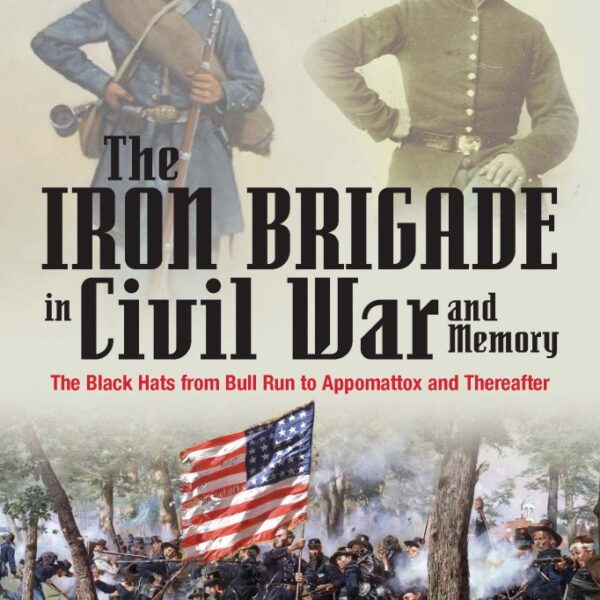
Published: 12/18/12
The Iron Brigade in Civil War and Memory (2012)
Few infantry units in the Federal or Confederate armies match the Iron Brigade in reputation or accomplishment. Distinguishing themselves at the Brawner Farm, on South Mountain, during the Battle of...