Minie ball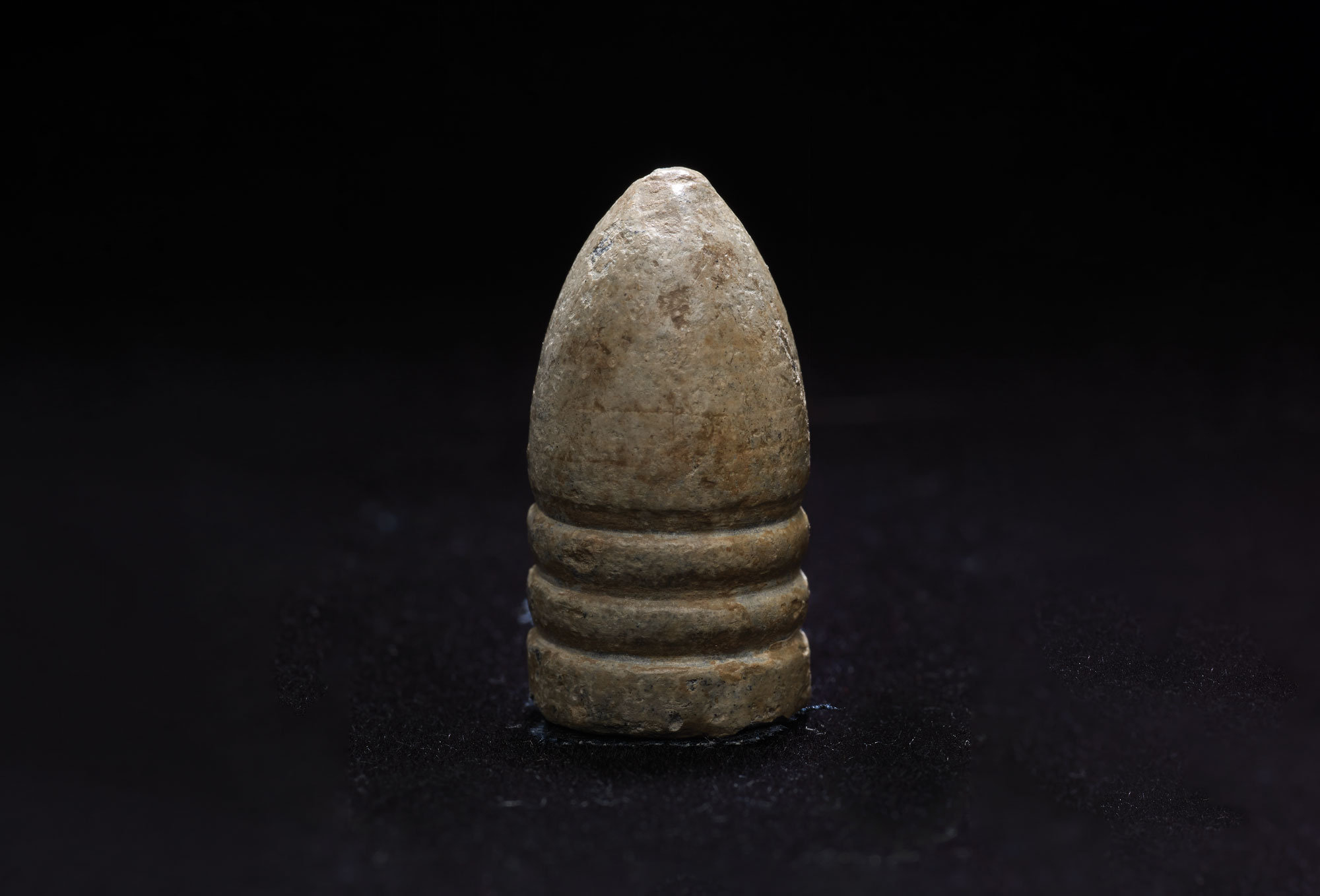 Civil War Monitor collection: Photographed by Eric Kulin
“The accidental forms and distortions which leaden projectiles are liable to assume by contact with opposing obstacles both within and without the body form a curious and interesting feature….” So wrote the authors of The Medical and Surgical History of the War of the Rebellion—the multivolume study of Union sick and wounded published between 1870 and 1888—in their analysis of the effects small arms munitions, chiefly the cylindrical-conical bullet known as the minie ball, had on the soldiers they hit. The minie, which inflicted an estimated 76% of the war’s battlefield injuries, caused grievous wounds, typically tearing through tissue and shattering bones after entering a body. It also contorted into irregular shapes, its soft leaden form twisting and bending as it cut its path through flesh and bone. “[T]he distortions of bullets were of all imaginable forms,” noted the authors of The Medical and Surgical History, “their courses … frequently no less erratic.” Shown here from their study are illustrations of some distorted bullets—and the stories of those they wounded.
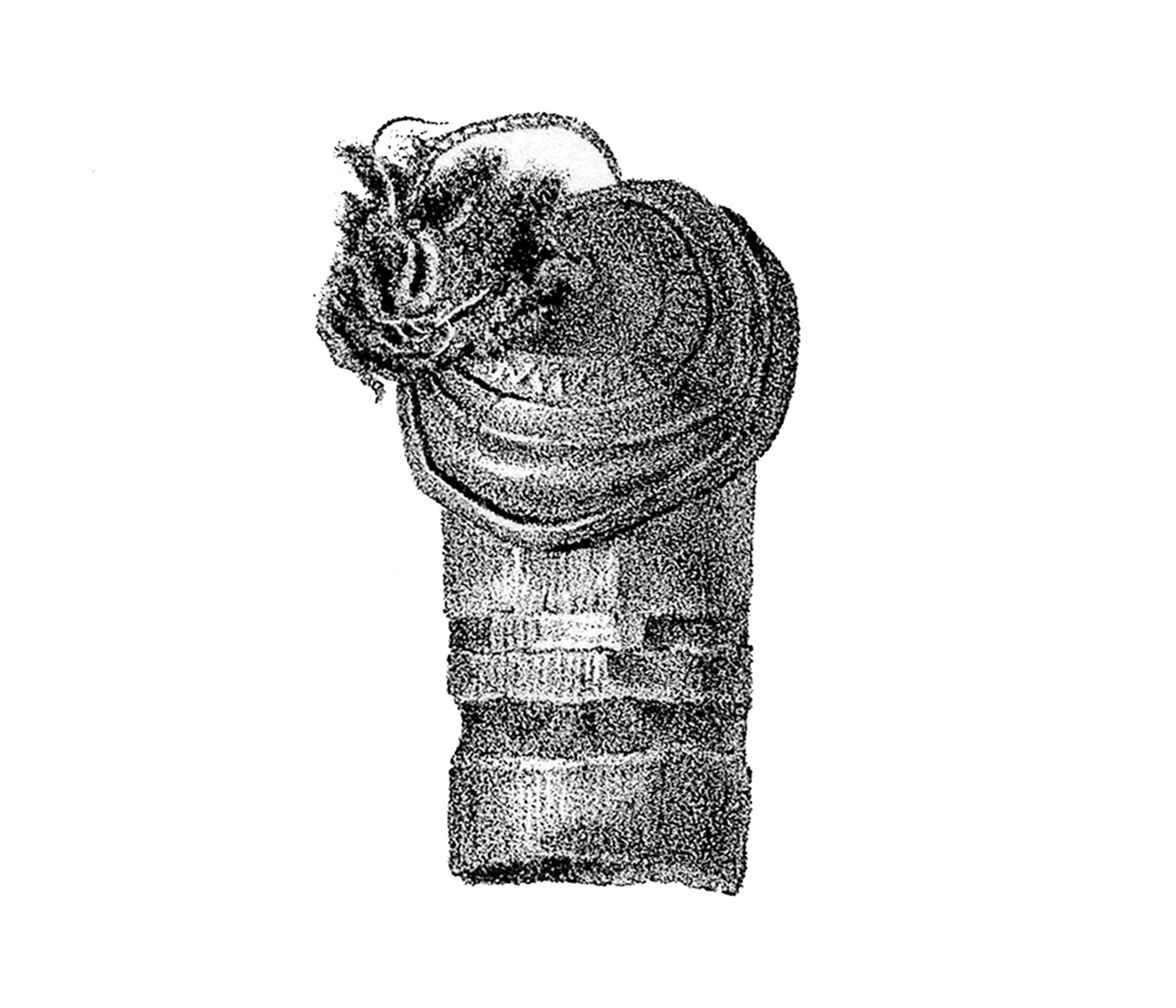
Specimen 4151
Rank: Private
Unit: 1st Maine Cavalry
Where and when wounded: Brandy Station, Virginia, October 12, 1863
Details: The bullet entered below the level of the nipples, passed through the great lobe of the liver and lodged beneath the diaphragm, taking with it a military coat button and the cloth to which it was sewn. The patient died of pericarditis and pleurisy eight days later at a hospital in Washington, D.C.
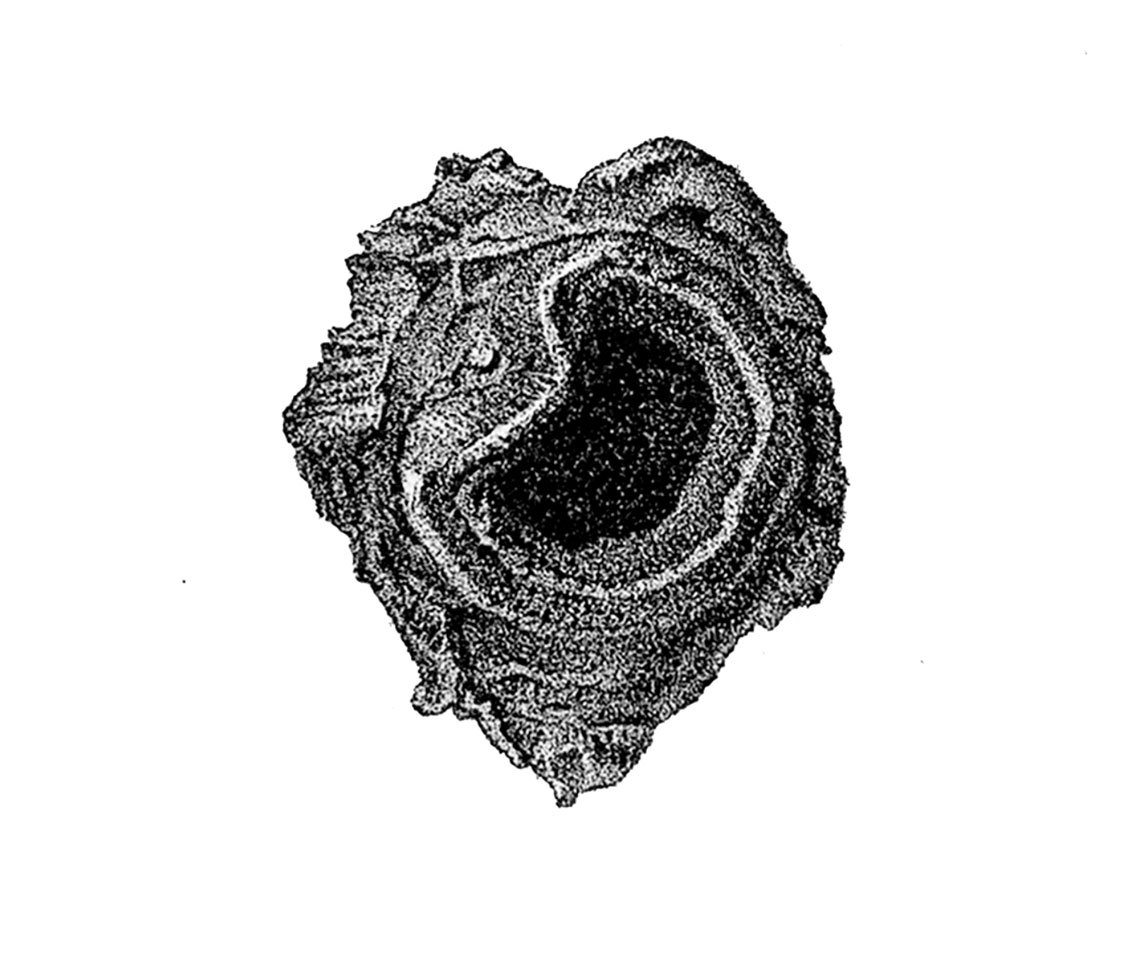
Specimen 4558
Rank: Private
Unit: 69th New York Infantry
Where and when wounded: Battle of Malvern Hill, July 1, 1862
Details: The bullet entered the chest at the fourth rib and lodged in the sternum. The patient was discharged from the service in the spring of 1863. The wound healed and he reenlisted in February 1864. The wound reopened on exposure; in April, surgeons discovered and extracted the bullet, which had been flattened upon itself from the apex to the second ring, its borders jagged.
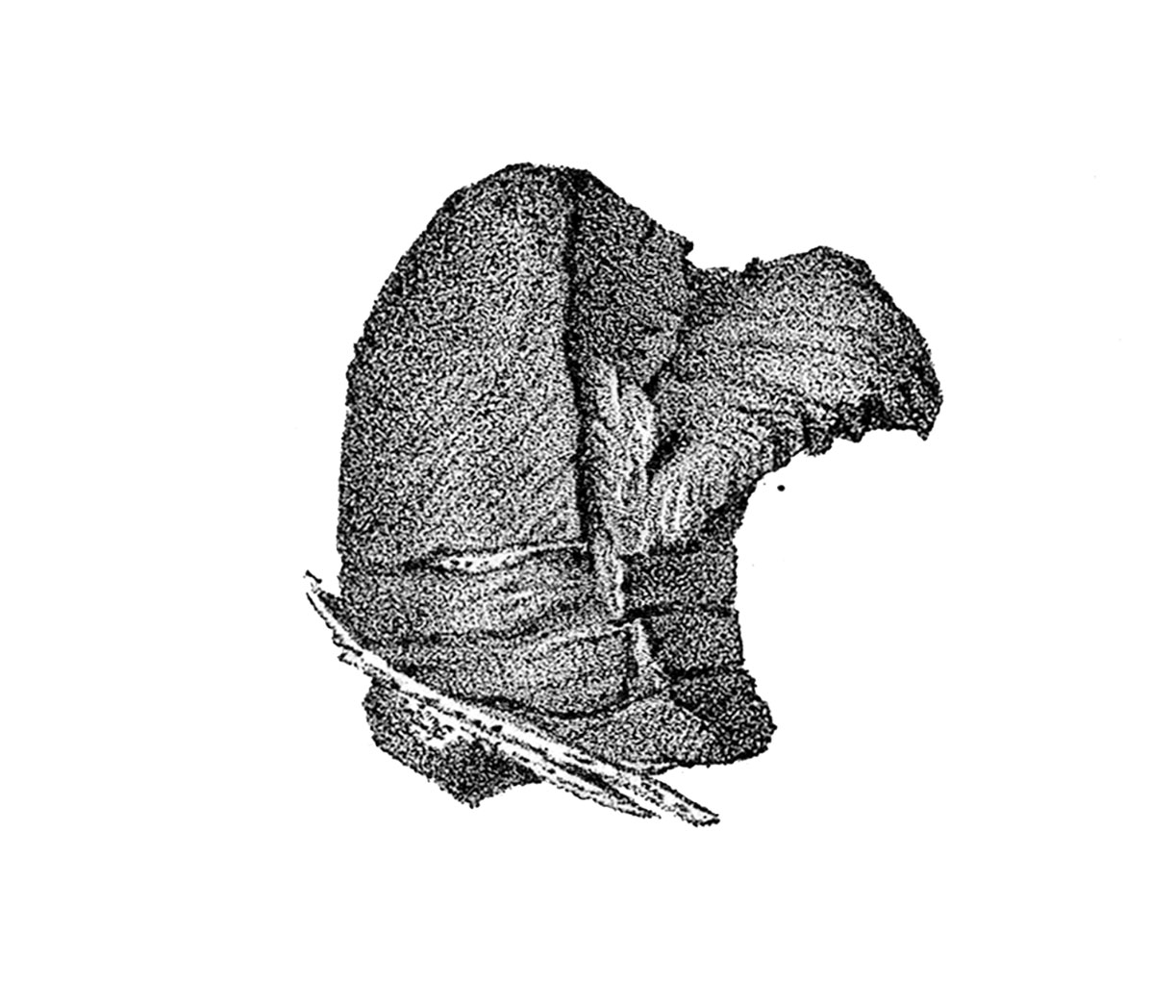
Specimen 4483
Rank: Corporal
Unit: 142nd Pennsylvania Infantry
Where and when wounded: Battle of Fredericksburg, December 13, 1862
Details: The ball entered above the right clavicle, taking with it a piece of bone, which is held in its base. It continued through the left lung, impinged on the body of one of the dorsal vertebrae, and lodged under the greater curvature of the stomach. The patient died in a hospital at Alexandria, Virginia, on December 31, 1862.
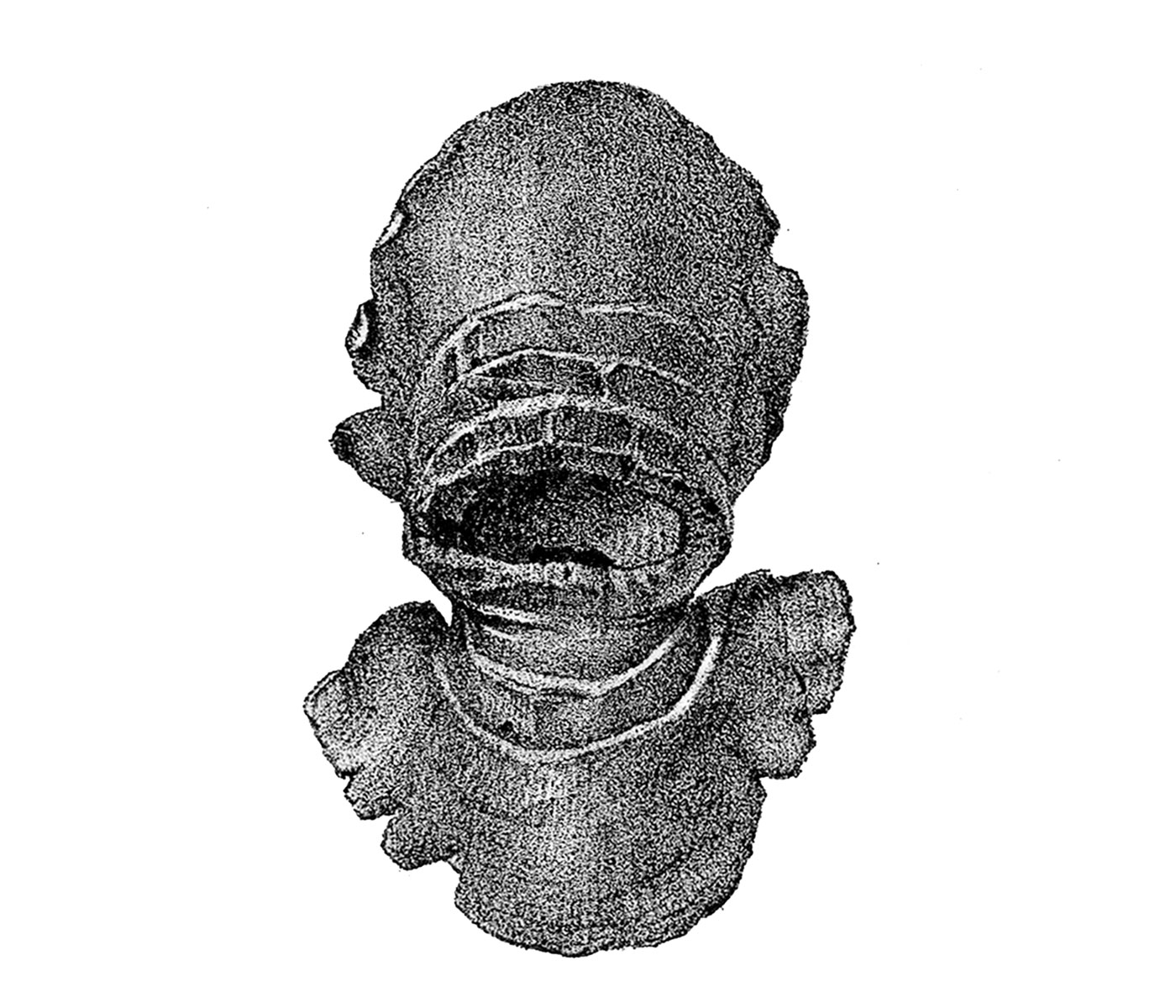
Specimen 4537
Rank: Private
Unit: 4th New York Cavalry
Where and when wounded: Battle of Antietam, September 17, 1862
Details: The ball entered the mouth, injuring the tongue and dividing the symphysis of the lower jaw, before lodging in the triangle formed by the trachea in the median line, the omohyoid muscle, and the sternum. It had grazed the common carotid artery, which ulcerated sometime afterward. The patient died from secondary hemorrhage on September 29. The ball was extracted after death, nearly one-third of its body split off from the apex and turned back and joined at the base.
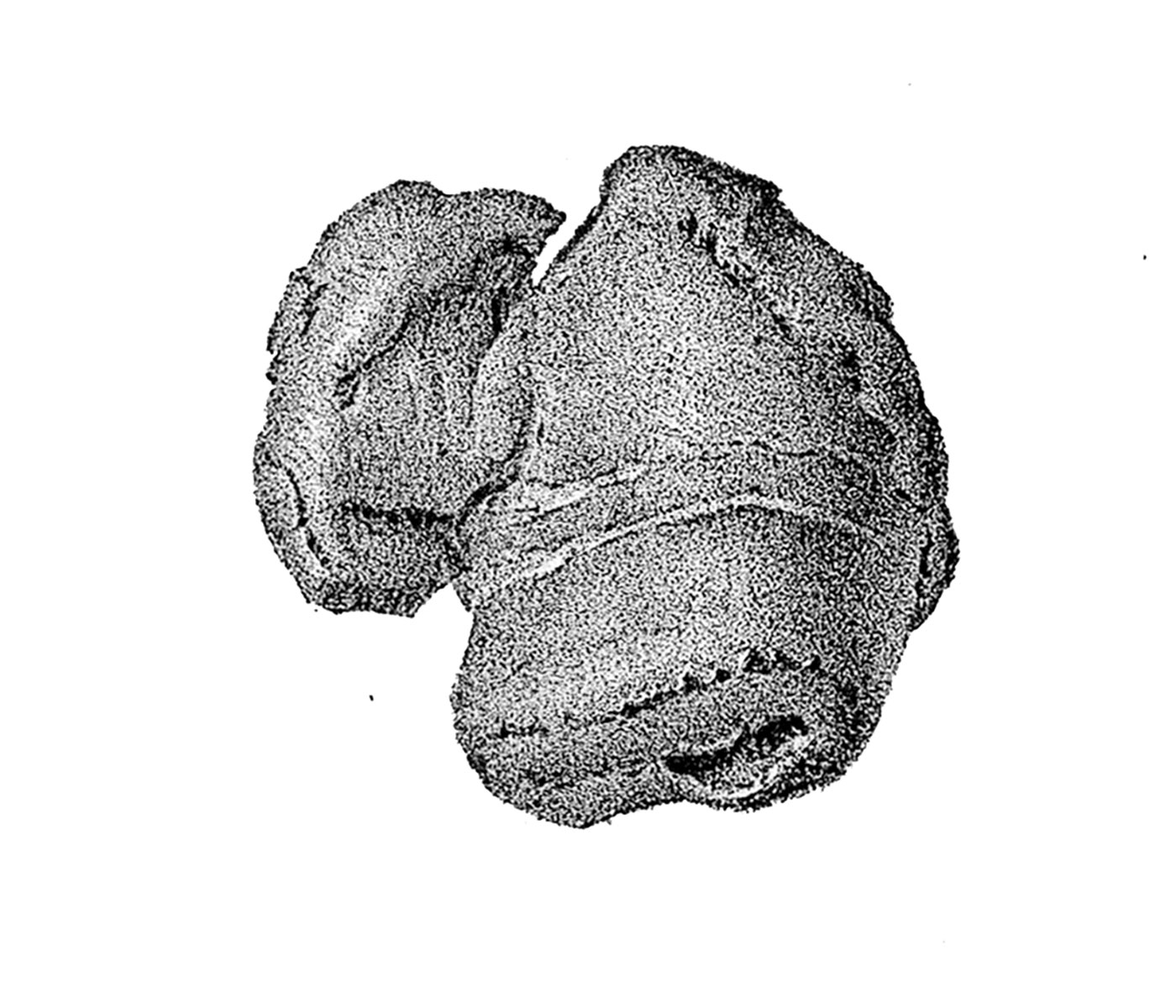
Specimen 2241
Rank: Lieutenant Colonel
Unit: 39th Massachusetts Infantry
Where and when wounded: Battle of the Weldon Railroad, August 18, 1864
Details: The ball entered the lower abdomen and fractured the pelvis before passing to the left for eight inches and lodging against the top of the femur, where it was discovered by a probe and removed on September 10. The bullet’s apex was driven into its body and compressed, with a fragment projecting from one side. The patient survived the wound and the war.
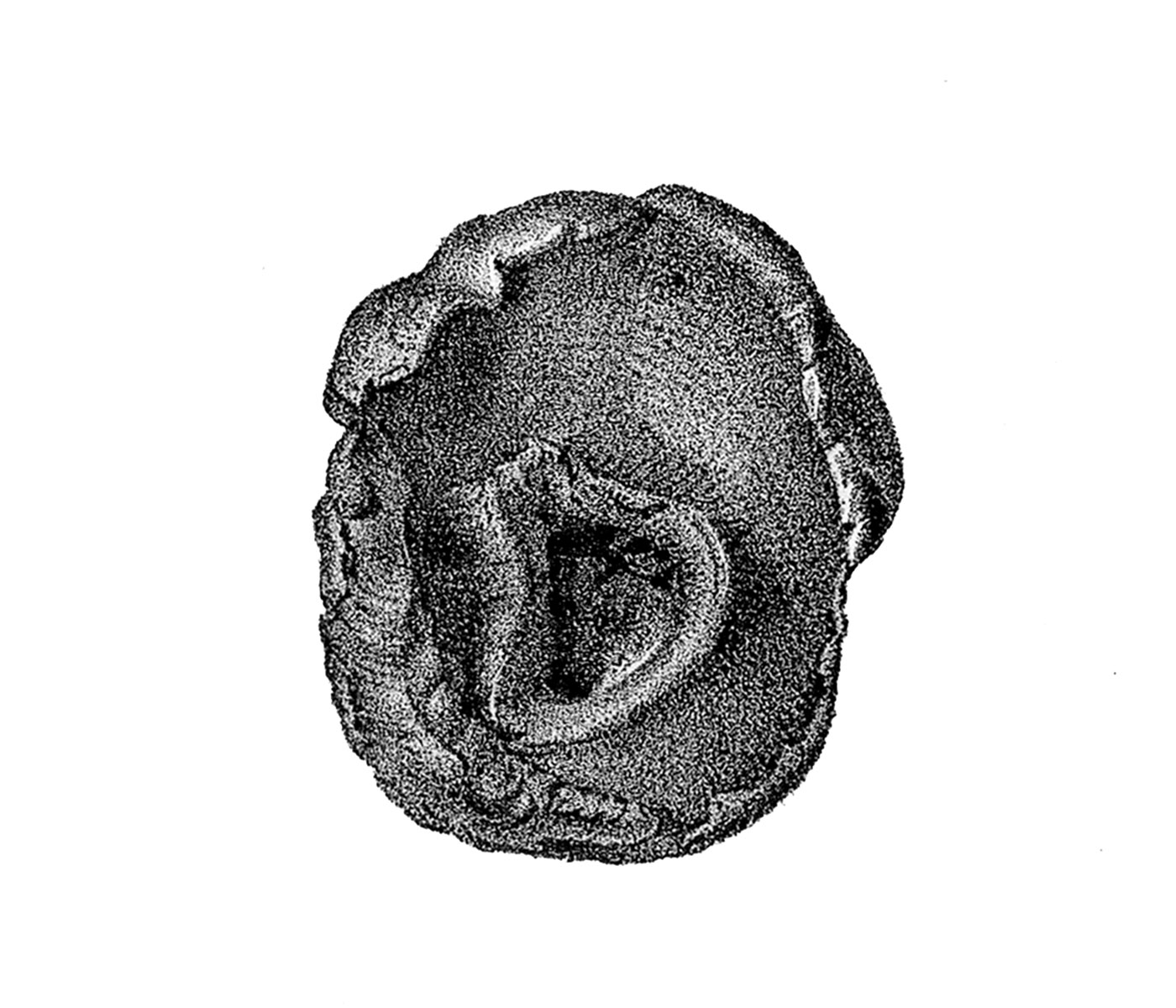
Specimen 693
Rank: Corporal
Unit: 36th Ohio Infantry
Where and when wounded: Battle of Chickamauga, September 19, 1863
Details: The bullet entered the front of the knee, below the kneecap, while the joint was flexed. The ball flattened from the apex backward, with the body curved over the base. The patient was doing well as of January 1864.
Sources
The Medical and Surgical History of the War of the Rebellion Part III. Volume II. Surgical History (1883); Catalogue of the Surgical Section of the United States Army Medical Museum (1866). Images: Civil War Monitor collection (minie ball), photographed by Eric Kulin; all other images courtesy of Otis Historical Archives, National Museum of Health and Medicine, Defense Health Agency Research & Engineering Dir (J-9).