“We must pierce, fight, and crush the traitors upon their own soil, under the shadow of their own homes—or if need be, amid the glare arising from their blazing domiciles.”
–Troy Times (New York), April 22, 1861.
p.g.t. beauregard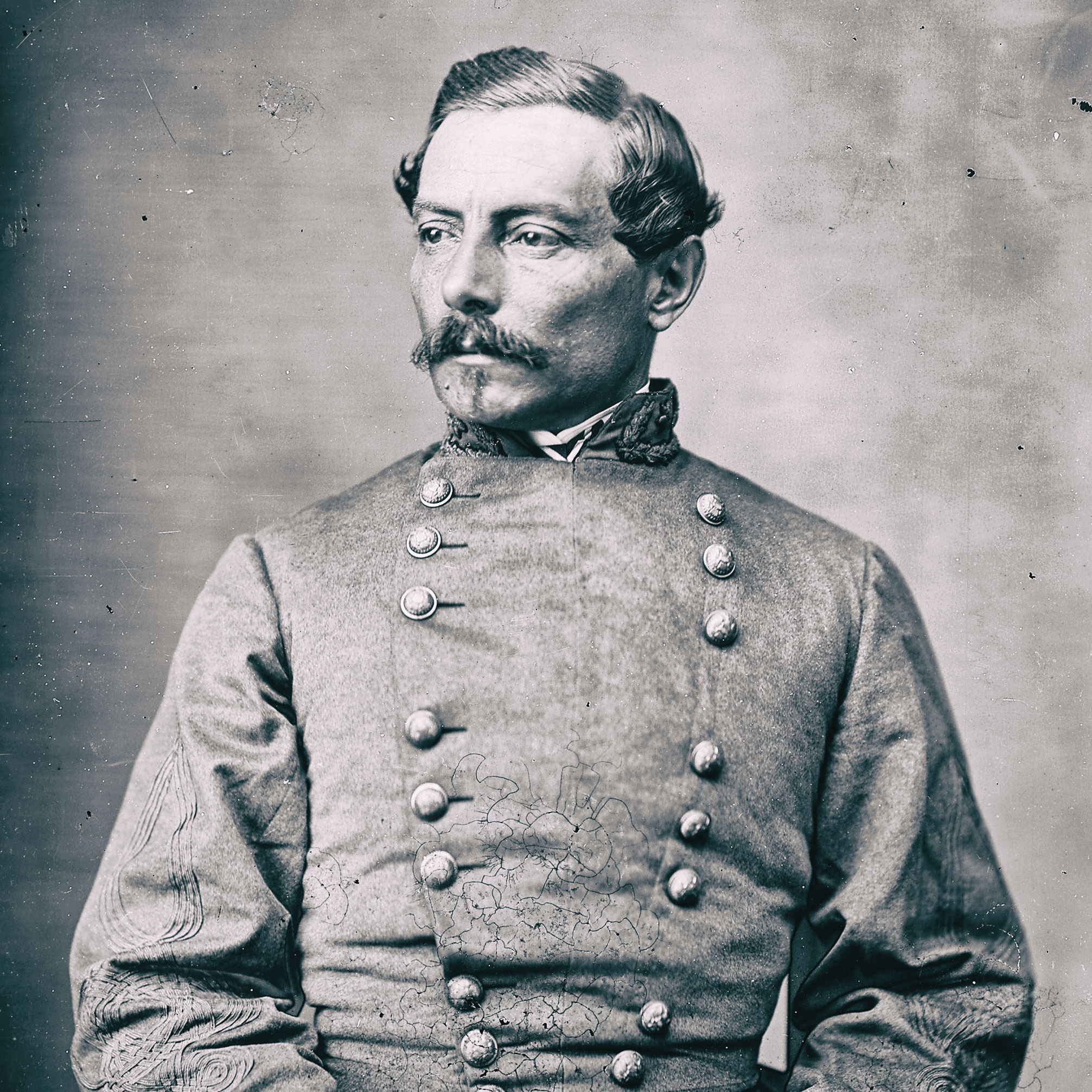 National Archives
“A reckless and unprincipled tyrant has invaded your soil…. All rules of civilized warfare are abandoned, and they proclaim by their acts, if not on their banners, that their war-cry is ‘BEAUTY and BOOTY.’ All that is dear to man—your honor, and that of your wives and daughters, your fortunes and your lives, are involved in this momentous contest.”
–Brigadier General Pierre G.T. Beauregard (above), C.S.A., in a June 5, 1861, proclamation to residents of Virginia warning them that the true intention of Union soldiers was to rape and pillage their way through the South.
“Oh! how I do hate the North.”
–A female resident of Baltimore, Maryland, in a letter to a friend, June 1861.
“Secession is the fashion here. Young ladies sing for it; old ladies pray for it; young men are dying to fight for it; old men are ready to demonstrate it…. The utter contempt and loathing for the venerated Stars and Stripes, the abhorrence of the very words United States, the intense hatred of the Yankee on the part of the people, cannot be conceived by anyone who has not seen them.”
–London Times reporter William Howard Russell on the popular mood in Charleston, South Carolina, on April 17, 1861, four days after the fall of Fort Sumter.
“[W]e ought to make the war overwhelming…. We ought to pour our legions forward. It is mercy now to go strong and fight hard…. Let it be settled from henceforth in this land that a Government has a right to be a Government…. Let us meet and settle the issue now, and bury it so deep, in a grave so blood-cemented, that it shall have to the end of time no resurrection. Let us not be eager for peace as to heal this hurt slightly. Let the laws go with the army. HANG TRAITORS.”
–The Reverend Andrew Leete Stone to the congregation of Boston’s Park Street Church, April 26, 1861.
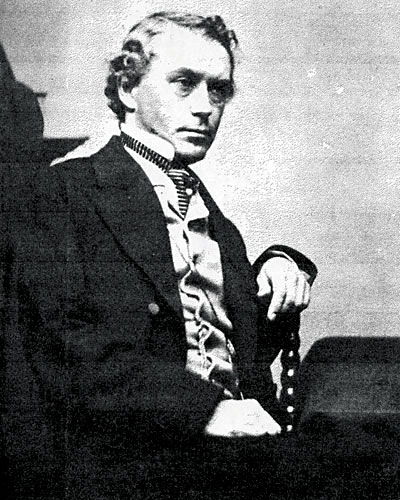
“We are living a month of common life every day…. [T]he attitude of New York and the whole North at this time is magnificent. Perfect unanimity, earnestness, and readiness to make every sacrifice for the support of law and national life….”
–New York City lawyer and diarist George Templeton Strong (above), April 18, 1861.
“I think that many persons are beginning now to feel that the excitement of our people … is becoming too intense, and is running into violent fanaticism which may soon plunge us into all the brutalities of the lowest and most savage forms of warfare…. [We] are in danger, as it seems to me, of inaugurating here, on our own soil and against our brothers and fellow countrymen, scenes of revolting butchery that will make us blush in after times, and hang our heads in shame….”
–The Reverend David Pitkin, in a sermon to worshipers at St. Peter’s Church in Albany, New York, April 30, 1861.
Sources
William E. Gienapp, ed., The Civil War and Reconstruction: A Documentary Collection (New York, 2001); Andrew S. Coopersmith, Fighting Words: An Illustrated History of Newspaper Accounts of the Civil War (New York, 2004).