 ABC Photography Dept.
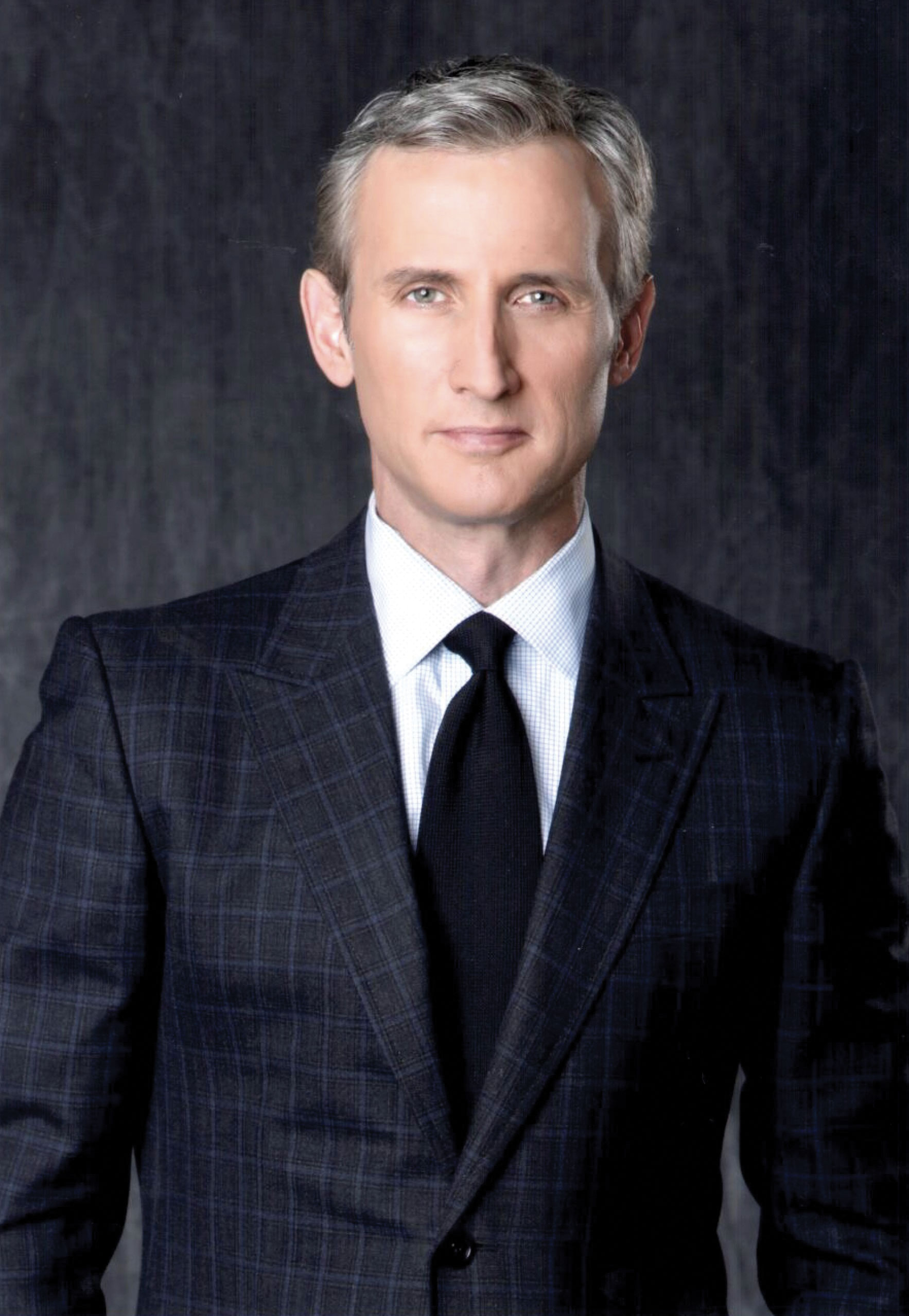
Dan Abrams
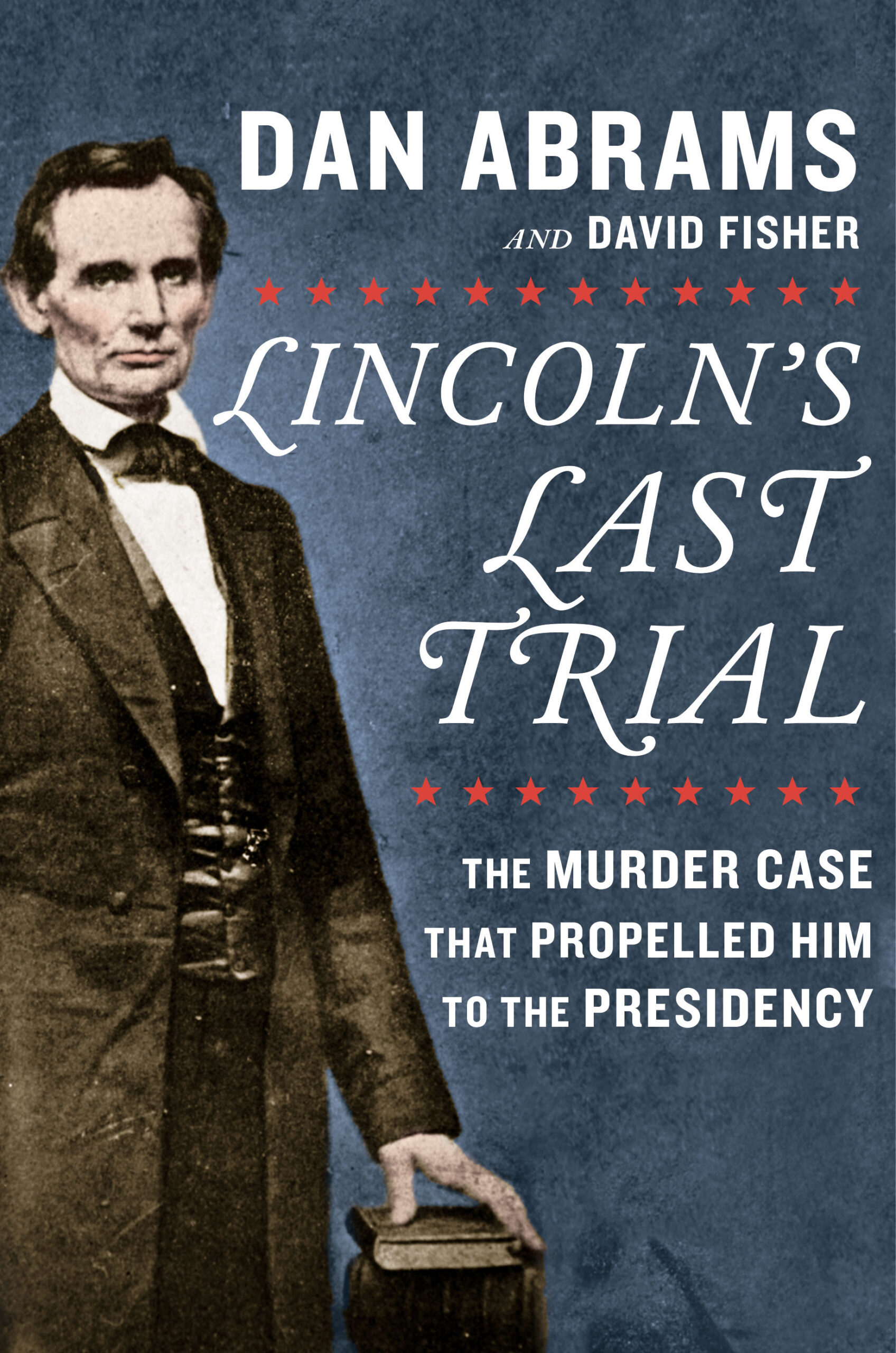
In Lincoln’s Last Trial, published earlier this year by Hanover Square Press, Dan Abrams and co-author David Fisher examine the case of 22-year-old Peachy Quinn Harrison, who went on trial in the summer of 1859 for murder and was defended in court by Abraham Lincoln. Lincoln had achieved national fame the previous year during his campaign for U.S. senator against Stephen Douglas, and would the following year successfully campaign for the presidency. Harrison’s trial would be the last murder case of Lincoln’s two-decade career as a lawyer, and as Abrams—the chief legal analyst for ABC News—and Fisher argue, it sheds new light on the man who would go on to lead the country during the soon-to-erupt Civil War.
Without giving too much away, what can you tell us about Lincoln’s Last Trial?
It is not widely known that during his legal career Abraham Lincoln was the defense attorney in 27 murder trials. This book is about his last one, which took place less than a year before he was nominated for the presidency. He knew all of the participants: The victim had apprenticed in his law office, and the defendant was both the son of one of his strongest financial supporters and the grandson of the leading evangelical of the time—nationally known Peter Cartwright, who also had been Lincoln’s strongest political rival for two decades. Cartwright had heard the victim’s deathbed statement and would become the key witness in the case. The trial took place at a time when America’s embryonic legal system was just developing and involved one of the oldest and most complicated defenses: self-defense.
Tell us about your research process. What sources did you use? And how did you first learn about the trial?
My collaborator, David Fisher, brought the existence of the trial transcript to my attention. It was found in a mouse-chewed shoebox tied with a ribbon in the garage of a home in Fresno, California, where the great-grandson of the accused killer had once lived. It was made public by the great-grandson’s widow in 1989. The transcript was hand-written by one of the nation’s first court reporters, Robert Hitt, who a year earlier had helped Lincoln gain national attention when he transcribed his debates with Stephen Douglas. David had found an obscure reference to the transcript while researching a book about the Civil War and it aroused his curiosity. He was able to locate a copy in the Abraham Lincoln Presidential Library. It is the only transcript in existence showing Lincoln at work in a courtroom, and few people were aware it existed. In addition to this transcript we relied on contemporary newspaper reports of the trial, books, and articles involving all the participants, as well as several Lincoln experts and descendants of the participants. We brought all of the material together to try to present a portrait of a compelling trial in a small American city, while bringing to life Abraham Lincoln, the lawyer.
As someone who is not only a lawyer, but who has covered countless court cases for major news organizations, how would you characterize Lincoln’s performance in the courtroom?
Not only did Lincoln know how to speak to the jury in a colloquial and understandable manner, he knew when to stop. He recognized that he would be able to return to an issue later with witnesses or argument and avoided over-litigating his case. Many lawyers of Lincoln’s stature—and at that time, he was known as one of the best—like to hear themselves talk. Lincoln spoke with a purpose and meaning and knew that he did not want to lose or bore the jurors.
Have you learned anything about Lincoln that surprised you?
One of the most surprising things was seeing how enraged Lincoln became at the judge when he seemed to lose a critical legal argument. People who were present at the time describe Lincoln’s fury, which is not something we hear about him all that often. It serves as a reminder that Lincoln was not just a principled, thoughtful storyteller, he also knew how to be really tough when necessary.
Related topics: Abraham Lincoln