Kevin M. Levin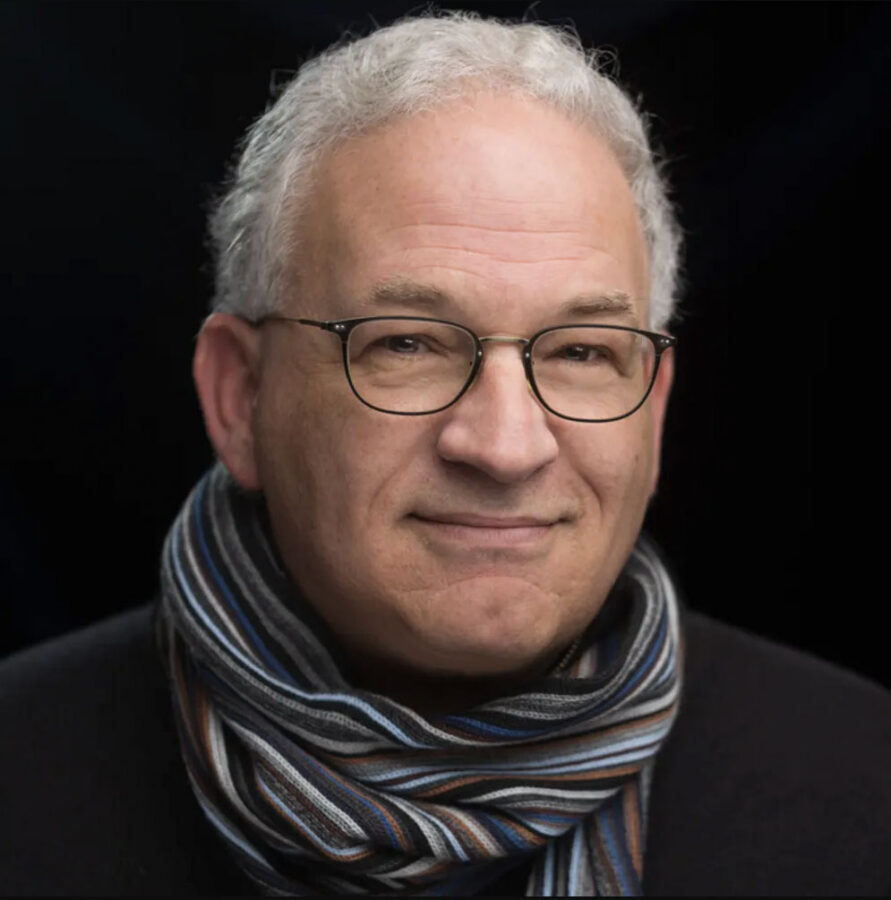
Kevin M. Levin is a historian and educator based in Boston. He has written or edited four books on the Civil War era, including most recently, A Glorious Fate: The Life and Legacy of Colonel Robert Shaw. He is online at his newsletter, Civil War Memory.
What are you currently reading?
Nicholas Lemann, Returning: A Search for Home Across Three Centuries (Liveright, 2026).
What drew you to this book?
I’ve recently been interested in stories of self-exploration that are centered around family history. Lemann investigates a past he barely knew growing up in a secular Jewish family in New Orleans. The book traces his roots back four generations to his great-great-grandfather Jacob Lemann, a German immigrant who built a series of successful businesses that were passed down through the family. Lemann follows the family’s journey from arriving in America in the 1830s as peddlers, to becoming plantation owners and merchants in Donaldsonville after the Civil War, to their ascent into the privileged but never fully accepting world of New Orleans aristocracy. He ultimately rejects his family’s assimilated, religiously muted world and embraces the rites of Judaism. It’s a wonderful reminder of the challenges often associated with learning to live with the past. Lemann is also the author of Redemption: The Last Battle of the Civil War (Farrar, Straus and Giroux, 2006).
What’s the last great Civil War book you read?
It’s incredibly difficult to single out one book, but Michael Vorenberg’s Lincoln’s Peace: The Struggle to End The American Civil War (Knopf, 2025) is compelling and beautifully written. I love books that force you to rethink simple questions that most people wouldn’t consider asking. Rather than explore the question of when the Civil War ended, Vorenberg asks readers to question what it actually means to “end” a war. Lincoln’s Peace is an eye-opening account of the many ways the forces that ignited the war retained destructive energy long after Appomattox, resisting and ultimately thwarting the dream of a just and lasting peace. I recently selected this title for a book group that I host through my newsletter and everyone thoroughly enjoyed it. Lincoln’s Peace is a must read.
What was your favorite book as a child?
While many of my Civil War enthusiast friends grew up with The American Heritage Picture History of the Civil War (Doubleday, 1960), I cherished my copy of The American Heritage Book of the Revolution (American Heritage Publishing, 1958) with text by Bruce Lancaster. I don’t remember how much of the narrative I read, but I certainly could sit for hours transfixed by the illustrations, especially Howard Pyle’s painting of the British charge up Bunker Hill.
What kind of reader were you?
Not a very good one. I read for school and that was about it. I grew up on the South Jersey Shore and was much more interested in skateboarding, surfing, and baseball. One early exception in middle school, in addition to the book mentioned earlier, was the discovery of the Time-Life series on WWII that I found in the school library. I devoured those books during lunch.
You’re forming a new book group. Who would you invite and why?
I am already a member of a wonderful book writing group in Boston called Book Squad, which includes some incredibly talented historians and writers. We meet monthly to discuss books we’ve read, but the real focus is on critiquing one another’s writing. I’ve benefited immensely from their tough love and suggestions. I wouldn’t change this lineup for anything.
Where do you like reading?
I used to really enjoy reading in cafes before patrons turned them into their own home office space. My favorite place to read is in my home office/library, where I am surrounded by roughly 1,500 Civil War books from floor to ceiling. The only thing that can disturb me is Otis, our 115-pound Bernese mountain dog.
Do you have a favorite bookstore? What about it appeals to you?
Brookline Booksmith in Brookline, Massachusetts. It has a great selection of history books and the staff is incredibly helpful. It’s a pillar of the community. I love exploring independent and especially used bookstores in towns and cities for the first time. You never know what you might find.
What’s your favorite Civil War book no one else has heard of?
Paul Buck’s The Road to Reunion, 1865–1900 (Little, Brown and Company, 1937) won the Pulitzer Prize in 1938. Though Buck’s central claim—that reconciliation and national unity triumphed by the early 20th century—has been challenged by historians in recent years, the book anticipates many of the issues that historians of Civil War memory continue to explore.
What’s next on your reading list?
I recently purchased a wonderful collection of letters from a Mississippi veteran who spent time in a Union prison camp. The letters were sent to a young girl in North Carolina between 1897 and 1911. I am looking forward to reading A Fate Worse Than Hell: American Prisoners of the Civil War (W.W. Norton & Company, 2026) by W. Fitzhugh Brundage to better understand his POW experience.


Kevin,
I really enjoyed your Q&A above and I am anxious to inquire Nicolas Lemann’s book as apparently both of our ancestors share similar stories. In fact, I have presented on Jews in the Civil War at various synagogues, schools and historical gatherings. I also find Robert G Shaw’s story fascinating and look forward to your September 09 zoom presentation at the Tallahassee History Roundtable of which I am the coordinator/scheduler. I have interfaced with Mr. Lemann and he seems positive about presenting to our group. Ron [email protected]