Students of the Civil War—the audience for the brave new publishing venture in which this is the first serial—come to their special interests from every conceivable tangent on the topical compass. They include enthusiasts for uniforms and weapons and accoutrements; for horses and balloons and spies and art. I have friends who specialize in each of those sub-genres, and others who focus ardently on foreigners, earthworks, sexual shenanigans, photography, railroads, religion, tactics, rare books and pamphlets, fraternization with enemies, women in uniform, music (especially drummer boys), and many another niche. A friend and curator in California cares, of all things under the sun, about nothing quite so much as southern aeronauts—odd fellows who circulated in the Confederacy raising money for a flying machine that would end the war (a Texan dentist planned an “artisavis” designed to “drive from our soil every hostile Yankee”).
Ample evidence demonstrates that, in addition to that variegated range of specialties, more Civil War students are interested in battles than any other aspect of the riveting story of America rent apart.
The academic community stands starkly opposed to military history of the battle-narrative stripe, and dismissive of its validity. Their obligation to subordinate Civil War history—the entire past human experience, in fact—to serve the modern Iron Triangle of “race, class, and gender,” leaves them scornful of the unwashed hoi polloi who find such stuff interesting.
The book-reading public, unfettered by any strictures against perusing what interests them, and indifferent to cloistered derision, has plenty to contemplate in recent literature. Some of it does deserve scorn, on its own merits, or lack thereof, rather than generically. Other titles will be easy to fit onto Civil War shelves with pleasure and profit.
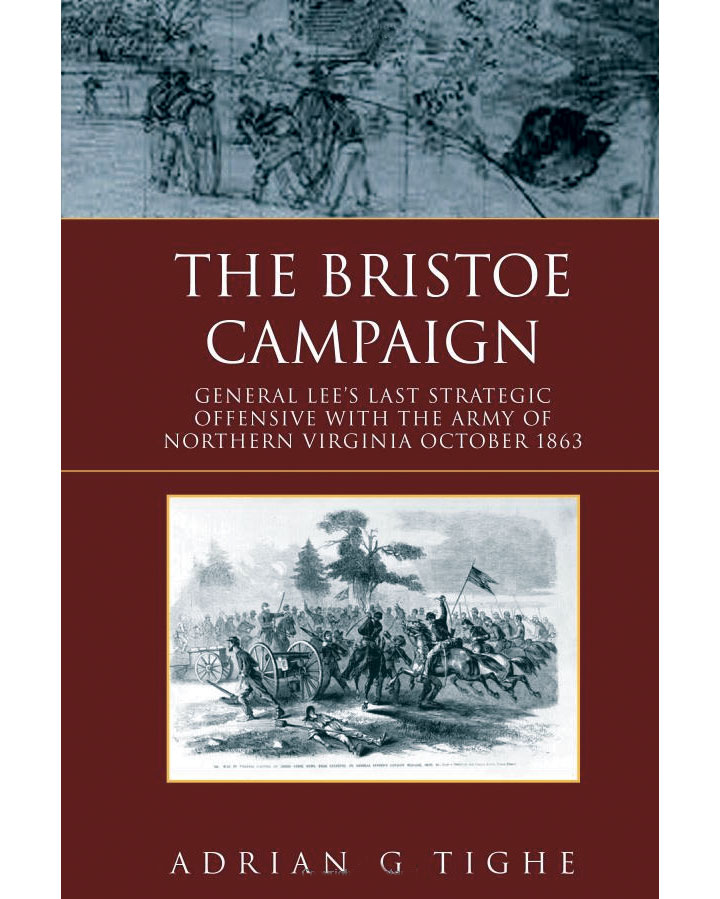
A new book by Adrian Tighe, The Bristoe Campaign, offers a far more detailed narrative on that intricate affair during the fall of 1863 than ever has been published. Tighe’s name is not familiar in the field; I never had heard of him. Diligent work in primary sources is enough to earn any book high marks from the start, and Tighe surely did his full duty in that regard. The book runs well beyond 500 pages, and includes a full chapter on the under-reported cavalry derring-do known as “Buckland Races.” Some prose infelicities and citation anomalies betray the back-alley publishing origins, but do not detract fatally from a battle book worth having.
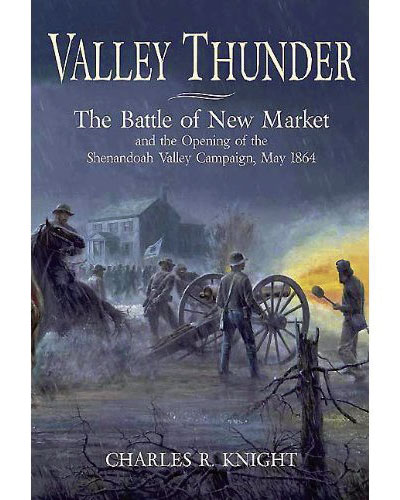
Despite the dramatic aspects of the Battle of New Market, especially the famous role played by the Virginia Military Institute cadets, only two significant battle studies appeared within more than a century after the event: Edward Turner’s old classic (1912) and a well-researched, highly literate narrative by William C. Davis (1975). The half-century mark approaching again, surely it was time for a new history, based on sources recently uncovered. Charles R. Knight’s Valley Thunder: The Battle of New Market and the Opening of the Shenandoah Valley Campaign, May 1864, achieves that goal successfully.
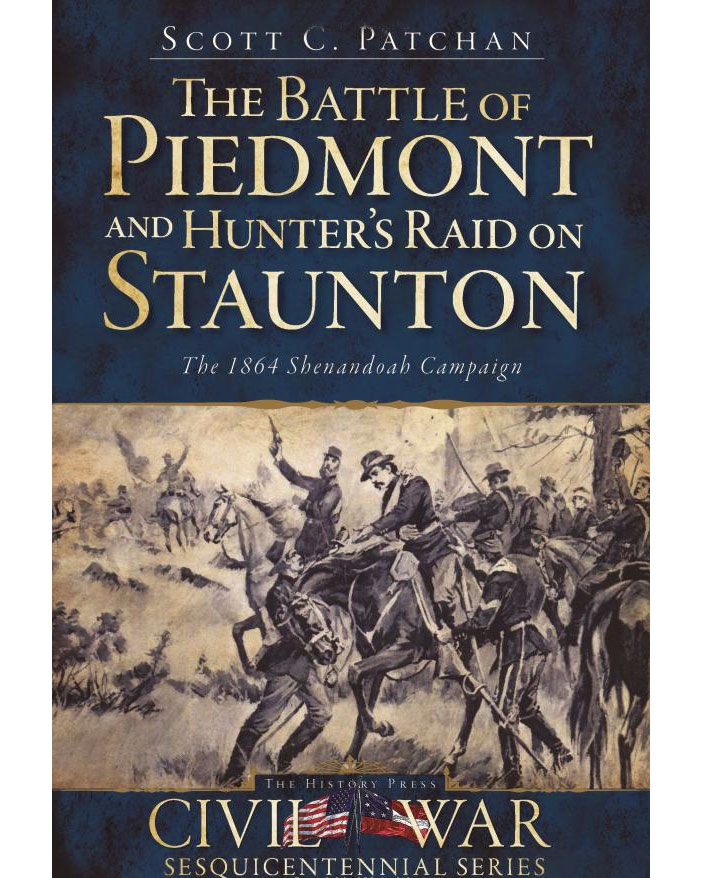
Fifteen years ago Scott C. Patchan wrote the first detailed examination of the small but pivotal June 1864 Battle of Piedmont, where colorful William E. “Grumble” Jones died. As the unmistakable reigning authority on the topic, Patchan’s recent The Battle of Piedmont and Hunter’s Campaign for Staunton deserves attention. It is modestly dimensioned, at 192 pages, but clearly encompasses the latest available evidence.
Technological progress has revolutionized publishing and printing in recent years, allowing many more things to reach print than of yore. Some of them serve well; Tighe on Bristoe makes the case nicely. Quite a few titles in the new era, however, accomplish nothing whatsoever.
Books with breathless, profound pronouncements in the subtitle tend to retail breeze devoid of substance. Two brand-new battle books fit that mold: slender titles about Glendale (more often called Frayser’s Farm), ….The Day the South Nearly Won the Civil War, by J. Stempel; and about Fair Oaks (more often called Seven Pines), the …Turning Point of McClellan’s Peninsula Campaign, by R.P. Broadwater. Each seemed likely to fill a notable void, but neither affords even a minuscule scrap of new information. As Gertrude Stein said famously of Oakland, California, “there’s no there there.”
Gettysburg always warrants an inning on the witness stand when considering new books, because something on that subject tumbles from the presses every few hours, it seems. Inevitably, much of it is of limited value, or none at all. The new era of easy publication has turned the Gettysburg stream into a perpetual freshet.
Staples in the Gettysburg torrent are theoretical treatises focused on “new light,” usually self-generated, perhaps as a result of insights earned by the author as a logistical officer in the twenty-first-century U. S. Army. The most important recent Gettysburg books probably are focused on maps, produced with modern tools, that supply significant and useful topographic and tactical reference points. The Gettysburg Campaign Atlas by Philip Laino sets a gratifyingly high standard for such things.
Surely someone soon will provide something new on Sharpsburg, and carefully documented histories of Brandy Station, Trevilian’s, and the Seven Days Battles (skilled historians are at work on Gaines’ Mill and Malvern Hill).
Robert K. Krick, chief historian (retired) at the Fredericksburg and Spotsylvania National Military Park, has written 18 books on the Civil War, including Stonewall Jackson at Cedar Mountain (2001) and The Smoothbore Volley That Doomed the Confederacy (2004).