The literature on Abraham Lincoln is almost impossibly vast. He’s one of the three most-written-about figures in the English language (alongside Jesus and Shakespeare) and his popularity shows little sign of fading. This abundance is a boon for anyone interested in almost any facet of Lincoln’s life. It’s also a curse because the sheer volume can be overwhelming and make it difficult to choose quality work from mediocre efforts or, worse, generic cash-grabs.
For anyone looking for it, my goal here is to provide an entry point to the Lincoln world. There are so many excellent studies of Lincoln that I’m not sure I could pick a top 10, let alone a “best 5.” My list (I sincerely tried not to cheat) is limited to books that came out in this century and so are easier to find. To those of you ready for deeper dives, here are two among the myriad good options: The Collected Works of Abraham Lincoln, a nine-volume compilation of his personal papers (Rutgers University Press, 1953) accessible online via The Abraham Lincoln Association, and Herndon’s Informants: Letters, Interviews, and Statements about Abraham Lincoln (University of Illinois Press, 1998), a collection of primary source material compiled by Lincoln’s last law partner, William H. Herndon. So, with the table-setting done, here are my chosen entrees:
And There Was Light: Abraham Lincoln and the American Struggle
By Jon Meacham
(Random House, 2022)
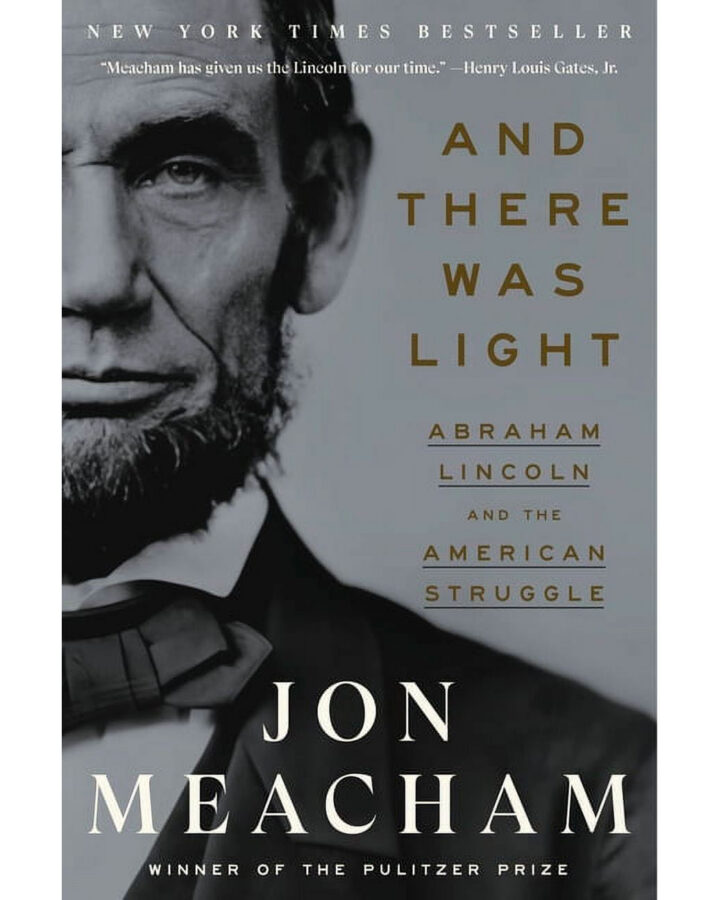
Pulitzer-winner Jon Meacham has an established reputation for crafting readable but complex biographies of American historical figures, and he hits that same balance in this look at Lincoln.
For the past 160 years, biographers have been telling many of the same Lincoln stories. Meacham hits those familiar notes but enlivens them so they feel fresh. What’s more, he elegantly weaves in an examination of Lincoln’s moral leadership, resulting in a book that holds Lincoln up as a flawed but model leader who still has lessons to teach us today.
If you’re searching for an entry point to the broader Lincoln world or “just” a highly readable and meaningful retelling of Lincoln’s story, Meacham has you covered.
The Young Eagle: The Rise of Abraham Lincoln
By Kenneth J. Winkle
(Taylor Trade Publishing, 2001)
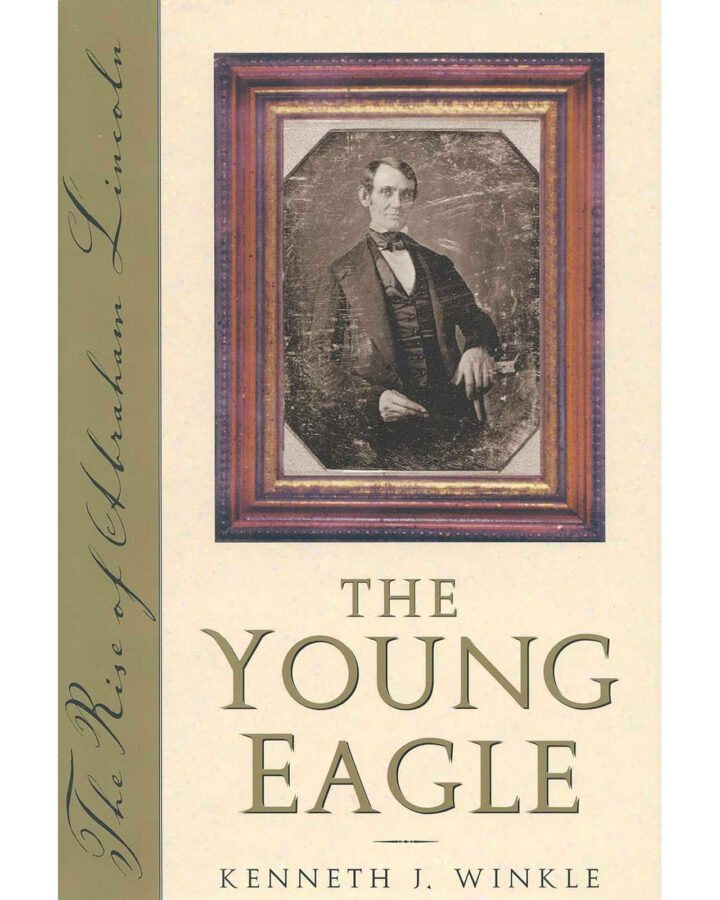
Once aspiring Lincoln buffs have tackled his story, the best next step is to expand their focus to include Lincoln’s world. Kenneth J. Winkle’s The Young Eagle does just that—recounting Lincoln’s rise from his birth in 1809 to his election as president in 1860 by contextualizing him within the localities, economic forces, and political movements of his time.
Lincoln is such a revered figure that his biographies can sometimes be myopic. Winkle takes the opposite approach, providing an invaluable examination of how Lincoln fits into broader narratives, such as Illinois’ settlement patterns, the urbanization of Springfield, and the complicated rise of antislavery politics.
If you want to dig deeper, seek out Winkle’s follow-up, Lincoln’s Citadel: The Civil War in Washington, DC (W.W. Norton, 2013), which similarly places the Lincoln administration within the broader context of the nation’s capital in the Civil War era.
The Fiery Trial: Abraham Lincoln and American Slavery
By Eric Foner
(W.W. Norton, 2010)
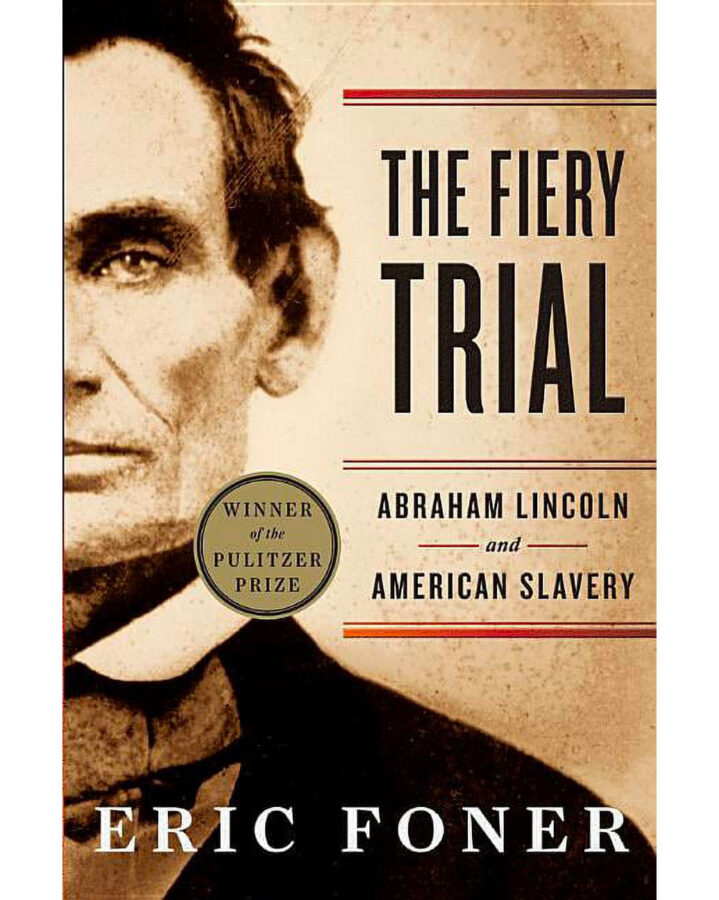
Although seemingly all aspects of the Lincoln story—ranging from mental illness to food to legal history—have been analyzed by scholars, the most salient and contentious continues to be his relationship with slavery and African Americans. What’s more, debates on this topic often become reductive, producing questions like “Was Lincoln racist?” or “Was the Emancipation Proclamation meaningless?”
In this Pulitzer-winning volume, Eric Foner convincingly parses the contours of Lincoln’s views on American slavery and how they shaped and were shaped by his attitudes toward African Americans. Eschewing the simple labels of “Great Emancipator” or “cynical politician,” Foner rescues Lincoln’s humanity and places him within the broader attitudes 19th-century white Americans held toward African Americans.
Like many people of his era, Lincoln could at times succumb to those prejudices or transcend them—or even espouse both at the same time, as he did with his longtime pro-colonization position. Foner takes all this into account, making The Fiery Trial an excellent starting point for the extensive literature on Lincoln and race.
Mrs. Lincoln: A Life
By Catherine Clinton
(Harper, 2009)
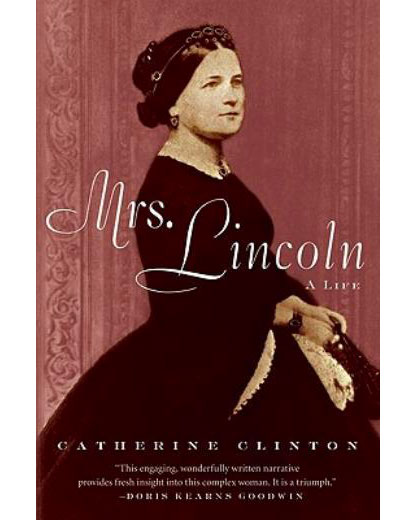
Anyone seeking immersion in Lincoln scholarship must also engage with the contentious literature on Mary Todd. Almost as soon as biographies of Lincoln started to appear, authors began painting conflicting, often negative, portrayals of his wife, the first lady.
William Herndon, Lincoln’s last law partner and first major biographer, was especially virulent, arguing that Lincoln never got over the death of an early love interest, Ann Rutledge, and thus did not truly love Todd. This division persists today, with opposing camps interpreting Todd as an insane shrew or proto- feminist. This Mrs. Lincoln skillfully navigates these arguments with lively prose and a discerning use of sources. Catherine Clinton reveals Todd as a highly intelligent woman plagued by the traumas she endured over the course of her life. Especially intriguing are the later chapters, in which Todd seeks refuge in Chicago and later self-isolation in Europe as a means of escaping the public eye and the world that had caused her so much grief.
What emerges is a fair account of Todd’s life, showing she was often brilliant but emotionally troubled in a world that was unforgiving of both in women.
The Concise Lincoln Library
(Southern Illinois University Press, 2011–2022)
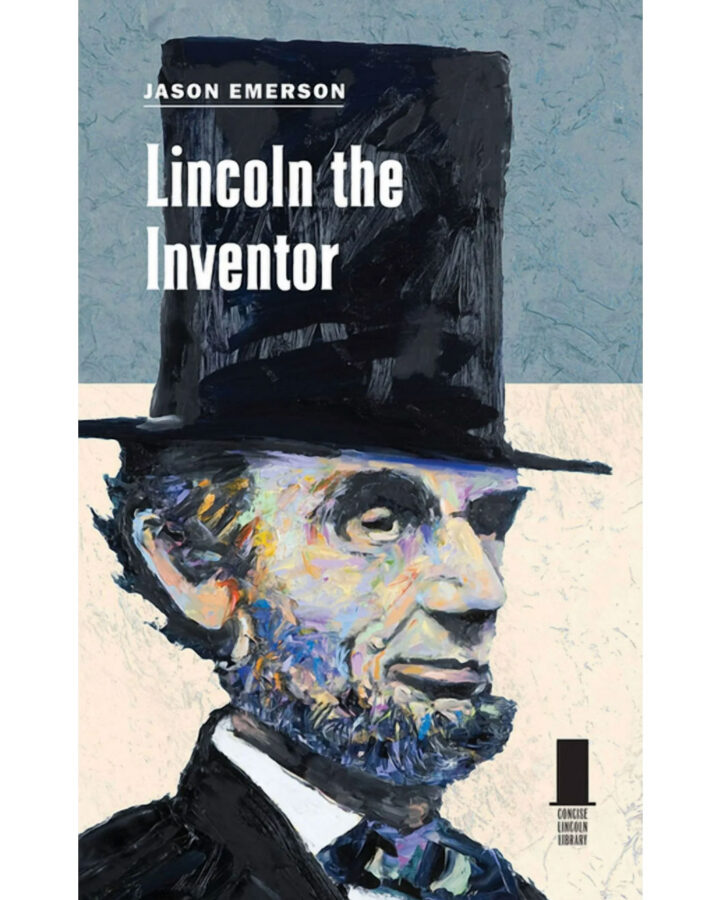
Beg pardon, here is my “5 Books” cheat. The Concise Lincoln Library encompasses no less than 29 books, but their brevity and readability make them perfect for delving into various corners of Lincoln literature. Each doubles as a primer for its subject but also carries the expertise of its authors and the vast historiographies behind them.
Titles range from those that dominate the field—Edna Green Medford’s Lincoln and Emancipation and Lucas E. Morel’s Lincoln and the American Founding—to areas less explored but still revealing—Glenna Schroeder-Lein’s Lincoln and Medicine and Richard Carwardine’s Lincoln’s Sense of Humor.
What’s more, The Concise Lincoln Library’s full bibliographies and robust endnotes provide useful roadmaps for further reading. In a field that often seems exhaustingly large, these little books are perfect signposts.
Christian McWhirter is a public historian and author of Battle Hymns: The Power and Popularity of Music in the Civil War. He serves as the Historical Initiatives Consultant for the Lincoln Presidential Foundation and editor of the Journal of the Abraham Lincoln Association. He previously served as Lincoln Historian at the Abraham Lincoln Presidential Library and Museum.
Related topics: Abraham Lincoln