Clara Barton sitting at a table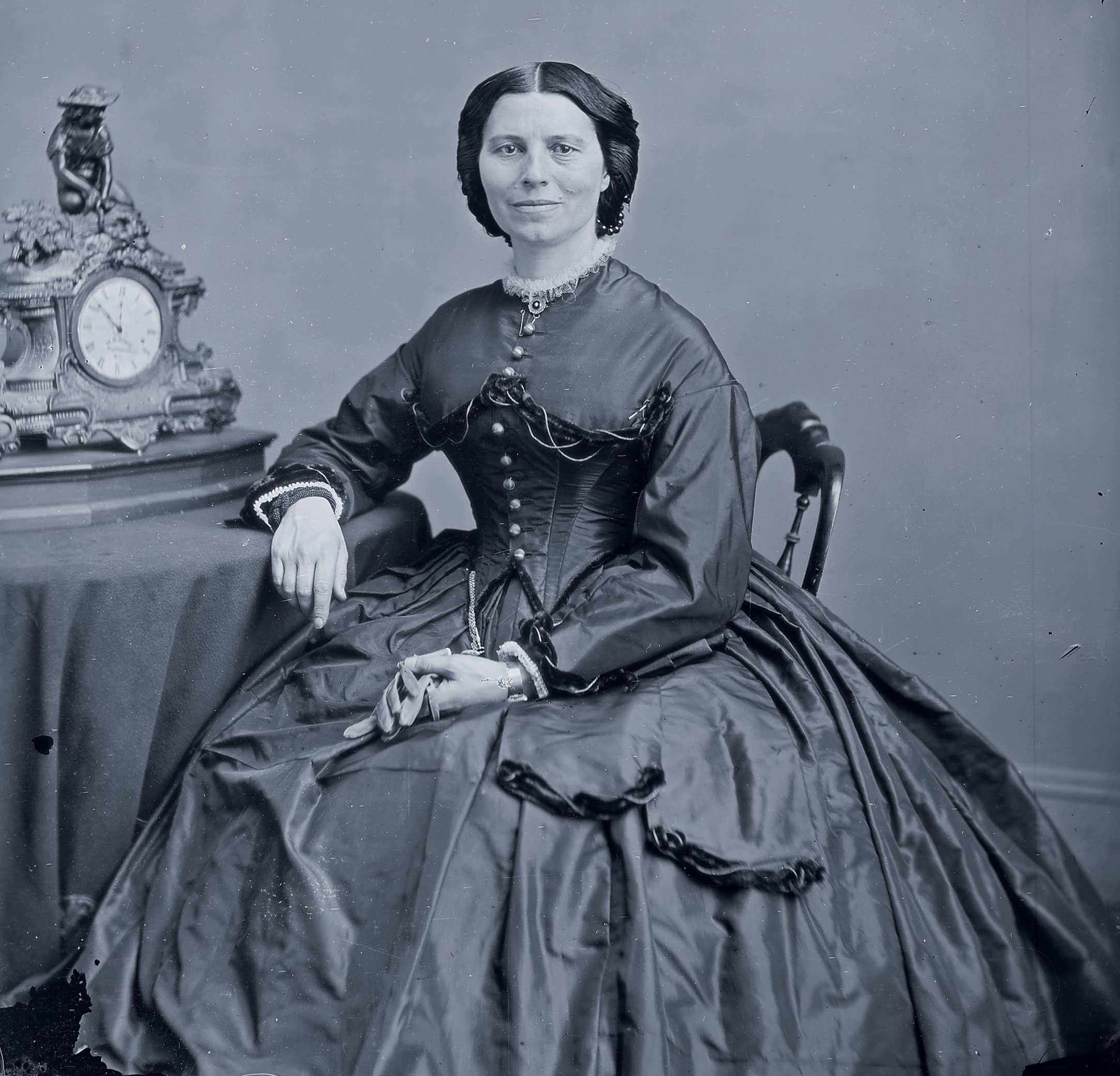 Library of Congress
“In my feeble estimation, General McClellan, with all his laurels, sinks into insignificance beside the true heroine of the age, the angel of the battlefield.”
—Union surgeon James Dunn, referring to Clara Barton (above) tending to the wounded during the Battle of Antietam, in a letter to his wife
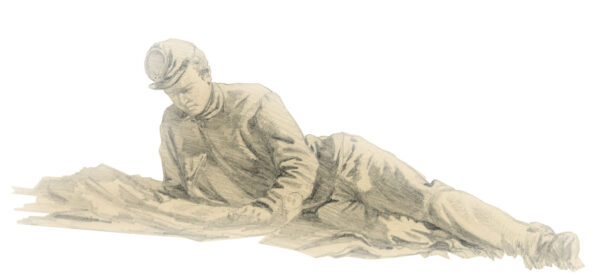
“A ball has passed between my body and the right arm which supported him, cutting through his chest from shoulder to shoulder. There was no more to be done for him and I left him to his rest. I have never mended that hole in my sleeve. I wonder if a soldier ever does mend a bullet hole in his coat?”
—Barton, on an incident that occurred while she was treating a wounded soldier during the Battle of Antietam
Clara Barton tends to a wounded soldier in this illustration.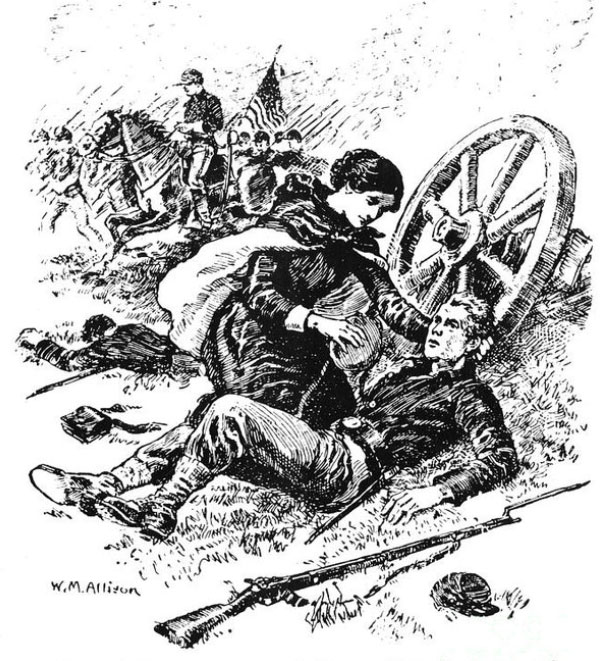 Library of Congress
“I don’t know how long it has been since my ear has been free from the roll of a drum. It is the music I sleep by, and I love it.”
—Barton, in a letter to her father, March 19, 1861
“This conflict is one thing I’ve been waiting for. I’m well and strong and young—young enough to go to the front. If I can’t be a soldier I’ll help soldiers.”
—Barton, in an early war letter to a friend
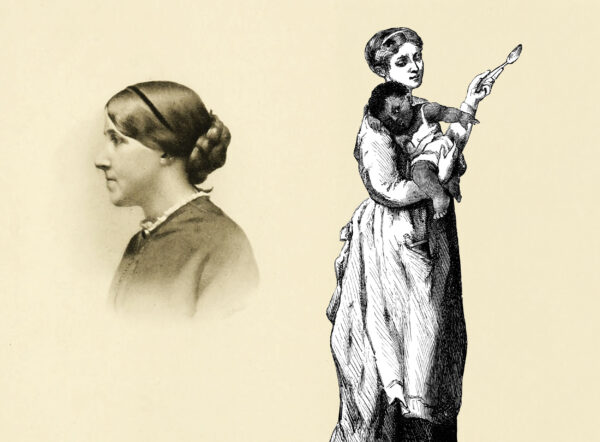
Clara Barton profile photograph. Library of Congress
“There lay by hundreds, wounded and bleeding, in the wet salt sands about my little tent, and God in his goodness gave me speed to my feet and strength to my arms through the hours of that fearful night that I might nourish the fainting, slake thirst of the dying, and to staunch the life stream as it ebbes away.”
—Barton, remembering the Battle of Fort Wagner on July 18, 1863, in a postwar letter to friends
Sources
Elizabeth Brown Pryor, Clara Barton, Professional Angel (1988); National Park Service, Clara Barton Handbook (1981); Chronicles from the Diary of a War Prisoner in Andersonville (1904); Neil Kagan, ed., Eyewitness to the Civil War (2006).
Related topics: women