It’s time for our annual roundup of the year’s best Civil War titles. We have as usual enlisted a handful of Civil War historians, avid readers all, to pick their two favorite books published in 2026. They could also name an additional title or two—released this year or out in print soon—that they are looking forward to reading.
Brian Matthew Jordan
Top Pick
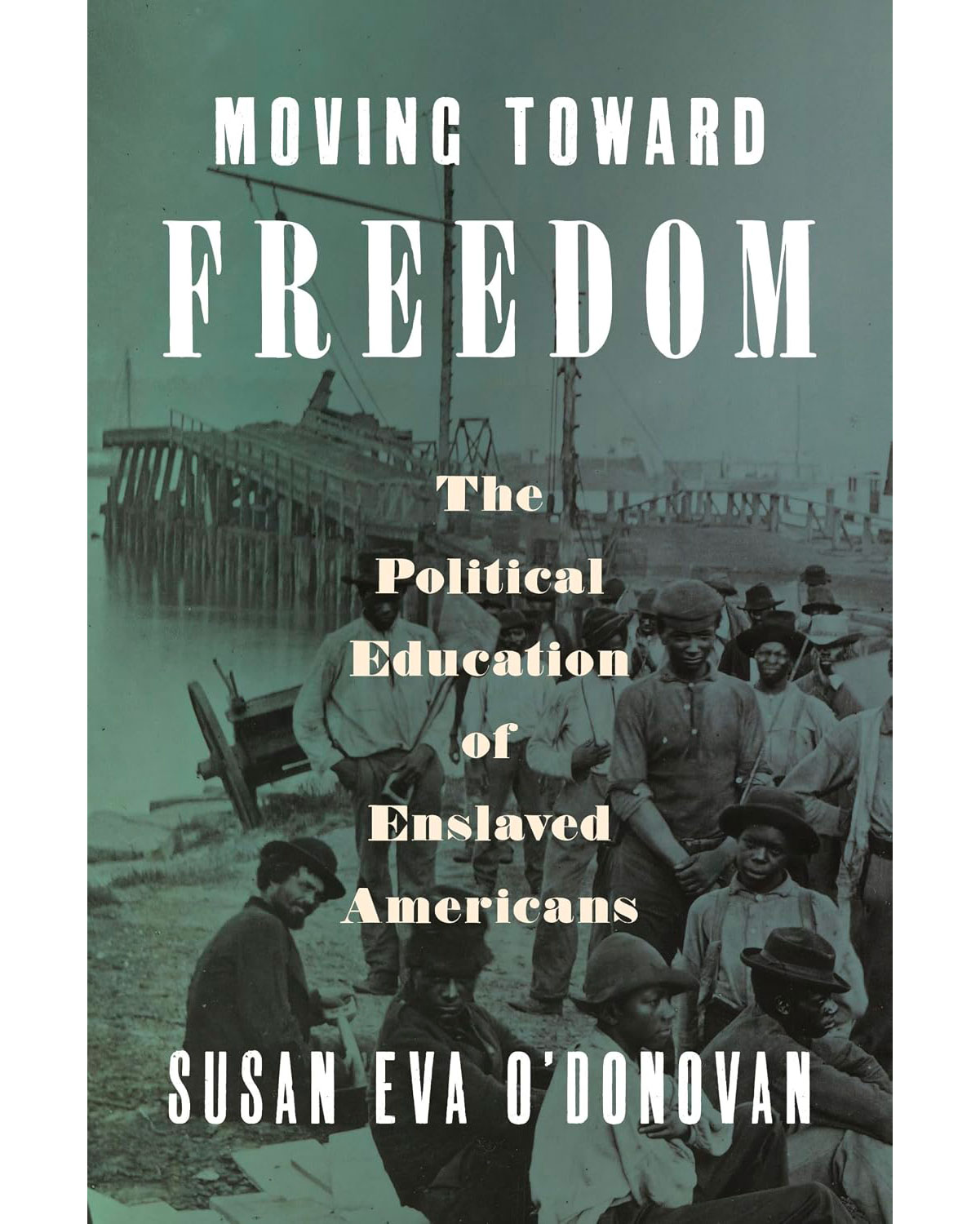
Many Civil War scholars have noted and described enslaved Americans who, in virtually every battle and military campaign, supplied critical aid to Union armies and navies. They plied the Yankees with military intelligence and leveraged their geographic knowledge to pilot the blue-coated columns through the Confederate South. Further, as historian Lorien Foote has shown, enslaved men and women supplied sanctuary for men escaping southern military prisons. Susan Eva O’Donovan’s Moving Toward Freedom: The Political Education of Enslaved Americans (Penguin Press) demonstrates how this knowledge came to be—and how, in the decades leading up to the Civil War, enslaved people, leading peripatetic lives, acquired a political education that blossomed into full view after their masters chose secession. O’Donovan’s propulsive and wide-ranging narrative, written in lyrical prose, depends on her close and careful reading of diverse sources against the grain. The result is one of the most important books on slavery and the Civil War in a decade—a book that shines a bright, reorienting light on the peculiar institution no less than on the political history of 19th-century America.
Honorable Mention
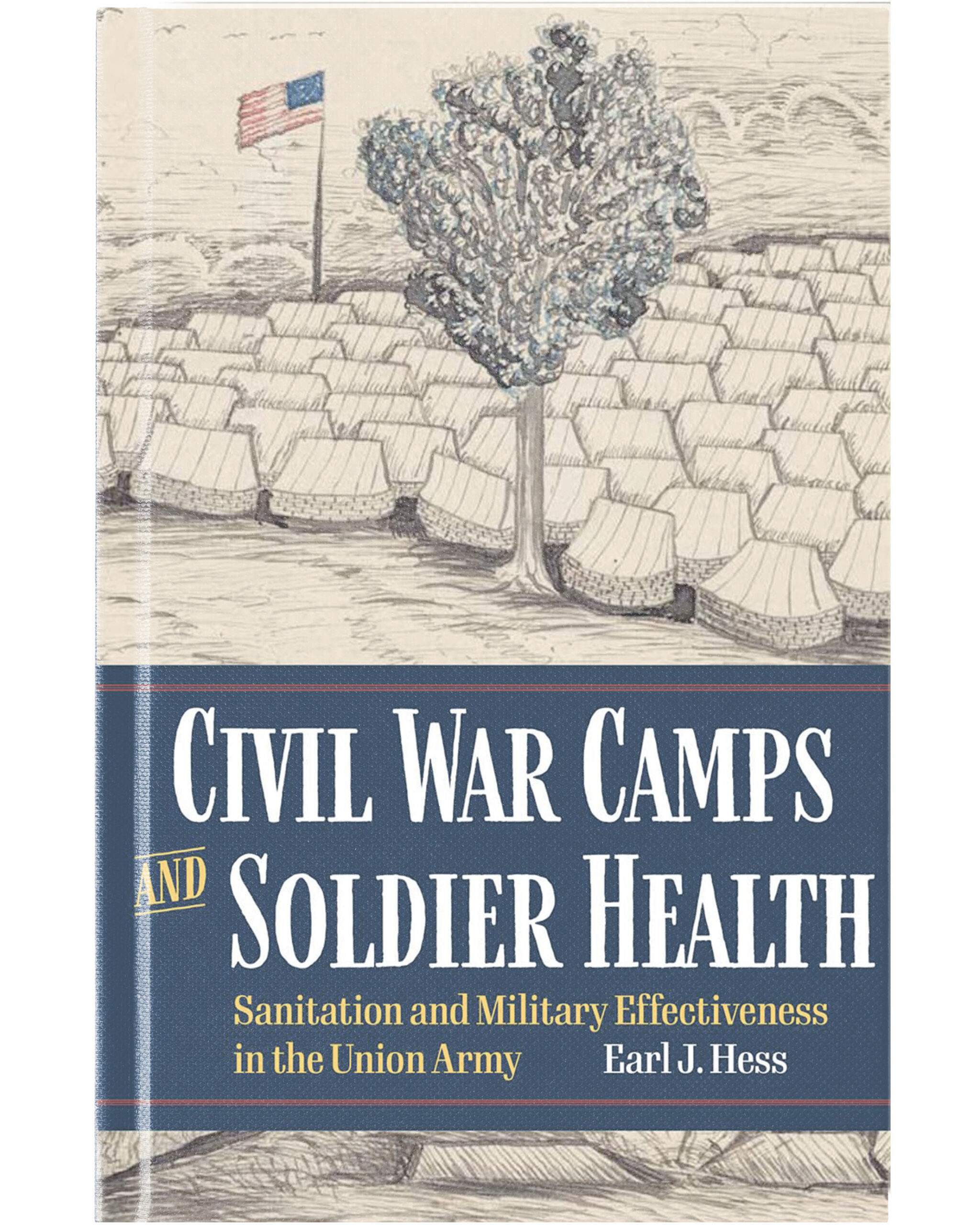
Earl J. Hess’ Civil War Camps and Soldier Health: Sanitation and Military Effectiveness in the Union Army (Kent State University Press) makes use of a unique and underexploited body of evidence—the camp inspection reports produced by agents of the United States Sanitary Commission—to provide the first exhaustive treatment of camp sanitation in the Civil War. The book tallies many arguments, some of which challenge the conventional wisdom about soldiering in the Union armies. Hess’ remarkable book not only introduces a rich new archive but also provides peerless new insights into the relationship between soldiers’ physical and mental well-being and their environments.
Looking Forward To
I have not yet tackled Frank O’Reilly’s long-awaited study of the Battle of Malvern Hill, Retreat from Victory: The Battle of Malvern Hill and the End of the Seven Days, July 1, 1862 (Savas Beatie). We have long needed detailed treatments of the battles fought around Richmond the last week of June and the first day of July 1862—and O’Reilly, a fine military historian and talented battlefield interpreter, is just the person to fill this glaring gap in the literature. I’m also looking forward to a trio of forthcoming releases: Hampton Newsome’s Victory at Appomattox: Grant and Lee’s Final Campaign (University Press of Kansas), Ethan S. Rafuse’s From the Valley to the Tidewater: The War in Virginia, May 21-June 12, 1862 (University Press of Kansas), and Brian Holden Reid’s The Year of Victory: How the North Won the Civil War (Oxford University Press). Newsome, Rafuse, and Reid are among our finest Civil War military historians, and anything they write is sharp, vivid, and illuminating.
Gerald J. Prokopowicz
Top Pick
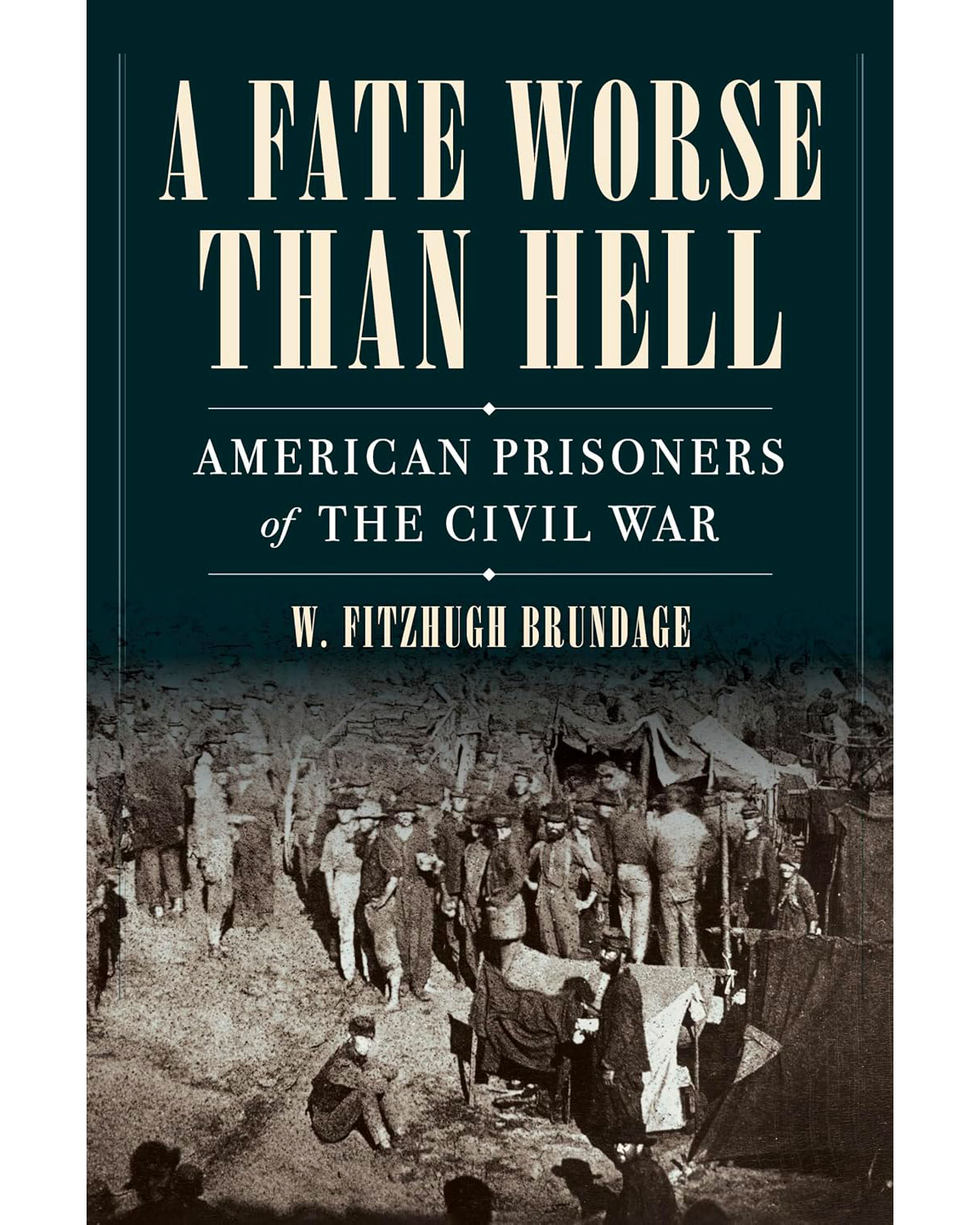
Few books immediately assume the status of standard introduction to their topic, but W. Fitzhugh Brundage’s A Fate Worse Than Hell: American Prisoners of the Civil War (W.W. Norton) is one of them. Brundage starts by using photographic evidence to detail the nightmarish conditions at Andersonville in 1864, but moves on from this familiar if disturbing story to raise an even more disturbing question: How did we, the American people, get there? The tale that follows is darkly fascinating, from 1861 when the pampered “captivity” of individual officers allowed them to travel within enemy country as they wished (bound only by their sense of honor), to the development of exchange systems that virtually ended the holding of POWs by late 1862, to the mass incarceration of POWs on a scale never before imagined in 1864 and 1865. Brundage argues that Andersonville, Elmira, and the like did not come about by accident, and that we have not paid enough attention to the people and events that created them. Partisans looking for one side to be blamed and the other excused will be disappointed, as the author presents a story bigger than that. Anyone wanting to learn about American prisoners of the Civil War should start here.
Honorable Mention
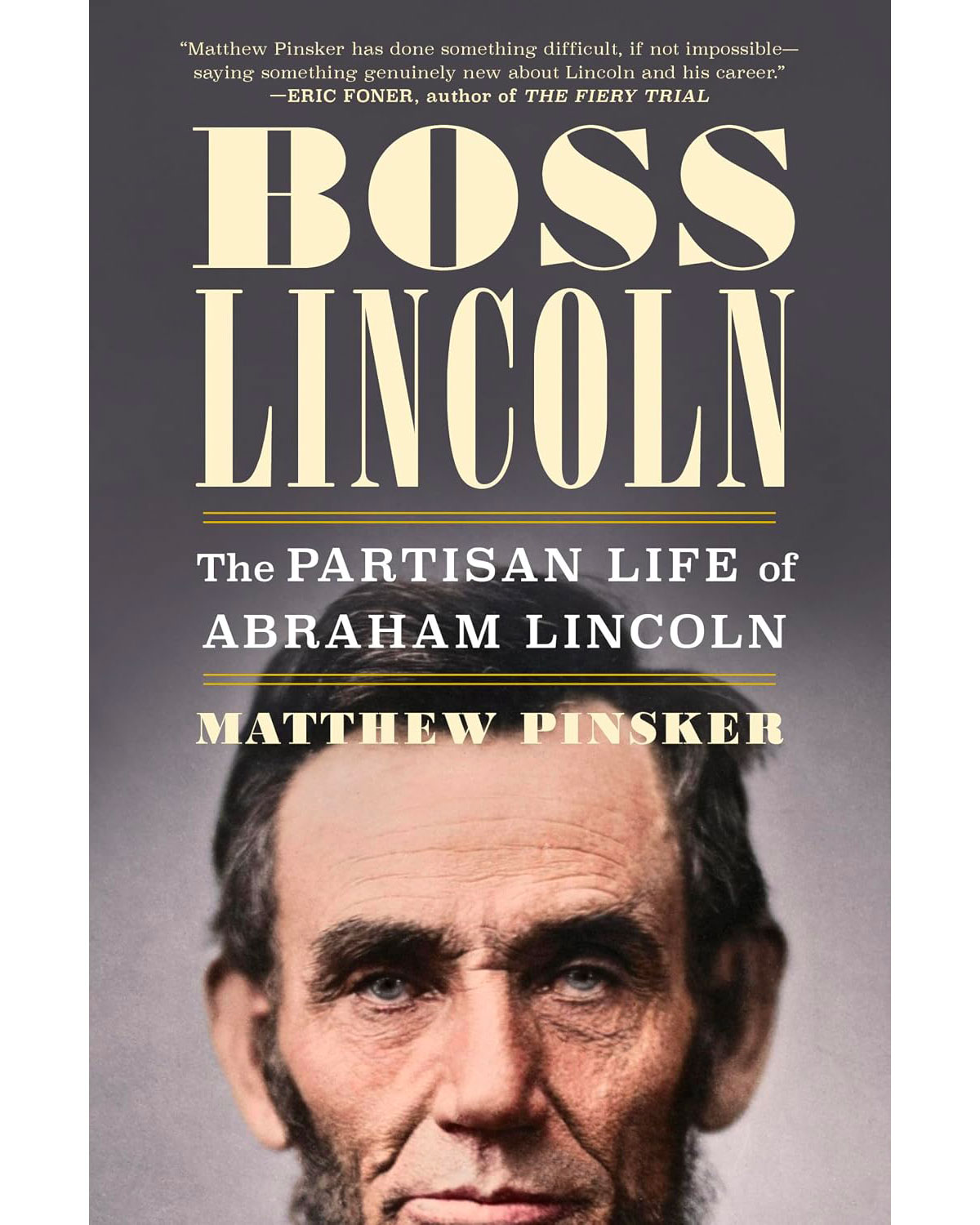
In Boss Lincoln: The Partisan Life of Abraham Lincoln (W.W. Norton), Matthew Pinsker argues that Honest Abe was actually an intense, crafty politician who used all the tools of his trade to accomplish his ends—the good of his party rather than his personal benefit. Lincoln’s partisanship in turn was based on belief in his party’s principles, not simply a desire for electoral victory at any cost. Reading Pinsker’s clear and engaging description of a successful politician who put party before self, and principle before party, was a welcome tonic in a year when every news cycle seemed to bring another story of cynical self-interest and political partisanship for its own sake.
Looking Forward To
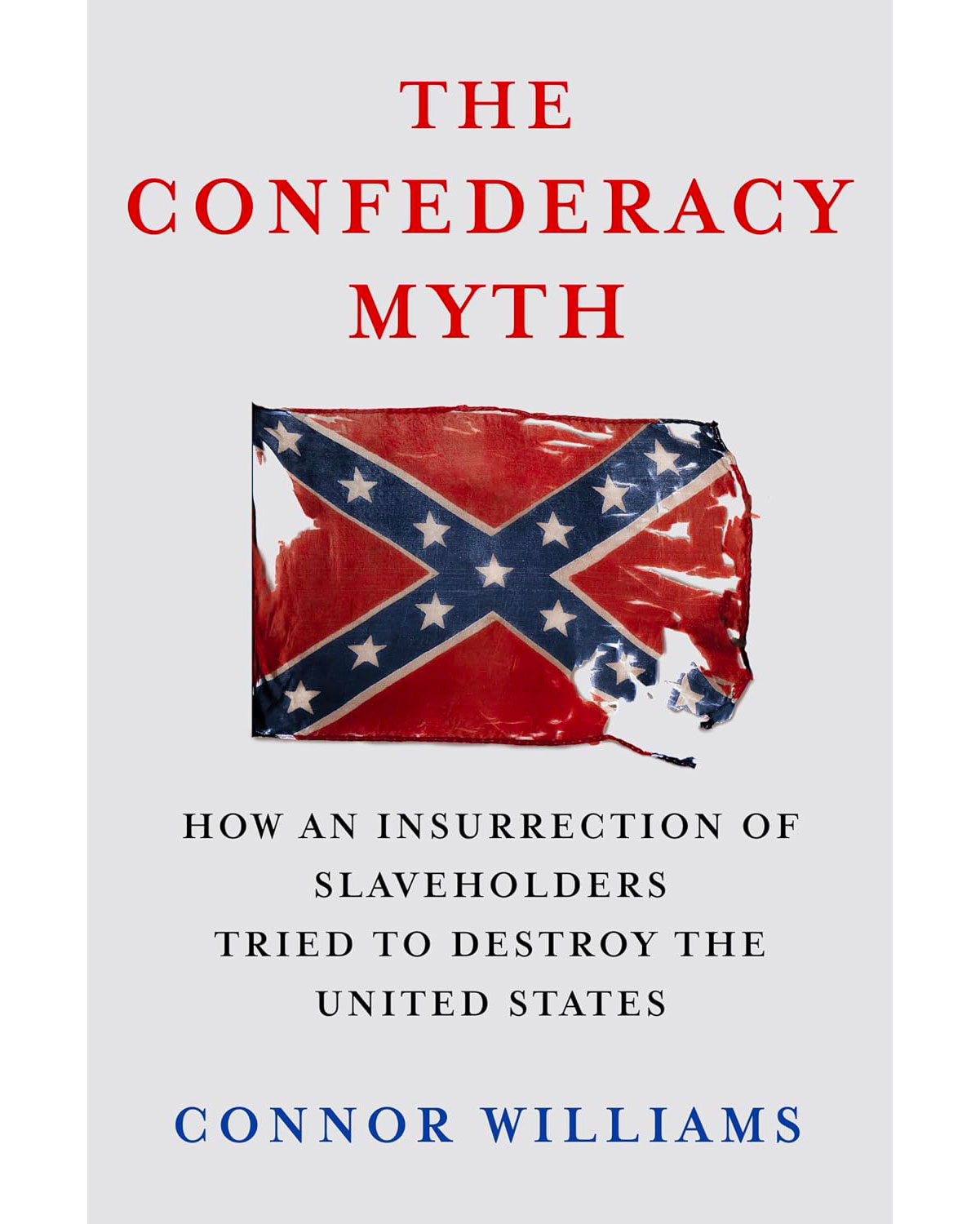
A book I’m curious to read is Connor Williams’ The Confederacy Myth: How an Insurrection of Slaveholders Tried to Destroy the United States (St. Martin’s Press). Historians have long since disabused themselves of the myth that the Confederacy was anything other than an insurrection for the preservation of slavery, but a frustratingly large percentage of the public remains unconvinced. Has this author found a way to change the minds of the unreconstructed? Another book I look forward to reading is Stephen Berry’s biography of Prince Rivers of the 1st South Carolina Colored Infantry, The Original Black Panther (University of Georgia Press). A study of Rivers, from his bondage to his military service and postwar political leadership, has long been overdue.
Jennifer M. Murray
Top Pick
Jared Peatman’s A Hell Of A Regiment: To Gettysburg and Beyond with the Twentieth Maine (Stackpole Books) offers an insightful treatment of one of the Army of the Potomac’s most storied regiments. Peatman focuses on the experiences of the 20th Maine’s soldiers, and in doing so, narrates the transformation of a collection of citizen-volunteers organized in the winter of 1862 into a veteran regiment reshaped by years of hard war and sacrifice. While the 20th Maine’s defense at Little Round Top on July 2, 1863, centers the narrative, Peatman moves the story of this regiment beyond that rocky hill at Gettysburg and follows these soldiers through the war’s end in April 1865, when they were present to witness the Confederate surrender at Appomattox. Indeed, the final chapter of the book is a particularly compelling one, as it explores the postwar years and the various ways the regiment’s veterans remembered and commemorated their fight at Gettysburg. Rightfully so, Colonel Joshua Lawrence Chamberlain holds a prominent place in the narrative, as Peatman explores how Chamberlain evolved from a college professor into a capable and respected field commander. The discussion of the mutineers of the 2nd Maine Infantry—men who had refused to fight after being transferred to the 20th Maine in the spring of 1863—is illuminating and offers a window into better understanding how volunteers grappled with their terms of service and expectations of duty in the U.S. Army. Fewer Federal regiments command as much attention in our nation’s popular memory as Chamberlain and the men of the 20th Maine, in large measure because of the popularity of Michael Shaara’s 1974 novel The Killer Angels and the 1993 film Gettysburg. Peatman has not only done justice to Chamberlain and his soldiers through scholarly research and broad lines of inquiry, but he has also revitalized the importance of regimental histories.
Honorable Mention
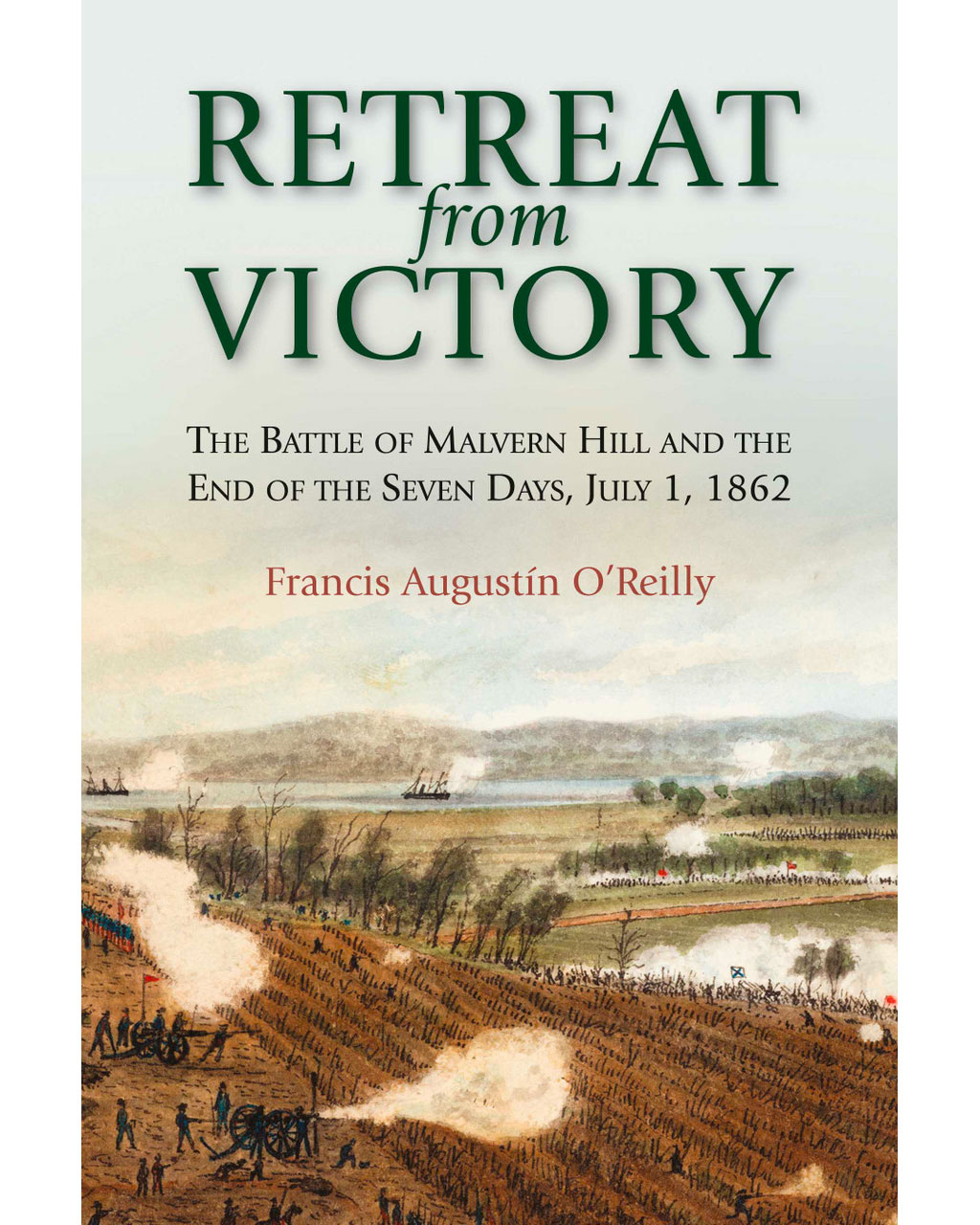
Frank O’Reilly offers a comprehensive study of the Battle of Malvern Hill in his recently published Retreat From Victory: The Battle of Malvern Hill and the End of the Seven Days, July 1, 1862. Rather than studying the battle as a singular action within the larger context of the Seven Days Campaign, as is most commonly done, O’Reilly provides an in-depth treatment of the battle on its own merit. While the actions and leadership of generals George McClellan and Robert E. Lee receive considerable attention, O’Reilly integrates the voices of the common soldiers in the Army of the Potomac and the Army of Northern Virginia, and aptly situates the battle among the larger military and political contours of the war that year. Exhaustively researched and masterfully narrated, Retreat From Victory showcases military history at its best.
Looking Forward To
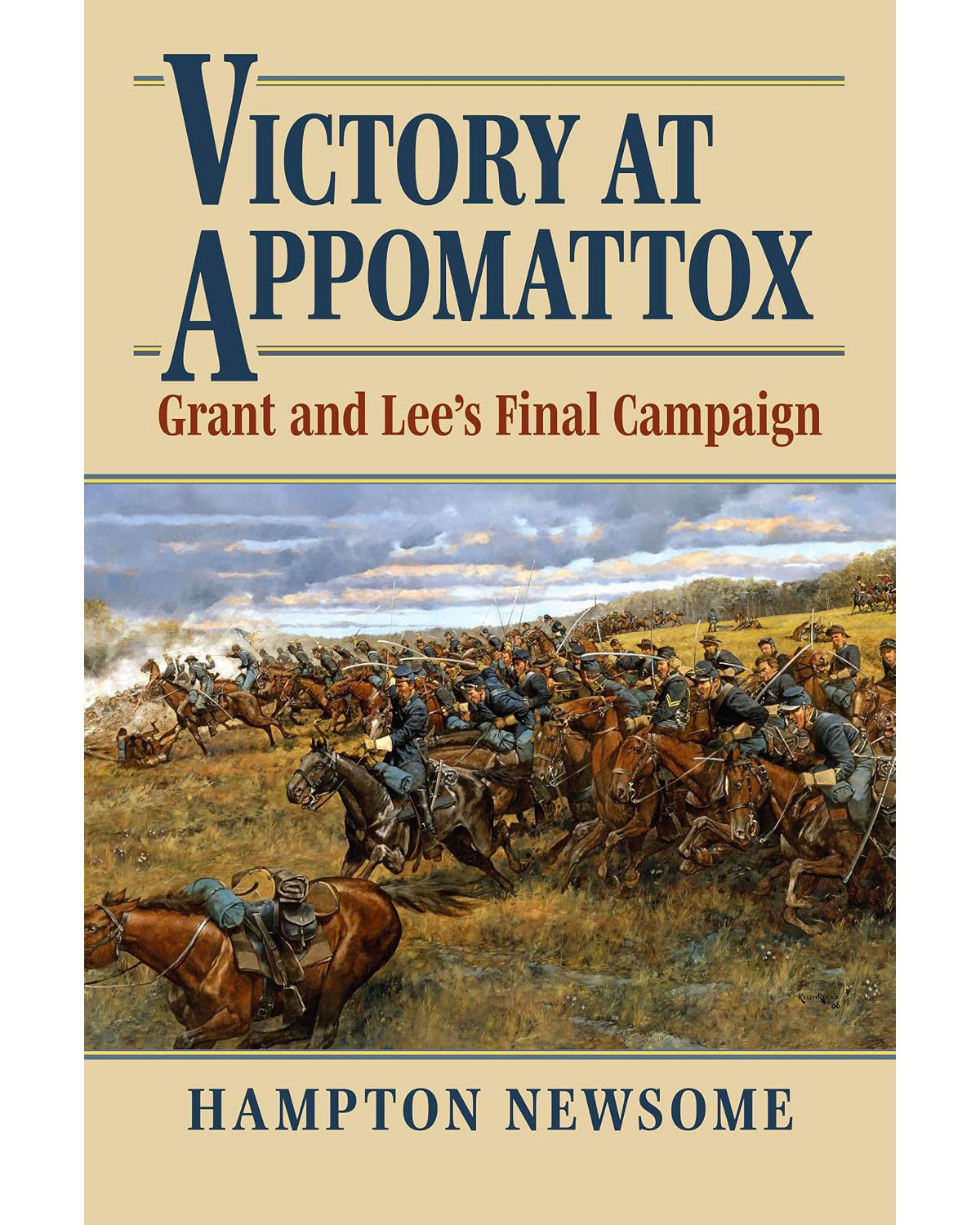
W. Fitzhugh Brundage’s A Fate Worse Than Hell has been widely acclaimed for its comprehensive treatment of the prisoner of war experience. I look forward to reading this work for a more thorough and nuanced understanding of the nature and implications of the Civil War’s POW experience. I am also excited to read Hampton Newsome’s forthcoming treatment of the Appomattox Campaign, Victory at Appomattox: Grant and Lee’s Final Campaign. This work promises to be a thorough examination of Ulysses S. Grant’s skillful coordination of Federal forces during his relentless pursuit of Lee’s army, replete with tactical and operational details of the fighting that ultimately led to Confederate surrender at Appomattox.
Cecily N. Zander
Top Pick
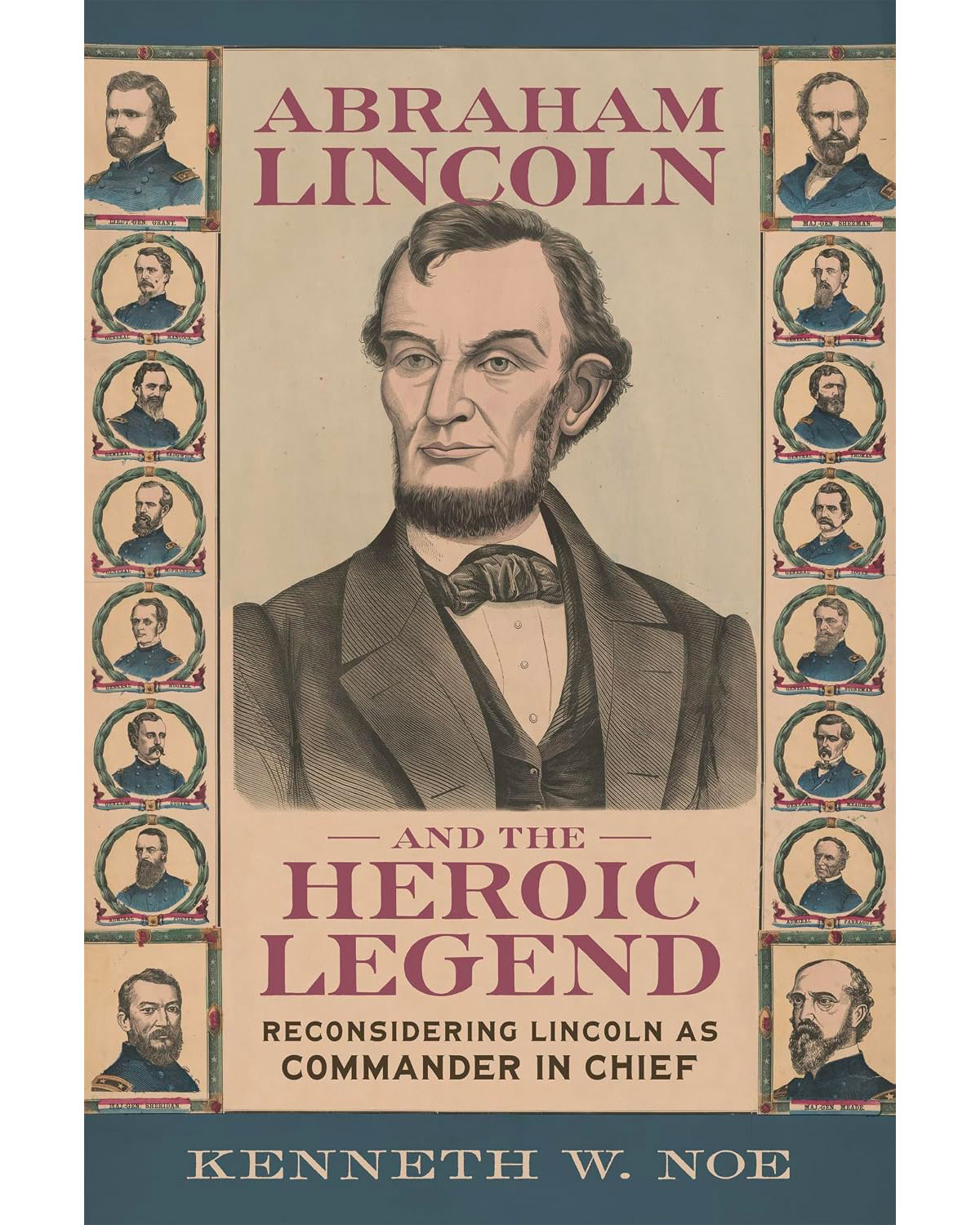
The best Civil War book of 2026 is Kenneth W. Noe’s Abraham Lincoln and the Heroic Legend: Reconsidering Lincoln as Commander in Chief (Louisiana State University Press). Noe has taken on one of the biggest assumptions in Civil War history: that Lincoln gradually became a military genius who understood the war better than his generals. Rather, Noe argues, it was Lincoln’s clash with George McClellan that convinced the president of his own military acumen, and imbued Lincoln with the confidence to lead the Union war effort. That is a formidable subject, and Noe handles it with the curiosity and command of the literature that it deserves. He gives us a fresh account of Lincoln’s wartime decisions while showing how generations of writers built the familiar story of Lincoln the brilliant commander. I particularly admire the way Noe makes historiography exciting. The book invites us to rethink not only what Lincoln did, but why we have become so certain about what his actions meant. This is a book that unsettles a cherished interpretation and makes the resulting debate more interesting for everyone.
Honorable Mention
I cannot separate two books for runner-up: Sarah Jones Weicksel’s A Nation Unraveled: Clothing, Culture, and Violence in the American Civil War Era (University of North Carolina Press) and Susan Eva O’Donovan’s Moving Toward Freedom: The Political Education of Enslaved Americans. Weicksel has written a wonderfully inventive history that makes clothing central to how people experienced the war. Garments made, mended, worn, lost, and taken become evidence of allegiance, care, vulnerability, and violence. It is a remarkable achievement to make a subject so familiar feel newly revealing. O’Donovan’s book is equally exciting. She follows enslaved people moving through the slaveholding world and shows how they acquired knowledge that mattered to their pursuit of freedom. Her work gives us a richer sense of enslaved people’s political lives before the war and of the experiences they carried into emancipation.
Looking Forward To
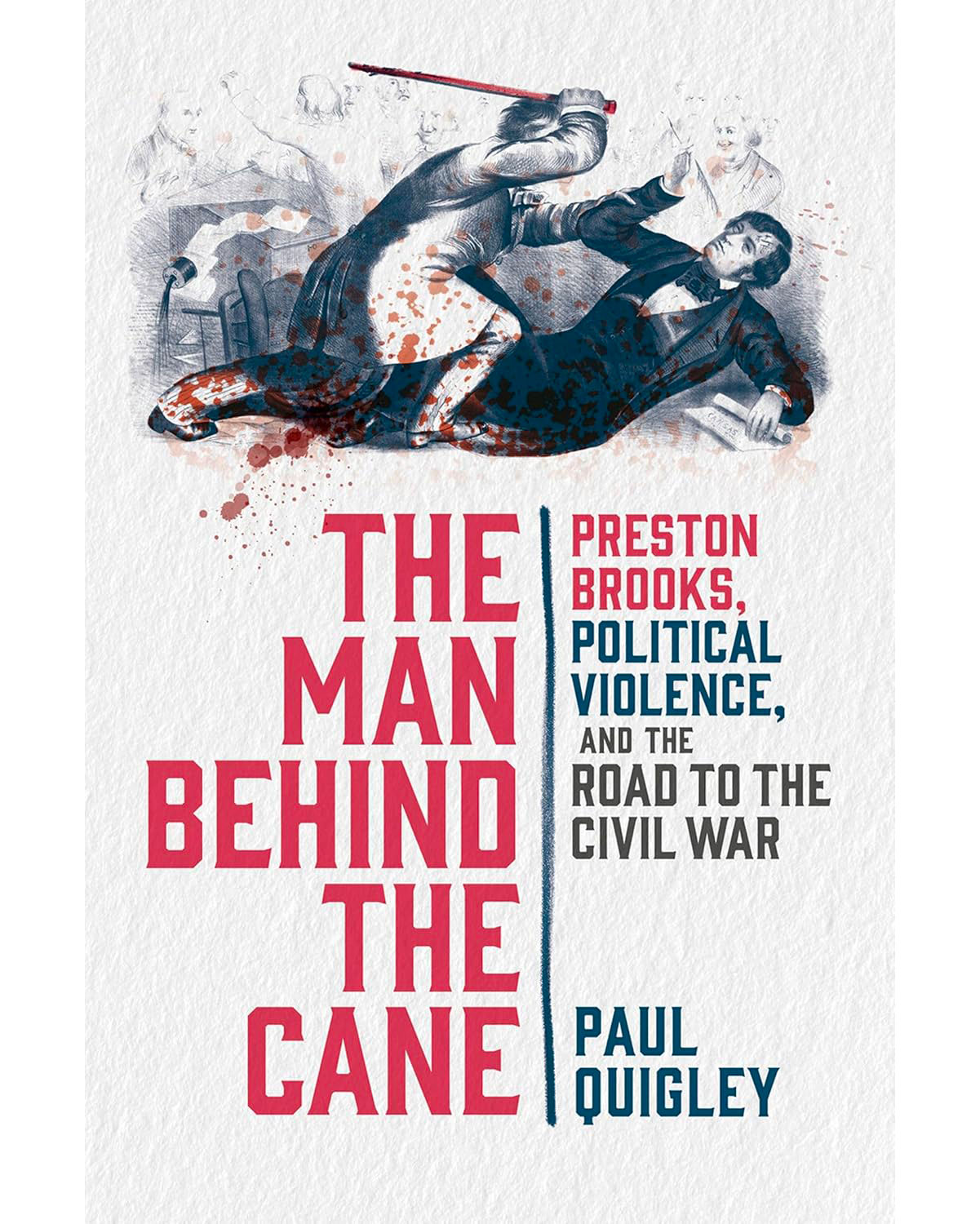
It is no surprise, based on the author’s previous work, to have heard so many good things about Paul Quigley’s The Man Behind the Cane: Preston Brooks, Political Violence, and the Road to the Civil War (Oxford University Press). Brooks is a fascinating lens into the political culture of the 1850s, and I am eager to see what Quigley does with a story that historians often invoke but rarely examine at such length. I cannot wait to read Kevin M. Levin’s A Glorious Fate: The Life and Legacy of Colonel Robert Gould Shaw (UNC Press). Levin is an exceptionally thoughtful historian of how we remember the Civil War, and Shaw’s life and afterlife provide terrific material to work with. I am also excited for William A. Blair’s Arlington: An African American History (UNC Press). Recovering the lives of enslaved people and freedpeople from a place so central to national memory is a wonderful project, and I look forward to seeing the familiar landscape of Arlington through their stories.
Kevin M. Levin
Top Pick
We have long needed a comprehensive account of the roughly 400,000 Union and Confederate soldiers who were captured and imprisoned during the war. W. Fitzhugh Brundage treats this mass incarceration as a national catastrophe, one that held more Americans captive than any other conflict before or since. A Fate Worse Than Hell begins with the global history of prisoners of war and carries the story forward to the horrors of Andersonville and the long afterlives of captivity. One of the most important points that Brundage makes is that the camps mattered far more to the war than most readers assume. The subject of prison camps shaped negotiations between the warring sides, both of them concerned about retaliation and the political liability for their governments. Brundage also pushes back on the idea that worsening conditions were simply a matter of expediency. Drawing on prisoner accounts, photographs, and contemporary journalism, he takes readers inside places like Andersonville, Elmira, and Point Lookout. Starvation, dysentery, and exposure killed many of the men held in these and other camps, and at the worst of them more than 30,000 soldiers were packed into the space of about 10 city blocks. Yet the book never reads as a catalog of misery, because Brundage also finds selflessness and human dignity among the incarcerated. In the end, these prisons pushed the United States toward the establishment of its first formal laws of war, which became a foundation for international law. Eloquently written, A Fate Worse Than Hell will appeal to students of the Civil War era and anyone interested in the broader history of prisoners of war.
Honorable Mention
Kenneth W. Noe’s Abraham Lincoln and the Heroic Legend earns my honorable mention for its bold challenge to the long-accepted view that President Lincoln was a nearly flawless commander in chief who simply outthought his generals. Noe persuasively argues that this legend began with Lincoln himself, who concluded early in the war that he possessed a keen strategic and tactical mind. Noe’s treatment of the president’s contentious relationship with George McClellan is especially both balanced and valuable, since that rivalry has remained the anchor of legend. Noe follows the story past Lincoln’s assassination, showing how the legend of Lincoln as natural-born military thinker first took shape in print within months and was wrapped in religious piety and the politics of memory, before historians of the 20th century hardened it into something close to scholarly consensus. Throughout the book, Noe draws on folklore studies, asking not only whether the legend is true but also why so many people have defended it so tenaciously. The result is a book that leaves Lincoln’s actual record as commander in chief open to fresh debate. It is a reappraisal long overdue.
Looking Forward To
I’ve been eagerly awaiting The Original Black Panther, Stephen Berry’s biography of South Carolina’s Prince Rivers, for some time. Born enslaved, Rivers was a soldier in the 1st South Carolina “Colored” Infantry and served briefly in the state legislature and as mayor of Hamburg. Though Rivers left next to no written record, Berry manages to reconstruct his life, including his many accomplishments and eventual defeat. We have long needed a serious study of Jubal Early, and I am eagerly awaiting Kathryn J. Shively’s study of the influential Confederate general, Immortal Confederacy, to be published next spring by University of Georgia Press.
The Top-Selling Civil War Titles of 2026
The books listed here are the 10 bestselling Civil War titles published in 2026. They are ranked in order of copies sold through early October.
Source: Based on sales data provided by Circana for titles published in the category “Civil War Period (1850–1877).”
- Boss Lincoln: The Partisan Life of Abraham Lincoln, by Matthew Pinsker (W.W. Norton) $39.99
- A Fate Worse Than Hell: American Prisoners of the Civil War, by W. Fitzhugh Brundage (W.W. Norton) $38.99
- George Templeton Strong: Civil War Diaries, by George Templeton Strong (Library of America) $45
- He Has the People: Abraham Lincoln and the Election of 1860, by Jonathan Earle (Oxford University Press) $29.99
- A Little Piece of Hell at Gettysburg, by Scott T. Fink (Savas Beatie) $34.95
- Witness to War: The Story of the Civil War Told by Those Who Lived It, by J. Mark Powell (Stackpole Books) $24.95
- Retreat from Victory: The Battle of Malvern Hill and the End of the Seven Days, July 1, 1862, by Francis Augustín O’Reilly (Savas Beatie) $39.95
- A Hell of a Regiment: To Gettysburg and Beyond With the Twentieth Maine, by Jared Peatman (Stackpole Books) $34.95
- Point Lookout, Maryland: The Largest Civil War Prison, by Robert E. Crickenberger Jr. (Savas Beatie) $24.95
- The Man Behind the Cane: Preston Brooks, Political Violence, and the Road to the Civil War, by Paul Quigley (Oxford University Press) $34.99
Contributors
Brian Matthew Jordan is professor of history, Chair of History, and co-director of the Civil War Consortium at Sam Houston State University. A Pulitzer Prize finalist, he is finishing up This War of Ours: The Slaveholders’ Rebellion and the Fate of the Republic, a one-volume history of the Civil War for Liveright/W.W. Norton.
Gerald J. Prokopowicz, author of Did Lincoln Own Slaves? And Other FAQ about Abraham Lincoln (Pantheon, 2008), is professor of history at East Carolina University in Greenville, North Carolina, and host of the podcast Civil War Talk Radio.
Jennifer M. Murray is the Dennis E. Frye Endowed Chair in Civil War Studies and director of the Civil War Center at Shepherd University. She is the author of On A Great Battlefield: The Making, Management, and Memory of Gettysburg National Military Park, 1933-2023 (University of Tennessee Press 2014; second edition 2023) and co-editor of They Are Dead, And Yet They Live: Civil War Memories in a Polarized America (University of Nebraska Press, 2026). Murray is currently writing a full-length biography of Union general George Meade, tentatively titled Meade at War, and co-editing a volume on the Army of the Potomac, entitled This Glorious Army: Reconsidering the Army of the Potomac.
Cecily N. Zander is an assistant professor of history at the University of Wyoming. Her first book, The Army Under Fire: The Politics of Antimilitarism in the Civil War Era (LSU Press, 2024) won the Wiley–Silver Prize for the best first book in Civil War history. She is writing a book about Abraham Lincoln and the American West for Liveright, and edits LSU Press’ History in an Afternoon series.
Kevin M. Levin is a historian and educator based in Boston. He is the author of three books, including most recently, A Glorious Fate: The Life and Legacy of Colonel Robert Gould Shaw (UNC Press, 2026), and is currently working on a book about the thousands of enslaved laborers who traveled with the Confederate army during the Gettysburg Campaign. Levin is online at Civil War Memory.