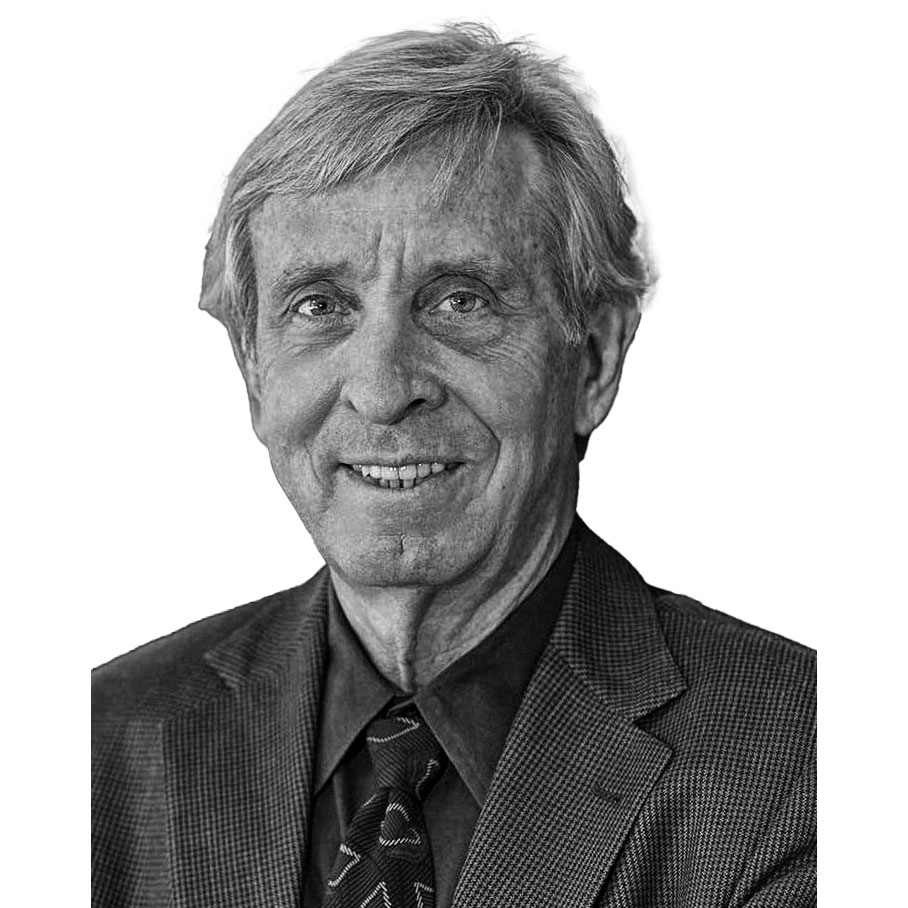
Gary W. Gallagher is the John L. Nau III Professor of History Emeritus at the University of Virginia. He is now working on a study of the Chancellorsville Campaign.
What are you currently reading?
Ian W. Toll, Twilight of the Gods: War in the Western Pacific, 1944-1945 (W.W. Norton, 2020).
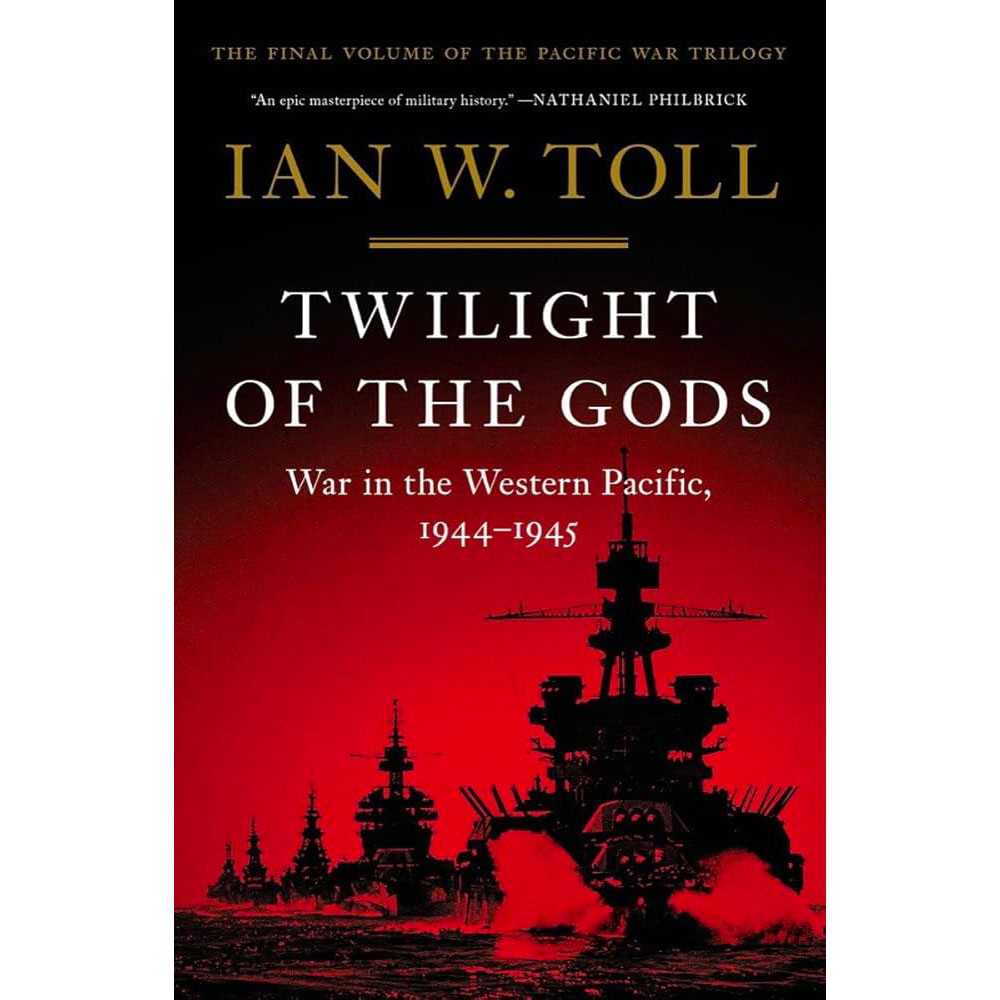
What drew you to this book?
I have been reading a great deal about World War II in the Pacific Theater while editing my mother’s diary and memoir. A 22-year-old professional musician from Los Angeles, she performed with Eddie Bracken’s USO show. The troupe traveled to Guam, Tinian, Saipan, Ulithi, and Peleliu, which collectively had seen some of the bloodiest fighting in the Pacific. My mother played before more than 700,000 Marines, soldiers, and sailors on these islands, as well as on various vessels including the Essex-class aircraft carrier USS Ticonderoga. She kept a diary during the trip and later used it, together with other materials, to write a memoir. I have prepared an edition of the two documents illustrated with several dozen images taken by Navy photographers and titled With the USO in the Pacific during World War II: The Memoir and Diary of Shirley Rose Gray, June–August, 1945. LSU Press will publish the book on its autumn 2026 list.
What was your favorite book as a child and why?
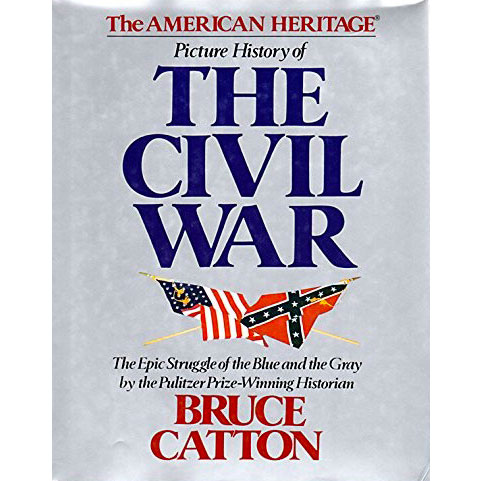
The American Heritage Picture History of the Civil War, with text by Bruce Catton (Doubleday, 1960). I bought the book when I was 10 years old and simply devoured it. Exposure to this combination of images, Catton’s arresting prose, and David Greenspan’s “picture maps” of major battles, more than any other single factor, placed me on a path toward a lifelong engagement with the topic.
What kind of reader were you?
I spent my formative years on a farm in southern Colorado, where I had a great deal of time to read. Random House’s “Landmark Books” and Grosset & Dunlap’s “We Were There” children’s titles were early favorites. I routinely checked out the maximum number of titles from my local library in Alamosa and also began, as an 11-year-old who asked for books at Christmas and on my birthday, to build a library. By the time I entered high school, I had accumulated about 150 volumes on the Civil War, among them works by Catton and Douglas Southall Freeman, firsthand accounts by Union and Confederate figures, and many of the foundational sets reprinted by publisher Thomas Yoseloff. I also read a good deal about ancient Rome and a bit of fiction, including Louisa May Alcott’s Little Women and Little Men and the Sherlock Holmes stories.
You’re forming a new book group. Who would you invite and why?
I currently belong to a book group of retired UCLA professors and interested non-academics that explores works of military history very broadly defined. If I started another group, I would seek people eager to revisit (or read for the first time) classic titles, both fiction and nonfiction.
Where do you like reading?
My two favorites are rocking chairs in my second-floor study and in the living room. I am surrounded by bookcases in the study that feature several hundred inscribed copies of books written by friends and five shelves of publications by former graduate students at Penn State and UVA. I also can gaze at John Rogers’ 1868 sculpture titled “The Council of War,” which anchors one corner of the study, and at a small linen hanging that reminds me to “Keep Calm and Read Jane Austen”—an admonition I honor every year by rereading five of her six novels (I always skip Northanger Abbey). I also “read” books on the 5-mile walks I take every day in the Santa Monica hills. The number of Audible titles on my phone has climbed to more than 130.
Do you have a favorite bookstore? What about it appeals to you?
I have spent untold hours in antiquarian and used bookstores all over the United States. My current library numbers just more than 1,500 titles (the smallest it has been since I entered graduate school), but over the years I acquired more than 15,000. Favorite bookstores included Fred Rosenstock’s in Denver, the Abraham Lincoln Book Shop in Chicago (where I purchased “The Council of War”), Vroman’s in Pasadena, California, Ron Van Sickle’s shop in Gaithersburg, Maryland, and Tom Broadfoot’s store in Wendell, North Carolina. What appealed to me in every instance was the pure pleasure of scanning shelves to find titles on my want lists and talking to people who shared my love of books.
What’s next on your reading list?
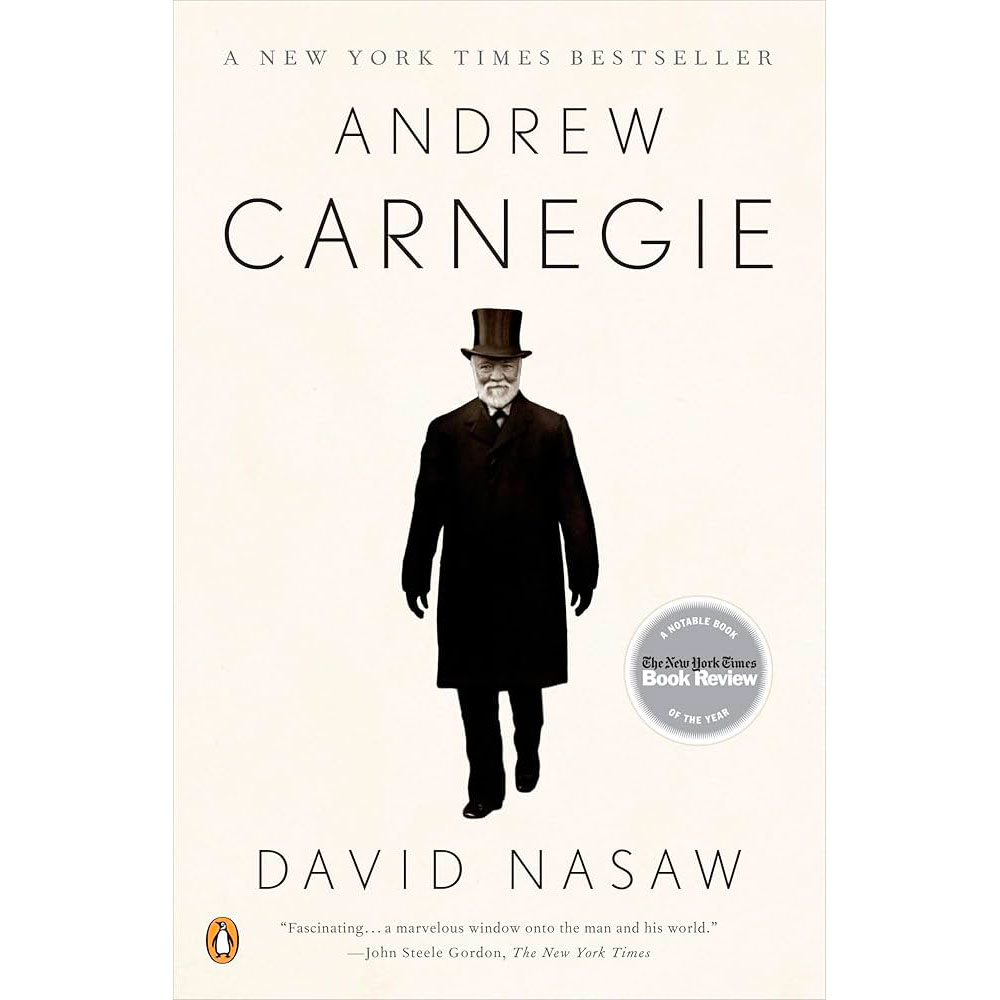
I have just started David Nasaw’s Andrew Carnegie (Penguin Press, 2006) and look forward to forthcoming books by Caroline E. Janney on John S. Mosby and KT Shively about Jubal Early’s impact as a historian, archive builder, and lecturer.