“A great many excellent inventions in the military line have been developed since our national troubles commenced. Many of those which have been patented are already in extensive use in our army, and the patentees are reaping a rich harvest.” So wrote the editors of The Scientific American in their October 26, 1861, issue. Throughout the conflict, The Scientific American highlighted a number of inventors’ new designs in its pages—some more practical than others—that promised (or over-promised) improvements in the lives and effectiveness of Union soldiers. Below is a sampling of some of these creations.
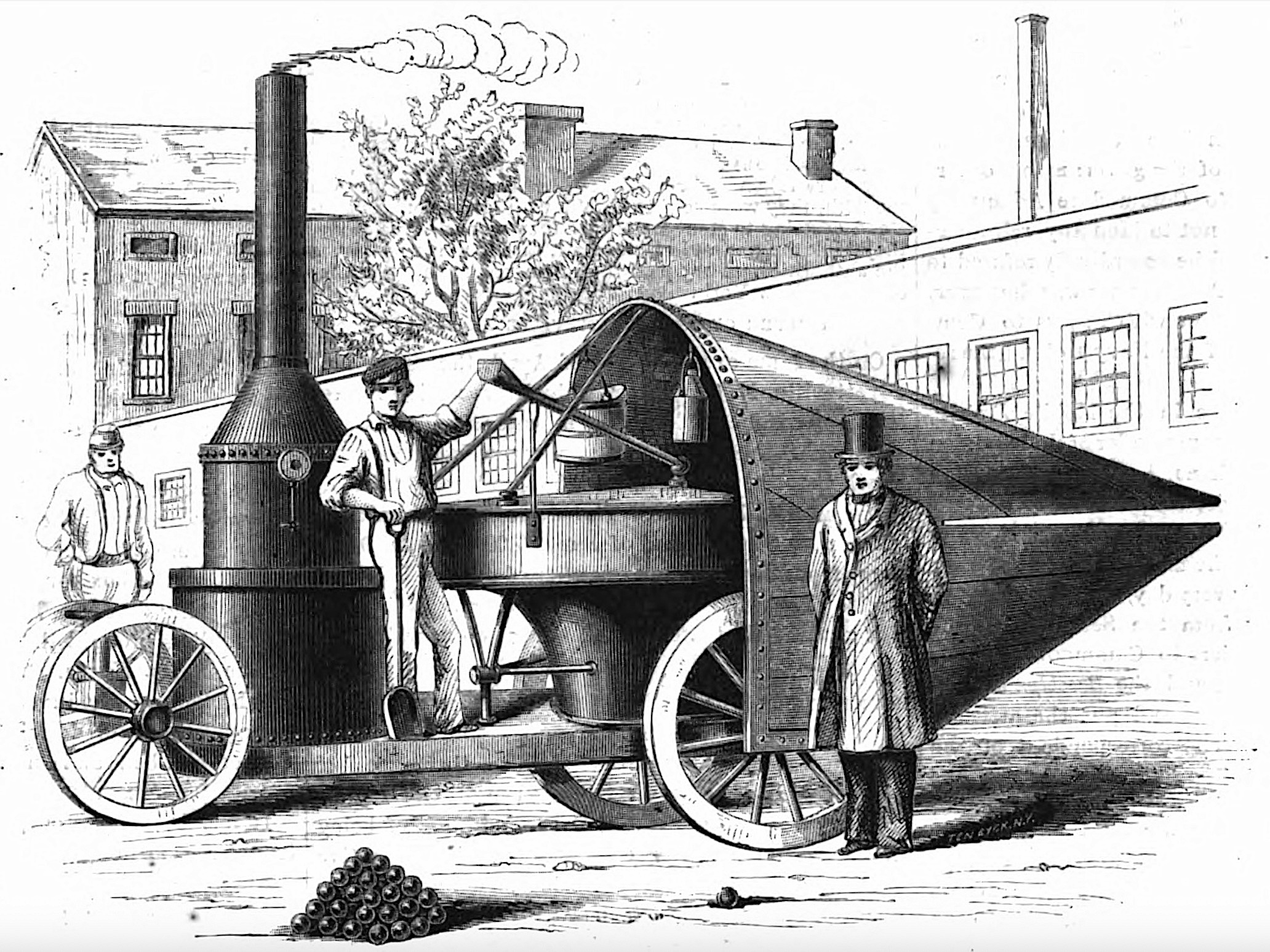
The Baltimore Steam Battery, claimed its creator, was “destined to inaugurate a new era in the science of war.” The steam-powered gun—“rendered ball proof” by a protective iron cone—was mounted on a four-wheeled carriage so that it could “be readily moved from place to place, or kept on march with an army” and was designed to fire a variety of missiles, from a one-ounce ball to a 25-pound shot, with great rapidity (from 100 to 500 balls per minute). A prototype—captured by Union soldiers in May 1861 as its inventors were transporting it to Harpers Ferry in hopes of selling it to Confederate troops stationed there—was sent to help protect the Baltimore branch of the B&O Railroad at Washington Junction.
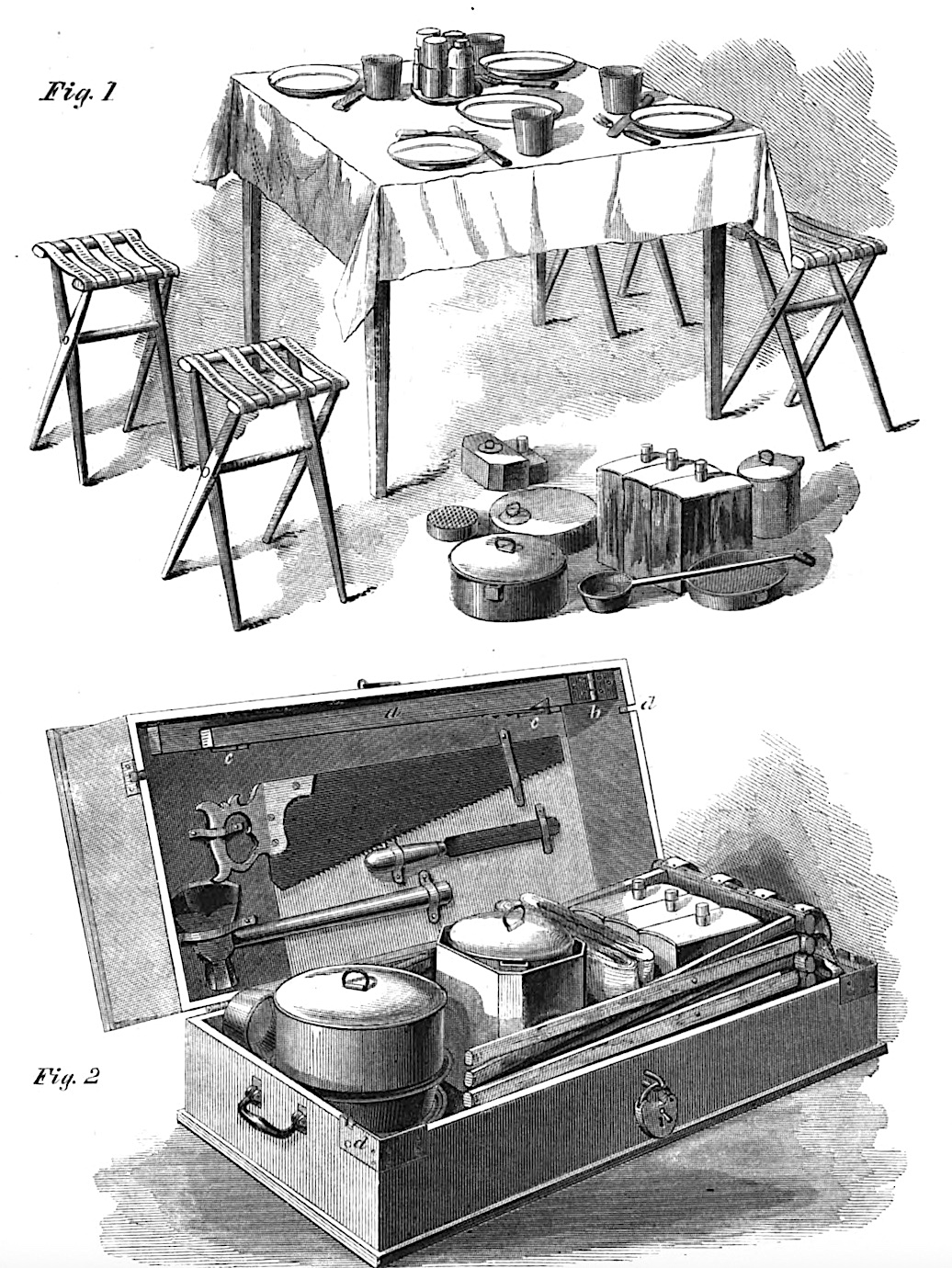
New Yorker George Parr’s camp chest purported to be a model of efficiency: A 40-pound chest (31” wide by 14” tall) that contained a variety of articles for use by soldiers in camp, in particular at meal time. Moreover, the chest itself—which also contained three web-seat camp stools—transformed into a table when unfolded. A month after running its initial article about Parr’s chest—which its inventor boasted had the endorsement of Abraham Lincoln, among other high-ranking Union officials—The Scientific American followed up with an update on the invention. “This excellent article … is attracting unusual attention from army officers and others interested in the comforts of camp life. The demand for these chests has exceeded the ability of the inventor to supply….”
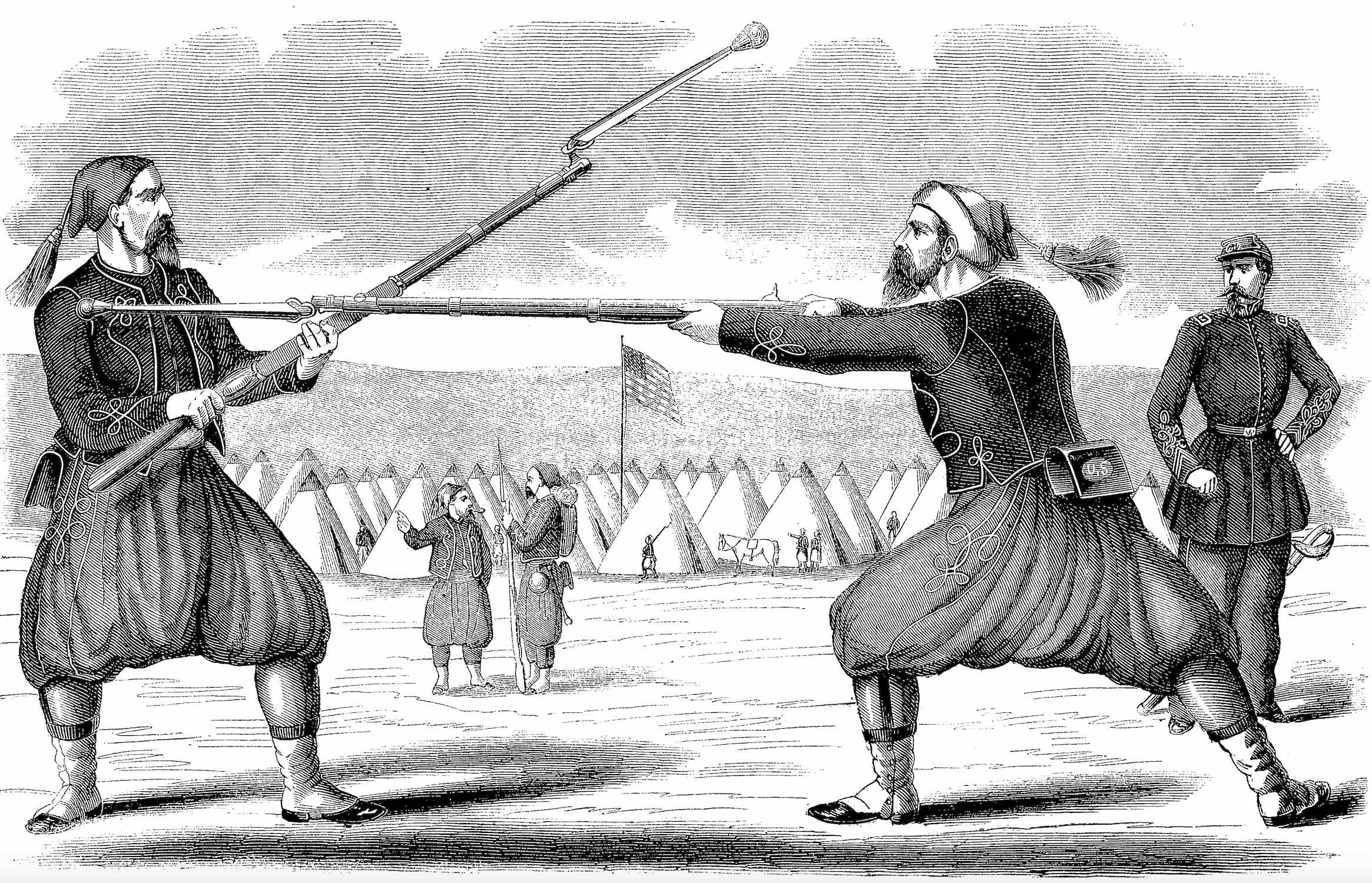
In 1862, John G. Ernst of York, Pennsylvania, invented a guard to be attached to the end of an ordinary bayonet scabbard so that soldiers might drill with their bayonets “without any danger to their persons.” The guard consisted of an India-rubber ball attached to the end of the scabbard, with a device for fastening the scabbard securely to the bayonet. It’s unclear whether Ernst’s creation saw use during the war.
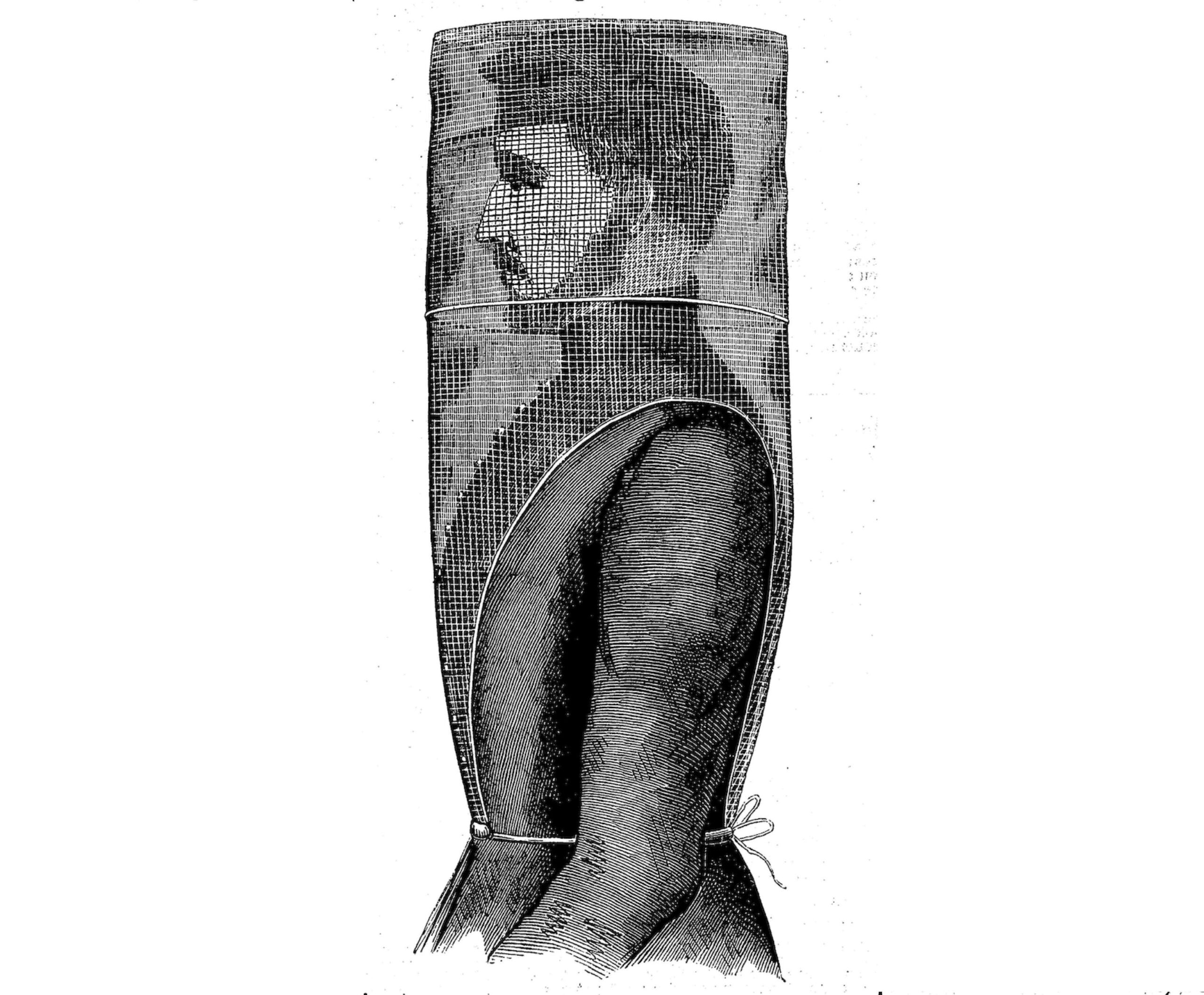
Chicago resident John Zengeler invented this personal anti-insect net in 1863, which the editors of The Scientific American thought would allow soldiers to “enjoy a refreshing slumber in spite of musquitoes, ‘gallnippers,’ and other pests of that class.” Zengeler’s device weighed only 2 ounces and folded up “so compact as to be easily carried in the pocket.”
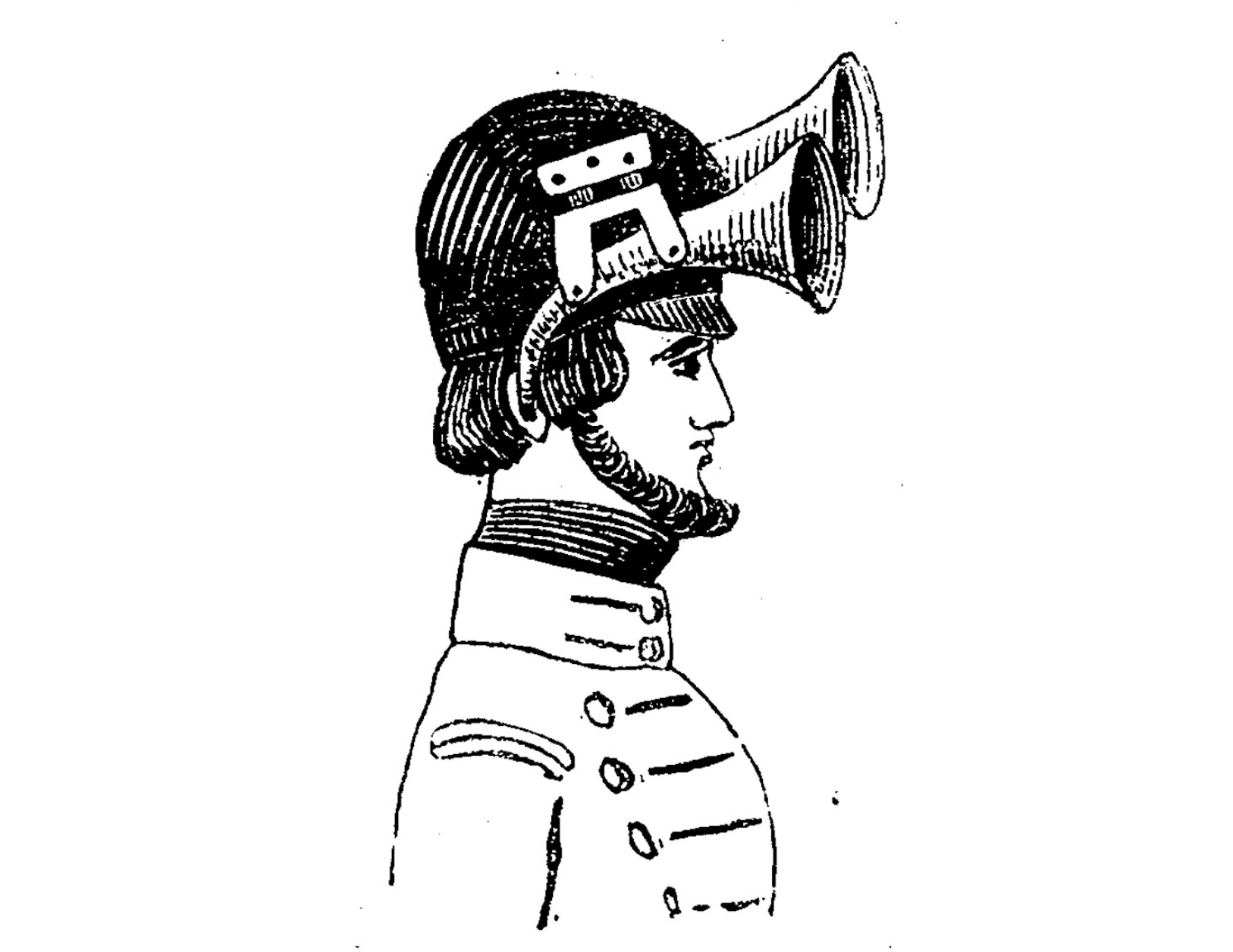
The Scientific American’s editors were bullish on the invention shown above. Called a “hearing trumpet,” the device was designed for use “by military scouts for the purpose of detecting distant sounds unappreciable by the naked ear,” especially at night, “when sudden attacks or secret movements of the foe are expected.” “It does not appear unreasonable,” they concluded, “that art may enable men to rival the most sensitive-hearing creature by such a device as is here represented.”
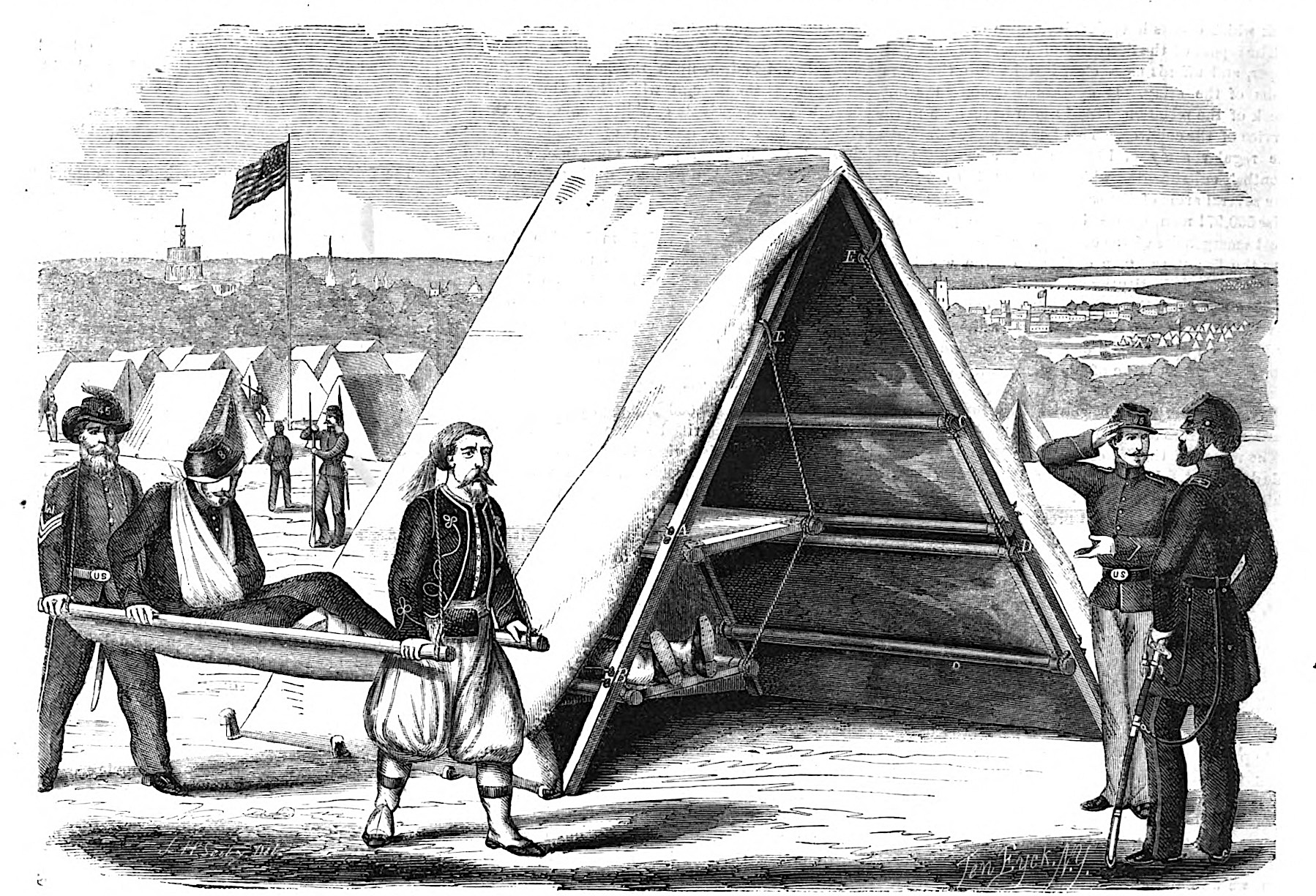
“[A]n invention which will save a hundred men is much more to be prized than any engine of destruction,” noted the editors when introducing Brooklyn resident Henry Garbanati’s improved seat and bunk tent, which included individual bunks, or berths, attached by hinge-joints to the supports that could be wholly removed and used as litters, or, when not occupied by a patient, “drawn up in the tents or used as seats, shelves or tables.” Garbanati also designed a larger version of his seat and bunk tent that could accommodate 16 men. His invention, while well intentioned, did not gain traction with the army.
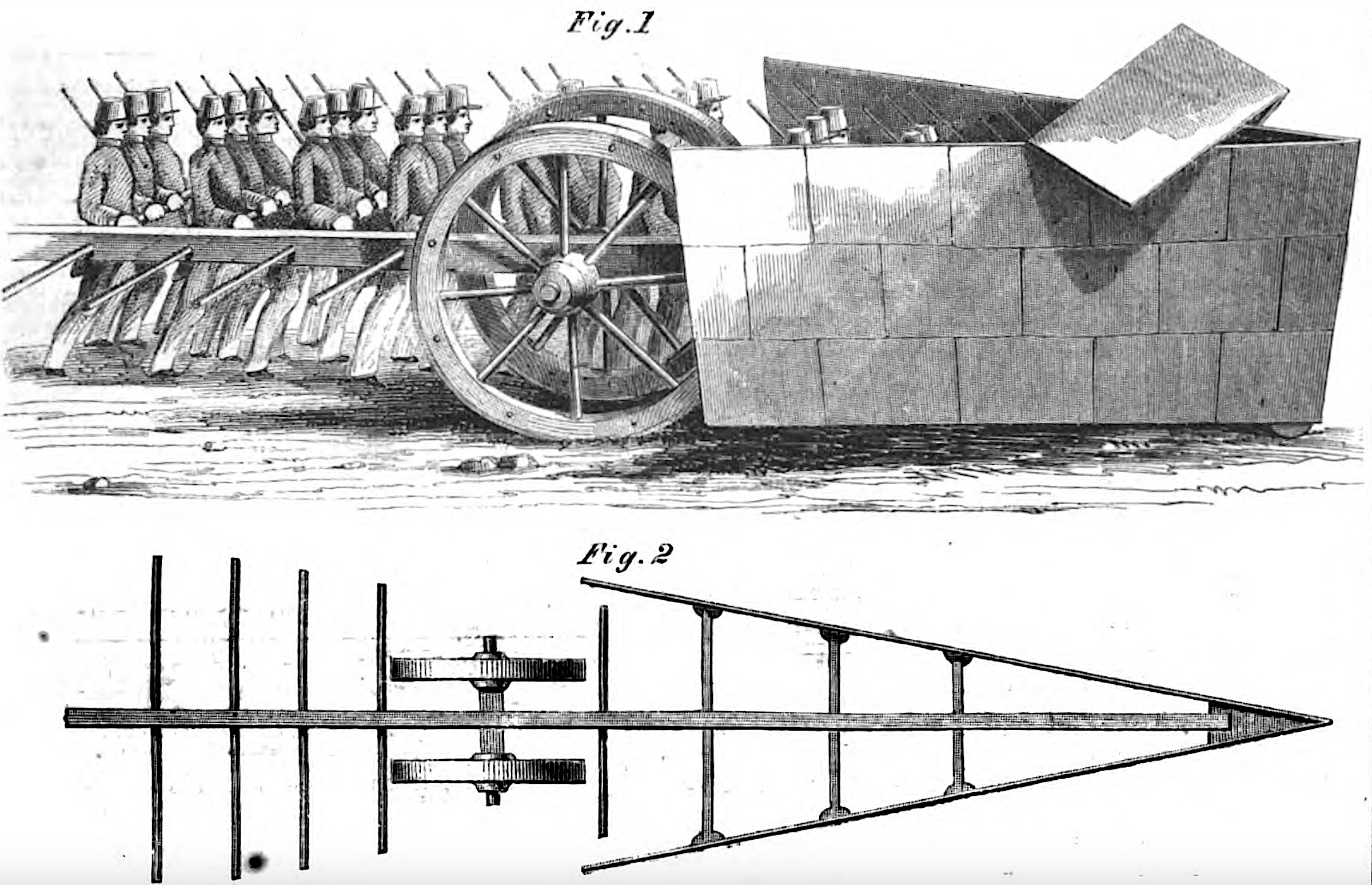
A reader sent in this idea for an “infantry shield,” published in The Scientific American on August 24, 1861. As he explained, “To avert the fearful carnage attendant upon the assault of batteries such as are established by the Rebel forces near Manassas Junction, is the great aim of patriotic minds…. A plate of iron, well polished, less than three-fourths of an inch thick, placed at an angle of twenty-five degrees, will glance harmlessly aside the ball or shell … with scarcely a perceptible token of its action.” The shield was to be made of wrought-iron, eight feet high and 40 feet long, and supported by a 125-foot-long “braced beam” that rested on two eight-feet wheels. Within the shield, braces, placed five feet apart, could be used by troops to push the device forward, and could “become steps for mounting any earth work against which it may be run.” While he admitted his “plan may seem chimerical,” he “firmly believe[d] the principal must be the one upon which our ships and men are to be shielded.” The editors responded in an accompanying note: “The shield … could only be used in roads, and if constructed 120 feet in length, only in pretty level roads. We suspect that it would be very difficult to get a military officer to try it. In implements of war simplicity is of the first importance.”
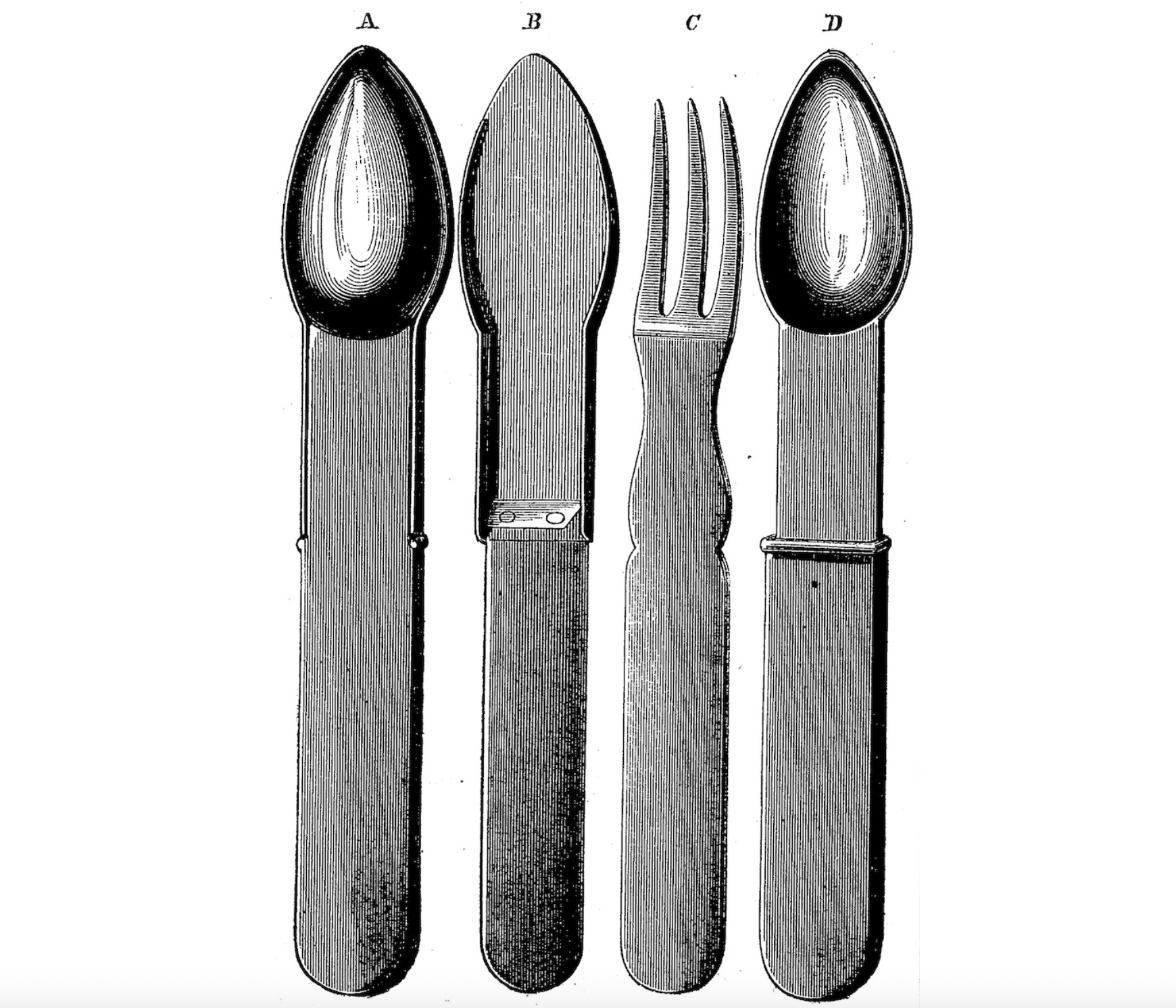
Arthur Neill of Boston devised this “combined knife, fork and spoon for the army” in 1862. As described: “The handle of the spoon [D] is made double, forming a metallic sheath into which the handle of the fork [C] and the blade of the knife [B] are inserted; the handle of the knife being of such shape as to form a complete cover to the bowl of the spoon. No springs, clasps or buttons are required to hold the articles together, and when combined the three form a compact package, exposing no points or edges, and occupying no more space than a good-sized jack knife.”
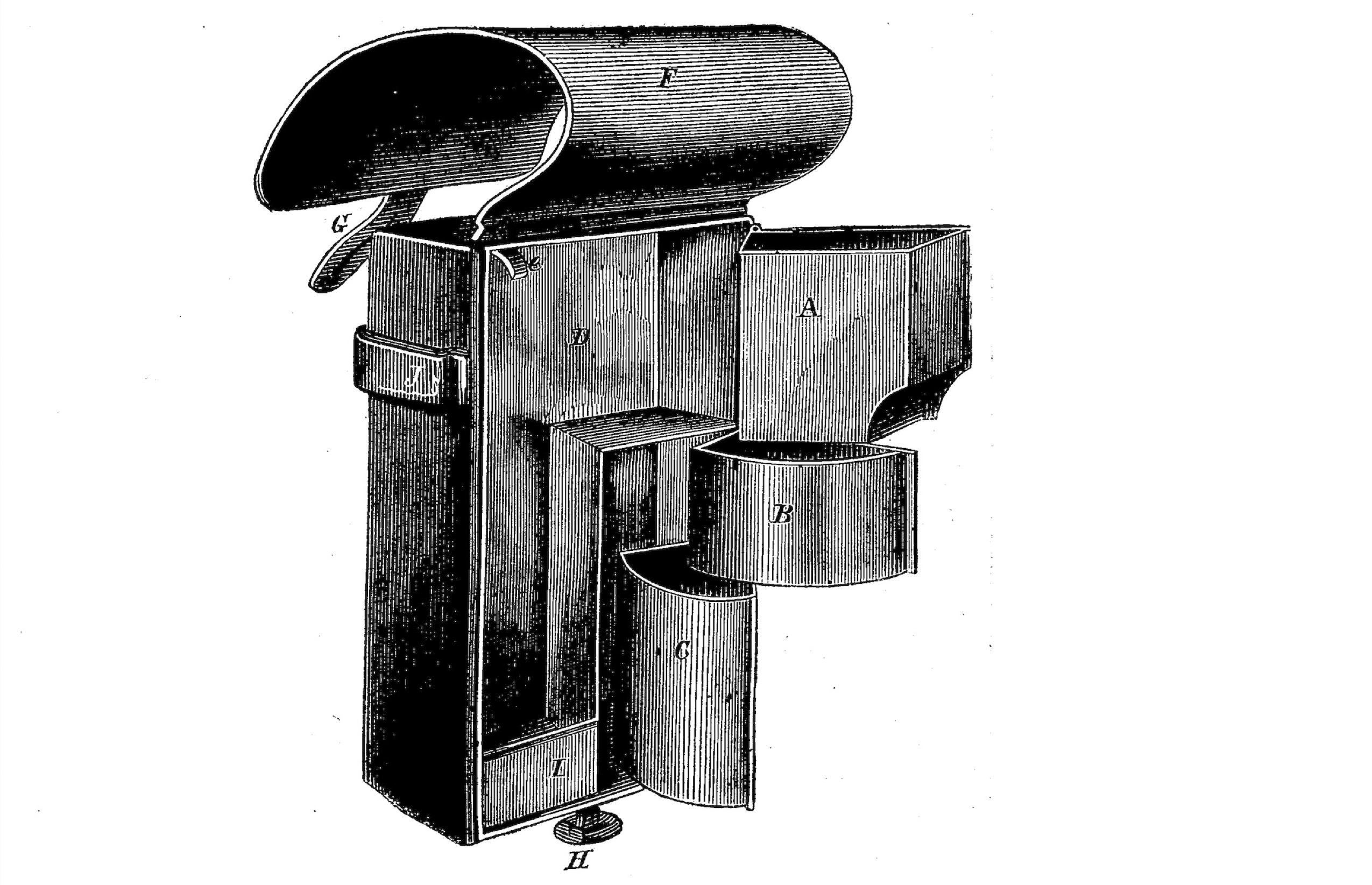
J.S. Hirschbuhl of Louisville, Kentucky, designed this ammunition box intended for use by army officers. Per its description, the leather box, lined with tin, was “divided into compartments and provided with small interior boxes hung upon hinges at one side, so that they may be swung out when it is desired to take the ammunition from them.”
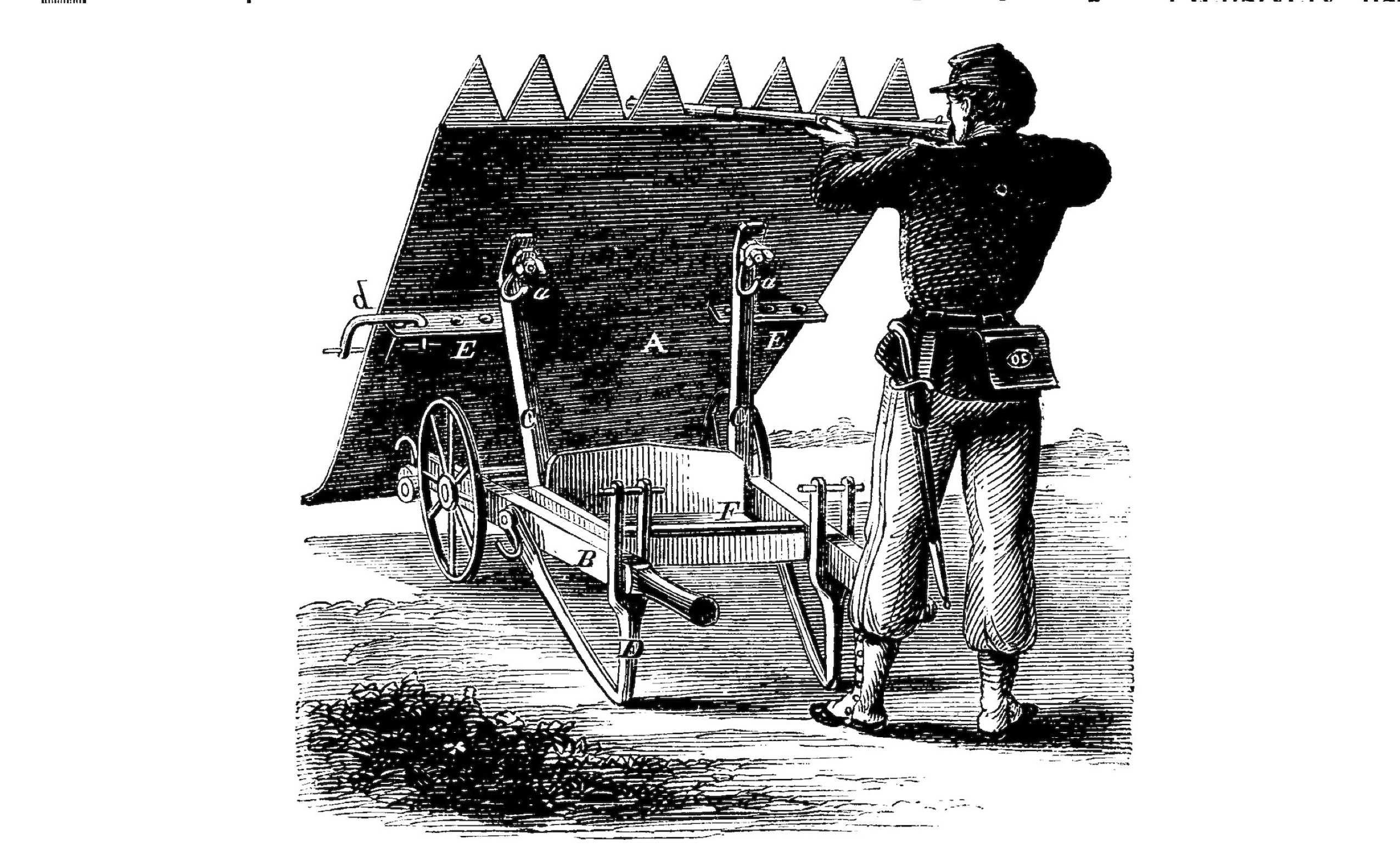
Wisconsin resident S.M. Sherman created this “portable breastwork,” which consisted of an iron plate (A) attached to a truck (B) with wheels. The plate’s serrated top edge was intended “not only to prevent the breastwork from being scaled by the enemy, but also to furnish a protection for the head, and loopholes for the musket of the soldier or sharp-shooter behind the barricade.” The editors added, “[T]his will, we think, be highly appreciated by soldiers. The picket can thus defend himself from the unscrupulous foe, or infantry moving to attack other infantry can … deliver their volleys at close range.”
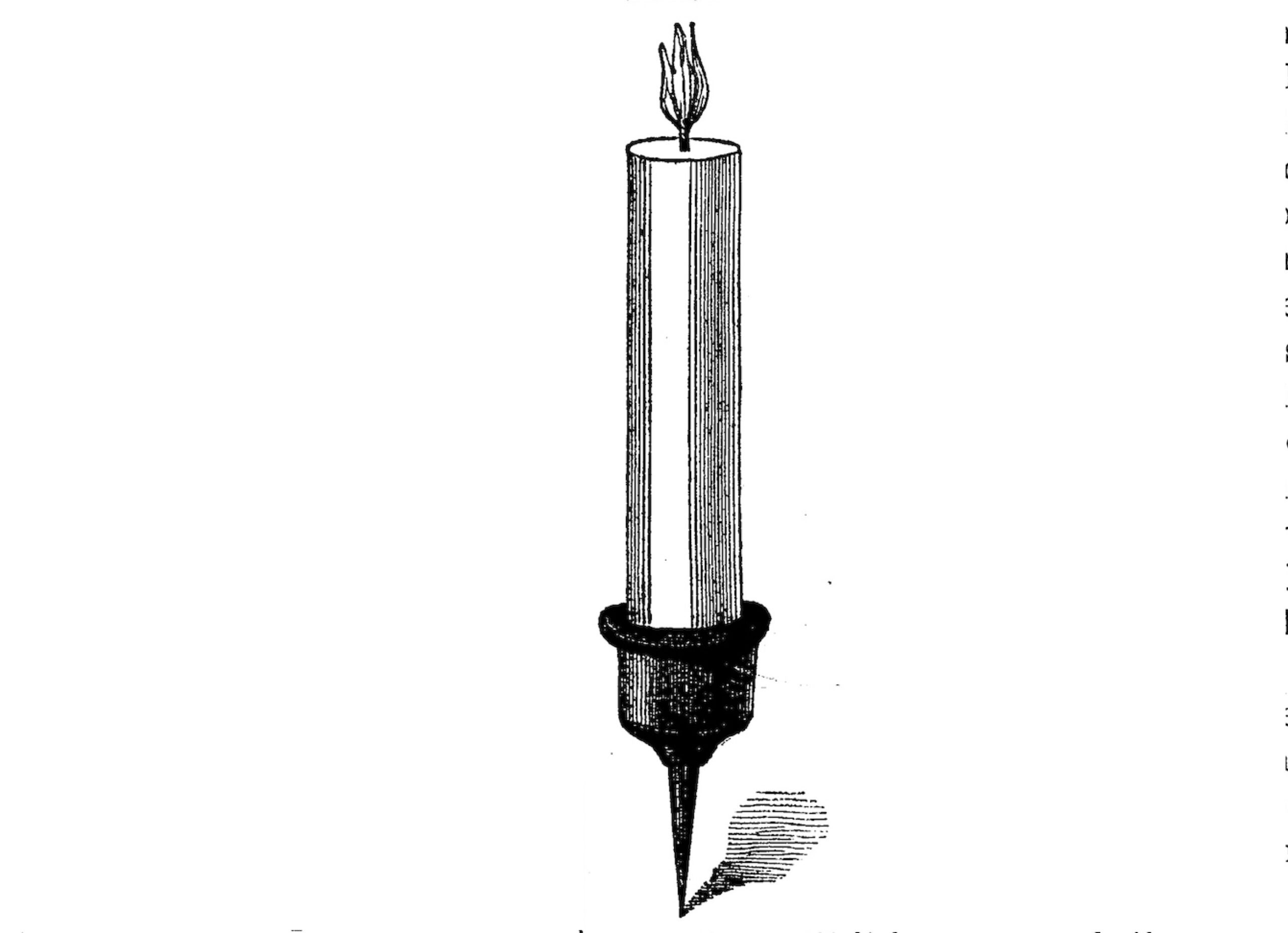
“[T]he camp candlestick illustrated,” wrote the editors in the January 4, 1862, issue of The Scientific American, of a new patented design by S.L. Marsden and S.R. Burrell of New York City, “… is simply a socket for the candle cast upon a wrought or malleable iron spike, by which it may be fastened upon a stump, table or other piece of wood, its merit consisting in its cheapness, simplicity and convenience…. The spike may be bent at right angles to one side for fastening the candle stick to a tent pole, tree or other vertical support. When the candle is burned down to the socket, the candlestick may be inverted and the remnant of the candle stuck upon the spike until it is consumed, the cup serving as a base.”
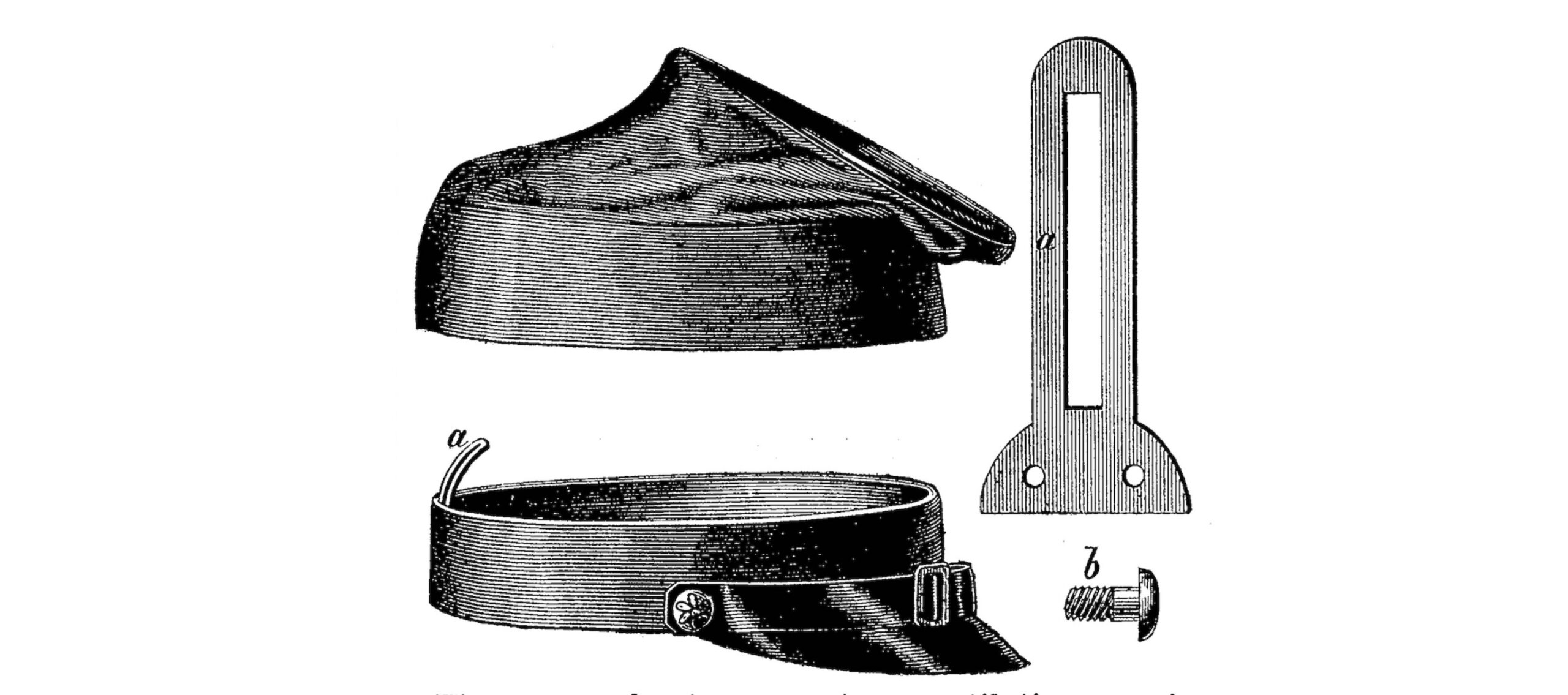
Philadelphia resident J.O. Blythe invented this “ventilating cap,” designed to “admit a free circulation of air in hot weather” when opened, and “readily closed for protection against the rain.” Its two parts are sewn together in the front and joined by a sliding clasp in the back, allowing “the upper part to be raised so as to open a slit in the back and around the sides.”
Source
The Scientific American, May 25, August 3, September 14, October 26, December 14, 1861, January 4, February 1, April 12, 26, September 20, 22, 1862, February 14, 1863, July 23, 1864.
Related topics: technology

Regarding the Baltimore Steam Battery. As manager of the Baltimore Civil War Museum we had a small display on this. The battery was recovered but not in a working condition and it was never made operable. Since the US had many great engineers available, it was most likely a hoax, though there was, and still may be, a reproduction near the Thomas Viaduct of the B&O RR near Elkridge Md.