George Warren Dresser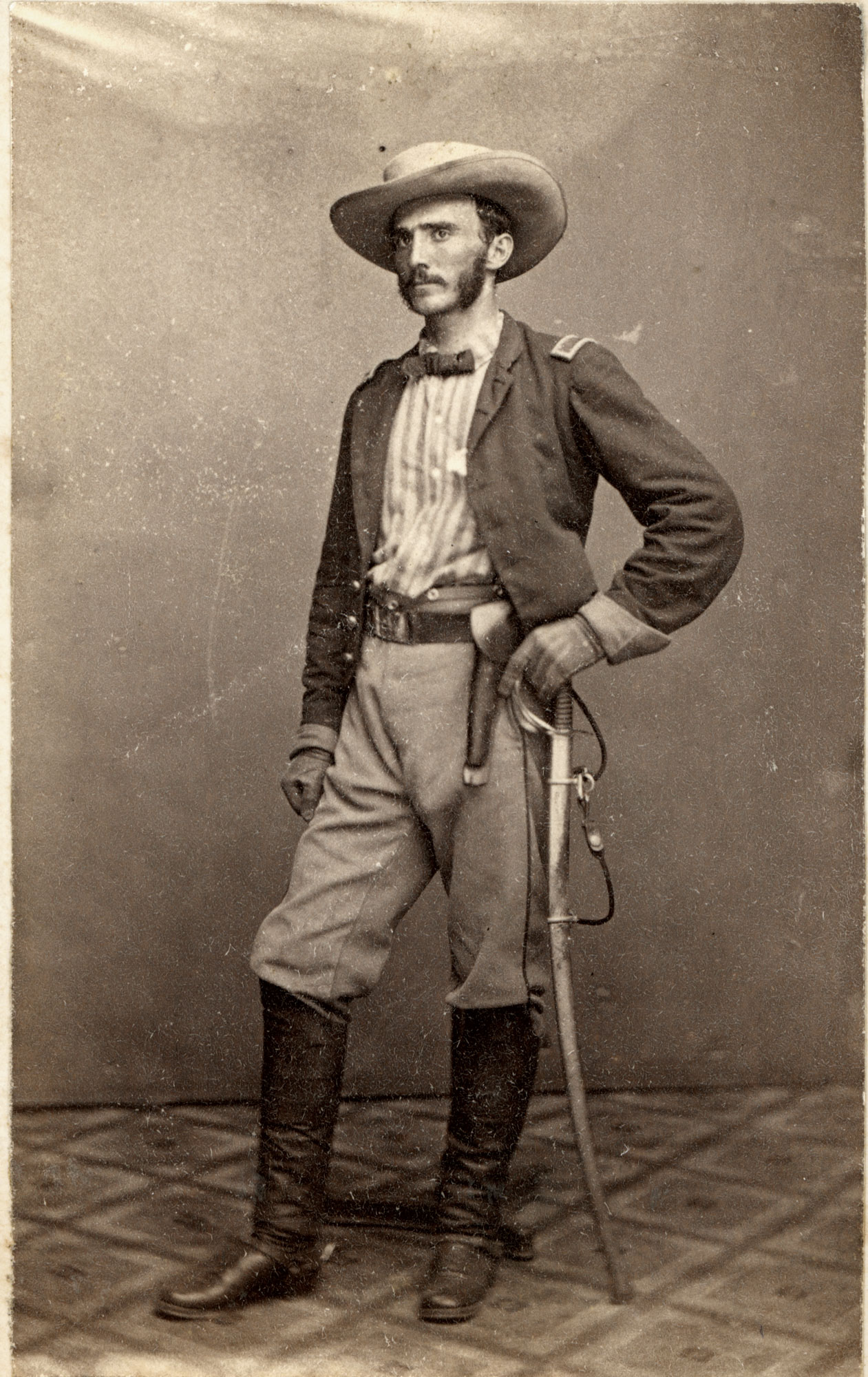 Ronald S. Coddington Collection
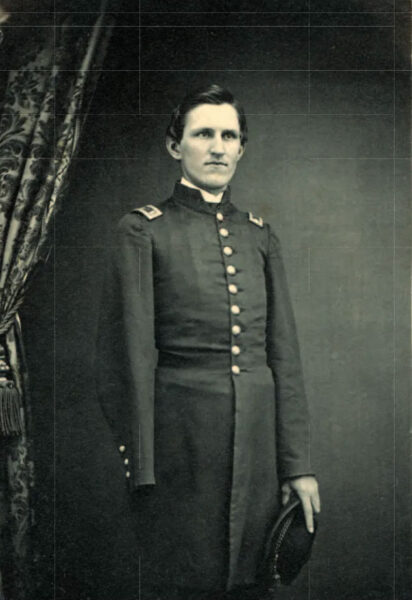
George Warren Dresser had a knack for appearing wherever the Civil War pivoted. Born in 1837 in Connecticut and raised in Massachusetts and Brooklyn, he entered West Point in 1856 and graduated with the first wartime class in May 1861. Commissioned in the 4th U.S. Artillery, he probably posed soon afterward for this portrait—broad-brimmed hat, field-ready—in Mathew Brady’s New York gallery. Sent to Washington, D.C., and assigned to shape raw volunteers, he drilled the 5th Massachusetts Infantry. In a mid-June review, President Abraham Lincoln and his Cabinet reportedly praised the regiment as the “Steady Fifth.”
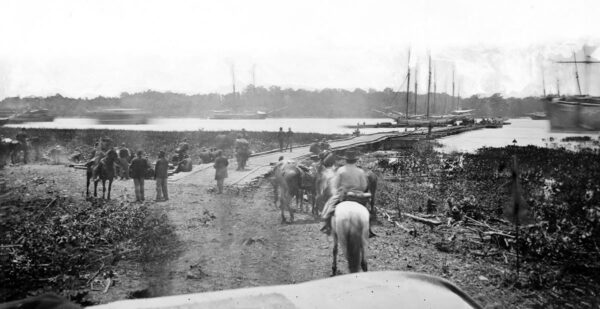
At First Bull Run, Dresser served with Battery E, 3rd U.S. Artillery. When Confederate cavalry closed, the guns fired canister, and the battery withdrew without losing a piece. Short, pointed assignments followed: engineer at Yorktown; acting ordnance officer of the army’s III Corps; assistant instructor of artillery tactics at West Point in 1863. Ordered to besieged Chattanooga, he joined Major General W.F. “Baldy” Smith in opening the “Cracker Line,” launching a pontoon and leading troops across the Tennessee River under fire.
Back with the Army of the Potomac in 1864 as a V Corps inspector, Dresser surfaced again at a critical moment along the Weldon Railroad at Petersburg. On August 21, as General A.P. Hill struck Major General Gouverneur K. Warren’s lines, Colonel Charles Wainwright sent Dresser to pull Battery C, 1st New York, into a flanking position. Its 3-inch rifles enfiladed Colonel William Pegram’s guns, helping secure the rails and earning Dresser a brevet to captain.
Dresser served briefly in an army staff role after the war, then became a civil engineer and editor of The American Gas-Light Journal. He died from cancer at 45 in 1883.
Ronald S. Coddington is publisher of Military Images, a magazine dedicated to showcasing and preserving photos of Civil War soldiers and sailors.