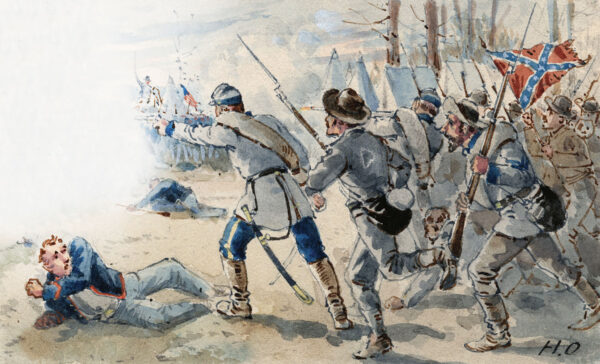
Civil War battlefield scene showing casualties on the ground.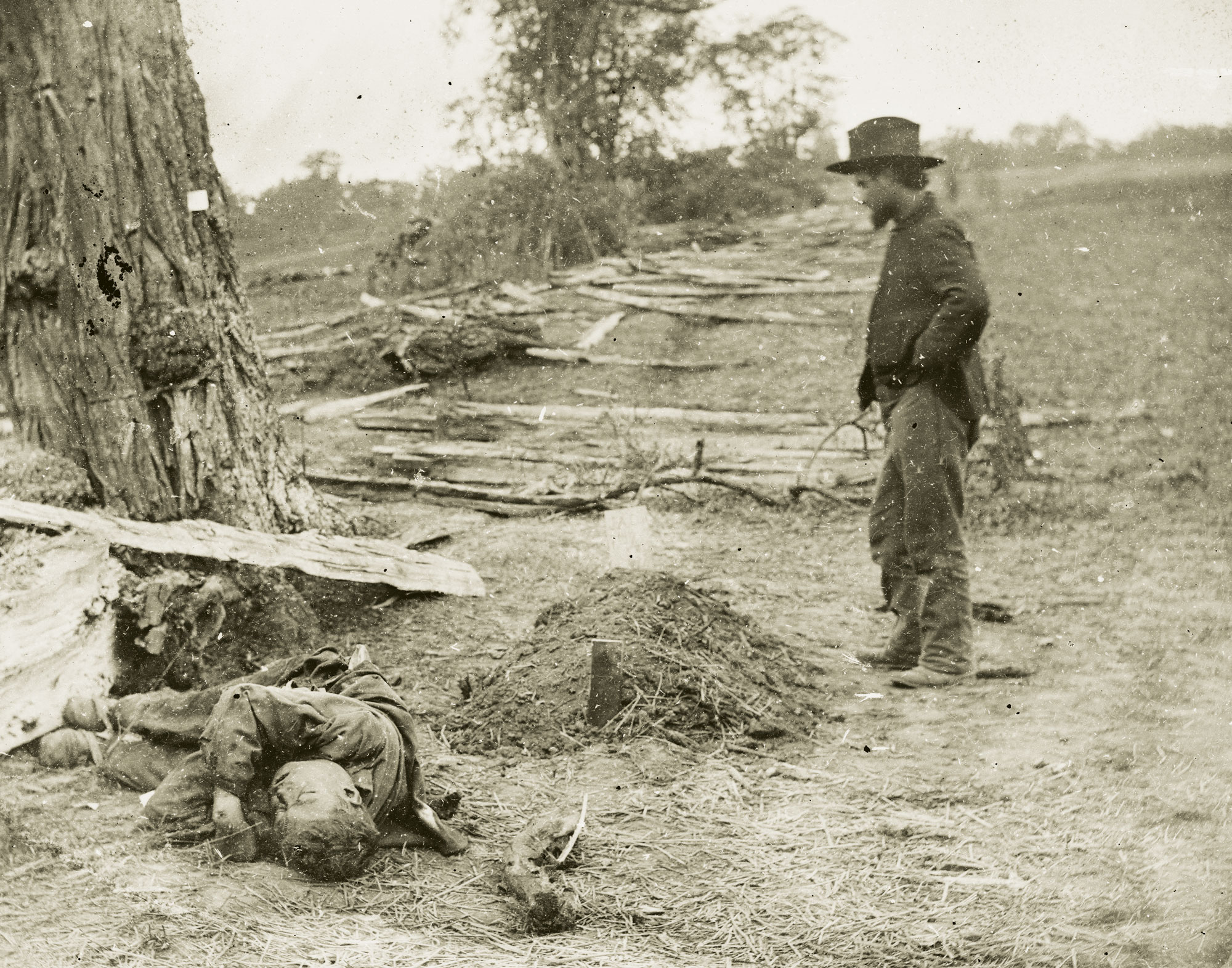 Library of Congress
“I will be a perfect Barbarian if I Should Stay hear 3 years.”
—Recently enlisted Vermont soldier J.E. Hart, in a letter to his wife, June 16, 1861
“If you think soldiering cures anyone of wild habits it is a great mistake, it is like Sending a Boy in the Navy to learn him good manners. We have Drummer Boys with us that when they came at first could hardly look you in the face for diffidence but now could stare the Devil out of contenance and cant be beat at cursing, swearing and gambling.”
—Alfred Davenport, 5th New York Infantry, in a letter to his parents, March 9, 1863
Confederate general Richard Taylor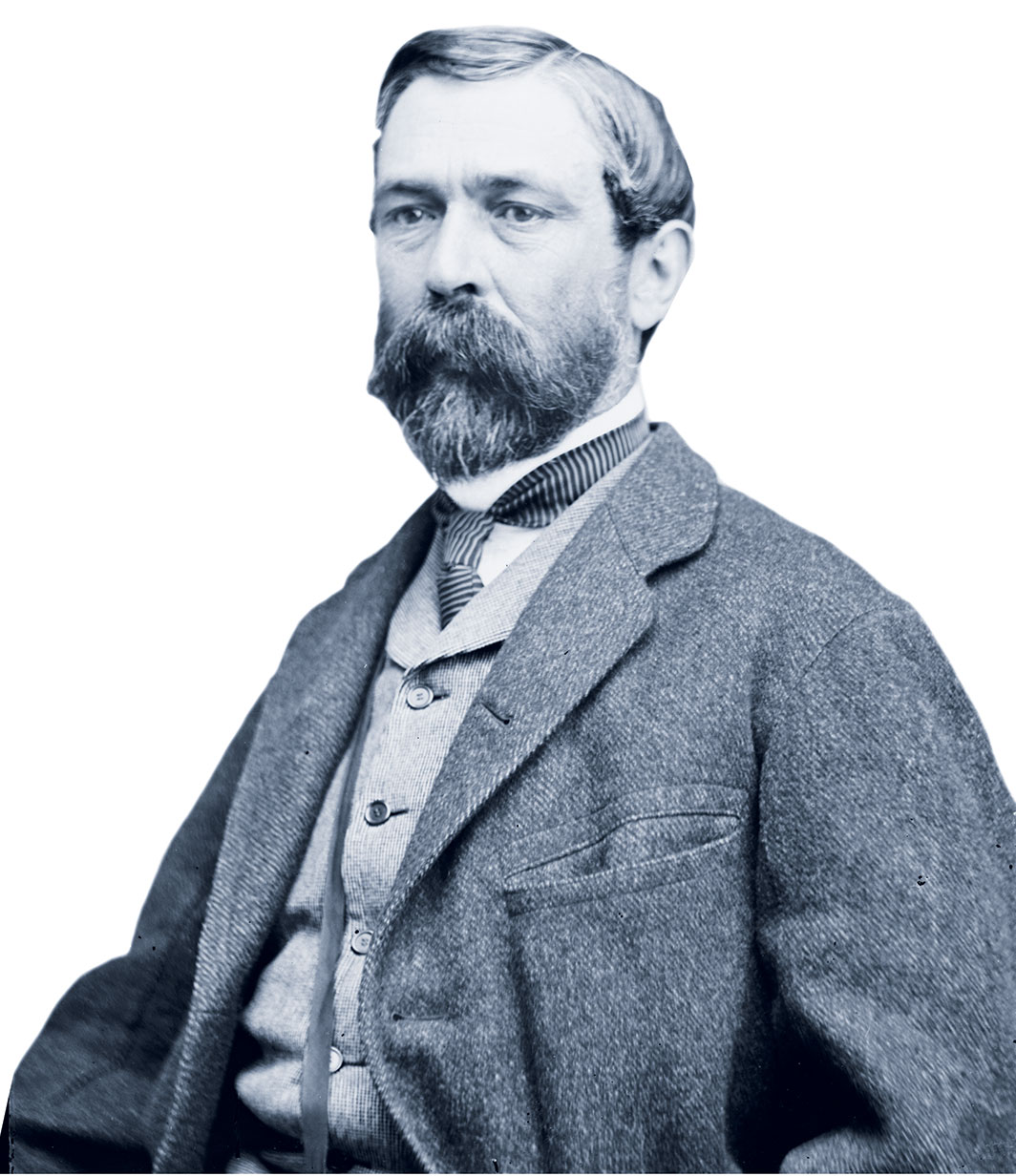 Library of Congress
“We passed the night high up the mountain, where we moved to reach our supply wagons. A cold rain was falling, and before we found them … I had lunched comfortably from the haversack of a dead Federal. It is not pleasant to think of now….”
—Confederate general Richard Taylor (above), on an incident that occurred during the Shenandoah Valley Campaign of 1862, in his memoirs
Young Civil War drummer boy in uniform with drum.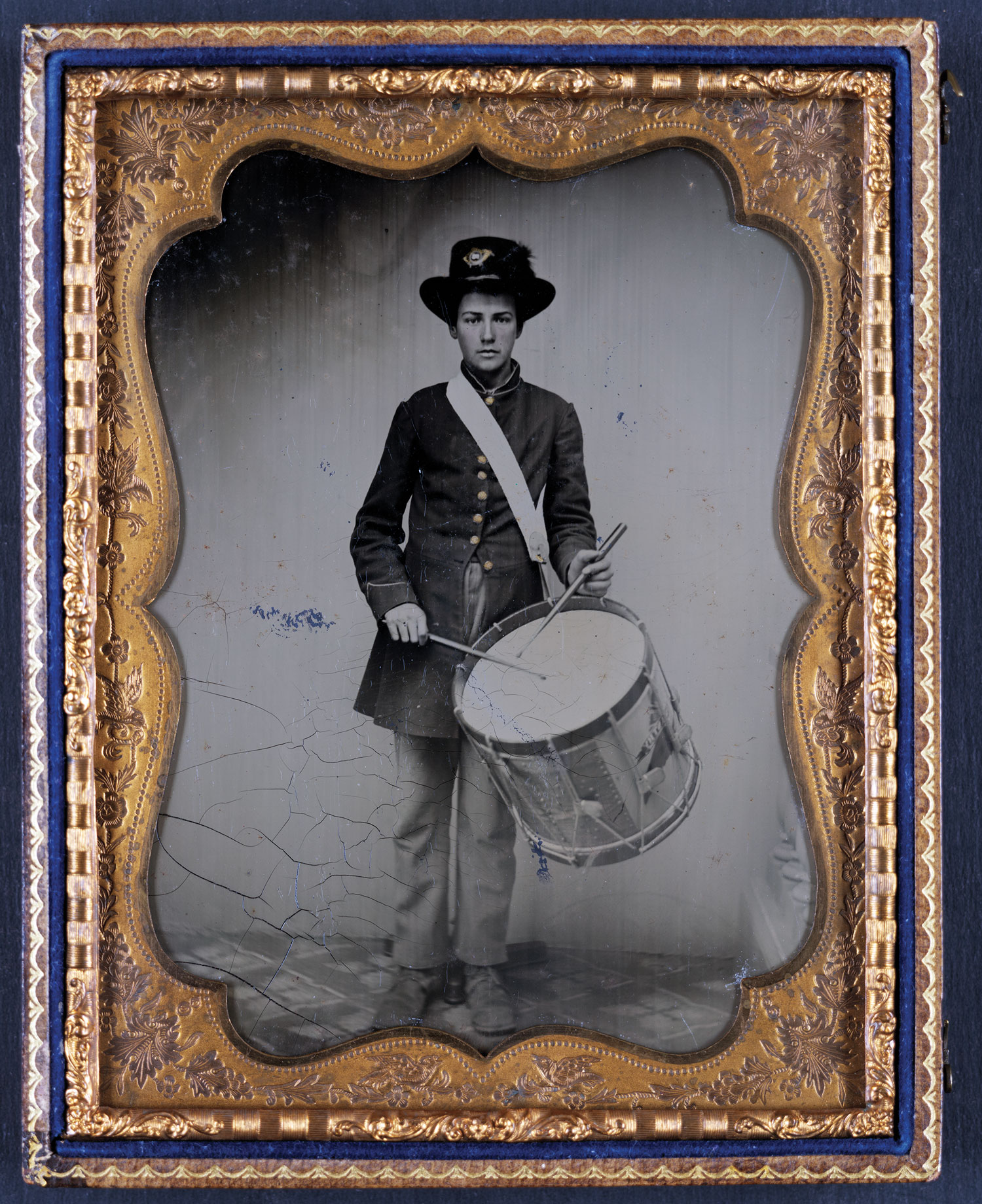 Library of Congress
“I had no idea of the filth and vulgarity of men in camp until I tried this little experiment.”
—Colonel William Barksdale, 13th Mississippi Infantry, reflecting on his recent decision to join the army, in a letter to his brother, June 11, 1861
“Am waiting for this fellow to die, so I can get his watch and ring.”
—Confederate soldier Jim Randall, after being asked by a comrade why he was sitting near a wounded Union officer after a battle
“It seems to me I am quite callous to death now, and that I could see my dearest friend die without much feeling…. During the last three weeks … I have witnessed hundreds of men shot dead, have walked and slept among them, and surely I feel it possible to die myself as calmly as any.”
—Union surgeon John Gardner Perry, in a letter home written during the Battle of North Anna, May 24, 1864
Sources
Bell Irvin Wiley, The Life of Billy Yank (1952) and The Life of Johnny Reb (1943); Letters From a Surgeon of the Civil War (1906); Destruction and Reconstruction: Personal Experiences of the Lake War (1879)