It’s time for our annual roundup of the year’s best Civil War titles. We have as usual enlisted a handful of Civil War historians, avid readers all, to pick their two favorite books published in 2025. They could also name an additional title or two—released this year or out in print soon—that they are looking forward to reading.
Brian Matthew Jordan
Top Pick
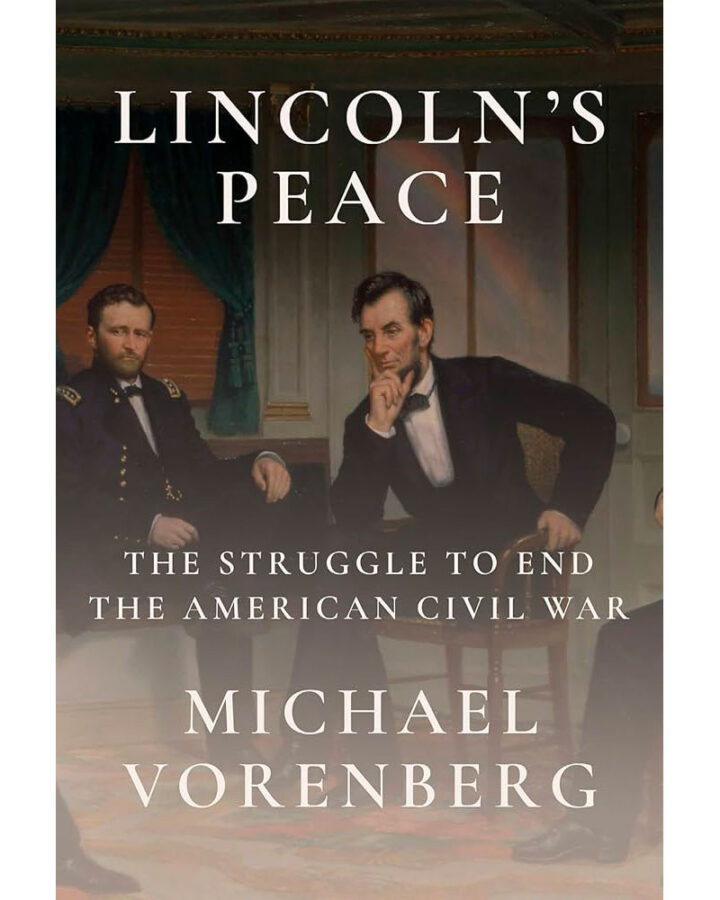
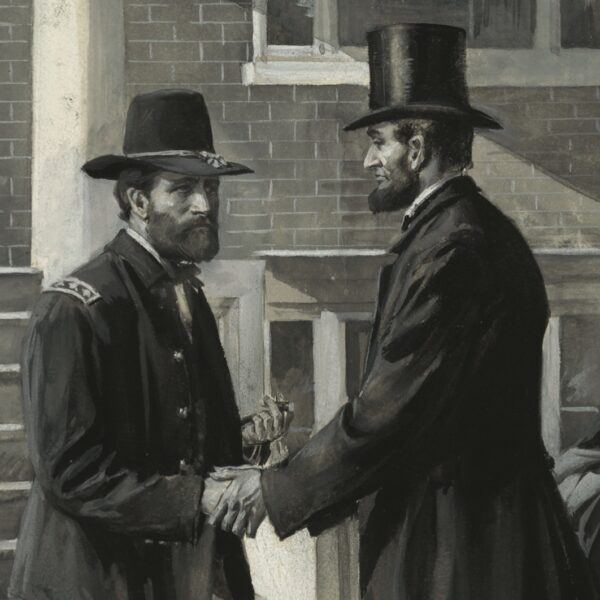
When did the Civil War end? The answer to this deceptively simple question reveals much about the meaning and legacy of the war, as the Brown University historian Michael Vorenberg so convincingly argues in Lincoln’s Peace: The Struggle to End the American Civil War (Alfred A. Knopf). Even students of the war who can recite the dates and details of surrender meetings will find Vorenberg’s propulsive narrative gripping.
His search for the conflict’s “end” launches him on a wide-ranging historical exploration, seamlessly braiding political, legal, military, and diplomatic histories. While recent historians have produced good books on the demobilization of Civil War armies, the transition from wartime to peacetime, and the uncertainties of Reconstruction, few have rendered so legible the enormous stakes and wild historical contingencies that came in the war’s wake. Even veteran scholars of the period will come away with a new and sharper understanding of the enormous consequences—and stubborn difficulties—of locating the war’s “end.”
From the fates of the formerly enslaved to those of indigenous peoples, from the threat posed by the French intervention in Mexico to the cruise of the Confederate commerce raider Shenandoah, Vorenberg ranges far and wide. The Boston barrister Richard Henry Dana Jr., in a speech that frames this book’s second half, argued that it was incumbent upon the “victorious nation” to hold the enemy “in the grasp of war”—until the embers of the rebellion were extinguished. Vorenberg holds readers firmly in his grasp from the first page to the final paragraph.
Honorable Mention
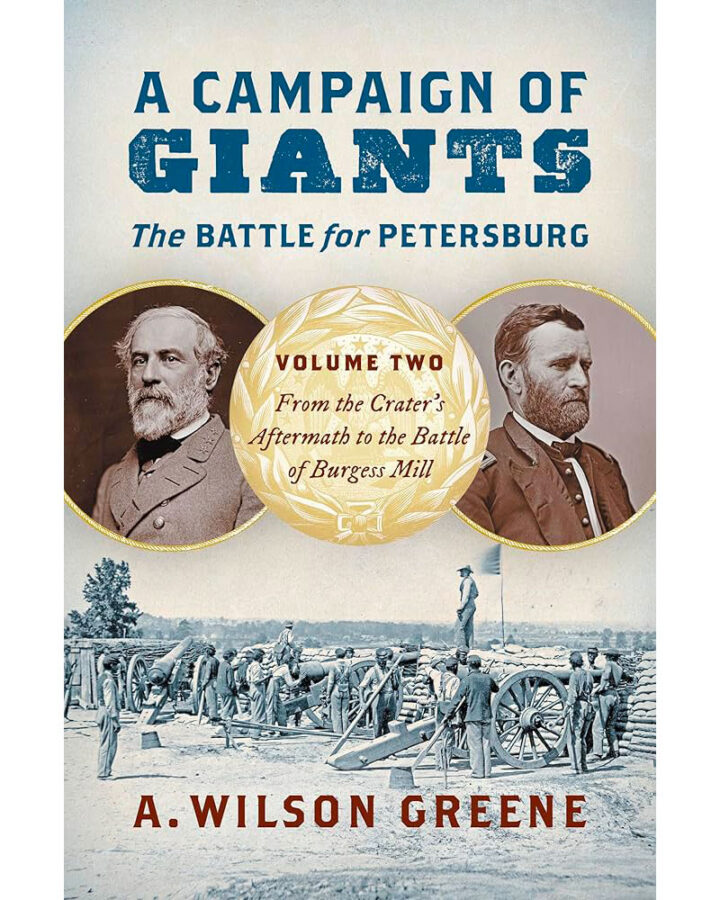
A. Wilson Greene’s A Campaign of Giants: The Battle for Petersburg, Volume Two: From the Crater’s Aftermath to the Battle of Burgess Mill (University of North Carolina Press), the second volume of his planned trilogy narrating the history of the Petersburg Campaign, is modern operational military history at its finest. Rooted in decades of archival spadework (pun intended!) and informed by a growing body of scholarship on one of the Civil War’s most unjustly neglected campaigns, Greene delivers a crisp narrative that amplifies the voices of the rank and file, all without losing sight of larger interpretive stakes. With verve, Greene narrates operations on both sides of the James River. One finishes this enormous but elegantly written tome with a keener appreciation for the campaign’s complexity. The narrative history the Petersburg Campaign has long deserved was worth the wait.
Looking Forward To
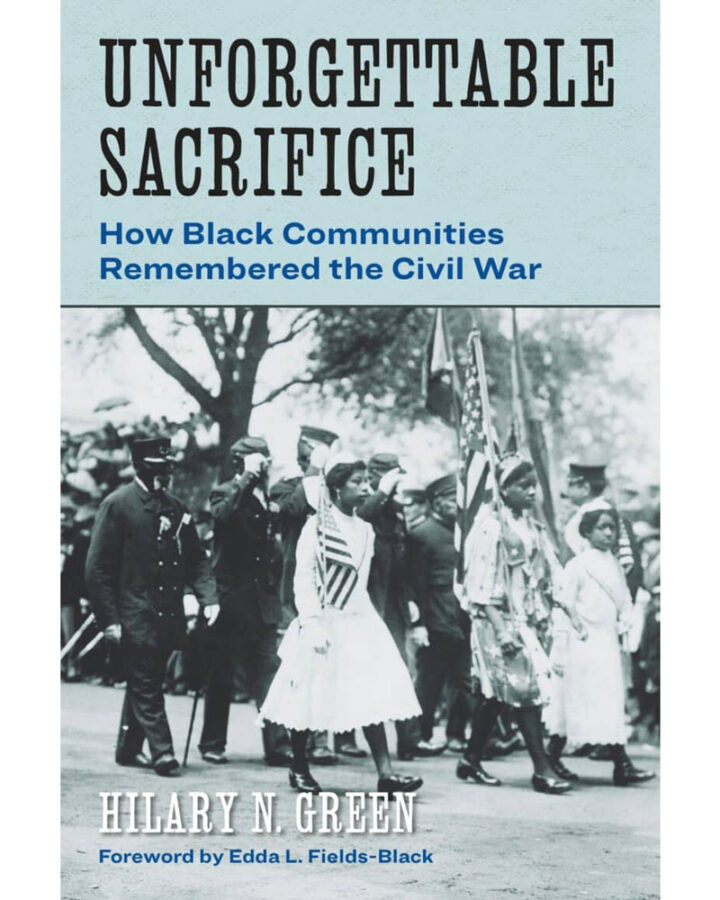
Hilary N. Green’s Unforgettable Sacrifice: How Black Communities Remembered the Civil War (Fordham University Press) is next on my list. We’ve long needed a book-length study of African American Civil War memories, and this study, from the pen of a meticulous scholar, promises to nuance our understanding. I had the good fortune to read the manuscript of the amazingly prolific Earl Hess’ latest book, Shattered Courage: Soldiers Who Refused to Fight in the American Civil War (University Press of Kansas), which coaxes a key cohort of soldiers from the historiographic shadows, so I’m looking forward to seeing the finished product in March. Like many students of the era, I’ve long awaited the Dickinson College historian Matthew Pinsker’s Boss Lincoln: The Partisan Life of Abraham Lincoln (W.W. Norton). Finally, I’m looking forward to what Erika Pani’s Torn Asunder: Republican Crises and Civil Wars in the United States and Mexico, 1848–1867 (UNC Press) will add to a growing literature connecting the civil wars in the two countries.
Cecily Zander
Top Pick
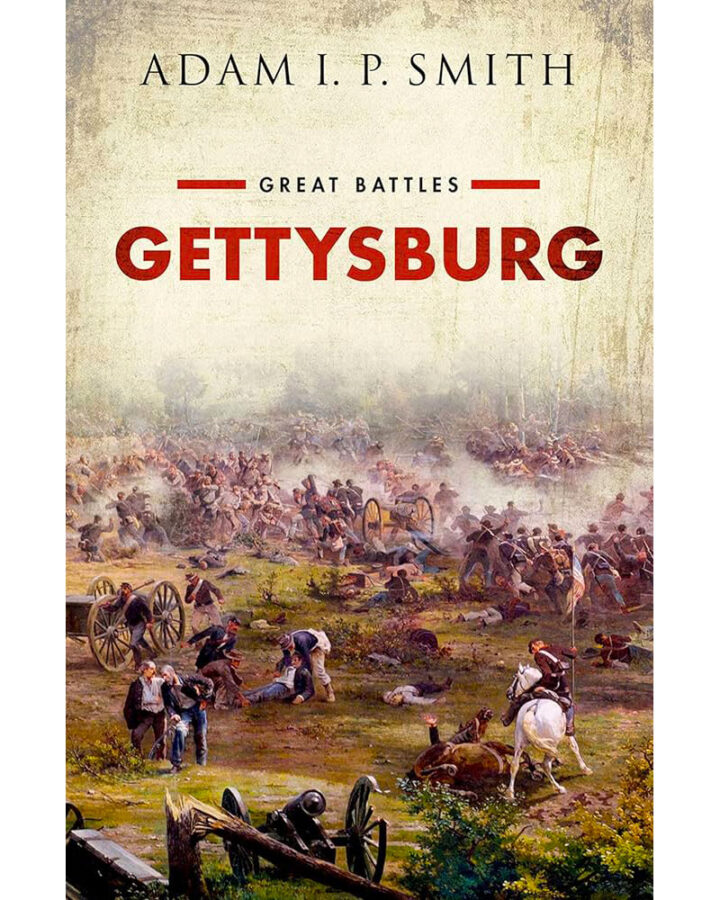
Adam I.P. Smith’s Gettysburg (Oxford University Press) stands out as the best Civil War book of 2025 for its combination of compelling narrative and deep analysis. Smith not only offers a clear and engaging account of the battle itself—balancing tactical detail with the human experiences of soldiers and civilians—but also situates Gettysburg within the broader context of the Civil War. His elegant prose makes the story vivid without sacrificing scholarly rigor, and his attention to how Gettysburg has been remembered and mythologized over the last 160 years adds a valuable dimension to our understanding of this well-worn subject. By treating the battle as both a military struggle and a symbol of national identity, Smith highlights the enduring relevance of Gettysburg to American memory. At a time when questions about history, memory, and identity are especially urgent, Gettysburg resonates powerfully, making it an essential read for specialists and newcomers alike.
Honorable Mention
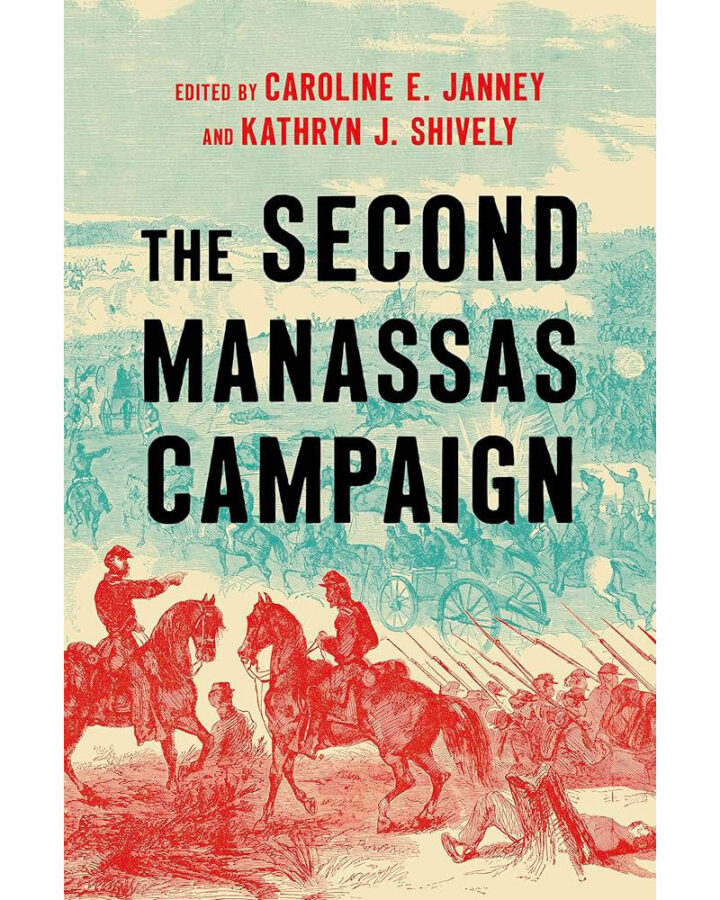
The Second Manassas Campaign, edited by Caroline E. Janney and Kathryn J. Shively, is the latest addition to the “Military Campaigns of the Civil War” series from UNC Press. The volume brings together top-notch talent to retell the history of one of the war’s least understood campaigns. It offers new and intriguing insights into the fighting of summer 1862, which featured top talent from the Confederacy facing a B-tier cast of Union leaders who fumbled away an opportunity to blunt Robert E. Lee’s advance toward Maryland. Essays on tactics and leadership are accompanied by sharp analyses of politics and culture, offering readers an array of cutting-edge scholarship and new perspectives.
Looking Forward To
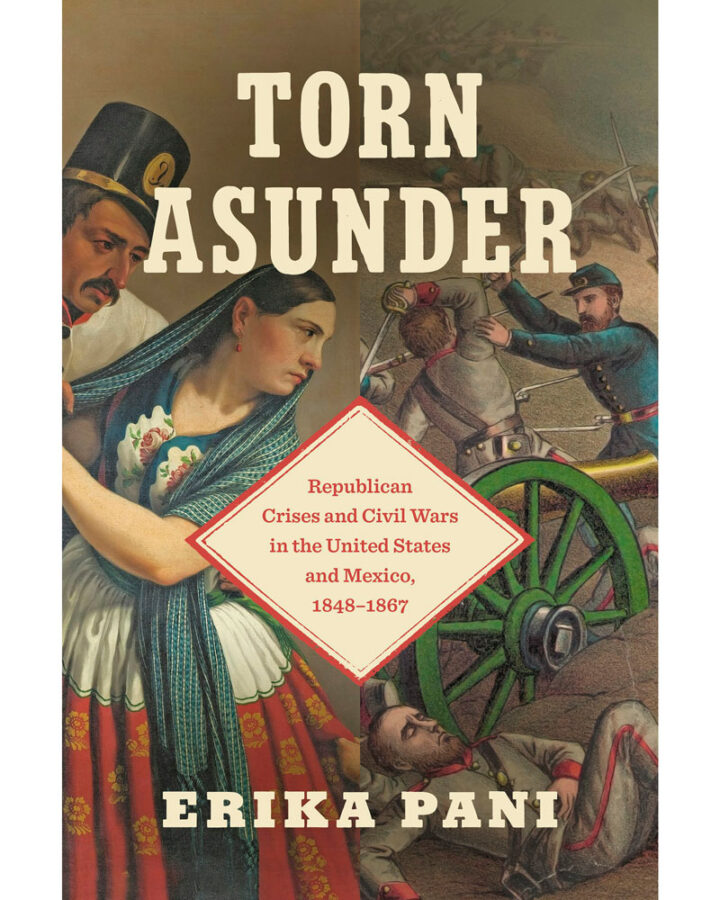
I am really looking forward to reading Erika Pani’s recently released Torn Asunder: Republican Crises and Civil Wars in the United States and Mexico, 1848–1867. I am excited to see a true borderlands treatment of the American Civil War, with an intriguing continental twist—this is not just the Civil War in the American West, it’s the Civil War on a global stage. I am also looking forward to Opium Slavery: Civil War Veterans and America’s First Opioid Crisis (UNC Press) by Jonathan S. Jones. This book will move our study of Civil War veterans in a new direction—and recover the stories of men and women who have otherwise been forgotten in the war.
Jennifer M. Murray
Top Pick
The campaign for Petersburg, Virginia, lasted 292 days and arguably represented the most complex operation of the American Civil War. A. Wilson Greene, former president of the Pamplin Historical Park and the National Museum of the Civil War Soldier, is in the midst of producing the definitive study—a three-volume endeavor—on that nine-month-long struggle. Greene’s first volume, A Campaign of Giants: The Battle of Petersburg, Volume 1: From the Crossing of the James to the Crater, published in 2018, covers the first three Federal offensives for the Cockade City.
The much-anticipated second volume, A Campaign of Giants: The Battle of Petersburg, Volume 2: From The Crater’s Aftermath to the Battle of Burgess Mill, hit the shelves in early 2025. In this volume, Greene details the fourth, fifth, and sixth Federal offensives, covering operations from early August through late October 1864. He offers a masterful narration of Ulysses S. Grant’s decision to relentlessly strike Petersburg’s supply lines, resulting in fighting at places like Weldon Railroad and Reams Station.
Greene’s familiarity with Petersburg, enhanced by working on those landscapes for decades, is unmatched. His meticulous research, cogent analysis, and elegant prose make for a compelling read that does much to enhance our knowledge of this pivotal campaign. I anxiously await the third and final volume of this magisterial study.
Honorable Mention
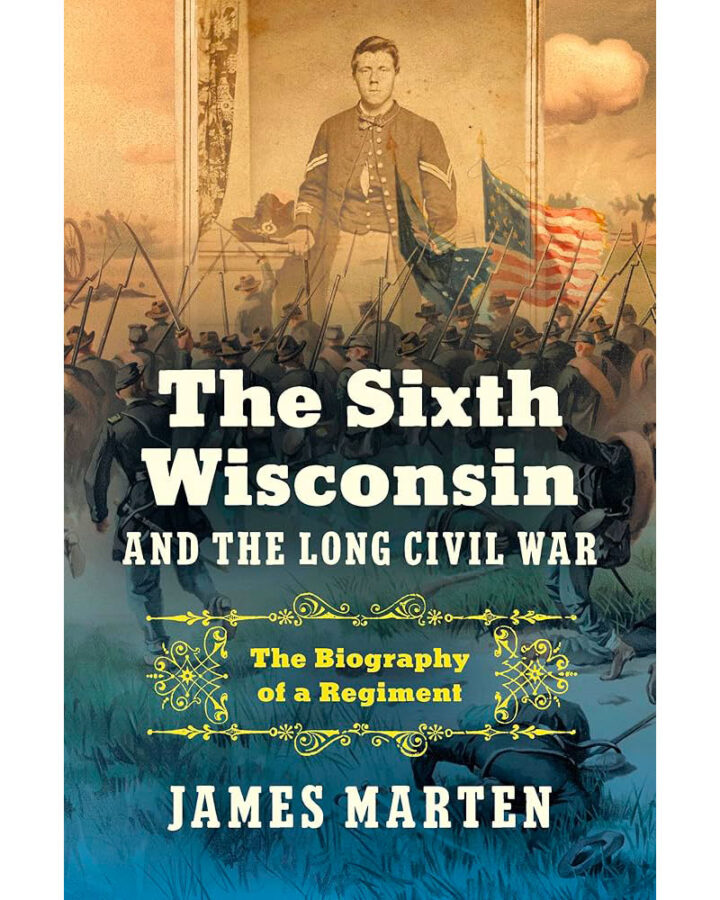
James Marten’s The Sixth Wisconsin and the Long Civil War: The Biography of a Regiment (UNC Press) offers a compelling narrative of one of the Civil War’s most distinguished regiments. The 6th Wisconsin Infantry was part of the Army of the Potomac’s famous Iron Brigade, a unit that fought in most of the army’s major campaigns. Marten seeks to tell the story of one particular regiment, the 6th Wisconsin, not as a traditional regimental history but as a “regimental biography.” His research is exhaustive, with painstaking attention given to some 2,000 men who served in this unit at some point during the war.
Marten’s approach is compelling: He treats the 6th Wisconsin as an evolving entity, never a static one. He traces the trajectory of this one regiment and the men who served in it, from its creation to its extensive wartime service and through the postwar period. Readers interested in a deep dive into how soldiers in one regiment experienced the Civil War and then, in the postwar years, commemorated that conflict, will find much of value here.
Looking Forward To
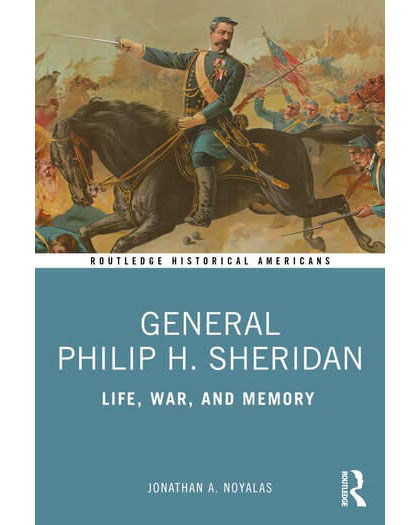
I am looking forward to reading General Philip H. Sheridan: Life, War, and Memory (Routledge), a new biography by Jonathan Noyalas. This book promises a fresh perspective on one the most influential Union generals and his leadership during the Civil War, as well as his role in the nation’s postwar military affairs. I’m also looking forward to the October publication of Opium Slavery: Civil War Veterans and America’s First Opioid Crisis by Jonathan Jones.
Gerald J. Prokopowicz
Top Pick
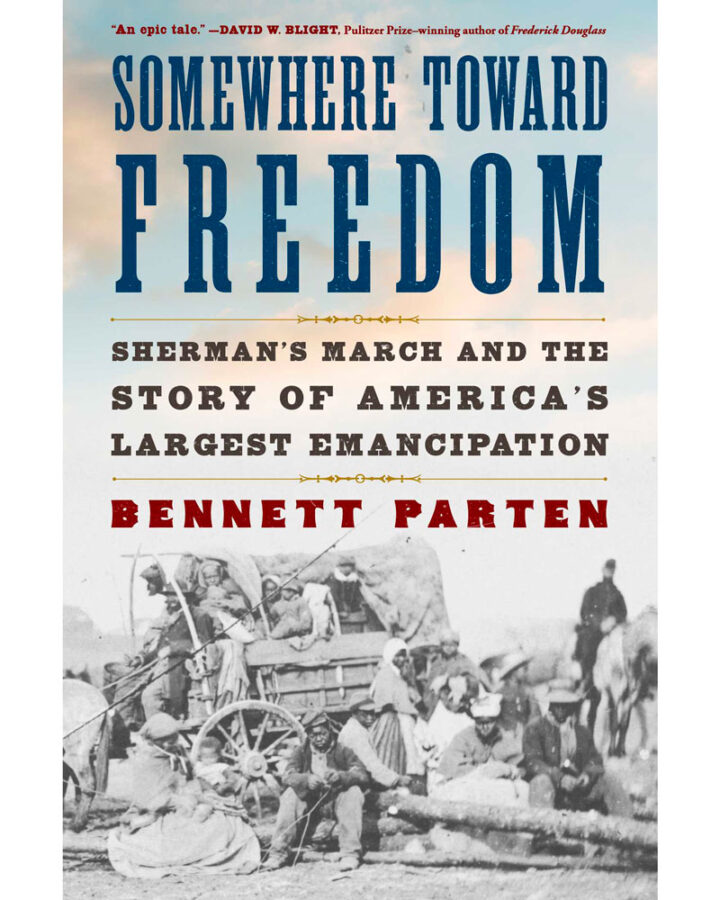
We’ve all read about how William T. Sherman led the Army of the Tennessee and the Army of Georgia on the March to the Sea. Bennett Parten, in Somewhere Toward Freedom: Sherman’s March and the Story of America’s Largest Emancipation (Simon & Schuster), takes that familiar tale and holds it up to the light at a new angle, revealing the third army that followed Sherman: the 20,000 refugees from slavery who made their way to Savannah and then up the coast to Port Royal.
As Amy Murrell Taylor did for those who filled refugee camps throughout the South in Embattled Freedom (2020), Parten tells the story of the previously invisible crowds of people who liberated themselves upon the approach of Sherman’s soldiers. The author has done a brilliant job of condensing what was a doctoral thesis into a brisk historical page-turner, narrating both the horrors of the massacre at Ebeneezer Creek and the soaring hopes for land and freedom inspired by Special Field Order No. 15, the land distribution order issued by Sherman at Savannah.
The central irony of Parten’s story is that Sherman, who made no effort to conceal his white supremacist views, should turn out to be the most effective and radical emancipator of the war. Parten also shows that, sadly, many of the hopes spawned by that great march would be betrayed during Reconstruction. In bringing the freed people of Georgia to the foreground of Sherman’s March, Parten contributes to their long overdue historical reparation.
Honorable Mention
When did the Civil War end? That simple question is the inspiration for Michael Vorenberg’s Lincoln’s Peace: The Struggle to End the American Civil War. Every reader of this publication knows that Robert E. Lee’s surrender at Appomattox didn’t actually end the war (not even in Virginia, as Caroline Janney’s brilliant 2021 book, Ends of War, describes). But here Vorenberg looks beyond the familiar landmarks of Bennett Place or CSS Shenandoah to explore the legal, political, and sometimes violent conflict that continued even after President Andrew Johnson’s “official” war-ending proclamation of August 1866. As the best historians do, Vorenberg uses his topic to subtly invite readers to rethink what they know about the past in light of the present (and vice versa), in particular the ambiguous endings to America’s military conflicts of the late 20th and early 21st centuries.
Looking Forward To
The Surgeon’s Battle: How Medicine Won the Vicksburg Campaign and Changed the Civil War (UNC Press) by Lindsay Rae Smith Privette is the debut of a promising new author, featuring a bold subtitle that promises a dramatically new approach to a familiar military campaign. I’m eager to see what it has to say. Boss Lincoln: The Partisan Life of Abraham Lincoln by Matthew Pinsker should be out in time for Lincoln’s birthday in 2026. The scholars who know Lincoln best (like Pinsker) have always known that he was a master politician. This book promises to be a timely reminder that politics can include the art of uniting as well as dividing.
Kevin M. Levin
Top Pick
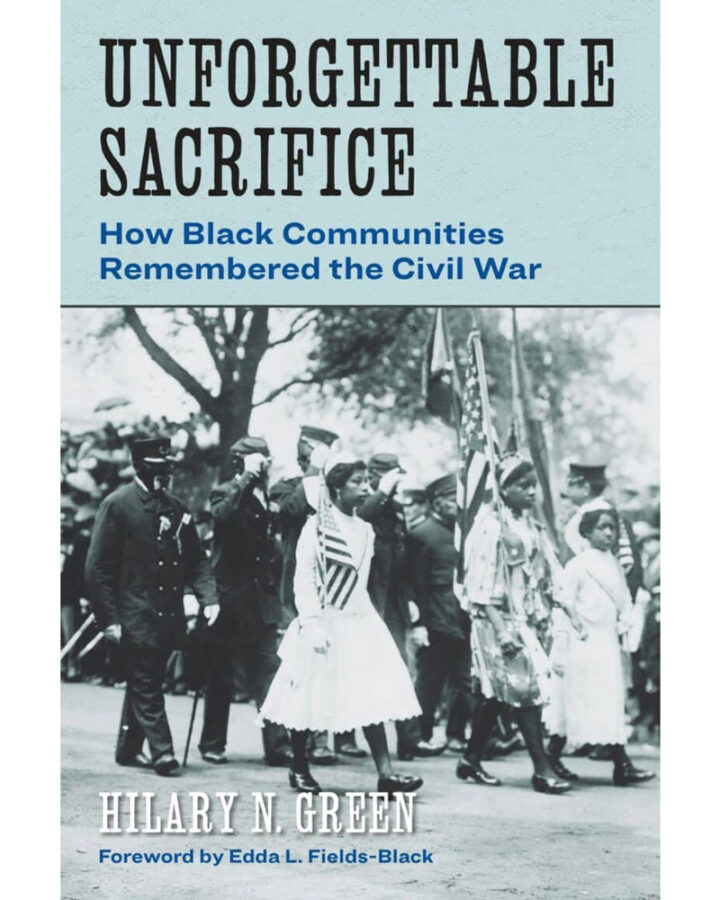
In Unforgettable Sacrifice: How Black Communities Remembered the Civil War, Hilary Green has given us the first book-length study of how black Americans have remembered and commemorated the Civil War era. Rather than simply viewing black Civil War commemorative culture as a counter-memory to the Lost Cause and Reunion narratives, Unforgettable Sacrifice demonstrates that African Americans leveraged memories of emancipation and military service to claim citizenship rights.
Green explores a wide range of subjects, including black Grand Army of the Republic camps in Pennsylvania, the November 1865 Grand Reception at Harrisburg for U.S. Colored Troops, the efforts of black Richmonders in the former Confederate capital to commemorate their April 1865 liberation, and the 1989 movie Glory’s influence. One of the more interesting chapters explores how women in churches and schools reminded the next generation of their ancestors’ roles in preserving the Union and ending slavery.
Green weaves her own family’s story throughout the narrative with what she calls “porch stories” at the beginning of each chapter. These stories not only highlight the deep meaning that black families have always attached to the Civil War, but also reveal the sacrifices families have made to document it—as evidenced by the author’s own struggle to secure a copy of the pension file for one of her Civil War ancestors from the National Archives. Anyone interested in Civil War memory and the ongoing debate about how Americans should remember and study the Civil War era must read Hilary Green’s Unforgettable Sacrifice.
Honorable Mention
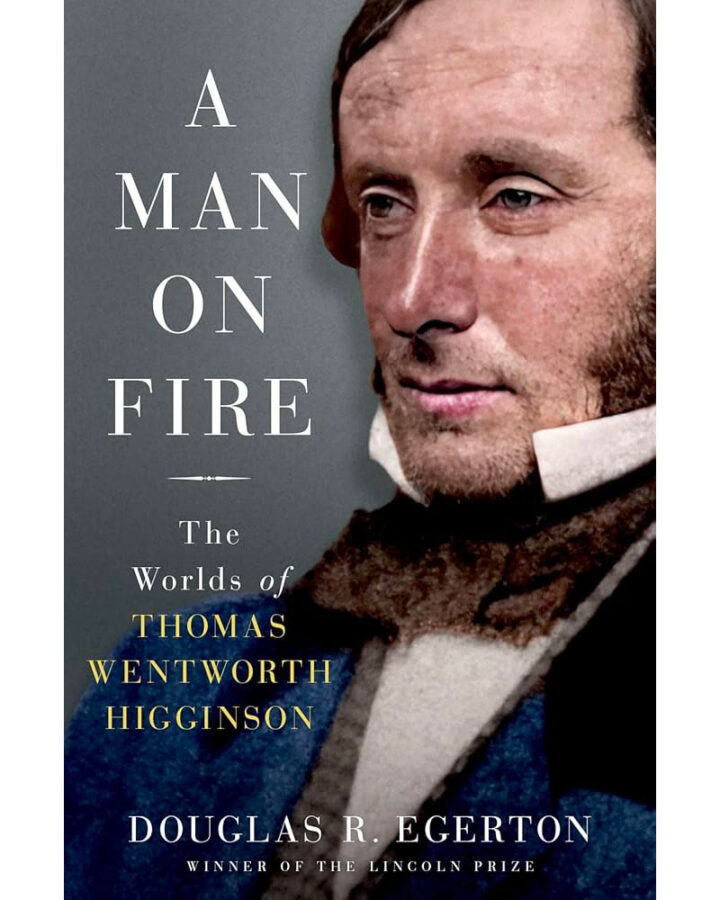
Most students of the Civil War know Thomas Wentworth Higginson as the colonel of the 1st South Carolina “Colored” Regiment. Douglas Egerton’s new biography, A Man on Fire: The Worlds of Thomas Wentworth Higginson (Oxford University Press), documents that by the end of his 87 years Higginson could add teacher, minister, state legislator, author, women’s rights advocate, and abolitionist to his résumé. Egerton presents Higginson as much more than a man of ideas. He sought ways to engage in physical action, from attempting to force the release from a Boston jail of a man once enslaved to accompanying a shipment of guns to Free-Staters in Kansas in the mid-1850s. Egerton demonstrates in this fast-moving story that through the turmoil of the sectional crisis, the Civil War, Reconstruction, and beyond, Higginson remained true to his convictions by marrying principle and action—a life that offers innumerable lessons and inspiration for our time.
Looking Forward To
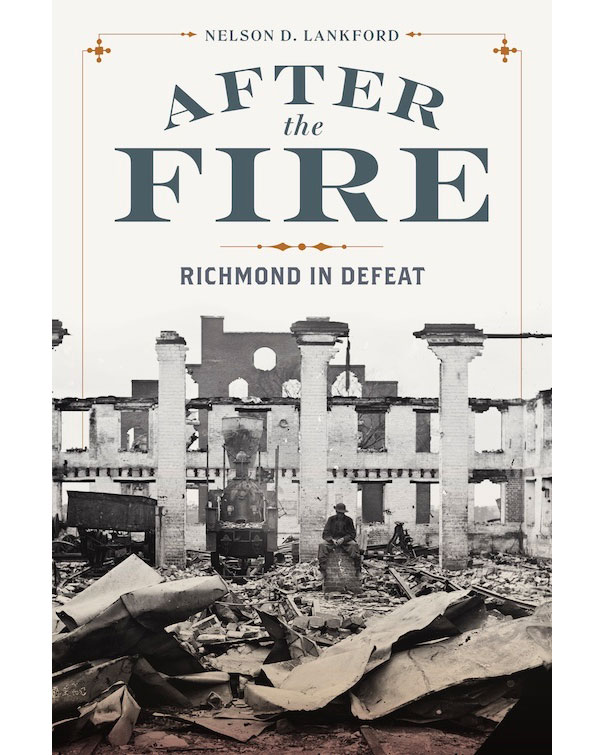
Having greatly enjoyed Nelson Lankford’s previous book on Richmond’s final days before its evacuation in early April 1865, I am looking forward to his After the Fire: Richmond in Defeat (University of Virginia Press), a local study of how black and white Richmonders understood defeat and emancipation and the often bitter and sometimes violent debate over how they should reconstruct the former Confederate capital. Also, Kenneth Noe’s forthcoming book, Abraham Lincoln and the Heroic Legend (LSU Press)—a study of Abraham Lincoln’s evolution as military strategist—promises to be another insightful study from one our most talented Civil War historians.
The Top-Selling Civil War Titles of 2025
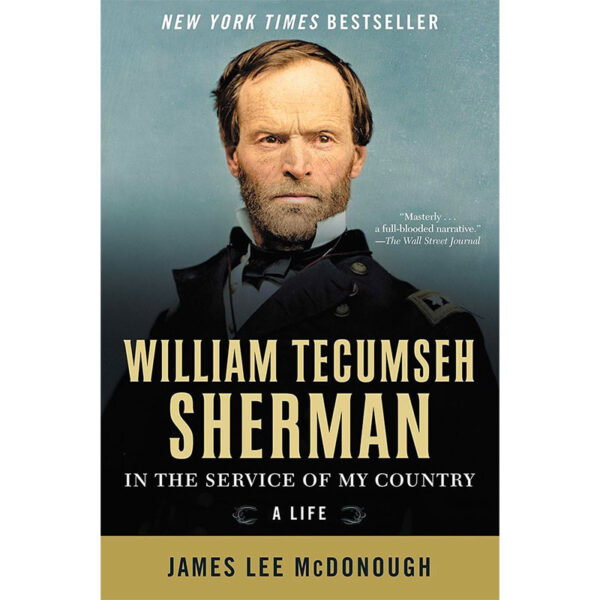
The books pictured here are the 10 bestselling Civil War titles published in 2025. They are ranked in order of copies sold through mid-October.
Source: Based on sales data provided by Circana for titles published in the category “Civil War Period (1850–1877).”
- Lincoln’s Lady Spymaster, by Gerri Willis (Harper) $28.99
- Midnight on the Potomac, by Scott Ellsworth (Dutton) $32
- Somewhere Toward Freedom, by Bennett Parten (Simon & Schuster) $29.99
- 1861: The Lost Peace, by Jay Winik (Grand Central Publishing) $35
- Lincoln’s Peace, by Michael Vorenberg (Knopf) $35
- Righteous Strife, by Richard Carwardine (Knopf) $35
- A Campaign of Giants: The Battle for Petersburg, Volume Two, by A. Wilson Greene (UNC Press) $45
- Fear No Pharaoh: American Jews, the Civil War, and the Fight to End Slavery, by Richard Kreitner (Farrar, Straus and Giroux) $32
- The Rialto in Richmond, by Joseph P. Farrell (Adventures Unlimited Press) $19.95
- The Weather Gods Curse the Gettysburg Campaign, by Jon M. Nese and Jeffrey J. Harding (The History Press) $24.99
Best Books 2025 Contributors
Brian Matthew Jordan is associate professor of Civil War history and chair of the History Department at Sam Houston State University. He is the author or editor of a half-dozen books on the Civil War and its era, including Marching Home: Union Veterans and Their Unending Civil War, a finalist for the 2016 Pulitzer Prize in History, and A Thousand May Fall: An Immigrant Regiment’s Civil War. He is finishing a narrative history of the war for Liveright/W.W. Norton, tentatively titled This War Of Ours: A New History of America’s Bloodiest Conflict, 1861–1865.
Cecily Zander is an assistant professor of history at the University of Wyoming. She is the author of The Army Under Fire: The Politics of Antimilitarism in the Civil War Era (LSU Press, 2024) and is currently writing a history of Abraham Lincoln and the American West, to be published by Liveright.
Jennifer M. Murray is an assistant professor of history at Shepherd University and the director of the George Tyler Moore Center for the Study of the Civil War. She is the author of On A Great Battlefield: The Making, Management, and Memory of Gettysburg National Military Park, 1933–2013, published as a second edition with a new preface in 2023. Murray is currently writing a biography of George Meade, tentatively titled Meade at War.
Gerald J. Prokopowicz, author of Did Lincoln Own Slaves? And Other FAQ About Abraham Lincoln, is professor of history at East Carolina University and host of the podcast Civil War Talk Radio.
Kevin M. Levin is a historian based in Boston and the author of numerous books and articles about the Civil War. His next book, A Glorious Fate: The Life and Legacy of Colonel Robert Gould Shaw, will be published in 2026 by the University of North Carolina Press. Levin is online at Civil War Memory: kevinmlevin.substack.com.
Related topics: social-offer