 Library of Congress
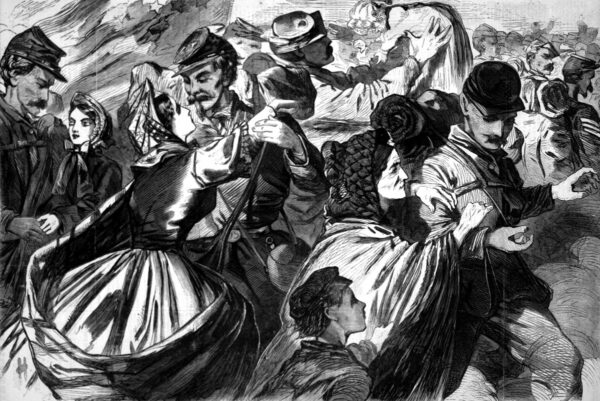
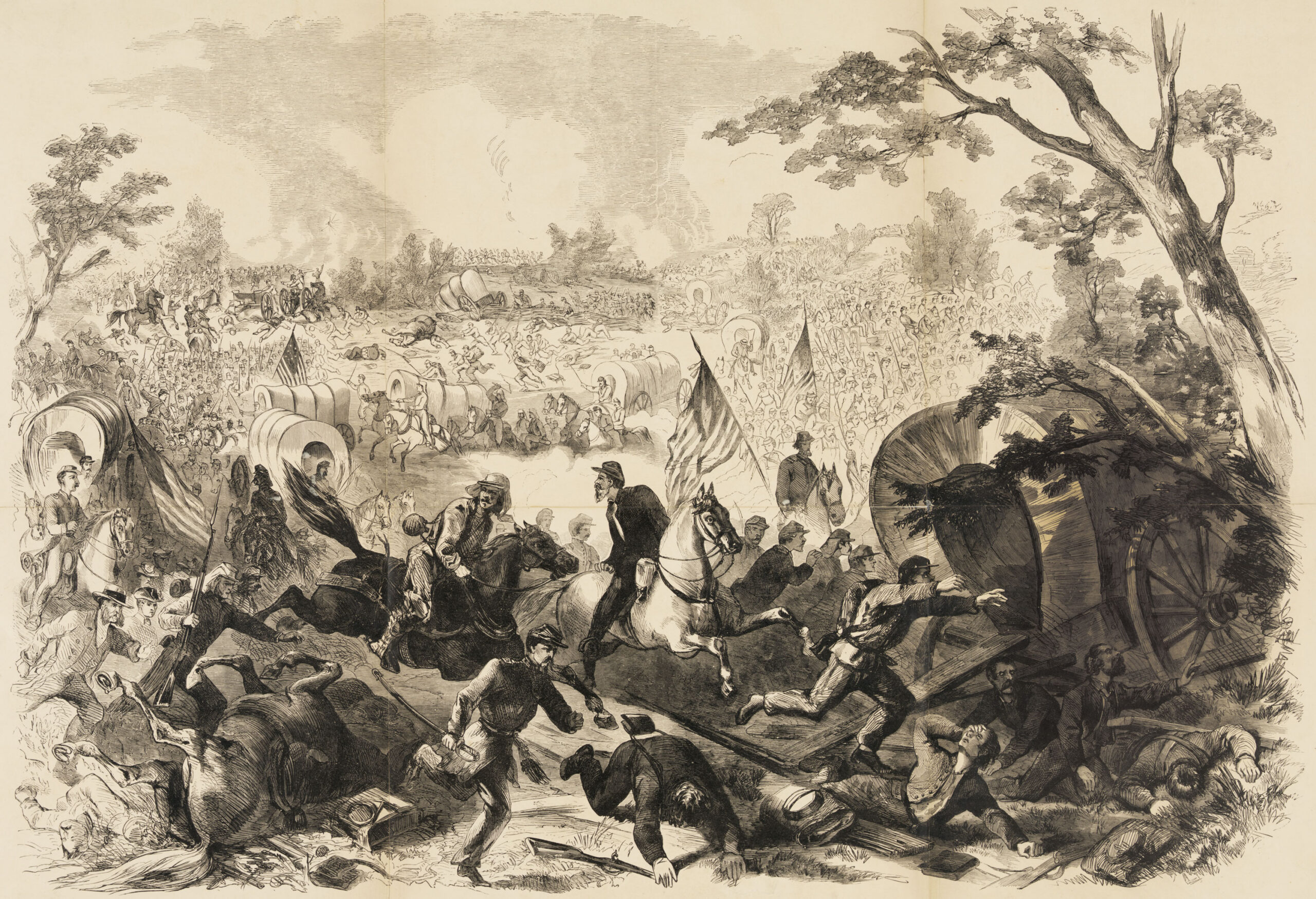
Soldiers and civilians join the panicked Union retreat from the battlefield of First Bull Run on July 21, 1861.
“I was scared, Prest was scared; I knew he was scared, he knew I was scared; I knew he knew I was scared, and he knew I knew he was scared.”
—Charles William Bardeen, a fifer in the 1st Massachusetts Infantry, on coming under artillery fire with a comrade at the Battle of Fredericksburg, in his memoirs
Ulysses S. Grant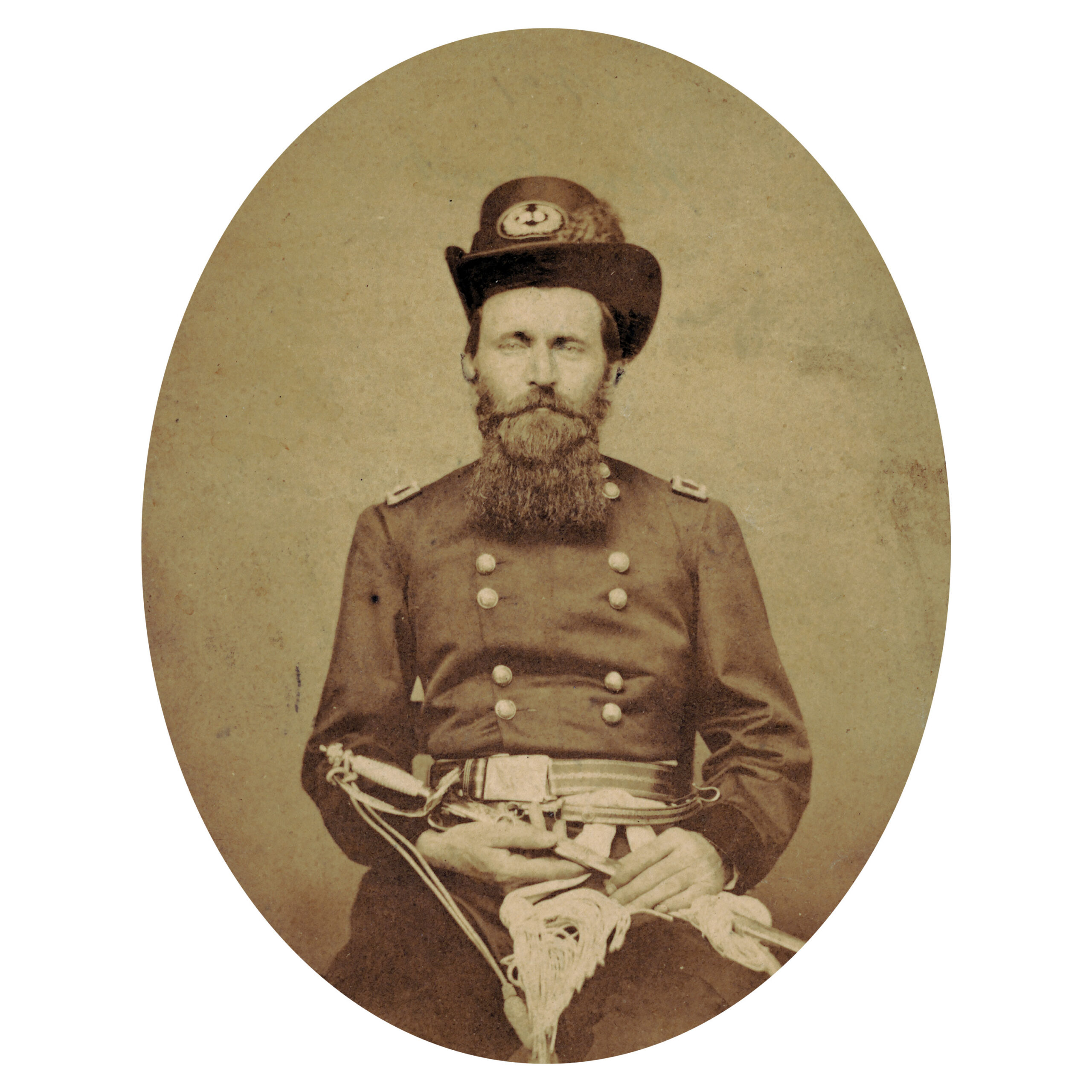 Library of Congress
“[M]y heart kept getting higher and higher until it felt to me as though it was in my throat. I would have given anything then to have been back in Illinois, but I had not the moral courage to halt and consider what to do; I kept right on.”
—Ulysses S. Grant (above) on his first near-encounter with enemy troops in the summer of 1861 while colonel of the 21st Illinois Infantry, in his memoirs. The Confederates, commanded by Colonel Thomas Harris, had fled their camp before Grant’s arrival. “I never forgot that he had as much reason to fear my forces as I had his,” Grant concluded.
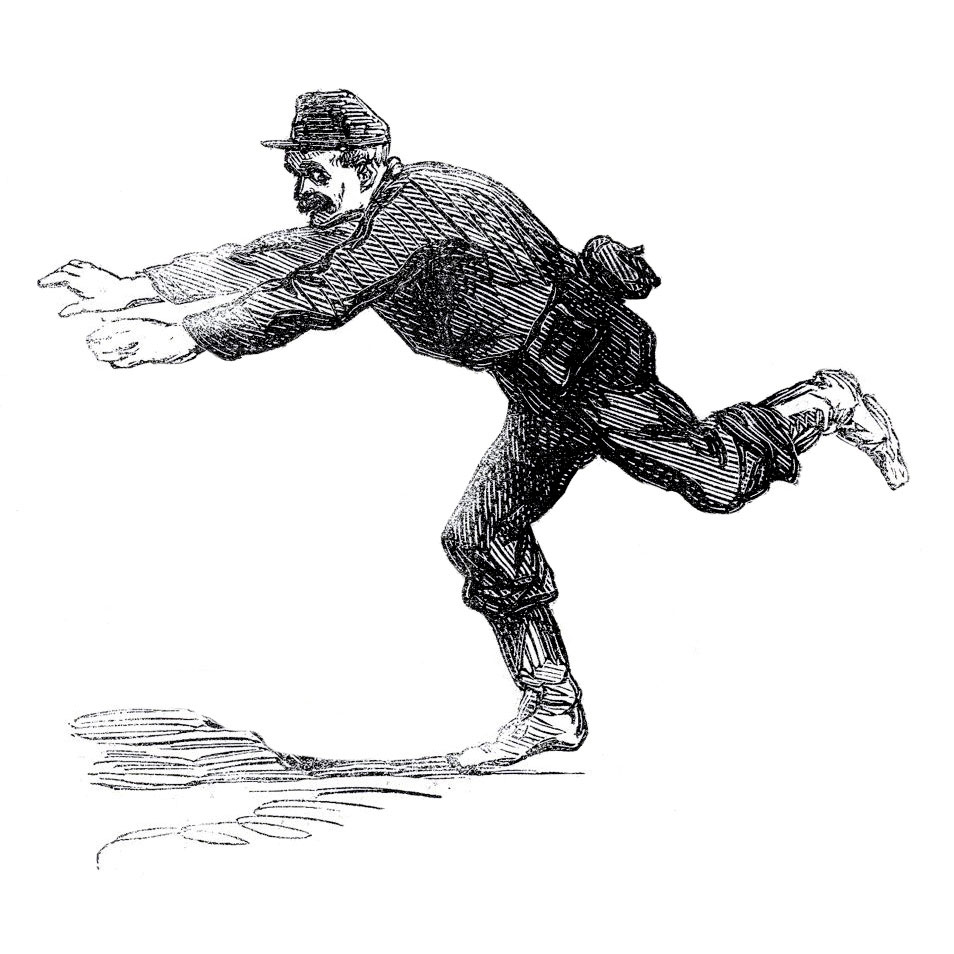
“To say I was frightened, is tame. The truth is, there is no word in Webster’s Unabridged that describes my feelings. I had never been in the very presence of death before, and if my hair at that moment had turned as white as cotton it would not have surprised me.”
—Berrien Zettler, 8th Georgia Infantry, on his first time in combat—at the Battle of Bull Run in July 1861—in his postwar recollections of the war
 Wikimedia Commons
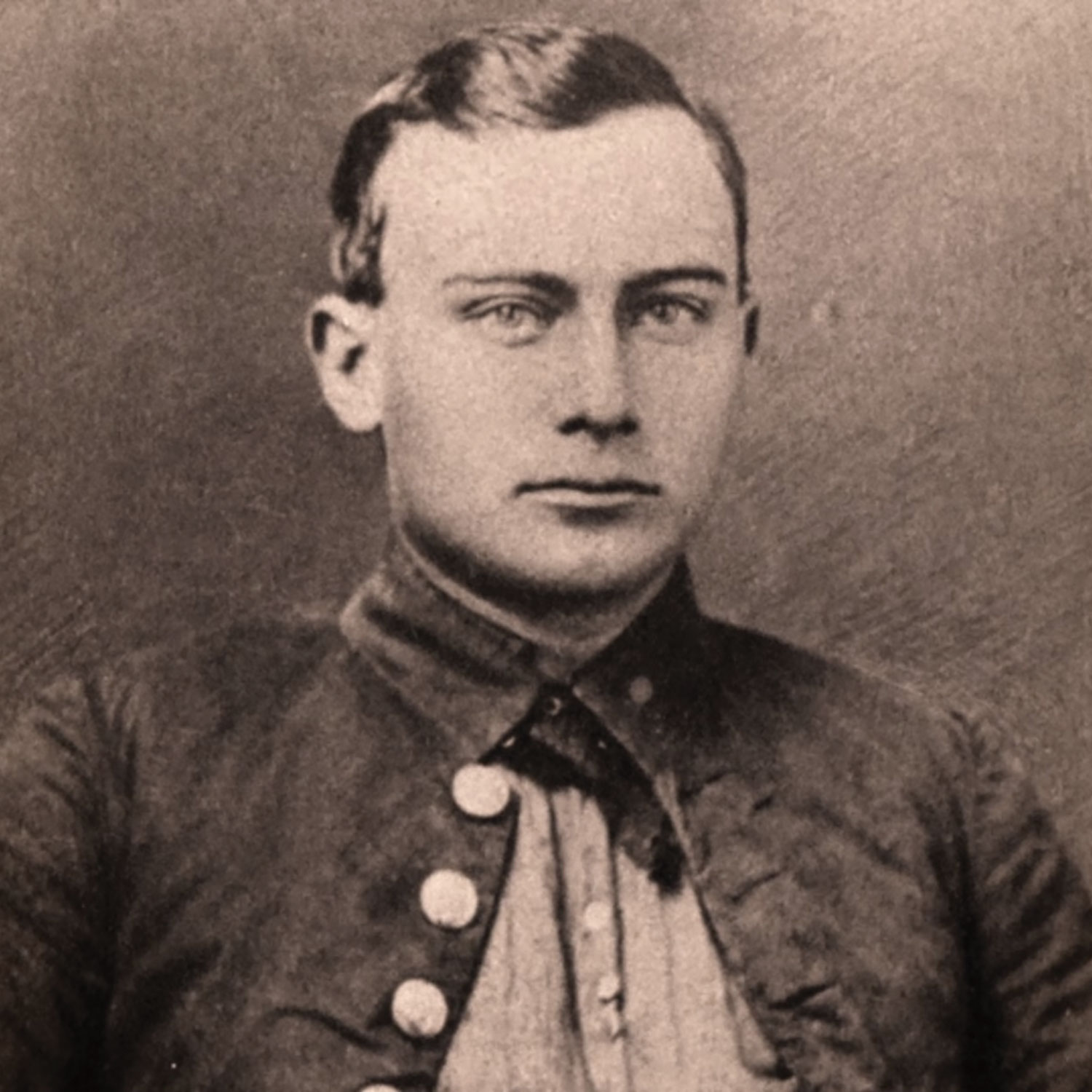
Samuel R. Watkins
“I never was as bad scared in all my whole life…. I do not think that a flounder or pancake was half as flat as I was that night.”
—Samuel R. Watkins (above), 1st Tennessee Infantry, on spending a night under fire between Union and Confederate lines after the Battle of Stones River, in his memoirs. Watkins and a comrade had ventured out to “investigate … a fine brick mansion in our immediate front” before getting stuck.
“I recollect a company officer of infantry who never seemed to know what the word fear meant under any circumstances until his promotion to a higher rank compelled him to mount a horse, and then his mind knew no peace. A sudden snort from the beast alarmed him more than the opening of a battery, and the pricking up of the animal’s ears had more terrors for him than a bayonet charge.”
—Lieutenant Colonel Horace Porter, aide-de-camp to Ulysses S. Grant, in a postwar article on the conflict
Sources
Personal Memoirs of U.S. Grant (1885); War Stories and School-Day Incidents for the Children (1912); A Little Fifer’s War Diary (1910); Horace Porter, “The Philosophy of Courage,” The Century Magazine (June 1888); Co. Aytch (1900).