 Library of Congress
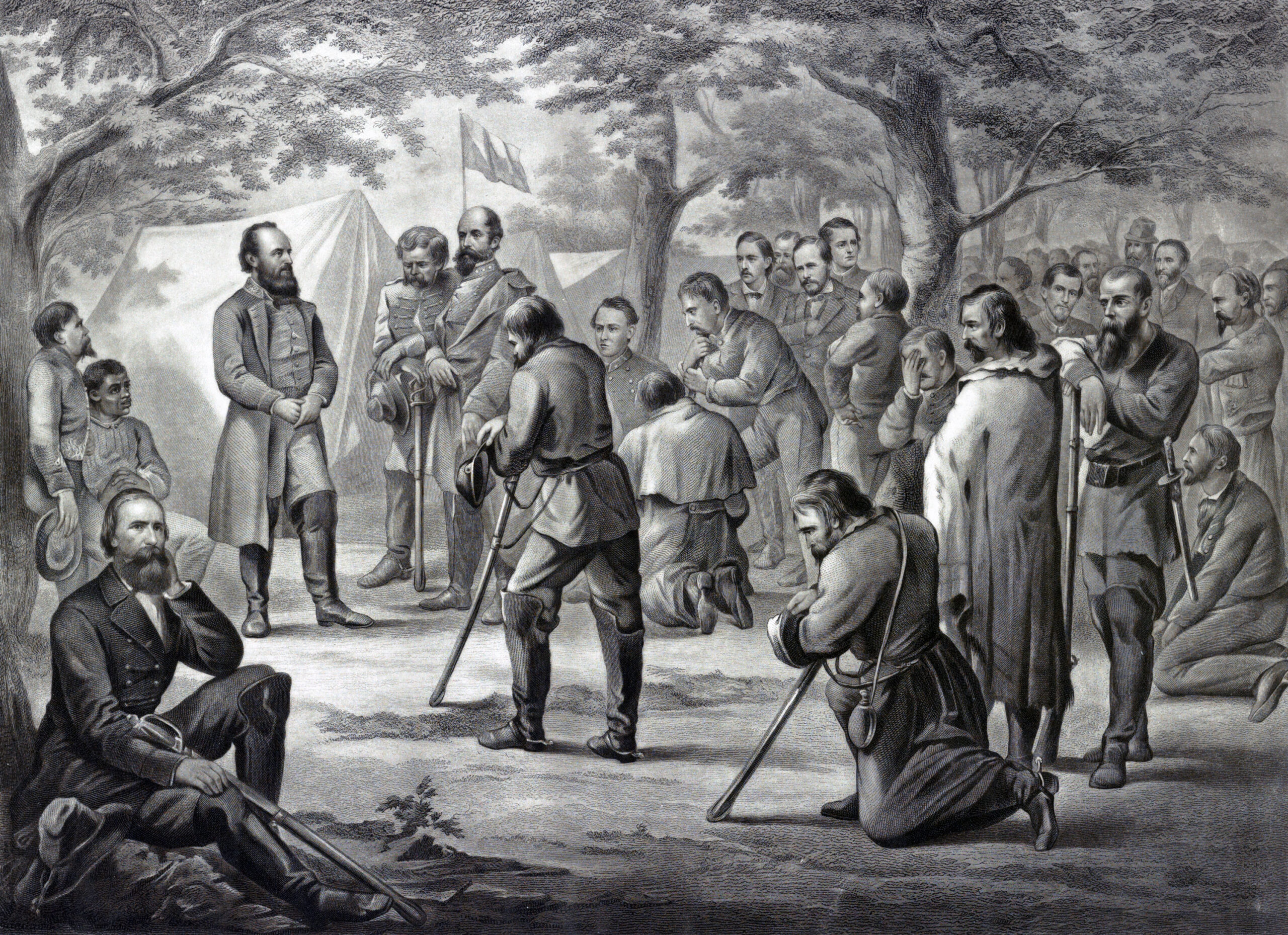
Thomas L. “Stonewall” Jackson is depicted leading a prayer in a Confederate camp in this 1866 print by Peter Kramer.
“I don’t believe a bullet can go through a prayer…. [I]t is a much better shield than … steel armor.”
Louisiana soldier Edwin Fay, in a wartime letter to his family
“What would I do if I had no hope in Christ[?] I should almost be tempted to run away; but I will, with the help of God, do my duty as far as I know how. Pray for me, my dear, that I may be spared to you and our little ones; but if God otherwise determines, let us be sure to meet in heaven—we can if we will—God is true.”
A soldier from the 124th New York Infantry, in an undated letter to his wife before the Battle of Chancellorsville, in which he was killed
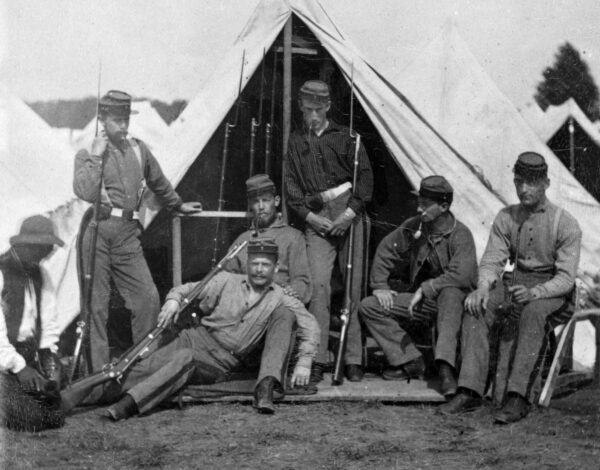
Civil War camp gathered in prayer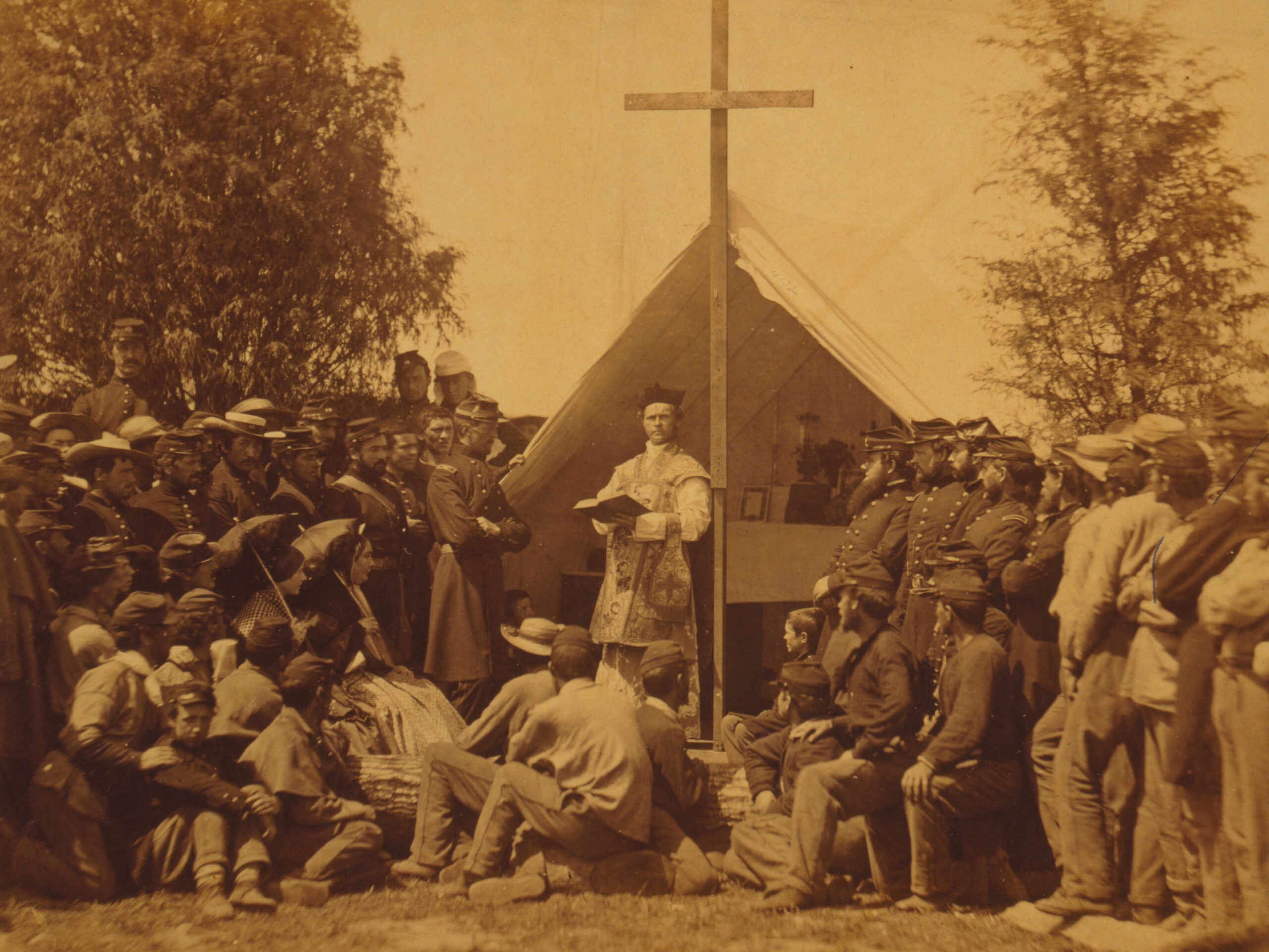 Library of Congress
“Today is Sunday…. A prayer meeting is being held on my right, and another on my left. Almost all tents have men singing psalm tunes, and it really seems tonight more like one vast camp meeting than like a soldiers’ camp….”
Colonel Hiram G. Berry, 4th Maine Infantry, in a letter to his family, June 1, 1861
 Harper's Weekly
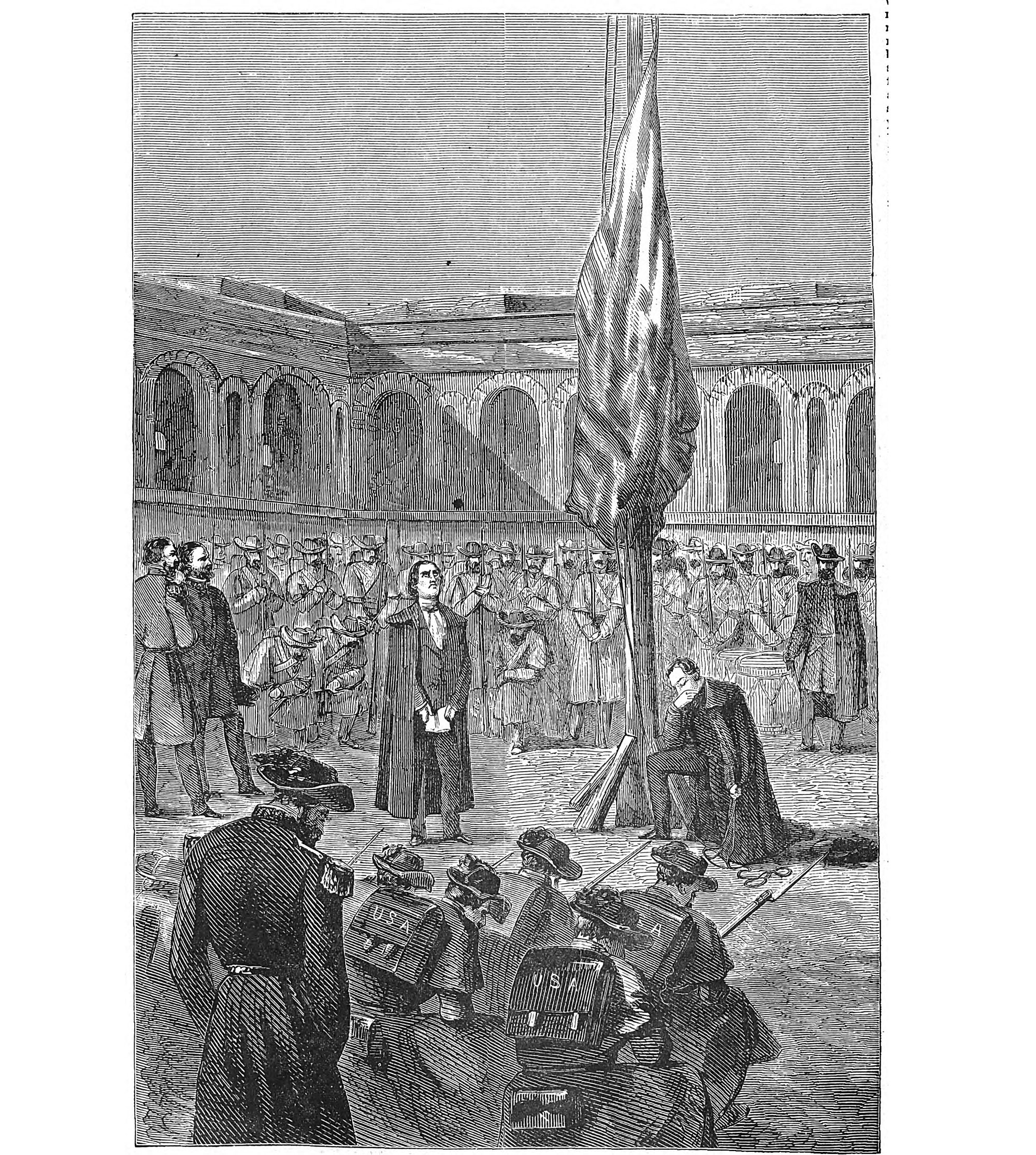
Cover of Harper’s Weekly depicting The Prayer at Sumter
“The question arises, to whom are we indebted for these great victories? To Grant? To Mead[e]? To Hancock? Or to the men who fight under them? No! Then, to whom is it? To none other than the great Supreme Ruler of the universe.…”
John R. Pillings, 86th New York Infantry, in a letter written during the Siege of Petersburg, June 1864
 Library of Congress
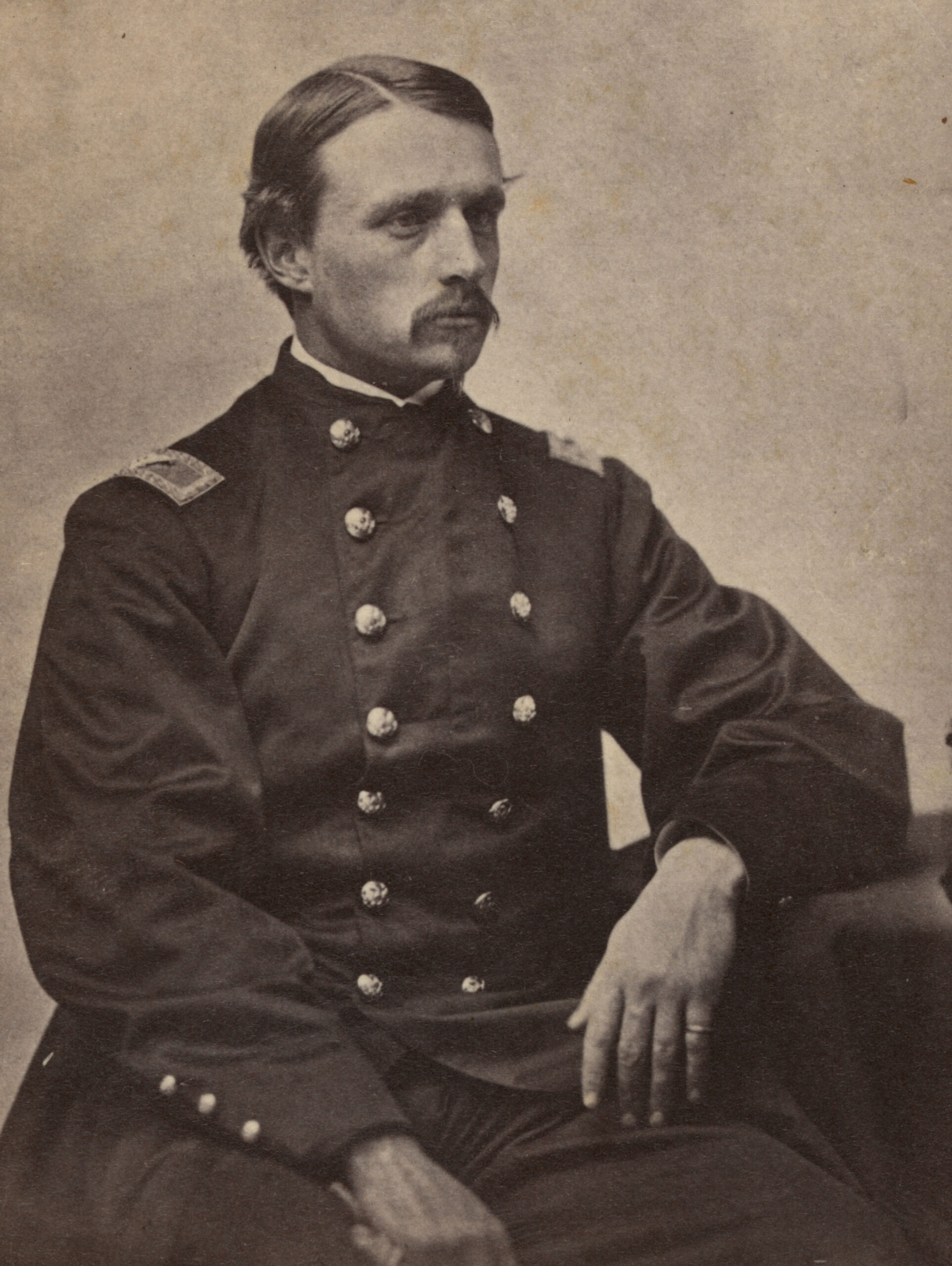
Colonel Robert Gould Shaw
“Such things oblige a man to believe that God is not very far off.”
Colonel Robert Gould Shaw (above), 54th Massachusetts Infantry, on observing the “extraordinary change” in the lives of recently liberated slaves (“they all … go to school and to church, and work for wages!”) on St. Helena Island, South Carolina, in a letter home, July 3, 1863
Sources
Soldiers’ Letters, from Camp, Battle-field and Prison (1865); This Infernal War (1958); Major-General Hiram G. Berry (1899).