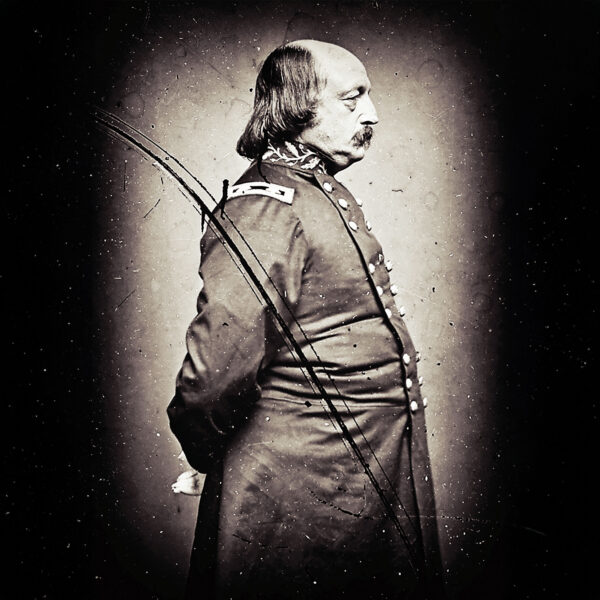
George G. Meade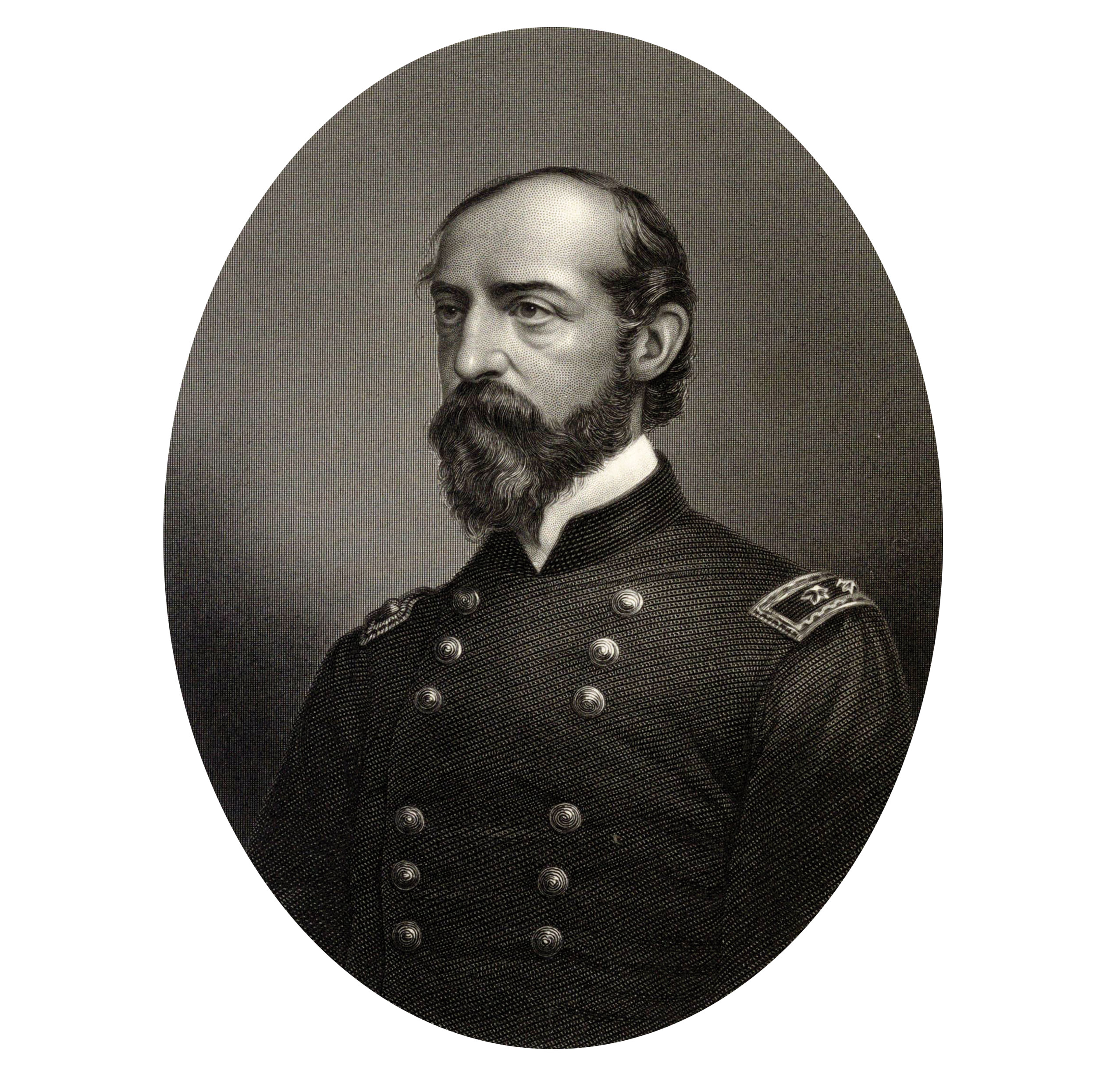 Library of Congress
On June 28, 1863, with Robert E. Lee’s invading Army of Northern Virginia having recently entered Pennsylvania, George G. Meade received word that he had been chosen to replace Joseph Hooker as head of the Army of the Potomac. “Considering the circumstances, no one ever received a more important command,” wrote the army’s general-in-chief, Henry W. Halleck, in informing Meade of the decision. Remembered mainly for his victory days later at the Battle of Gettysburg, Meade in fact led men in most of the major campaigns fought in the Civil War’s eastern theater, from the Peninsula Campaign to Appomattox, playing a significant part in the Union’s ultimate triumph. To get a sense of where Meade’s legacy stands today, we asked a panel of historians to assess the record of this talented yet often underappreciated Union general.
Whose Decisions Had More Influence on the Outcome at Gettysburg?
Robert E. Lee: 59%
George G. Meade: 29%
Too Close to Call: 12%
“Meade performed well, but Lee, with the initiative, shaped the battle and ultimately its outcome.”
—John J. Hennessy
When Was Meade at His Peak?

We asked our panelists to rank Meade’s performance in nine major campaigns, giving the highest mark for his best performance and the lowest for his least impressive. This chart represents an averaging of the responses. Click graphic to zoom.
What was Meade’s Best Trait?
“Clear-headedness.”
—Christopher S. Stowe
“His self-effacing nature. He was the object of more unfair criticism than most army commanders, and put up with it in spite of how much it angered him.”
—William C. Davis
“His ability to set aside personal ambition for the good of his cause.”
—Cecily Zander
“His unwavering devotion to his wife, who remained his closest confidant, and his seven children.”
—Jennifer M. Murray
“His willingness to fight.”
—Wayne Hsieh
What was Meade’s Biggest Flaw?
“Temper, temper, temper.”
—Brooks D. Simpson
“His sensitivity to slights.”
—Lesley J. Gordon
“He frequently became preoccupied (or obsessed) with matters—whether a promotion, his reputation, thoughts of resignation, perceptions in the press, etc.—often to his own detriment.”
—Jennifer M. Murray
“At times he was too confrontational toward subordinates when a soothing word would have served him and the army well.”
—Peter S. Carmichael
“Overcautiousness.”
—Allen C. Guelzo
What Is Your Favorite Book about Meade?
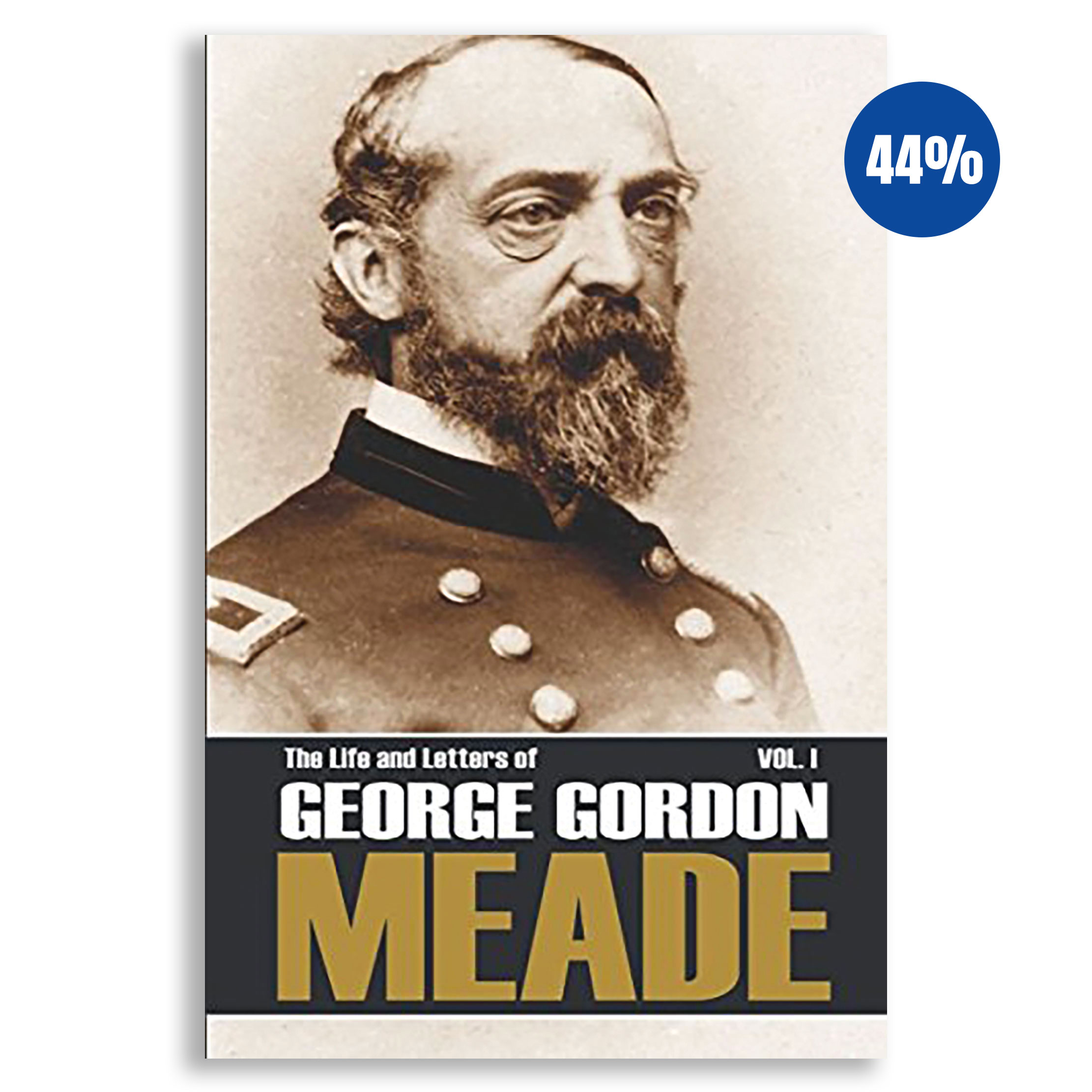
Cecily Zander
“The Life and Letters of General George Gordon Meade is an invaluable work for anyone interested in understanding Meade in his own words.”
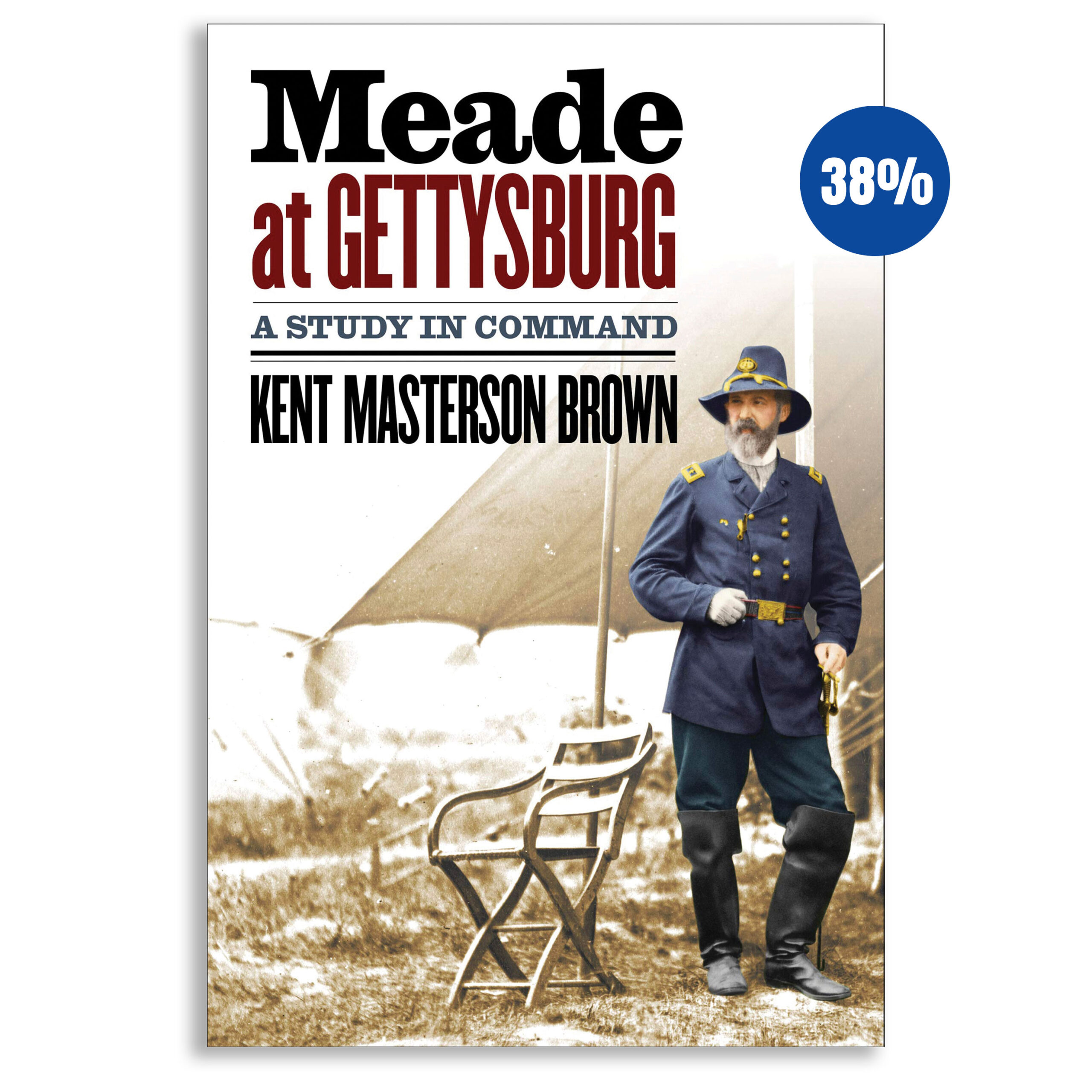
Brian Matthew Jordan
“Meade at Gettysburg—clearly written, soundly researched, and scrupulously argued—is the best entry in a growing bibliography of Meade revisionism.”
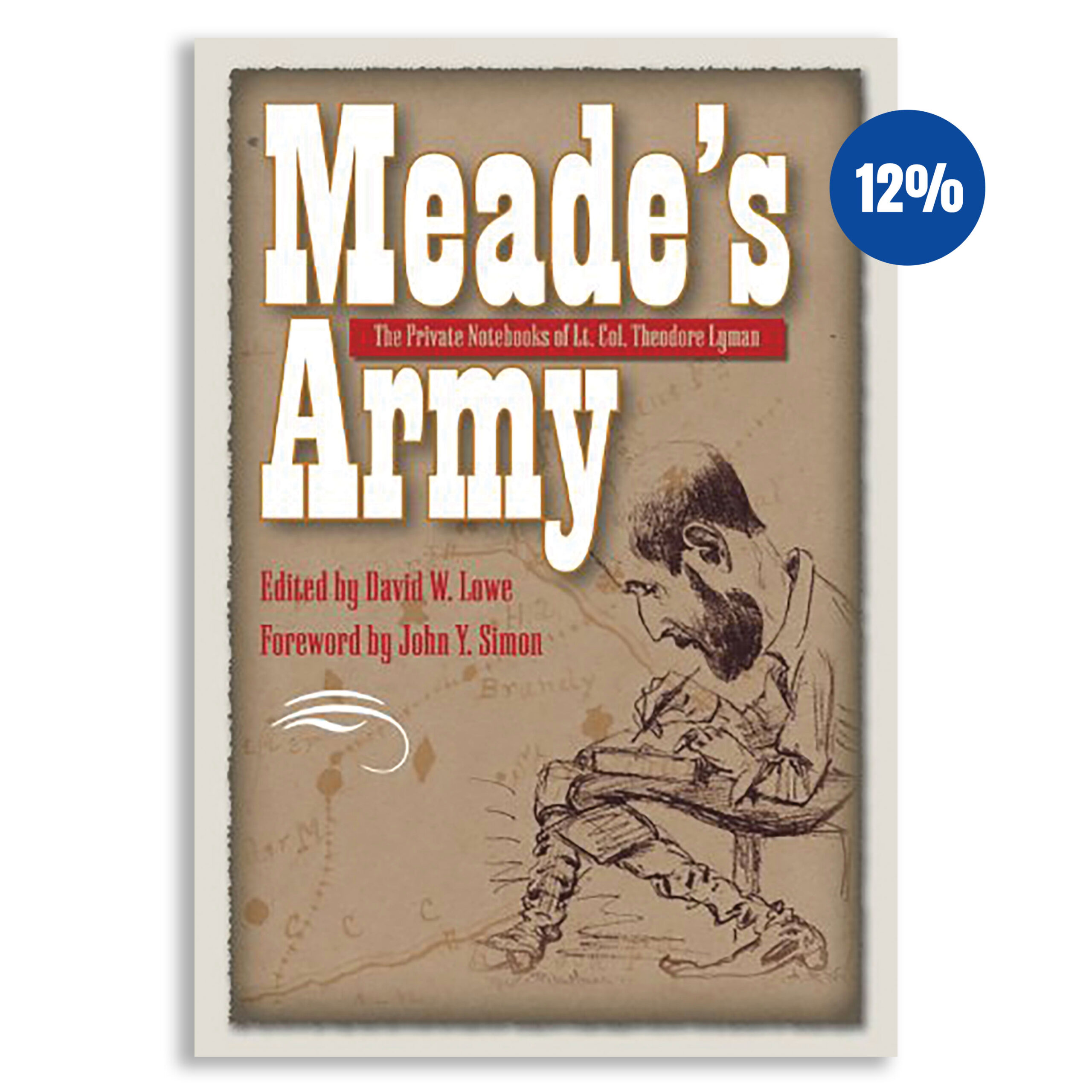
Stephen W. Sears
“Staff man Lyman was close to Meade and understood him better than any biographer.”
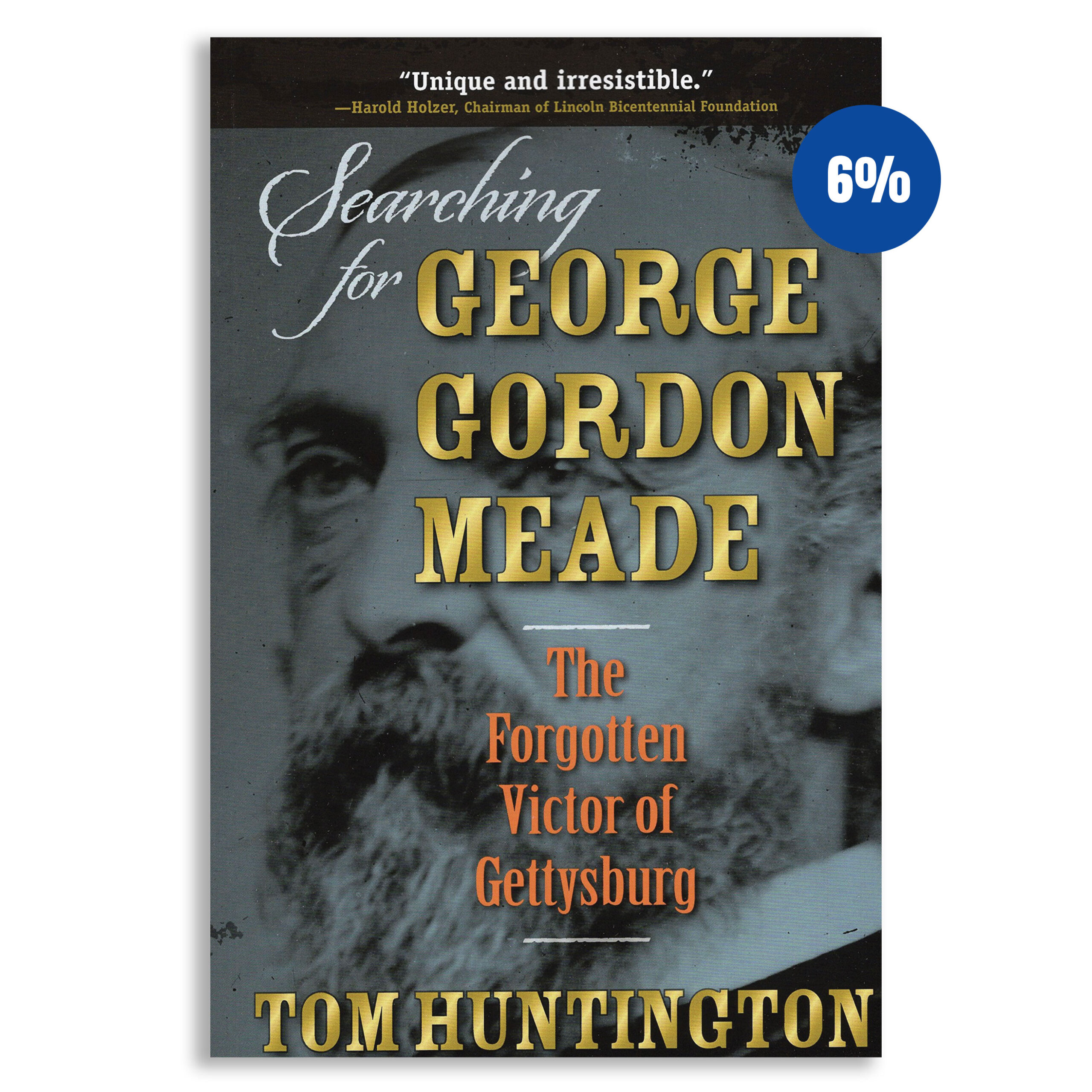
A. Wilson Greene
“Huntington’s book is a breezy survey of Meade’s military career combined with contemporary commentary regarding Meade’s relative and undeserved obscurity.”
Fall 2022 Dossier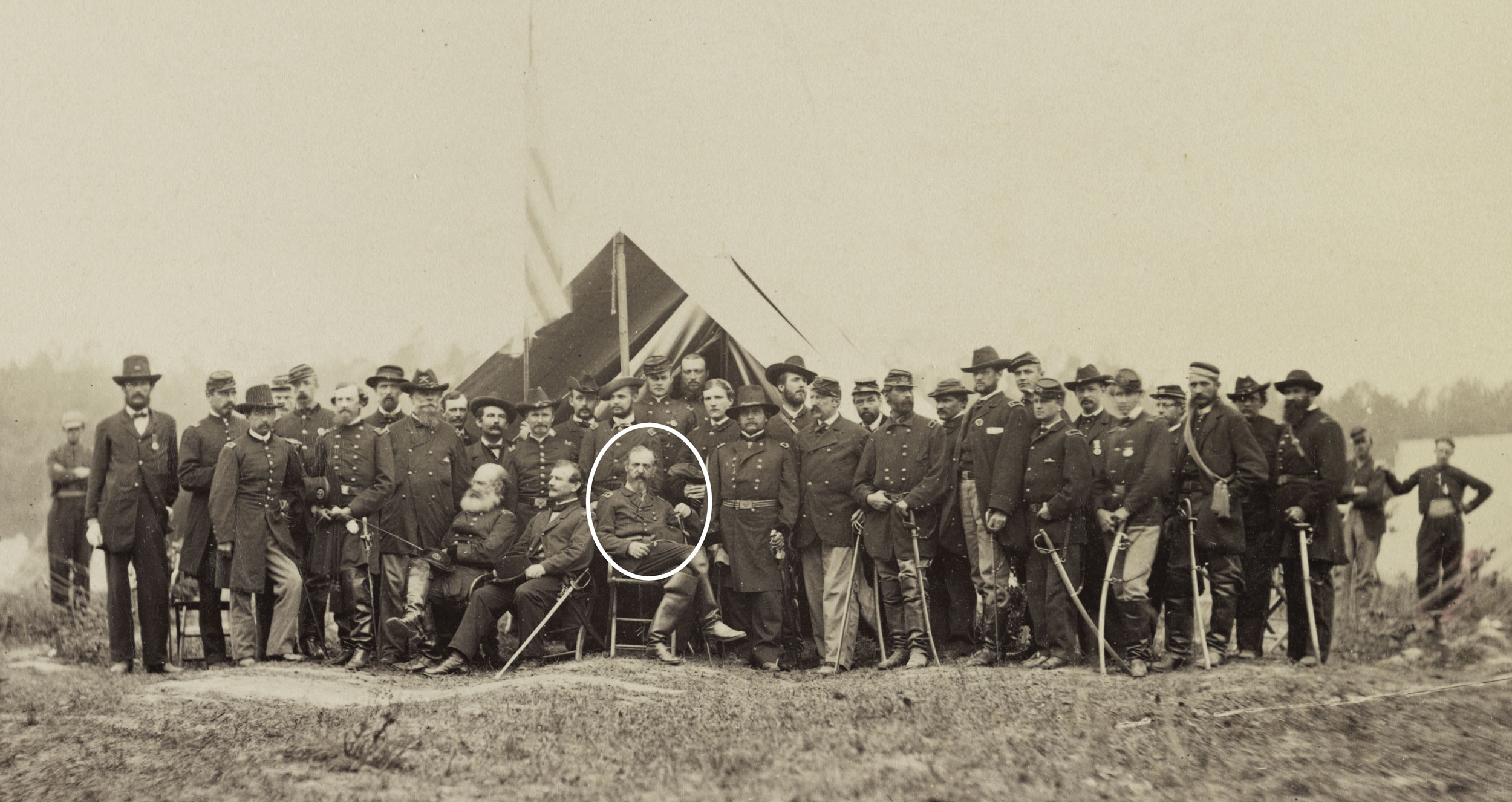 Library of Congress
What Is Your Favorite Quote by or about Meade?
“My God, if we can’t hold the top of a hill, we certainly cannot hold the bottom of it!”
—Meade to a trio of fellow generals after his and other troops were ordered by Army of the Potomac commander Joseph Hooker to abandon the high ground they had occupied during early fighting at the Battle of Chancellorsville, May 1, 1863
[Christopher S. Stowe, Cecily Zander]
“He is a slasher, is the General, and cuts up people without much mercy … [but] exhausts his temper in saying sharp things.”
—Theodore Lyman, Meade’s aide-de-camp, in his journal, April 2, 1864
[Stephen W. Sears]
“[W]hen we found out that he was wounded we all felt like crying for he has been almost like a Father to the boys of this brigade.”
—Private Leo Faller, 7th Pennsylvania Reserves, on his regiment’s reaction to learning that Meade had been wounded at the Battle of Glendale, in a letter home, July 12, 1862
[Jennifer M. Murray]
“General Meade will commit no blunder in my front, and if I commit one he will make haste to take advantage of it.”
—Robert E. Lee, asked what he thought of Meade’s appointment to command the Army of the Potomac, as told by an eyewitness to Confederate cavalryman George Cary Eggleston
[Allen C. Guelzo, Ethan S. Rafuse]
Panelists
Kent Masterson Brown; Peter S. Carmichael; William C. Davis; Gary W. Gallagher; Joseph T. Glatthaar; Lesley J. Gordon; A. Wilson Greene; Allen C. Guelzo; John J. Hennessy; Wayne Hsieh; Brian Matthew Jordan; Jennifer M. Murray; Ethan S. Rafuse; Stephen W. Sears; Brooks D. Simpson; Christopher S. Stowe; and Cecily Zander.
Related topics: George Meade