“Their uniforms are as various as the states and cities from which they came,” observed Colonel William Tecumseh Sherman of the new Union recruits who crowded Washington, D.C., during the summer of 1861. The same could be said of the men who joined the Confederate army. On both sides, military volunteers donned a wide variety of uniforms—and perhaps nothing reflected this diversity more than their headgear. Below are some of the many types of hats and caps worn by those who served during the Civil War.
Confederate kepi hat worn by a Civil War soldier.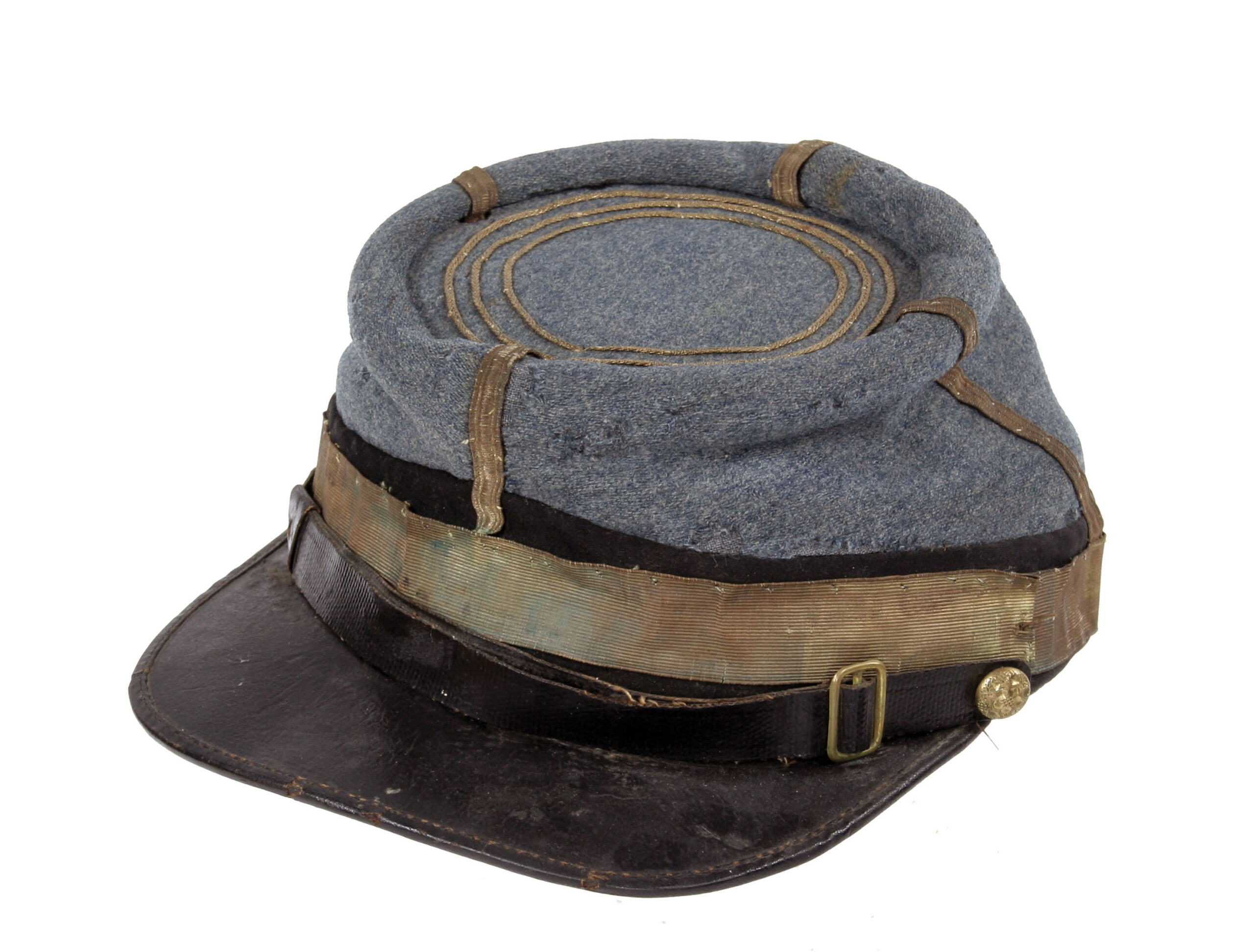 Military & Historical Image Bank
With its distinctive square brim and circular, sunken top, the French-inspired kepi is the cap most associated with the American Civil War. It came in a variety of colors and was adorned by a multitude of bands, braiding, and insignia—all depending on its wearer’s allegiance, regiment, and rank. This particular version belonged to Hugh Mortimer Nelson, a Confederate officer who died of disease in 1862.
Dark green kepi hat worn by a Civil War sharpshooter.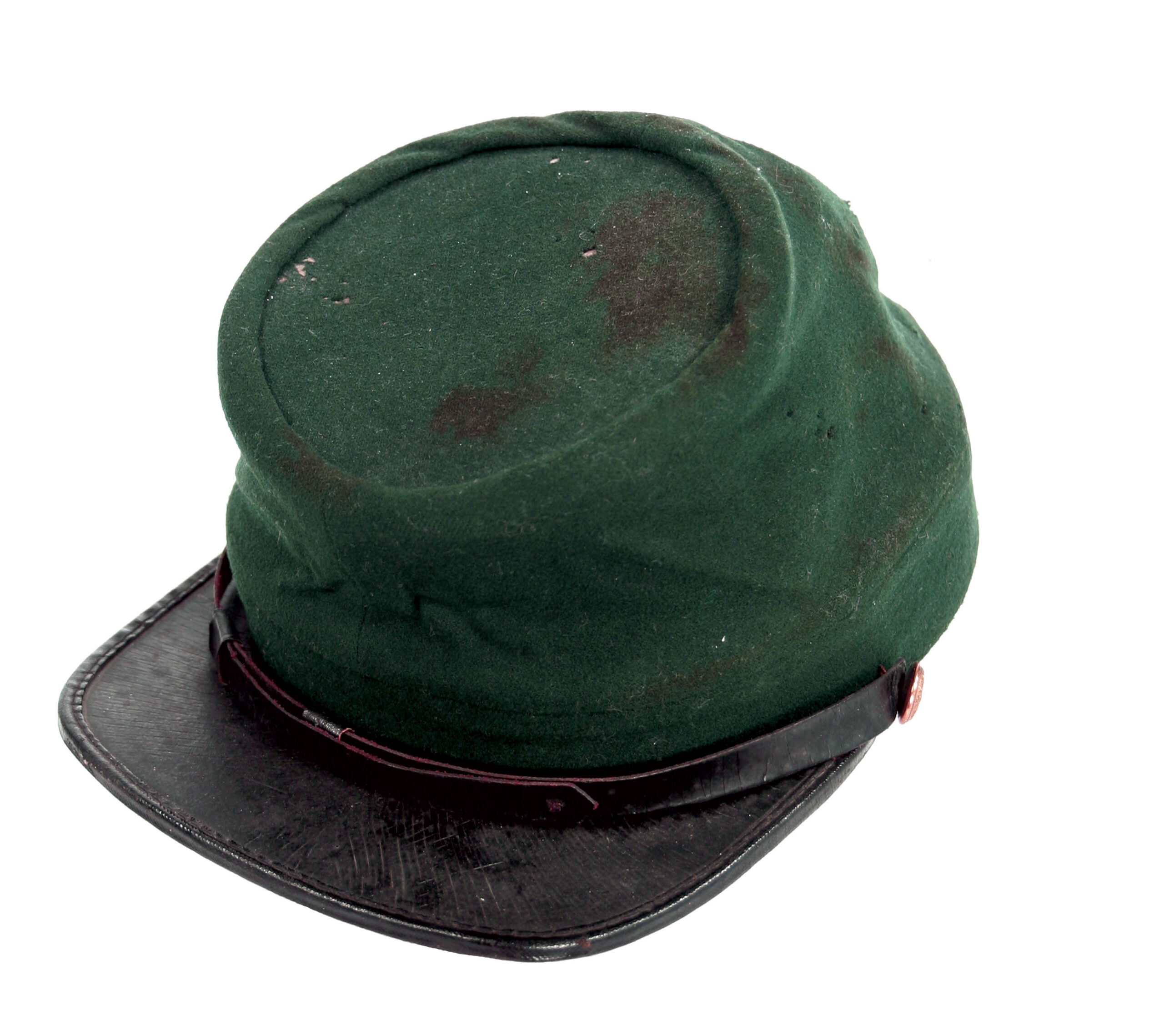 Military & Historical Image Bank
This distinctive kepi belonged to a Vermont man whose U.S. sharpshooter regiment wore dark green uniforms devised to blend in with the greens of nature during the active campaigning seasons—spring and summer.
Zouave fez hat worn by a Civil War soldier.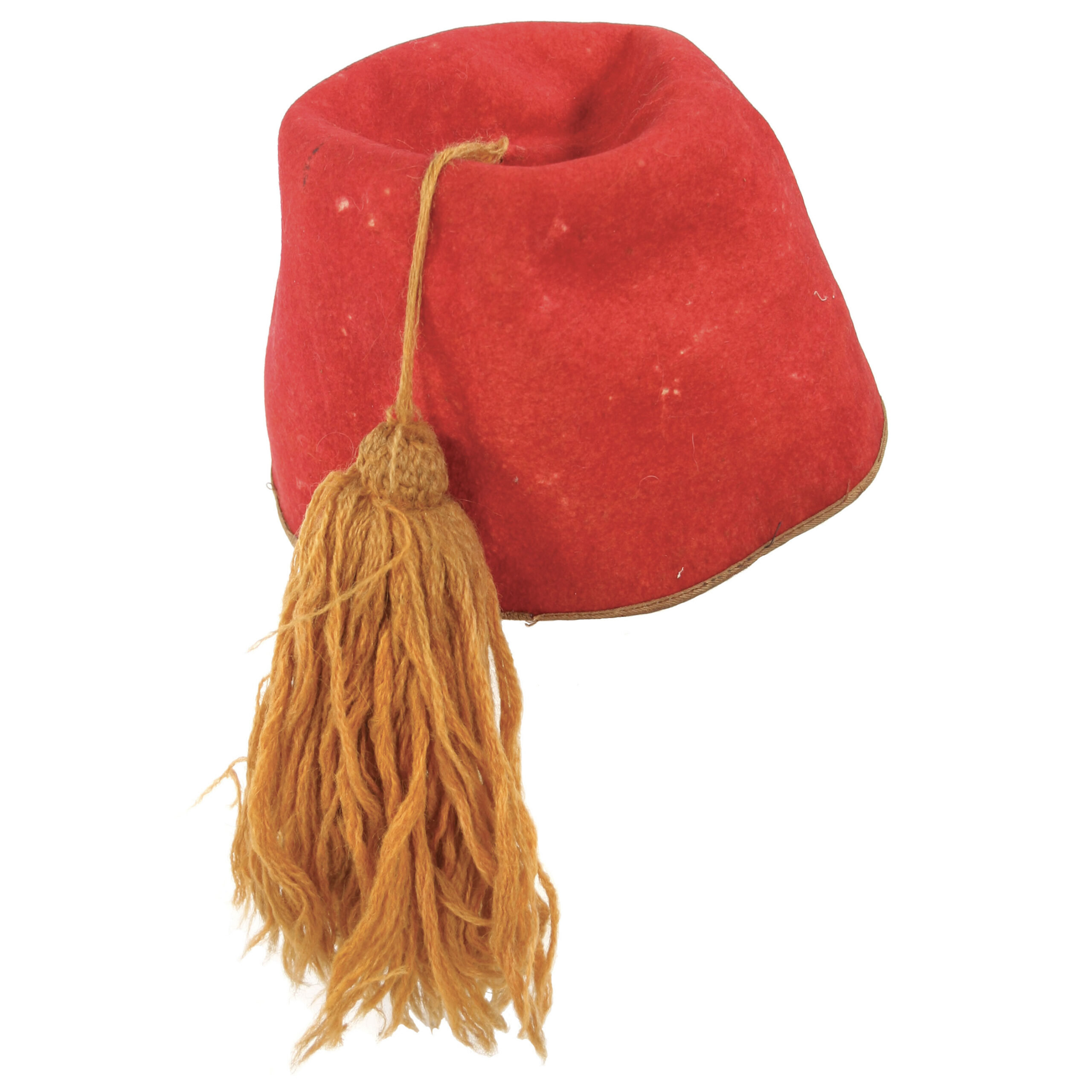 Military & Historical Image Bank
Volunteers on both sides joined so-called Zouave regiments, whose attire was inspired by the uniforms of the French army regiments of the same name. More decorative than practical, the exotic fezzes were a perfect compliment to the Zouaves’ boldly colored uniforms. A member of the 5th New York wore this fez during the war.
Wide-brimmed felt slouch hat worn by a Civil War soldier.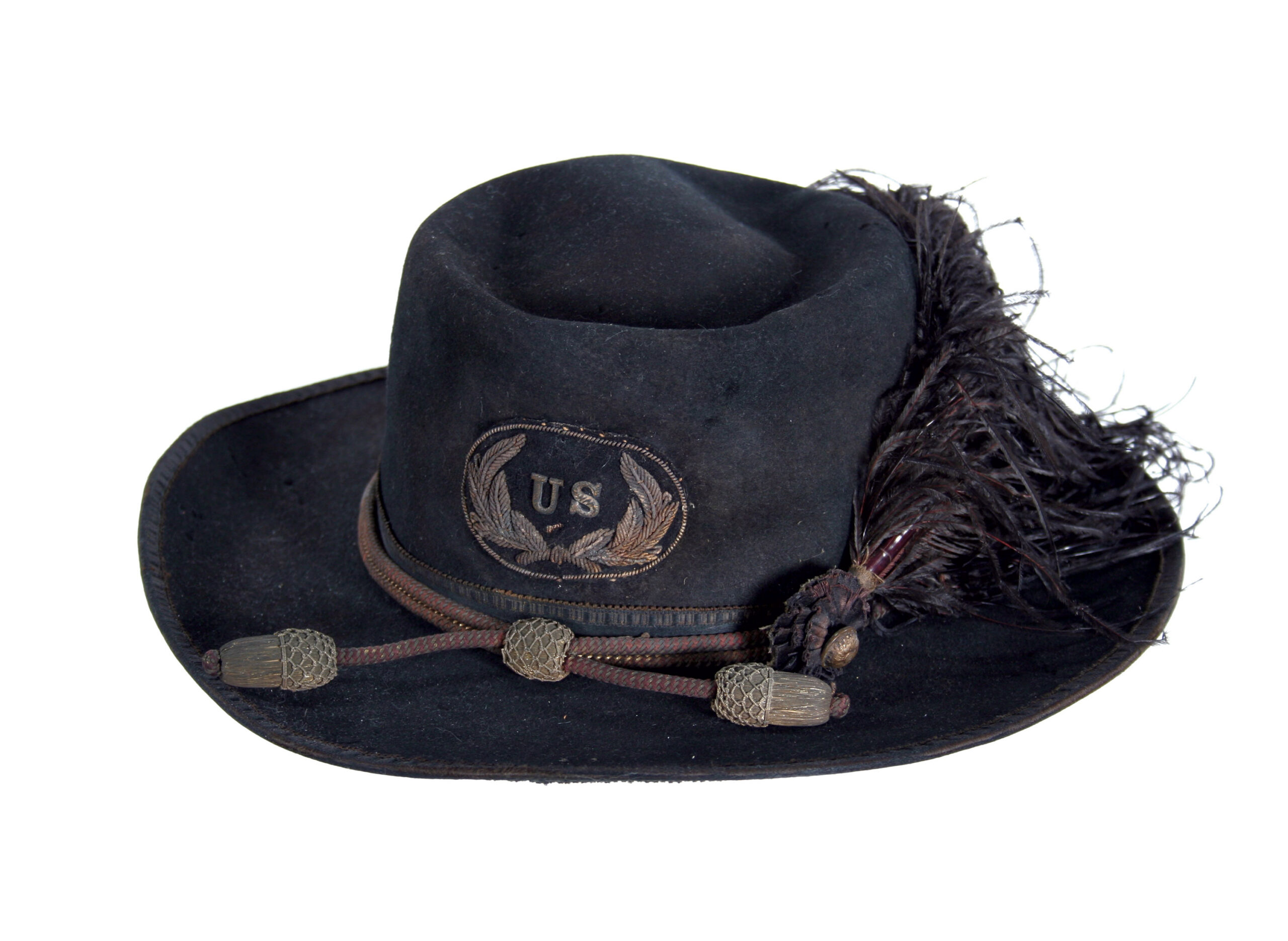 Military & Historical Image Bank
The wide-brimmed felt slouch hat was another widely worn by soldiers—particularly officers—on both sides. An officer in the 111th Illinois Infantry wore this one during the war.
Beehive-style slouch hat worn by a Civil War soldier.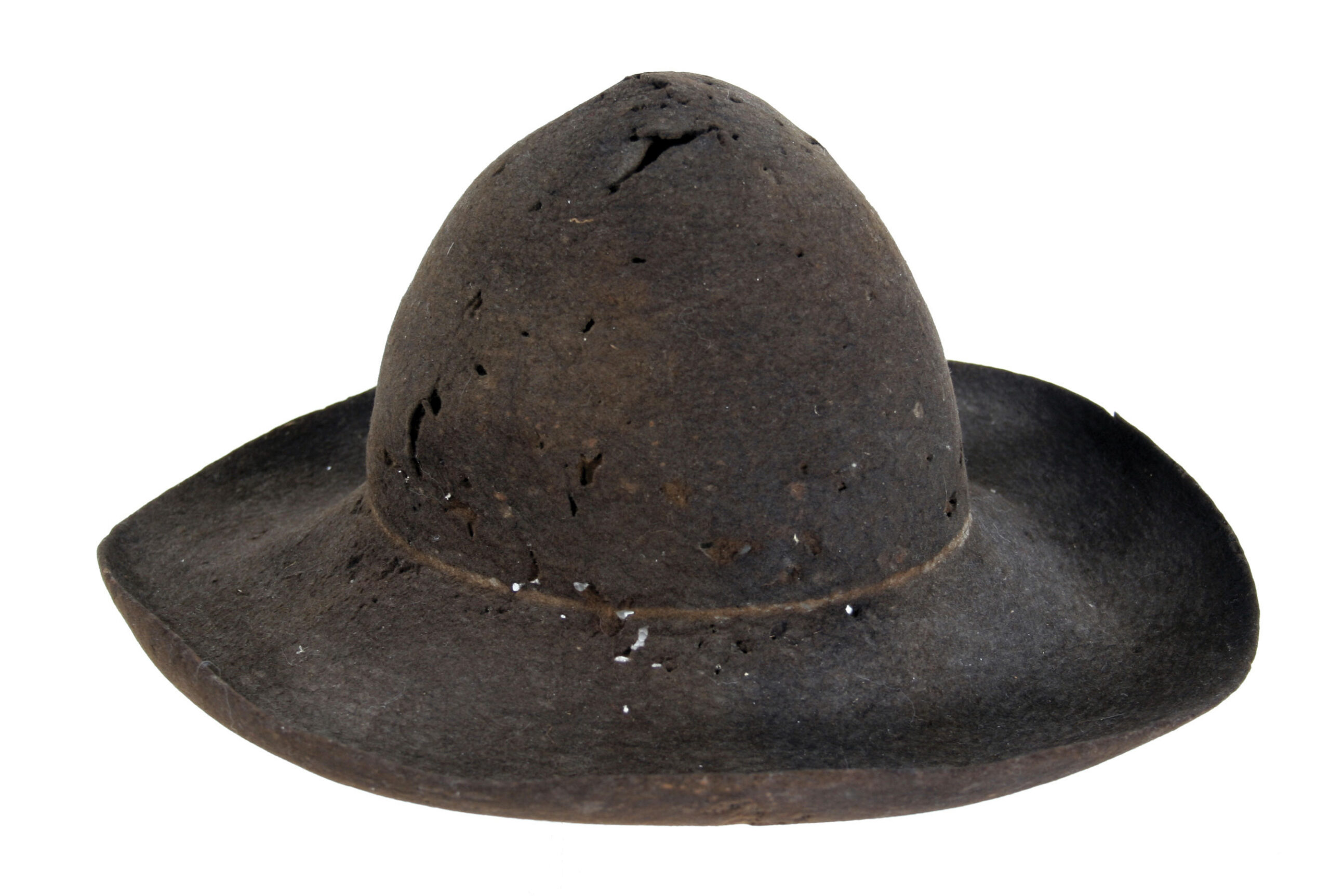 Military & Historical Image Bank
This “beehive”-style slouch hat—a design popular with Confederate soldiers in all theaters of the war—was reportedly found on the Gettysburg battlefield after the fighting.
Havelock hat worn by a Civil War soldier.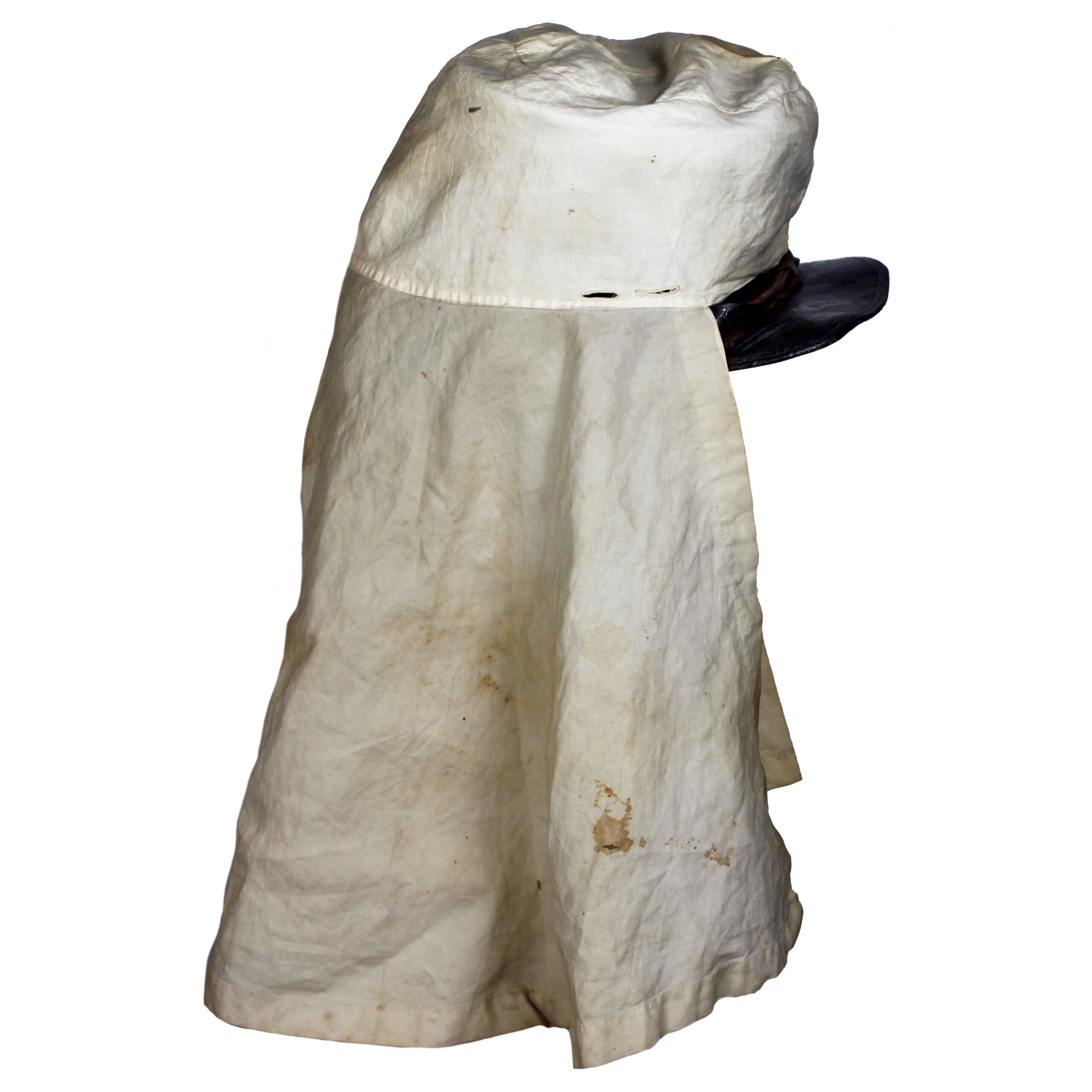 Military & Historical Image Bank
This cap is outfitted with a havelock, a white linen cloth meant to protect its wearer’s neck from the sun. While many early war volunteers donned havelocks—they were widely seen on troops at Bull Run—most soon jettisoned them as impractical and bothersome. This havelock belonged to the chaplain of the 6th Massachusetts Militia.
Rubberized rain hat worn by a Civil War soldier.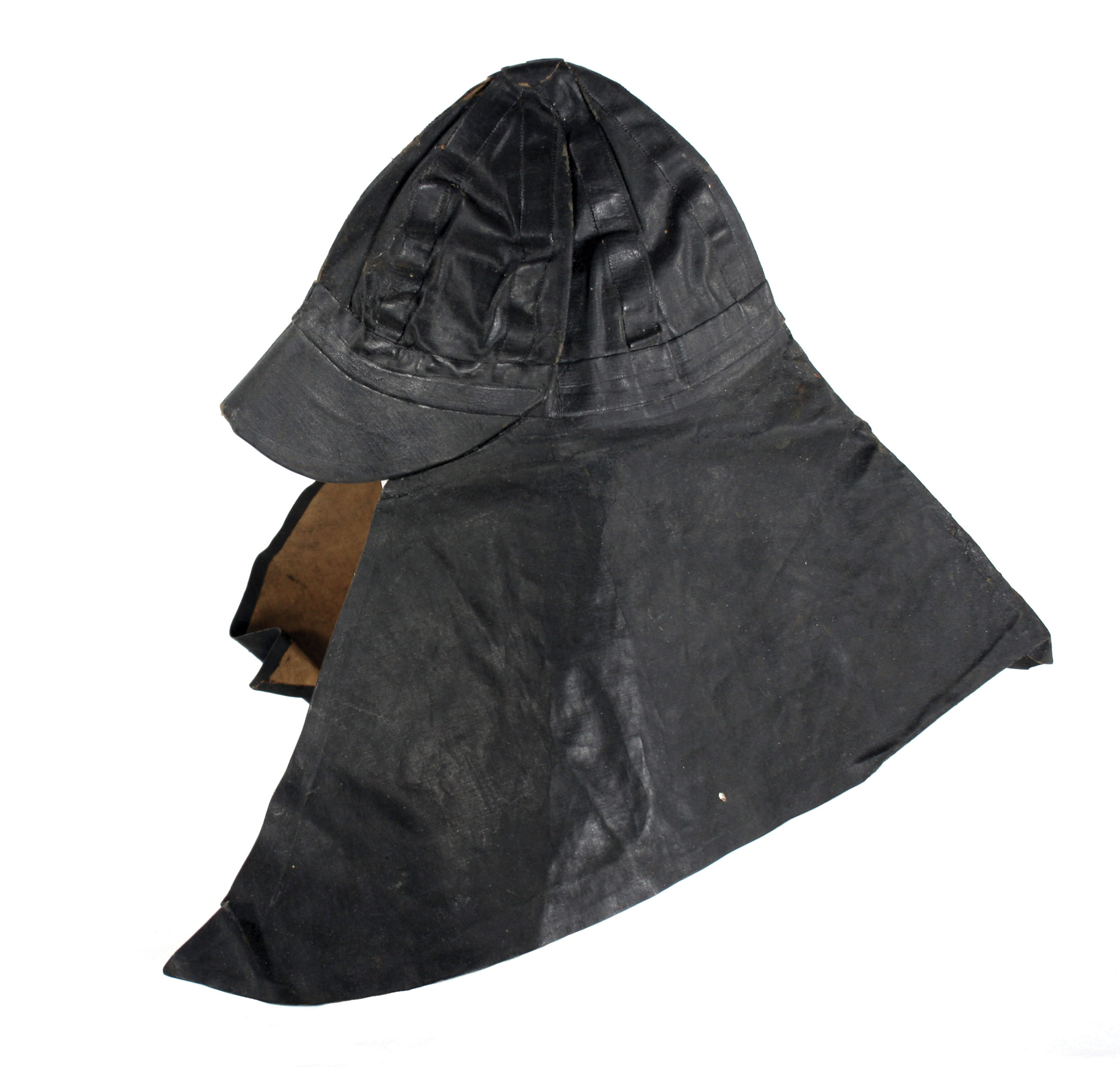 Military & Historical Image Bank
Soldiers on both sides utilized waterproof garments—products of the India Rubber Company—to help protect them from inclement weather. A Union soldier took this rubberized rain hat from the body of a Confederate soldier killed at the Battle of Corinth, Mississippi, in October 1862.
Round, brimless, heavy-cloth Navy cap worn by Charles Sharter during the Civil War.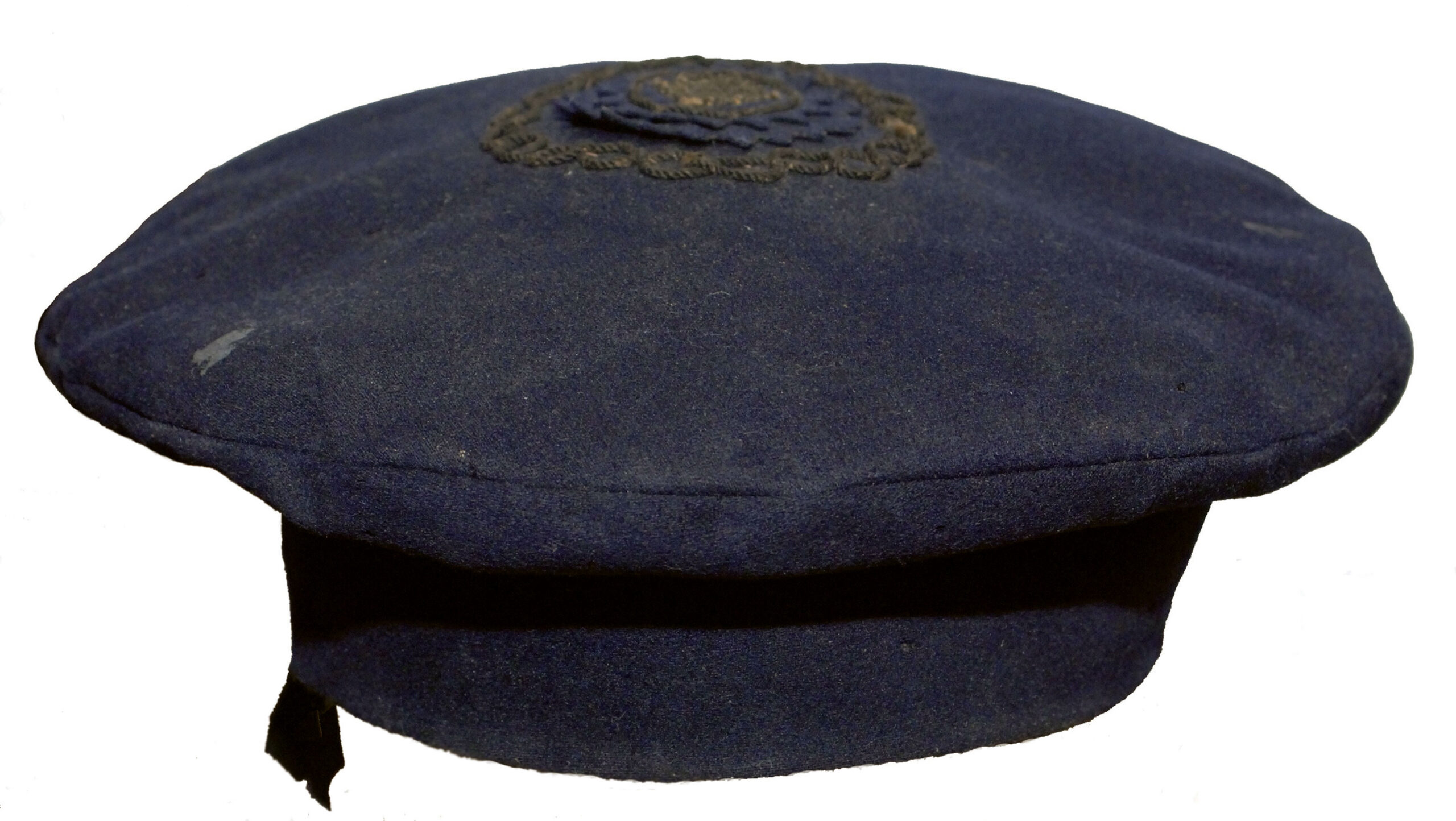 Military & Historical Image Bank
Sailors on both sides wore these round, brimless, heavy-cloth caps while on fatigue duty. Union seaman Charles Sharter, an African American, wore this cap while serving on board the USS Vermont and Tallapoosa, ships of the West Gulf Squadron.
Model 1858 Hardee Hat worn by a Civil War soldier.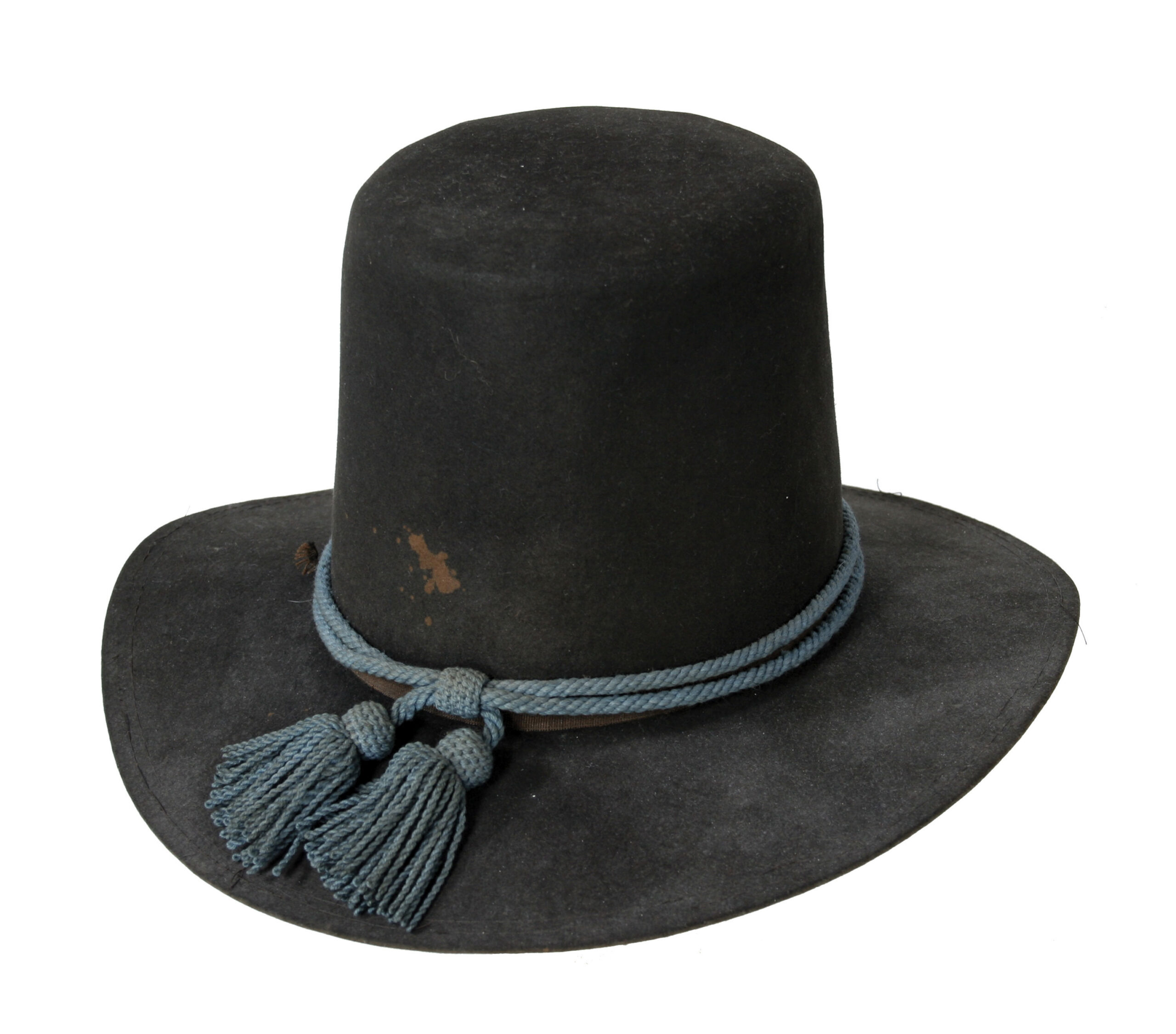 Military & Historical Image Bank
The model 1858 “hardee” hat was the regulation dress hat for the U.S. Army. But not all Union soldiers received one, nor did all who received one use it—the hat’s heavy black felt made for hot and uncomfortable wearing during the warmer months. Still, many Union soldiers donned their Hardees with pride, most notably the western volunteers of the famed Iron Brigade, whose men became known as the “Black Hats.”
Forage cap worn by a Civil War soldier bearing the insignia of the 3rd Rhode Island Light Artillery, Battery A.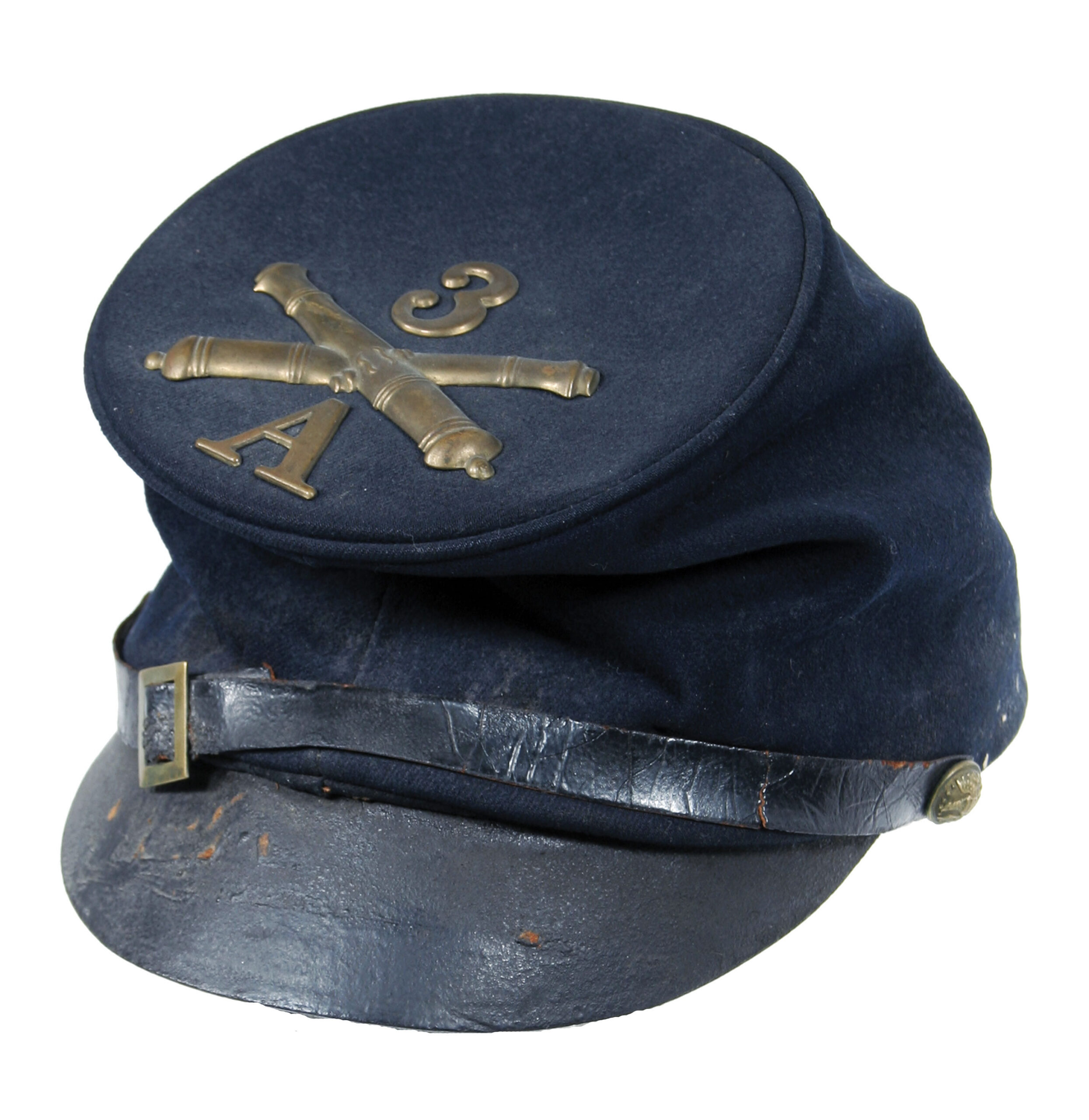 Military & Historical Image Bank
Often confused with the kepi, the forage cap sported a similar look but with noticeable differences, including its short, downward-pitched visor. Descended from the shako, the tall and rigid cylindrical leather hat donned by members of the antebellum U.S. Army, the more relaxed forage cap was the hat most frequently worn by Union soldiers during the Civil War. This forage cap bears the insignia of the 3rd Rhode Island Light Artillery, Battery A.
Sources
John D. Billings, Hardtack and Coffee, or The Unwritten Story of Army Life (Boston, 1888); Earl J. Coates, Michael J. McAfee, and Don Troiani, Don Troiani’s Regiments & Uniforms of the Civil War (Mechanicsburg, Pa., 2002); Roy M. Marcot, U.S. Sharpshooters: Berdan’s Civil War Elite (Mechanicsburg, Pa., 2007). Photos courtesy of the Military & Historical Image Bank (www.historicalimagebank.com).