 Jerry Bauer
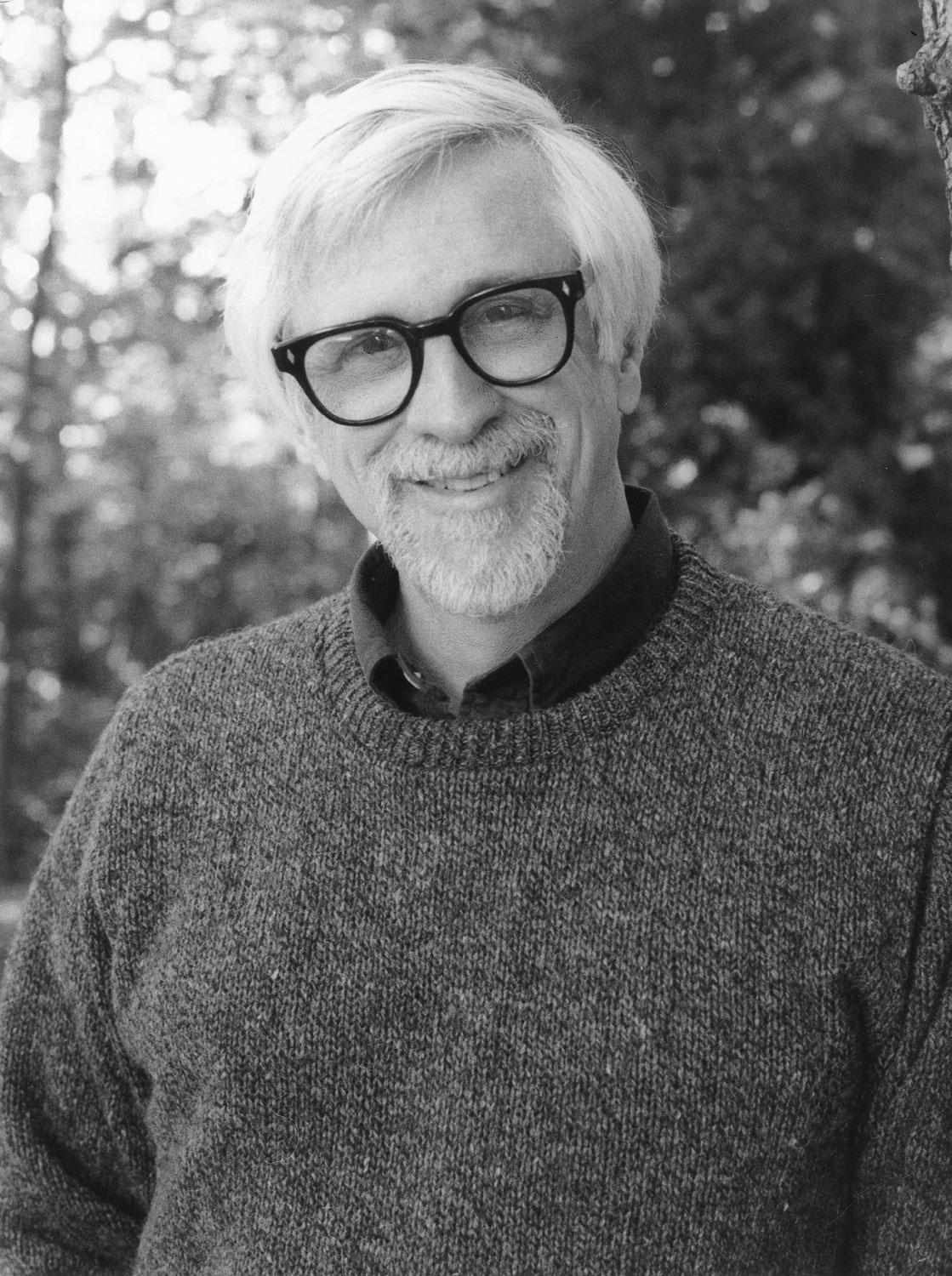
Stephen W. Sears
I had the exceptionally good fortune to meet and work for the author of three of the “books that built me” before I had even read them. It was August 1954. I was 22, fresh out of Oberlin, newly employed as editorial assistant at the fledgling American Heritage magazine, four months before its scheduled first issue. The new magazine’s editor was Bruce Catton, winner of the Pulitzer Prize and the National Book Award for A Stillness at Appomattox (1953), and by extension for the earlier volumes in his trilogy on the Army of the Potomac, Mr. Lincoln’s Army (1951) and Glory Road (1952). It took me a couple or three paychecks to scrape up enough disposable income to buy these books, but when I did, they hooked me on the Civil War.
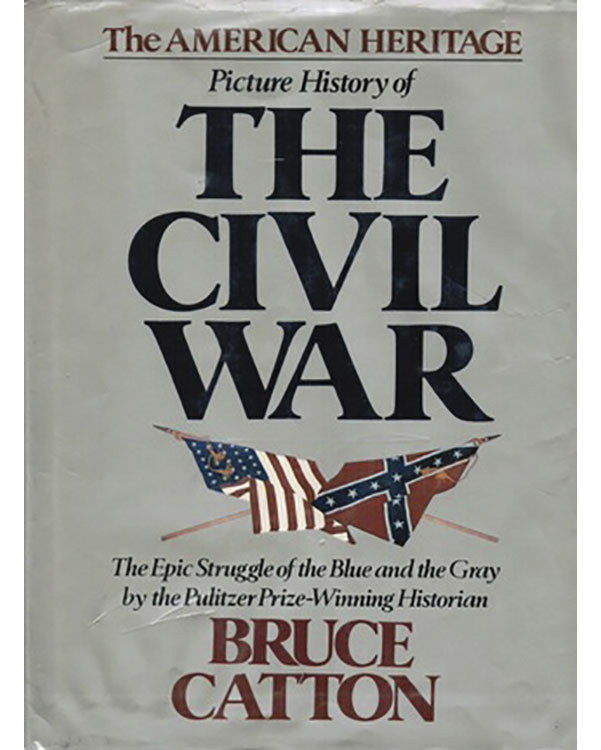
American Heritage proved a publishing success, and Catton proved a kindly boss, always willing to answer a Civil War tyro’s questions. These years produced the next book that formed me, The American Heritage Picture History of the Civil War (1960), in which I had a role. I collected many of the pictures and wrote many of the text blocks and captions that accompanied Catton’s narrative. It was a rich lesson in book-building.
My stay at American Heritage Publishing ended in 1978, when its book division folded, but Catton, in that last year of his life, launched me into the freelance-author world with a boost. His trilogy comprising The Centennial History of the Civil War, The Coming Fury (1961), Terrible Swift Sword (1963), and Never Call Retreat (1965), have ever since served me as foundational Civil War historiography; furthermore, Catton let me copy hundreds of his original-source notecards compiled by the Centennial History’s research director, E.B. Long. Finally, Catton encouraged me to tackle Antietam as my first Civil War book, pointing me to untapped sources I utilized in Landscape Turned Red: The Battle of Antietam (1983). Thirty-four years later I dedicated my latest Civil War book, Lincoln’s Lieutenants: The High Command of the Army of the Potomac, to Bruce Catton, “for his many kindnesses, and for showing how it’s done.”
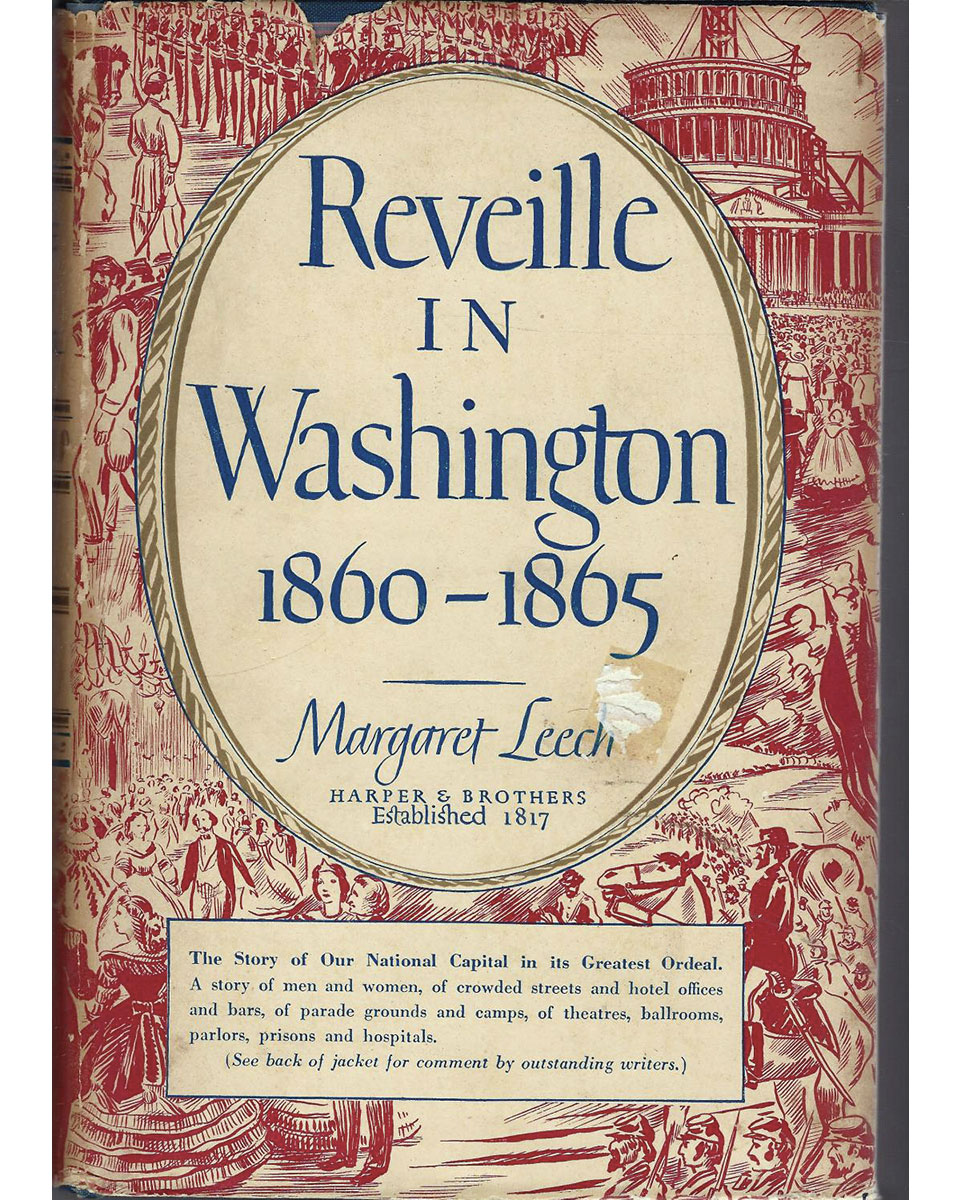
Other books have influenced me in making the best use of sources, Benjamin P. Thomas’ Abraham Lincoln (1952) being one of them. Thomas was the first Lincoln biographer to make use of the Robert Todd Lincoln Collection, a treasure trove of the president’s papers preserved by his son and only opened to the public in 1947. Thomas wove all this new material into his narrative so seamlessly that (as I wrote in an introduction to a later edition) its subtitle could have been “The Biographer as Master of his Sources.” Another masterful lesson in using sources is Margaret Leech’s Reveille in Washington: 1860–1865 (1941), a wonderfully varied but always relevant biography of the Civil War-time capital. What Washingtonians read in their newspapers and heard in their bars and in the halls of government and over back fences is all here.
Two women with connections have enlightened me on life behind the wartime lines. Mary Chesnut’s Civil War (1981), edited by C. Vann Woodward, presents the acute observations of the wife of a member of the Confederate government. Wartime Washington: The Civil War Letters of Elizabeth Blair Lee (1991), edited by Virginia Jeans Laas, gives an inside look at the Yankee capital in the letters of a Blair family member to her sailor husband.
Evaluating historical sources is a process requiring mastery, and one place to learn is Recollected Words of Abraham Lincoln (1996), compiled and edited by Don E. Fehrenbacher and Virginia Fehrenbacher. The Fehrenbachers applied an old-fashioned school-grading system, A-B-C-D-F, to those who claimed to be quoting the president, a methodology that can be applied more widely to utterances of all sorts to see who was naughty and who was nice in Civil War times.
Grading with D’s or F’s can inspire one to do better one’s self. In writing on Antietam in Landscape Turned Red, I felt hampered by the available biographical material on General McClellan—certainly no “books that built me” there. I offered my own take on the general in 1988 in George B. McClellan: The Young Napoleon, and a year later published The Civil War Papers of George B. McClellan: Selected Correspondence, 1860–1865, the latter as sources support for the former.
My particular Civil War reach does not extend west much beyond the Shenandoah Valley or south much beyond Appomattox, so I close with three titles that have shaped my thinking about the two eastern armies. Meade’s Army: The Private Notebooks of Lt. Col. Theodore Lyman (2007), edited by David W. Lowe, offers an intimate insider’s look at the Army of the Potomac’s final 22 months by a member of General Meade’s staff. One only wishes Lyman had signed on earlier. I find blunt, straight-talking John Gibbon’s Personal Recollections of the Civil War (1928) to be the best memoir of any Potomac army general. Fighting for the Confederacy: The Personal Recollections of General Edward Porter Alexander (1989), edited by Gary W. Gallagher, is the equivalent, refreshingly candid look at the fortunes of the Army of Northern Virginia.
Stephen W. Sears is the author or editor of a baker’s dozen of Civil War titles.