 Library of Congress
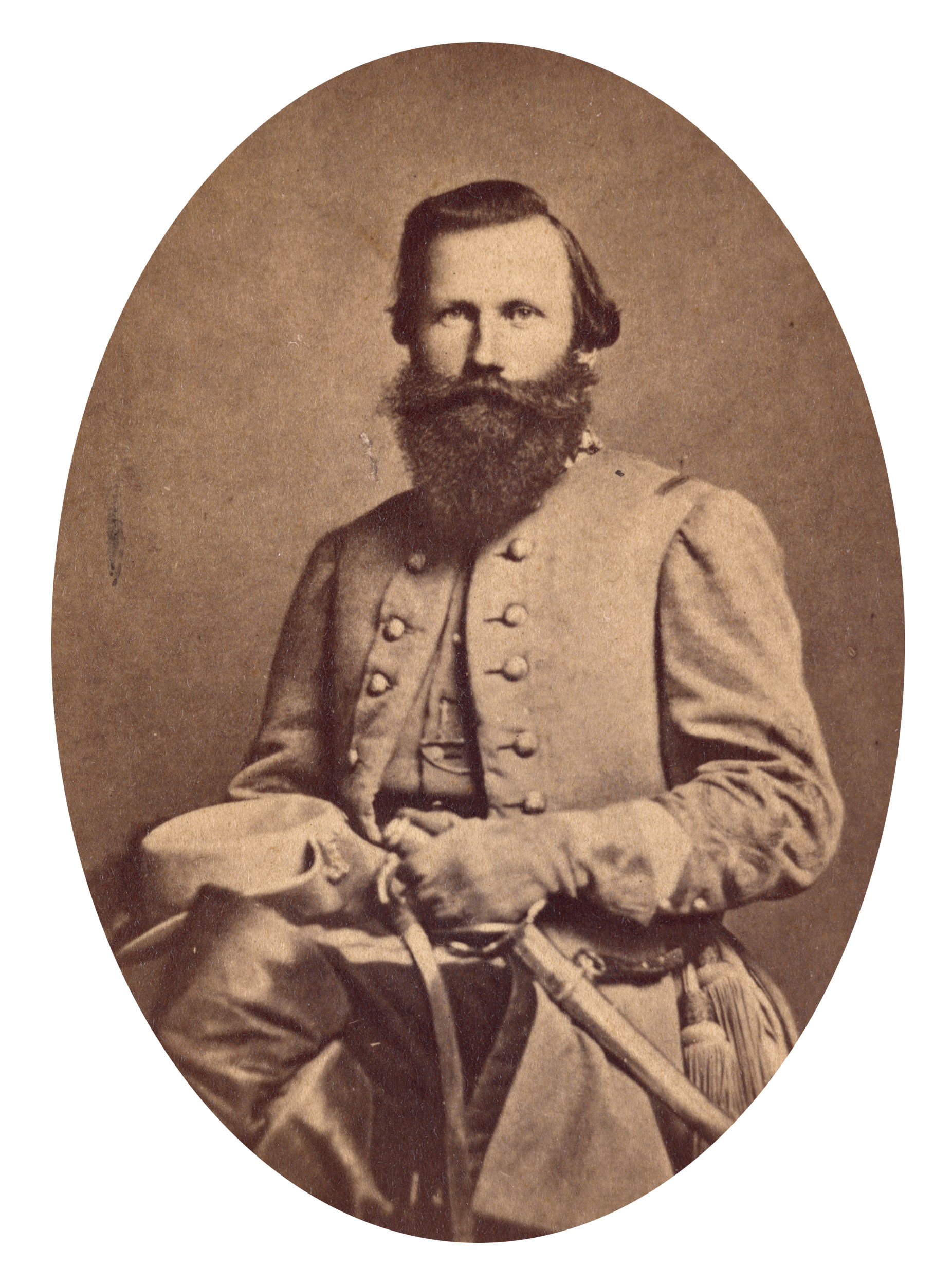
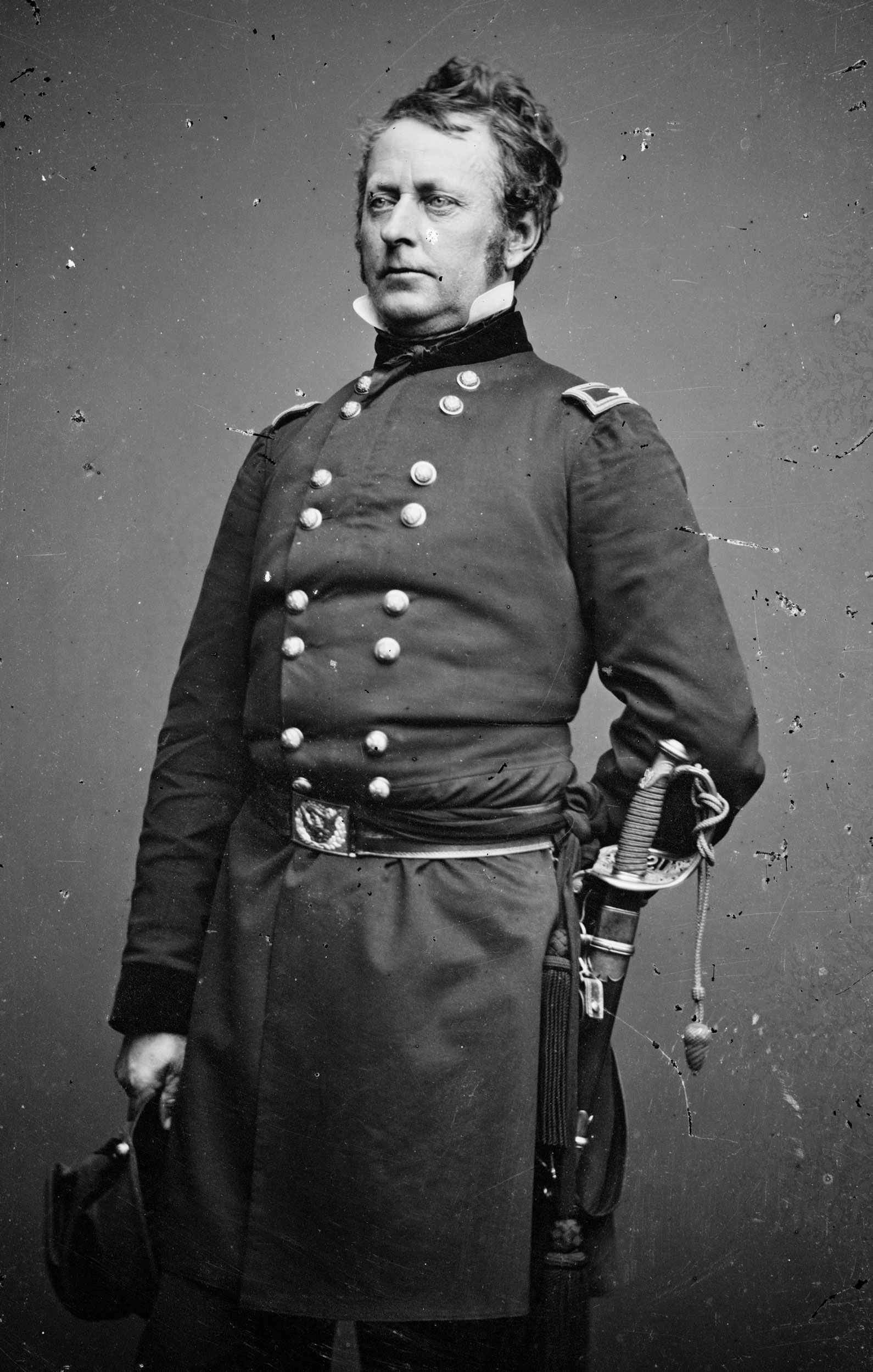
J.E.B. Stuart
“I regard it as a foregone conclusion … that we shall ultimately whip the yankees.”
Confederate cavalry general J.E.B. Stuart (above), in a conversation with a fellow officer in early 1862. Stuart would be killed in battle in mid-May 1864, 11 months before Robert E. Lee’s surrender at Appomattox Court House.
 Library of Congress
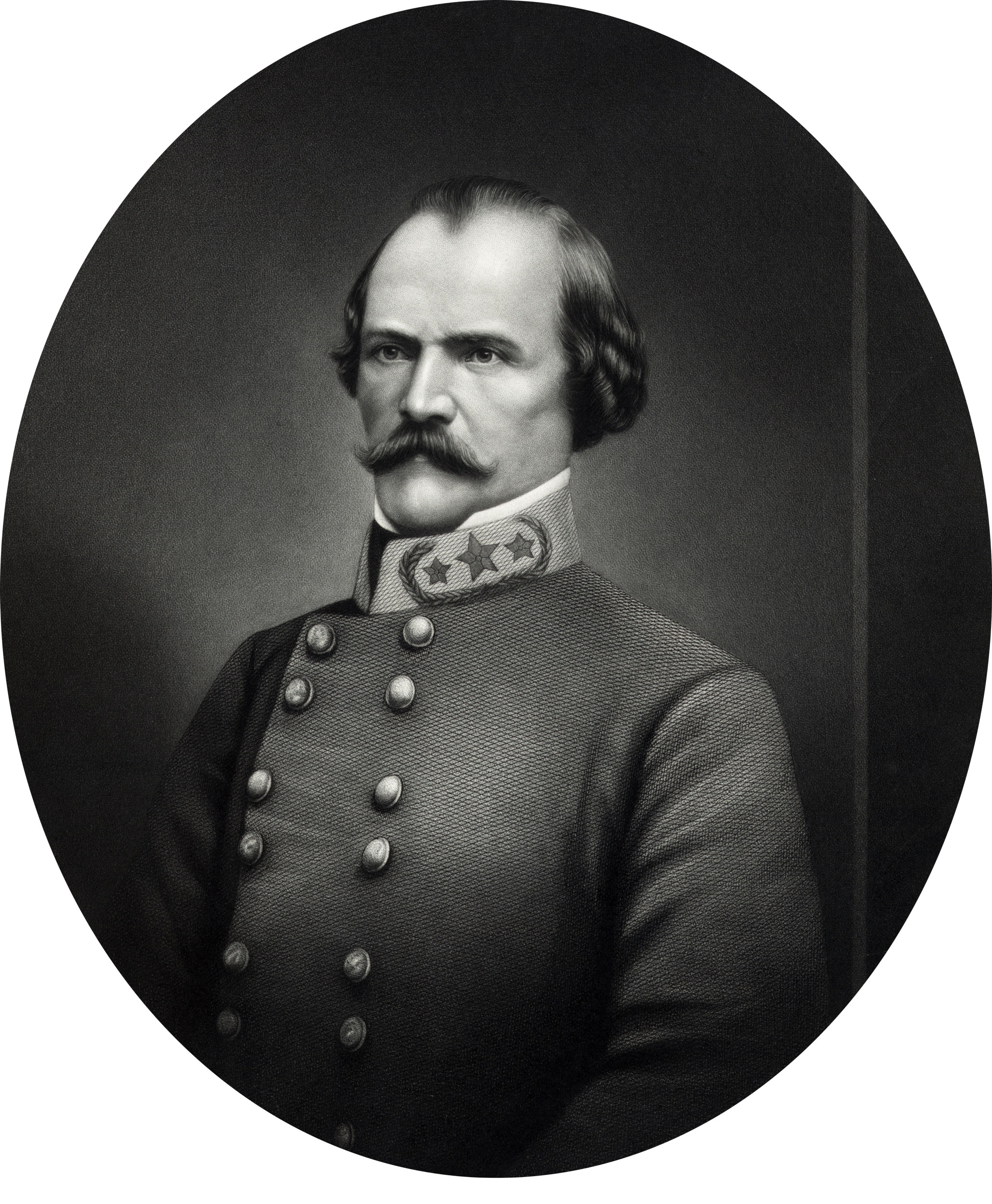
 Joseph Hooker
“My plans are perfect, and when I start to carry them out, may God have mercy on General Lee, for I will have none.”
Army of the Potomac commander Joseph Hooker (above), to a group of Union officers about his strategy for defeating Robert E. Lee and the Army of Northern Virginia, in mid-April 1863. The resulting Battle of Chancellorsville, fought a few weeks later, ended in a demoralizing Union defeat.
 Library of Congress
 Albert Sidney Johnston
“Tonight we will water our horses in the Tennessee River.”
Confederate general Albert Sidney Johnston (above) to his staff after riding to the front during the first day of the Battle of Shiloh on April 6, 1862. By day’s end, Johnston would be dead; the following day, Union forces, positioned with their backs facing the river, would drive the Confederates from the field in victory.
“When dey went down, Lor’, how dey did brag. One rebel could kill a hundred Yankees…. But dey come back a heap faster den dey go down. I see dey can fight mighty well with their tongues, but when dey seed you all, dey could run a heap better den fight.”
Connecticut officer George Gilbert Smith, quoting the words spoken to him by a local slave about Confederate troops who recently fled the area as Union forces advanced through western Louisiana, April 22, 1863.
 Life and Letters of Henry Lee Higginson
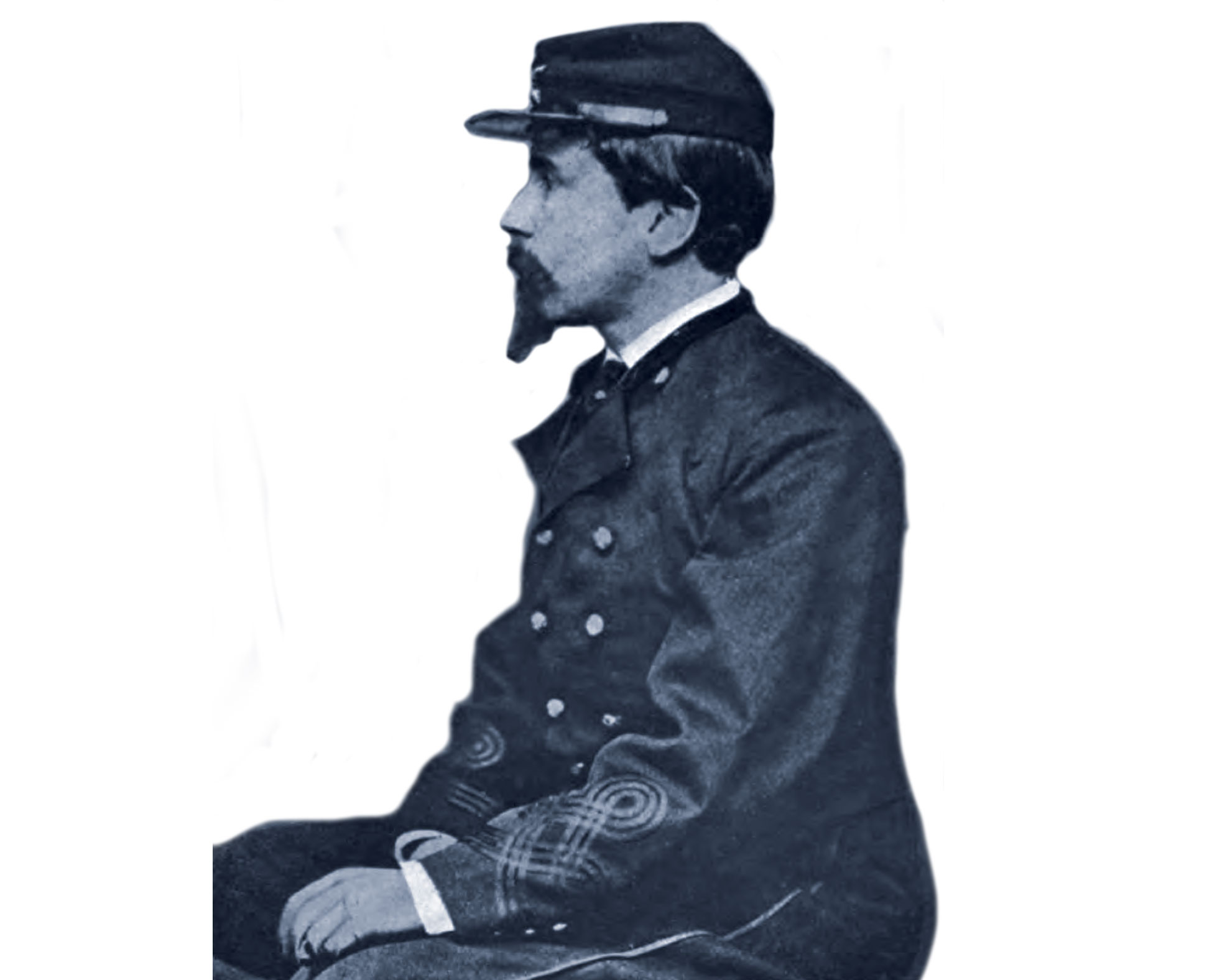
Henry Lee Higginson
“We’ll beat these men, fighting for slavery and for wickedness, out of house and home, beat them to death, this summer too.”
Major Henry Lee Higginson (above), 1st Massachusetts Cavalry, in a letter to a friend, March 15, 1863. The war would go on for another 25 months.
Sources
A Rebel’s Recollections (1875); Stephen W. Sears, Chancellorsville (1996); Mark Grimsley and Steven E. Woodworth, Shiloh: A Battlefield Guide (2006); Life and Letters of Henry Lee Higginson (1921); Leaves from a Soldier’s Diary (1906).