Junius Henri Browne of the New-York Tribune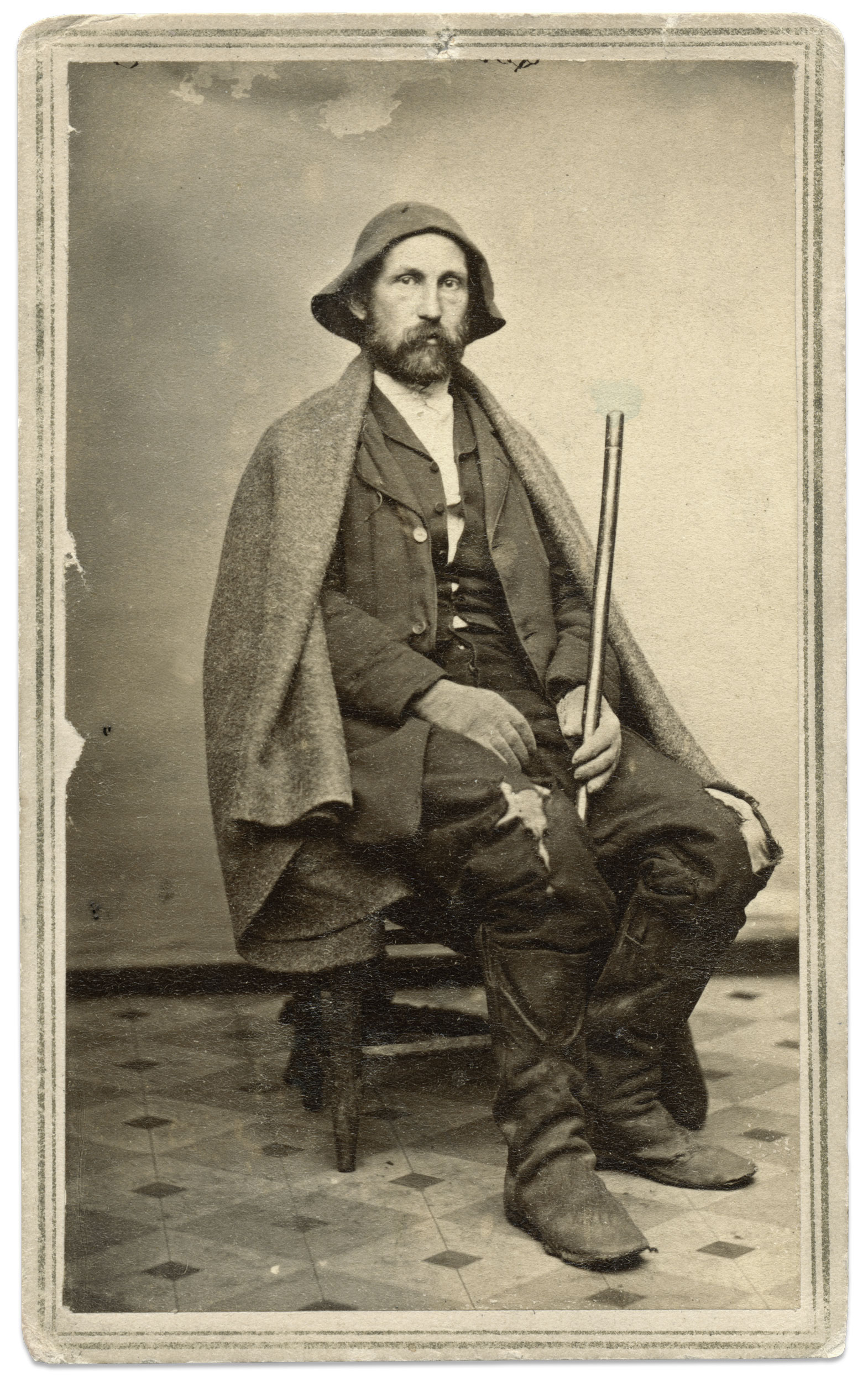 Military Images
The attempted running of the Vicksburg batteries by a Union convoy on May 3, 1863, ended in fiery vessels, death, and Union men floundering in the Mississippi River. The Confederates scooped survivors out of the water, including three newspaper reporters.
One of these civilians, Junius Henri Browne of the New-York Tribune, already knew that his own side did not care much for journalists. “War Correspondence is a most thankless office. The Correspondent may do, and dare, and suffer; but who yields him credit? If he die in the service by disease or casualty, it is thought and declared by many that he had no business there. The officers frequently dislike him, because they have not received what they conceive to be their meed of praise; and the people do not appreciate him.”
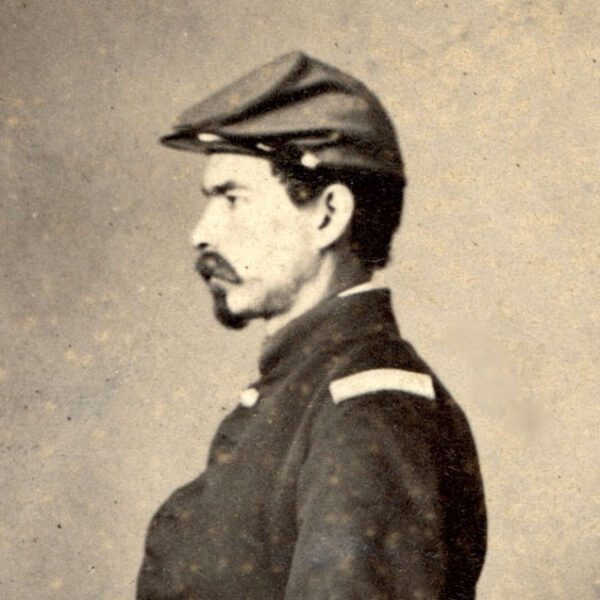
Browne’s Rebel captors disliked him even more than his own people. Papers like Horace Greeley’s New-York Tribune, openly antislavery and hostile to the rebellion, were roundly despised by the Confederates, who treated Browne and his fellow reporters as prisoners of war. Thus began an odyssey that took Browne from Richmond’s notorious Libby Prison to the POW camp in Salisbury, North Carolina. On December 18, 1864, Browne and another reporter escaped and trekked 340 miles across the snow-covered Appalachian Mountains to Union-occupied Nashville. He posed for this portrait soon after, wearing the clothes he had on during his flight to freedom—complete with an old hat given to him by a sympathetic slave.
In 1865, Brown would tell his story in Four Years in Secessia, a 450-page memoir. He went on to a successful literary career and died at age 69 in 1902.
Ronald S. Coddington is publisher of Military Images, a magazine dedicated to showcasing and preserving photos of Civil War soldiers and sailors.