 Mike Talplacido
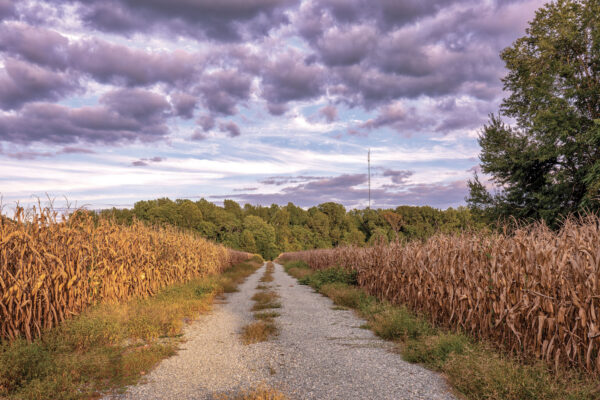
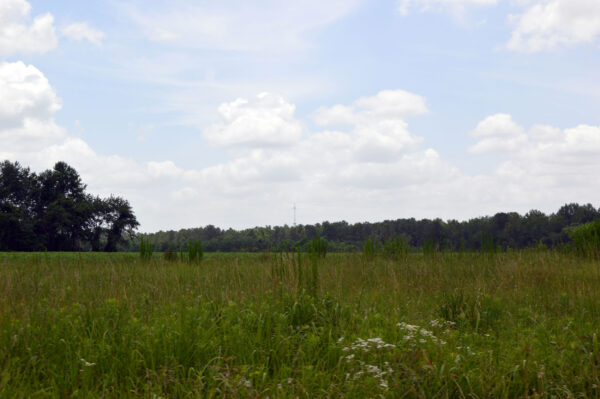
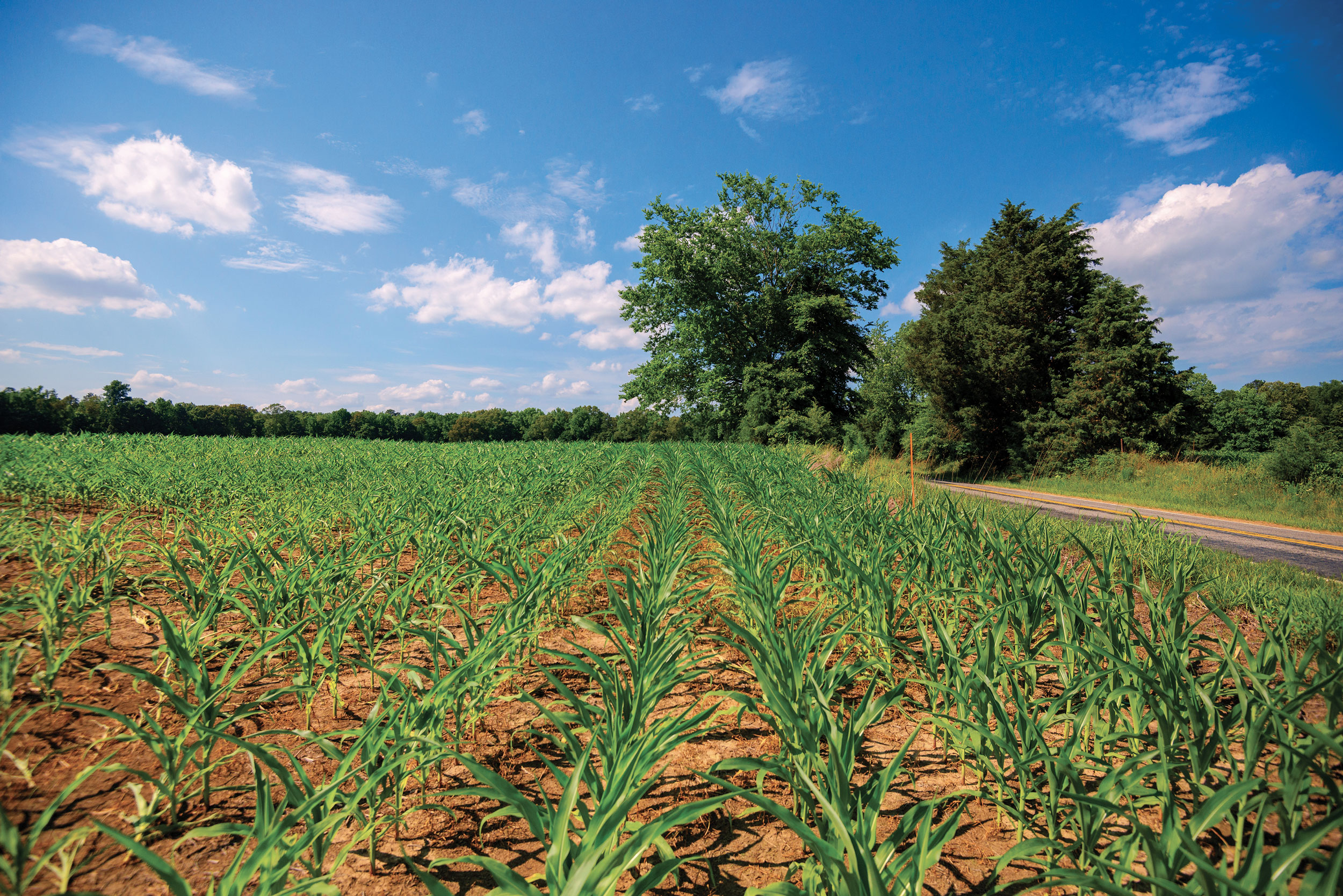
Because preservationists stepped up, farm crops, not subdivisions, grow today on the Richmond area’s Glendale battlefield—once named one of the nation’s 10 most endangered Civil War sites.
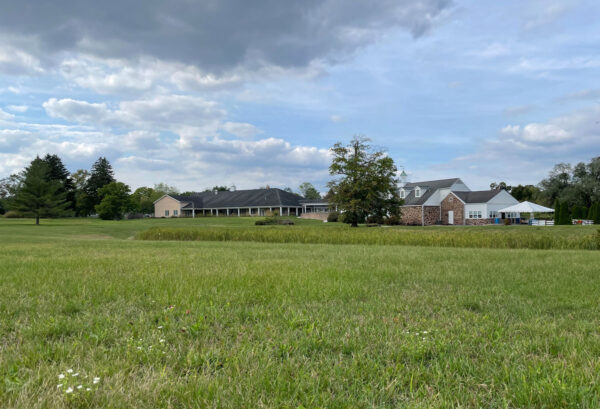
I remember visiting the Glendale battlefield decades ago. One acre—a woodsy, nondescript road corner—was guarded by the National Park Service. Over time, Richmond’s suburbs sprawled and menaced the battlefield. Mercifully, history’s advocates stepped in. Now, with three-quarters of this fateful place—724 acres—protected by the Park Service and the American Battlefield Trust, it is one of our nation’s greatest preservation stories.
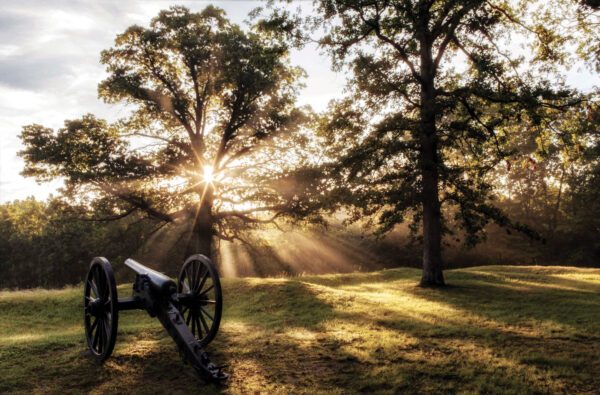
The Battle of Glendale (also known as the Battle of Frayser’s Farm), fought on June 30, 1862, was no small thing. The sixth of the Seven Days Battles that saved Richmond from capture, it left 7,470 Confederate and Union soldiers dead, wounded, or missing. It also cost General Robert E. Lee his best chance to keep the Union army from escaping via the James River.
Modernity focused enormous development pressure here. In 2006, three housing subdivisions broke ground beside the battlefield’s core, and three more were planned. The Trust named Glendale as one of the country’s 10 most endangered battlefields.
Swiftly, our allies—local, state, federal, and private—rallied to save the heart of the Glendale battlefield. The national effort, spearheaded by the Richmond Battlefields Association and championed by the Trust, took long negotiations, civic-minded landowners, and luck.
The result surprised many. “This defies comparison. Never before in modern times had anyone preserved a major battlefield virtually from scratch,” historian Robert K. Krick says. “A few years prior, one could not even find a safe roadside pulloff at which to pause for basic orientation.”
The breakthrough came after the Trust acquired 43 central acres in the mid-2000s, opening doors in the tight-knit Glendale community, and encouraging conversation about protecting another 319 acres. In 2012, the Interior Department provided $4 million from the federal Land and Water Conservation Fund to save pivotal ground.
The Trust has since transferred 623 acres at Glendale to Richmond National Battlefield Park, and continues toiling to preserve the historic scene. Glendale’s narrow, winding roads still look much as they did in 1862. But at the battlefield’s national cemetery, a new NPS visitors center tells the riveting story of what happened here and why it matters.
Glendale and the nearby Malvern Hill battlefield form a three-mile corridor that chronicles the game-changing 1862 campaign. Add the Gaines’ Mill battlefield, and the Trust has saved 2,495 acres at these three Seven Days sites, adding 1,681 acres to the park.
“These accomplishments have transformed Richmond from a ‘windshield park’ that visitors just drove through to one where they get out of their cars and explore battlefields on foot,” former Richmond National Battlefield Park Superintendent David Ruth says. “Now, people feel a much greater connection to these meaningful places.”
James Lighthizer is president emeritus of the nonprofit, nonpartisan American Battlefield Trust, which is dedicated to preserving America’s hallowed battlegrounds—Revolutionary War, War of 1812, and Civil War—and educating the public about their significance.