Mark Twain came away from an 1867 visit to New York’s National Academy of Design unimpressed. In a review of his experience, he wrote, “After four or five years of terrible warfare there is only one historical picture in the Academy—Lincoln’s Entry into Richmond—and that is execrable. There isn’t a single battle piece. What do you suppose is the reason?” By the standards of his day, the famed humorist proved himself a trenchant observer. The American Civil War did not inspire grand history paintings like those that commemorated the American Revolution. Nor did a Benjamin West, John Trumbull, or Emanuel Leutze emerge. The conflict’s brutal tactics, moral ambiguities, and divisive nature precluded the expected Grand Manner history paintings. Instead, a novel visual record of war emerged, one driven by tastes rooted in detailed records of landscapes and everyday life as well as by new technologies like photography.
Any reader of Civil War history can easily find a large coffee table book overladen with colorful pictures. But only a handful of works consider those images as evidence. Just as they did with words, Americans could translate the experience of civil war through oil paints and watercolors. Genre painters like Winslow Homer captured informal camp scenes and brightly clad Zouaves, while landscape artists such as Frederic Edwin Church used the natural environment to meditate on sectional divide and armed conflict. A vast array of canvases emerged between the 1860s and the early 20th century that depicted subjects ranging from the mundane to the momentous. Of equal importance, but outside the framework of this essay, is the illustrated journalism that flooded print media with thousands of black-and-white engravings and lithographs.
Art historians, museum professionals, and scholars of the Civil War era have found deep meaning in paintings from the period. And the five books featured below are richly rewarding. The authors, or editors, offer thoughtful analyses of art and artists, and maintain that through images we can imagine a new view of war. Formally trained painters grappled with the conflict’s transformative impact on society by combining the subjects of their prewar canvases with the events of their day, while soldier-artists brought an unparalleled degree of realism to their work informed directly by their time in the ranks. Each volume under review includes scores of color plates with excellent reproductions of images, and exhibits the highest level of scholarly yet accessible writing.
Mine Eyes Have Seen the Glory: The Civil War in Art
By Harold Holzer and Mark E. Neely Jr.
(Orion Books, 1993)
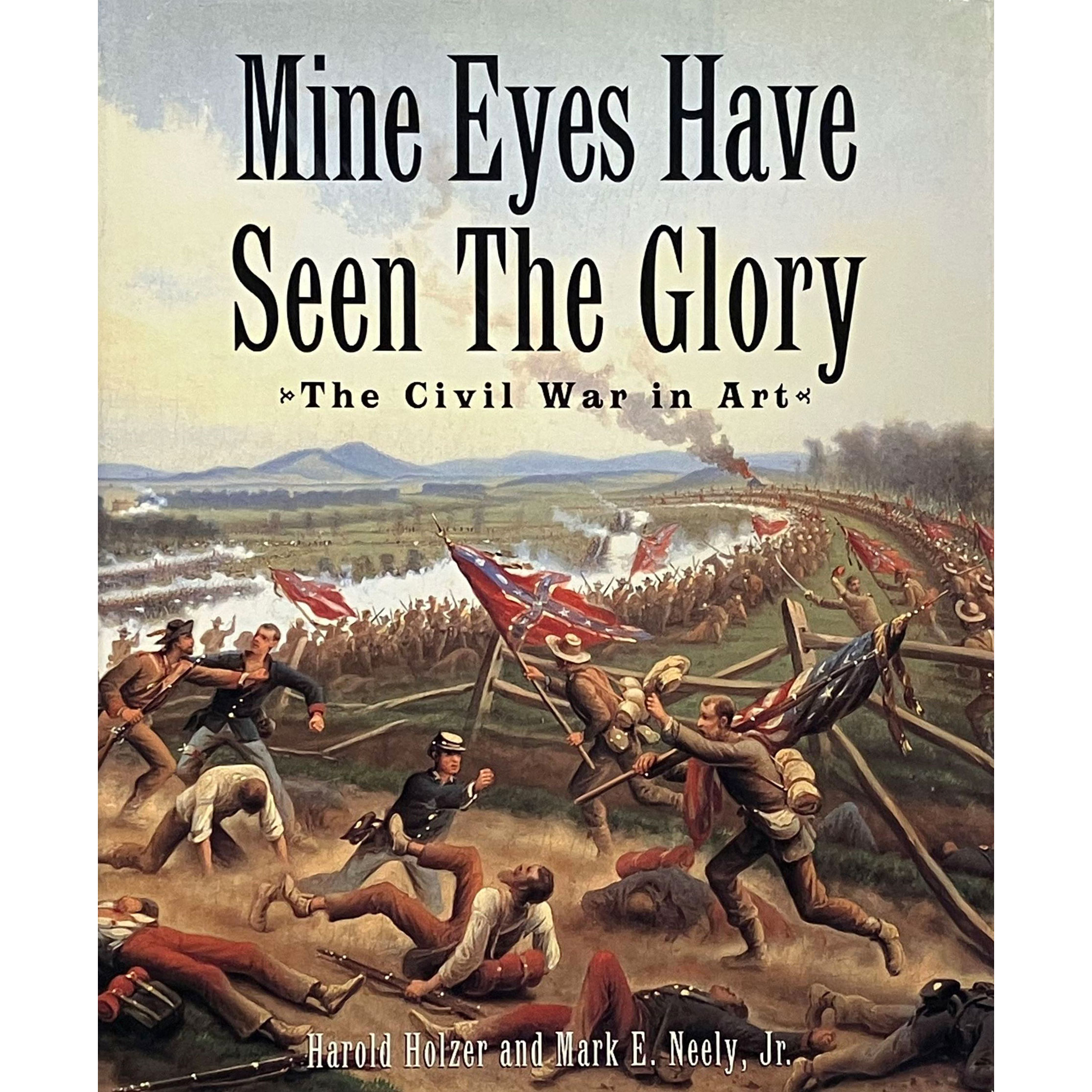
Published over 30 years ago, Harold Holzer and Mark E. Neely Jr.’s stirring survey of military paintings remains a standard reference. The enormity of the conflict demanded artist treatment and resulted in a massive corpus of work. Holzer and Neely Jr.’s extensive review of paintings considers works produced from the war years through the 1910s. Thematically arranged chapters consider portraiture, cycloramas, genre scenes, and the common soldier among other subjects. Rather than another illustrated history of the Civil War, this volume discovers the meanings of those paintings and was among the first to do so. The work’s impressive breadth gives readers a fulfilling range of subjects and scenes from well-known military painters such as Thure de Thulstrup and William D. Washington and lesser-known figures, at least outside Civil War circles, like Julian Scott and James Hope.
Conrad Wise Chapman: Artist & Soldier of the Confederacy
By Ben L. Bassham
(Kent State University Press, 1998)
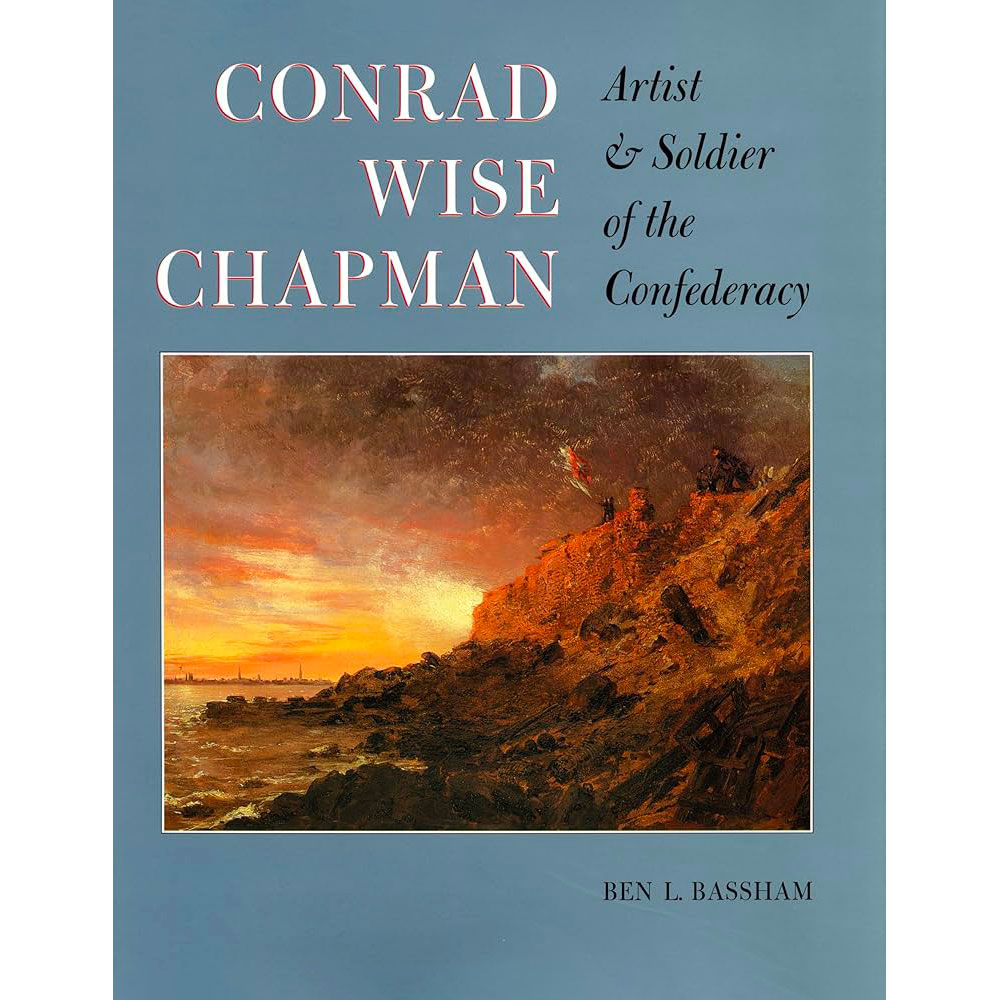
Conrad Wise Chapman came to the Confederate military as a trained artist. He served in three theaters (in the West, in Virginia, and in Charleston, South Carolina) and sketched or painted whenever possible. Chapman rendered highly accurate paintings of artillery batteries, fortifications, camp scenes, and the submarine H.L. Hunley. Bassham offers a thorough biography of the soldier-artist and a compelling record of his paintings. As he asserts, Chapman is singular among Confederate artists because of the firsthand knowledge he gleaned from an arduous service record. He created an incredible visual record of the Confederacy including, perhaps most notably to many readers, 31 small panels of Charleston that were once displayed at the Museum of the Confederacy in Richmond, Virginia.
Eye of the Storm
By Robert Knox Sneden and edited by Charles F. Bryan Jr. and Nelson D. Lankford
(The Free Press, 2000)
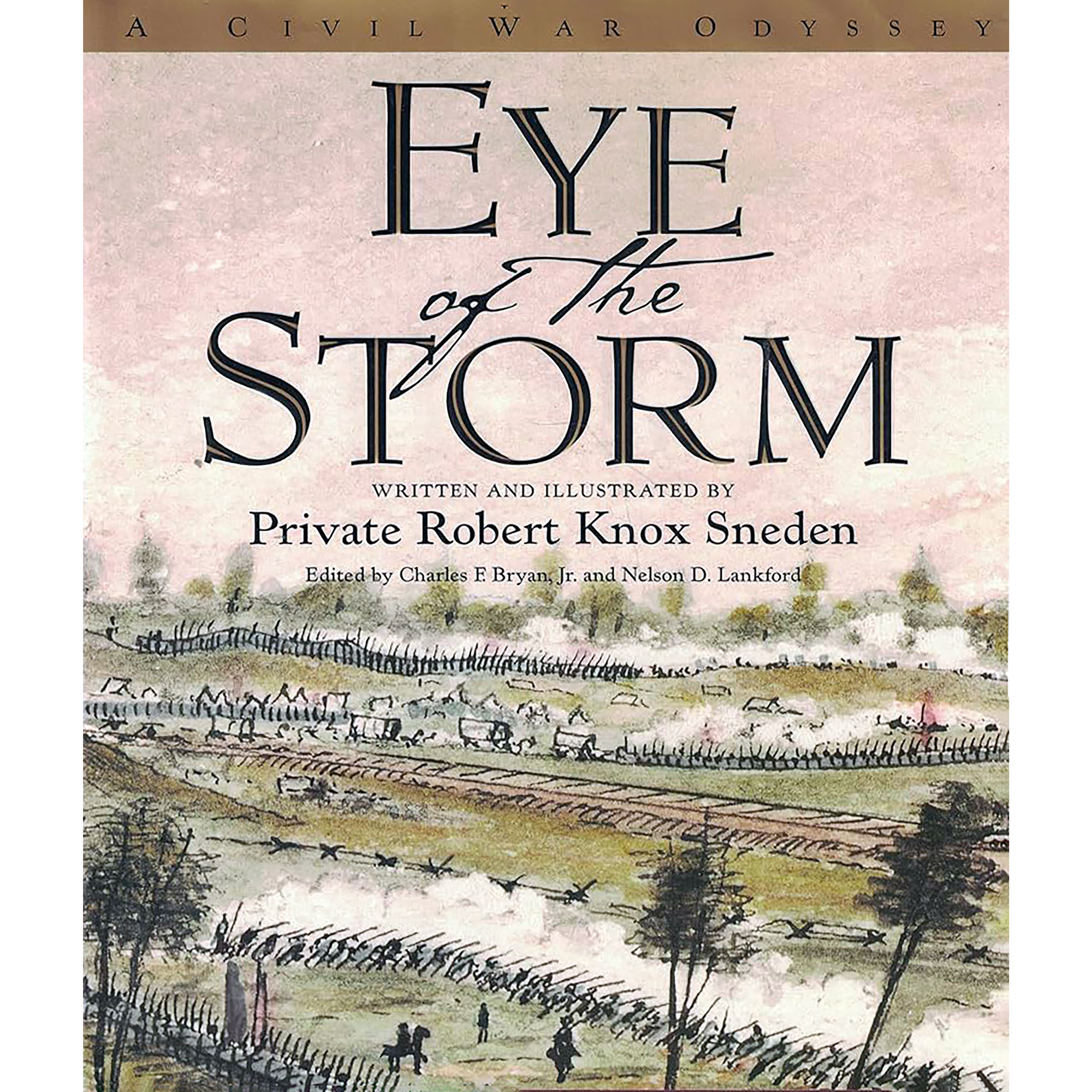
With an incredibly observant eye, Robert Knox Sneden produced one of the most remarkable visual records of the Civil War. He enlisted in the 40th New York Infantry, but by 1862 was serving as a mapmaker at corps headquarters of the Army of the Potomac. Captured in 1863, Sneden was sent to Andersonville but survived the notorious prison. He later produced a 5,000-page memoir that served as the basis for this wonderful, edited volume of his wartime diary lavishly illustrated with the maps he drew and the watercolors he created. Sneden’s detailed and extensive pictures of the 1862 Peninsula Campaign are particularly compelling. Remarkably, it was not until 1994 that the Virginia Historical Society (now Virginia Museum of History and Culture) acquired Sneden’s maps and watercolor drawings through a generous gift and a remarkable series of events.
Bold, Cautious, True: Walt Whitman and American Art of the Civil War Era
by Kevin Sharp with contributions by Adam M. Thomas
(Dixon Gallery and Gardens, 2009)
Walt Whitman is widely considered America’s national poet. And, fittingly, his prose is often found in studies of the nation’s defining conflict. Based on an exhibition at the Dixon Gallery and Gardens in Memphis, Tennessee, the museum’s director Kevin Sharp created a highly innovative narrative of the Civil War that paired Whitman’s words with paintings from the period. Each chapter deftly entwines Whitman’s wartime experiences with key subject matters including disunion, service, medicine, emancipation, and the homefront. Passages from Whitman’s writings pepper the chapters, while a narrative guides the reader through the labyrinth of images and ideas that attempted to find meaning in war.
The Civil War and American Art
by Eleanor Jones Harvey
(Yale University Press, 2012)
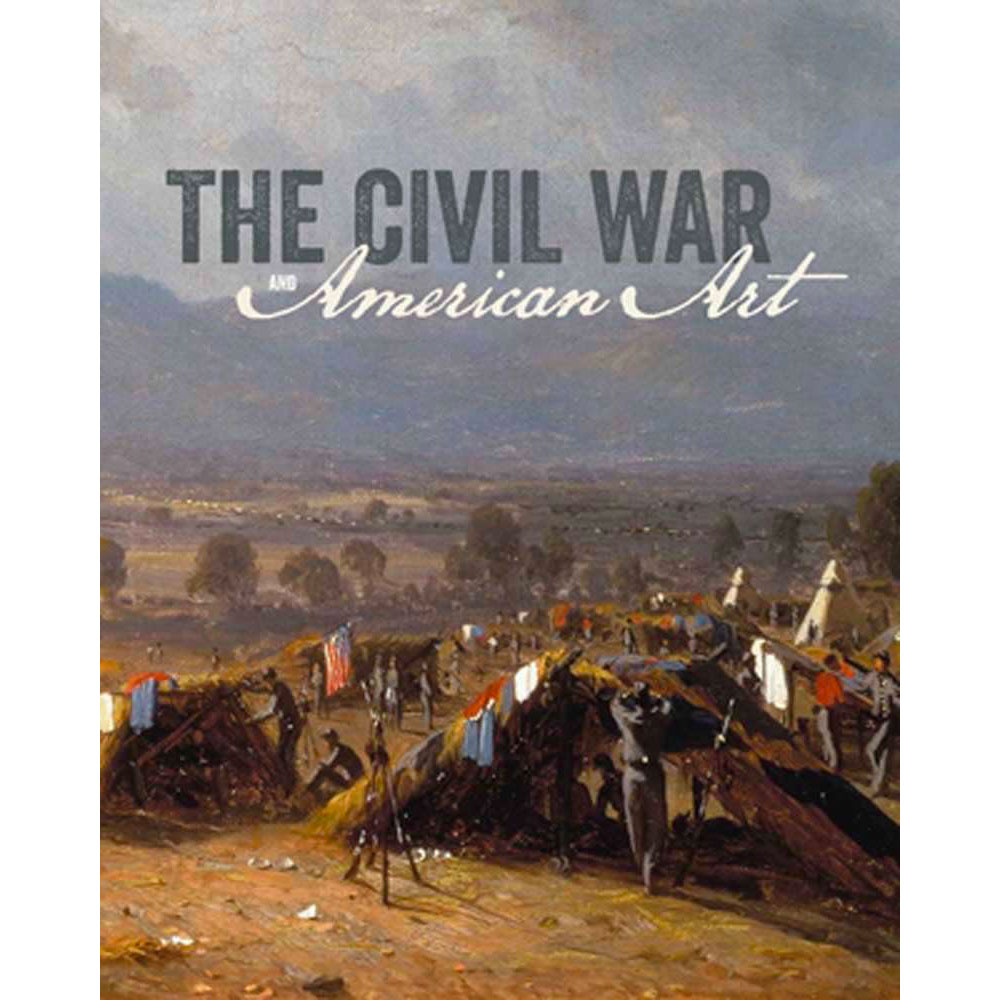
Based on the 2012 blockbuster exhibition at the Smithsonian American Art Museum, The Civil War and American Art examines how famed artists such as Winslow Homer and Eastman Johnson represented the conflict. In a marked departure from the tradition of the grand history painting, American artists used genre and landscape paintings to translate the experience of war. Eleanor Jones Harvey’s volume stands unique for its extended attention to how painters dealt with the conflict metaphorically. The powerful landscapes that once compelled figures like Frederic Edwin Church and Sanford Robinson Gifford became the expressive medium to voice their concerns over war and hopefulness for the new nation. Generously illustrated and powerfully argued, Harvey discerns how the war lent layers of meaning in paintings and photographs often flatly considered. In fundamental ways, this volume is the definitive statement on how the Civil War shaped and changed American art.
James J. Broomall is the William Binford Vest Chair in History at the University of Richmond and the author of Private Confederacies: The Emotional Worlds of Southern Men as Citizens and Soldiers (UNC Press, 2019).