 Harper's New Monthly Magazine
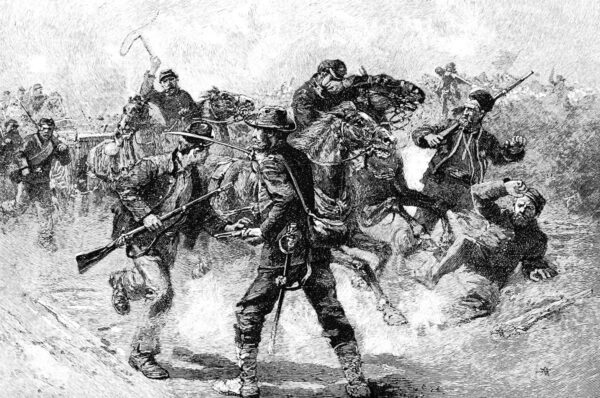
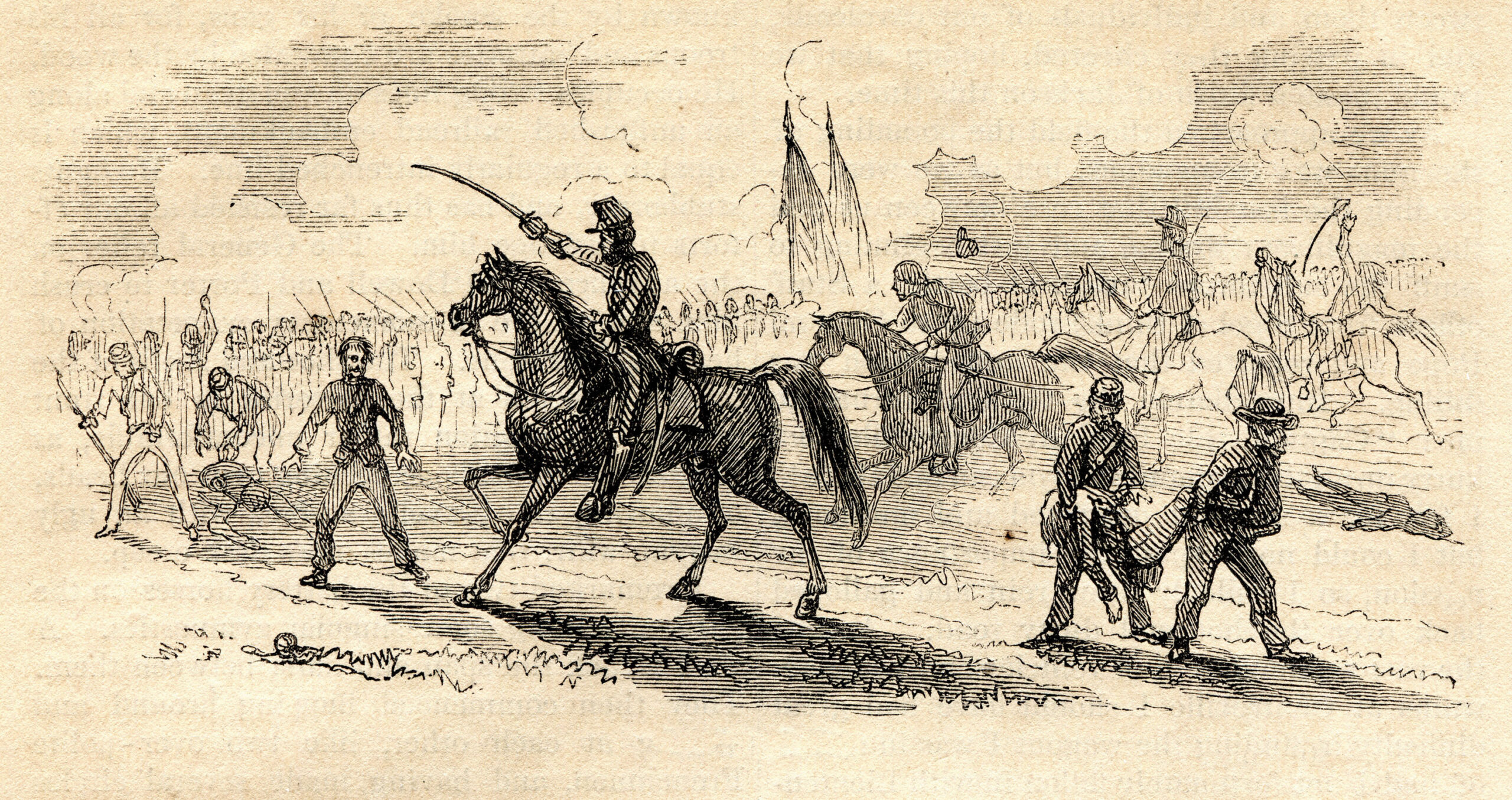
In this postwar illustration from Harper’s New Monthly Magazine, a Union officer admonishes a soldier for shirking his duty during battle.
“There are no better opportunities for shirking than those afforded the soldier. It was noticeable upon our late march that whenever cannonading commenced at the head of the column … scores of men commenced falling out and laying down by the side of the road.”
—Zenas T. Haines, 44th Massachusetts Volunteer Militia, in a letter home, December 22, 1862
Mary Boykin Chesnut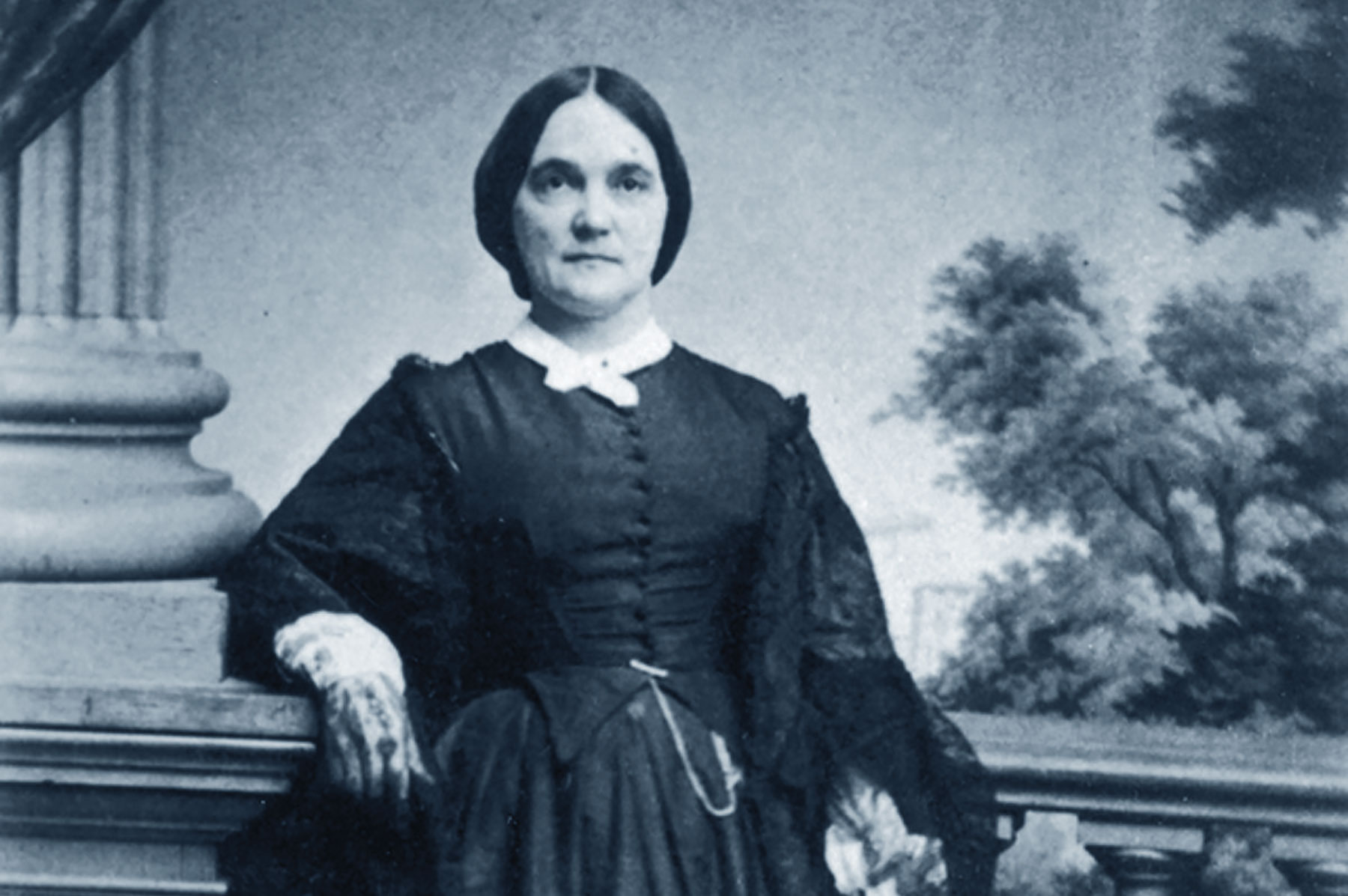 National Archives
“General Lee says to the men who shirk duty, ‘This is the people’s war; when they tire, I stop.’”
—South Carolina diarist Mary Boykin Chesnut (above), on the coming end of the war, in her diary, March 30, 1865
Captain William Penn Lyon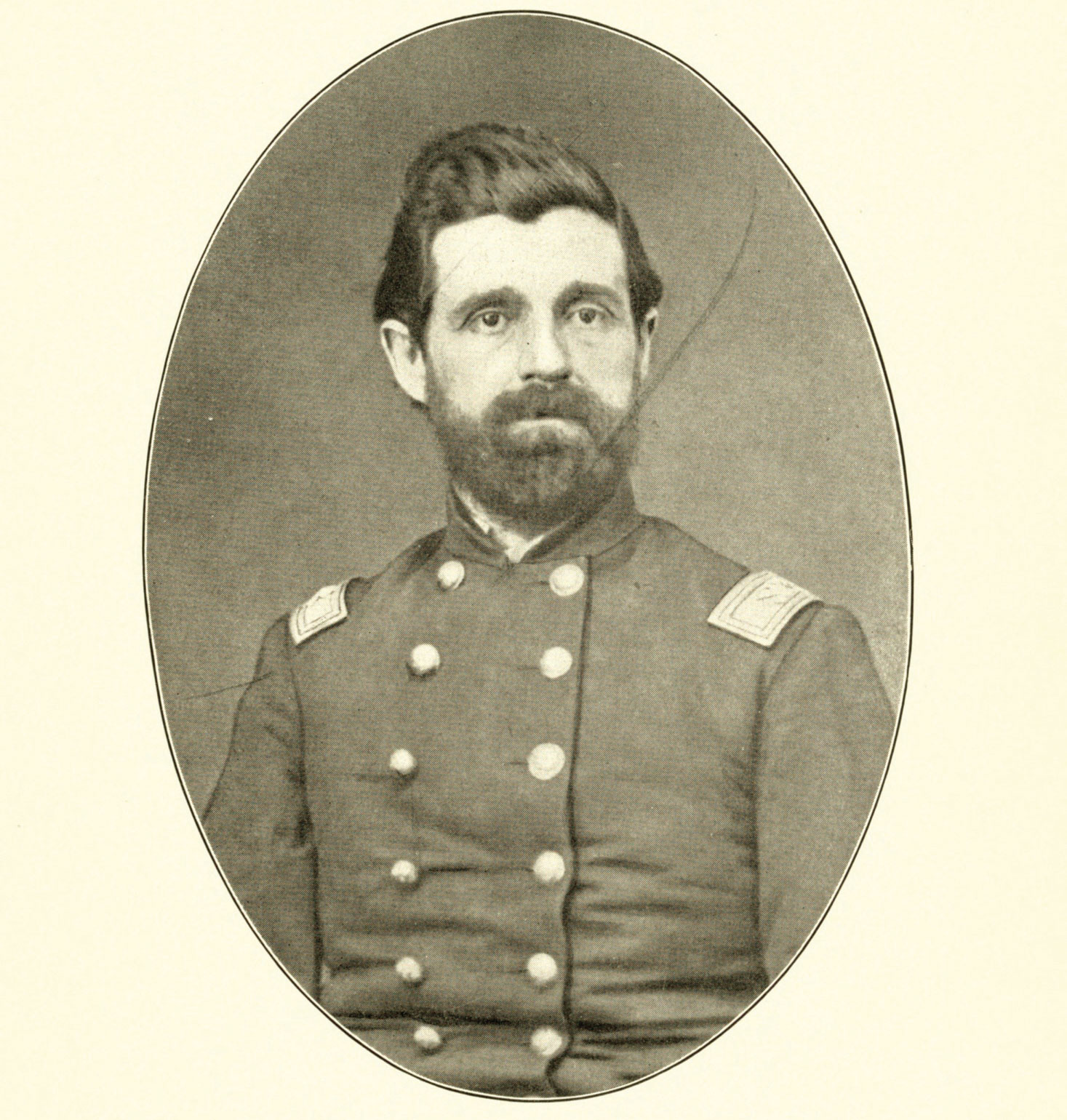 Reminiscences of the Civil War
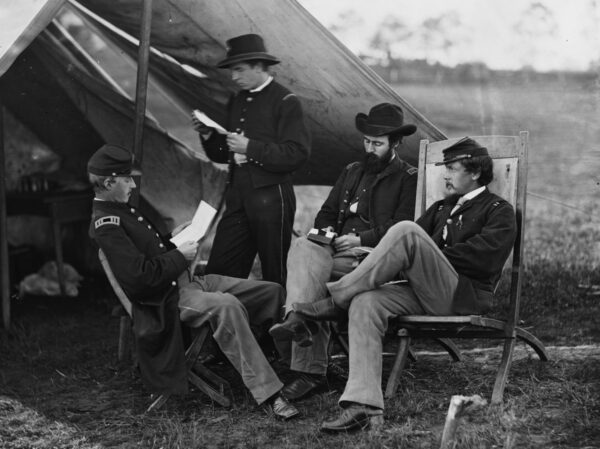
“As usual, I shirk a good deal. For instance, I make the sergeants and corporals take charge of the company at morning drill, under pretense of their learning how to give the commands! Then I divide the company into squads, and put a sergeant over each squad, charged with the duty of seeing to the men—their cleanliness, their arms—in short, everything. This I do under pretense that the ‘Regulations’ require it.”
—Captain William Penn Lyon (above), 8th Wisconsin Infantry, in a letter to his wife, July 13, 1862
Civil War soldiers gathered around a small campfire.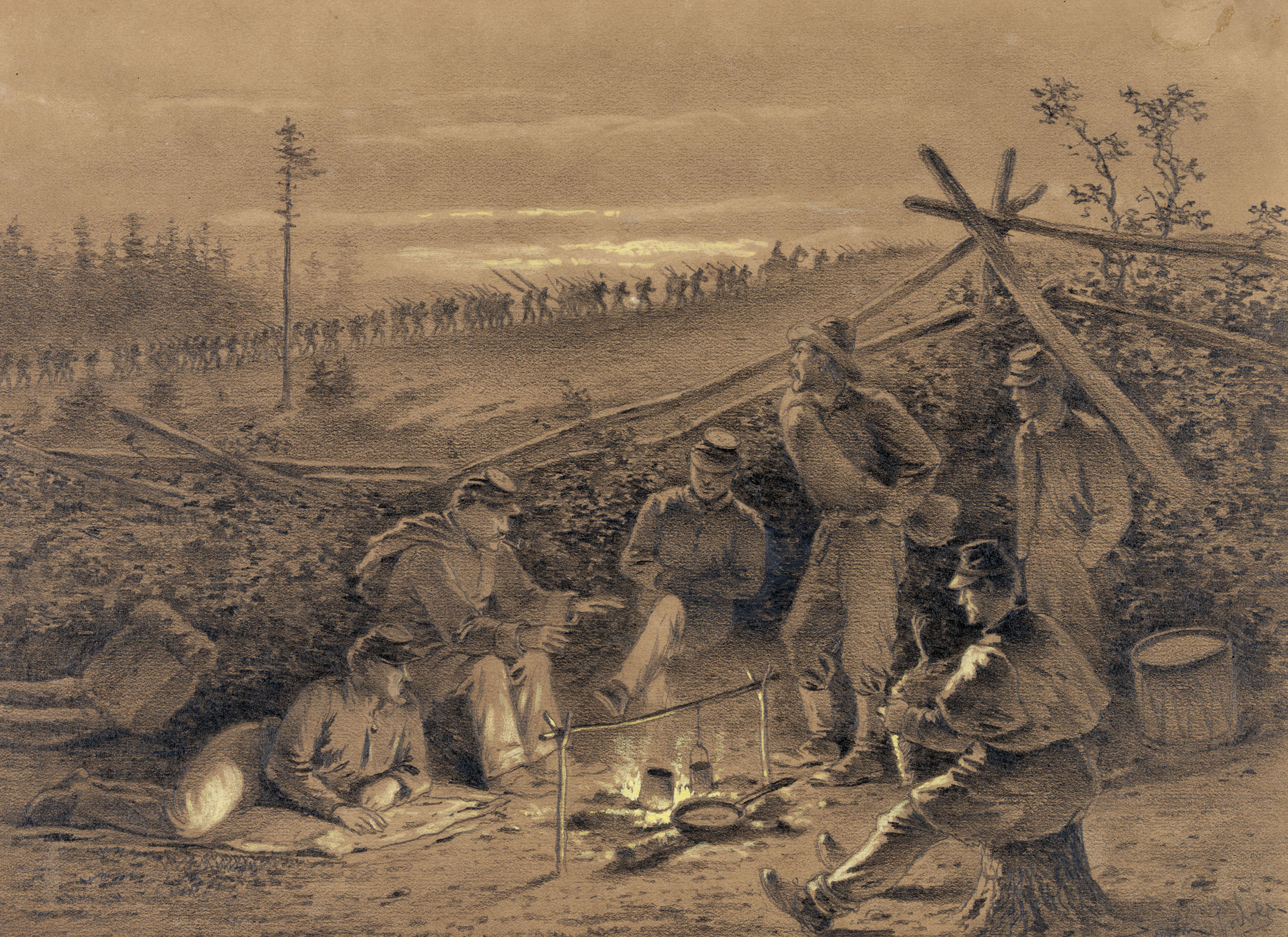 Library of Congress
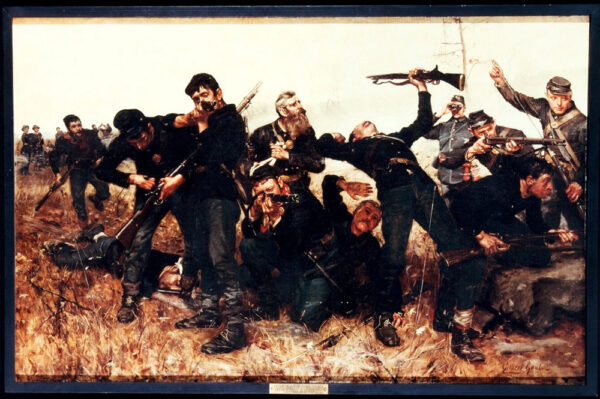
“There are more ways than one of shirking a battle, for which purpose some are even willing to part with a finger or toe.”
—Osborn H. Oldroyd, 20th Ohio Infantry, in his diary, June 18, 1863
Civil War soldier sits against a tree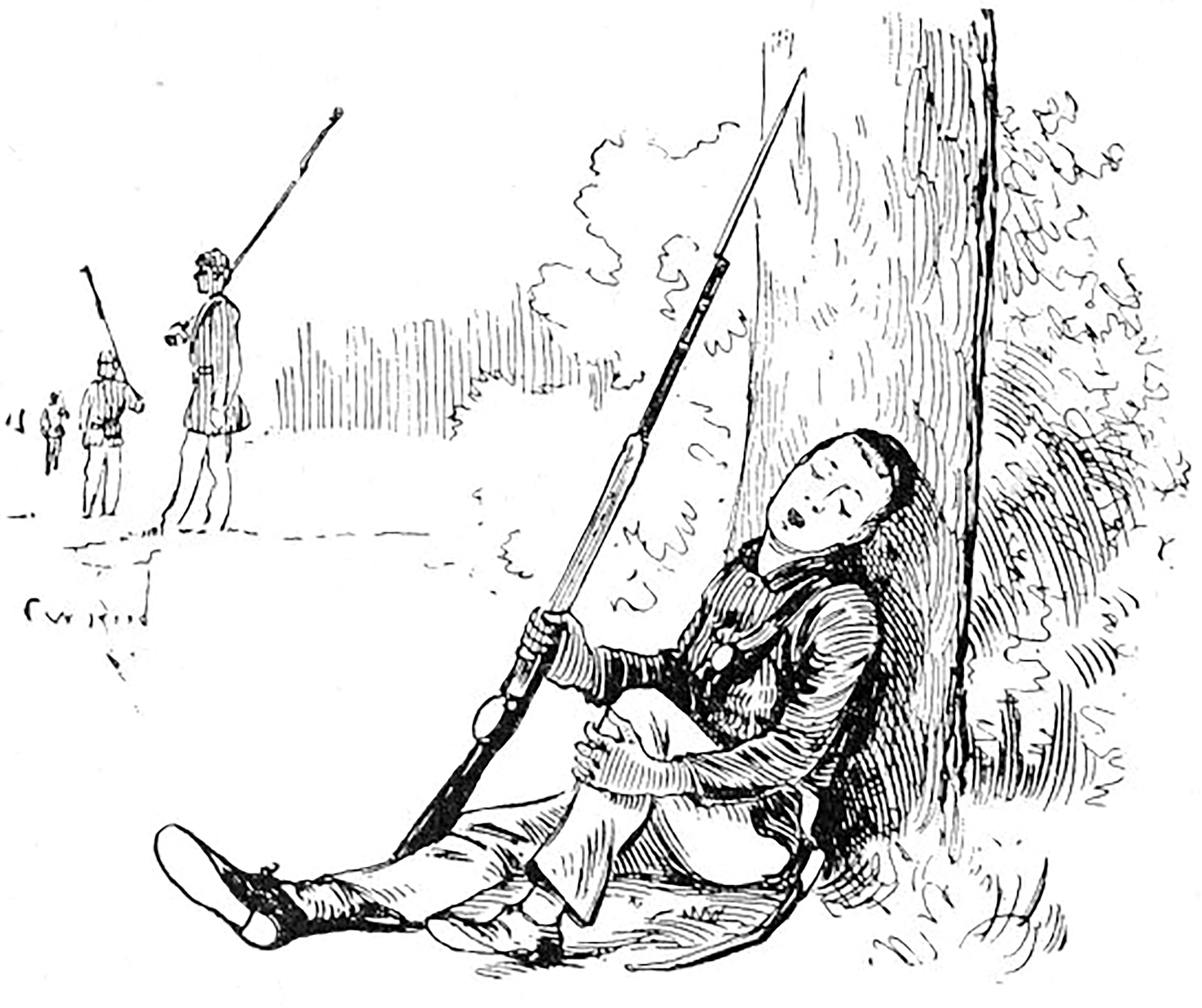 Hardtack and Coffee
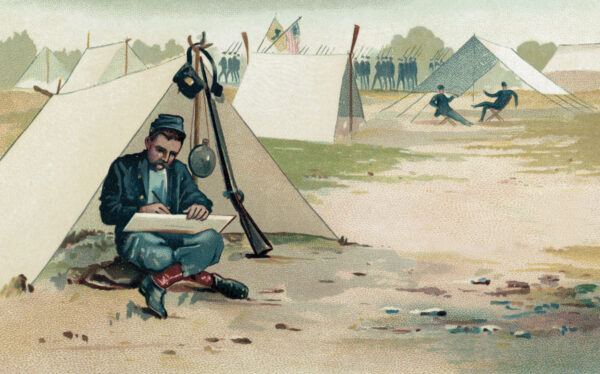
“It was a sad fate to befall a good duty soldier to get on to a detail to procure wood where every second or third man was a shirk…. Many of these shirkers would waste a great deal of time and breath maligning the government … for requiring them to do such work…. But it was noticeable that when the fight came on … they then appeared just as willing to bind themselves by contract to cut all the wood in Virginia, if they could only be let go just that once.”
—John D. Billings, 10th Massachusetts Light Artillery, in his memoirs
Sources
A Diary from Dixie (1905); Letters from the Forty-Fourth Regiment M.V.M. (1863); Hardtack and Coffee (1888); Reminiscences of the Civil War (1907); A Soldier’s Story of the Siege of Vicksburg (1885).