Jonathan S. Jones discusses how and why soldiers were exposed to alcohol and narcotics during the Civil War—and the devastating addiction crisis many faced long after the conflict ended.
Transcript
John Heckman: Jonathan, thank you so much for being here on the podcast.
Jonathan Jones: Thanks for having me. It’s a pleasure.
John Heckman: When you first began reading soldiers’ accounts of pain and coping, what struck you about the ways in which they reached for alcohol or narcotics in the first place?
Jonathan Jones: Yeah, that’s a great question, and my answer may sound funny in a humorous way, but I don’t mean it that way: You never become a Civil War historian to talk about diarrhea. But what I found when I started researching the history of substance use, whether it’s alcohol or opium or another kind of medicine, is that so many soldiers reached for these substances to self-medicate for what we would frame as physical problems, not so much emotional or psychological problems. And I think that a good example of that is diarrhea, like I mentioned a moment before. I was shocked by just the sheer number of Civil War soldiers that devoted whole paragraphs in their letters to describing in excruciating detail their bowel complaints. “I contracted the runs at this creek in the camp that we were in, and two weeks later I still have it, and I’ve tried every medicine in the sutler’s or that I could get from the regimental surgeon, and none of that works, and so here we are.” That’s a pretty typical scenario that would cause a soldier to reach for a substance. And again, the same could be said for anything from quinine to whiskey to etc., etc., you name it. They framed a lot of the suffering, the hardships that they endured that caused them to engage in substance use, in these very explicitly physical terms, which really surprised me. I expected to read a lot more accounts where soldiers were saying, “I have the blues,” like the emotional blues, or, “I saw my best friend get shot, and so now I need to numb that memory with some morphine.” I do find traces of that in the primary sources, but the vast majority of soldiers that describe their substance use did so more so in what we could consider to be physical terms.
 USAHEC
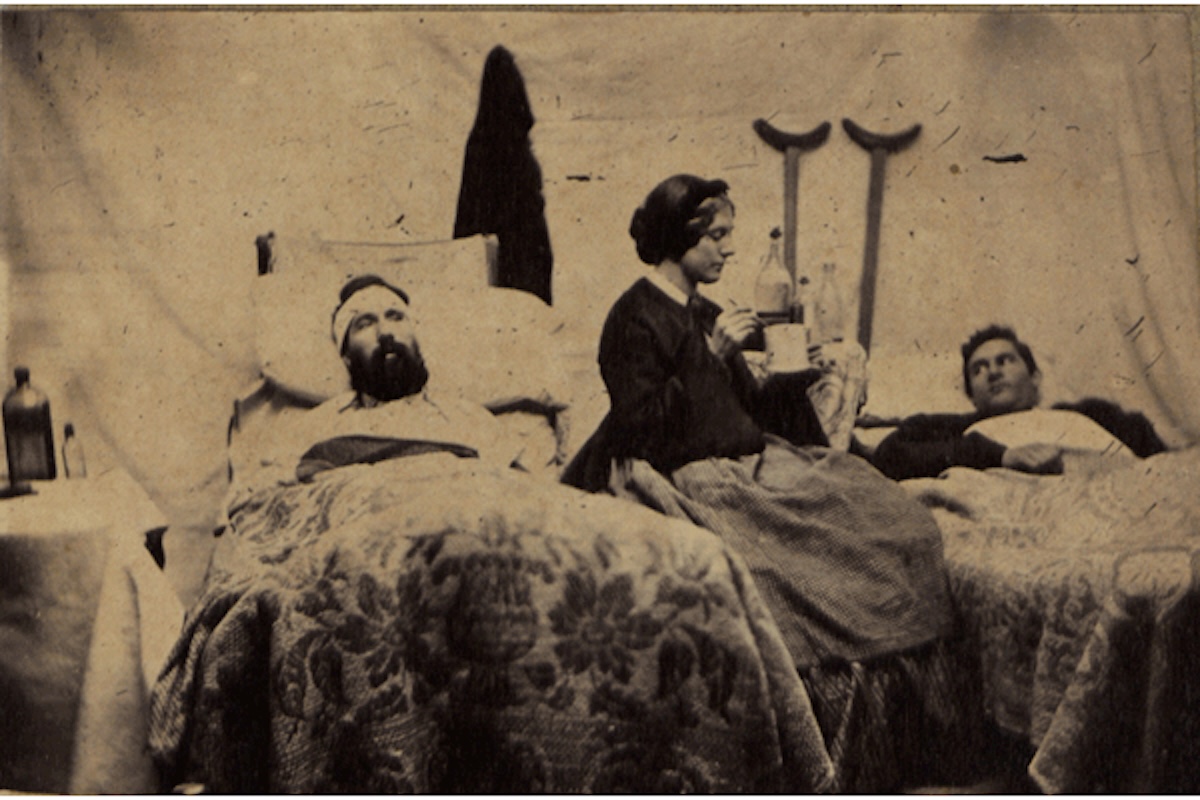
Nurse Annie Bell tends to wounded soldiers after the Battle of Nashville. Many injured troops, North and South, would become addicted to opiates.
John Heckman: Why do you think that is, Jonathan? Do you think it’s a cultural thing where they just don’t talk about those aspects of their lives, they’re afraid to, or like they won’t be seen as manly enough, where they just don’t feel like they should be talking about having nightmares about something, and this is my only way to cope, etc.?
Jonathan Jones: Absolutely, yeah. I think that a lot of Civil War soldiers were so—when they thought consciously about these issues—pinned in by 19th-century gender constructs that stressed manly stoicism and bravery and courage. They’re so animated by these beliefs that they hold, that society around them holds and expects them to uphold, that anything that defies those ideals is not something that they necessarily want to deal with. So you can see the same kind of dynamic in descriptions of soldiers in combat. You can see it in descriptions of soldiers in hospitals dealing with pain. And you find the same kind of dynamic at work, sometimes explicitly, but even more so between the lines in descriptions of soldiers and substance use.
I have found examples where soldiers talk about how the stress of battle, like the anxiety of battle, causes them to engage in substance use. Certainly, that’s true. But overwhelmingly, most soldiers who admitted to substance use, who wrote a lot about it, left these really gripping firsthand accounts of substance use, were hesitant to use that kind of language. I think the gender thing is a big part of it. I think also the kind of vocabulary that was available to them was so different than the really widespread vocabulary that we have today. Like, we have, in 2026, 100 different words to describe psychological trauma that we would associate with substance use today. Back in the Civil War era, though, we’re talking about a much more limited vocabulary. So, a lot of soldiers I found simply lacked the words to describe what they were feeling. And that admission of a lack of a vocabulary is actually really common in Civil War letters. It’s kind of a cliche where a soldier will write, “Dear Father, I lack the words to describe the horrors that I’ve gone through.” And so, I think that helps us explain some of the silences or in-between-the-lines implications when we’re dealing with taboo things like substance use and Civil War soldiers.
John Heckman: Was there any kind of understanding among the military medical system about what dependency was when we consider the idea of alcohol or narcotics, or is this something new to them?
Jonathan Jones: Yeah, they definitely had a lot of experiences with dependency and a lot of commentary. With that said, the medical establishment’s ideas and what they described and observed about dependency to substances wasn’t static. It was in constant flux. So, doctors debated with each other about how alcohol or other substances should be used medicinally. What are the upshots versus the downsides such as dependence or poisoning? Officers, famously officers, debated, “How much whiskey should we allow into camp?” Confederate states and individual Union armies and their commanders tried really hard to crack down on certain substances while other officers were like, “Oh, it’s medicinal whiskey. We need this for medicinal purposes.” And so that created this kind of whirlpool where in the same army, in the same society at war, you find 100 different takes on substance use and what that means for the military, for the prosecution of the war.
One good example is this contrast between patriotism and medical need. A lot of people, especially people who were more temperance-minded, like doctors who’d come from temperance backgrounds, doctors who tended to be more well-to-do, I feel like anecdotally fell into this bucket. When they were describing substance use, when it became a problem, in other words, when it escaped out of their control and when individuals like soldiers were engaging in substance use of their own accord, of their own volition, not through a doctor’s prescription, those doctors, again, the kind of temperance-minded folks, tended to describe that as bad. It could be unmanly. It could be sinful. It could be even disloyal, like you’re undercutting the Union’s military cause or you’re undercutting the Confederate war effort by engaging in substance use and trafficking it and sale and all kinds of things like that. Other doctors didn’t share those opinions at all, and in the same hospital, in the same unit, you could have both of these perspectives and many others operating simultaneously.
 Harper's Weekly
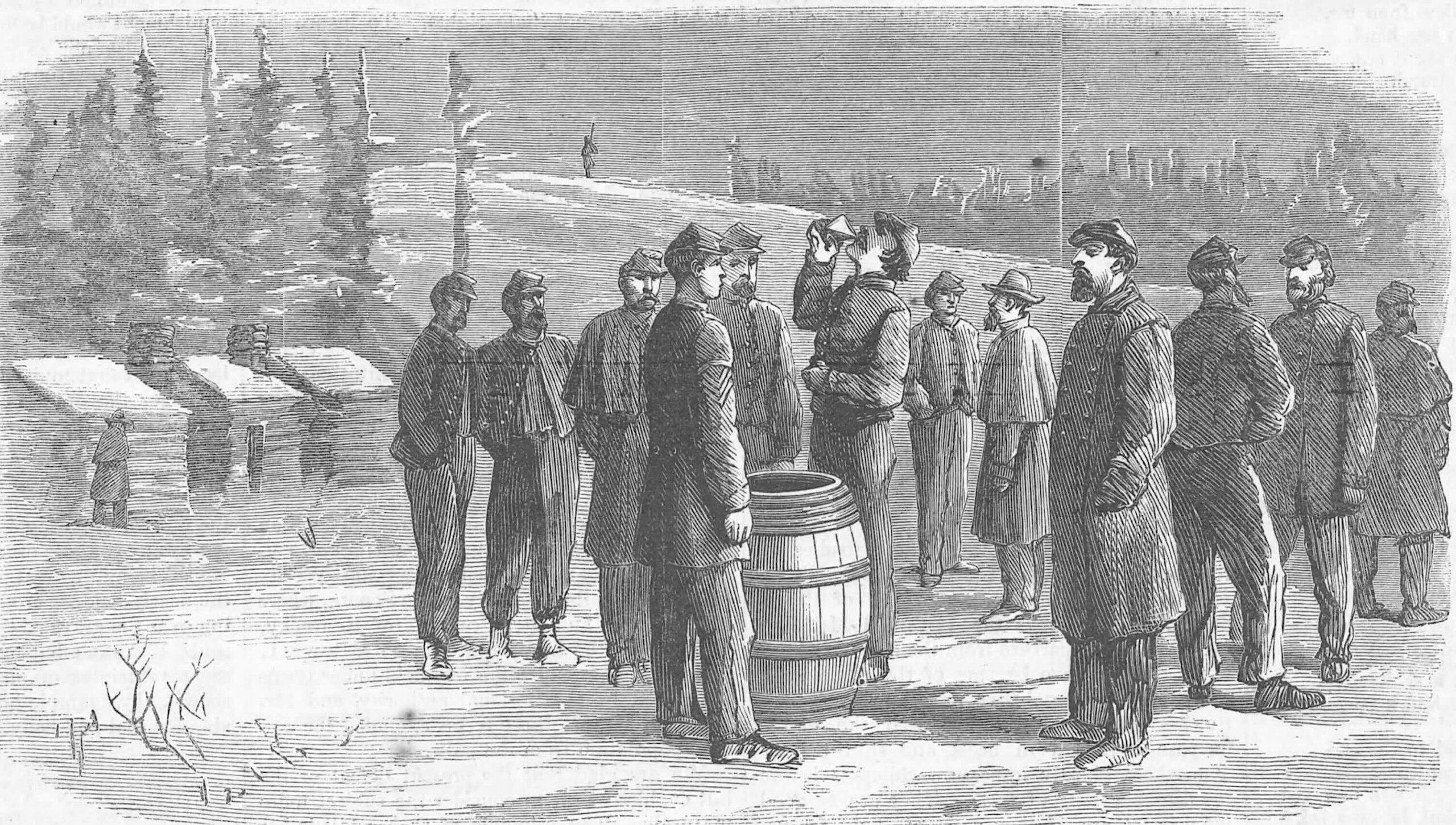
Union soldiers are depicted receiving rations of whiskey and quinine in winter camp at Petersburg, Virginia, in this Harper’s Weekly illustration from 1865.
One thing that I will also add that I see a lot come up in the primary sources and that I write about in my own research is this idea that substance use equates to cowardice. There are a lot of soldiers who are dependent on substances—again, the whole range of substances from opiates to alcohol to other kinds of stimulants—to get through the ordeal of the war. They’re sick all the time. They’re stressed out. They’re lonely. They’re far away from home. Maybe the older guys in the camp are teasing them. There’s a million different reasons to use substances. But a lot of the observers who looked in on that kind of substance, be it officers or surgeons, would describe that kind of substance use, what we might consider like you’re coping with stress, they would describe that as cowardice. Like, “This soldier is too much of a coward to charge into battle unaided, so he’s using morphine or tobacco” or whatever. And so, I think those two dynamics, again, the sort of unpatriotic, you know, in air quotes, use of substances and the cowardly use of substances were some of the two most prolific opinions that were shared by the officer class, the surgeon class.
John Heckman: We also see that a lot when they’re talking about a bad leader in general. They often say, “Oh, they must be drunk all the time because they don’t know what they’re doing,” right? So, if you’re not in the right mindset, you’re not with the cause as a whole, so you must just be a terrible leader as well because you’re drunk all the time.
Jonathan Jones: Totally. Yeah, absolutely. So, there’s numerous allegations that are levied against different officers, different generals throughout the war on both sides where substance use is alleged to be the cause of bad performance at a battle, or apparent cowardice, or somebody’s acting weird at headquarters and they must be drunk all the time. And we can think of a million different examples. In my experience, having tried to fact-check a few of those allegations, they usually end up being bunk. It’s a convenient way to explain away someone’s bad battlefield performance. I think that speaks to how prolific these really negative stereotypes about substance use were in the 19th century. If someone sucks as a military commander, “Oh, they must be using opium,” right? Or, “They must be drunk all the time.”
What I was also really surprised by, I’ll add to this thread, is the number of times that these allegations were levied against junior officers and soldiers to the point that they surface in court-martials. The army, particularly the Union army, we have a lot more records from the court-martial process than on the Confederate side, because a lot of the Confederate records were destroyed. But on the Union side in particular, and we can assume that this is in the Confederate side as well, there were no real explicit rules or regulations against opiate use. But if a person committed another military crime, like a dereliction of duty or conduct unbecoming or whatever, if there were substances like opium or morphine involved, or even alcohol involved, then those could amplify charges because they would help explain away charges. I found a number of surgeons, just to give another example that gets thrown around a lot, famously, soldiers were often quite suspicious of the surgeons that treated them, and that could also come into play with allegations of substances, right? So, if there was a surgeon who was seen to be too brutal, like too blunt with the people under their care, or maybe neglecting the soldiers that they’re tasked with treating in a hospital, “Oh, well, they must be on opium,” right? “They must be drunk because they’re not carrying out their duties.” That was a pretty common allegation as well.
Sometimes, I think more so than the allegations that are thrown against generals of being intoxicated, those allegations against junior officers, sometimes the surgeons, as well as enlisted personnel, have a lot more oomph to them because there’s actual evidence to back many of those assertions.
John Heckman: What about access and permission for this kind of thing? Because it seems like sometimes officers have more permission to use than enlisted men do, seemingly from a layman’s terms looking outside in. As someone who hasn’t done this research on this particular topic, it seems like there’s a difference there. Is there a difference between what we see and how this access is generated?
 Library of Congress
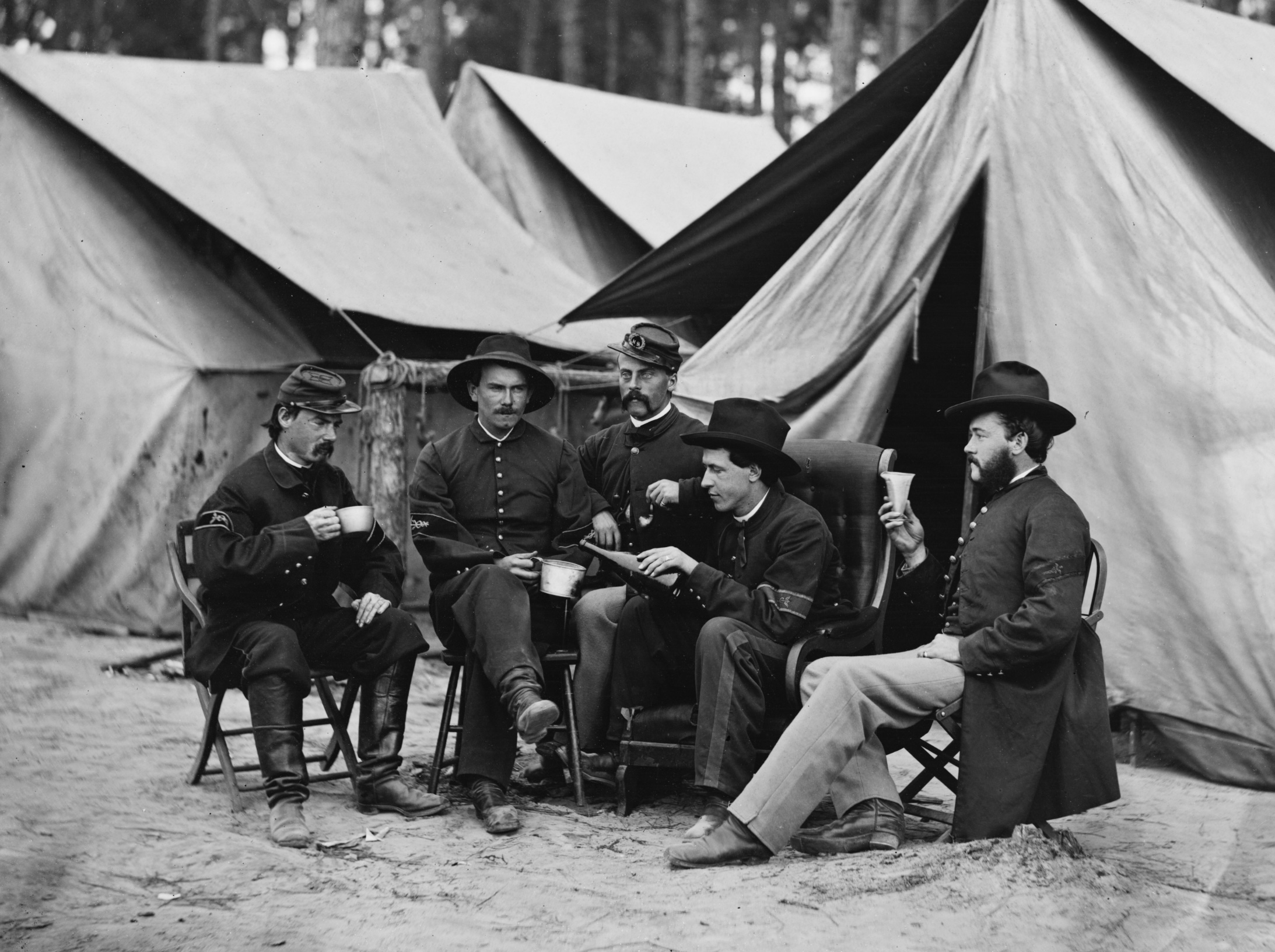
Hospital stewards of the Army of the Potomac’s IX Corps share a drink in camp.
Jonathan Jones: Definitely. A good rule of thumb is that in the Civil War, if you want a substance, if you have enough money, if you have enough connections, you can get it. However, with that said, according to the rules of the game in the mid-19th century, in the Union and Confederate army, officers are supposed to be able to drink licitly. Officers are allowed to have liquor, they’re allowed to drink liquor. There’s social rules that are at play. There’s ideas about temperance that are also at play. But the army doesn’t usually bar officers from possessing alcohol, from drinking it. Soldiers, on the other hand, it’s a different question. So in the Union army, for example, you have a lot of officers that are temperance, they come from temperance backgrounds. “My dad was a temperance man, I’m a temperance man, and the soldiers under my care, I being a kind of fatherly figure to them, they’re also going to be temperance men.” And individual officers going all the way up to the officers who are in charge of military districts and whole armies on the Union side try to implement rules banning alcohol.
There are many ways to get around those rules. So famously, again, if you want alcohol, you could probably find a way to get it, even if your commander tries to ban it. And one easy form of access was to go through the surgeon. Surgeons, for the majority, believed that whiskey could be a stimulant, it could help you deal with fatigue and different kinds of illnesses, and so they would tend to give it out prophylactically. And so you might be under the command of a temperance officer who’s hell-bent on keeping you from drinking, but you can go to your surgeon and get your daily medicinal dose of whiskey. Maybe you can save up some of those doses and sell them, or get them from a buddy. And so it’s really not that difficult in the grand scheme of things for soldiers to get access to these substances.
Opiates are a little bit trickier, because the supply of alcohol is so much more than the supply of opiates. That’s not to say that opiates were in scarce supply. Opiates are everywhere during the Civil War. The access really wasn’t that hard, but in order to get opiates, the most common pathway was to be hospitalized or to go and see your regimental surgeon, and they would give you a dose. So a little bit different access there. In the Confederacy, a lot of individual Confederate states tried to really implement stringent rules around liquor trafficking and liquor distilling. The idea was that liquor is taking away from grain that might go to feeding the army, and so a little bit of a different dynamic there. But I think, either way, Confederate soldiers were generally, anecdotally able to access liquor if they really wanted to. There’s also a lot of smuggling going on.
John Heckman: Did you see any kind of changes in frequency when there’s an intense engagement on the battlefield, or when someone is completely removed from the battlefield environment? Did you see some kind of a change then in frequency of use?
Jonathan Jones: Yeah, and other historians have noted this, too. The kind of pattern is that soldiers in camp tend to drink a lot, especially when they’re in camp for a long time, when they’re relatively stationary and the supply can catch up to them. Also, they’re bored, they’re spending their time in different ways than they would if they’re about to go into combat or if they’re in the middle of a battle or in the aftermath where they’re dressing their wounds. And so, again, in between engagements, especially in long-term encampments, that’s when alcohol use tends to surge. Coincidentally, that’s when we start to see lots of court-martial cases. Like, “Was in camp in Kentucky, he was drunk for two weeks, and then we put him up on charges.” You do see some heavy alcohol use during battles, a coping mechanism, but because of the nature of combat, it’s hard to be guzzling, like, a whole barrel of whiskey while you’re also running from place to place trying not to get shot.
Opiates are a different pattern. Yes, there’s a lot of opiate use that goes on in camp, especially where soldiers are sick. They’re living in a place where they might contract an illness, and so that environmental exposure to illnesses causes a sort of knock-on effect where they’re more likely to use medicines. But after battles is really, I think, been kind of shocked by the amount of opiates that are used in the aftermath of battles. A lot of that is what we might call medicinal. Like, they’re using morphine because they’ve been shot, or they’re in a hospital for two weeks and they’re being given opium two or three times a day. I have found that some soldiers did use opiates before going into battle as a way to calm their nerves. That’s how they would explain it. “I’m fatigued, I’m going into battle, I need to calm my nerves,” and a hit of morphine or a dose of morphine will do that. And so, you do see some of that, although not as common as on the after side of battle.
John Heckman: We’ve brought up surgeons a number of times so far in this conversation, but did they also have issues with this kind of thing? Are they trying to cope and finding ways to do it because they have the ability just to reach over and grab a bottle or to take something from the hospital, the field hospital, or even nurses? Have you found that in any of your research where hospital staff is also medicating themselves basically to get through it?
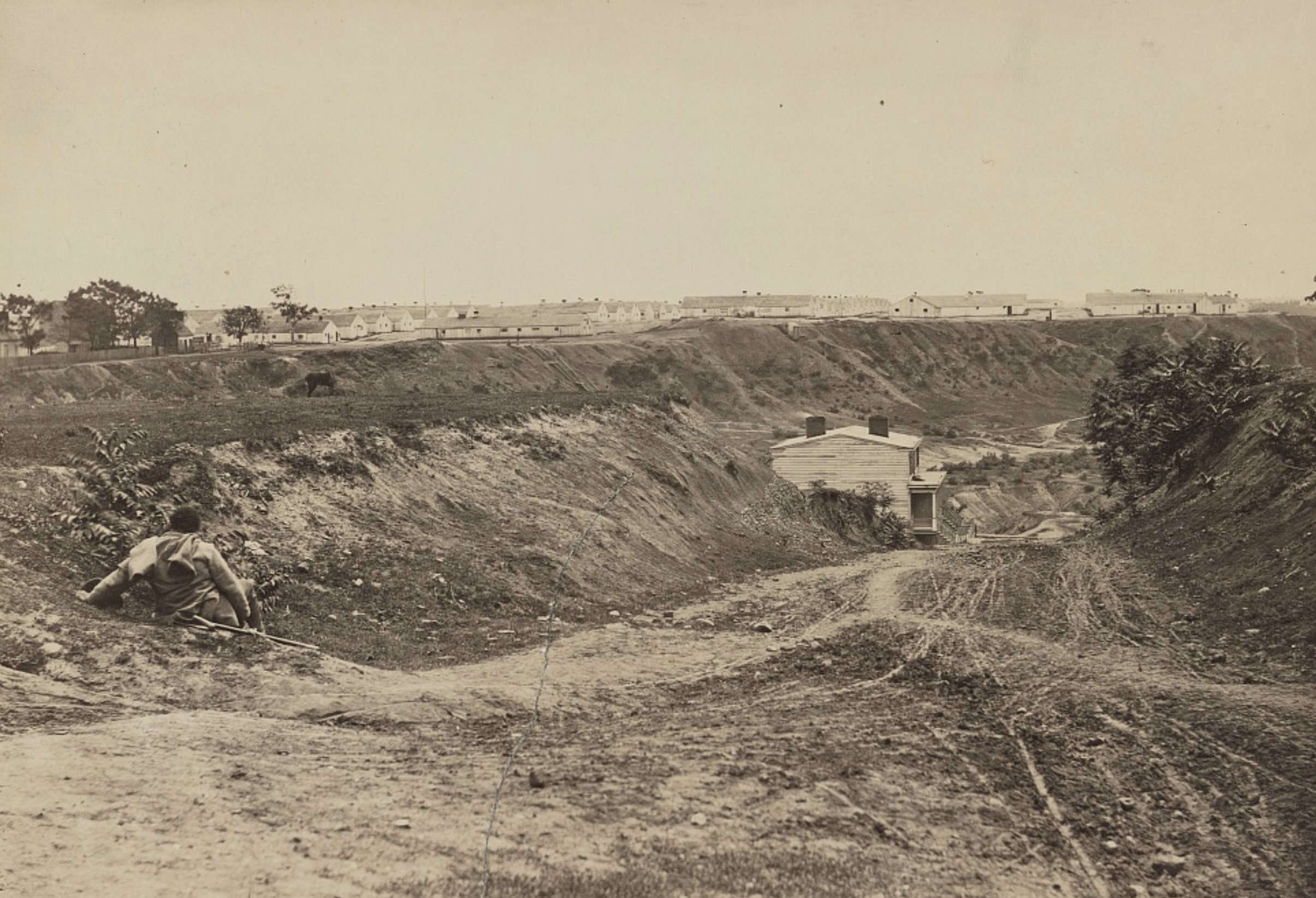
Jonathan Jones: Definitely, yeah. And of course, that’s kind of the cliche, right? The doctor who dips into his own supply or the hospital worker who steals from the drug cabinet. But I think there was a lot of truth to that during the Civil War. These are high-demand substances, not only for personal use, but also for smuggling or for resale. And there are a number of instances during the war where surgeons are put up on court-martial charges for becoming addicted to alcohol or morphine that is entrusted to them as a medical supply for their hospital. There are also a number of these really juicy, really interesting cases of, like, apothecaries or hospital workers stealing from hospitals and selling stuff on the side that I’ve always been really interested in. For example, at the massive hospital compound in Richmond, Chimborazo, at one point about halfway through the war in 1863, Richmond newspapers reported on what they called a leak in the drug supply at Chimborazo. There was apparently a black-market ring that started with this apothecary who was stealing morphine, really marking up the price considering the blockade, and selling it on the black market. In this case, we do have somewhat of a truth to those cliches about, like, stealing from hospitals and the surgeon who dips into their own supply.
 Library of Congress
Chimborazo Hospital, Richmond, Virginia
John Heckman: I was wondering about that, especially after I’d read your book, about the supply chain involved with this. And I also wondered if sutlers are even involved because they’re going in and out of camps a lot, and they can funnel things into camp that maybe no one knows about except a select few of soldiers of a company or maybe even a regiment, maybe the enlisted men would know. Have you found that this is a new way of an illicit drug ring, if you will, of the 19th-century kind, where not just sutlers, but people, like you say, from the hospitals are actually taking this out into the public and they’re jacking the price up because they know they can make money off of it, and they’re becoming what we would pen as drug dealers now?
Jonathan Jones: I think that’s a really interesting way to think about it. One difference that I would make between the Civil War-era smuggling, which I have more to say about, but between the Civil War-era smuggling and drug trafficking or smuggling in our own era, we have all these laws in the United States and in a lot of other countries that criminalize narcotic use and possession and sale. Back in the 19th century, there are no laws like that. Yes, the army, both in the North and the South, individual states, localities have regulations around alcohol, but not so much around narcotics. That doesn’t really come into play until the early 20th century. And so with that said, when we say drug dealer in the Civil War, we’re not really talking about the equivalent to a drug dealer in 2026, if that makes sense, because of the absence of penalties.
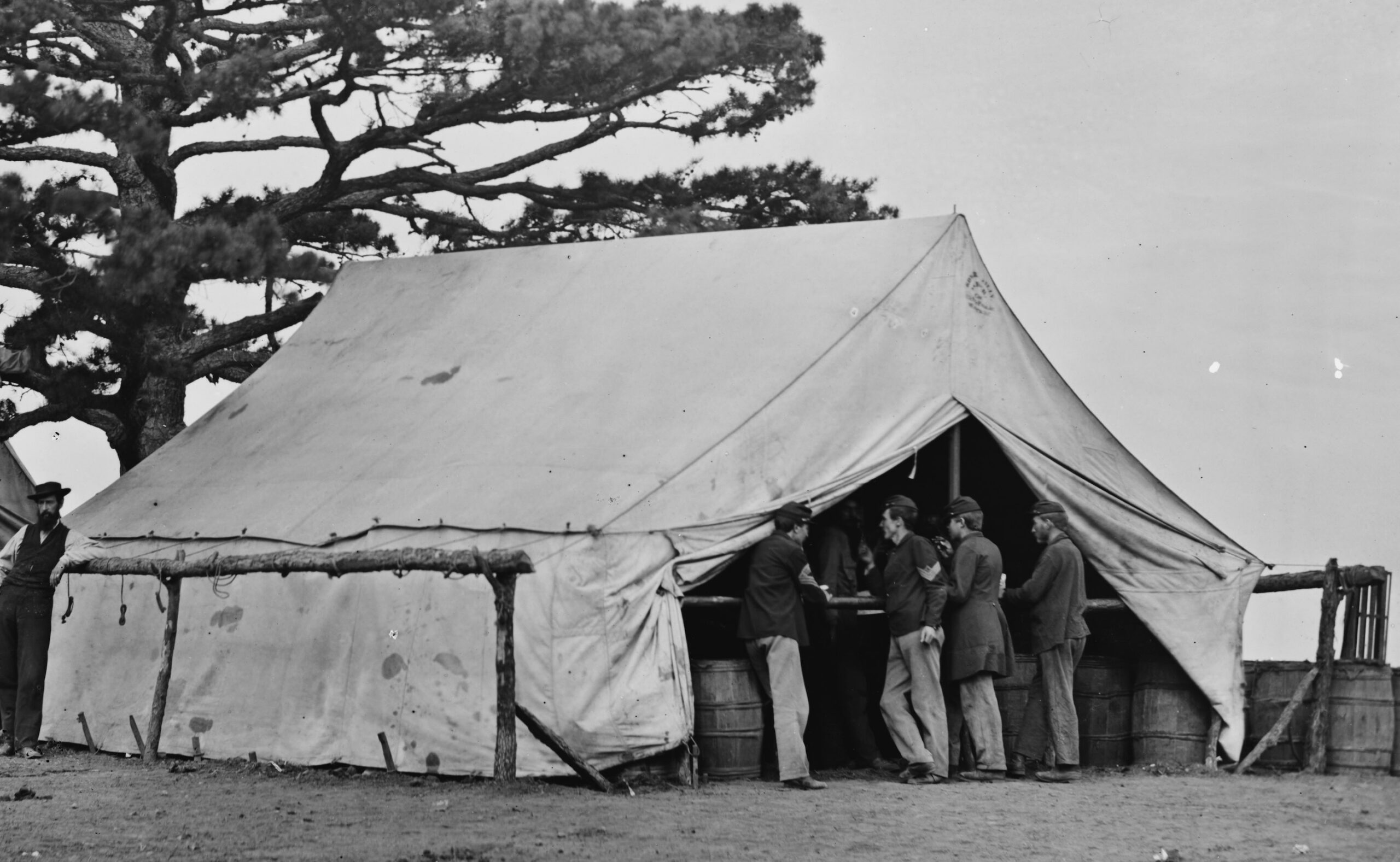
But with that said, I think that with war goes opportunities to make money by selling stuff. And so that is definitely a dynamic that’s at play with the supply of substances during the Civil War. You have a huge number of people, millions of people all at once, who get sick, who have pain. They all need substances, or at least many of them need substances, to cope. And so, there’s this incredible crunch in the demand in the early 1860s where alcohol prices, opiate prices start to climb really rapidly, especially in the Confederacy, where it’s harder to get these substances. Opiates all have to be imported into the United States at that time, as well as the Confederacy. And I do think that it’s really interesting to see people removing substances from the formal channels where they’re supposed to be, like hospitals, taking them out into the alley behind Chimborazo and selling them. Sutlers are a big part of that, especially for alcohol. When I first started researching opiate use and the Civil War, I expected to find that sutlers were going to be, like, the quintessential dealer of opiates. But what I found by looking through sutlers’ records, you don’t see that so much on the books. And so, for me, that’s an open question. Are sutlers also selling? We know that sutlers were peddling alcohol, and they could get kicked out of the war area, the kind of camp area for that. Are they doing the same with other substances that are in high demand? Probably, but we don’t have a ton of records for that.
 Library of Congress
Union soldiers gather to purchase items at a sutler tent in camp.
John Heckman: Does this war take place at a time when opiates are being used much more than we realize they’re being used, or is this war actually the starting point of something new?
Jonathan Jones: It’s a bit of both. I know that’s a frustrating answer, but opiate use was everywhere in the 19th century. These are substances that were among the most commonly prescribed medicines in the 19th century. Opium, to give one measure, was present in about half of all prescriptions that were filled in 19th-century pharmacies at the mid-century point. We know that through a number of surveys that have been done of pharmacy records at different points in time, different places. These are really commonplace substances already.
The kinds of reasons that people took them for, we think of people today, the stereotype of using drugs recreationally. Again, there are no laws that say that you can’t use narcotics for whatever reason you want in the 19th century, so the context is different. And so, a lot of the opiate use back then, we would, I think, frame it more in medicinal terms. People are using opium to self-medicate for a variety of different ailments. When we combine that with the Civil War, that knowledge that opium makes good medicine, and during the war you have a massive health crisis, it’s not a surprise that opiate use skyrockets during the Civil War, remains high, and also in the postwar period, for other reasons, opiate use continues to climb and escalate into an epidemic.
John Heckman: What about the attitudes in that postwar realm? Are there changes in the attitudes around some of these opiates because of so many veterans who are now hooked on them because they had them in the hospital to deal with pain or some other trauma?
Jonathan Jones: Yeah, so this has been, for me, the most interesting part of learning about, researching, and writing about substances and the Civil War. I’ve always been really interested in the question of whether the Civil War actually changes a lot. It’s like an apocalyptic conflict that rips American society in two, and then it’s put back together really rapidly. When they reassemble the pieces, are they in different shapes? Like, how much has society changed by the Civil War? It’s always been a big interest of mine and many other historians as well. You do see changes in attitudes about drugs and in usage patterns. For example, take usage patterns. Opiate addiction has been present in the United States since the Revolutionary era, at least as far back as the days of Benjamin Rush and the Constitution era. With that said, there had never been a huge number of cases all at once, especially among men. Most people who had been addicted to opiates before the Civil War in the U.S. had been women, just because of the kind of prescribing patterns. They were more likely to be prescribed opiates. You see that kind of gender dynamic at work. During the Civil War, you’ve got all these men for the first time, many of them, they’re consuming opiates heavily and in ways enough to get addicted and for a long enough time to become physically dependent. And so, it’s not a surprise that, starting with the Civil War, going into the late 1860s, the 1870s, the 1880s, you start to see American medical journals, newspapers, government reports, even mental asylum and jail records all singling out Civil War veterans as the new type of opiate users, kind of the new stereotype of opiate users. So, the demographic shift, some of the ideas that are held in pre-war America also start to crumble as these new guys are the new users that everyone is talking about.
Some things don’t change. So, there’s always, throughout the 19th century, this idea that if you’re an opiate user, you’re not manly enough. A lot of those ideas come back to ideas about dependency in the 19th century. Men are supposed to be independent, but if they’re addicted to a substance, they’re dependent on something that overpowers their will. And so, that doesn’t change so much, but some of the other ideas about opiate addiction start to fall by the wayside when Civil War veterans start to challenge them. For example, one of the pre-Civil War ideas about opiate addiction is that not everybody deserved treatment. If you were an opium user, you were a bad person, and maybe if you presented a particularly sympathetic story, you were worth saving. But not everybody.
Fast-forward to the 1870s, the 1880s, a lot of Civil War veterans feel deeply frustrated, even betrayed, by the surgeons who they say got them hooked on opium, but now they’re being blamed as bad people. They’re being kind of victim blamed. And so, starting really in the 1870s through the 1890s, Civil War veterans start to push back on that hard. They’re denied pension claims for their opiate use when they’re discovered. Pretty often, they’re kicked out of soldiers’ homes, places where they could go and get medical care. It’s discovered that they’re an opium user, so they’re kicked to the curb. Again, they really challenge that. They say, “It’s not my fault. The surgeon got me addicted. All these years later, I’ve never been able to stop using opium, but it’s still the surgeon’s fault.” And so, you start to see on the flip side of that, soldiers’ homes in particular become willing to start treating as opposed to disposing of people who are using opiates. They treat them in hospitals.
You don’t see much kind of traction with the pension system, but you do see a lot of sympathy among doctors who are being told by their patients that it’s the Civil War surgeon’s fault, not their own fault. And so, doctors actually start to formulate new ideas about addiction that posit that addiction is something in the brain as opposed to something in the heart or the soul. It’s a chemical thing that’s going on, not so much like a person’s inherent flaws that’s making them addicted. And so that makes more and more people seem like they’re worth treating, if that makes sense. So, some ideas change, some ideas don’t.
John Heckman: The old-fashioned story goes that the men came home from war, and they went right back to becoming farmers again and tilling the fields and such. Obviously, when some men are hooked on this stuff, they can’t do that, and that impacts families. What did you find is the impact to families in the postwar world when they have a husband or a father or a brother who is dealing with the effects of being hooked either on alcohol or opiates?
 Library of Congress
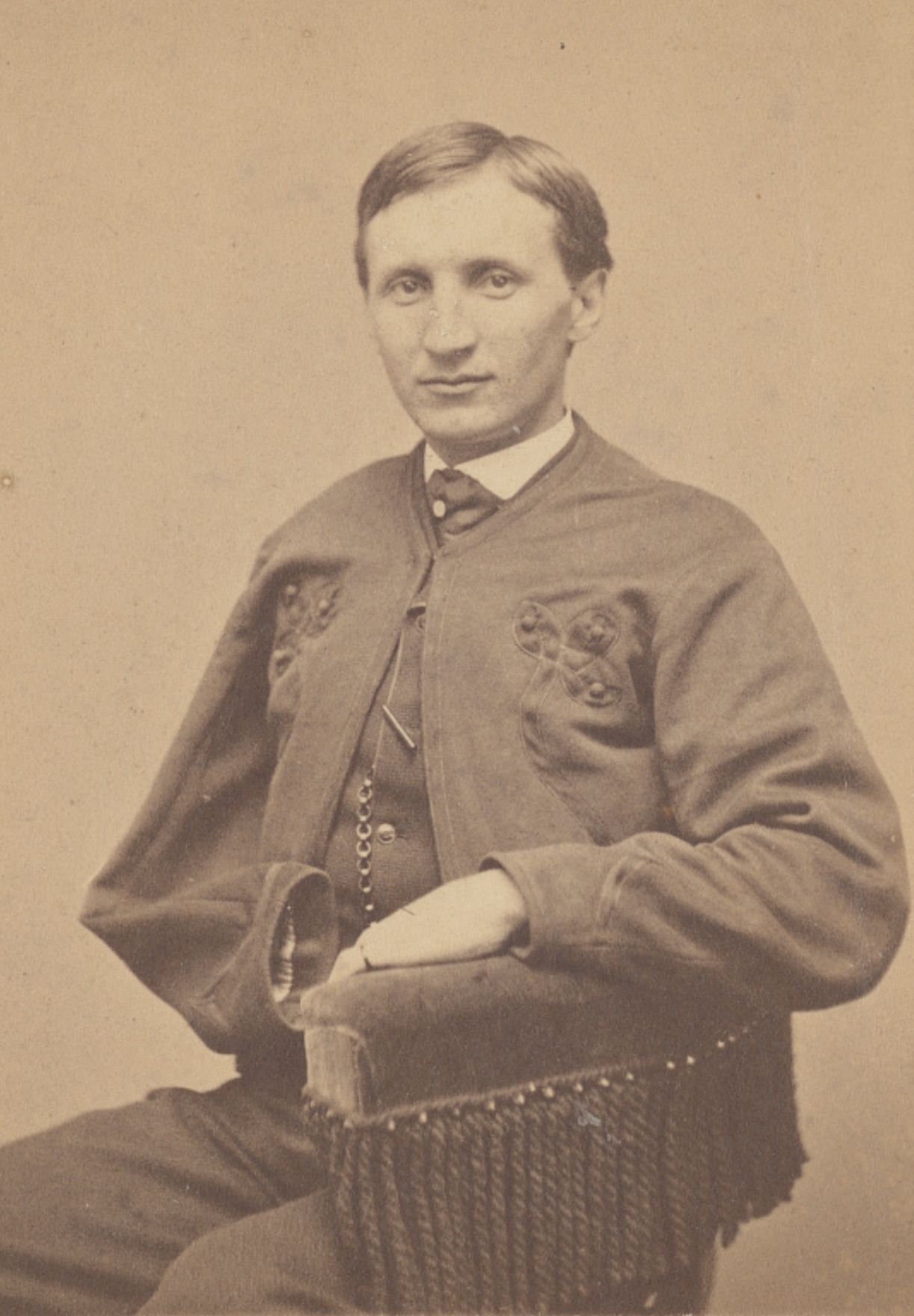
William A. McNulty, who lost an arm to amputation during his service with the 10th New York Infantry.
Jonathan Jones: It makes an already combustible situation even more combustible. Substance use really created a crisis in a lot of veterans’ families. Many Civil War veterans, we now know, returned home from the war unable to do the same kind of jobs that they had done before the war or that they would have done if they were old enough. So take farmers, for example. Being a farmer is hard work. It’s a lot of physical labor. For an amputee or someone who’s returned home with a debilitating gunshot wound that never healed, even though it’s not an amputation, many of them are not able to work in the same way, to the same physical degree that they had been able to before the war. So, their incomes are reduced. They’re not able to save money when their family’s expenses rise. They’re not able to pay for shoes or food or clothes or whatever. And so, veterans’ families, many of them are already on the bubble between poverty and survival. When you add in the cost of substances, addictive substances like opiates, they’re cheap, but it’s an added cost, not to mention they’re heavily stigmatized, and then there are knock-on costs of the denial of pensions, which are a lifeline for a lot of families. That just makes more and more stress, both financial stress, emotional stress, stress on relationships between married people, between fathers and their children, makes it all worse. And so I found a number of families that really had a falling out with their veterans over this issue of morphine use.
I want to be really careful, though, because it’s a kind of stereotype in our society that, “Oh, drugs destroy families.” And certainly, that’s true in some cases. In other cases, it’s not true. And so, I don’t want to give anybody the impression that opium ripped apart every Civil War veteran’s family. Some families it did, a lot more families than I would like to admit. A lot of people really had their lives ruined by opioid addiction after the Civil War, but not everyone. And so, we want to be really careful to not just replicate that stereotype back into the past.
John Heckman: What surprised you most about this research when you dove into it, and what kind of advice would you have for someone who wants to understand more about it after they’ve listened to this episode?
Jonathan Jones: Great question. I think the sources are what surprised me the most. When I started this project, what became my recently published book called Opium Slavery, came out last year in 2025, I had been working on it for about eight years prior. When I started that research, 2017, 2018, I was kind of entering into the foray on the flip side of mass digitization. And so, for the first time, me being like a naive grad student, I could sit on my computer, I could get on all these different databases, and I could use those materials to identify people that I wanted to write about. If you had gone back just 10 years or five years before when I started writing, I wouldn’t have been able to do that. Mass digitization hadn’t yet shown a lot of fruit. You weren’t able to access a lot of those research materials digitally or process them in ways that allowed you to see bigger-picture patterns. To give you a concrete example, the most recent study of opioid addiction in the 19th century had come out back in the late ’70s, early ’80s. That scholar had not had access to a huge amount of digitized material or any digitized material at all. And so the kind of questions that I was able to answer in my studies, that scholar and other scholars working in the pre-digital era were not able to begin to even really approach, because of the lack of digitized sources.
With that said, I think it’s a mistake to assume that any source that we would ever want to use as historians has been digitized. Only a fraction of the relevant sources for any given topic, even the Civil War, have been digitized. And I found that using newspapers and military records and things that were out there on the internet and databases wasn’t enough. That was just a starting point. For the archival sources, I was shocked by how difficult it was to actually get access to them. For example, I knew that a large number of Civil War veterans had been institutionalized, put in psychiatric asylums, because one of the ways that people thought about addiction was as a mental disorder. That’s where you go in the 19th century to get treated. You get institutionalized. But I wasn’t able to follow these guys into the asylums because their records were restricted by modern-day laws like HIPAA. And it was extremely tedious and difficult to go through the kinds of institutional review boards and checkpoints that I had to get to be able to get access to these historical records that I knew were out there and I knew would unlock a big part of the puzzle for me.
And so, I guess that’s both a surprise that I encountered and advice that I would give to anybody who wants to work on basically a taboo topic in the Civil War. There’s a lot of material out there in psychiatric records from the 19th century. People kept, in some institutions, really detailed personal histories of Civil War veterans, but they’re hard to get at accidentally because of well-meaning but somewhat clumsy modern-day laws. So, I would say give that a lot of thought. Know how to get what you’re getting before you show up to the archive.
About the Guest
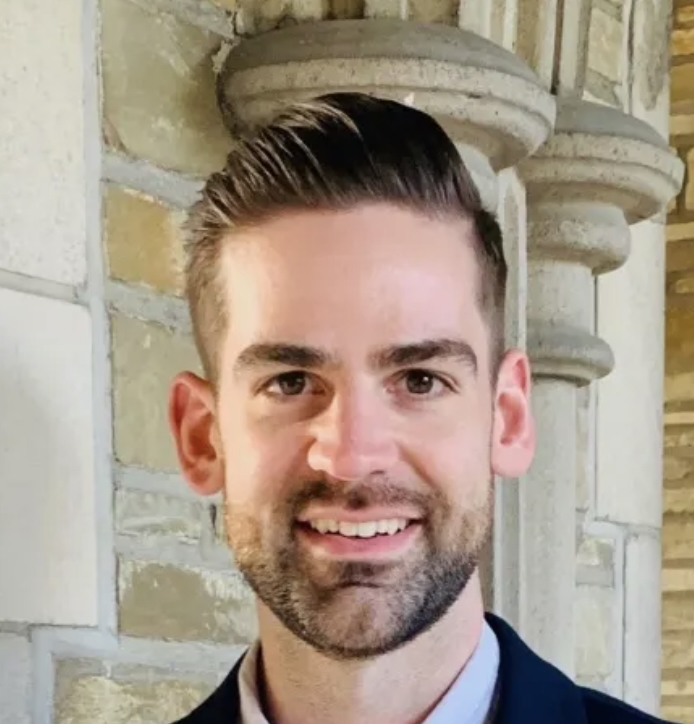 Jonathan S. Jones is an assistant professor of history at James Madison University and author of Opium Slavery: Civil War Veterans and America’s First Opioid Crisis (2025).
Sponsored By