Jane Schultz discusses the motivations and experiences of the women who volunteered as nurses during the Civil War.
Transcript
John Heckman: So, Jane, my first question is a pretty open-ended one. How did a woman go from civilian life to being a part of a Civil War hospital? Was there a typical path to do so, or was it improvised?
 Gleanings from Southland (1895)
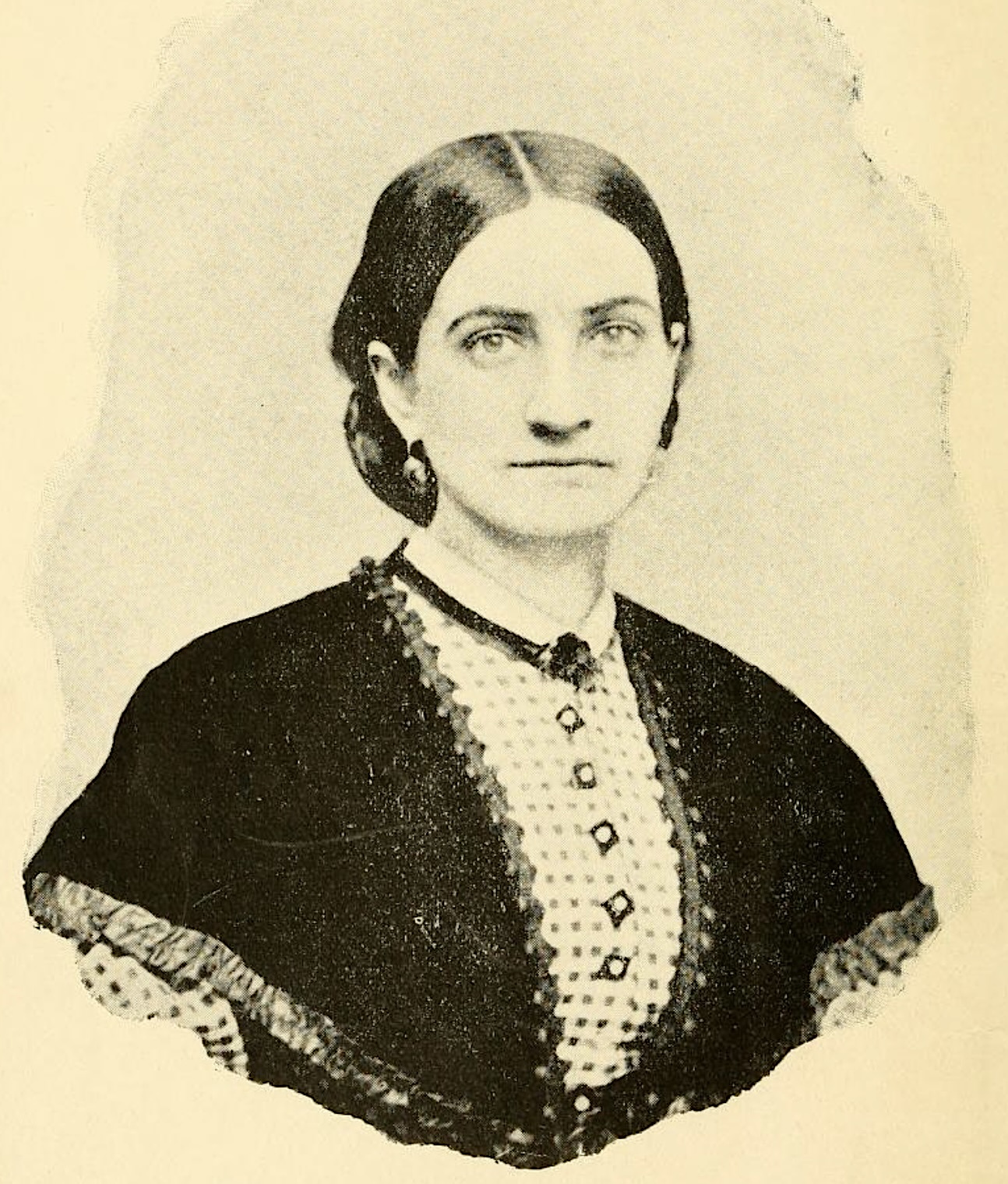
Kate Cumming
Jane Schultz: I think some of each. There were several typical paths, so there wasn’t just one. One of those would’ve been through church organizations. A number of women in both the Confederacy and the Union ended up in Civil War hospitals because the pastors of their churches were organizing groups to go to visit the soldiers from those particular states. Harriet Eaton, whom I’ve written a fair amount about, was a woman from Massachusetts who spent most of hermarried life in Portland, Maine, and she went with a church-sponsored organization. The Free Street Baptist Church in Portland, Maine was her sponsor. So, that happened relatively frequently. Many people will know about the Confederate nurse Kate Cumming. Kate Cumming also went with a church group from her Alabama church. She was from southern Alabama, actually, and Mobile, as it turns out. Although she was also a transplant to the United States. Her family had come from Scotland originally, and they settled in Canada, and then made their way somehow to Mobile with many children. Kate was one of the older children in her family, and when the pastor of her church in Mobile sent a group of ladies, she was old enough to go. Still single, always single, she never married, and she ended up going with the church as well.
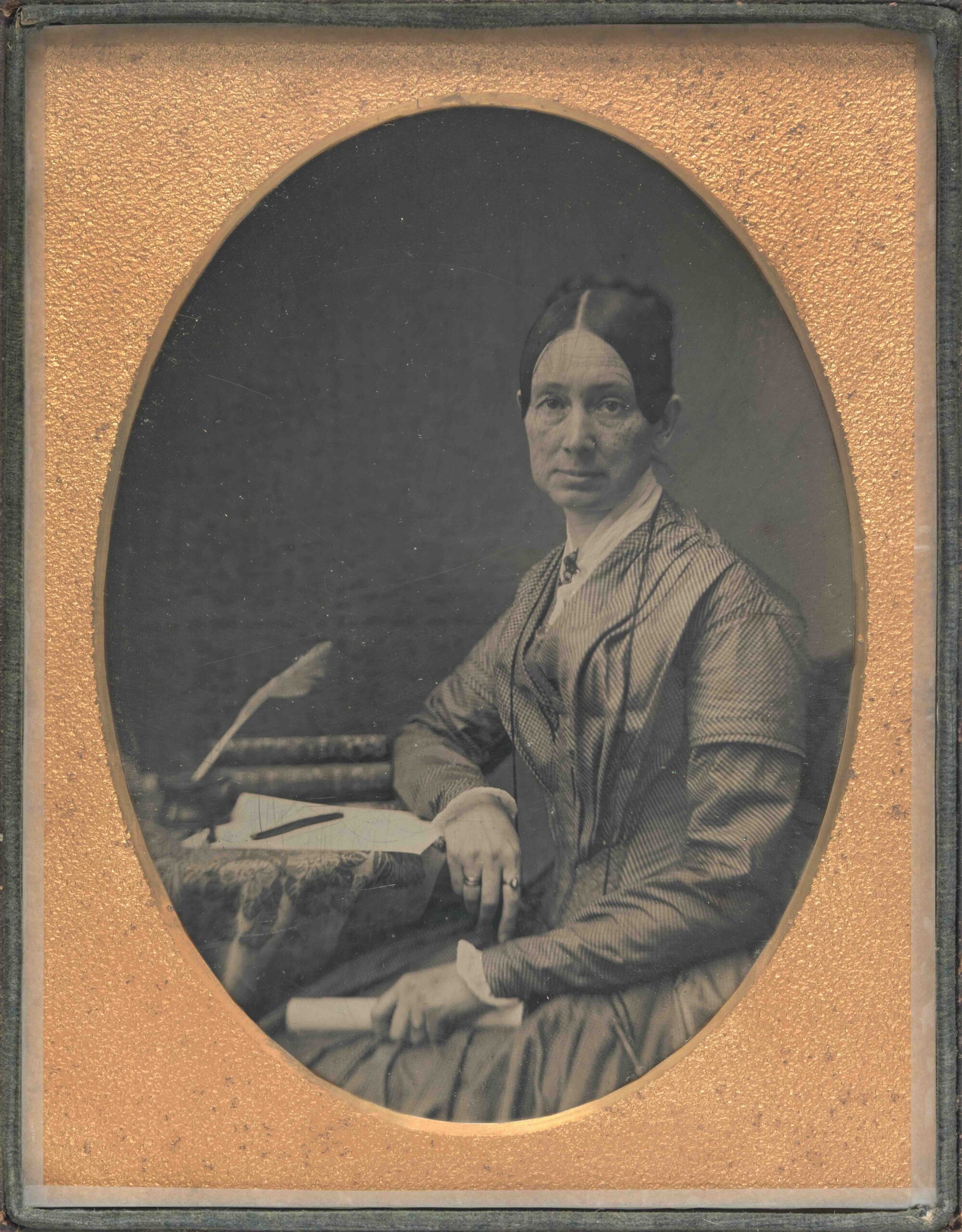
I would say, in general, it much depended on who you knew, not what you knew. It’s very important that people be adults. In fact, at the state level, this was certainly true. If your family had connections to the governor or you knew somebody who was affiliated with one of the state regiments, possibly even personal friends of any of the officers in that regiment, you might be able to be selected that way. But many people will also know that Dorothea Dix, who of course was one of our early mental illness reformers in the U.S., later in her life became the superintendent of army nurses. And in April 1861, because she was already fairly famous by the start of the war, she was asked to organize a corps of women who would be modestly dressed, who would be adults, who would not quail at the thought of being around young male bodies, etc., etc. So this was the one federal vehicle that we had to get women to the hospital.
But just a variety of different things, and again, I think the real emphasis was that it was not so much what you knew, but who you knew that could get you there. Even things like, oh, various record groups in the National Archives will have letters that all kinds of women sent to President Lincoln, even, asking if they could become nurses. So, there are all kinds of ways that people attempted, some of them more successfully than others. Obviously, those people who wrote to Abraham Lincoln were not going to end up in Civil War hospitals. You had to start, I think, at a more modest level with your state or people that you knew in the state government.
John Heckman: You mentioned Dorothea Dix. She looms large in public memory just like Clara Barton does as well. Is there anything that we get wrong as students of history when we think of the typical, quote-unquote, “Civil War hospital worker” by focusing on these two larger than life entities?
 National Portrait Gallery
Dorothea Dix
Jane Schultz: Yes. I love that question because it’s a very important premise that I have emphasized in my own work. So many women wanted to do something to help the war effort, and some of them had to do it because their husbands were gone. There was nobody to work their farms, and they were desperate to feed their children. Women like that often felt that they could do more to actually let the farm fields stay fallow for the year, or two years, or whatever it happened to be, and try to at least be near the scene of the eastern theater or the western theater. But I think what was really striking is that people like Dix and Clara Barton were very—they operated very differently, and at least in the case of Dorothea Dix, as one of her really great biographers, Thomas Brown, will tell you, the Civil War work that she did was not the thing she wanted to be remembered for. Because many people thought she was cranky, that she was petty. There are so many narratives written by women who had provided relief services during the war. There are so many complaints about her. Not complaints about her character, but just that she wasn’t particularly kind to them and that she played favorites and so forth. I think she gets a bum rap. That’s my sense of it. But the real problem, as I’ve understood it, is that she was given just enough rope to hang herself, and she really wasn’t finally given that much responsibility. She appointed, ultimately, we think about 3,000 women over the course of the war. But there are many more thousands of women who did this work during the war. Certainly in the Union alone, there were over 20,000. And by, oh, I want to say early 1863, the surgeon general allowed surgeons in military hospitals to appoint their own nursing staffs and surgical staffs. Obviously, for the surgeons, there would’ve been significant hoops to jump through in order to be appointed. They were rigorously examined and so forth. But often appointing women was just a matter of, “Let’s have some mature women here who know what they’re doing and can work hard doing domestic work” and so forth. I think the real problem for Dix is that her authority was curtailed certainly by the middle of the war, and she became much less important as a force in Civil War nursing, at least for the Union states at that point.
 National Archives
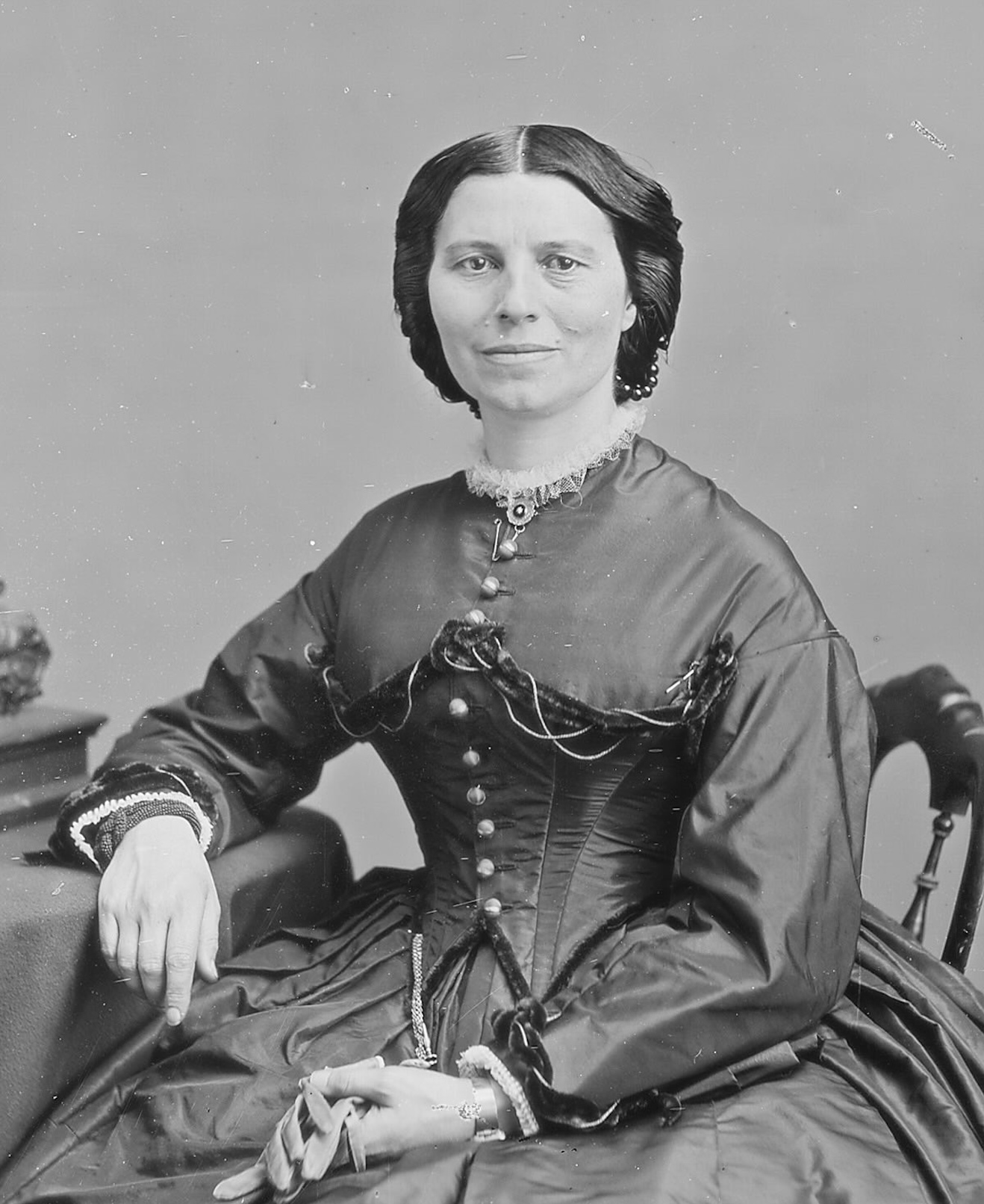
Clara Barton
Clara Barton is an entirely different matter. Barton had her one-woman show. She took matters into her own hands. She knew Montgomery Meigs, the quartermaster general of the Union states, and he allowed her basically to get provisions very quickly, as we know, after the Battle of Antietam, which is where she certainly shows up in an important way before many other people who could have provided relief. And she did not like playing by any of the institutional rules that would come to be organized during the war, certainly by the time the U.S. Sanitary Commission was in full force. Barton was not particularly interested in playing nice with the U.S. Sanitary Commission. She really wanted to do her own thing. She hated red tape. She would’ve been the first to tell you. And so, in that sense, she was really extraordinary. She believed in what she was doing, and she was able to work around all of the systems in order to get done what she thought needed to be done. She organized groups of teamsters to carry supplies, and that was no simple matter for a little woman from New England to do, but she managed it.
So I think what we get wrong is that both Dix in her way and Clara Barton certainly were extraordinary women, whereas I think most of the women who did this work were not that. They were not people who would’ve happily broken the rules in order to make sure that something happened. They were rule followers. They wanted to be sure that they were liked in order to stay. They were probably somewhat fearful of being in those positions, although not all of them. There were some who were quite bold. I’m thinking of a new book by Megan VanGorder on Mary Ann Bickerdyke, who was from Illinois, and was definitely a lower-middle-class woman or working-class woman who was legendary during the war. People knew that she was a person who they should not toy with, and there are various legends about her, which is that generals like Grant and Sherman said that she outranked them, so they just let her kind of do what she needed to do. So there are people like that, but they are, I think, the exception and not the rule.
John Heckman: What about the differences in the racial makeup of those who were staffing these hospitals at the time? What were the differences in what they may have experienced?
 Library of Congress
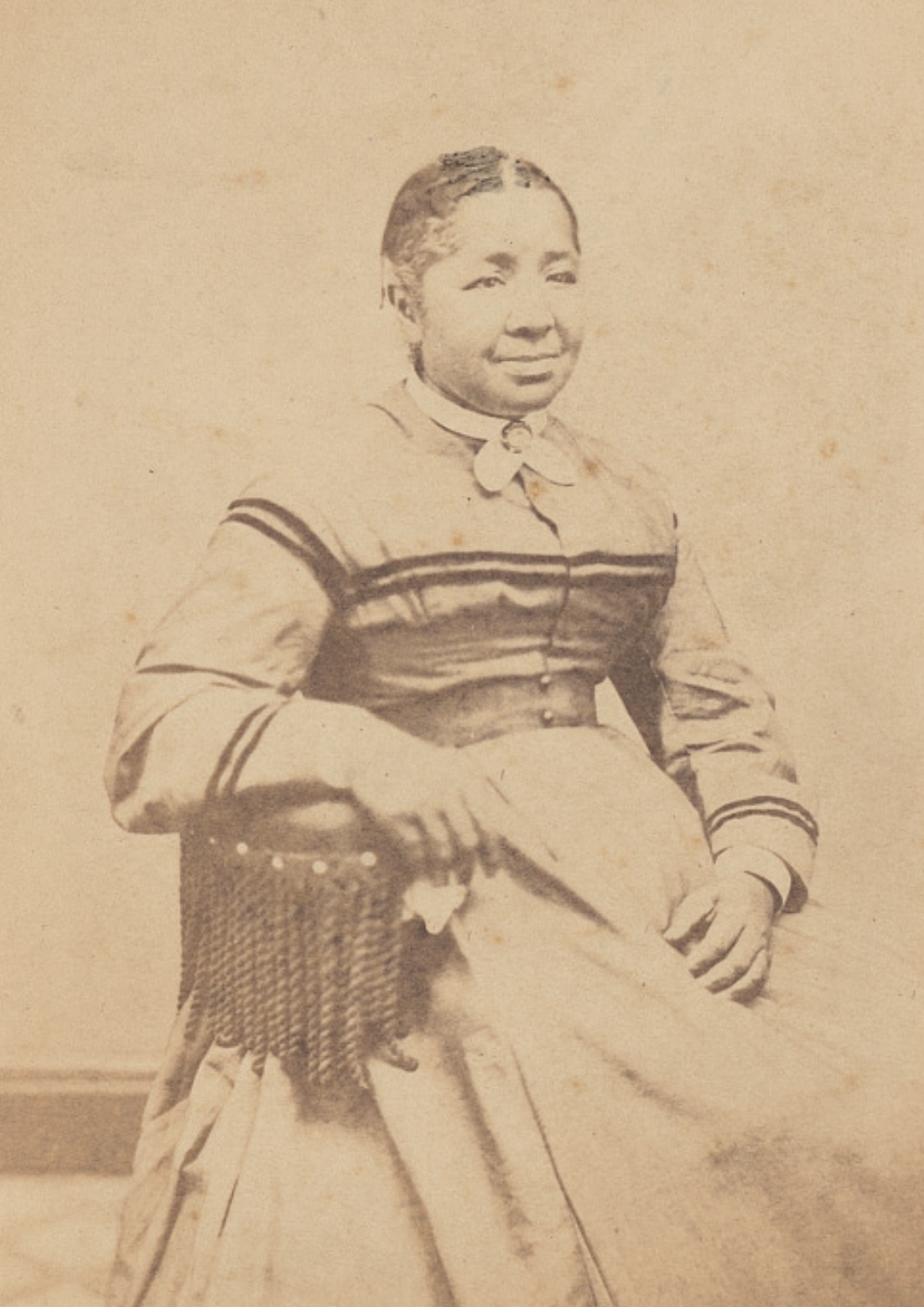
An unidentified African-American nurse who worked at Chesapeake Military Hospital in Hampton, Virginia.
Jane Schultz: Oh, I think there’s significant differences, so this question is an important one. In both sections, both the Confederacy and the Union, there are a good number of black women who worked. Of course, in the North, some of these were free women, maybe whose families had never been enslaved. And we know, for example, that Hannah Ropes and Louisa May Alcott talk about a black woman who took care of them in military hospitals or worked alongside with them in military hospitals in Washington. And the statistics that we have from the Carded Service Records, which is a National Archives record group, part of a record group, tell us that about 10 to12% of the women who did any kind of domestic work, domestic relief work for soldiers, were African Americans. And I don’t think we have a good figure for that in the Confederacy. But what I think is obvious, again, from narrative testimonials, which of course were written for 100 years after the war, or at least 50 years after the war, many southerners actually had their slaves go out to do work in military hospitals, and those slaves were not able to collect the money that they would’ve been paid for that work. This is a very sad thing, of course.
But the other thing I’d say about just numbers is that women of color were often handed jobs that put them at some distance from bedside nursing, if we want to call it that, to soldiers. And they would have been handed out jobs as laundresses, as people who cleaned the wards, things like this. Occasionally, they would’ve been given the job of cook, although many white women also cooked because diet was, of course, an increasingly important part of taking care of a military camp and train. You needed to keep people healthy over time, and so I think one of the outcomes or consequences of women’s work during the war was that people in military administration began to understand just how important appropriate diet was for people who were either convalescing from illness or from gunshot wounds.
John Heckman: Did these women working in the hospital environment see their labor basically as an extension of domestic duty, or is this something new to them altogether?
Jane Schultz: Again, I’m going to say it’s really both. Clearly, people were there to do domestic labor. I think it’s the only reason that people in the military allowed women to be anywhere near soldiers. It’s because they did not want to do the domestic work themselves, and they realized it needed to be done. Armies produce an enormous amount of dirty laundry, dirty clothing, and people need to be fed three times a day. This becomes just a huge labor. And we see this in the Revolutionary War as well. The Civil War is not the first war in which we have people who are attached to the military camp and train. But I think the difference in the Civil War from the Revolution is that women were basically working under federal auspices to do this work, whereas in the Revolution, they were attached very specifically to regiments at the state level, and I don’t think it was well organized nationally or federally speaking.
 Library of Congress
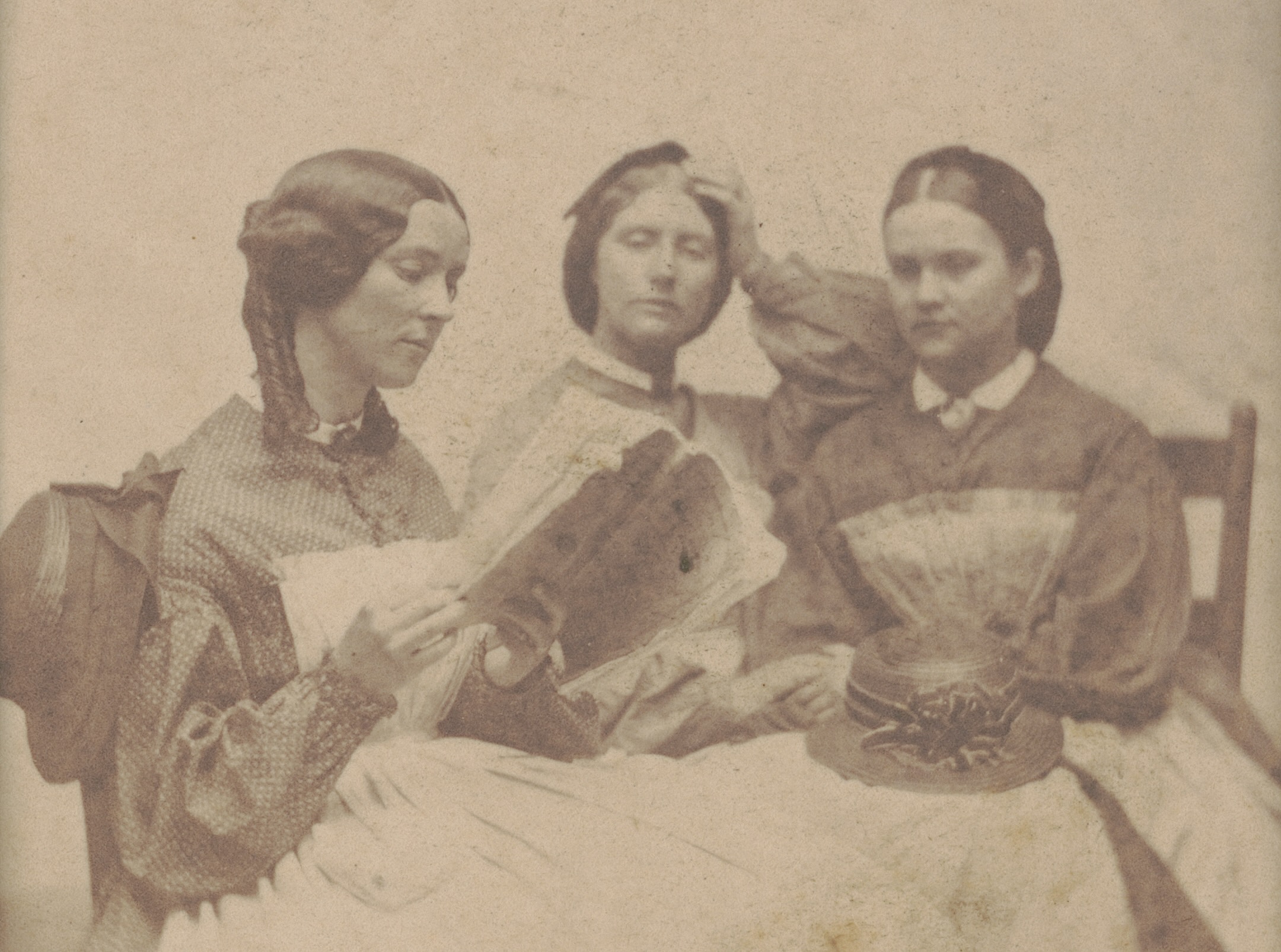
A trio of Civil War nurses
But yeah, they understood, again, that they were helping the nation, so I think again, it’s the sphere of the national that was an important way for them to say, “We are citizens of the country, too. We want to be able to do something.” But it goes beyond the rhetoric of patriotism to me, I think. There’s plenty of that invoked in personal narratives of the war, but I think they really understood that they could make a difference in the way that armies acted in the field, and they could feel that they were a part of something much bigger than themselves.
And as we see, it does really lead to professional training for nurses in the 1870s, happening about 10 years earlier after the Crimean War in England, but we certainly use that example in the United States, and a number of nurse training schools were established starting from 1869 forward into the 1870s. So professionalization of nursing happens as a result of that. And, obviously, physicians in the United States were organized, really a generation earlier, although they’re still fighting for a kind of cultural preeminence, I would argue, at the time of the war. I always say, and I stand by it, that the surgeons of the Civil War, even those who would’ve been working in the surgeon general’s office and had fairly high positions, they were far more status conscious than the clergy in American society at that time, who I believe were more highly regarded than people who worked on bodies in medicine.
John Heckman: Doctors were almost entirely men, and you have a large force in these different wards that are made up of women. How did that power imbalance play out on the wards, if there was a power imbalance? Who had authority over patient care, or maybe just authority on paper?
Jane Schultz: Yeah, it’s a complicated issue, and what I’d say is that there were some people who were so excellent at their care of the body that there are many surgeons who testify to how wonderful their assistance is. Then there are other surgeons who are very unhappy with the women under their direction, and that’s because many women would’ve wanted to express their opinions about which patients needed certain kinds of foods. We see a lot of evidence, again, in the narrative record that so many women say, “Gosh, I know that this patient is going to die, but I think that we can make his death much better.” Or, alternately, they say, “You’ve given up on this patient, and I think I can nurse him back to health.” Surgeons didn’t like that. They didn’t want for any woman, and they don’t want for any man either, to countermand their order in any way. Human relations are complicated, and we, at the time, were in a world where women were expected to be far more obedient to men, and I think especially in the military, they would’ve felt it incumbent upon them to do what they were told.
So, if they had a different opinion and they expressed it, that would create tension. And we do see examples of people being fired from their jobs, and that’s sad when that happened, but it happened rather often. And then, for example, if there were surgeons who for one reason or another were derelict in their duty, and there are lots of examples of that during any war, people who showed up for work drunk, not terribly unusual, although I think the evidence or incidence of alcoholism among the surgical corps is overblown. I don’t think it happened maybe as much as is out there in the mythology. But I think when someone either was not on duty when they were supposed to be, but the nurses were there taking care of soldiers, the surgeon not there to do rounds, people became very upset about it, of course, and they would often let the surgeon know how upset they were about it.
There’s intrigue about this. We tried to cover some of that intrigue in the program. I don’t know, John, if you saw it, but some of your listeners will have, the Mercy Street PBS drama that ran from 2015 to 2017, and I think that program did a fairly good job of showing the tensions that would arise in the small space of military hospitals, which were often very filthy places. Women were there to help keep it a little bit more sanitized, but this is in the era before the germ theory is widely accepted, before we have really systematic practices of antisepsis and so forth.
John Heckman: Given how essential this kind of work is during conflict, why didn’t it translate into a large wave of women seeking to get into the medical profession?
Jane Schultz: Yeah, that’s a question that I’ve thought about for about the last 30 years, and I think there are a couple of things at work. One is that we know the British Florence Nightingale and her 1860 book, Notes on Nursing, talked about people she thought would be best suited to bedside nursing, and she determined that working-class women, young women, would be the best because they would be the most pliable, the most compliant, really. And I think that is the same conclusion that Americans came to when they established their nursing schools. So many of the women who had been in the war were already middle-aged, and believe me, for those who hung around for three or four years nursing, they aged even more quickly. They were tired by the end of the Civil War. They had seen so much death. Not that death was a complete stranger to them, because I think 19th-century Americans were far more familiar with the material evidence of death than we are today in interesting ways. But I think that those women felt they were no longer young. Even though some, of course, did go into nursing administration, in fact, Mary Ann Bickerdyke of Illinois, who I mentioned earlier, is one who did.
 hawkstrust.org
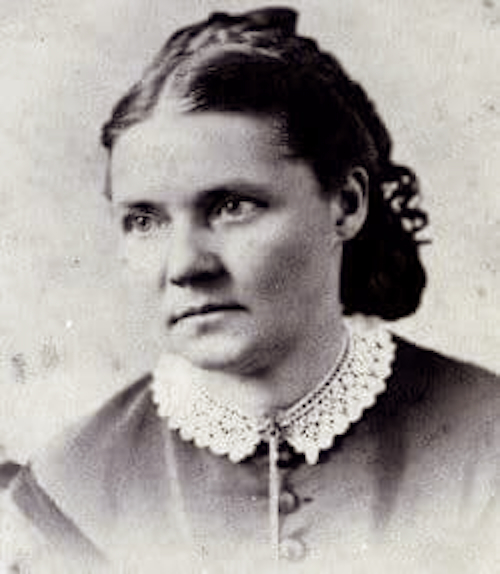
Esther Hill Hawks
There were several others who did. Some actually determined they wanted to be physicians, and some, I’m thinking of Esther Hill Hawks, who was also from New England and nursed in the Sea Islands. She was actually already studying her husband’s medical books when she was stationed in the Sea Islands of South Carolina and Georgia area. And as it turns out, she ultimately did get a medical degree and practice medicine. And she was in an out-of-the-way place doing her Civil War nursing, and I’m quite sure that she was treating some of her patients medically even during the war. There were others like Hawks who were certainly thinking in the early 1860s about pursuing medical degrees, but it was still very difficult for women to do that because very few schools of medicine accepted women during the war years. And the one figure I can cite is that the University of Michigan started accepting women to graduate medical education in 1870, but they were one of the very early ones to do it. There just wasn’t that much opportunity for women who wanted to go into the practice of medicine.
But more importantly is the point that many of the women who had done this work during the war were not 20 years old by the end of the war. Many of them, as often happens in American wars, went back into the home. They got married, they had children, and they were not necessarily thinking, in part because of their middle or more elite class status, of going to work outside the home. So there’s an irony in this, because so many of the women who were chosen to nurse were of a higher class standing, and it wasn’t ultimately those women who nursing administrators felt would become the best nurses, the best material to work with in nursing.
John Heckman: Understanding the gender norms at that time, if you will, we have soldiers seeking pensions after the war. How did these female workers try to have any kind of recognition or compensation for their time after the war is over?
Jane Schultz: That’s also a very class-based phenomenon during the war. We know that the women who were most well-heeled during the war, those who may not have been struggling to the same extent as women of the working class to feed their children, those women organized fairly quickly after the war in a variety of groups to try to get themselves a pension. And of course, we know that beyond 1870, 1880 particularly, there’s an enormous move to make sure that soldiers get pensions, and that other people who had been working during the war, certainly physicians and surgeons and so forth, they also get pensions. So family members of soldiers and physicians also were eligible for pensions. So, of course, this group of female relief workers thought, “All right, we should try this, too.” And so, they worked on, first of all, they attempted to get special acts passed in Congress to pension the real standout nurses, people who might have nursed for all four-plus years of the war, who had distinguished themselves not only through their length of service, but through the respect that they had garnered from those who had been monitoring their work all this time.
 Library of Congress
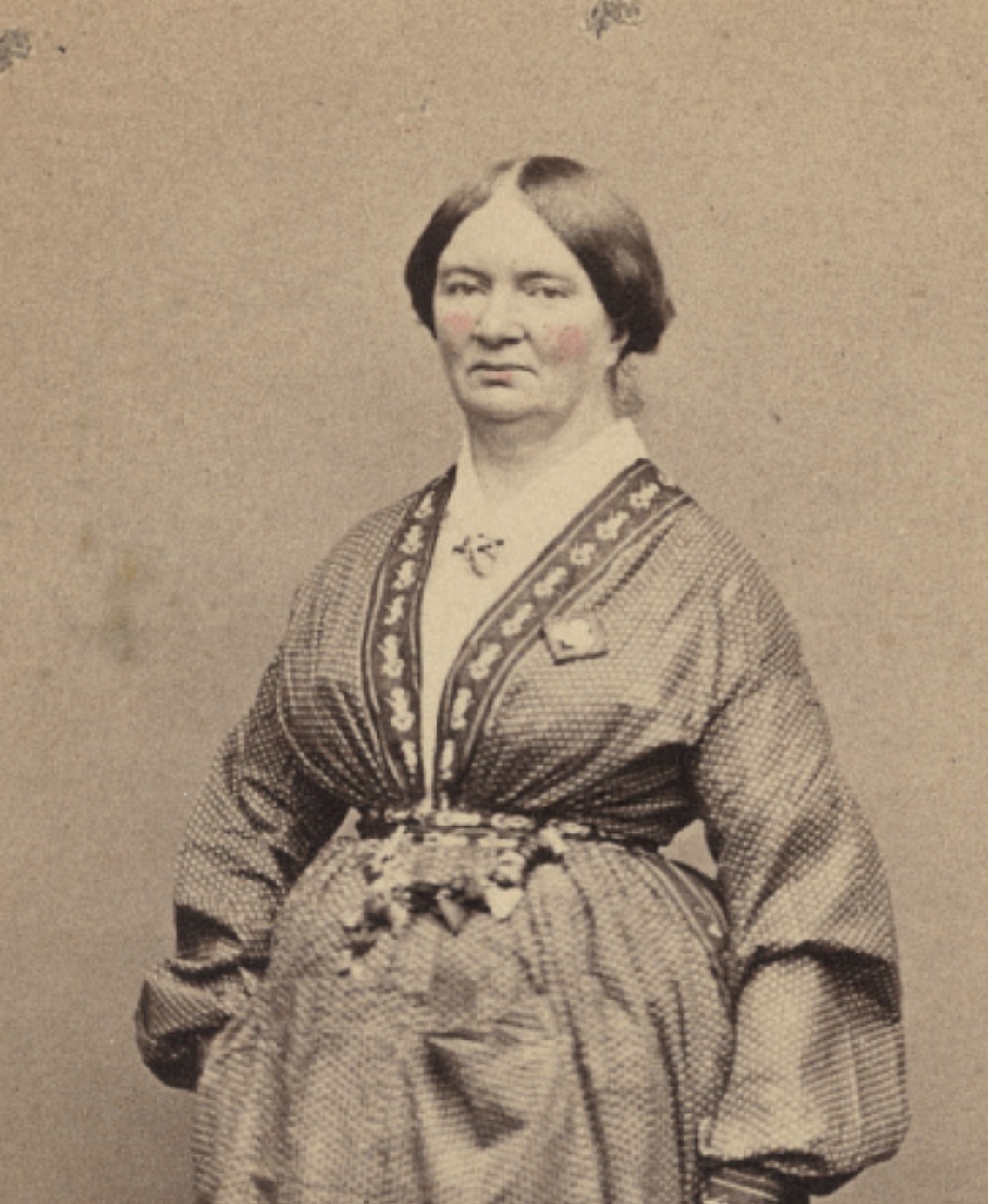
Mary Morris Husband
And they were quite successful in getting those kinds of individual pensions by special act of Congress passed. But what they really wanted was a much more broad-based approach where women who had served at least six months in the service and could prove through hospital records that they had been employed for six months, maybe at two places, maybe just at one place, but a minimum of six months, that they should receive a $12 monthly pension. And it took them until 1892 to get that pension, but they were finally successful in doing that. And interestingly, a lot of the special acts of Congress that gave people like, oh, let me think, Mary Morris Husband would’ve been an important Pennsylvania nurse who got one of these by special act of Congress, if I’m not mistaken. She would have gotten about $25 a month, whereas the pension that the government finally coughed up in 1892 was a little bit less than half of that. So, you know, this was helpful.
Now, the real problem with pensioning happens when people could not prove that they had served in a nursing capacity for at least six months. Obviously, many of the women who served during the war were not called “nurse.” They were maybe contraband workers who became laundresses because, again, this provided a way that they could actually feed their children. And, as laundresses, they were not eligible for pensions unless—and this would’ve only spooled over a fairly long time—unless they could prove that they had done the work of nursing. And what was that work? That work was basically working with surgeons as surgeons did rounds, being sure that they were attentive to the medicines that soldiers got, the food that soldiers got. Washing soldiers, that was something also that bedside nursing would’ve consisted of at this time. There are some examples we have of women who became so proficient at their work that they were even given small surgical responsibilities. Clara Barton, and I’m sure a number of other women that I’ve probably written about in my book in 2004, Women at the Front, did things like, after a battle, men were triaged with various kinds of wounds. Clara Barton was able to amputate a soldier’s finger, which was already partially off, but that was something where he would’ve had to wait probably for days to be treated, and it was something that she was able to do. She knew how to do it, so she did it. And that kind of thing happened. Things were not tremendously well-organized, although triaging was still an important practice that evolved in very positive ways over the course of the war. But women would have had more direct medical experience, too.
But the real problem for people who had been cooks and laundresses is that they were not called “nurse.” They were not given that title, which was a more prestigious title. And because of that, the burden of proof lay with them to prove that they had done the work of nursing. And there were a few who challenged that and were able ultimately to get their $12 monthly pension. The pension records, as it turns out, and of course, they are all in the Veterans Administration records at the National Archives, they are a very rich source of stories about people’s war work, and I’ve used them extensively over the years.
John Heckman: Jane, many in modern nursing trace their roots back to Civil War-era women like the ones you’ve been discussing. Do you believe that’s a fair lineage or is that a myth that’s been built backward in a profession that just needs an origin story basically?
Jane Schultz: That is an excellent question. I’m inclined to say, because nurses have been with us since at least the Middle Ages, I’m inclined to say that there’s a good bit of mythological origin. Although, you know what? I think because of what I said earlier, that the Civil War is the moment where people really look to the nation as a unit for the first time, or nations plural, since we have the Union nation and the Confederate nation at this time, that people felt there was a change. The government had acknowledged by allowing women and paying women—the pay is such an important thing—to do this work, that this was a legitimating activity for them.
 Library of Congress
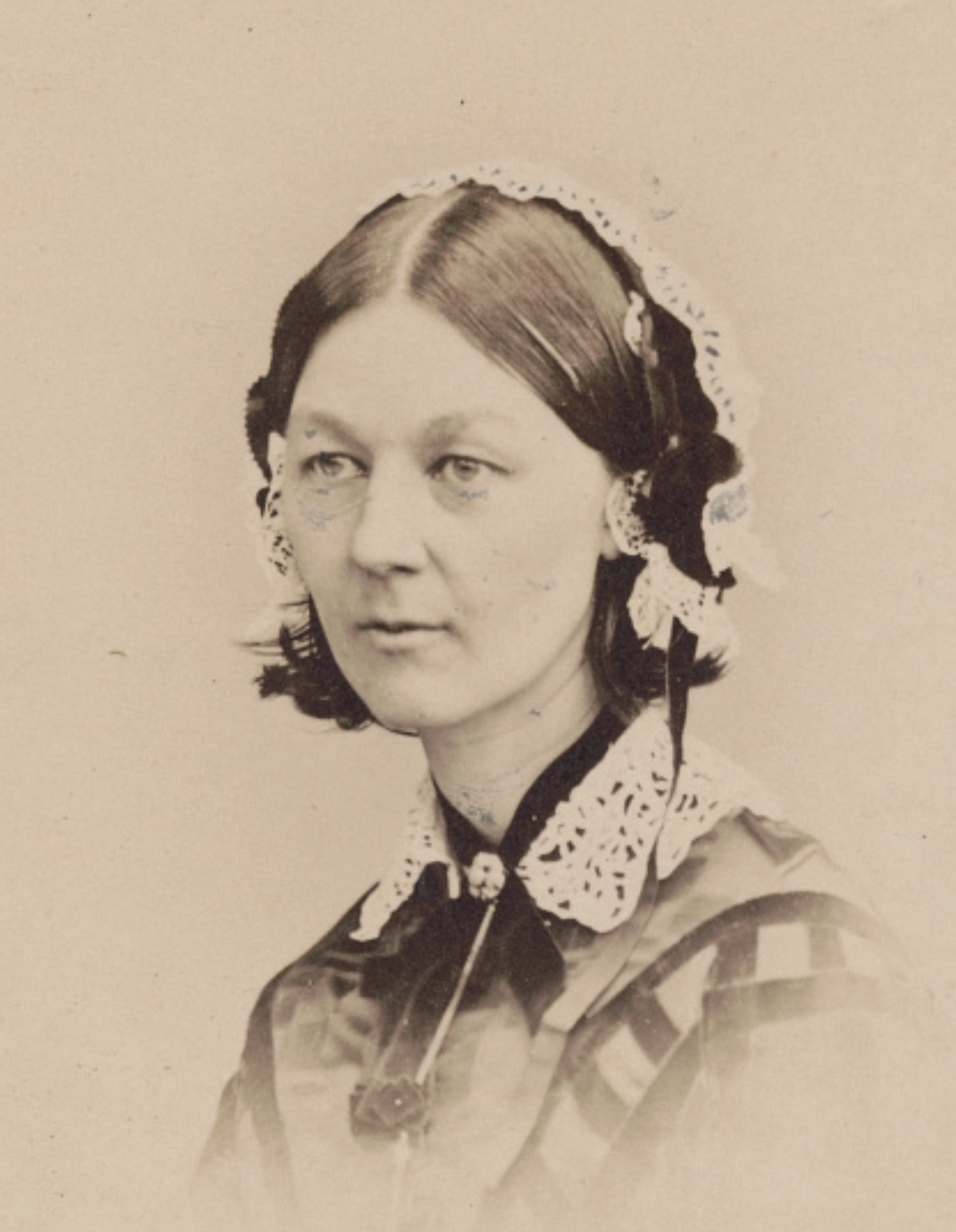
Florence Nightingale
And again, it becomes, especially as we think about women’s suffrage in the United States, which of course you don’t have until 1920, but all of this time, women use the experience of war work, with all of the rhetoric of patriotism that might involve, to say that they too are citizens. This is how they participated in the polity at a time when the country needed them. There’s certainly an argument to be made for why many would regard the war as the origin story of their own nursing, and I think you can’t say that without also acknowledging the power of Florence Nightingale and her image, both her work and her image in Western culture. So many people mention Nightingale in, again, the narrative record, and we know from being able to now search databases of newspapers that Nightingale was mentioned regularly in the 1850s and 1860s in American newspapers. She was a household name, much, much more so than Clara Barton, for example. People knew Florence Nightingale. And so many people felt that they wanted to be a Florence Nightingale themselves. They thought this is a wonderful sacrificial kind of career that other people will accept me for. And so I think that that’s an important point for many people.
Although we have nursing far long before the Civil War, certainly in our own Revolution, and there’s just a really, a great new book out from the University of Manchester Nursing History Series in the last couple of years that makes the argument that certainly women were nursing in Europe, certainly in the 1500s and before. I think that nursing has always been there. But it’s the impetus for the professionalization of nursing that launched many people in our own country to want to do this. They could get paid for it. They could lead a respectable life. It gave them an option, perhaps, not to marry and have children if they wanted not to do that. It gave them more choices.
John Heckman: So, to finish up, you’ve been researching this topic for years, and you’ve been writing about it for years, and you’ve been interacting with people based on this work for years. What’s a myth that you have tried to dispel from them or a lesson that you have tried to teach them that maybe they didn’t come to your presentation with or come to your books with?
 Maine State Archives
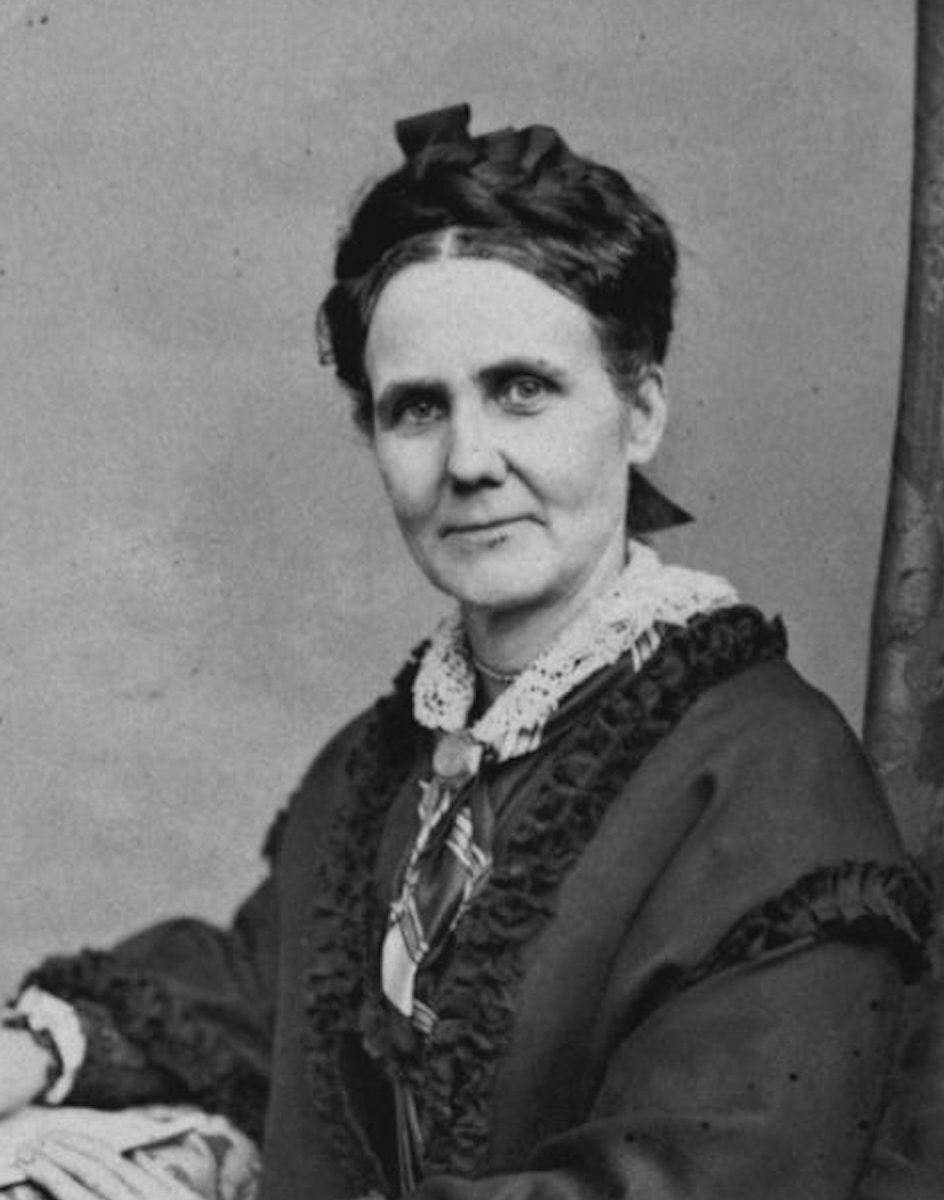
Isabella Fogg
Jane Schultz: Well, there’s several things. The one thing that really jumps out to me is that we love a great turn of phrase, and people love the idea of female nurses as ministering angels, and that is a mythology, to be sure. Again, women went into this work for all different reasons. Some of them were very altruistic in their reasons. They wanted to, particularly if they’d lost someone important to them, they wanted to help others. And this was, again, a part of female culture during the time, to be somewhat sacrificial, self-sacrificial.
But the other thing that’s really important here is that women were just people, like other people, and they did not always get along with one another. I’ve talked in my book on Harriet Eaton, I’ve talked a lot about her falling out with her coworker, Isabella Fogg, who was another, actually an originally Canadian woman who came into Michigan and found her way to the main Camp Hospital Association that Harriet Eaton was working for. And the two of them were like oil and water. They didn’t get along. They had a number of spats, and what we learn is that when we actually are able to read correspondence that was not thrown away, when we’re able to read a diary that has not been sanitized in the form of a memoir or reminiscences of the war, we get a lot more of that real story, that human relations are complex. People are going to argue. People are not going to like certain temperaments and so forth. So that, for me, is, I think, the first lesson of the war is that ministering angel icon, even though it’s what soldiers loved, and soldiers loved to be taken care of by women.
But it leads us, I guess, also to the second issue, and that is that there were lots of men who also provided relief services, many more than the 20-plus thousand women who did this. However, those men were convalescing soldiers for the most part, so they weren’t always in very good physical shape, and they, because they were raised by their own mothers, weren’t particularly adept at domestic work. So the soldiers preferred, and they always said this, that they preferred women to take care of them. They were sad that they didn’t get to see women very often, so when they saw women, they embraced that opportunity to talk to women and have women take care of them, feed them, write letters for them, and so forth. Their literacy skills were important. But the second mythology I would say is that many nurses, and, again, you see this in the official records of the war and in all kinds of surgeon general’s office and medical records, that male nurses are often accompanying surgical staff in various places, and those male nurses would’ve been people who were currently convalescing and well enough to be hangers on, or they were people who had been so grievously injured in one way that maybe they weren’t particularly ambulatory anymore, but their brains were working fine and everything else was working so that they could do certain kinds of bedside nursing. So those two things come to mind immediately.
About the Guest
 Jane Schultz is a professor of English and director of Literature at Indiana University-Purdue University-Indianapolis and the author of Women at the Front: Hospital Workers in Civil War America (2004).
Additional Resources
-
- Thomas J. Brown, Dorothea Dix: New England Reformer (1998)
- Megan VanGorder, A Mother’s Work: Mary Bickerdyke, Civil War–Era Nurse (2026)
- Mercy Street (PBS, 2016–2017)
- Florence Nightingale, Notes on Nursing
- Manchester University Press’ Nursing History and Humanities series
Sponsored By